
资产管理

Search documents
给中国投资者的忠告!瑞·达利欧最新对话:我一直取胜的法宝就是多元化配置
聪明投资者· 2025-09-26 03:34
Core Insights - The article emphasizes the importance of asset preservation and diversification in personal investment strategies, particularly in the context of changing economic cycles and debt issues faced by countries like China and the U.S. [2][4][30] Group 1: Investment Strategies - Personal investors should focus on diversifying their asset portfolios rather than relying solely on savings or real estate investments, as many individuals tend to do [2][30] - A recommended allocation of 10% to 15% in gold can provide a good balance and risk hedge within an individual's asset portfolio [2][38] - The concept of "All Weather Strategy" proposed by Ray Dalio highlights the significance of diversification, risk balance, and rebalancing in asset allocation [3][4] Group 2: Economic and Debt Cycles - Debt is identified as a critical factor influencing a country's economic success or failure, with historical examples illustrating the consequences of excessive debt [9][10] - The article discusses the cyclical nature of debt and its implications for economic stability, suggesting that when a country struggles to repay its debt, it faces broader economic challenges [9][10] - The current U.S. debt situation is described as unsustainable, with significant implications for future economic policies and stability [17][19][21] Group 3: Recommendations for Investors - Investors are encouraged to understand the underlying mechanisms of market fluctuations and to manage their investment portfolios accordingly [37][40] - The article suggests that individuals should not merely follow investment conclusions but should learn to think independently and develop their own strategies for asset management [39][40] - The importance of recognizing the cyclical nature of debt and its impact on personal and national economies is emphasized, advocating for a diversified approach to mitigate risks [30][38]

华夏理财:“理财工厂”迭代升级 打造行业高质量发展新标杆
Xin Hua Wang· 2025-09-26 02:46
Core Viewpoint - 华夏理财 is evolving its "理财工厂" model to enhance high-quality development in the asset management industry, focusing on innovative product offerings and improved customer experiences [1][2][3] Group 1: Product and Service Development - The "理财工厂" model has transitioned from version 1.0 to 2.0, emphasizing customized production, standardized processes, and a dual focus on products and services [3][4] - The company has developed a diversified product system covering seven series, including cash management, fixed income, equity, mixed, and ESG products, catering to various risk preferences and investment horizons [4][5] - The introduction of the "天工" series of passive index-based financial products aims to align with national strategic priorities and enhance the product offering [7][8] Group 2: Growth and Scale - 华夏理财's product management scale surpassed 1 trillion yuan by June 2025, achieving a doubling of scale since its inception [5][6] - The company is focused on maintaining stable growth while enhancing development efficiency and capabilities, leveraging its extensive sales network and digital platforms [5][6] Group 3: Innovation and Strategy - The company is committed to integrating ESG principles into its operations, having issued over 32 billion yuan in ESG financial products and actively promoting green finance initiatives [8][9] - In response to market changes, 华夏理财 is enhancing its investment strategies and product offerings to improve customer experience and adapt to evolving market conditions [6][9]
伟辉科技控股:引领AI量子时代的智能资产管理先锋
Jiang Nan Shi Bao· 2025-09-26 02:27
这一组合策略基于三大核心算法:量子叠加、量子纠缠与量子态测量。量子叠加使资产在多个状态间灵 活切换,从而实现无缝风险对冲;量子纠缠则实现资产间联动调整,当某一资产发生突变,其他资产将 自动补位,保持整体组合稳定;量子态测量使系统能够第一时间识别市场信号,如利率调整、突发事件 或数据公布,并基于蒙特卡洛路径模拟做出最优策略决策。这些算法不仅具备前瞻性,还具备极高实战 价值。 2024至2025年,随着全球通胀上升、地缘政治紧张,黄金再度成为全球资产配置的重要品种。据统计, 2024年黄金价格上涨15%,而全球主要股市普遍下跌8%以上,黄金的抗通胀与避险属性再次凸显。同 时,比特币作为"数字黄金"持续走强,在2100万枚总量恒定的前提下,吸引了越来越多的机构投资者入 场。在这一背景下,伟辉的双资产模型更具前瞻性与现实价值,一边稳住风险底盘,一边追逐增长机 会。 在科技主导的新金融时代,谁能率先完成从传统到智能的跃迁,谁就掌握了未来。伟辉科技控股有限公 司,正是在这场变革中扮演着关键角色。凭借量子算法、人工智能、高性能计算架构及全球流动性网 络,伟辉不仅为投资者提供先进的交易解决方案,更树立了一个面向未来的资产管理 ...
五载匠心筑梦,万亿新篇启航:华夏理财以“七大特征”构建差异化竞争力 书写金融“五篇大文章”
Zheng Quan Ri Bao Wang· 2025-09-26 01:20
Core Insights - The equity market has shown strong recovery over the past year, with equity-based financial products performing well, particularly the "Tiangong" series products from Huaxia Wealth Management [1] - Huaxia Wealth Management has established a "Wealth Management Factory" 2.0 model, focusing on customized production and a dual emphasis on products and services [2][3] - The company has achieved a product management scale exceeding one trillion yuan, marking a significant milestone and a foundation for future growth [4][5] Group 1: Product and Service Development - The "Wealth Management Factory" model emphasizes research-driven investment, credit evaluation, strategy production, asset creation, product assembly, and unified quality control [2] - The transition from version 1.0 to 2.0 of the "Wealth Management Factory" highlights a shift towards customer-centric and channel-centric operations, enhancing service delivery and client engagement [2][3] - Huaxia Wealth Management has diversified its product offerings across seven categories, including cash management, fixed income, equity, mixed assets, and ESG, catering to various risk preferences and investment horizons [3] Group 2: Growth and Market Position - The company has expanded its sales network through collaboration with Huaxia Bank and external distribution channels, achieving a 60% share of external and direct sales [4] - The rapid growth in product management scale has been attributed to proactive channel development, with over ten million clients served [4] - Huaxia Wealth Management aims to leverage its scale to enhance product yield competitiveness and improve client experience, focusing on three dimensions: products, channels, and clients [5] Group 3: Strategic Initiatives - The "Tiangong" series of passive index financial products aligns with national strategic priorities, offering a diverse range of investment options and competitive fee structures [6] - The company has actively engaged in green finance, issuing over 32 billion yuan in ESG financial products and integrating ESG principles into its business operations [7] - Huaxia Wealth Management is committed to enhancing its research capabilities and contributing to the preservation and appreciation of residents' wealth, while supporting the high-quality development of the economy [8]
华夏理财“品牌向上”启新章:见证“理财工厂”成行业发展新标杆
Zheng Quan Shi Bao Wang· 2025-09-26 01:05
Core Insights - The equity market has shown strong recovery momentum over the past year, with equity-based wealth management products performing well, particularly the "Tiangong" series products from Huaxia Wealth Management [1] - Huaxia Wealth Management has established a "Wealth Management Factory" 2.0 model, emphasizing customized production and a customer-centric approach, enhancing service capabilities and product offerings [2][3] Group 1: Product and Service Development - The "Wealth Management Factory" model has evolved from version 1.0 to 2.0, focusing on customized production, standardized processes, and digital transformation, while integrating ESG principles [2] - Huaxia Wealth Management has developed a diversified product system covering cash management, fixed income, equity, mixed assets, and ESG, catering to various risk preferences and investment horizons [3] Group 2: Growth and Scale - Huaxia Wealth Management's product management scale surpassed 1 trillion yuan by June 2025, achieving significant growth since its inception, with a focus on high-quality development and stable growth [4][5] - The company aims to enhance its competitive edge by focusing on product performance, channel development, and customer experience, leveraging market opportunities from the exit of small and medium-sized banks from self-managed wealth management [5] Group 3: Strategic Initiatives - The "Tiangong" series of passive index wealth management products was launched in 2023, focusing on key national industrial policies and providing a comprehensive range of index products [6] - Huaxia Wealth Management actively promotes ESG investment principles, having issued over 32 billion yuan in ESG products and integrating ESG strategies into its business operations [7] Group 4: Future Vision - As the company approaches its five-year anniversary, it plans to enhance its "Wealth Management Factory" model, strengthen research capabilities, and contribute to the preservation and appreciation of residents' wealth [8]
上海国泰海通证券资产管理有限公司关于旗下基金更名事宜的公告
Zhong Guo Zheng Quan Bao - Zhong Zheng Wang· 2025-09-25 23:44
Group 1 - The company has completed the registration of its name change from "Shanghai Guotai Junan Securities Asset Management Co., Ltd." to "Shanghai Guotai Haitong Securities Asset Management Co., Ltd." on July 25, 2025 [1] - Following the name change, the company will modify the fund contracts, custody agreements, and related documents for its funds, with the updated documents taking effect on September 29, 2025 [2] - A total of 56 non-public REITs and 4 public REITs will undergo name changes, while their fund codes will remain unchanged, ensuring no adverse impact on the interests of fund shareholders [1][2] Group 2 - The company has committed to managing and utilizing fund assets with integrity and diligence, although it does not guarantee profits or minimum returns for the funds [2] - Investors are advised to carefully read the updated legal documents, including fund contracts and prospectuses, to select investment products that align with their risk tolerance [2]

特朗普赚翻了,关税每年赚3500亿美元,美联储降息后,分歧加大!
Sou Hu Cai Jing· 2025-09-25 20:48
Group 1 - The core argument of the article highlights that the $350 billion annual tariff revenue under Trump's administration is essentially a transfer from American consumers to the government, rather than a true economic gain [1] - The U.S. Treasury reported that tariff revenue reached $165 billion by the end of August, a significant increase of $95 billion compared to the previous year, indicating that this burden falls primarily on American consumers and businesses [2] - The increase in tariffs has led to an average annual expenditure increase of over $1,500 for American households, disproportionately affecting low-income groups who spend a larger share of their income on consumer goods [2] Group 2 - The new H-1B visa regulation, which raises fees to $100,000, is expected to generate approximately $8.5 billion annually, but it poses a significant financial burden on tech companies, potentially leading to job cuts and a shift of positions overseas [3] - The policy is criticized for potentially stifling innovation in the tech sector, as many companies rely on H-1B visa holders to fill skill gaps, and the increased costs may deter hiring [3] - The majority of H-1B visas are issued to Indian nationals, complicating the situation amid ongoing trade tensions between the U.S. and India [3] Group 3 - The Federal Reserve's recent interest rate cut of 25 basis points to a range of 4.00%-4.25% reflects a split in economic perspectives, with some members concerned about inflation while others focus on employment [4] - The conflicting views highlight the challenges posed by tariffs, which have contributed to rising prices (with the August CPI at 2.9%) while the job market shows signs of cooling [4] - The ongoing debate within the Fed underscores the broader economic uncertainty created by tariff policies and their impact on inflation and employment [4] Group 4 - The short-term revenue gains from tariffs and visa fees come with long-term consequences, as historical precedents suggest that such protectionist measures can lead to economic downturns and reduced GDP growth [5] - Companies are shifting supply chains to countries like Vietnam and Mexico to avoid tariffs, while the increased H-1B visa costs may accelerate talent migration back to countries like China [5] - The political pressure on the Federal Reserve to lower interest rates further complicates the economic landscape, leading to increased uncertainty for investors [5]
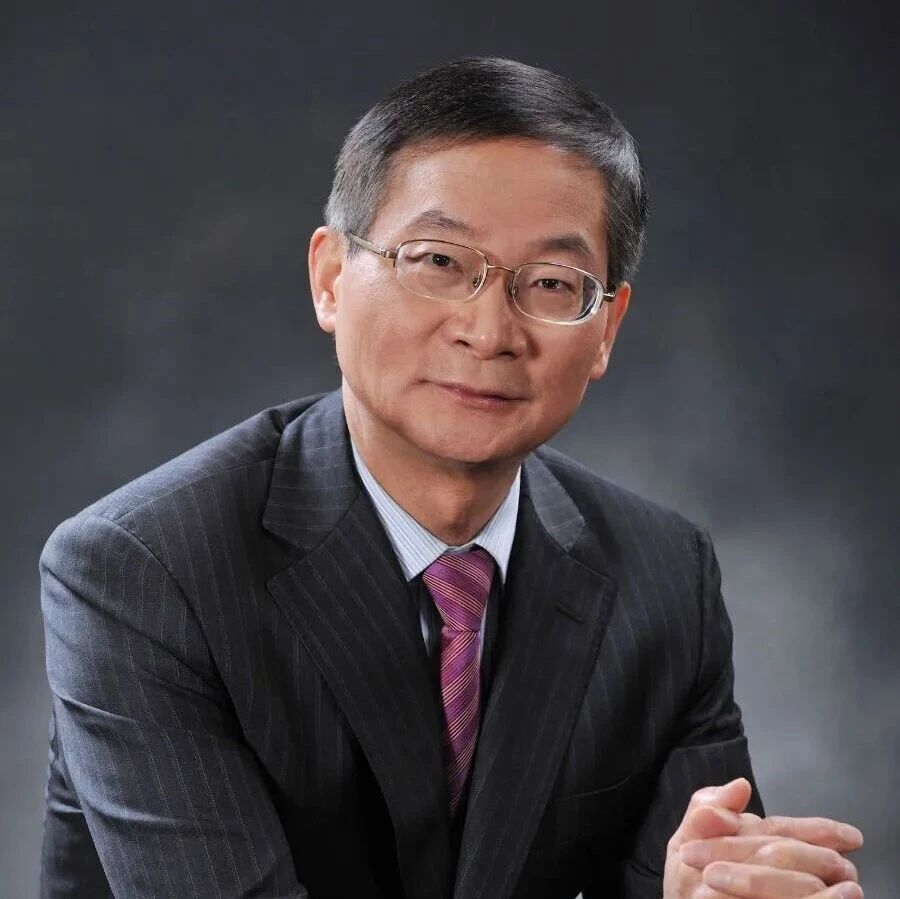
独家专访盛松成:中国居民储蓄将更多流向金融投资
21世纪经济报道· 2025-09-25 16:12
Core Viewpoint - The article discusses the ongoing transformation of asset values in China, driven by innovation and changes in the capital market, leading to a shift in resident wealth towards financial investments, particularly in high-quality projects that generate stable cash flows [1][12]. Group 1: Market Performance - As of September 25, 2023, the Shanghai Composite Index has increased by 14.96% year-to-date, the Shenzhen Component Index by 29.11%, the ChiNext Index by 51.09%, the Hang Seng Index by 32.03%, and the Hang Seng Tech Index by 42.77% [1]. Group 2: Monetary Policy and Economic Environment - The external environment for Chinese asset prices is improving, with expectations of continued interest rate cuts by the Federal Reserve, providing room for potential rate cuts in China, although significant cuts are not anticipated in the short term [3][11]. - The People's Bank of China emphasizes a balanced approach to monetary policy, focusing on domestic conditions while considering external factors [4][11]. Group 3: Currency and Trade Dynamics - The long-term outlook for the RMB is stable with a tendency to appreciate, which supports internationalization efforts and helps Chinese enterprises expand globally [4][6][24]. - China is unlikely to repeat Japan's past mistakes regarding currency valuation, maintaining a stable exchange rate to prevent asset bubbles and industry hollowing [7][8]. Group 4: Investment Opportunities - There is a growing trend of resident savings shifting towards financial investments, with new "wealth pools" emerging in sectors aligned with national strategic directions, such as new infrastructure and consumption infrastructure [12][13]. - The development of REITs (Real Estate Investment Trusts) in new infrastructure is encouraged to attract private capital, with a focus on simplifying approval processes for quality assets [13]. Group 5: Asset Management Industry Trends - The global asset management landscape is evolving, with significant growth in asset management scale driven by low interest rates and changing investment preferences [19][20]. - The asset management industry is expected to undergo three major changes: expansion of asset management scale due to excess liquidity, adjustments in asset allocation towards equities and alternative assets, and a shift in operational models towards service-oriented approaches [19][20]. Group 6: Gold and Investment Strategy - The rise of gold as a strategic asset is noted, driven by geopolitical tensions and concerns over U.S. debt, although large-scale institutional allocation to gold may be limited [22][23]. - The long-term trend indicates that gold will play a significant role in investment portfolios, particularly as the opportunity cost of holding gold decreases with lower interest rates [22][23]. Group 7: Future of RMB Internationalization - The RMB is increasingly recognized as a major currency in international trade and finance, with its international status expected to continue improving as China's economic strength grows [26][27]. - The potential for RMB appreciation is supported by low inflation rates in China compared to the U.S., enhancing its attractiveness as an investment currency [27].
独家专访盛松成:中国居民储蓄将更多流向金融投资
2 1 Shi Ji Jing Ji Bao Dao· 2025-09-25 11:41
Group 1: Market Trends - The Chinese capital market is experiencing a value reshaping, with significant increases in major indices: Shanghai Composite Index up 14.96%, Shenzhen Component Index up 29.11%, ChiNext Index up 51.09%, Hang Seng Index up 32.03%, and Hang Seng Tech Index up 42.77% as of September 25 [1] - There is a shift in Chinese residents' savings towards financial investments, particularly in quality projects that can generate stable cash flows, aligning with national strategic directions in new infrastructure, consumption infrastructure, and urbanization [1][9] Group 2: Monetary Policy - The People's Bank of China (PBOC) is expected to maintain a proactive fiscal policy complemented by moderately loose monetary policy, with room for future interest rate cuts, although significant cuts are not anticipated in the short term [2][8] - The PBOC's approach is to ensure liquidity while considering both domestic and international economic conditions, with a focus on maintaining the stability of the RMB exchange rate [2][5] Group 3: Asset Management Industry - The asset management industry in China is evolving, with a notable increase in the issuance of public REITs, particularly in new infrastructure projects, although the overall proportion remains low [10][11] - The global asset management landscape is changing, with Shanghai rising to fifth place in the global asset management center ranking, driven by advancements in digital infrastructure and asset management technology [12][13] Group 4: Investment Opportunities - New investment opportunities are emerging in sectors aligned with technological innovation and high-quality development, which are expected to attract more private capital [9][10] - The shift in investment focus from real estate to diversified financial assets is seen as a response to the changing economic landscape, with an emphasis on projects that can provide stable cash flows [9][10] Group 5: Global Economic Context - The international economic environment, including the U.S. Federal Reserve's interest rate policies, is influencing China's monetary policy and the RMB's exchange rate, with expectations of continued RMB appreciation in the medium to long term [2][20] - The rise of gold as a strategic asset is noted, driven by geopolitical tensions and U.S. debt issues, indicating a potential long-term trend in investment strategies [17][18]
“降息空间将超预期”!2万亿资管巨头押注英国央行不会成为异类
Jin Shi Shu Ju· 2025-09-25 10:04
Core Viewpoint - Pimco bets on a decline in UK inflation, expecting the Bank of England to cut rates more aggressively than current market expectations suggest [2][3] Group 1: Pimco's Position - Pimco, managing $2 trillion in assets, is overweight on 5-year UK government bonds, which will benefit from more aggressive rate cuts by the Bank of England [2] - Andrew Balls, Pimco's Chief Investment Officer, believes that the UK economy will not be an extreme outlier in terms of inflation [2] Group 2: Current Economic Context - The UK's current inflation rate stands at 3.8%, projected to be the highest among G7 countries this year, driven by significant food price increases [2] - Market traders expect the Bank of England to lower the policy rate from the current 4% only 1 to 2 times by the end of next year, with each cut being 25 basis points [2] Group 3: Future Projections - Pimco forecasts that UK inflation will improve by the end of next year, approaching the Bank of England's target of 2% [3] - The anticipated improvement in inflation will allow the policy rate to align closer to Pimco's estimated neutral rate of 2.75% [3] Group 4: Government Actions and Implications - The UK Chancellor has indicated that the government may introduce new taxes to address a fiscal shortfall of over £20 billion, which could further increase inflation [3] - Market participants are advised to closely monitor the upcoming budget and its potential impact on inflation through measures like tariffs and VAT [3]