智能手机

Search documents
三大运营商eSIM手机业务获批,苹果宣布最薄iPhone开售
Guan Cha Zhe Wang· 2025-10-13 13:34
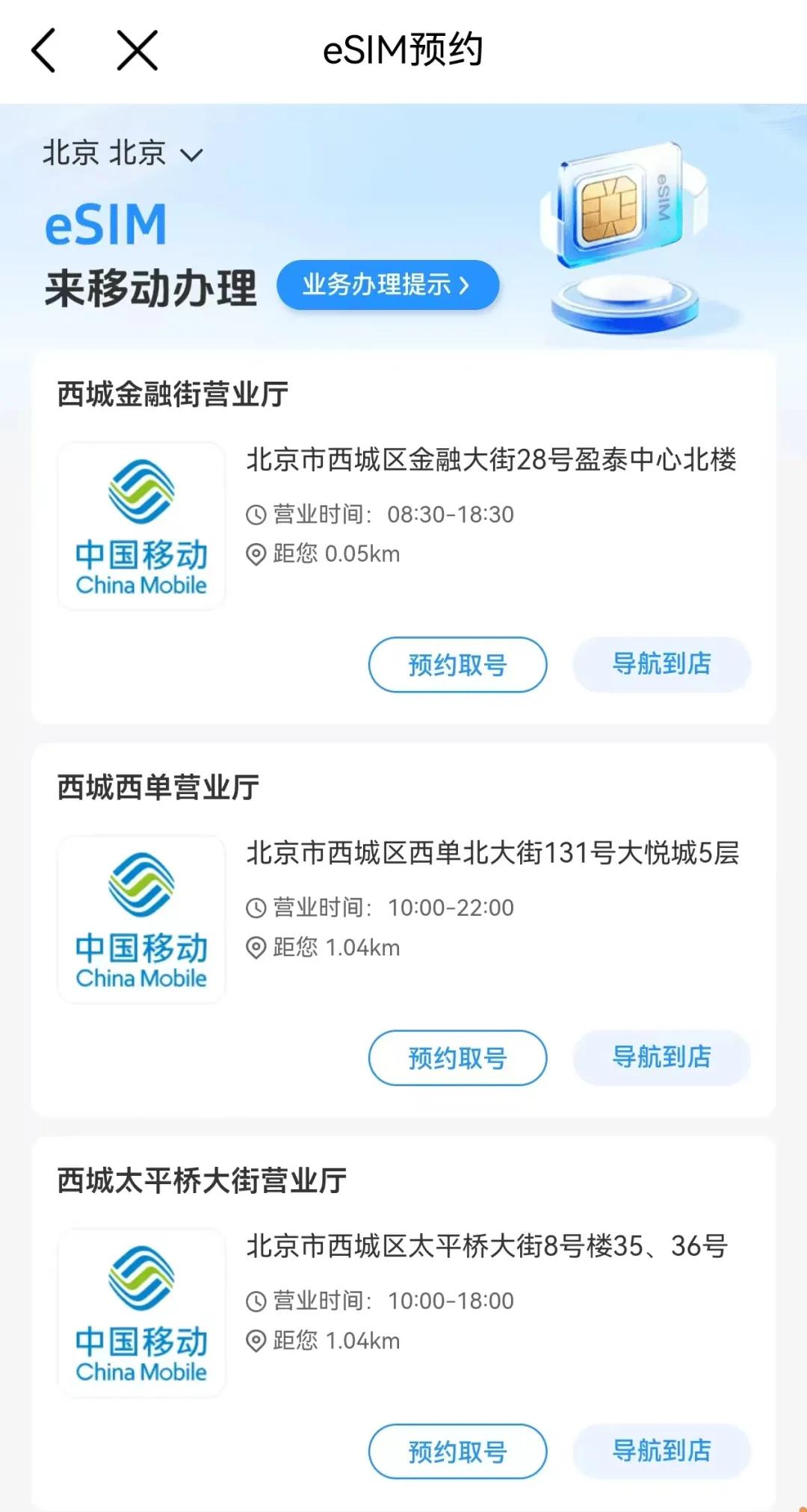
Core Insights - The three major telecom operators in China have received approval to conduct commercial trials for eSIM mobile services, with China Mobile and China Unicom announcing this development [1][4][6] - Apple has officially announced that pre-orders for the iPhone Air will begin on October 17, with sales starting on October 22, which exclusively supports eSIM technology [1][6] Group 1: eSIM Technology Overview - eSIM is an electronic SIM card that can be downloaded to mobile devices, allowing users to activate cellular networks without a physical card, providing the same functionality as traditional SIM cards [1] - The introduction of eSIM technology is expected to enhance the seamless connectivity and collaborative capabilities across various devices, including smartphones, smartwatches, tablets, and automotive equipment [4][6] Group 2: China Mobile's Initiatives - China Mobile has been actively involved in the development and innovation of eSIM technology, participating in the formulation of GSMA eSIM international standards and focusing on domestic technology advancements [4] - The company aims to create a secure and efficient eSIM environment, promoting the widespread adoption of eSIM technology [4] Group 3: China Unicom's Progress - China Unicom has made significant strides in eSIM technology since 2015, achieving a milestone with the approval of eSIM mobile services, which completes its eSIM service ecosystem [6] - The company has adapted 75 devices for eSIM use, serving millions of users across various sectors, including consumer electronics and industrial connectivity [6] Group 4: Market Trends and Future Outlook - The global eSIM chip shipment is projected to reach 446 million units in 2023, indicating a growing trend in the adoption of eSIM technology across consumer electronics and IoT applications [8] - Major Chinese manufacturers like Huawei, Xiaomi, OPPO, and vivo are contributing to the growth of eSIM technology by launching devices that support this feature [8]




华小v与中国科技产业的“成人礼”
Feng Huang Wang Cai Jing· 2025-10-13 12:30
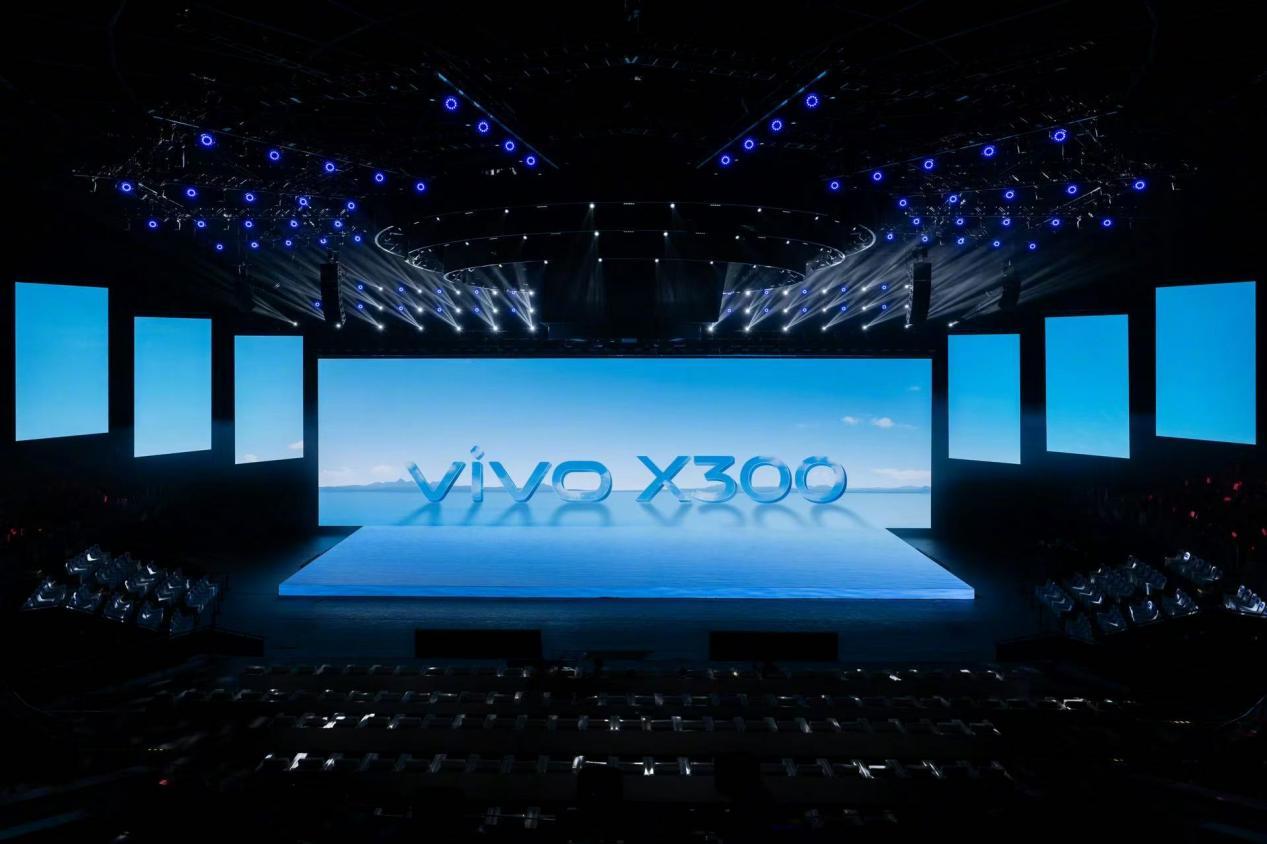
Core Insights - The launch of the vivo X300 series marks the entry of a new player in China's high-end smartphone market, showcasing a collaborative ecosystem with top-tier partners [1][4] - The Chinese smartphone market is now dominated by three major players: Huawei, vivo, and Xiaomi, collectively holding over 50% market share [5][19] - The competition has shifted from low-end, chaotic battles to high-quality competition focused on technology, user experience, and ecosystem building [8][19] Market Dynamics - The presence of major suppliers like BOE, Sony, and MediaTek at the vivo launch indicates strong industry support and confidence in vivo's product strategy [4][5] - Huawei and vivo each hold a 17.6% market share, while Xiaomi has 16.4%, illustrating a significant shift in market power towards domestic brands [5][19] - The "华小v" (Huawei, Xiaomi, vivo) era signifies a new phase in the smartphone industry, moving away from reliance on carrier channels to a focus on innovation and user-centric design [8][19] Competitive Strategies - Huawei employs a "top-down" technology-driven approach, while Xiaomi uses a "bottom-up" market-driven strategy, and vivo focuses on "deep cultivation" of user needs [9][10] - Vivo's strategy emphasizes enhancing user experience through advanced imaging technology, positioning itself as a leader in this niche [10][12] - The collaboration with Zeiss and MediaTek has allowed vivo to develop a comprehensive imaging system that surpasses traditional smartphone capabilities [10][18] Long-term Vision - The concept of "long-termism" is central to the strategies of these companies, emphasizing integrity and genuine value in consumer relationships [13][15] - Vivo's approach to technology development reflects a commitment to building a sustainable competitive advantage through deep partnerships and innovation [17][20] - The competitive landscape fosters a healthier ecosystem, preventing monopolistic stagnation and encouraging technological advancements [19][20]
市场策略:MarketStrategy:牛市第二阶段
Zhao Yin Guo Ji· 2025-10-13 11:39
Market Strategy Overview - The report indicates that the second phase of the bull market is underway, driven by strong domestic demand and policy support in the AI and semiconductor sectors [2][3]. Domestic Market Insights - The domestic computing power chain is experiencing a comprehensive cyclical resonance, with significant policy and market demand acceleration, exemplified by the successful listing of Moer Thread on September 26 [3]. - AI-driven storage sector prices are expected to see double-digit growth, with TrendForce predicting substantial increases in DDR4/DDR5 contract and spot prices, leading to a price-volume resonance in wafer manufacturing and semiconductor production equipment [3]. Future Outlook - Over the next three months, global computing power investment is expected to maintain high levels of prosperity, with capital expenditures in AI infrastructure still in the expansion phase [4]. - Companies such as Broadcom and AMD are rapidly emerging outside of Nvidia's dominance, while domestic computing power chains are entering a realization phase with high certainty in growth across GPU, storage, wafer manufacturing, and equipment sectors [4]. - AI inference demand is extending to end-user applications, with smart driving and AI terminal applications becoming key growth drivers [4]. Recommended Stocks - The report recommends several stocks for investment, including: - Zhongji Xuchuang (300308 CH, Buy) - Shengyi Technology (600183 CH, Buy) - Horizon Robotics (9660 HK, Buy) - Shenzhen South Circuit (002916 CH, Buy) - Beike Micro (2149 HK, Buy) - Northern Huachuang (002371 CH, Buy) [4]. Macro Economic Context - The report notes a slowdown in the Chinese economy, with GDP growth expected to decline from 5.2% in Q2 to 4.9% in Q3 and 4.6% in Q4, with an annual forecast of 5% [11]. - The report highlights that the macroeconomic environment is likely to see a renewed push for fiscal policy in Q4, with potential interest rate cuts and increased government spending to stimulate consumption [14]. Sector-Specific Insights - In the technology sector, optimism is noted for Q3, with strong sales expected for the iPhone 17 and continued growth in AI server deployments [5]. - The semiconductor sector is also viewed positively, with significant investments in AI infrastructure and partnerships between major players like OpenAI and Broadcom [5]. - The report emphasizes the importance of AI in driving growth across various sectors, including healthcare, industrials, and consumer staples, with specific recommendations for stocks in these areas [5][6]. Consumer Behavior Trends - The report identifies a cautious but improving consumer sentiment, with expectations for increased spending in essential consumer goods and sectors benefiting from domestic brand replacements [7]. - The report suggests that consumer behavior is gradually adapting to economic pressures, leading to potential growth in sectors like snacks, soft drinks, and beer [7].


卡槽“下课” eSIM“上岗”
Jing Ji Guan Cha Wang· 2025-10-13 10:40
Core Insights - China Unicom has officially launched a nationwide reservation channel for eSIM services, sparking speculation about the imminent release of the domestic iPhone Air in China [1][4] - The eSIM technology has gained attention following the September release of the new iPhone, with China Unicom being the first operator to support eSIM in mainland China [1][2] - The rapid growth in reservations, exceeding 60,000 by the evening of October 13, indicates strong market interest and readiness for eSIM services [2] Industry Developments - eSIM, or Embedded Subscriber Identity Module, is a new generation SIM card standard that eliminates the need for a physical SIM card slot, allowing users to switch and manage networks remotely [2][3] - The adoption of eSIM technology is driven by smartphone manufacturers' desire for thinner and more integrated designs, with major brands like Apple, Huawei, and OPPO leading the charge [2] - Apple’s iPhone Air will be the first model sold in China without a traditional SIM card slot, requiring users to select an eSIM-compatible operator for mobile network access [3][4] Competitive Landscape - China Unicom has been proactive in eSIM deployment, having launched eSIM services for wearable devices as early as 2018 and developing its own eSIM management platform [4] - The competitive dynamics among the three major operators—China Unicom, China Telecom, and China Mobile—are intensifying, with each seeking to leverage eSIM technology to attract high-value users [4][5] - China Telecom and China Mobile are also preparing to launch their eSIM services, with China Mobile reporting over 150,000 reservations within hours of opening its eSIM appointment system [5]


中国对美出口9月减少27%,连续6个月负增长
日经中文网· 2025-10-13 08:00
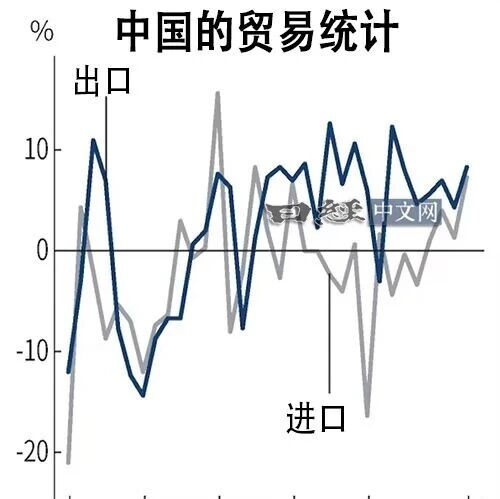
Group 1 - China's overall export value has increased for seven consecutive months, with a year-on-year growth of 8.3% in September, reaching 328.5 billion USD [2][4] - The growth rate of exports has expanded compared to August's 4.4%, while imports grew by 7.4%, totaling 238.1 billion USD, marking four months of consecutive growth [4] - The trade surplus, calculated as exports minus imports, stands at 90.4 billion USD, with the surplus expanding year-on-year due to faster export growth compared to imports [4] Group 2 - By export categories, the export of electric vehicles (EVs) grew by 11%, and rare earth exports also exceeded the same month last year, while exports of smartphones, toys, and clothing declined [5] - Regionally, exports to the United States decreased by 27%, marking six consecutive months of negative growth, while exports to ASEAN increased by 16% and to the EU by 14%, with exports to Japan also surpassing the previous year [5]
8000元小刀,震惊雷军?极致性价比是小米生存根本!
Sou Hu Cai Jing· 2025-10-13 07:37
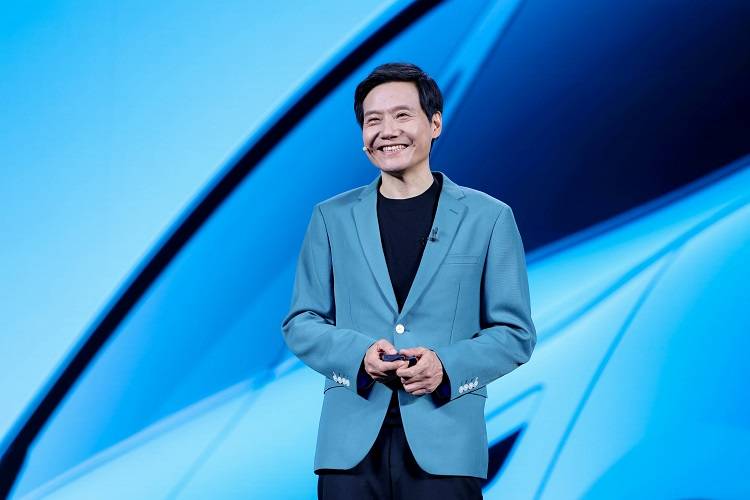
Core Insights - The article highlights a surprising moment involving Lei Jun, the founder of Xiaomi, who was astonished by the price of an exquisite knife priced at 8,000 yuan during a visit to a shop in Kashgar, Xinjiang [1][5][9] - It emphasizes that despite Xiaomi's significant cash reserves, Lei Jun's decision not to purchase the knife reflects the company's commitment to value for money, which is central to its brand identity [7][9][11] Group 1 - Lei Jun visited a knife craft shop during a high-altitude test of Xiaomi cars in Xinjiang and was intrigued by a beautifully crafted knife [3][5] - The knife, known as the Yingjisha knife, is a part of China's intangible cultural heritage and is one of the four famous knives in China [5] - Lei Jun's reaction to the 8,000 yuan price tag was one of surprise, leading to humorous online commentary about whether he would buy it [5][9] Group 2 - Xiaomi has a cash reserve exceeding 100 billion yuan as of 2020, indicating the company's strong financial position [7] - The decision not to purchase the knife aligns with Xiaomi's founding principle of extreme cost-performance ratio, which has been crucial to its success in the global smartphone market [9][11] - Maintaining a connection with ordinary consumers through value-oriented products is portrayed as a vital quality for the company's leadership [11]
2025智能手机消费趋势报告
Sou Hu Cai Jing· 2025-10-13 05:51
Core Insights - The smartphone market in China is expected to reach 285 million units in 2024, reflecting a 4% year-on-year growth, driven by the "National Subsidy" policy that stimulates demand for mid-to-high-end models [1][4][10]. Group 1: Structural Changes in Consumer Demand - The aging population is becoming a significant consumer group, with users aged 60 and above accounting for 18.7% of the market, up from 9.2% in 2023 [2]. - The demand for simple modes and health monitoring features has become essential, while Gen-Z shows a decline of 11% in purchasing high-end models priced above 8000 yuan [2]. - The rise of mixed office work has increased the focus on multi-device collaboration features, with 76% of consumers prioritizing this aspect [2]. Group 2: Technological Innovations Driving Replacement Demand - Breakthroughs in optical technology, such as holographic projection keyboards, have captured 5.3% of the market, primarily in the business segment [2]. - The introduction of graphene batteries has led to models achieving over 72 hours of battery life, while fast-charging technology has reached a "10-minute full charge" capability [2]. - Brain-machine interface technology is emerging, with Huawei's NeuroLink enabling basic operations through eye movement and brain waves, achieving a 17% penetration rate among disabled users [2]. Group 3: Market Restructuring - The emergence of virtual marketplaces, such as JD.com's virtual showroom, has facilitated a 12% increase in high-end model transactions, while AR trials have reduced return rates by 8% [2]. - The share of 6G package contract phones has risen to 39%, with cloud phone subscription users surpassing 20 million [2]. - Domestic supply chain adjustments are evident, with 61% of NAND chips sourced from Yangtze Memory Technologies and over 50% self-sufficiency in RF front-end components [2]. Group 4: Consumer Behavior and Preferences - Consumers are increasingly rational in their purchasing decisions, focusing on camera capabilities, price, and battery life, leading to distinct groups such as fashion photography enthusiasts, gamers, and tech pioneers [4][31]. - The demand for high-quality imaging and professional-level photography experiences is becoming a core requirement, particularly for events like concerts and night photography [4][35]. - Marketing strategies are shifting towards platforms like Xiaohongshu and Douyin, where content focuses on photography experiences and performance explanations, effectively activating consumer purchase intentions [4][56].
如果华为手机能用Google Play,全球第一不会是三星苹果
Guan Cha Zhe Wang· 2025-10-13 04:37
Core Viewpoint - The article discusses the current state of Huawei and other Chinese smartphone brands in the Middle East market, highlighting the challenges and strategies they face in the wake of U.S. sanctions and competition from established brands like Apple and Samsung [1][2][8]. Group 1: Huawei's Market Position - Huawei's smartphones are unable to pre-install Google Mobile Services (GMS) due to U.S. sanctions, significantly impacting their overseas sales [2]. - Despite the challenges, Huawei's high-end devices like the Mate XT and Pura80 series are performing well in the Gulf Cooperation Council (GCC) countries [1][4]. - Huawei's wearable devices, such as the WATCH GT series, have seen significant success, with over 54 million units shipped globally, indicating a lesser impact from sanctions compared to smartphones [3]. Group 2: Competitive Landscape - Samsung and Apple maintain strong market positions in the Middle East, with Samsung holding a 34% market share and achieving a 39% growth rate [6]. - Honor has experienced rapid growth, with a 95% increase in market share, attributed to effective retail expansion and appealing product positioning [6]. - The overall smartphone market in the Middle East saw a 15% year-on-year growth, reaching 13.2 million units shipped in Q2 [6]. Group 3: Strategies of Other Chinese Brands - OPPO is increasing its focus on overseas markets, with over 60% of its revenue coming from international sales, particularly in the mid-to-high-end segments [7]. - Vivo reported a 13% growth in overseas sales, with plans to launch its OriginOS 6 globally, indicating a strategic shift towards enhancing its international presence [7]. Group 4: Future Prospects for Huawei - Huawei aims to expand its HarmonyOS ecosystem globally, which is seen as a potential game-changer for the company in regaining its market position [8]. - The advanced features of HarmonyOS, such as remote control capabilities, are highlighted as competitive advantages over existing operating systems [8].
小米暴跌近7%
第一财经· 2025-10-13 03:46
| < W | 小米集团-W(1810) | | | --- | --- | --- | | | 10-13 11:39:29 通 | | | | 30.9 48.480 额 100亿 股本 260.28亿 市盈™ | 万得 | | | -3.570 -6.86% 换 0.94% 市值 12618亿 市净" | 盘口 4.56 | | 공급 | 五日 日K 月K | 更多 ◎ | | 警加 | 均价:49.903 | 盘口 成交 | | 55.660 | | 6.94% 卖10 48.660 16.40万(30) | | | | 卖9 48.640 17.00万(21) | | | | 卖8 48.620 22.60万(39) | | | | 卖7 48.600 20.30万(38) | | | | 卖6 48.580 13.50万(22) | | 52.050 | 0.00% | 卖5 48.560 17.70万(21) | | | | 卖4 48.540 7.00万(23) | | | | 卖3 48.520 16.80万(20) | | | | 卖2 48.500 21.40万(68) | | | | ...
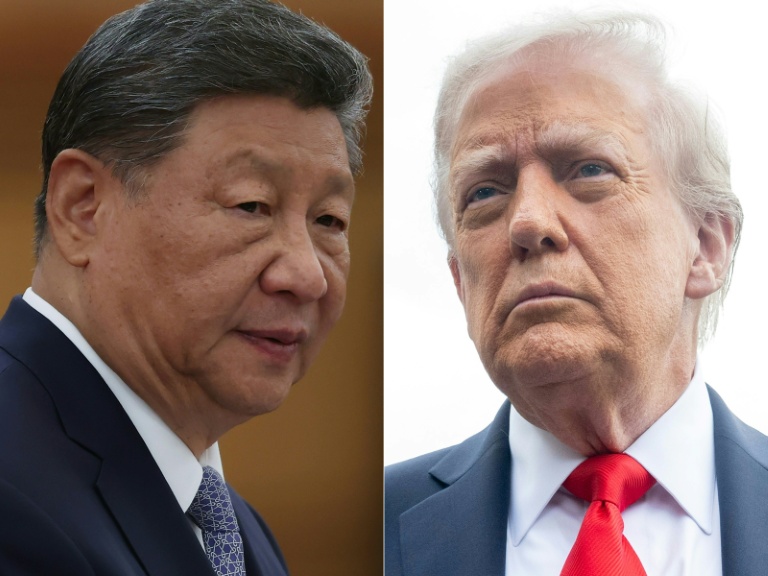
Asian Equity Markets Drop After Trump Reignites Tariff Row
International Business Times· 2025-10-13 02:57
Core Viewpoint - The recent escalation in the US-China trade war, marked by President Trump's threat to impose 100 percent tariffs on Chinese goods, has led to significant declines in Asian markets, although a more conciliatory tone from Trump provided some support to investors [1][2][5]. Market Reactions - Asian markets experienced substantial losses, with Hong Kong's Hang Seng Index down 2.2 percent and Shanghai's Composite down 1.4 percent [5][8]. - Wall Street also reacted negatively, with the Nasdaq losing over three percent [3]. - US futures saw a rebound of more than one percent following Trump's later comments [6]. Tariff Details - Trump announced an additional 100 percent tariff on Chinese goods, effective November 1, in response to China's export restrictions on rare earth minerals [2]. - Current US tariffs on Chinese products stand at 30 percent, while China's retaliatory tariffs are at 10 percent [3]. Diplomatic Context - Trump's comments included a more positive note towards Chinese President Xi Jinping, stating that the US wants to help China, which somewhat eased market fears [4]. - The Chinese Ministry of Commerce criticized the US for its "double standards" and stated that high tariffs are not the right approach to engage with China [4]. Economic Indicators - Gold prices reached a record high of $4,060, indicating a flight to safe-haven assets amid market turmoil [6]. - Oil prices rebounded after a decline, with West Texas Intermediate up 1.7 percent at $59.92 per barrel [9].