美妆

Search documents
品牌投B站,为什么冰火两重天?
3 6 Ke· 2026-01-29 12:44
Core Insights - Brands are increasingly diversifying their product offerings and expanding their channels to drive short-term growth, but this strategy may pose long-term risks [1] - Bilibili (B站) has seen a significant increase in the number of advertising clients, particularly high-ticket brands, with a notable rise in GMV for products priced over 1,000 yuan [2] - The advertising revenue for Bilibili has consistently grown over 20% for 11 consecutive quarters, indicating that many brands are benefiting from advertising on the platform [3] Group 1: Brand Strategies and Market Dynamics - Brands are exploring new channels for growth, with many entering Bilibili to capitalize on its advertising potential, leading to a doubling of clients compared to the previous year [2] - The Z100 and 哔哩指数 annual rankings reveal a stable group of brands on Bilibili, with 149 out of 220 brands repeating their presence, indicating a strong brand ecosystem [3] - The average index difference between the top and lower-ranked brands in various categories suggests significant opportunities for new entrants, despite existing competition [4] Group 2: Advertising Effectiveness and Trends - The proportion of new products in the Z100 list has increased to 75%, indicating that brands with a long-term presence on Bilibili can achieve sustainable growth [5] - The beauty and personal care sectors are experiencing polarization, with stable growth from affordable domestic brands and a decline in high-end foreign brands [6] - The number of top-performing UP主 (content creators) in live commerce has decreased significantly, reflecting a shift in the platform's dynamics and the need for higher content quality [8] Group 3: Future Directions and AI Integration - Bilibili is focusing on enhancing its marketing services by simplifying its goals into four areas: brand awareness, transaction management, lead collection, and application promotion [11] - The platform is investing in AI to lower marketing barriers, automate processes, and improve the precision of ad targeting, which is expected to transform the advertising landscape [12][13] - The upcoming "generative recommendation" system will allow brands to reach users more effectively without adhering to traditional marketing funnels, enhancing user engagement [14]

金晨被曝肇事逃逸,品牌方紧急删除直播预告,她代言10多个品牌,3部作品待播!知情人士:保险公司调取监控,发现助理顶包后报案
Mei Ri Jing Ji Xin Wen· 2026-01-29 12:38
Core Viewpoint - The incident involving actress Jin Chen allegedly fleeing the scene of a traffic accident has gained significant public attention, with reports suggesting she may have attempted to cover up her involvement by having her assistant take the blame [2][5]. Group 1: Incident Details - On March 16, 2025, Jin Chen was reportedly driving a vehicle that was involved in a traffic accident in Shaoxing, Zhejiang Province, where her assistant allegedly took the blame for the incident [2][4]. - The traffic accident involved a collision with a warning sign and a wall, resulting in damage to the vehicle and injuries to the assistant [4]. - Insurance investigations revealed that Jin Chen was the actual driver, leading to a report being filed with the police by the insurance company [4]. Group 2: Brand and Public Response - Following the incident, there was a notable public reaction, including the cancellation of a scheduled live stream event for the beauty brand Clarins, which Jin Chen was set to host [7]. - Clarins' official customer service acknowledged awareness of the situation and stated they were in communication with Jin Chen's team [8]. Group 3: Background Information - Jin Chen, born on September 5, 1990, is a well-known actress in China, recognized for her roles in various television dramas and her involvement in multiple business ventures, including ownership stakes in several companies [8][9]. - She has been associated with over ten brands across various sectors, including automotive, luxury goods, and beauty [9].


植萃品牌CIBIO'2(希蓓欧)落子广州,打造中泰美妆合作新样本
Xin Lang Cai Jing· 2026-01-29 12:14
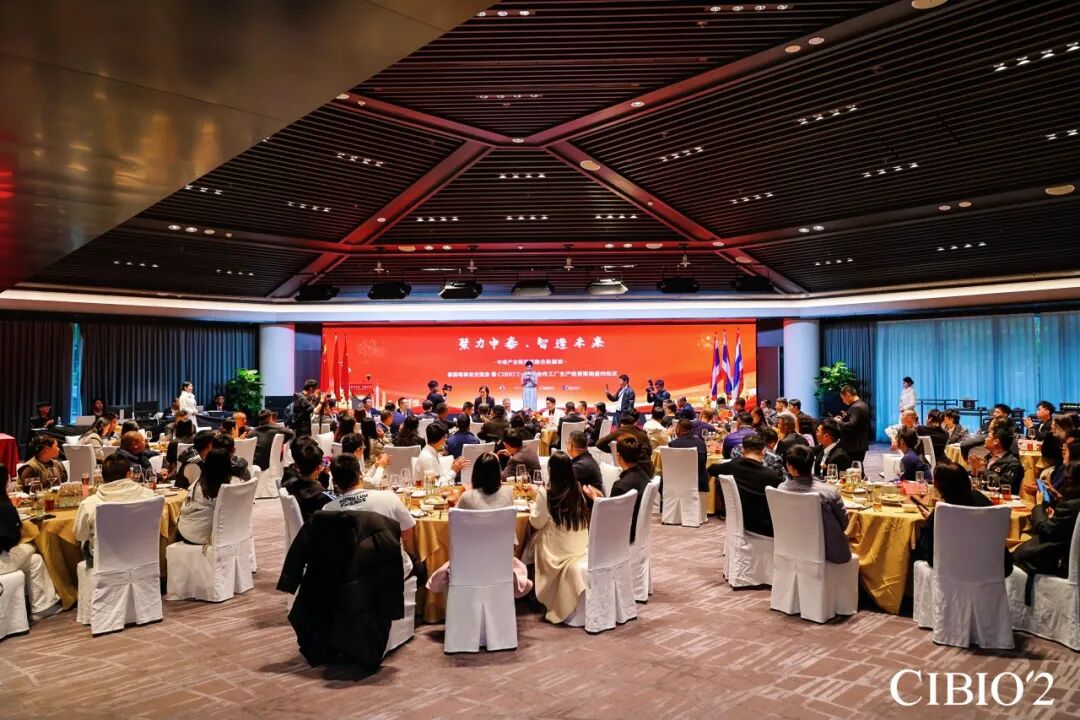
(来源:化妆品观察 品观) 在中泰两国持续深化经贸合作、共筑"中泰一家亲"友好关系的大背景下,广州市积极发挥国际商贸中心优势,通过精准招商与产业链对接,推动美丽健康 产业国际化合作。 在广东省政府的积极引导与泰王国驻广州领事馆的强力推动下,泰国知名植萃护肤品牌CIBIO'2(希蓓欧)华南投资生产基地成功落户广州。 1月26日,CIBIO'2(希蓓欧)华南投资生产基地签约暨启动仪式在广州隆重举行,泰王国驻广州领事馆总领事、广东省统战部相关领导、广东省贸易促进 委员会副会长、广州市商务局副局长、等政府及领事官员共同出席见证。 已铸就多款明星爆品 CIBIO'2(希蓓欧)品牌诞生于泰国,其名寓意为"肌肤的氧护",深植于泰国丰富多样的热带植物资源。品牌创始人Thanyachathr女士出身皮肤医学领域, 秉持"自然、平衡、温和"的护肤理念,致力于将热带植萃能量与现代科技融合。 品牌自推出首款"浆果睡眠唇膜"以来,便凭借卓越的修护力与使用体验,屡获泰国皇室赞誉与市场多项大奖,迅速打响知名度。 目前,CIBIO'2(希蓓欧)已建立起涵盖唇部护理、防晒、面部精华、身体清洁与手部护理等多条产品线。明星唇膜内选多重天然植物油脂 ...
专访欧莱雅 | AI时代,美妆科技的竞争壁垒是什么?
FBeauty未来迹· 2026-01-29 11:04
Core Viewpoint - L'Oréal is advancing its beauty technology with innovative products like the AirLight Pro hair dryer and the multi-functional light energy hair straightener, showcasing a commitment to integrating advanced technology into everyday beauty tools [3][4][5]. Group 1: Product Innovations - The AirLight Pro hair dryer and the multi-functional light energy hair straightener utilize near-infrared light technology to reshape hair styling, significantly reducing damage compared to traditional high-temperature methods [5][7][9]. - The multi-functional light energy hair straightener operates at approximately 160°C, enhancing hair smoothness by two times while maintaining hair structure integrity [9]. - The LED face mask, developed in collaboration with iSmart, addresses consumer demands for portability and comfort, offering a lightweight design that enhances efficacy [11][12]. Group 2: Strategic Direction - L'Oréal's beauty technology strategy has shifted towards products that cater to mainstream consumer needs, focusing on everyday beauty tools like hair dryers and straighteners rather than niche products [15][16]. - The company emphasizes a clear strategic focus on high-certainty categories, prioritizing home-use professional devices and skin integration longevity science as key development areas [16][18]. - L'Oréal's commitment to research and innovation is evident in its development of products that not only improve performance but also redefine existing beauty categories [12][14]. Group 3: Research and Development - L'Oréal maintains a strong research foundation, ensuring that every product is backed by rigorous scientific principles, focusing on quality, safety, and performance [17][26]. - The company has developed a comprehensive beauty database that supports its research efforts, enabling rapid testing and validation of new products [26][27]. - AI plays a crucial role in L'Oréal's innovation strategy, enhancing the efficiency and depth of research while ensuring that products meet consumer needs effectively [25][29]. Group 4: Future Vision - L'Oréal envisions a future where beauty and health converge, leveraging biological mechanisms to shift consumers from passive to proactive skincare [18][19]. - The company aims to redefine beauty technology by focusing on performance, inclusivity, and precision, aligning with the evolving demands of consumers [29][30]. - Through open innovation and strategic partnerships, L'Oréal is positioned to lead in beauty technology, continuously adapting to market trends and consumer preferences [21][23].


近40美妆企业IPO激战:上游卡位,品牌求生,技术叙事能否换回溢价?
Sou Hu Cai Jing· 2026-01-29 09:54
Core Insights - The beauty industry is experiencing a surge in IPO activities, with nearly 40 companies targeting A-shares, Hong Kong, and US markets from 2025 to January 2026, indicating a collective push across the entire industry chain [5][9][12] - Despite the enthusiasm, many companies remain in the lengthy process of IPO counseling or filing, highlighting the competitive nature of the market and the challenges in meeting capital thresholds [5][9] - The Hong Kong Stock Exchange has emerged as a primary capital outlet for beauty brands, with a significant increase in IPO issuance and fundraising amounts in 2025 [16][9] Industry Trends - The upstream segment of the beauty industry, including packaging and raw material suppliers, is actively entering the capital market, with companies like Jiangtian Technology and Heyuan Biological successfully listing on A-shares [8][9] - Midstream players, such as brand operators and manufacturers, are diversifying their listing strategies, with some opting for dual listings in Hong Kong and A-shares to enhance capital access [9][12] - Downstream service providers, including e-commerce and digital service companies, are also participating in the IPO wave, with several firms already filing for listings [12][9] Market Dynamics - The competitive landscape is shifting towards a focus on sustainable growth and risk management, with companies needing to demonstrate structural resilience and the ability to replicate success across multiple brands [17][19] - The pressure on profitability is increasing, with major players like Huaxi Biological facing significant revenue declines, prompting a reevaluation of industry valuations [20][22] - Companies are increasingly focusing on R&D investments to enhance their competitive edge, as marketing alone is insufficient for long-term sustainability [26][27] Capitalization Strategies - The trend of domestic substitution in raw materials is gaining traction, supported by government policies aimed at fostering innovation in the cosmetics sector [23][25] - Companies are adopting dual strategies of self-research capabilities and brand diversification to build competitive barriers and enhance market presence [28][27] - The current IPO wave signifies a transition for Chinese beauty companies from rapid growth to more refined management practices, emphasizing the importance of balancing short-term gains with long-term resilience [28][27]

温差之下,新火燎原:天猫开启新消费创业平权时代
Ge Long Hui· 2026-01-29 05:10
Core Insights - The new consumption landscape is not cooling down but rather evolving in strategy, with emerging brands successfully competing against global giants in various sectors [1][6][15] Group 1: Emerging Brands and Market Dynamics - New brands like Tongpin and Canban have achieved significant sales, with Tongpin becoming the top new brand in the Tmall essence market and Canban generating 2 billion yuan in sales [1][2] - Tmall has seen over 150,000 new quality merchants create brands in the past year, indicating a high growth potential for new entrants [2] - The number of brands achieving over 100 million yuan in sales within their first year has increased by over 40% year-on-year, showcasing a thriving entrepreneurial environment [2] Group 2: Consumer Insights and Product Development - CrzYoga and Tongpin have successfully identified and addressed consumer pain points, leading to their rapid growth in competitive markets [4][5] - CrzYoga tailored its products to fit the specific body types of Chinese women, while Tongpin capitalized on the growing demand for home skincare solutions [5][6] - Tmall's support in trend identification has been crucial for brands like CrzYoga, helping them align product development with market demands [5][6] Group 3: Tmall's Role as a Platform - Tmall acts as both an incubator and accelerator for new brands, providing significant sales contributions and growth opportunities [1][6][15] - The platform's 88VIP membership program enhances consumer purchasing power, with members spending 5-9 times more than regular users [11] - Tmall's "扶优" strategy focuses on supporting quality brands through various resources, enabling them to compete effectively against established players [13][14] Group 4: Innovation and Technology - Both CrzYoga and Tongpin emphasize technological innovation as a core component of their business strategies, ensuring sustainable differentiation in the market [6][15] - The development of unique materials and formulations has allowed these brands to stand out in crowded categories, avoiding price wars [6][15] Group 5: New Consumption Trends - The rise of emotional consumption and IP-based brands indicates a shift in consumer behavior, with users willing to spend on products that resonate with their interests and identities [7][8] - Brands that create new categories and address unmet needs are experiencing exponential growth, as seen with LiberLive and its innovative guitar products [7][8][9]

从个案解题到系统赋能,长沙为企业商标品牌壮大“精准开方”
Chang Sha Wan Bao· 2026-01-29 02:54
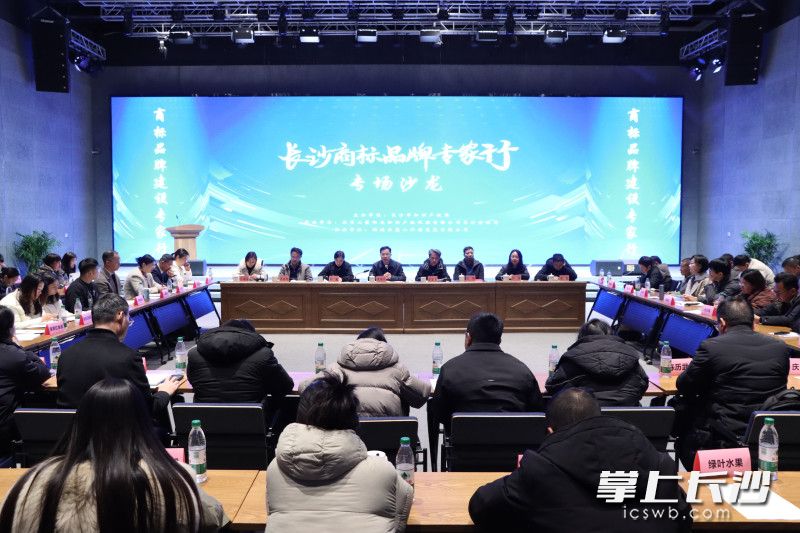
Core Insights - The "2025 Changsha Trademark Brand Construction Expert Tour" aims to enhance brand value and address potential infringement risks for local enterprises through tailored services [2][3] - The initiative focuses on the "4433" modern industrial system and integrates resources from the Intellectual Property Bureau, protection centers, and trademark service experts [2][5] Group 1: Service Model and Implementation - The expert service program provides "one-on-one" customized support to 21 enterprises, addressing urgent issues in trademark and brand management [2][5] - A "five-in-one" closed-loop service model has been established, covering the entire lifecycle of trademark brand management, from asset inventory to risk monitoring and personalized guidance [5][6] - The program emphasizes proactive engagement with enterprises, moving from passive responses to active empowerment, ensuring services align with actual business needs [6][8] Group 2: Impact on Enterprises - Water Sheep Group, a leading beauty brand, received a comprehensive trademark diagnosis report, which included strategic positioning and management recommendations [3][5] - The initiative has led to improved brand management practices among participating companies, enabling them to better understand their trademark assets and enhance operational standards [5][6] - The program aims to transform the perception of trademark management from a cost center to an asset department, encouraging proactive planning and dynamic operation strategies [6][8] Group 3: Future Plans - The Changsha Intellectual Property Bureau plans to establish a long-term service model by 2026, focusing on standardization and diversification of services to better meet enterprise needs [8]

韩束媒体开放日:23年发展背后的研发与生产实践
Guan Cha Zhe Wang· 2026-01-29 00:46
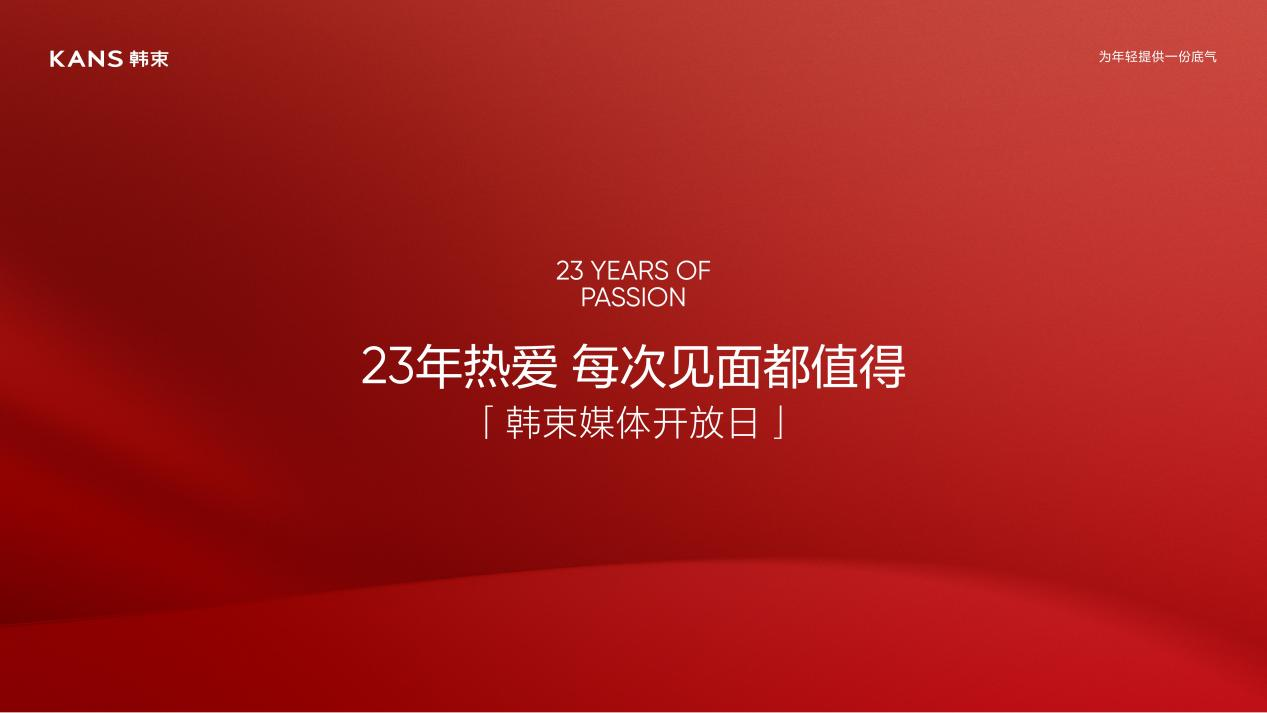
Core Viewpoint - The article discusses the competitive landscape of the Chinese beauty market, highlighting how domestic brands like Han Shu are transitioning from short-term strategies to long-term capabilities in response to changing consumer preferences and increasing competition from international brands [1][3]. Group 1: Company Development and Strategy - Han Shu has achieved a user base of over 100 million and emphasizes long-term development through self-research and production, contrasting with the common reliance on marketing and outsourcing among many domestic brands [1][3]. - The company established a large-scale R&D center overseas in 2016 to integrate global cutting-edge technologies into its product capabilities [5]. - Han Shu's annual R&D investment has exceeded 100 million yuan since 2021, projected to reach 180 million yuan in 2024, accounting for 2.7% of its revenue [5]. Group 2: Innovation and Production - Han Shu has developed an "open innovation R&D platform" and collaborates with various universities and hospitals to enhance its research capabilities [5][7]. - The company has invested over 1.2 billion yuan in its smart factory, which features AI-driven automation and a comprehensive quality control system [8][9]. - The integration of R&D and production processes ensures product consistency and quality, with multiple testing stages for each batch [9]. Group 3: Market Expansion and Product Strategy - Han Shu is expanding its product range from skincare to a full category of beauty products, aiming to balance quality and accessibility for a broader consumer base [10][11]. - The brand is innovating by introducing advanced anti-aging technologies and new product lines to meet the demands of an evolving market [10]. Group 4: Social Responsibility and Industry Influence - Han Shu is building a brand philanthropy system and plans to engage in scientific communication and industry standard development, transitioning from a market participant to a rule-maker [12][13]. - The company aims to enhance its brand value and consumer trust through long-term social contributions and industry leadership [14][17]. Group 5: Long-term Development Framework - The article outlines three stages of Han Shu's long-term development: foundational building, systemic efficiency and market coverage, and value leadership through industry influence and social responsibility [15][16]. - The company's approach emphasizes the importance of sustained investment and systematic capability building to ensure competitive advantage in the beauty industry [17].
专家团上门,为企业商标品牌壮大“精准开方”
Chang Sha Wan Bao· 2026-01-28 23:16
Core Insights - The article discusses the "2025 Changsha Trademark Brand Construction Expert Program," which aims to provide tailored support to local enterprises in trademark and brand development, focusing on a new model of public intellectual property services [1][2] Group 1: Program Overview - The program targets the "4433" modern industrial system and特色优势领域企业 in Changsha, bringing together trademark service experts to offer one-on-one customized services to 21 companies [1][2] - The initiative is part of the "Changsha City Three-Year Action Plan for Strengthening Trademark Brand Construction (2025-2027)," which integrates resources from the Intellectual Property Bureau, protection centers, and trademark service experts [2][4] Group 2: Service Model - The service model emphasizes "precise needs assessment, in-depth service, and systematic empowerment," transitioning from individual case solutions to comprehensive support for enterprises [2][4] - The program includes a "five-in-one" service loop that covers trademark asset inventory, risk assessment, dynamic monitoring, capability enhancement, and personalized consultations [4][5] Group 3: Impact on Enterprises - Companies like Shuiyang Group have benefited from the program, receiving detailed trademark health reports and optimization suggestions, which have led to favorable outcomes in legal disputes [3][5] - The program has helped enterprises gain a clearer understanding of their trademark assets and improve management practices, moving from passive responses to proactive planning [5][6] Group 4: Future Developments - The program aims to establish a long-term service model by 2026, ensuring that services are standardized, systematic, and responsive to enterprise needs [6] - The Changsha Intellectual Property Bureau plans to continue gathering service demands from more enterprises, expanding the reach of the expert program [6]
国货美妆2026,在港股抢滩登陆
3 6 Ke· 2026-01-28 12:52
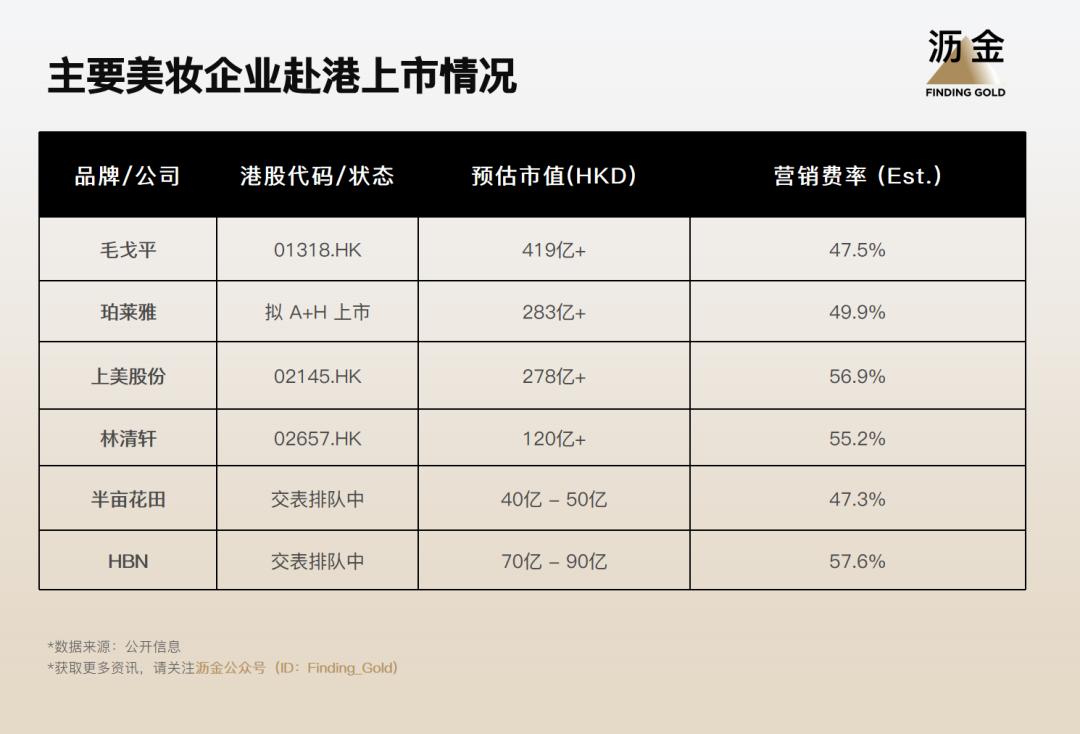
Core Viewpoint - The Chinese beauty industry is experiencing a significant shift as domestic brands rush to list on the Hong Kong Stock Exchange, driven by a near closure of IPO opportunities in the A-share market. This trend is not merely a celebration but signals a harsh beginning of industry differentiation and value reassessment [1][5]. Group 1: Market Dynamics - The successful listings of brands like Lin Qingxuan and the planned secondary listing of Proya highlight Hong Kong as a new haven for domestic beauty brands [1]. - The high price-to-earnings (PE) ratio of over 30 for Mao Geping is misleading, as it reflects a unique business model rather than a general trend in the domestic beauty sector [4]. - The market is expected to shift focus from the narrative of domestic brand growth to a stringent evaluation of business fundamentals [5]. Group 2: Brand Performance and Strategy - HBN and Banmu Huatian rely on traditional consumer goods models, heavily investing in marketing to drive growth, contrasting with Mao Geping's unique model that minimizes external marketing dependency [6][8]. - HBN's financials show a significant profit growth rate of 232.5% and 190.3% for 2024 and the first nine months of 2025, respectively, despite a marketing expense ratio of 57.6% [8]. - The key for HBN post-listing is to demonstrate that it can achieve higher brand premiums and customer lifetime value with the same marketing investment compared to competitors [10]. Group 3: Liquidity and Market Pressure - The liquidity risk in the Hong Kong market is severe, with top-tier companies absorbing most capital, leaving mid-tier brands vulnerable to becoming illiquid [12]. - The pressure of performance guarantees for many domestic brands in 2024-2025 may lead to unsustainable practices, risking significant stock price drops if growth slows post-2026 [13]. Group 4: Competitive Landscape - The competition in the beauty industry is evolving from ingredient concentration to structural competition, with brands needing to lower marketing costs while maintaining revenue [15]. - Unique raw materials are becoming essential for brand differentiation and valuation in the market, as seen with successful brands like Juzhibio and Lin Qingxuan [18]. - The necessity for international expansion is increasing, as domestic market growth is plateauing, making overseas markets critical for future success [20]. Group 5: Future Outlook - The Hong Kong market is becoming increasingly discerning, seeking brands that can demonstrate efficiency and long-term viability rather than just rapid growth [22][23]. - Brands that can effectively manage their desires, respect market realities, and commit to long-term strategies will be better positioned for success in the evolving landscape [23].