
智能手机

Search documents
小米17销量不佳砍单 大家都喜欢Pro的背屏?
猿大侠· 2025-10-02 04:11
Core Viewpoint - Analyst predicts that Xiaomi will cut its sales target for the Xiaomi 17 series from 10 million units to 8 million units due to poor sales of the standard version, which has led to a 20% reduction in overall shipment expectations [1][4]. Group 1: Sales Performance - The poor sales performance is primarily attributed to the Xiaomi 17 standard version, as more users are opting for higher-end models like the Xiaomi 17 Pro and Xiaomi 17 Pro Max [2][4]. - The analyst, Guo Mingqi, based his predictions on supply chain investigations, indicating that if Xiaomi does not implement more aggressive marketing strategies, the total shipments of the Xiaomi 17 series may fall below the 8 million units achieved by the Xiaomi 15 series [1][4]. Group 2: Competitive Landscape - The main competitor for the Xiaomi 17 standard version is the iPhone 17, which has shown better-than-expected sales in the mid-to-high-end market in mainland China, leading users to prefer the iPhone over the Xiaomi 17 [4]. - If sales do not improve during the National Day holiday, Xiaomi may consider lowering the prices of specific models to boost shipments, although this remains speculative [4]. Group 3: Company Response - In response to the analyst's predictions, Xiaomi's public relations team stated that there are currently no plans to cut orders for the Xiaomi 17 series and announced the addition of a 16GB+1TB version of the standard model based on user requests [1][4].


17对17,小米要将苹果“斩于马下”?
3 6 Ke· 2025-10-02 04:09
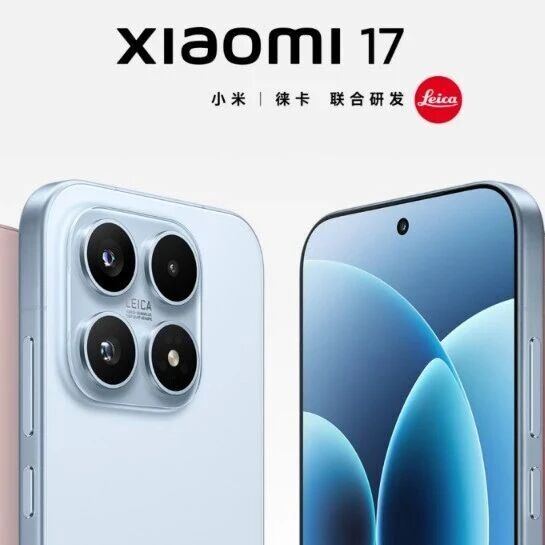
Core Insights - Xiaomi's new 17 series smartphones have set a record for first-day sales in the domestic market, indicating strong consumer interest and effective marketing strategies [7][11] - The pricing strategy for the Xiaomi 17 series has seen an increase, with the starting price set at 4,499 yuan, reflecting a shift towards a more premium positioning in the market [8][12] - Despite the initial sales success, market reactions have been mixed, with a notable drop in Xiaomi's stock price following the launch, attributed to concerns over lower-than-expected demand for the standard version of the 17 series [11][12] Product Features and Innovations - The Xiaomi 17 series introduces a unique "back screen" feature that supports various functionalities, including personalized wallpapers and important notifications, aiming to enhance user experience [3][5] - The series includes multiple versions (standard, Pro, and Pro Max), marking a first for Xiaomi's digital series to offer three models simultaneously, which may lead to consumer confusion [5][11] - Xiaomi's focus on high-end specifications and features is evident, as the company aims to compete directly with Apple's iPhone 17 series [5][19] Market Positioning and Strategy - Xiaomi's strategy appears to be a direct challenge to Apple, with the naming and marketing of the 17 series closely mirroring that of the iPhone 17, suggesting a deliberate positioning in the high-end market [5][21] - The company has been investing heavily in high-end product development, including chips and electric vehicles, to establish a stronger foothold in premium segments [16][18] - Analysts have noted that while Xiaomi's pricing strategy aims to attract consumers seeking high performance at lower prices, the overall market dynamics are shifting, with Apple also emphasizing value in its offerings [21][23] Sales Performance and Projections - Initial sales data indicates that the Xiaomi 17 series achieved record sales within the first five minutes of launch, surpassing previous records for domestic smartphone sales [7][11] - However, projections for total shipments of the 17 series have been revised down by approximately 20%, primarily due to lower-than-expected demand for the standard model [11][12] - Comparatively, Apple's iPhone 17 series has shown robust sales performance, with first-day sales significantly exceeding those of the previous generation, highlighting the competitive pressure Xiaomi faces [12][21] Consumer Perception and Market Challenges - Consumer feedback has been mixed regarding the practicality of the back screen feature, with some viewing it as unnecessary compared to existing alternatives like smartwatches [3][5] - The competitive landscape is intensifying, as both Xiaomi and Apple are vying for the same consumer base, particularly those who are price-sensitive yet performance-oriented [21][23] - Xiaomi's efforts to transition from a budget-friendly brand to a high-end competitor are ongoing, but the effectiveness of this strategy remains to be fully realized in the market [25]
17对17,小米要将苹果“斩于马下”?
首席商业评论· 2025-10-02 04:01
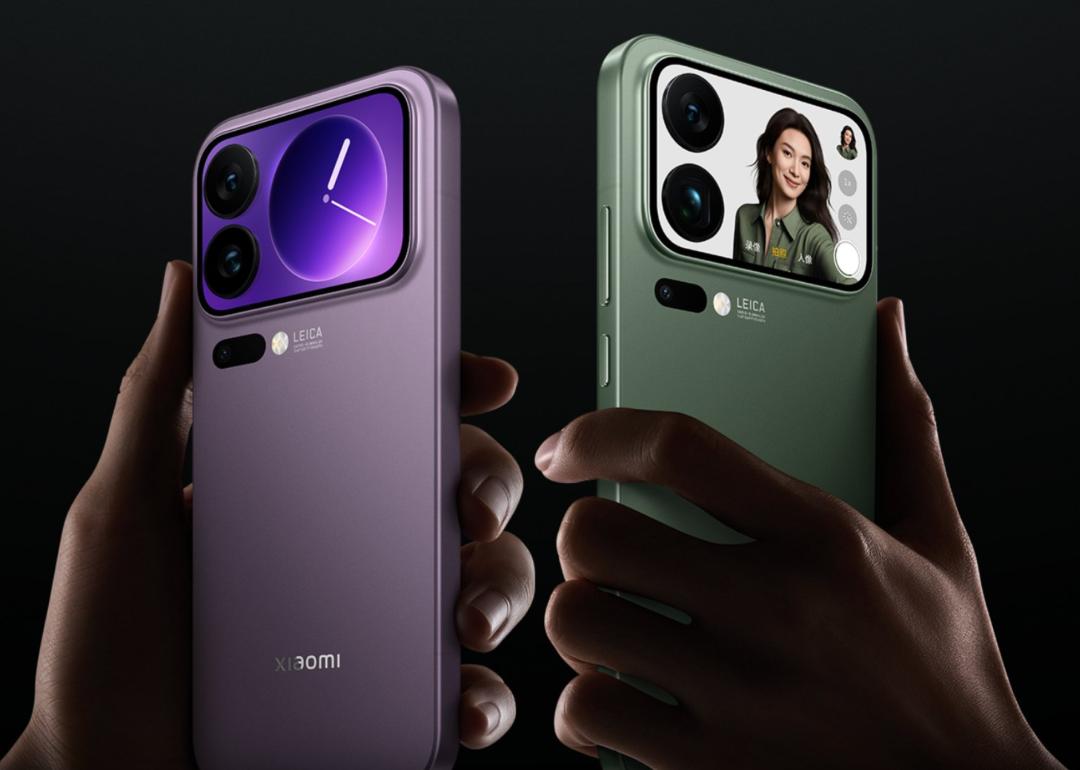
Core Viewpoint - The article discusses the competitive landscape between Xiaomi's new 17 series and Apple's iPhone 17, highlighting Xiaomi's strategies to redefine its products and target the high-end market while facing challenges in sales and market perception [2][3][10]. Group 1: Product Features and Innovations - Xiaomi's 17 series introduces a unique "back screen" feature that supports various functions, aiming to enhance user interaction and provide quick access to important notifications without flipping the phone [3][5]. - The naming strategy of the Xiaomi 17 series directly targets the iPhone 17, with Xiaomi's CEO emphasizing that the new series represents a significant upgrade over previous models [5][7]. - The 17 series achieved record sales within five minutes of launch, indicating strong initial consumer interest [9]. Group 2: Pricing and Market Positioning - Xiaomi has increased the starting price of its flagship models, maintaining a price range of 3999 to 4499 yuan, which reflects its strategy to move towards a higher-end market [11][19]. - The gross margin for Xiaomi's smartphone business has improved significantly, rising from around 2% to approximately 12% in recent years, indicating successful high-end positioning [11][19]. - Despite record sales, market reactions were lukewarm, with a notable drop in stock price following the launch, attributed to a downward revision of expected total shipments by about 20% [14][16]. Group 3: Competitive Analysis - The article notes that while Xiaomi aims to compete with Apple, the latter has also begun to emphasize value, with the iPhone 17 offering increased storage at the same price point as its predecessor, thus intensifying competition in the high-end market [25][27]. - Xiaomi's market share has fluctuated, benefiting from government subsidies but facing challenges as these effects wane, which could impact its competitive position against Apple and other brands [24][25]. - The article suggests that Xiaomi's strategy of directly comparing its products to Apple's may indicate a recognition of the gap in perceived quality and brand prestige [23][30].
卖爆了!小米17系列,销量超100万台!
中国基金报· 2025-10-02 03:21
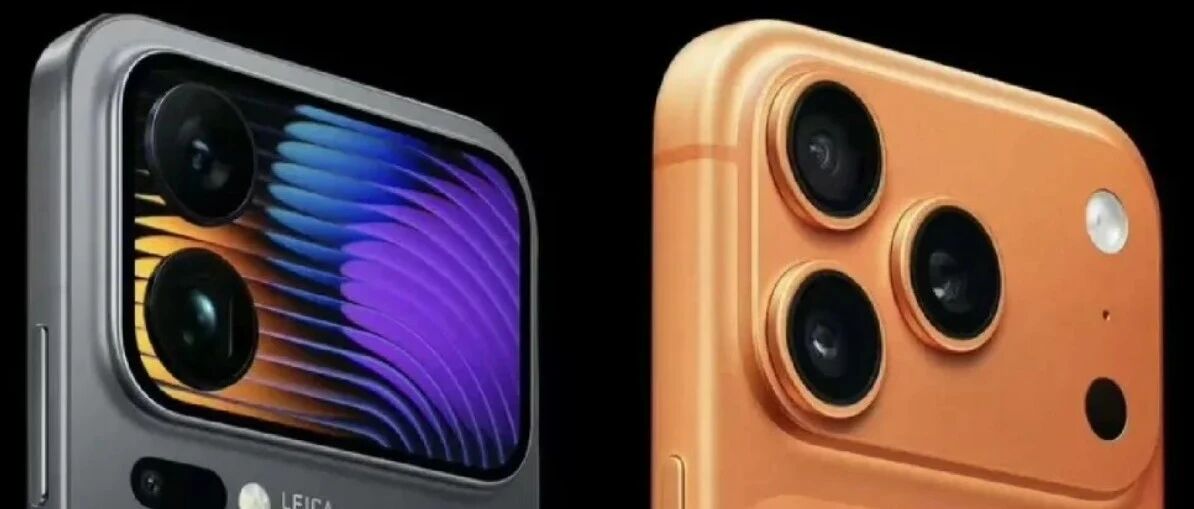
Core Viewpoint - The Xiaomi 17 series has achieved sales exceeding 1 million units, demonstrating faster sales compared to previous models [1][4][7]. Sales Performance - Xiaomi 17 series sales surpassed 1 million units as of October 2, 2023, with production being ramped up to meet demand [4][10]. - The series set a record for first-day sales, with the Xiaomi 17 Pro Max model accounting for over 50% of total sales within the series [10][12]. - The launch on September 25, 2023, was marked by significant consumer interest, leading to a strong initial sales performance [10][12]. Market Position and Competition - Xiaomi aims to compete directly with Apple, particularly in the high-end market segment, with the Xiaomi 17 series priced starting at 4,499 RMB [10][12]. - Despite a reported 20% downward adjustment in total shipment targets for the Xiaomi 17 series, the company remains confident in surpassing the sales of the previous Xiaomi 15 series [12][14]. - The competitive landscape includes pressure from Apple and Huawei, with analysts noting that the demand for the standard version of the Xiaomi 17 is lower than expected [12][13]. Product Features and Innovations - The Xiaomi 17 series features innovative designs and technologies, including a new "super pixel" low-power display, which has attracted consumer attention [10][12]. - The introduction of a 1TB version of the standard model is expected to enhance the product mix and overall order volume compared to the previous generation [17]. Stock Market Reaction - Following the announcement of the sales figures, Xiaomi's stock price rose over 3%, reaching 55.65 HKD per share [19].
卖爆了!小米17系列,销量超100万台!
Zhong Guo Ji Jin Bao· 2025-10-02 03:17
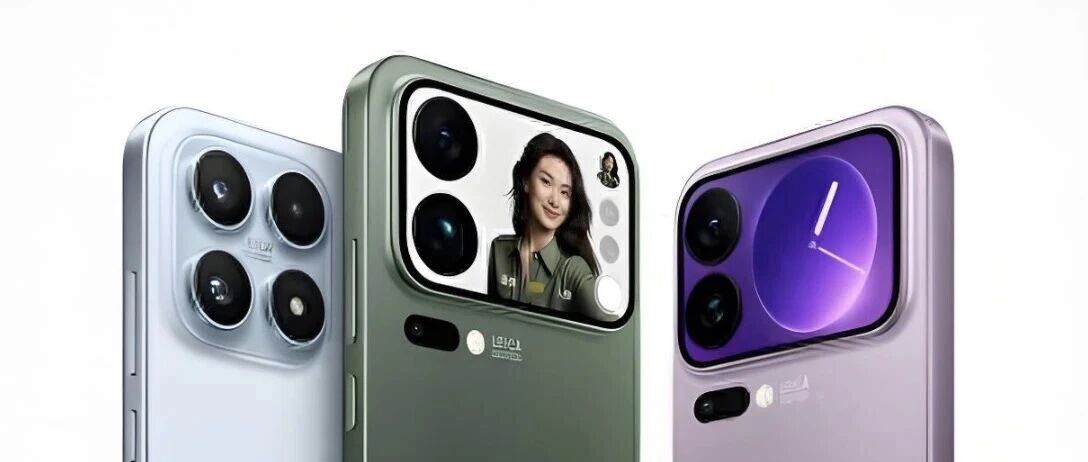
Core Viewpoint - The Xiaomi 17 series has surpassed 1 million units in sales, achieving this milestone faster than previous models, indicating strong market demand and consumer interest [1][3][6]. Sales Performance - The Xiaomi 17 series was officially launched on September 25, with a starting price of 4,499 yuan for the base model and 5,999 yuan for the Pro Max model [8]. - Within just 5 minutes of its release on September 27, the entire Xiaomi 17 series set new records for first-day sales volume and revenue across all price segments of domestic smartphones in 2025 [8]. - The Pro Max model accounted for over 50% of the sales within the Xiaomi 17 series, highlighting its popularity [8]. Market Strategy - Xiaomi is ramping up production and increasing inventory to meet the high demand for the Xiaomi 17 series [3]. - The company aims to compete directly with Apple, particularly in the high-end market segment, and has introduced a 1TB version of the device to enhance its product lineup [9][10]. Competitive Landscape - Despite the strong initial sales, there are concerns regarding a potential 20% reduction in total shipment targets for the Xiaomi 17 series, primarily due to lower-than-expected demand for the standard version and competition from Apple and Huawei [9]. - Analysts suggest that the competitive pressure from the iPhone 17 and Huawei's high-end models could impact Xiaomi's market share [9]. Market Outlook - Market research indicates that Xiaomi's strong specifications and design for the 17 series could help it capture market share in the 4,000 to 6,000 yuan price range, potentially stabilizing profit margins [14]. - Following the positive sales news, Xiaomi's stock price increased by over 3%, reflecting investor confidence in the company's performance [14].
中国首富换人!
Sou Hu Cai Jing· 2025-10-02 02:29
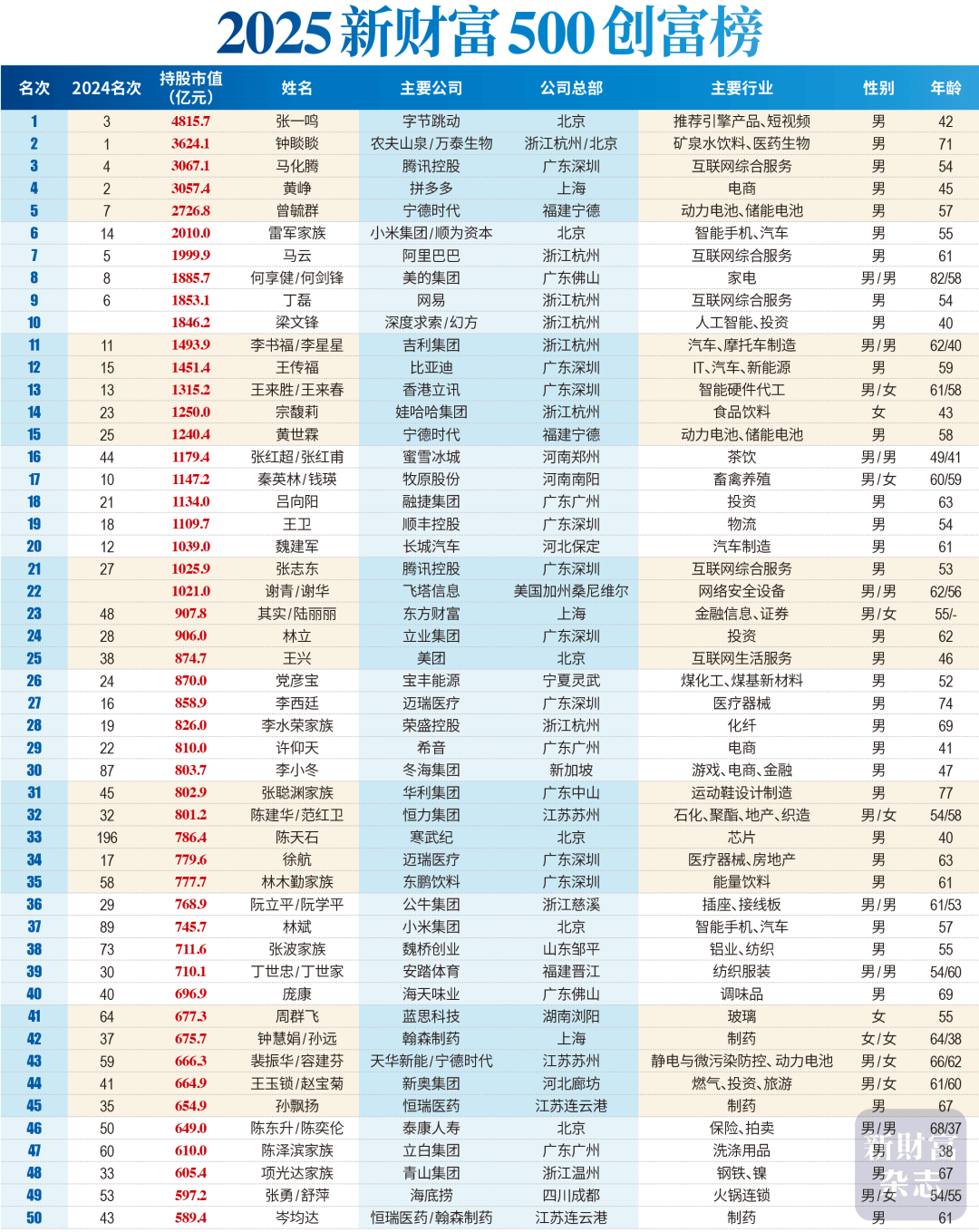
Core Insights - The value creation capability of Chinese private enterprises is accelerating, leading to a new wave of wealth creation. The latest "New Fortune" magazine's 500 Rich List shows that the total market value of the 500 entrepreneurs (or families) listed is 13.7 trillion yuan, an increase of 11% year-on-year, with an average market value of 273.8 million yuan. The entry threshold for the list is 66.2 million yuan. AI companies dominate the top ten this year [1]. Group 1: Wealth Creation - The total market value of the 500 entrepreneurs is 13.7 trillion yuan, reflecting an 11% year-on-year increase [1]. - The average market value of the listed entrepreneurs is 273.8 million yuan [1]. - The entry threshold for the list is set at 66.2 million yuan [1]. Group 2: Industry Trends - AI companies are leading the top ten positions in this year's wealth list [1].



Waymo无人驾驶汽车违规掉头被拦停,警察却无法开罚单;孟晚舟当值华为轮值董事长;王腾多平台账号注销或私密,此前因泄密被小米开除
雷峰网· 2025-10-02 00:36
Key Points - Waymo's self-driving car was stopped for illegal U-turn but could not be fined due to lack of legal provisions for autonomous vehicles [3] - Meng Wanzhou has taken over as Huawei's rotating chairman, marking her third term in this role [6] - BYD reported September sales of 396,300 units, maintaining its position as the top seller in the automotive market [8][9] - Xiaomi's sales reached a historical high in September, surpassing 40,000 units for the first time [8] - The Respect S800 is projected to outsell luxury brands like Maybach and Mercedes-Benz, with significant pre-orders [11] - Xiaomi clarified its marketing practices regarding "super strong steel," stating it follows industry norms and does not affect material performance [12] - Yushun Technology addressed security vulnerabilities in its robots, stating most issues have been resolved [14][15] - Panasonic is reportedly implementing a voluntary retirement program, but it does not affect its Chinese operations [16][17] - BYD's U9X model sold out quickly in the Middle East, indicating strong demand from high-net-worth individuals [18] - Nio's sales in September reached 34,700 units, showing a 10.86% increase from the previous month [9] - Ford's CEO highlighted China's dominance in the electric vehicle market, comparing it to a "700-pound gorilla" [28] - Apple responded to a lawsuit from Musk's xAI, defending its partnership with OpenAI as a legitimate business decision [30][31] - Amazon and Google are reportedly notifying NVIDIA about their AI chip developments to avoid supply chain disruptions [32] - Tesla plans to launch its third-generation Optimus humanoid robot by the end of 2025, with mass production expected in 2026 [33] - Samsung has begun mass production of its first 2nm chip, the Exynos 2600, set to debut in the Galaxy S26 series [35][36] - Microsoft will end support for Windows 10 on October 14, urging users to upgrade to Windows 11 [38]


热度比肩刘德华,雷军的个人魅力,小米的枷锁?
Sou Hu Cai Jing· 2025-10-01 13:12
Core Insights - The recent competition for attention between Lei Jun's speech, Xiaomi's new product launch, and Andy Lau's concert highlights the challenges Xiaomi faces in brand positioning and market perception [2][3] - Xiaomi's strategy of leveraging high-profile events for product promotion is not new, indicating a consistent approach to enhance brand visibility [3][25] Group 1: Brand Positioning and Strategy - Xiaomi's recent product launch was strategically timed to coincide with Lei Jun's speech, aiming to generate buzz for the Xiaomi 17 series [3][25] - The concept of high-end branding can be divided into hard and soft strengths, where hard strength refers to product quality and features, while soft strength relates to brand story and emotional value [4][5][15] - The challenge for Xiaomi lies in overcoming its established image as a budget-friendly brand, which may hinder its efforts to penetrate the high-end market [16][19] Group 2: Market Dynamics and Consumer Perception - The high-end smartphone market is defined as products priced above $600, a segment where Xiaomi has struggled to establish a strong presence compared to competitors like Huawei and Apple [17][18] - Xiaomi's branding efforts are complicated by the strong association of its products with Lei Jun's personal charisma, which can overshadow the products themselves [20][21] - The immediate market reaction to Xiaomi's recent events was mixed, with a significant drop in stock price following the launch, indicating potential investor concerns [29] Group 3: Marketing and Communication Strategies - The effectiveness of Xiaomi's marketing strategy is questioned, as the approach of uniformly distributing content across platforms may not resonate with diverse audiences [31][39] - Differentiated marketing strategies, similar to those employed by Apple, could enhance Xiaomi's brand perception and consumer engagement [33][38] - The need for a compelling brand narrative is emphasized, as seen in the successful strategies of competitors like Huawei and Apple, which focus on storytelling to create emotional connections with consumers [14][15][43]
打造AI终端生态“全球会客厅”:荣耀阿尔法全球旗舰店落地深圳湾
Cai Jing Wang· 2025-10-01 08:42
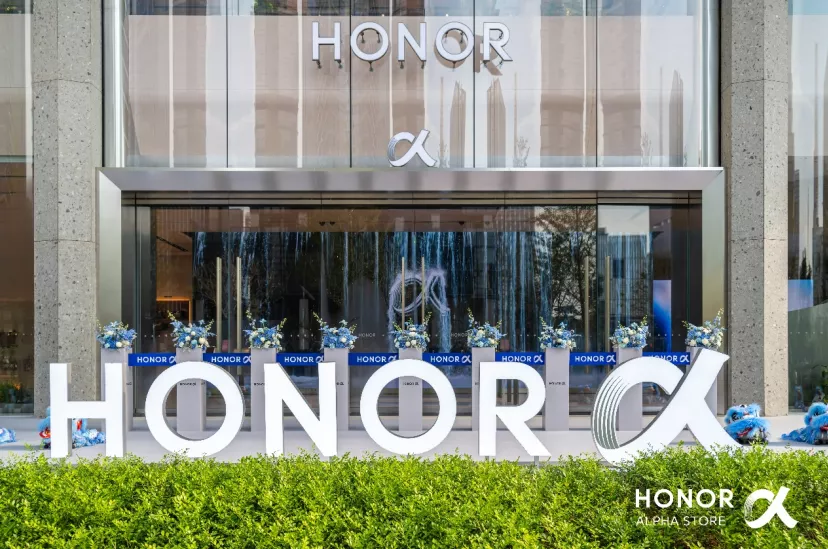
Core Insights - The opening of the Honor Alpha Global Flagship Store in Shenzhen Bay marks a significant milestone in the company's transition from a smartphone manufacturer to a leading AI terminal ecosystem company, showcasing the practical implementation of its AI strategy [1][9] - The flagship store serves as a platform for AI innovation and collaboration, linking technology with humanistic values, and aims to enhance the AI industry in the Greater Bay Area [1][7] Group 1: Store Features and Design - The store's design reflects the regional characteristics of Shenzhen Bay, creating a transparent and relaxed experience, with elements like a landscape waterfall and a spiral staircase that embody the integration of technology and culture [2] - The store focuses on a full-scenario AI lifestyle experience, allowing visitors to easily engage with various AI products that enhance daily life, such as a lightweight 350g foldable projector and a wireless guitar [2] Group 2: AI Assistant and Community Engagement - The dedicated experience area for the AI assistant YOYO showcases its capabilities in personal assistance, including remembering user preferences and providing tailored recommendations, exemplifying the humanized aspect of AI [4] - The "AI Inspiration Café" serves as a social hub for tech professionals and creators, facilitating discussions on how AI can optimize work efficiency and meet humanistic needs, thus fostering innovation and collaboration [4][5] Group 3: Industry Collaboration and Ecosystem Development - The flagship store acts as a collaborative window for AI innovation in the Greater Bay Area, inviting local AI companies to showcase their products and solutions, thereby promoting a shared ecosystem [7][9] - The store features a smart manufacturing display area that highlights the integration of over 1 billion production parameters, showcasing how AI enhances manufacturing precision from millimeter to sub-micrometer levels, providing a reference for industry partners [9]
手机AI智能体生态升温:厂商全面押注 实用性与隐私保护待升级
Xin Jing Bao· 2025-10-01 07:20
Core Insights - The mobile industry is accelerating the development of AI agents, with Huawei investing 1 billion yuan in the "Tian Gong Plan" and Qualcomm collaborating with major Android manufacturers on the "AI Acceleration Plan" [1][2] - AI agents are becoming standard features in smartphones, enhancing ecosystem competition through integration with third-party apps and other AI agents [1][2] Group 1: AI Agent Development - Major Chinese smartphone manufacturers are transitioning from traditional voice assistants to AI agents with autonomous decision-making and execution capabilities [2][3] - Huawei's new Harmony AI Agent Framework (HMAF) aims to create a collaborative AI ecosystem where all agents work together, supported by a 1 billion yuan investment to enhance the AI ecosystem [2][3] - Honor's AI agent YOYO, based on the MagicGUI open-source model, has developed multi-modal AI perception and cross-application execution capabilities [3] Group 2: Industry Collaboration - Qualcomm, in partnership with GTI and major telecom operators, has launched the "AI Acceleration Plan" to expand edge intelligence applications across various devices [3] - The industry is strengthening collaboration across the supply chain to enhance the capabilities of AI agents and their integration into smartphones [3][6] Group 3: Challenges and Limitations - Current AI agents face challenges in practical usability and privacy protection, with limitations in accurately interpreting complex app interfaces [4][5] - Many AI agents can only perform basic tasks, often relying on "screen reading and simulated clicking" methods, which are seen as transitional solutions [4] - Privacy concerns arise from the need for AI agents to access personal data, leading to calls for user verification of AI actions to prevent errors [5] Group 4: Future Directions - The establishment of the "IIFAA Intelligent Agent Trusted Interconnection Working Group" aims to create industry standards for secure interactions between AI agents [6] - Future developments may see AI agents expanding from smartphones to tablets, PCs, and other devices, enhancing their functionality and integration [6] - Qualcomm emphasizes the need for innovative memory architectures and low-power processors to support the growing demands of AI agents [7]
