电子商务

Search documents
二季度营收创三年新高,京东缘何加速增长?
Zhong Guo Jing Ying Bao· 2025-08-17 04:54
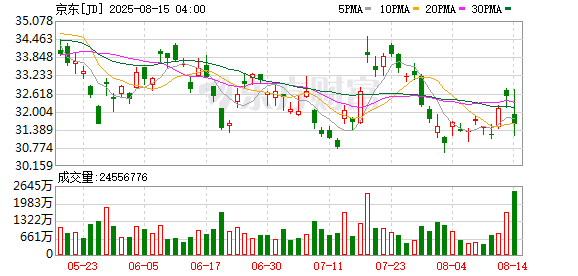
Core Insights - JD Group reported its strongest quarterly performance in nearly three years, with total revenue reaching 356.7 billion yuan, a year-on-year increase of 22.4%, marking the highest growth rate since 2022 [1][3] - The core retail business generated revenue of 310.1 billion yuan, up 20.6% year-on-year, with an operating profit margin of 4.5%, the highest level during major promotional seasons [1][3] - New business revenue surged to 13.85 billion yuan, reflecting a staggering year-on-year growth of 198.8%, making it the fastest-growing segment [1][3] Revenue Breakdown - In Q2 2025, JD's retail revenue was 310.1 billion yuan, logistics revenue was 51.6 billion yuan, and new business revenue was 13.9 billion yuan [3][9] - The product revenue for Q2 2025 was 282.4 billion yuan, accounting for 79.18% of total revenue, with electronic products and home appliances generating 178.98 billion yuan, a 23.4% increase year-on-year [9] User Engagement and Business Efficiency - JD's active user count has seen double-digit growth for seven consecutive quarters, with user purchase frequency increasing by over 40% year-on-year, validating the effectiveness of the "high frequency brings low frequency" strategy [3][11] - The introduction of the food delivery service has significantly boosted user engagement, leading to increased traffic and user growth, particularly among younger demographics [11][15] Profitability and Strategic Investments - The net profit for Q2 2025 was 6.2 billion yuan, down from 12.6 billion yuan in the same period last year, primarily due to investments in new business strategies [12][13] - Despite short-term profit impacts from new business investments, management emphasizes the long-term growth potential and synergy with core operations [13][16] Supply Chain and Competitive Advantage - JD's robust supply chain is identified as a core competitive advantage, ensuring stable product supply and reliable delivery services [10][16] - The company aims to optimize costs and improve efficiency through scale procurement and product design, allowing for competitive pricing without relying on excessive subsidies [10][16] Long-term Vision - Management stresses that the food delivery business is a long-term strategic focus, aiming to build a sustainable business model over five to twenty years [15][16] - Future plans include enhancing cross-selling opportunities between food delivery and core retail, aiming to drive overall user growth and purchasing frequency [15][16]



为什么400万户市场主体“都爱上”广州?
Sou Hu Cai Jing· 2025-08-16 17:37
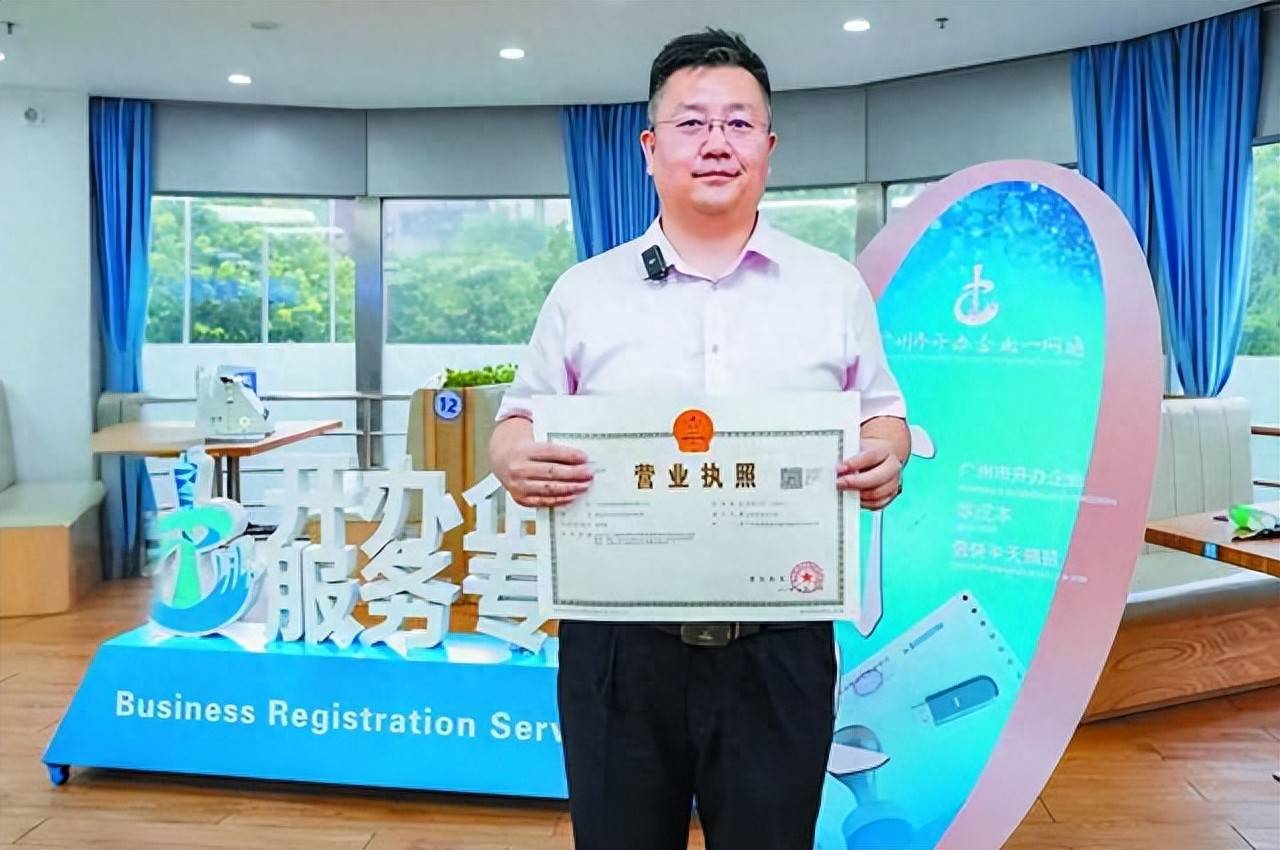
Core Viewpoint - Guangzhou has successfully surpassed 4 million market entities, marking a historic milestone and showcasing its vibrant business environment and growth potential [3][31]. Group 1: Market Growth and Business Environment - Guangzhou's total market entities have exceeded 4 million, ranking third among cities in China, reflecting the city's vitality and potential in the digital economy era [3][4]. - The city is attracting significant investments from both domestic and international investors, with a focus on optimizing the business environment and showcasing limitless development prospects [3][4]. - The rapid establishment of major companies like SHEIN, which reached a valuation of 365 billion yuan, and Tmall's rapid sales growth in Guangzhou highlights the city's appeal to e-commerce giants [3][4][12]. Group 2: Infrastructure and Corporate Presence - Tencent's new headquarters in Guangzhou has become a landmark, enhancing the region's status as a digital hub [7][9]. - Ant Group's dual centers in Guangzhou are pivotal for promoting cross-border digital trade and enhancing connectivity in the Greater Bay Area [9][11]. - The efficiency of government services in Guangzhou is evident, with rapid approvals and support for new businesses, exemplified by the swift establishment of Ant Group's centers [13][14]. Group 3: E-commerce and Digital Economy - Guangzhou is emerging as a leading city for live-streaming e-commerce, with over 1 million product categories being sold daily and dominating nine out of twelve high-sales categories nationally [12][13]. - The city's live-streaming e-commerce retail sales are projected to reach 517.1 billion yuan in 2024, accounting for nearly one-fifth of the national total [12][13]. - E-commerce platforms are increasingly integrating with local industries, creating a robust ecosystem that supports rapid growth and innovation [20][23]. Group 4: Policy Support and Economic Development - The local government is actively providing financial incentives and support measures to attract and retain e-commerce businesses, enhancing the overall ecosystem [19][20]. - Guangzhou's policies have led to significant increases in retail sales and the establishment of numerous new businesses, demonstrating the effectiveness of its economic strategies [19][20]. - The collaboration between government and enterprises is fostering a conducive environment for growth, with over 100 well-known brands registering in the city within a short period [19][20]. Group 5: Future Prospects and Strategic Positioning - The integration of e-commerce platforms with local supply chains is positioning Guangzhou as a key player in the global market, with plans for extensive future investments and developments [28][30]. - The city is expected to evolve into a global industrial collaboration center, driven by the strengths of major e-commerce players and their innovative approaches [30][31]. - The ongoing competition among e-commerce giants in Guangzhou is not just about market share but also about creating a sustainable and innovative ecosystem for future growth [28][30].
京东使出了全身力气
36氪未来消费· 2025-08-16 14:05
Core Viewpoint - The article discusses the current state of JD's food delivery business, highlighting its significant losses and strategic shift towards a more sustainable growth model amidst fierce competition in the delivery sector [4][5][6]. Summary by Sections Financial Performance - In Q2, JD reported a new business loss of 14.7 billion, exceeding investor expectations, with net profit down 51% year-on-year [4][5]. - Total revenue grew by 22.4% to 356.7 billion, with the new business segment, including food delivery, seeing a revenue increase of 198.8% to 13.852 billion [8][13]. - The core retail business remains the strongest performer, with a revenue increase of 20.6% and an operating profit margin of 4.5%, marking the highest record for JD during major promotional periods [5][13]. Strategic Shifts - JD is adopting a more pragmatic approach in the food delivery sector, focusing on building a solid foundation rather than competing aggressively for market share [4][7]. - The company aims to enhance user, merchant, and delivery personnel experiences while prioritizing quality over quantity in its service offerings [5][10]. Market Position and Competition - The competitive landscape has shifted, with JD becoming a quieter player in the "delivery war," as rivals like Taobao and Meituan ramp up their efforts [7][11]. - JD's strategy includes avoiding direct competition with rivals during peak promotional periods, instead opting to support quality merchants through subsidies [7][8]. User Engagement and Growth - JD's active user base saw a significant increase, with daily active users up 35% and monthly active users up 17% year-on-year [8][9]. - The company is working on enhancing cross-selling capabilities between its food delivery and core retail businesses, although the effectiveness of this strategy remains uncertain [10][11]. Future Outlook - JD's management emphasizes a focus on sustainable business models rather than engaging in excessive competition, aiming for long-term growth through operational improvements and user experience enhancements [11][12]. - The company acknowledges the role of government subsidies in its recent performance but does not intend to rely on them as a long-term strategy [12][13].

小红书虚拟电商实战第六天,如何巧选品出单心得分享
Sou Hu Cai Jing· 2025-08-16 02:08
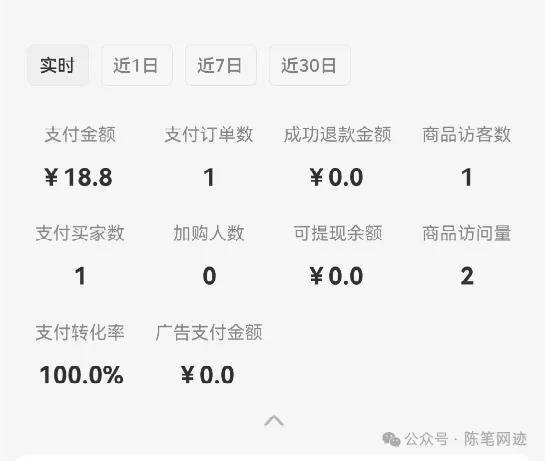
Core Insights - The article highlights the practical experiences of an individual named Lao Chen in the e-commerce sector, emphasizing his hands-on approach and operational efficiency in managing online stores [1][3]. E-commerce Operations - Lao Chen has gained a deep understanding of various e-commerce operations within just six days, including product listing, note publishing, planning, promotion, order processing, and follow-up [1]. - He manages two stores, referred to as "1 Store" and "2 Store," and can efficiently handle both in a single afternoon [1]. Performance Metrics - "2 Store" has listed 60 products and achieved a successful order, while "1 Store" has only attracted 21 visitors without any orders, which Lao Chen considers a normal part of the e-commerce journey [3]. - Lao Chen emphasizes that e-commerce success requires patience and cannot be expected to yield results as quickly as others who have been working for months [3]. Product Selection Strategy - Lao Chen advises that any product can be listed as long as there is evidence of sales, highlighting the importance of extensive testing in product selection [3]. - He outlines three criteria for a product to be worth listing: demand (有人搜), sales (有人卖), and reasonable market capacity (出单量不错) [3]. - For data collection, he uses a tool called the Husky plugin to gather sales information and maintains a spreadsheet for tracking [3]. Sales Analysis - Lao Chen sorts products by sales volume, eliminating the highest and lowest sales items to focus on those with moderate demand [4]. - He believes that products with sales below 100 indicate insufficient demand, while those exceeding 500 face excessive competition, making them unsuitable for his strategy [4]. Operational Focus - In his current approach, Lao Chen prioritizes product variety and testing frequency over meticulous selection, suggesting that extensive testing is key to identifying suitable products for his stores [5]. - He encourages others to adapt his experiences to their own situations, emphasizing that his insights are personal and may not apply universally [5].
99克拉进口钻石只要22元?——部分电商平台假钻石泛滥现象调查
Xin Hua Wang· 2025-08-15 21:36
Group 1 - The article highlights the prevalence of counterfeit diamonds on e-commerce platforms, with prices significantly lower than those in physical stores, raising concerns about authenticity [1][2][3] - A consumer's experience revealed that a purchased "cultivated diamond" was actually a synthetic cubic zirconia, indicating a widespread issue of fraud in online diamond sales [2][5] - The investigation found that many low-priced diamonds sold online are fake, with a 99-carat diamond being identified as glass and a 2-carat diamond as synthetic cubic zirconia, both accompanied by forged certificates [5][6] Group 2 - The article discusses the challenges consumers face in distinguishing between real and fake diamonds, as counterfeit products often come with misleading labels and fake certificates [6][7] - There is a significant volume of consumer complaints related to false advertising in the diamond market, with over 210,000 complaints recorded [8] - Legal experts emphasize that selling counterfeit diamonds violates product quality laws and consumer protection laws, suggesting that consumers can seek punitive damages for fraudulent practices [9] Group 3 - E-commerce platforms are criticized for their inadequate regulation, allowing the sale of suspiciously low-priced diamonds, which indicates a gap in oversight [10] - Recommendations include strengthening regulatory frameworks, enhancing consumer education about cultivated diamonds, and improving the verification processes for online sellers [10]

潍坊市特色产品选品大会暨特色产品现场推进会(西片区)顺利举行
Qi Lu Wan Bao Wang· 2025-08-15 16:18
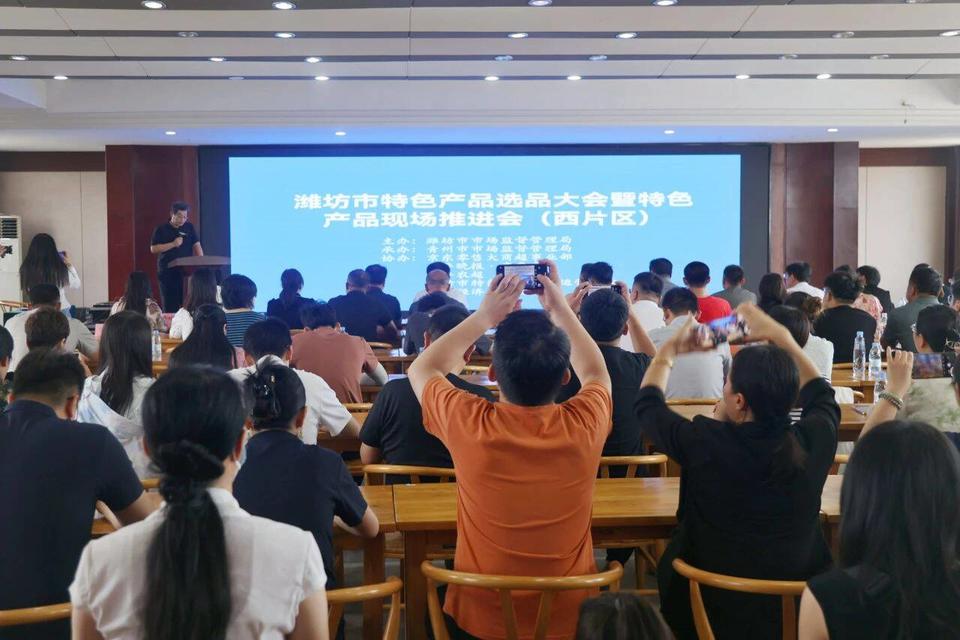
Group 1 - The core viewpoint of the article emphasizes the importance of enhancing the influence of "Weiyou Shangpin" through the promotion of distinctive products in Weifang City [1] - A total of 139 distinctive products have been identified for development and enhancement by 2025, with feedback and guidance provided during the selection meeting [3] - The meeting highlighted the successful online sales and operational strategies of e-commerce platforms like JD Group and Qilu Nongchao, showcasing the integration of product exhibition, sales, and logistics in Qingzhou [3][4] Group 2 - The work team conducted on-site research at cultural bases and companies to assess the progress of the distinctive product enhancement initiative [4] - The initiative aims to innovate and optimize product features while ensuring tangible benefits, with a call for relevant departments to strengthen service guidance [4] - Continuous efforts are needed to elevate the distinctive product enhancement work to new levels and expand the influence of "Weiyou Shangpin" [4]
拼多多上涨2.38%,报117.47美元/股,总市值1667.66亿美元
Jin Rong Jie· 2025-08-15 13:54
Core Viewpoint - Pinduoduo (PDD) has shown a mixed financial performance with a revenue increase but a significant decline in net profit, indicating potential challenges ahead for the company [1][2]. Financial Performance - As of March 31, 2025, Pinduoduo reported total revenue of 95.672 billion RMB, representing a year-on-year growth of 10.21% [1]. - The company's net profit attributable to shareholders was 14.742 billion RMB, which reflects a year-on-year decrease of 47.35% [1]. Upcoming Events - Pinduoduo is scheduled to release its fiscal year 2025 mid-term report on August 25, with the actual disclosure date subject to company announcements [2]. Company Background - Pinduoduo was established on April 20, 2015, in the Cayman Islands and operates through its domestic company, Shanghai Xunmeng Information Technology Co., Ltd., which was founded in 2014 [2]. - The company focuses on a unique social group-buying model, emphasizing large subsidies, agricultural product promotion, and high-quality goods from production areas [2]. - Pinduoduo's operational philosophy is centered around providing consumers with affordable, high-quality products, including heavily subsidized brand-name goods and original agricultural products [2].

新华视点丨99克拉进口钻石只要22元?——部分电商平台假钻石泛滥现象调查
Xin Hua Wang· 2025-08-15 12:28
Core Viewpoint - The investigation reveals a widespread issue of counterfeit diamonds being sold on e-commerce platforms at significantly low prices, misleading consumers and undermining the integrity of the diamond market [1][2]. Group 1: E-commerce Platform Issues - Many e-commerce platforms are flooded with "bargain-priced" diamonds, with prices for lab-grown diamonds as low as 143 yuan per carat, contrasting sharply with the tens of thousands of yuan typically charged in physical stores [4][8]. - A significant number of consumers have reported being deceived by these low-priced offerings, with one individual discovering that a 5-carat lab-grown diamond he purchased was actually a synthetic cubic zirconia [3][4]. Group 2: Detection of Counterfeit Products - An investigation by reporters found that both a 2-carat lab-grown diamond and a 99-carat "imported diamond" purchased online were confirmed to be fake, with the latter being merely glass [7][9]. - Experts indicate that the cost of genuine lab-grown diamonds is substantially higher, with 1-carat lab-grown diamonds costing between 2,000 to 3,000 yuan, making the low-priced offerings suspicious [8][9]. Group 3: Consumer Awareness and Regulatory Challenges - Consumers face difficulties in distinguishing between real and fake diamonds, as counterfeit products often come with forged certificates that are difficult to identify as fraudulent [10][12]. - The prevalence of fake certification is alarming, with some vendors offering to create custom certificates for any product, further complicating consumer trust [11][12]. Group 4: Recommendations for Improvement - Industry experts suggest enhancing regulatory frameworks to ensure the integrity of the diamond market, including stricter oversight of e-commerce platforms and better consumer education regarding lab-grown diamonds [13][12]. - There is a call for collaboration among various regulatory bodies to establish a comprehensive monitoring system from production to sale, ensuring that consumers are protected from fraudulent practices [13][12].
京东外卖的三笔账|智氪
36氪· 2025-08-15 10:44
Core Viewpoint - JD Group's Q2 2025 financial report shows strong retail performance but significant losses in the new food delivery business due to high marketing expenditures and subsidies [5][21][35]. Group 1: Financial Performance - JD Group achieved Q2 2025 revenue of 356.66 billion RMB, a year-on-year increase of 22.4%, while net profit dropped by approximately 51% to 6.178 billion RMB [5][22]. - The retail segment alone saw revenue of 310.075 billion RMB, growing 20.6% year-on-year, with operating profit increasing by 37.9% to 13.939 billion RMB [22][32]. - New business revenue, including food delivery, surged nearly 200% year-on-year to 13.852 billion RMB, but operating losses expanded to 14.777 billion RMB [10][12]. Group 2: Impact of Food Delivery Business - The food delivery business has been categorized under new business metrics, which previously included JD's other ventures [9]. - The rapid increase in operating expenses, particularly marketing costs, which rose by 128% to 27.013 billion RMB, is the primary driver of losses in the food delivery segment [15][19]. - The food delivery business is expected to continue incurring high marketing expenses in the short term due to competitive pressures in the market [35]. Group 3: User Engagement and Ecosystem Synergy - The food delivery service has positively impacted user engagement, with active user growth exceeding 40% year-on-year and increased shopping frequency on the platform [19][36]. - JD plans to enhance cross-category shopping capabilities, integrating food delivery with traditional retail to optimize user experience [20][26]. Group 4: Future Outlook - To mitigate the financial impact of the food delivery business, JD needs to scale operations to cover rider costs and gradually reduce subsidies [35]. - The company is investing in its self-operated food delivery service "Seven Fresh Kitchen" to differentiate itself from competitors, although this will be a long-term process [35][36]. - Despite short-term profit volatility, the long-term synergy between food delivery and retail could yield significant benefits for JD's ecosystem [36].
京东Q2营收劲增22.4%!外卖协同显效,零售利润率创纪录
Hua Xia Shi Bao· 2025-08-15 10:33
Core Insights - JD.com reported Q2 2025 revenue of 356.7 billion yuan, a year-on-year increase of 22.4%, marking the highest growth rate in nearly three years [2] - The company is innovating its "local life" supply chain, reshaping the platform economy through collaboration with its retail business [2][5] - JD's CEO emphasized that the core retail business will remain the foundation of the company's operations while exploring new growth areas [2] New Business Developments - JD's new business revenue, including food delivery, reached 13.85 billion yuan in Q2, a year-on-year growth of approximately 200% [2] - The food delivery service has seen daily order volumes exceed 25 million during the 618 shopping festival, with over 1.5 million quality merchants onboarded [2][4] - JD's food delivery service is operational in 350 cities, with a full-time rider workforce exceeding 150,000 [2] Strategic Positioning - JD has taken a restrained approach in the competitive food delivery market, focusing on sustainable business models rather than short-term gains [3][4] - The company aims to enhance user, merchant, and rider experiences while avoiding disruptive pricing practices [4] - JD's supply chain capabilities, including local warehousing and a network of 1.3 million riders, are leveraged to reduce initial investment costs in the food delivery sector [4] Synergy and User Engagement - The food delivery service has significantly boosted JD's overall user engagement, with active user numbers and shopping frequency both increasing by over 40% year-on-year [5] - The food delivery business has attracted younger users, with JD PLUS membership purchase frequency rising by over 50% [5] - There is a 40% overlap in sales between food delivery and e-commerce, indicating strong cross-selling potential [5] Retail Performance - JD's retail segment generated 310.1 billion yuan in Q2, a year-on-year increase of 20.6%, accounting for 87% of total revenue [6] - The operating profit for the retail segment was 13.9 billion yuan, up 37.6%, with a record operating margin of 4.5% for any major promotional quarter [6] - The company’s self-operated model in retail is enhancing its competitive edge by lowering procurement costs and improving efficiency [6] Expansion and Future Strategy - JD has completed the acquisition of Hong Kong's Jia Bao Food Supermarket, aiming to enhance its supply chain in the Greater Bay Area [7] - The company plans to optimize its supermarket operations to better meet the demands of food delivery users [7] - JD recognizes the importance of instant retail as a complement to its core e-commerce business, focusing on enhancing operational capabilities [7]