人造肉

Search documents
一家超级明星公司凉了
投中网· 2025-12-16 06:11
Core Viewpoint - The plant-based meat industry is experiencing a dramatic shift from capital enthusiasm to a rapid decline, exemplified by Beyond Meat's recent closure of its flagship e-commerce store in China and the shutdown of its factory in Jiaxing, signaling a potential exit from the Chinese market [3][4][9]. Company Overview - Beyond Meat, founded in 2009, was one of the earliest plant-based meat companies in the U.S. and gained significant capital interest, attracting notable investors like Bill Gates and Leonardo DiCaprio [3][16]. - The company expanded into China in 2020, establishing two factories in Jiaxing with ambitions to become a leading plant-based meat producer globally [6][7]. Financial Performance - Since 2022, Beyond Meat has faced continuous revenue declines and increasing losses, with stock prices plummeting nearly 97% from their peak [8][5]. - The company's revenues from 2022 to 2024 were reported at $419 million, $343 million, and $326 million, with corresponding losses of $366 million, $338 million, and $160 million [8][21]. Market Challenges - The closure of Beyond Meat's operations in China reflects broader struggles within the plant-based meat sector, where companies like Impossible Foods have also faced layoffs and operational challenges [19][20]. - The plant-based meat market is hindered by three main issues: poor taste perception among consumers, high prices compared to traditional meat (82% higher), and a limited consumer base primarily consisting of vegetarians and fitness enthusiasts [21][22]. Investment Trends - Investment in plant-based meat companies has significantly declined, with a reported 64% drop in 2024, following a 75% decrease in cultivated meat investments [22].

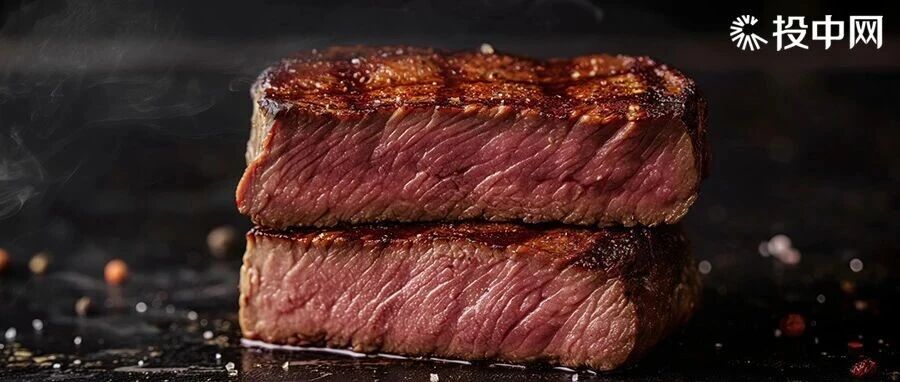
从风口到缺口:别样肉客的五年一梦
3 6 Ke· 2025-12-04 11:36
Core Insights - Beyond Meat, once hailed as the "first stock of plant-based meat," has exited the Chinese market within five years of its entry, marking a significant retreat for the brand [3][19] - The company faced challenges including high product prices, poor consumer reception, and a lack of taste compared to traditional meat, leading to a decline in sales and eventual withdrawal from the market [11][12][19] Company Overview - Beyond Meat entered the Chinese market in 2020, establishing a factory in Jiaxing, Zhejiang, and partnering with major food chains like Starbucks and KFC to promote its products [8][10] - Despite initial enthusiasm and significant investment, the company reported a decline in revenue from $4.19 billion in 2022 to $3.26 billion in 2024, with cumulative losses reaching $8.64 billion [14][19] Market Dynamics - The plant-based meat sector saw a surge in interest and investment from 2019 to 2020, with a 500% increase in investment events related to plant-based companies in China [5][6] - However, as consumer interest waned and product quality issues became apparent, investment in the sector decreased significantly, leading to the closure of several companies [13][14] Consumer Reception - Consumer feedback highlighted that Beyond Meat's products were priced higher than traditional meat, with a 454g pack of plant-based beef mince priced at 199 yuan, compared to 140 yuan for real beef [11][12] - A significant 74% of consumers indicated they would not repurchase plant-based meat products, primarily due to taste and texture issues [12][19] Industry Challenges - The plant-based meat industry is currently facing a "winter" phase, with many companies struggling to secure funding and maintain operations [13][14] - Experts suggest that the industry must focus on improving product quality, establishing standards, and finding a sustainable market position to survive [17][18][19] Future Outlook - Despite current challenges, there is potential for growth in the plant-based meat sector, particularly if companies can innovate and meet consumer expectations for taste and price [17][18] - The global market for plant-based meat is projected to grow significantly, with estimates suggesting a market size of approximately $7.6 billion in 2024, expanding to about $38.5 billion by 2033 [18]


人造肉第一股,已无法搜索
盐财经· 2025-12-02 10:07
Core Viewpoint - Beyond Meat, known as the "first stock of plant-based meat," has closed its flagship stores on major e-commerce platforms in China, indicating a significant retreat from the market [2][4]. Group 1: Company Performance and Market Presence - As of November 30, 2023, Beyond Meat's official flagship store on Tmall is no longer searchable, and its Pinduoduo store is also inaccessible, suggesting a complete halt in operations in China [2]. - The company has ceased production at its factory in Jiaxing, China, and is currently selling off existing inventory and imported products from the U.S. [4]. - Financial reports indicate a decline in revenue from $419 million in 2022 to $326 million in 2024, with cumulative losses reaching $864 million [12]. Group 2: Pricing and Consumer Perception - Beyond Meat's products are priced above local alternatives, with plant-based meat costing over 60 yuan per kilogram, comparable to domestic beef prices, which has deterred potential customers [5][10]. - A significant portion of consumers (approximately 74%) reported they do not plan to repurchase plant-based meat products, primarily due to unsatisfactory taste and texture [15]. Group 3: Market Trends and Future Outlook - The plant-based meat market in China is projected to grow from approximately $760 million in 2024 to about $3.85 billion by 2033, with a compound annual growth rate of around 20% [19]. - Despite the current challenges, industry experts believe that plant-based meat can complement animal protein sources, addressing the growing demand for sustainable food options [18].
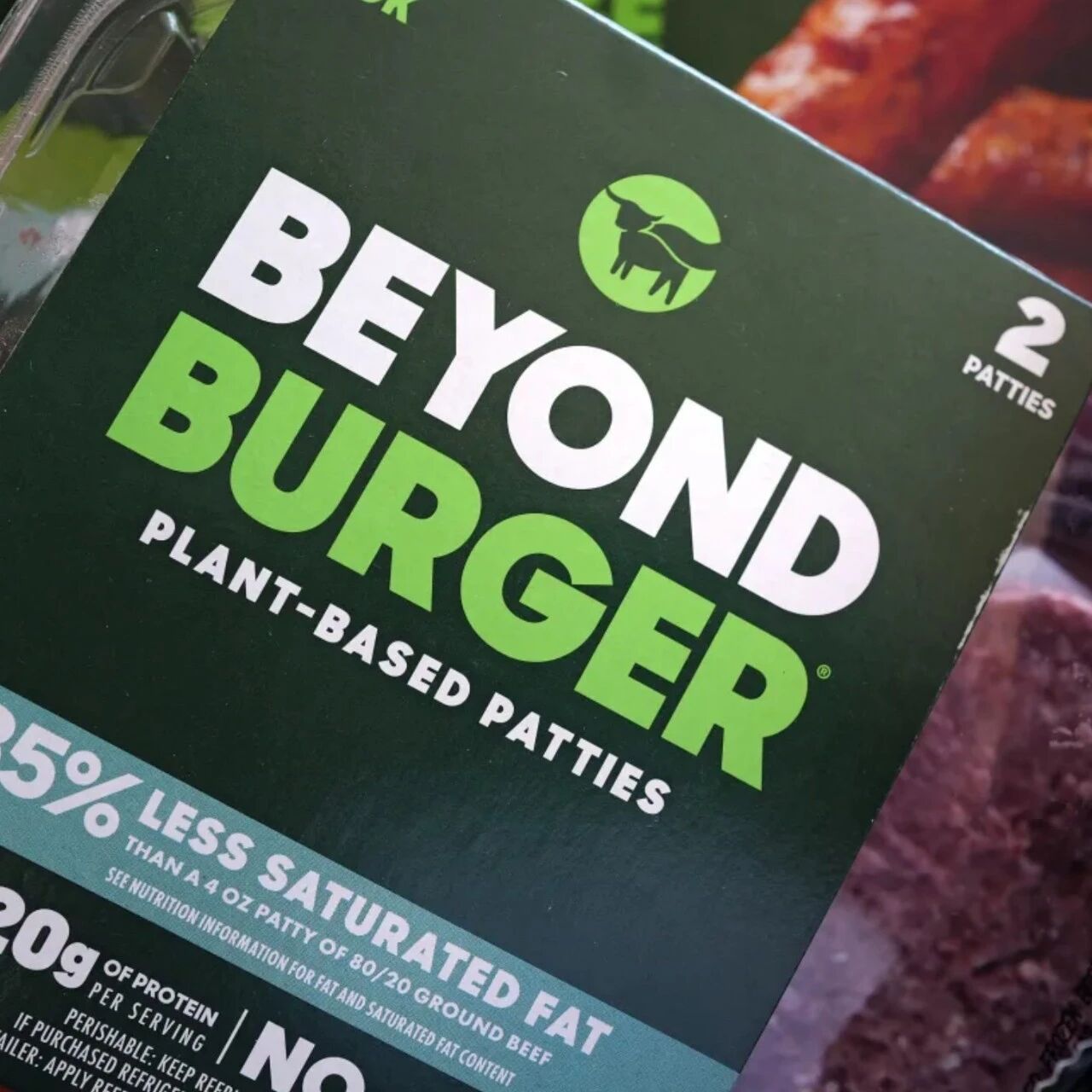
比星咖啡完成B轮融资;Prada集团收购Versace交易将敲定
Sou Hu Cai Jing· 2025-12-02 06:47
Investment Dynamics - The coffee brand "Bixing Coffee" has completed a Series B financing round of several tens of millions, led exclusively by Suzhou Agricultural Development Industry Science and Technology Innovation Fund. The funds will be used for expanding offline stores and brand promotion [1][3] - The Snow League, a professional winter sports league founded by Shaun White, has raised $15 million in financing, with new investors including 359 Capital, BITKRAFT Ventures, and WISE Ventures. This funding will support the league's first season bonuses and athletes [5] - Zhejiang Ruiwei New Materials Technology Co., Ltd. has completed its third round of equity financing, with investment from the Beautiful Navigation Fund, co-established by L'Oréal and Tiantu Capital. The company focuses on biodegradable materials in the consumer sector [6][7] Brand Dynamics - Prada Group's acquisition of Versace is set to finalize on December 2, with a cash transaction based on a €1.25 billion valuation, which is only 1.33 times Versace's projected $1.03 billion revenue for FY2024, significantly lower than the typical luxury industry valuation of 3 to 5 times [8][10] - The founder of high-end sports fashion brand MooRER has repurchased a 25% stake from Joeone, regaining 100% ownership of the brand, which will now refocus on its high-end niche positioning [12][13] - Katjes Group is in talks to acquire Unilever's snack brand Graze for approximately £35 million, significantly lower than the £150 million Unilever paid in 2019 [14][16] - Nestlé plans to merge its infant nutrition business units in China, which is expected to create new growth opportunities by leveraging the strengths of both brands [18][19] - Beyond Meat has quietly closed its flagship stores on major e-commerce platforms in China, with its factory in Jiaxing ceasing production, primarily due to a small local vegetarian market and high product pricing [22] - Swire Group has laid off about 10% of its Hong Kong headquarters staff, affecting around 40 employees, as part of a restructuring to enhance efficiency [24] - Gao Xin Retail has appointed Li Weiping as the new CEO, marking the third CEO change in two years since the acquisition by Dehong [25][26]


A股三大指数飘绿,福建板块逆势走强,嘉戎技术、招标股份20CM涨停
2 1 Shi Ji Jing Ji Bao Dao· 2025-12-02 04:22
Market Overview - A-shares opened lower on December 2, with major indices in the red and a half-day trading volume exceeding 1 trillion yuan, expected to reach 1.65 trillion yuan for the day, a decrease of over 230 billion yuan compared to the previous day [1] - Over 3,900 stocks declined while nearly 1,300 stocks rose [1] Sector Performance - The Fujian stocks outperformed, with companies like Jiarong Technology hitting the daily limit, and several others including Aerospace Development and Pingtan Development also reaching the limit [2] - The commercial aerospace sector saw fluctuations, with Zhaobiao Co. hitting the daily limit and Jinfu Technology achieving a seven-day limit-up streak, closing at 24.83 yuan per share with over 80,000 buy orders at the limit [2] - The real estate sector showed strength, with Huaxia Happiness hitting the limit and Shilianhang rising nearly 7% [3] - The furniture sector experienced a broad rally, with Haolaike hitting the limit and *ST Yazhen rising 5% to the limit [3] - The ice and snow industry saw short-term gains, with companies like Bing Shan Leng Re hitting the limit [3] Stock Movements - *ST Lifang resumed trading and immediately hit the limit down, with a price of 2.69 yuan per share, a decline of 19.94% [4] - In the Hong Kong market, the Hang Seng Index was slightly up, while the Hang Seng Technology Index turned down by 0.5% [4] - New energy vehicle stocks weakened, with NIO down nearly 6% and XPeng down over 4% [4] Market Outlook - There is a growing call to "pre-arrange for the spring market rally" as December approaches [5] - Several major brokerages, including CITIC Securities and Huatai Securities, are optimistic about the annual A-share spring market [6] - Analysts suggest that December may serve as an important window for positioning ahead of the anticipated spring rally in 2026, with a focus on key economic data and policy meetings [7] - Investment strategies should focus on high-probability sectors, technology, and cyclical stocks, while being mindful of potential market constraints [7]
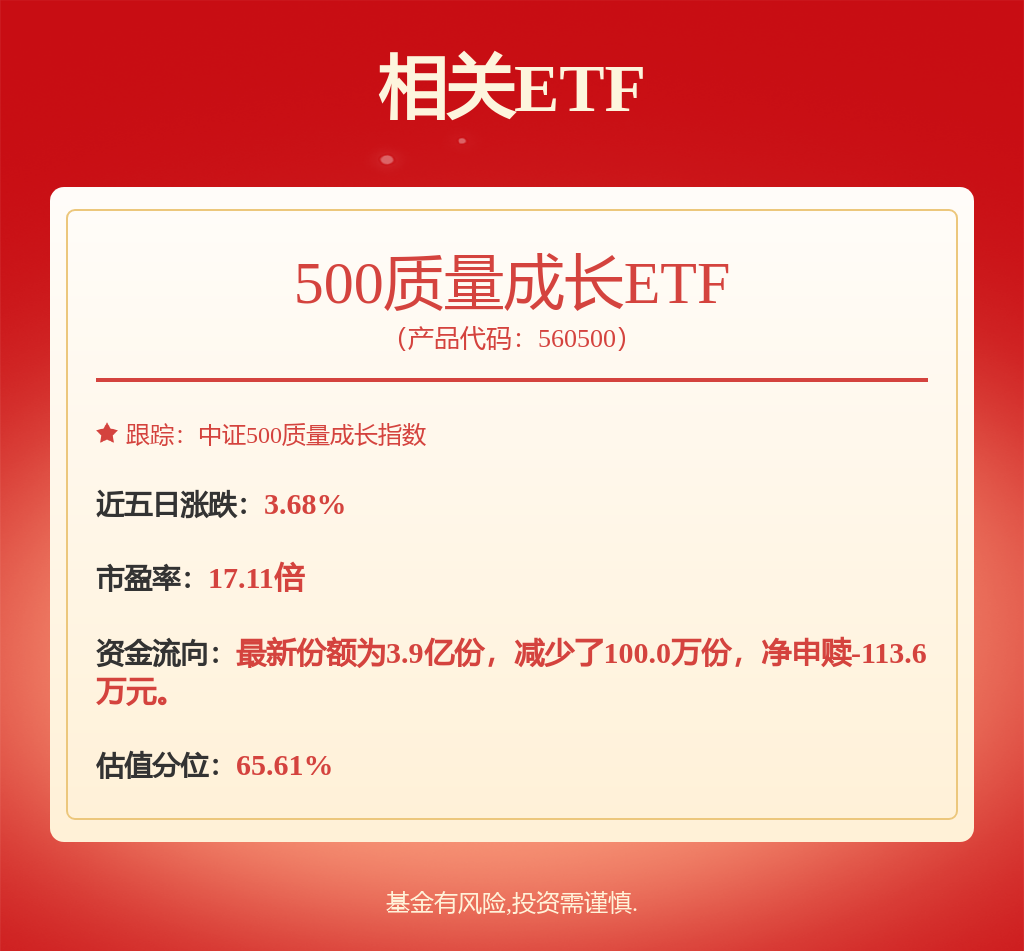
人造肉第一股关店撤退!网友:21世纪最狠假科技阴谋凉透了?
Xin Lang Cai Jing· 2025-12-01 14:32
Core Insights - The article discusses the rise and fall of the plant-based meat industry, particularly focusing on Beyond Meat, which was once a highly sought-after investment but has now faced significant challenges and market exit [1][3][5]. Industry Overview - The plant-based meat market was predicted to grow from approximately $10 billion in 2019 to over $300 billion by 2035, capturing more than 20% of the global meat market [1]. - Initial excitement around plant-based meat was fueled by significant investments from high-profile investors like Bill Gates, with Beyond Meat raising $1.69 billion and achieving a market cap exceeding $20 billion shortly after its IPO [3][5]. Company Performance - Beyond Meat has recently closed its flagship store on Tmall and ceased production in its factory in Jiaxing, China, indicating a potential exit from the Chinese market after less than five years of operation [7][9]. - The company has reported declining revenues, with a drop from $419 million in 2022 to $326 million in 2024, and a cumulative loss of $864 million during the same period [11]. - As of Q3 2025, Beyond Meat's revenue was $214 million, a 14.37% decrease year-over-year, with a net loss of $193 million [11]. Market Challenges - The plant-based meat sector is criticized for not being able to compete with traditional meat in terms of price, taste, and nutritional value, leading to consumer rejection [13][16]. - Beyond Meat's products are priced significantly higher than real meat, with a price of approximately $109 per kilogram, which is 40% more than actual beef [13]. - Consumer feedback indicates dissatisfaction with the texture and taste of plant-based products, with a repurchase rate of only 26% [15]. Consumer Sentiment - There is a growing skepticism among consumers regarding the nutritional value and safety of plant-based meats, compounded by a lack of regulatory standards in China [16]. - The marketing strategies employed by companies like Beyond Meat have faced backlash, with accusations of "moral coercion" in promoting plant-based diets over traditional meat consumption [23]. Environmental Context - The article highlights the environmental narrative that has been used to promote plant-based meats, suggesting that it is often driven by Western perspectives that overlook their own carbon footprints [20][25]. - The disparity in meat consumption between China and the U.S. is noted, with the average Chinese person consuming only 4.2 kg of beef annually compared to 26.2 kg in the U.S. [20].
太突然!曾获比尔·盖茨投资,知名品牌退出中国,浙江工厂不到5年就停产,经销商称“现在卖的是库存和美国进口品”
新浪财经· 2025-12-01 12:07
Core Viewpoint - Beyond Meat, known as the "first stock of plant-based meat," has faced significant challenges in the Chinese market, leading to the closure of its flagship stores on major e-commerce platforms and the suspension of its production facility in Jiaxing, China [2][4][8]. Company Overview - Beyond Meat was founded in 2009 and went public in 2019, experiencing a stock price surge of 163% on its debut. The company has notable investors, including Bill Gates and Leonardo DiCaprio [6]. - The company launched its products in China in 2020 through partnerships with major food chains like Starbucks, KFC, and Pizza Hut, aiming to capture the B2B market [6][8]. Market Challenges - The plant-based meat market in China has not developed as expected, with limited consumer interest beyond the vegetarian demographic. Beyond Meat's products are priced higher than local alternatives, with prices exceeding 60 yuan per kilogram, comparable to beef prices [5][12]. - The company has struggled with declining sales, reporting a drop in revenue from $419 million in 2022 to $326 million in 2024, with cumulative losses reaching $864 million [14]. Consumer Perception - Consumer feedback indicates dissatisfaction with the taste and texture of plant-based meat products, with many describing them as inferior to real meat. Approximately 74% of consumers reported they do not plan to repurchase plant-based meat products, primarily due to taste issues [15][16][21]. Future Outlook - Despite the current challenges, the plant-based meat market in China is projected to grow, with estimates suggesting a market size of approximately $760 million by 2024 and $3.85 billion by 2033, with a compound annual growth rate of around 20% [20][21]. - The lack of standardized regulations for plant-based meat in China poses a challenge for consumer trust and product acceptance, which could hinder market growth [20][21].

停产、关闭电商平台旗舰店,知名品牌退出中国
Sou Hu Cai Jing· 2025-12-01 08:04
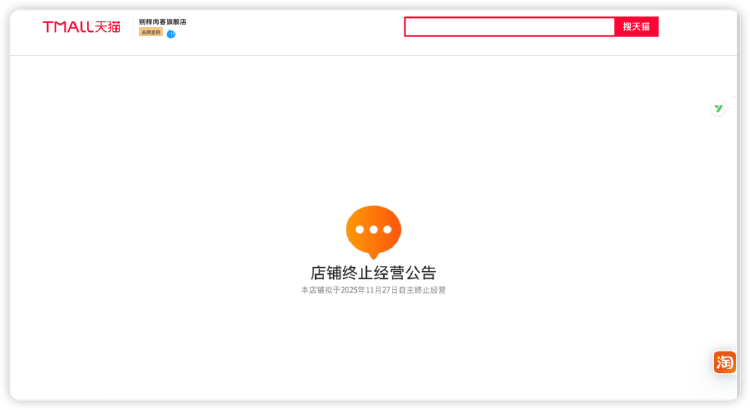
Group 1 - Beyond Meat, known as the "first stock of plant-based meat," has closed its flagship stores on major e-commerce platforms in China [1] - As of November 29, 2023, the official flagship store on Tmall is no longer searchable, and the store indicated it would terminate operations by November 27, 2025 [1] - The flagship store on Pinduoduo is also inaccessible, displaying only a "server error" message [1] Group 2 - A distributor of plant-based meat reported that Beyond Meat's factory in Jiaxing, China, has ceased production, and current sales are limited to existing inventory and products imported from the U.S. [1]

知名品牌退出中国,曾获比尔·盖茨投资,现在卖库存和美国进口品
Mei Ri Jing Ji Xin Wen· 2025-12-01 03:03
Core Viewpoint - Beyond Meat, known as the "first stock of plant-based meat" and previously backed by Bill Gates, has quietly closed its flagship stores on major e-commerce platforms in China, indicating a significant retreat from the market [1][19]. Company Overview - Beyond Meat was founded in 2009 and went public in 2019, experiencing a stock price surge of 163% on its debut. It has notable investors including Bill Gates and Leonardo DiCaprio [3][5]. - The company launched its first end-to-end production facility outside the U.S. in Jiaxing, Zhejiang, in 2021, aiming to cater to the Chinese market with localized products [5][10]. Market Performance - As of November 30, 2023, Beyond Meat's official flagship store on Tmall is no longer searchable, and its Pinduoduo store is also non-functional, indicating a complete withdrawal from the Chinese market [1][3]. - The company has faced declining revenues, with a drop from $419 million in 2022 to $326 million in 2024, and a cumulative loss of $864 million during the same period [10]. Product Pricing and Consumer Perception - Beyond Meat's products are priced above local alternatives, with plant-based meat products costing over 60 yuan per kilogram, comparable to domestic beef prices, which has deterred consumers [3][10]. - Consumer feedback highlights dissatisfaction with the taste and texture of plant-based meat, with many describing it as inferior to real meat [11][13]. Industry Trends - The plant-based meat sector in China has seen a decline in investment and interest since late 2021, with many startups facing financial difficulties and some brands going bankrupt [11][16]. - Despite the challenges, the market for plant-based meat in China is projected to grow, with estimates suggesting a market size of approximately $7.6 billion by 2024, potentially reaching $38.5 billion by 2033 [16].
8点1氪:取款超5万元不再需要登记;爱马仕继承人被25年财管好友骗光财产;罗永浩称周一有大事件官宣
36氪· 2025-11-30 23:53
Group 1 - The new regulation allows for simplified measures for cash withdrawals over 50,000 yuan, depending on risk assessment, eliminating the previous requirement for all individuals to register the source of funds [4] - The heir of Hermes, Nicolas Piesch, claims to have lost approximately 15 billion USD in Hermes shares due to betrayal by a long-time wealth manager, who recently died under suspicious circumstances [5][6] - The Canon printer factory in Zhongshan has ceased operations and is currently settling accounts with employees and suppliers [9] Group 2 - The Airbus company has ordered a global recall of about 6,000 A320 aircraft due to a software defect related to solar radiation, which has caused safety concerns [10] - Beyond Meat, known as the first public company in the plant-based meat sector, has closed its flagship store on Tmall and is currently selling off existing inventory [11] - The first batch of frozen durians imported from Indonesia has arrived in China, with expected prices between 40 to 50 yuan per pound [12] Group 3 - Under Armour has reported a continuous decline in sales for eight consecutive quarters, with a market value drop of 14 billion USD over the past decade [13] - The People's Bank of China reported that the bond market issued a total of 63,574.6 billion yuan in October, with various types of bonds contributing to this figure [14] - The proportion of one-person households in South Korea has surpassed 36%, indicating a significant demographic shift [14]