医疗护理

Search documents
张水华辞职:在热爱与职责间寻解
Xin Lang Cai Jing· 2026-01-03 03:47
Core Viewpoint - The resignation of Zhang Shuihua, known as the "fastest nurse," highlights the conflict between professional obligations and personal passions in the modern workplace, reflecting a common dilemma faced by contemporary workers [1][3]. Group 1: Professional Ethics and Responsibilities - The unique nature of nursing does not allow for frequent absences to participate in competitions, making the hospital's disciplinary actions a necessary enforcement of professional standards [3]. - The initial public support for Zhang shifted to skepticism after details of her violations were revealed, indicating that while people appreciate personal aspirations, they also uphold the importance of professional ethics [3]. Group 2: Personal Choices and Values - Zhang's decision to resign is not a clear-cut right or wrong but represents a rational restructuring of life priorities, balancing adherence to professional norms with the pursuit of personal passions [5]. - The incident raises important questions about whether systems can provide flexible space for talented individuals and how individuals can pursue their passions without crossing professional boundaries [5].


康乐保2025压疮防治公益行动圆满收官:以专业之力筑牢防护屏障
Xin Lang Cai Jing· 2025-12-29 06:53
Core Insights - The article highlights the significance of World Pressure Ulcer Prevention Day, initiated by the European Pressure Ulcer Advisory Panel (EPUAP) in 2013, aimed at raising public awareness and promoting collaborative efforts to combat pressure ulcers, especially in the context of China's aging population [1][2] Group 1: Company Initiatives - The company, Kanglebao, launched a series of public welfare activities titled "Heartfelt Protection, Stopping Pressure Ulcers" from October to December 2025, combining professional support, offline education, and online dissemination to establish a comprehensive prevention and treatment system [1][2] - Kanglebao organized over 300 offline educational events across four major regions in China, reaching approximately 13,000 patients and caregivers to educate them on pressure ulcer identification, risk prevention, and home care practices [1][2] - The initiative also provided a professional academic exchange platform for clinical healthcare personnel to discuss cutting-edge guidelines and practical challenges in pressure ulcer prevention and treatment [2] Group 2: Social Impact and Collaboration - The two-month campaign significantly improved public awareness of pressure ulcers and addressed the knowledge gap among caregivers, fostering a collaborative consensus on pressure ulcer prevention [2] - Experts emphasized that pressure ulcer prevention requires a systematic approach involving collaboration among medical institutions, communities, and families, advocating for enhanced training for caregivers and community engagement [2] - The series of actions reflects Kanglebao's commitment to corporate social responsibility and aligns with the "Healthy China" strategy, effectively addressing the service gap in pressure ulcer prevention and showcasing the company's dedication to public health [2][3]
你的陪护,我是不是可以放心托付
Xin Lang Cai Jing· 2025-12-28 10:10
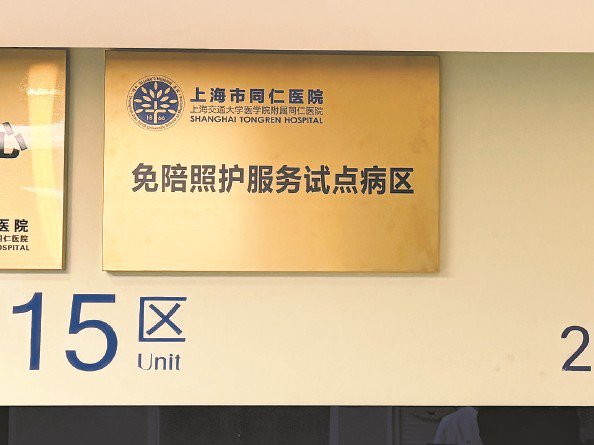
Core Viewpoint - The implementation of "no companion care" services in hospitals aims to address the challenges posed by an aging population and declining birth rates, providing professional care that alleviates the burden on family members while enhancing patient care quality [6][12][13] Group 1: Service Implementation - As of this month, 57 medical institutions in Shanghai have launched no companion care services, covering 228 critical care units and expanding to 685 general wards, totaling over 31,000 beds and serving 434,000 patients with an average satisfaction rate of 98.7% [6][8] - The no companion care service allows family members to rely on professional caregivers, enabling them to focus on their own well-being while ensuring that patients receive adequate care [8][10] Group 2: Professional Caregivers - The role of caregivers has evolved, with many now being recognized as part of the nursing team, which enhances their professional identity and job satisfaction [9][10] - Caregivers are trained to provide various levels of care, including daily living assistance, clinical care, and psychological support, under the guidance of nurses [8][10] Group 3: Challenges and Solutions - The caregiver workforce faces challenges such as aging demographics and a lack of new recruits, prompting hospitals to implement training programs and improve working conditions to attract younger individuals [9][12] - Issues such as accommodation for caregivers and the need for a structured work schedule are being addressed through collaborative efforts between hospitals and management companies [12][13] Group 4: Future Outlook - The establishment of a no companion care service system is seen as a necessary and forward-looking response to the deepening aging crisis in Shanghai, with plans for standardization, professionalization, and intelligent management of caregiver roles [13] - The initiative aims to enhance the overall patient care experience and ensure that the healthcare system can meet the demands of an aging society [13]
300增强ETF(561300)涨超1.8%,顺周期与科技板块获关注
Mei Ri Jing Ji Xin Wen· 2025-12-17 06:37
Group 1 - The core viewpoint is that 2026, as the starting year of China's "14th Five-Year Plan," will see positive policy orientation, with expected fiscal spending expansion and infrastructure projects driving investment growth, particularly in infrastructure [1] - The industry focus includes cyclical recovery, capacity clearing, technological innovation, and domestic demand expansion, with particular attention on non-ferrous metals, basic chemicals, food and beverage, and electrical equipment sectors [1] - Cyclical sectors are expected to see a rebound in revenue and net profit growth, with profit margins recovering from the bottom, and capital expenditure growth nearing an inflection point, while ongoing projects decline to historical lows, aligning with past cyclical trends [1] Group 2 - The domestic computing industry is positioned for historic opportunities driven by external blockades and domestic demand surges, with accelerated iterations in AI, servers, and data centers [1] - The consumer services sector is anticipated to experience a recovery cycle with simultaneous increases in volume and price, supported by policy backing, economic recovery, and structural transformation, focusing on healthcare, elderly care, childcare, and cultural tourism [1] - The 300 Enhanced ETF (561300) aims to achieve excess returns on top of the CSI 300 index by incorporating quantitative strategies, having achieved a 10.92% excess return relative to the CSI 300 over the past three years as of the end of Q3 2025 [1]
英媒:为何世界应正视中国科学领导力
Huan Qiu Wang Zi Xun· 2025-11-27 23:18
Core Insights - The article emphasizes the necessity for the world to acknowledge China's growing leadership in science and technology, particularly in the context of its ambitious "15th Five-Year Plan" aimed at achieving high-quality development and technological self-reliance [1][2]. Group 1: China's Technological Advancements - China is increasingly aware of its technological dependencies and is committed to achieving self-sufficiency in technology, which is seen as a strategic imperative [2]. - Between 2007 and 2023, China's research and development (R&D) investment has increased nearly fivefold, surpassing the European Union and approaching the levels of the United States [2]. - The number of STEM graduates in China reached approximately 3.6 million in 2020, significantly higher than India's 2.6 million and the United States' 0.82 million [2]. Group 2: Future Prospects and Young Talent - The future of China's scientific progress is expected to be driven by its young scientists, exemplified by the development of the AI application DeepSeek by a tech company in Hangzhou [2]. - Despite acknowledging the challenges ahead, the article suggests that dismissing China's potential to become a technological superpower by 2035 would require considerable courage [2]. Group 3: Global Cooperation and Challenges - Policymakers are urged to move away from a security-centric mindset that has dominated since the 2010s, recognizing that China is deeply integrated into global supply chains and international trade [3]. - There is a call for pragmatic diplomacy that prioritizes areas of mutual agreement with China, particularly in renewable energy and healthcare, where collaboration could be beneficial [3]. - The article highlights the need for Western nations to reassess their views on intellectual property theft and to develop clear strategies in fields where they maintain competitive advantages, such as life sciences and quantum computing [3]. Group 4: Understanding China - To effectively engage with China, the world must deepen its understanding of Chinese culture, language, and politics, especially in light of the impending technological revolution [4].
美国净移民今年锐减近七成 劳动力未来或陷负增长
Sou Hu Cai Jing· 2025-11-20 07:43
Group 1 - The report from the San Francisco Federal Reserve indicates a significant decline in net immigration to the U.S., dropping to approximately 515,000 this year, a nearly 70% decrease from 2 million in 2024 [1][3] - The decline in immigration is attributed to two main factors: a reduction in undocumented immigrants and a "slightly high" outflow rate of immigrants. The estimated number of deportations this year is around 285,000, exacerbating the shrinkage of the immigrant population [3][4] - The reduction in the labor force due to declining immigration could lead to a slowdown in labor force growth or even negative growth in the coming years, posing a significant risk to economic development [1][3] Group 2 - Labor shortages are expected to become more pronounced in low-skill and specific professional sectors, particularly in industries like agriculture, construction, and healthcare, which have long relied on immigrant labor [4] - The decrease in immigration may have a potential positive impact by helping to lower core service inflation, as a tight labor supply often drives up wage levels, which in turn affects service prices [4] - The current economic environment in the U.S. is at a critical juncture between balanced growth and inflation, making labor market stability essential. The findings of the report highlight the need for policymakers to find a balance between immigration policy adjustments and labor market demands to avoid long-term economic impacts [4]

护理专家呼吁压疮预防需全链条协作
Xin Jing Bao· 2025-11-20 05:08
Core Viewpoint - The 13th "World Pressure Ulcer Prevention Day" emphasizes immediate action to raise awareness about pressure injuries and promote prevention and care knowledge, aiming to reduce incidence rates and improve patient quality of life [1][5]. Group 1: Pressure Ulcer Overview - Pressure ulcers, also known as pressure injuries, are localized damage to the skin and/or underlying tissue due to pressure or pressure combined with shear forces, commonly occurring over bony prominences [1]. - The global incidence of pressure ulcers in healthcare settings ranges from 6.5% to 14.8%, with significantly higher risks among elderly, bedridden, and critically ill patients [1]. Group 2: Impact of Pressure Ulcers - Pressure ulcers not only cause severe pain and prolong recovery but can also lead to infections and even threaten life, imposing a heavy burden on patients, families, and healthcare systems [2]. - The psychological impact includes stress, depression, and anxiety, which can diminish patients' autonomy, sense of safety, and overall well-being [2]. Group 3: Prevention Strategies - Effective prevention requires removing factors that cause pressure or shear, adjusting repositioning frequency based on patient conditions, and using specialized mattresses [2][4]. - Nutritional status is crucial for prevention, particularly for elderly patients whose skin is more vulnerable [2]. Group 4: Challenges in Awareness and Care - There is a significant gap in knowledge and care for pressure ulcers among home caregivers, with misconceptions about the conditions under which pressure ulcers develop [3]. - Identifying high-risk populations, such as those with limited mobility or existing health conditions, is essential for effective prevention [3]. Group 5: Innovations in Prevention - Recent advancements include the use of real-time data collection and analysis for early risk identification and dynamic alerts, enhancing clinical intervention timing [4]. - Hospitals are implementing pressure ulcer risk assessments and specialized nursing care to manage and reduce incidence rates effectively [4]. Group 6: Community and Family Involvement - The prevention of pressure ulcers is a systemic effort requiring collaboration across healthcare institutions, communities, and families [5].
华平投资新基金拟募资170亿美元 英科医疗子公司拟以7000万美元参与
Zheng Quan Shi Bao Wang· 2025-10-20 13:49
Core Viewpoint - Company Inke Medical announced an investment of $70 million in Warburg Pincus Global Growth 15, L.P., which is part of a larger fundraising effort targeting $17 billion across various high-potential sectors, including healthcare and technology [1][2]. Group 1: Investment Details - The investment will be made by Inke Medical's wholly-owned subsidiary, Inke Medical International (Hong Kong) Limited, and will be paid in cash over six years [1]. - The investment constitutes a related party transaction as a subsidiary of Inke Medical's affiliate, Inke Recycling Resources Co., Ltd., is also participating in the fund as a limited partner [2]. Group 2: Fund Management and Fee Structure - Warburg Pincus LLC will manage the fund, with the general partner holding exclusive management and control rights [2]. - The fund will charge a management fee of 1.3% for the first eight years, decreasing to 1.25% in years nine and ten, and 1% thereafter [2]. - Profit distribution will occur only after certain conditions are met, with 80% of remaining net profits allocated to limited partners and 20% to the general partner [2]. Group 3: Strategic Alignment and Market Position - Inke Medical views the partnership with Warburg Pincus as a way to enhance capital efficiency and expected returns, aligning with its long-term business strategy in the global healthcare sector [3]. - Warburg Pincus has a strong track record, managing over $86 billion in assets and investing in over a thousand companies globally, which positions it as a leading investment institution [3]. - The investment direction of the fund aligns closely with Inke Medical's core business, potentially leading to business synergies and resource complementarity [3].

北京亮出十大劳务品牌
Bei Jing Wan Bao· 2025-09-24 07:50
Core Insights - Beijing has developed a variety of labor brands that cater to the needs of migrant workers, showcasing local characteristics and providing comprehensive career development support [1] - The third National Labor Brand Image Ambassador Recruitment and Display Activity is currently underway, featuring ten labor brands from Beijing [1] Labor Brands Overview - **Beijing Huixin Companion Medical Caregivers**: Over 4,000 caregivers are standardized and trained to meet the high demand in hospitals, communities, and homes due to the city's aging population of 5.14 million elderly residents by the end of 2024 [4] - **Beijing Zhichong Craftsmen**: This brand focuses on training technical personnel for robotics, with a significant presence of robots in modern automotive factories, where the number of robots exceeds that of human workers by four times [7][8] - **Fangshan Zhiyuan Craftsmen**: This brand emphasizes "order-based training" for talents in the new energy vehicle sector, collaborating with major companies to create customized training programs that have successfully placed 5,000 individuals in jobs [9][11] Training and Development - The Huixin Companion Medical Caregivers program includes a rigorous training process with over 6,000 caregivers trained annually, ensuring high-quality service delivery [4] - The Zhichong Craftsmen initiative has trained over 7,000 individuals, achieving a 98% employment rate by integrating job demand with skills training and evaluation [8] - The Fangshan Zhiyuan Craftsmen program utilizes a VR fault simulation system for teaching, enhancing the learning experience and efficiency for students in the new energy vehicle field [11]
劳动者自己当代言人,北京十大劳务品牌盯准“北京特色”
Bei Jing Ri Bao Ke Hu Duan· 2025-09-24 05:14
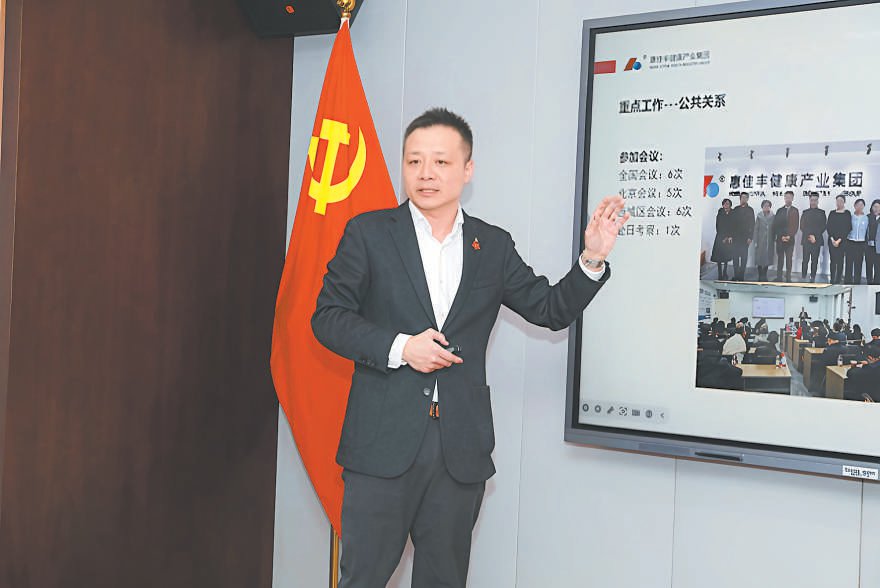
Core Viewpoint - The emergence of labor brands with regional characteristics across China, including Beijing's own labor brands, supports employment stability and rural revitalization efforts [1] Group 1: Labor Brands in Beijing - Beijing has developed its own labor brands, including "Huairou Baoshan Dajie," "Miyun Cultural Doctor," and "Beijing Weixin Companion Medical Caregivers," showcasing local characteristics and providing comprehensive career development support for migrant workers [1] - The ongoing third national labor brand image spokesperson recruitment and display event highlights ten labor brands from Beijing, emphasizing the unique charm of these brands through the personal experiences of dedicated workers rather than celebrities [1] Group 2: Weixin Companion Medical Caregivers - The Weixin Companion Medical Caregivers brand has standardized training for over 4,000 caregivers across 70 hospitals in Beijing, primarily serving elderly patients [5] - The demand for medical caregivers is significant due to Beijing's rich medical resources and the growing elderly population, which is projected to exceed 5.14 million by the end of 2024 [5] - The training program for caregivers includes systematic learning of essential skills, ensuring high-quality service delivery [6] Group 3: Zhichong Craftsmen - The "Beijing Zhichong Craftsmen" brand focuses on training skilled personnel for the robotics industry, addressing the shortage of high-skilled talent in China's rapidly growing industrial robot market [9] - The brand has trained over 7,000 individuals, achieving a 98% employment rate, and emphasizes a comprehensive service model that includes job demand, skills training, and employment services [10] Group 4: Zhi Yuan Craftsmen - The "Zhi Yuan Craftsmen" brand, led by Wu Shouyuan, specializes in training talent for the new energy vehicle sector through an innovative VR fault simulation system [12] - The school adopts an "order-based training" model, collaborating with major automotive companies to tailor training programs that directly lead to employment [14] - The school has successfully placed 5,000 individuals in jobs, maintaining a high employment rate of 98% [14] Group 5: Expert Analysis on Labor Brand Development - Beijing's labor brand development is characterized by a focus on labor input, addressing the high demand for skilled labor in sectors like medical care and domestic services [15] - The integration of high-end skills and advanced standards is a core feature, as seen in the Zhichong Craftsmen brand, which promotes Beijing's technological standards nationwide [15] - The labor brands also reflect Beijing's historical and cultural uniqueness, with some brands deeply rooted in the city's heritage [15]