
咖啡连锁

Search documents
——海外消费周报(20260206-20260212):海外教育:职教培训景气上行,运营效率持续提升,关注职教标的中国东方教育-20260213
Shenwan Hongyuan Securities· 2026-02-13 06:50
Investment Rating - The report recommends focusing on the vocational education company China Oriental Education (00667.HK) due to its strong growth prospects and operational adjustments [12]. Core Insights - The vocational training sector is experiencing an upward trend, driven by an increase in the number of high school graduates who are not entering university, leading to a growing demand for vocational skills training [2][7]. - China Oriental Education has forecasted a significant increase in adjusted net profit for 2025, with a growth rate between 46% and 51%, translating to a profit range of 767 million to 793 million RMB [6][12]. - The company is implementing refined management strategies to enhance operational efficiency, which is expected to result in a gross margin increase of 5.2 percentage points to 56.5% in 2025 [8]. Summary by Sections Market Overview - The education index fell by 3.2% in the week of February 6-12, underperforming the Hang Seng Index by 4.1 percentage points, but has shown a year-to-date increase of 12.86% [5]. Company Updates - China Oriental Education's new training participants are expected to grow by 6% in 2025, contributing to a revenue increase of 12% to 4.61 billion RMB [6][12]. - The company is targeting high school graduates who did not enter university, with a significant increase in the number of such graduates from 119,000 in 2021 to 386,000 in 2024 [7]. Operational Efficiency - The company is focusing on optimizing marketing expenditures and improving school capacity utilization, which is projected to lower the marketing expense ratio by 2.5 percentage points to 21.2% in 2025 [8]. - Management efficiency is also expected to improve, with a projected management expense ratio of 11.2%, down by 1.1 percentage points [8]. Capital Expenditure and Dividends - Capital expenditures are anticipated to decrease by 33.6% to approximately 660 million RMB in 2025, with a high dividend payout ratio expected to yield a dividend yield of 5.6% [9][10]. Investment Recommendations - The report suggests a focus on vocational education companies, particularly China Oriental Education, due to its strong performance forecasts and strategic adjustments to meet the growing demand for vocational training [12].
海外消费周报:海外教育:职教培训景气上行,运营效率持续提升,关注职教标的中国东方教育-20260213
Shenwan Hongyuan Securities· 2026-02-13 06:31
Investment Rating - The report maintains a "Buy" rating on the overseas education sector, specifically highlighting China Oriental Education as a key investment target [1]. Core Insights - The report indicates a positive outlook for vocational education training, with operational efficiency continuously improving. China Oriental Education is expected to achieve a net profit growth of 46% to 51% in 2025, with adjusted net profit projected between 767 million to 793 million RMB [1][7]. - The vocational training market is anticipated to benefit from an increase in high school graduates who do not enter university, leading to a significant rise in demand for vocational skills training [2][8]. - The company is implementing refined management strategies to enhance operational efficiency, expecting a gross margin increase of 5.2 percentage points to 56.5% in 2025 [3][9]. - Capital expenditures are projected to decline, with a forecast of approximately 660 million RMB in 2025, a decrease of 33.6% year-on-year, while maintaining a high dividend payout ratio [4][10]. Summary by Sections Market Overview - The education index fell by 3.2% in the week of February 6-12, underperforming the Hang Seng Index by 4.1 percentage points. Year-to-date, the education index has risen by 12.86%, outperforming the Hang Seng Index by 9.93 percentage points [6]. Company Updates - China Oriental Education has released a positive profit forecast for 2025, with an expected net profit growth of 46% to 51%, translating to an adjusted net profit of 767 million to 793 million RMB. The company anticipates a 6% increase in new training participants, driving revenue growth to between 12% and 46.1 billion RMB [7][8]. Vocational Training Demand - The vocational training sector is set to experience growth due to a mismatch in university enrollment rates and an increase in high school graduates. The number of high school graduates has risen by 2.6 million from 2021 to 2024, while university enrollment has only increased by 320,000 during the same period [2][8]. Operational Efficiency - The company is expected to continue its lean management approach from 2024, coordinating recruitment across schools to improve capacity utilization. The marketing expense ratio is projected to decrease by 2.5 percentage points to 21.2% in 2025, contributing to a net profit margin increase of 4.4 percentage points to 17.2% [3][9]. Capital Expenditure and Dividends - The company has initiated a vocational education center construction plan, with five out of six centers expected to be completed between 2023 and 2025. The capital expenditure for 2025 is estimated at 660 million RMB, with a high dividend payout ratio suggesting a dividend yield of 5.6% [4][10]. Investment Recommendations - The report recommends focusing on Hong Kong-listed vocational education companies, particularly China Oriental Education, due to its strong growth prospects and operational adjustments aimed at capturing the vocational training demand from high school graduates [13].
可口可乐将保留对Costa Coffee的全部所有权
Ge Long Hui A P P· 2026-02-11 06:54
格隆汇2月11日|据彭博,可口可乐首席财务官John Murphy表示,公司将保留对英国咖啡连锁品牌 Costa Coffee的全部所有权。除致力提升营运表现,目前并无对Costa进行任何变动的计划。可口可乐于 2018年以约50亿美元收购Costa Coffee。Murphy指,Costa在部分核心市场表现良好,但中国业务面临的 挑战超出预期,公司尚未就Costa退出中国市场作出任何决定。 ...

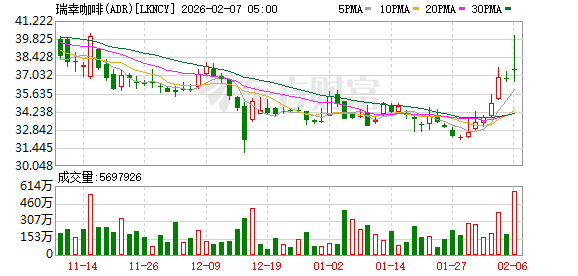
瑞幸咖啡全国店达到3万家
Mei Ri Jing Ji Xin Wen· 2026-02-09 01:40
(文章来源:每日经济新闻) 每经AI快讯,2月9日,瑞幸咖啡宣布全国店突破30000家,第30000家店在深圳落地。 ...


瑞幸库迪缩减9块9产品,补贴退潮,咖啡连锁拼量时代终结?
Nan Fang Du Shi Bao· 2026-02-04 13:53
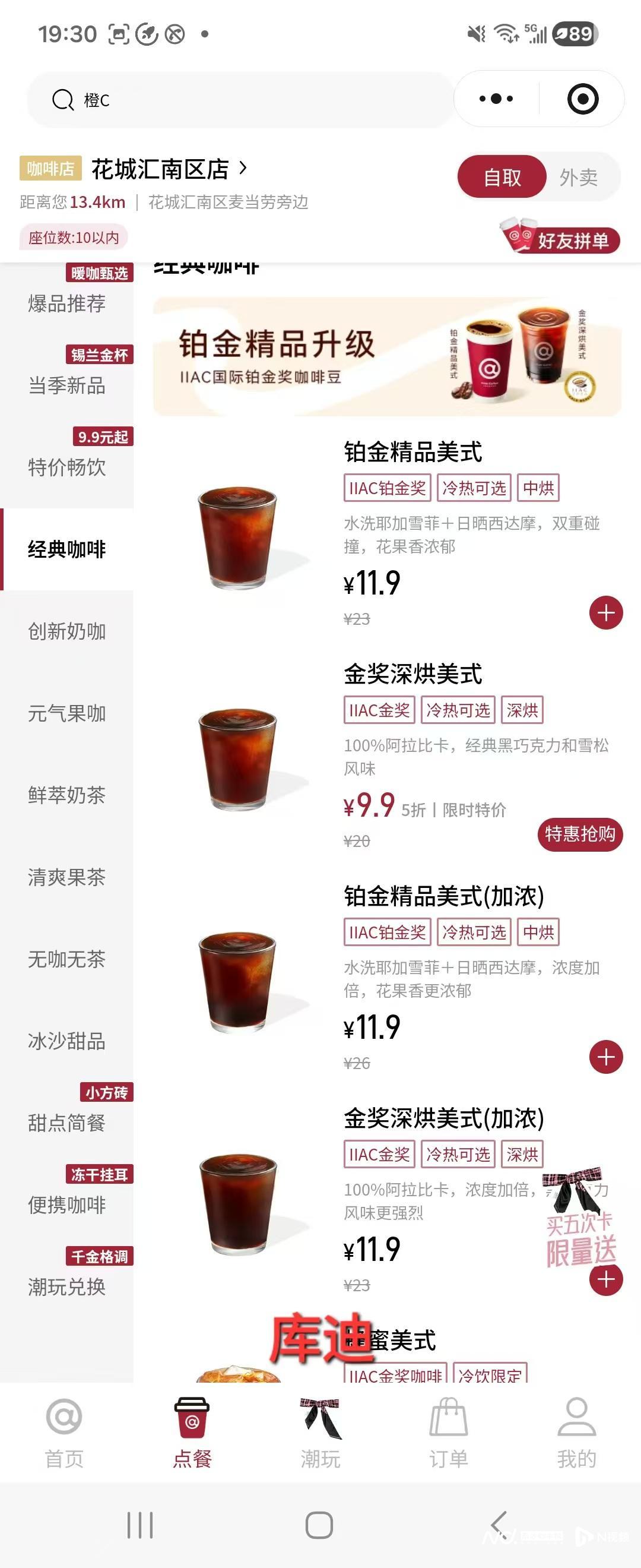
Core Viewpoint - The coffee price war characterized by the 9.9 yuan price point is cooling down, as evidenced by Kudi Coffee's recent decision to end its unlimited 9.9 yuan promotion, reflecting a broader industry trend of reducing low-priced offerings due to rising costs and diminishing subsidies from delivery platforms [1][27][30]. Group 1: Price Strategy Changes - Kudi Coffee announced the end of its "all products 9.9 yuan unlimited" promotion on January 31, with only select items continuing at that price, while others revert to regular pricing [1][2]. - Other brands, including Luckin Coffee, have also reduced the number of 9.9 yuan products available, indicating a collective industry response to rising costs [7][18]. - The 9.9 yuan price point, once a hallmark of the Chinese coffee market, is now viewed as a controlled operational tool rather than a standard offering [1][27]. Group 2: Cost Pressures - Rising costs of raw materials, labor, and rent are significant factors driving the reduction of 9.9 yuan products across coffee and tea brands [27][29]. - Coffee bean prices have seen high volatility, with futures prices exceeding $4.30 per pound, impacting profitability for brands relying on low-price strategies [27][28]. - Operational costs, particularly in delivery, have surged, with some brands reporting delivery costs accounting for 45%-68% of total costs [30]. Group 3: Market Dynamics and Future Outlook - The coffee market is shifting from rapid expansion to a focus on profitability, with brands seeking to balance scale and profit margins [31][33]. - The reduction in 9.9 yuan offerings is seen as a trial phase for brands to explore new pricing strategies while maintaining customer engagement [33]. - Future competition is expected to center around technological innovation and product differentiation rather than price wars, as brands aim to enhance customer experience through automation and customization [33].
咖啡史上最抽象的玩家,可能出现了
3 6 Ke· 2026-02-04 12:11
Core Insights - The Chinese chain coffee market is at a critical juncture as major players like Luckin Coffee and Kudi Coffee are ending their aggressive "9.9 yuan price war" strategy, while new entrants like Wallace's "WA Coffee" are adopting extreme low-price tactics [1][2][4] Group 1: Market Dynamics - Luckin Coffee and Kudi Coffee have both ceased their "9.9 yuan" promotions, with Kudi increasing prices by 30%-60% on core products, while Luckin has limited its low-price offerings to a few basic drinks [1][2] - The end of the price war is driven by the need for financial sustainability and brand upgrading, as maintaining low prices has led to significant cash flow pressures and profit challenges [2][3] - The market is witnessing a split between established brands rationalizing their pricing strategies and new entrants aggressively pursuing market share through extreme low pricing [1][4] Group 2: Competitive Landscape - The necessity for subsidies has decreased as both brands have established a strong market presence, allowing them to focus on product innovation and customer experience rather than solely on price [3][8] - The competition is shifting from price wars to more fundamental aspects such as product differentiation, supply chain efficiency, and brand loyalty [3][8] - Wallace's "WA Coffee" strategy of offering a "9.9 yuan monthly subscription" is seen as unsustainable and potentially damaging to brand value, as it undermines the perceived quality of coffee [4][6][7] Group 3: Future Trends - The coffee industry is expected to transition from a focus on scale to a multi-tiered competition based on value propositions, with brands optimizing cost structures and operational efficiencies [8][9] - There is a growing opportunity in the mid-to-high-end and specialty coffee segments as consumer preferences evolve towards higher quality and better experiences [9][10] - The integration of coffee with other business models, such as food and retail, is anticipated to be a key area of innovation, enhancing customer experience and revenue streams [9][10]
库迪咖啡终结全场9.9元
Xin Lang Cai Jing· 2026-01-31 08:13
Core Insights - Kudi Coffee is ending its "All Drinks 9.9 Yuan Unlimited" promotion on January 31, 2026, transitioning to a special price zone with some products still available at 9.9 Yuan starting February 1, 2026 [2][6] - The company confirmed the price adjustment to franchisees, indicating a shift in pricing strategy amid rising costs and competitive pressures in the coffee market [2][6] Pricing Strategy - The new pricing strategy includes a change in the first-month promotional price for new stores from 6.9 Yuan to 8.8 Yuan for drinks, and the new user rewards have also been adjusted from 8.8 Yuan to 9.9 Yuan [2][6] - Kudi Coffee's pricing strategy has been a significant factor in its rapid market expansion, with over 18,000 stores globally within two years [6] Market Competition - Kudi Coffee initiated a price war in February 2023, which prompted competitors like Luckin Coffee to respond with similar promotions [6] - The coffee market is highly competitive, with various brands such as Kudi, Luckin, and others like Kenyue Coffee and Manner Coffee vying for market share [7] Operational Challenges - Despite efforts to reduce costs through self-built raw material bases, Kudi Coffee faces significant pressure from rising rent, labor, and raw material costs [7] - The company has opened 1,655 new stores in the last 90 days but has also closed 1,009 stores, indicating challenges in maintaining growth [7] Industry Trends - The price adjustment signifies a shift from chaotic price wars to more refined operational strategies within the coffee industry, emphasizing the need for product innovation and quality improvement to attract customers willing to pay higher prices [7]
星巴克中国的新门店,过半开在低线城市
3 6 Ke· 2026-01-30 11:06
Core Viewpoint - Starbucks has announced its first quarterly results after forming a joint venture with Boyu Capital to operate its retail business in China, marking a significant shift in its operational strategy in the region [1][3]. Group 1: Joint Venture and Financial Performance - Starbucks will establish a joint venture with Boyu Capital, with Boyu holding up to 60% equity and Starbucks retaining 40% [1]. - The CEO stated that the transformation plan is progressing as expected, with global revenue increasing by 5% year-over-year, and China showing an impressive 11% growth in the latest quarter [1][3]. - The CFO indicated that the transaction is expected to be completed in the spring, pending regulatory approval, and will result in Starbucks' Chinese retail business being excluded from the consolidated financial statements [1][3]. Group 2: Cost Management and Operational Changes - In the first quarter of the fiscal year, Starbucks classified its Chinese retail assets and liabilities as held for sale, leading to a reduction in monthly expenditures by approximately $39 million starting December 2025 [3]. - Post-transaction, all 8,011 of Starbucks' direct-operated stores in China will transition to franchise stores under the international business segment, allowing for a lighter asset model [3]. - The company plans to continue optimizing costs globally, with expectations that management expenses will be lower than in fiscal year 2023, partially offsetting investment expenditures [7]. Group 3: Store Expansion and Market Strategy - Starbucks has opened new stores in 13 county-level cities in China, with over half of the new openings located in lower-tier cities or special business districts, indicating a downward market trend [4]. - For fiscal year 2026, Starbucks plans to open 600 to 650 new coffee shops globally, with nearly half of these in the Chinese market [4]. - The company anticipates a 3% or higher year-over-year growth in global coffee chain sales, with similar growth expected in the U.S. market [4].


星巴克中国发布一季度财报,延续强劲增长势头
Chang Sha Wan Bao· 2026-01-29 09:24
Group 1 - Starbucks reported strong growth in the Chinese market for Q1 of fiscal year 2026, with double-digit revenue growth and same-store sales increasing for three consecutive quarters [1] - The company opened 8011 stores in 1103 county-level cities, marking a 4% year-on-year increase, with over half of the new stores located in lower-tier cities or special business districts [1] - The introduction of the sugar-free and customizable options for the winter signature drink, Toffee Nut series, was well-received, with 1.7 million customers trying the sugar-free version, contributing to 50% of the sales for this popular drink [1] Group 2 - Starbucks has partnered with Atour Group to enhance member benefits following collaborations with Hilton Group and China Eastern Airlines [2] - Starting December 17, 2025, Starbucks will designate the 17th of each month as "Starbucks Together Day," featuring interactive mechanisms to enhance member experiences across various services [2]
星巴克2026财年第一财季财报:营收、同店销售额同比双增长
Zheng Quan Ri Bao Wang· 2026-01-29 08:03
Core Insights - Starbucks reported strong growth in the Chinese market for Q1 of FY2026, with revenue increasing by 11% year-over-year to $823.4 million, and same-store sales rising by 7% [1] Group 1: Financial Performance - Revenue for the first fiscal quarter reached $823.4 million, reflecting an 11% year-over-year growth [1] - Same-store sales increased by 7%, driven by a 5% increase in transaction volume and a 2% rise in average ticket size [1] - The operating profit margin for Starbucks China continued to improve, maintaining a double-digit margin due to strong same-store growth and enhanced operational efficiency [1] Group 2: Market Expansion - Starbucks expanded its store network by entering 13 new county-level cities, bringing the total number of stores to 8,011 across 1,103 county-level cities, a 4% year-over-year increase [1] - New store sales performance consistently exceeded average levels, with over half of the new stores located in lower-tier cities or special business districts [1] Group 3: Strategic Initiatives - The competition in China's ready-to-drink coffee market is rapidly extending to lower-tier cities, prompting Starbucks to innovate through collaborations, cultural integration, and targeting new customer segments [2] - Starbucks emphasizes the "third space" experience in its market strategy, creating unique customer engagement opportunities through themed stores and events [2][3] - The company is enhancing its membership system, recently partnering with Atour Group to offer accommodation benefits to high-tier members, further extending its lifestyle brand [3] Group 4: Leadership Perspective - The CEO of Starbucks China highlighted the dual growth in revenue and same-store sales, emphasizing the commitment to brand values and sustainable high-quality development [4]