
商场运营

Search documents
“麦德姆”已加强为强台风级,即将登陆广东;车评人陈震就车祸向对向车辆道歉;特朗普:以色列同意初步撤军路线丨每经早参
Mei Ri Jing Ji Xin Wen· 2025-10-04 23:24
Group 1: Typhoon and Emergency Response - The Central Meteorological Administration issued a red alert for Typhoon "Maidum," which has intensified to a strong typhoon level, expected to make landfall between Guangdong and Hainan on October 5 [1][3] - The National Flood Control and Drought Relief Headquarters raised the emergency response level to three for Guangdong and Hainan, while maintaining a level four response for Guangxi [3] Group 2: Transportation and Travel - On October 4, the total cross-regional movement of people in society is expected to exceed 306.66 million, a year-on-year increase of 8.0% [4] - Railway passenger volume is projected at 18.2 million, up 3.7%, while road travel is expected to reach 284.22 million, increasing by 8.3% [4] Group 3: Retail and Consumer Spending - During the first four days of the holiday, sales of key retail and catering enterprises increased by 3.3% year-on-year [4] Group 4: Automotive Industry - Dongfeng Motor reported sales of 231,000 vehicles in September, a year-on-year increase of 6.2%, with new energy vehicle sales reaching 103,000, up 20.4% [16] Group 5: Corporate Developments - Spring Airlines is considering a potential listing in Hong Kong, with discussions ongoing and no confirmed plans yet [10] - Guolian Minsheng Securities' Hong Kong subsidiary received a trading license, allowing it to expand its influence in investment banking and stock trading [12]


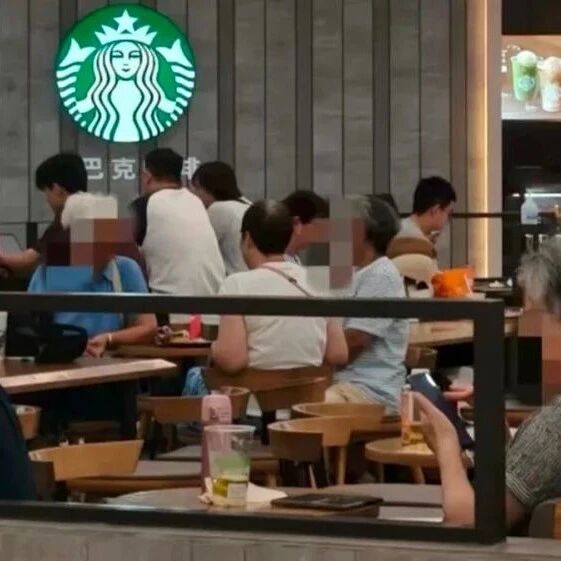
老年人正在成为上海商场最大金主
虎嗅APP· 2025-09-25 10:28
Core Viewpoint - The article discusses the emerging trend of elderly consumers in shopping malls, highlighting their social needs and changing consumption patterns, which present new opportunities for businesses in the retail sector [4][100]. Group 1: Elderly Consumer Behavior - Shopping malls are increasingly frequented by elderly individuals, who are seen enjoying social activities and engaging in various leisure pursuits during weekdays [6][16]. - Elderly consumers demonstrate a strong social need, utilizing malls as spaces for social interaction and enjoyment rather than merely for shopping [17][22]. - The presence of elderly consumers has transformed the perception of shopping malls, making them vibrant social hubs rather than quiet spaces during weekdays [16][100]. Group 2: Consumption Patterns - Elderly individuals are becoming more adventurous in their consumption, trying out activities and products typically associated with younger demographics, such as gaming and trendy food options [37][46]. - Malls are adapting to this demographic shift by offering tailored experiences and discounts specifically for elderly consumers, enhancing their shopping experience [53][60]. - The financial stability of elderly consumers, supported by pensions and reduced financial burdens, allows them to spend more freely on leisure and social activities [67][72]. Group 3: Market Opportunities - The retail sector is recognizing the potential of the "silver economy," with businesses actively targeting elderly consumers to sustain growth amid increasing competition [100][108]. - Shopping malls are evolving their layouts and offerings to cater to the preferences of elderly consumers, including the introduction of social spaces and community-oriented activities [109][118]. - The anticipated growth in the elderly population presents a significant market opportunity for businesses willing to adapt to their needs and preferences [112][129].
商场空调,为啥不凉快了?
Hu Xiu· 2025-09-19 07:03
Core Viewpoint - Many shopping malls across major Chinese cities are facing complaints from customers about inadequate air conditioning during the summer, leading to discomfort while shopping [1] Group 1 - Customers in cities like Beijing, Shanghai, Guangzhou, and Hangzhou are expressing dissatisfaction with the heat in shopping malls, indicating a widespread issue [1] - The article raises the question of why air conditioning systems in malls are not effectively cooling the environment this summer [1]
老年人正在挤满上海商场
投资界· 2025-08-25 07:27
Core Viewpoint - The article discusses the emergence of the "silver economy" in Shanghai's shopping malls, highlighting how they are increasingly catering to the elderly population, who are becoming significant consumers due to their social needs and financial stability [5][21]. Group 1: Observations in Shopping Malls - Shopping malls are witnessing a demographic shift with a noticeable presence of elderly individuals, who are actively engaging in social activities and enjoying their time in these spaces [6][7]. - Elderly consumers are not just passive participants; they are seeking social interactions, discussing travel, investments, and enjoying leisure activities like karaoke [9][10]. - Malls are adapting by providing comfortable spaces for the elderly, including rest areas and dining options that cater to their preferences, leading to increased foot traffic during weekdays [10][14]. Group 2: Financial Capability of the Elderly - The median retirement pension in Shanghai has reached over 5,000, with the top 10% receiving more than 8,000, indicating a strong financial position compared to many working individuals [15][16]. - The financial independence of retirees, free from housing and child-rearing burdens, allows them to spend more freely on leisure and social activities [16][19]. - Many elderly individuals are also participating in part-time jobs, contributing to their income and enhancing their social engagement [19][20]. Group 3: Market Adaptation and Strategy - Shopping malls in Shanghai are responding to intense competition by targeting the elderly demographic, recognizing their higher disposable income and willingness to spend [21][22]. - The shift in consumer demographics is prompting malls to redesign their spaces and offerings, moving away from traditional retail to more experience-oriented services that appeal to both the elderly and younger consumers [22][28]. - The silver economy is expected to grow significantly, with projections indicating that by 2038, the retired population may exceed the working population, necessitating further adaptation in retail strategies [24][27].

新锐品牌进商场,8大避坑指南
Hu Xiu· 2025-08-01 05:57
Group 1 - The core viewpoint of the article emphasizes that while the market may not be recovering, competition among brands is intensifying, necessitating new strategies for brand positioning and partnerships in shopping malls [1][2][3] - New brands must create offerings that align with current consumer trends, and shopping malls need to seek new brand partners to foster a new ecosystem [3][4] Group 2 - Location and transportation are crucial for new brands, which should not solely rely on their unique identity but also consider traditional commercial factors like location and traffic advantages [5][6][7] - The target audience's characteristics, such as their consumption habits and preferences, are more important than mere foot traffic in determining a brand's success [22][23][24] Group 3 - The survival and update rates of brands within a shopping mall are indicators of the overall health of the commercial ecosystem, with a focus on continuous brand turnover and adaptation [29][30][36] - The professionalism and stability of the team behind the brand are essential for long-term success, as frequent changes in leadership can disrupt strategic continuity [44][46] Group 4 - New brands should balance storytelling with practical business considerations, ensuring that their narratives align with their operational capabilities and market realities [48][50][52] - Innovation is key for new brands, but it must be approached with caution to ensure that it resonates with the target market and does not compromise brand identity [55][62]
北京又开近80家典型首店,新老商场火力全开!
3 6 Ke· 2025-07-23 02:28
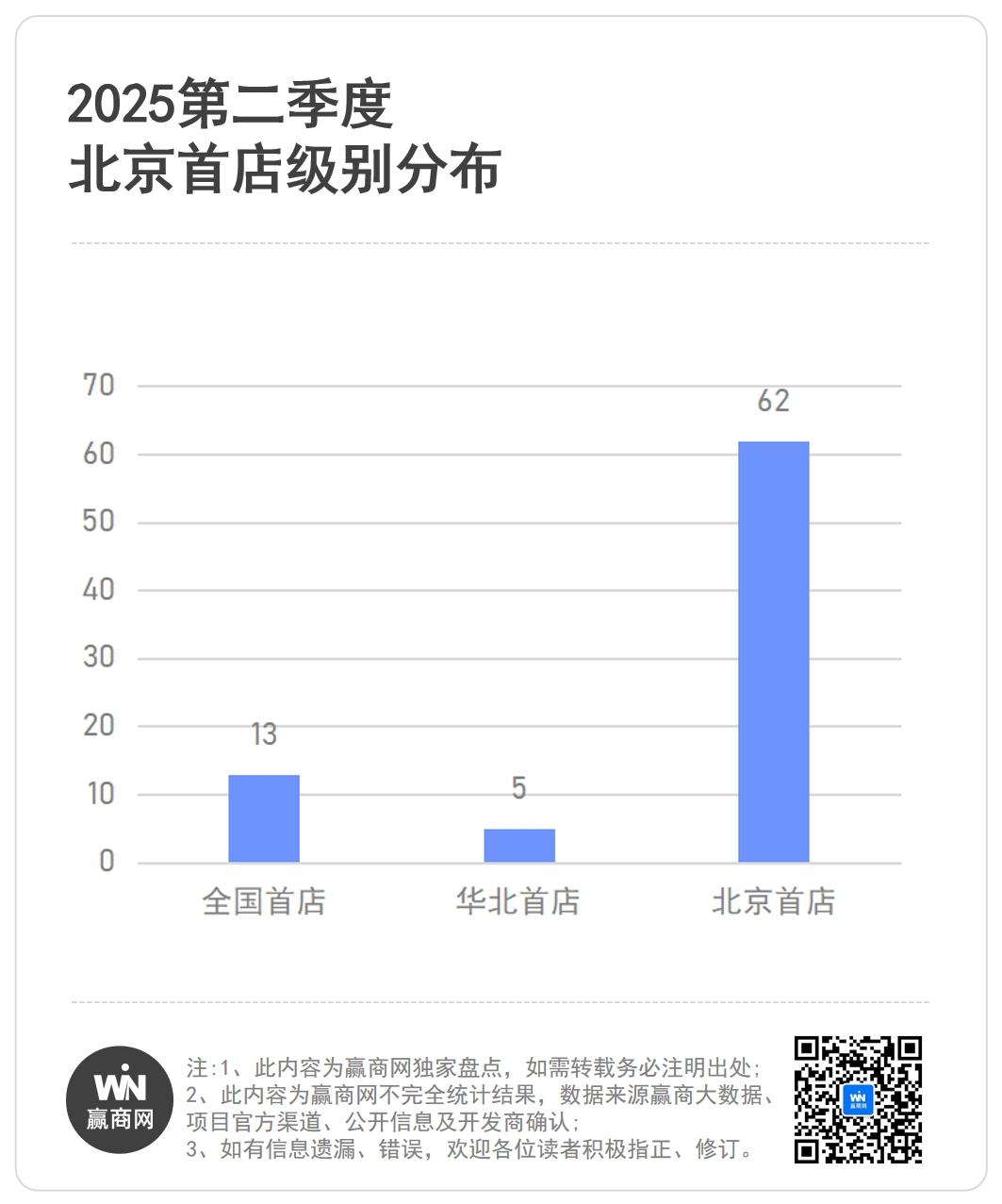
Core Insights - The commercial market in Beijing is experiencing a significant boost with the introduction of major new projects and flagship stores, enhancing the offline consumption landscape [1][29] - The number of new flagship stores opened in Q2 2025 has surged, outperforming the previous two years, indicating a strong recovery in consumer interest [2][29] - The focus on experiential and emotional value in consumer behavior is driving innovation in the restaurant and retail sectors, with brands emphasizing customization and unique experiences [10][29] Group 1: New Store Openings - In Q2 2025, Beijing saw the opening of 80 flagship stores, a substantial increase from 48 in the same period last year and 50 two years ago [2] - The first month of May recorded the highest number of new flagship store openings, with 31 stores launched [3] - The new openings included 13 national flagship stores, 5 North China flagship stores, and 62 Beijing flagship stores, showcasing a diverse range of brands [4] Group 2: Sector Performance - The restaurant sector led the way with 42 new flagship stores, compared to 33 in retail, indicating a strong trend towards dining experiences [7] - Emerging restaurant brands are actively expanding, while retail brands are also eager to enter the Beijing market, reflecting growing confidence [7][24] - Notable new restaurant concepts include unique regional cuisines and innovative dining experiences, appealing to both local and tourist demographics [17][24] Group 3: Consumer Trends - The consumer market is undergoing a transformation, with a shift towards rational spending and a focus on experience and value [10] - Brands are increasingly adopting a multi-faceted approach to create engaging shopping and dining environments, enhancing the overall consumer experience [10][11] - The rise of the "self-indulgence economy" is evident, with brands focusing on personalized and immersive experiences [10] Group 4: Policy Support - Various government initiatives have been introduced to stimulate consumption, including financial support for commercial projects and the promotion of flagship store openings [29][30] - The Beijing government aims to establish the city as a global flagship center, encouraging the introduction of high-quality brands and innovative concepts [29][30] - Upcoming projects and urban renewal initiatives are expected to further enhance the commercial landscape and consumer engagement in the latter half of 2025 [30]
上海二次元商场4天狂卖1000万,揭秘“谷子经济”如何救实体?
3 6 Ke· 2025-07-22 03:01
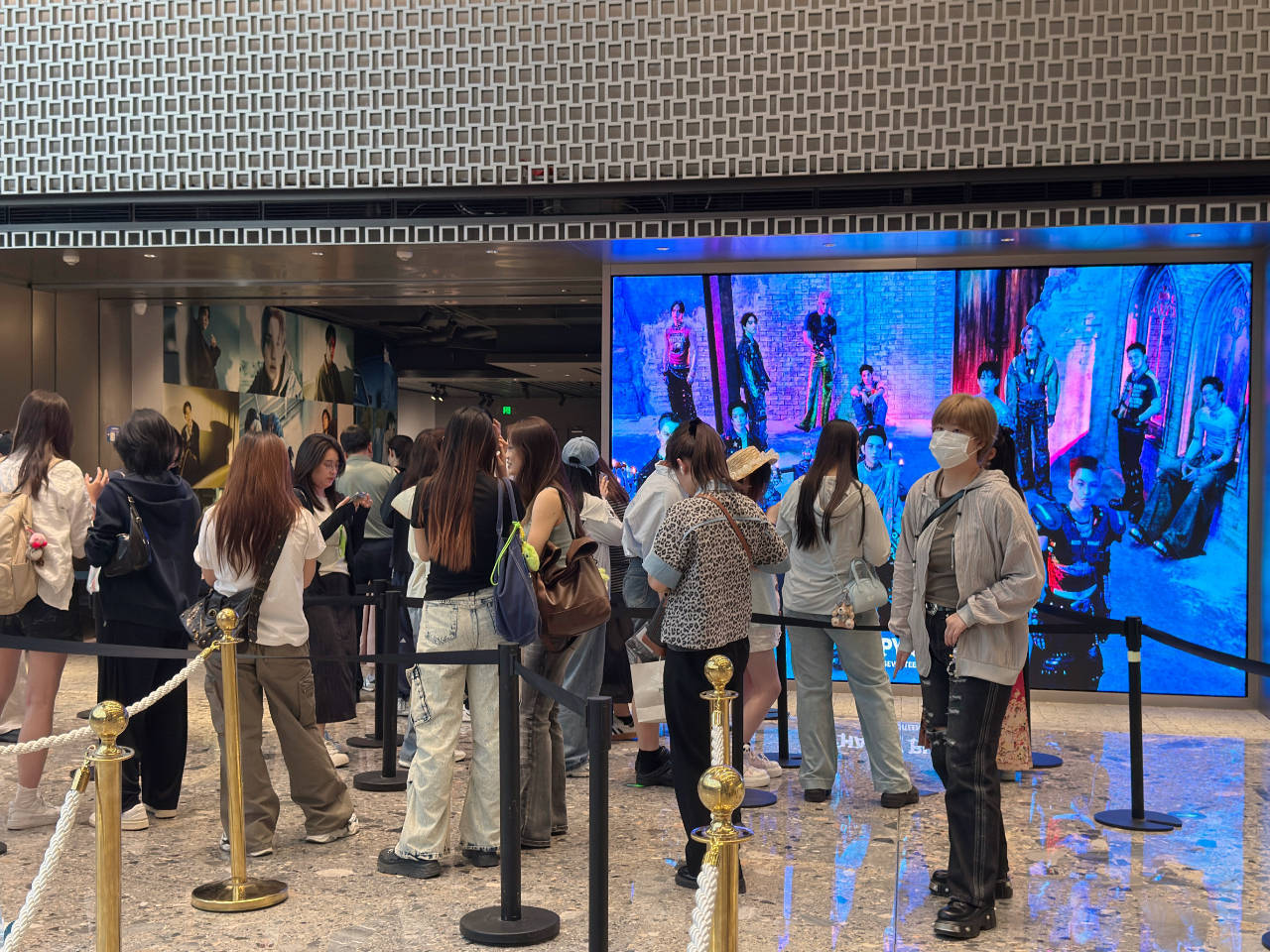
Core Insights - The rise of the two-dimensional (2D) shopping malls in Shanghai demonstrates a successful adaptation to changing consumer preferences, contrasting with the struggles of traditional malls facing e-commerce and consumption downgrading [1][4][15] - The "circle economy" model, focusing on community and experience rather than just products, is reshaping the retail landscape, allowing 2D malls to thrive [9][10][20] Group 1: Sales Performance and Consumer Engagement - Jing'an Joy City’s "Dimension Festival 2.0" achieved over 10 million in sales within four days [2] - Bailing ZX Creative Park attracted over 15 million visitors in 18 months, with sales nearing 5 billion [3] - The two-dimensional economy is projected to reach a trillion-level industry, driven by 15 top 100 national 2D malls and 80 well-known brand stores in Shanghai [3] Group 2: Consumer Experience and Preferences - Young consumers prioritize experience, identity, and community over traditional shopping, leading to the development of "vertical pain buildings" that cater to these needs [7][8] - The design and offerings of 2D malls are heavily influenced by fan participation, creating a sense of ownership and community [12][13] - The repurchase rate of fans participating in mall activities is 40% higher than that of regular customers, indicating the effectiveness of community engagement [13] Group 3: Differentiation and Market Positioning - Successful 2D malls employ differentiated strategies, such as IP pop-up events and targeted customer segments, to avoid competition and enhance their unique market positions [14][17][20] - Jing'an Joy City focuses on high-profile IPs to attract a broader audience, while Bailing ZX emphasizes niche IPs for dedicated fans [17][18] - The spatial design of malls is tailored to create immersive experiences, encouraging longer visits and higher spending [19][26] Group 4: Challenges and Future Directions - Despite impressive sales figures, the 2D mall sector faces challenges such as product homogenization and reliance on trending IPs, which can lead to inventory issues [21][22] - The key to long-term success lies in transitioning from short-term traffic generation to sustainable value creation through diversified offerings and community engagement [23][24] - The balance between "breaking the circle" and "monetization" is crucial for the evolution of the 2D economy from a trend to a stable business model [28]
谁还在商场买东西?我们在北京有了新发现
Sou Hu Cai Jing· 2025-06-16 07:45
Core Insights - The article highlights the transformation of commercial spaces in China, focusing on the shift from traditional shopping environments to experiential and culturally rich venues that cater to the evolving preferences of consumers, particularly the younger generation [42][44]. Group 1: Commercial Space Trends - Increasingly, commercial spaces are adopting themes such as "park-style," "cultural arts," and "pet-friendly" to attract consumers, reflecting a deeper understanding of target market needs [1][20]. - The "first store + first launch" strategy is being implemented in various shopping centers, introducing designer brands and lifestyle stores to enhance consumer experience [12][10]. - The pop-up store industry is projected to exceed 800 billion yuan by 2025, indicating a growing trend towards limited-time experiences that create excitement and higher price premiums [3]. Group 2: Consumer Engagement and Experience - Shopping centers are integrating art and local culture, as seen in exhibitions and installations that draw in visitors and enhance the shopping experience [6][8]. - The rise of "night markets" and themed events in commercial areas is contributing to increased foot traffic and consumer engagement, with night-time spending accounting for a significant portion of overall retail sales [33][37]. - The integration of diverse activities, such as pet-friendly spaces and family-oriented attractions, is becoming essential for attracting a broader audience [20][22]. Group 3: Market Dynamics and Consumer Behavior - The report indicates that the number of urban pets in China has surpassed 120 million, with the pet-related market exceeding 300 billion yuan, reflecting a growing consumer segment [24]. - The "Z Generation" is becoming the dominant consumer group, showing a preference for high-quality, trendy, and experiential shopping environments [19]. - The shift in consumer habits, driven by the rise of e-commerce, is prompting shopping centers to innovate and adapt their offerings to remain competitive [43][44]. Group 4: Future Outlook - The article suggests that the boundaries of commercial spaces are continuously expanding, with a focus on creating immersive experiences that blend culture, technology, and retail [45][46]. - Government initiatives aimed at boosting consumption and enhancing the shopping environment are expected to further stimulate market growth [44].
新潮商场成青年“新宠”,卖点是什么?
Sou Hu Cai Jing· 2025-06-13 08:52
Group 1 - The emergence of trendy shopping malls reflects the profound changes in the consumption market, particularly driven by the younger generation's demand for unique experiences and emotional value rather than just shopping [1][2] - These new shopping malls are characterized by innovative themes and diverse business models, such as bike-friendly environments and integration of local cultural elements, which cater to the "micro-vacation" needs of consumers [1][2] - The transformation from selling products to selling experiences is a strategic shift that enhances market vitality and attracts young consumers, thereby stimulating overall consumption [1] Group 2 - The interaction between trendy shopping malls and the youth demographic illustrates the robust vitality and resilience of China's consumption market, with youth driving innovation in commercial formats [2] - The rise of these shopping malls also represents a convergence of urban governance and public demand, creating unique consumer environments that fulfill community aspirations while promoting employment and regional economic growth [2] - As consumption structures continue to upgrade, more commercial entities are expected to innovate, contributing to a dynamic consumption market and supporting high-quality economic development [2]
业态时尚多元 提供花式体验 新潮商场发力青年消费(探访)
Ren Min Ri Bao· 2025-06-11 22:05
Group 1 - The article highlights the emergence of innovative shopping malls that cater to diverse consumer experiences, particularly targeting the youth demographic [1] - "此地CyPARK" in Chengdu is a cycling-themed commercial park that integrates cycling into the shopping experience, featuring a direct connection to cycling routes and a unique design that accommodates bicycles [2][3] - The mall has successfully attracted cycling enthusiasts and hosts various community events, enhancing consumer engagement and brand loyalty [3] Group 2 - "这有山" in Changchun is designed to mimic a mountain city, providing an immersive shopping experience with elements like mountain paths and cultural attractions, appealing to young consumers [4][6] - The mall recorded an average daily foot traffic of approximately 30,000 visitors and generated sales of about 480 million yuan in the previous year [6] - "鹿鸣岛银泰inPARK" in Quzhou features a park-style design with natural grasslands, offering a unique leisure space that has become popular among young people [7][8] Group 3 - The park has hosted nearly 50 themed events since its opening, leading to a member repurchase rate of 45% and sales exceeding 42 million yuan in the first five months of the year [8]