海鲜

Search documents
特朗普一战四伤!印度梦碎、日本掏空、欧盟跪了、加拿大背刺警告
Sou Hu Cai Jing· 2025-11-09 17:12
Core Viewpoint - The article discusses the unintended consequences of the global tariff war initiated by Trump, highlighting how four countries—India, Canada, Japan, and the European Union—suffered significant economic setbacks as a result of their attempts to navigate the trade conflict [1][3]. Group 1: India - India aimed to become the next global manufacturing hub through the "Make in India" initiative but faced severe setbacks due to Trump's tariffs, which reached as high as 50% [4][6][8]. - The immediate impact included a capital outflow of $17 billion, a more than 90% drop in foreign investment, and significant declines in various sectors, including a 25% drop in the apparel industry and a 30% decrease in seafood exports [9][11]. - India's historical attempts to challenge major powers have repeatedly ended in failure, with the current situation echoing past economic struggles [13]. Group 2: Canada - Canada, closely allied with the U.S., faced a maximum tariff increase of 39%, particularly affecting steel and aluminum exports, leading to a 27% drop in overall exports [15][17]. - The Canadian economy was heavily reliant on the U.S. market, with 99% of its natural gas and 97% of its oil exported to the U.S., making it vulnerable to U.S. trade policies [19][21]. - The Canadian government attempted to appeal to American sentiment but ultimately found itself in a precarious position, losing significant economic ground [19][21]. Group 3: Japan - Japan invested $550 billion in the U.S., increased military spending, and purchased large quantities of American goods, including products that had little market demand in Japan [23][25]. - The financial burden of these investments and purchases was substantial, with Japan effectively paying a "protection fee" without receiving significant concessions in return [25][26]. - The outcome for Japan was a financial loss without the expected benefits, highlighting the pitfalls of its strategy to align closely with the U.S. [26]. Group 4: European Union - The EU initially resisted U.S. tariffs but ultimately conceded to a deal that involved purchasing $750 billion in U.S. energy and investing $600 billion in U.S. strategic industries [27][29]. - The EU's concessions led to significant losses in its automotive sector, with Volkswagen reporting a €1.3 billion profit loss in just six months and potential cumulative losses exceeding €400 billion over three years [31]. - The overall cost to the EU from these trade negotiations was estimated at over $1.3 trillion, resulting in increased dependency on U.S. energy and a hollowing out of its industrial base [33]. Conclusion - The article illustrates that the trade war, while perceived as a U.S.-China conflict, resulted in collateral damage for other nations, which miscalculated their positions and suffered economically as a result [35][37].

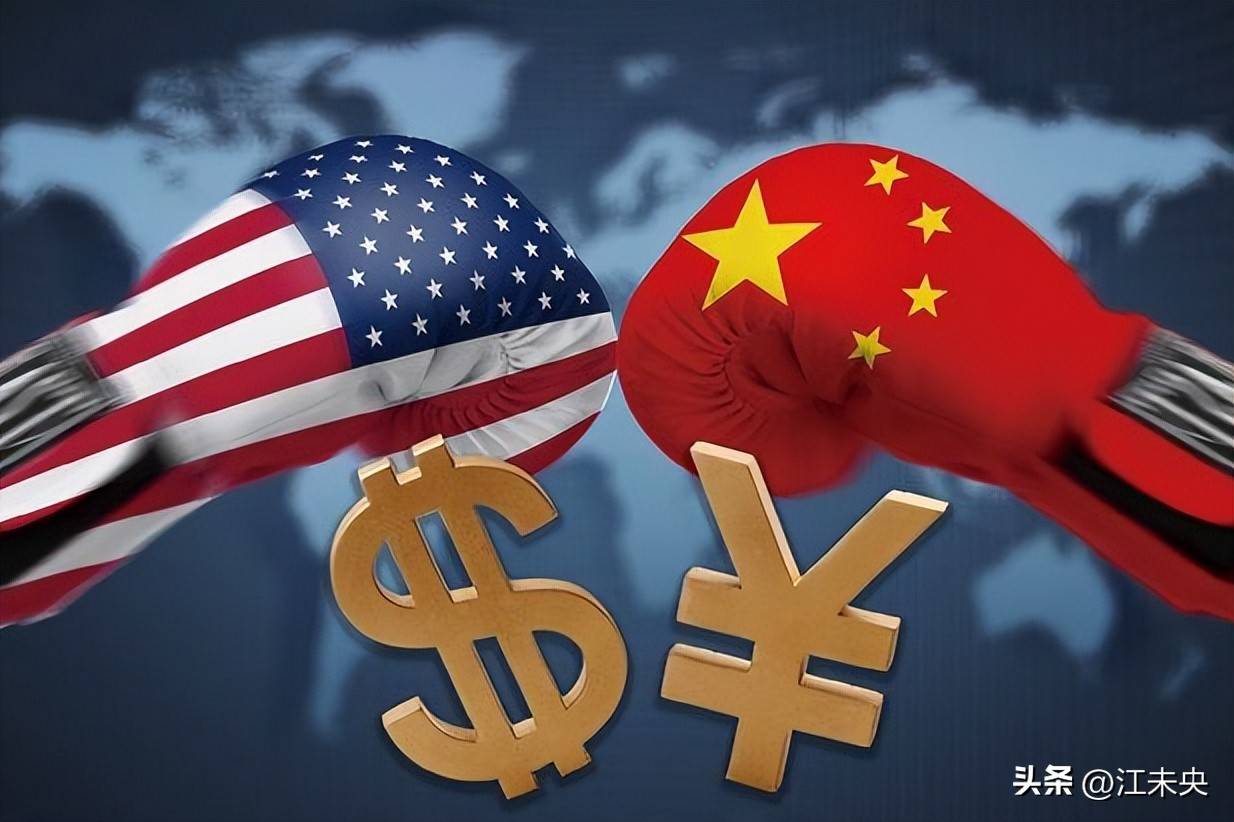
美国挥刀乱砍盟友!四国成炮灰被割韭菜,中国举动让白宫傻眼
Sou Hu Cai Jing· 2025-11-08 11:51
Group 1: Impact on India - India faced the highest tariffs from the US, reaching up to 50%, leading to a significant decline in exports and a capital outflow of $17 billion [1][2] - The manufacturing sector in India suffered drastically, with a 25% reduction in clothing production and a 30% drop in seafood exports, resulting in 170,000 job losses in the jewelry industry [2][3] - India's aspirations to become a global manufacturing hub were severely hindered due to inadequate infrastructure and the inability to retaliate against US pressures [3] Group 2: Impact on Canada - Canada, despite being a close ally of the US, faced tariffs as high as 39%, causing a 27% drop in exports, particularly affecting the oil and automotive sectors [3][5] - The economic dependency on the US is evident, with 99% of natural gas and 97% of oil exports directed towards the US, limiting Canada's ability to resist US trade policies [5] - Canada's attempts to negotiate and appeal to US public sentiment were largely ineffective, leading to further economic strain [5] Group 3: Impact on Japan - Japan's tariffs increased by 15%, but the financial burden included a commitment to invest $550 billion in the US, equivalent to Japan's annual fiscal revenue [7][9] - Japan also agreed to raise its defense spending to 2% of GDP and to purchase large quantities of US goods, which provided little benefit to Japan's economy [10][11] - These concessions highlight Japan's precarious position in US-Japan relations, where it feels compelled to comply with US demands [11] Group 4: Impact on the European Union - The EU faced a tariff increase from 3% to 15%, leading to significant concessions, including a commitment to purchase $750 billion in US energy over three years [13][14] - The EU also pledged $600 billion in strategic investments in the US and to eliminate tariffs on US industrial and agricultural products, effectively ceding market advantages [16] - The operational costs for EU companies surged, with notable losses reported by firms like Volkswagen, which faced a €1.3 billion profit loss in just six months [17] Group 5: Overall Analysis - The trade war, while seemingly beneficial to the US, ultimately positioned China as a long-term winner, successfully negotiating a ceasefire with the US [19] - The experiences of allied nations illustrate the risks of relying on US trade policies, as they became collateral damage in the broader geopolitical struggle [19]
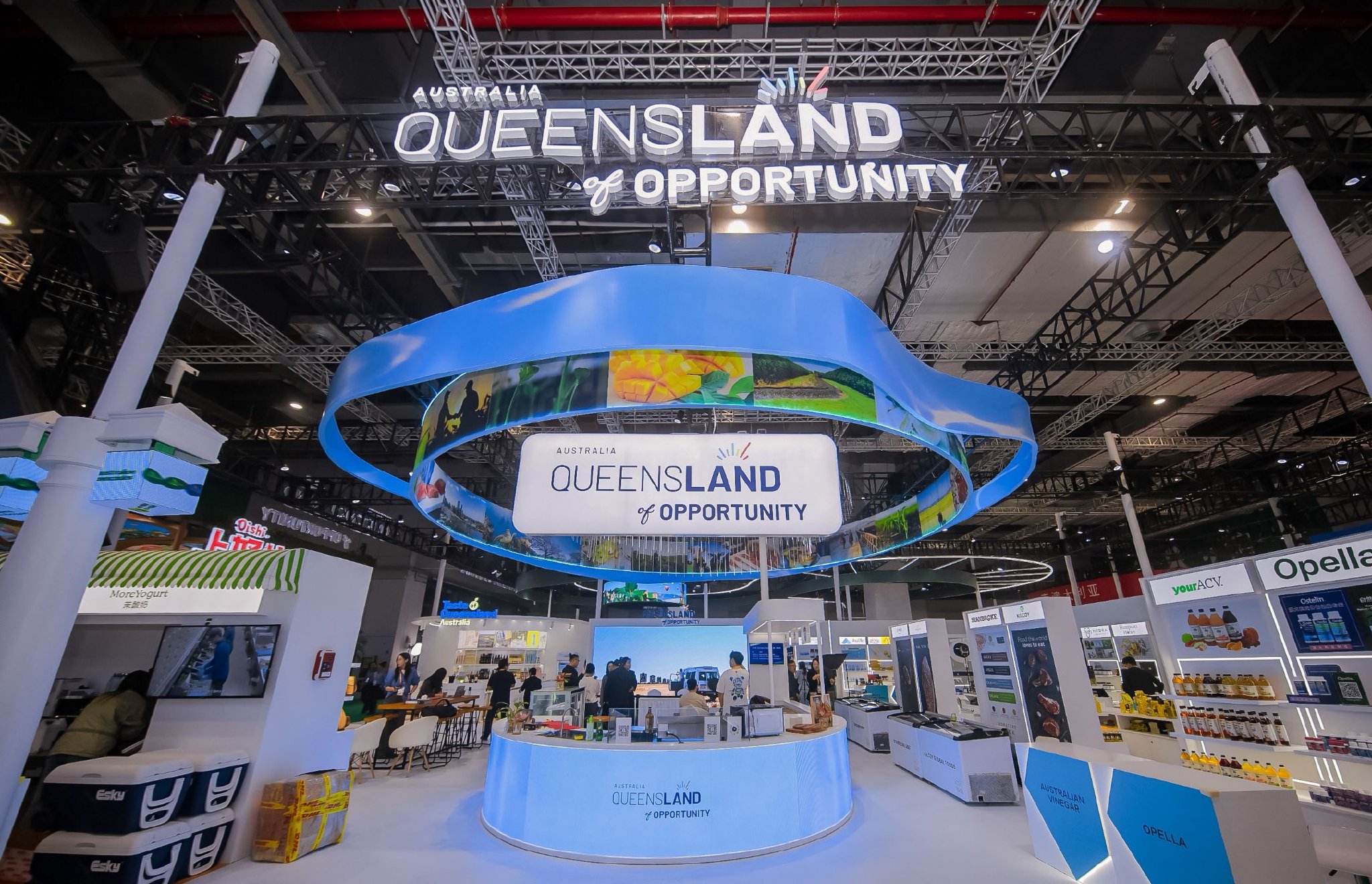
50+企业携千款产品!昆士兰史上最大规模贸易展团亮相进博
Guo Ji Jin Rong Bao· 2025-11-07 06:46
Core Insights - Queensland's largest trade delegation, consisting of over 50 businesses and more than 110 representatives, showcased thousands of high-quality products at the 8th China International Import Expo on November 6 [1][4] - The "Queensland Opportunities Unlimited" pavilion highlighted the state's strength as a global supplier of premium goods, featuring products from various sectors including food, agriculture, and health care [2][4] Group 1: Trade and Economic Relations - Queensland's Minister for Finance, Trade, Employment and Training, Ross Bates, emphasized the long-standing and significant trade relationship between Queensland and China, particularly Shanghai, marking a new level of economic cooperation [6] - In 2024, Queensland businesses are expected to secure over AUD 64 million in orders during the expo, showcasing the effectiveness of their participation [6] - The Queensland government has implemented the "Queensland-China Trade and Investment Strategy" to enhance international trade and economic growth, which includes establishing a trade investment office in Shenzhen [6][7] Group 2: Export and E-commerce Initiatives - Queensland's exports to China are projected to reach AUD 25.3 billion by August 2025, with AUD 6.5 billion in food, beverages, and agricultural products exported in the 2025 fiscal year [7] - A memorandum of understanding was signed between the Queensland Trade and Investment Corporation and JD Group to open new e-commerce channels for Queensland exporters, facilitating access to the Chinese consumer market [7] - The collaboration with JD Group is seen as a timely opportunity to showcase Queensland's world-class products ahead of the 2032 Olympics [7] Group 3: Future Prospects - The Queensland government plans to continue expanding the size of its trade delegations, reflecting the importance of the relationship with China as the state's largest trading partner [8]
澳大利亚256家企业参展进博会 创历史新高
Yang Shi Xin Wen Ke Hu Duan· 2025-11-06 06:11
Core Viewpoint - The Australian Trade Minister Farrell led a delegation of 256 Australian companies to the 8th China International Import Expo, marking the largest participation from Australia in the event's history [1] Group 1: Trade Relations - China is Australia's largest trading partner, providing support for businesses and jobs across Australia [1] Group 2: Product Showcase - The participating companies will showcase a variety of products favored by the Chinese market, including packaged foods, dairy products, meat, seafood, wine, and healthcare products [1] Group 3: Event Details - The 8th China International Import Expo is being held in Shanghai from November 5 to November 10 [1]
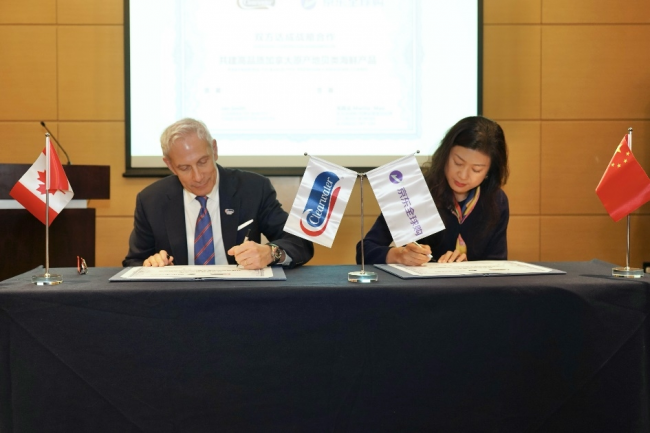
Clearwater发布 “加拿大贝原产地”标识, 联合京东全球购共促海鲜产业原产地升级
Zhong Guo Shi Pin Wang· 2025-10-31 06:59
Core Insights - Clearwater, a renowned Canadian seafood brand, has signed a strategic cooperation agreement with JD Global Purchase during the China International Fisheries Expo, aiming to enhance the traceability and quality of Canadian shellfish products in the Chinese market [1][4][12] Group 1: Market Demand and Product Quality - The increasing focus of Chinese consumers on seafood quality and origin has made "origin" a key factor in purchasing decisions, prompting Clearwater to launch the "Canadian Shellfish Origin" certification [2][4] - The certification will be applied to Clearwater's shellfish products, primarily Arctic shellfish, to boost consumer trust in high-quality products sourced from Canada's pristine waters [7][12] Group 2: Strategic Partnership and Marketing Initiatives - Clearwater officially entered JD Global Purchase in August, establishing a flagship store for fresh seafood, and the recent signing aims to promote the branding, standardization, and source identification of "Canadian Shellfish" in China [4][7] - A series of marketing activities, including online exclusive events and offline tasting experiences, will be conducted to enhance consumer engagement and product visibility [8][12] Group 3: Future Plans and Brand Development - Clearwater is set to celebrate its 50th anniversary in 2026, announcing initial certified partners and key collaboration plans to further advance brand recognition and seafood education [11][12] - The partnership with JD Global Purchase is expected to create a new model of deep integration between origin certification and e-commerce platforms, driving the rapid development of high-quality Canadian shellfish in the market [12]

“果盘子”物丰量足、海鲜花卉购销火热 假日消费市场供需两旺活力足
Yang Shi Wang· 2025-09-28 04:03
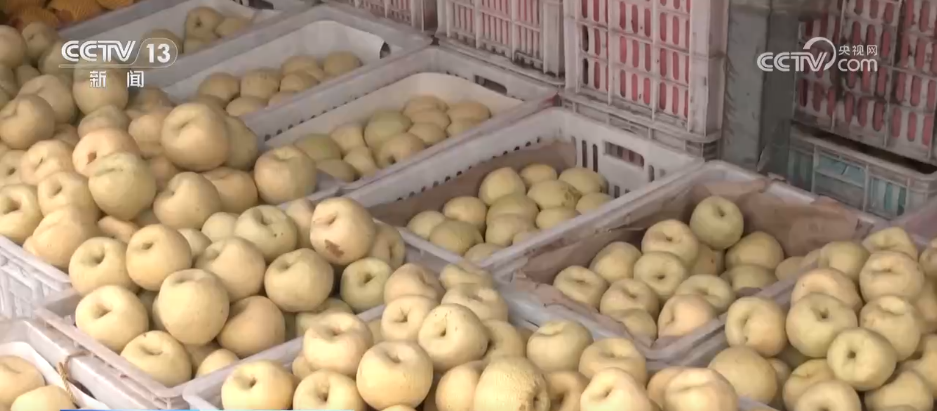
Group 1: Consumer Market Trends - The consumer market is heating up as the holiday season approaches, with various regions experiencing increased sales activity [1] - In Anhui, the fruit market is entering a peak sales season, particularly for varieties like autumn pears and plums, with prices rising [3] - The restaurant industry is also thriving, with local specialties attracting tourists and high booking rates for dining establishments [5] Group 2: Seafood and Floral Markets - The seafood market in Liaoning is experiencing a sales boom, with a wide variety of fresh seafood available as the "Double Festival" approaches [10] - In Benxi, Liaoning, the floral market is also seeing increased sales, with popular festive flowers and plants being in high demand for holiday decorations [12] - Hebei's flower market is actively preparing for the holiday shopping surge, introducing unique floral products and ensuring sufficient supply for consumers [14]
Lerøy Seafood Group ASA: Successful placement of a senior unsecured green bond
Globenewswire· 2025-09-23 12:39
Core Insights - Lerøy Seafood Group ASA has issued a green bond amounting to NOK 500 million with a maturity of 4 years and a coupon rate of 3-month NIBOR + 0.98% p.a. The bond was significantly oversubscribed [1][2]. Group 1: Bond Details - The settlement date for the bond is set for 1 October 2025 [2]. - An application will be made for the bond to be listed on Oslo Børs [2]. - The net proceeds from the bond will be allocated to finance or refinance green projects in line with Lerøy Seafood Group's green finance framework [2]. Group 2: Management and Advisors - Danske Bank and DNB Carnegie served as Joint Lead Managers for the bond transaction [2]. - Key contacts for further information include Hans Ljøen, Head of Treasury, and Sjur S. Malm, CFO of Lerøy Seafood Group ASA [2].

参考封面 | 美关税将重创印度经济
Sou Hu Cai Jing· 2025-09-16 09:41
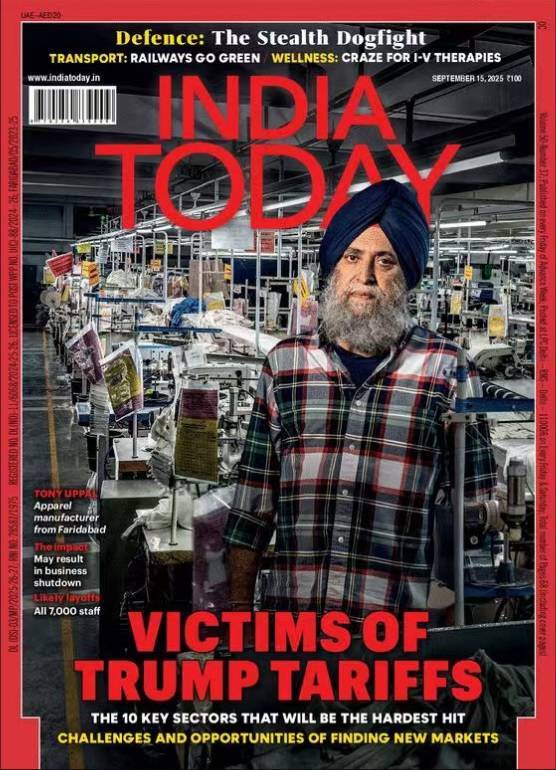
Core Viewpoint - The U.S. government has imposed a 50% tariff on goods imported from India, significantly impacting the Indian economy and its exporters [1] Group 1: Economic Impact - The tariff increase places India in the highest tax rate bracket alongside Brazil, making Indian goods approximately 30% more expensive overnight [1] - Exports worth around 420 billion rupees, including gems, engineering products, textiles, seafood, and leather, are affected, potentially reducing India's economic growth by 0.5 to 1 percentage points [1] - A large number of workers are at risk of unemployment due to the tariff [1] Group 2: Industry Response - Exporters are forced to lower prices or extend credit, leading to tight cash flow, particularly affecting small and medium-sized enterprises [1] - The industry is calling for the Indian government to extend interest subsidies, restart market development funds, and accelerate free trade negotiations with countries like Japan, the UK, Australia, and the EU [1] Group 3: Economic Recommendations - Economists suggest short-term subsidies to maintain orders, mid-term strategies to diversify markets, and long-term reforms in land and labor to enhance competitiveness [1]
50%关税开征!莫迪4次拒接特朗普电话!印官员直言“特朗普搞砸了”!
Guo Ji Jin Rong Bao· 2025-08-28 09:57
Group 1 - The U.S. government has imposed a 50% tariff on most goods imported from India, which is expected to significantly impact Indian exports and reshape U.S.-India relations [1][2] - The tariff increase follows a previous 25% tariff and is primarily motivated by India's purchase of Russian oil, which the U.S. claims indirectly funds Russia's war in Ukraine [1][2] - India has expressed strong opposition to the tariffs, with Prime Minister Modi urging citizens to support "Make in India" initiatives and Foreign Minister Jaishankar criticizing the U.S. for its double standards regarding oil imports [2][3] Group 2 - Approximately 30% of Indian exports (valued at $27.6 billion) are temporarily exempt from the tariffs, but sectors like textiles, jewelry, and seafood are severely affected [3] - The imposition of tariffs could lead to a decline in India's GDP growth from an estimated 6.5% to below 6% [3] - Indian exporters are facing increased competition from countries like Thailand, Turkey, Vietnam, and Cambodia, which are attracting U.S. buyers with lower prices [3][4] Group 3 - The geopolitical context includes failed negotiations for a trade agreement with a 15% tariff cap, primarily due to India's reluctance to open its agricultural market [5] - India is actively pursuing multilateral diplomacy, including meetings with Russia and plans for Modi's first visit to China in seven years [5] - Despite tensions, communication between the U.S. and India continues, although analysts believe trust may have been irreparably damaged [5][6]
Iceland Seafood International hf: Sterk afkoma á fyrri árshelmingi - tvöföldun hagnaðar fyrir skatta
Globenewswire· 2025-08-27 16:15
Core Insights - The company reported a significant increase in pre-tax profit, doubling compared to the previous year, indicating strong operational performance in the first half of 2025 [1][8]. Financial Performance - Total sales for the group in Q2 reached 16.5 billion ISK (€114.6 million), a 17% increase compared to the previous year [2]. - Regular operating profit amounted to 331 million ISK (€2.3 million) in the first half of 2025, up from 158 million ISK (€1.1 million) in the same period of 2024, reflecting a 173 million ISK (€1.2 million) increase [8]. - Revenue for the first half of 2025 was 33.7 billion ISK (€233.8 million), a 10% increase from the same period in 2024 [8]. - EBITDA for the first half of 2025 rose to 1.3 billion ISK (€9.2 million) from 720 million ISK (€5 million) in the first half of 2024 [8]. Regional Performance - Revenue from Southern Europe was 7.6 billion ISK (€52.9 million) in Q2, a 3% increase year-over-year [3]. - Northern Europe saw operational revenue of 2.1 billion ISK (€14.3 million) in Q2, a 5% increase from the same quarter last year [4]. Market Dynamics - High demand and rising prices for cod were key drivers of strong performance in the second quarter [5]. - The U.S. ban on Russian fish imports has increased prices for cod from the Barents Sea, contributing to higher revenue [9]. - Salmon prices were lower than expected, positively impacting operational results compared to the previous two years [10]. Future Outlook - The company maintains its profit forecast for 2025 at 1.1 to 1.4 billion ISK (€7.5 million - €9.5 million) based on current trading conditions [6][8]. - Expectations for stable salmon prices throughout the year, with potential increases towards the end of the year [4][10]. - The company aims to enhance its operational efficiency and capitalize on growth opportunities within its strong network and experienced workforce [12].