电子产品制造

Search documents
经济U型反弹社会提升包容,广州城市韧性是否具备可持续性
Nan Fang Du Shi Bao· 2025-12-30 14:44
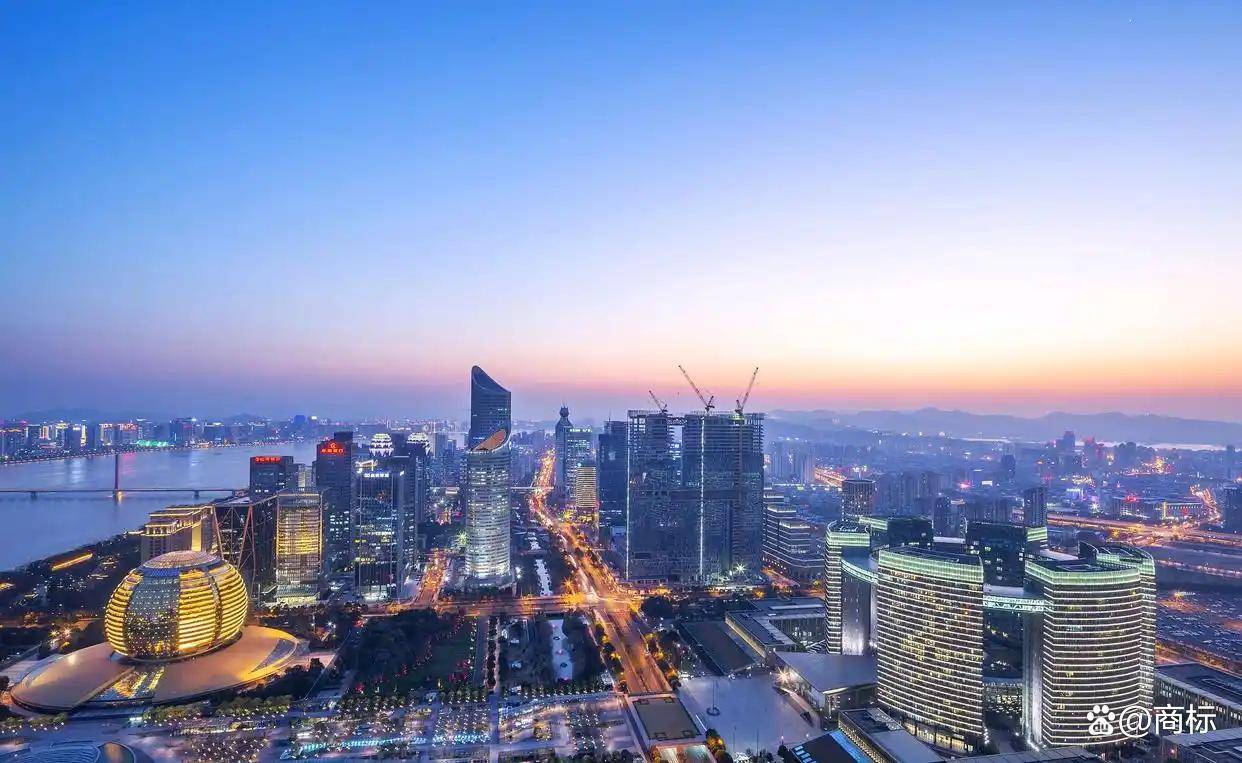
Core Insights - The article highlights Guangzhou's economic resilience and urban development as it transitions into 2025, emphasizing innovation, social welfare, and infrastructure improvements [2][3]. Economic Resilience - Guangzhou's economy demonstrated a U-shaped recovery, with growth rates increasing from 3.0% in Q1 to 4.1% in Q3, indicating a return to normal economic conditions [7]. - The city has completed a two-year economic adjustment, showcasing strong resilience amid challenges in the automotive and real estate sectors [7]. - Industrial output, urban renewal, and the financial sector have been key contributors to this economic rebound, with industrial value added growing by 1.4% year-on-year in Q3 [7][9]. - The automotive industry is increasing R&D investments, maintaining double-digit growth, which supports its transformation [8]. - Real estate investment in urban renewal projects rose by 4.1% in H1 and 2.4% in Q3, contrasting with a broader provincial decline [8]. Social Resilience - Urban renewal projects, particularly in village renovations, have enhanced social inclusivity and safety, with significant progress in the 康鹭片区 and other areas [11][14]. - The successful hosting of the 15th National Games and the Special Olympics has improved urban functionality and social cohesion [14]. - The implementation of a "zero-barrier" initiative during the events has made the city more accessible for disabled individuals and the elderly, contributing to a more inclusive urban environment [16].


最新数据出炉:房价连续下跌!现在该不该出手买房?
Sou Hu Cai Jing· 2025-12-15 14:02
Core Insights - The latest data from the National Bureau of Statistics indicates a continued decline in housing prices across 70 major cities in November, suggesting a significant shift in the real estate market dynamics [1][3] Group 1: Housing Market Trends - First-tier cities are experiencing the most significant price drops, while second and third-tier cities are also facing challenges, leading to a sense of urgency among potential buyers [3] - The decline in housing prices reflects a rationalization of the market, moving away from speculative investments towards a focus on the fundamental need for housing [3][12] - Industrial data shows a contrasting performance, with the automotive manufacturing sector growing by 11.9% year-on-year and electronics manufacturing by 9.2%, indicating a structural shift in economic focus from traditional real estate to emerging sectors [3] Group 2: Buyer Segmentation - For first-time homebuyers, current market conditions present a favorable opportunity to purchase, with lower prices and supportive policies such as reduced loan interest rates and down payment requirements [5][12] - Investors are advised to exercise caution, as the era of profitable property flipping is over, with risks of holding onto properties increasing due to low demand and potential property taxes [6][12] - Homeowners looking to upgrade to better living conditions may find this period advantageous, as the prices of high-quality properties remain relatively stable compared to the declining values of older homes [7][8] Group 3: Cautionary Measures - Buyers should be wary of "problematic properties" that may be sold at low prices due to developers' financial issues, emphasizing the importance of verifying developer credentials [10] - Oral promises from agents regarding property benefits should not be trusted unless documented in contracts, to avoid future disputes [10] - Financial prudence is crucial, with recommendations that monthly mortgage payments should not exceed 30% of household income to mitigate risks of default [10]

美股本周市场展望
Xin Lang Cai Jing· 2025-12-08 20:42
Group 1 - European stock markets experienced a general decline during midday trading, following a slight increase the previous week [1] - Germany's industrial production in October increased by 1.8% month-on-month, surpassing expectations and the 1.1% growth in September, driven by strong growth in construction, machinery, and electronics, while the automotive sector saw a decline [1] - The latest Sentix Eurozone investor confidence report indicated improvements in both expectations and current conditions, suggesting a stabilization in market sentiment [1] Group 2 - In the Asia-Pacific region, stock markets generally closed lower overnight, with a meeting between senior trade officials from the US and China indicating compliance with recent agreement terms by Beijing [1] - China's exports rebounded in November, reversing an unexpected decline in October [1] - Japan's final GDP for the third quarter contracted by 2.3%, worse than the expected decline of 2.0% and the previously reported 1.8% decline [1] Group 3 - The expected earnings per share (EPS) growth for S&P 500 companies in the fourth quarter is projected at 7.4%, with sales also expected to grow by 7.4%, leading to an approximate 11% increase in annual index earnings if achieved [1] - Earnings expectations for 2026 have been continuously revised upward, with a projected annual EPS growth of 14% [1]
深科技股价跌5.01%,创金合信基金旗下1只基金重仓,持有26.17万股浮亏损失35.33万元
Xin Lang Cai Jing· 2025-11-05 03:18
Group 1 - The core viewpoint of the news is that Shenzhen Technology Co., Ltd. (深科技) has experienced a significant decline in stock price, dropping 5.01% on November 5, with a total market value of 40.266 billion yuan and a cumulative decline of 9.53% over four consecutive days [1] - The company, established on July 4, 1985, and listed on February 2, 1994, specializes in advanced manufacturing of hard disk heads, electronic products, measurement systems, payment terminal products, digital home products, and LED production [1] - The revenue composition of the company includes high-end manufacturing at 50.52%, storage semiconductor business at 27.13%, intelligent measurement terminals at 21.70%, and other supplementary sources at 0.66% [1] Group 2 - From the perspective of fund holdings, only one fund from Chuangjin Hexin has a significant position in Shenzhen Technology, with the Chuangjin Hexin CSI 500 Enhanced A Fund holding 261,700 shares, accounting for 1.53% of the fund's net value [2] - The fund has incurred a floating loss of approximately 353,300 yuan today, with a total floating loss of 743,200 yuan during the four-day decline [2] - The Chuangjin Hexin CSI 500 Enhanced A Fund was established on December 31, 2015, with a current scale of 202 million yuan and has achieved a year-to-date return of 29.92% [2]

深科技股价跌5.02%,苏新基金旗下1只基金重仓,持有6.33万股浮亏损失8.67万元
Xin Lang Cai Jing· 2025-11-03 02:29
Group 1 - The core point of the news is that Shenzhen Technology Co., Ltd. experienced a decline of 5.02% in its stock price, closing at 25.93 yuan per share, with a trading volume of 1.368 billion yuan and a turnover rate of 3.31%, resulting in a total market capitalization of 40.754 billion yuan [1] - The company, established on July 4, 1985, and listed on February 2, 1994, is primarily engaged in the research and production of hard disk heads, advanced manufacturing of electronic products, metering systems, payment terminal products, digital home products, and LEDs [1] - The revenue composition of the company is as follows: high-end manufacturing accounts for 50.52%, storage semiconductor business 27.13%, metering intelligent terminals 21.70%, and others 0.66% [1] Group 2 - From the perspective of fund holdings, one fund under Su Xin has a significant position in Shenzhen Technology, with the Su Xin CSI 500 Index Enhanced A (022790) holding 63,300 shares, representing 0.7% of the fund's net value, making it the seventh-largest holding [2] - The Su Xin CSI 500 Index Enhanced A (022790) was established on December 30, 2024, with a latest scale of 150 million yuan, and has achieved a return of 34.71% this year, ranking 1403 out of 4216 in its category [2] - The fund manager, Lin Maozheng, has been in position for 309 days, with the fund's total asset size at 535 million yuan, achieving a best return of 37.36% and a worst return of 5.24% during his tenure [3]
为啥金灿荣教授说:“到今天,我们中国没有实现经济战略自主”
Sou Hu Cai Jing· 2025-10-31 09:59
Core Viewpoint - The statement by Professor Jin Canrong highlights that China has not achieved economic strategic autonomy despite being the world's second-largest economy, excelling in manufacturing and infrastructure [1][21]. Group 1: Economic Strengths - China is recognized as the "world's factory," with strong production capabilities and high-quality products, maintaining order fulfillment even during tense US-China relations [5]. - The country has a significant export volume, with nearly 2 trillion yuan in export tax rebates, effectively subsidizing foreign consumers [7]. Group 2: Strategic Vulnerabilities - China's economic model is heavily reliant on external markets and key technologies, leading to strategic passivity [10]. - The country faces a critical technology gap, particularly in high-value sectors like semiconductors, importing over $300 billion worth of chips annually, which poses a risk of industry shutdowns if supply is disrupted [11][13]. - The lack of foundational research investment and a culture of innovation hampers the transition from "0 to 1" breakthroughs, making it difficult to achieve technological independence [15]. Group 3: Domestic Consumption Challenges - Despite having the largest single market with 1.4 billion people, domestic consumption remains underpowered due to financial pressures from housing, education, and healthcare [17]. - The income distribution structure is problematic, with a high Gini coefficient indicating that the majority of the population has limited disposable income, which constrains consumption [19]. - To stimulate domestic demand and consumption upgrades, deep reforms are necessary, including stabilizing the real estate market and expanding the middle-income group [19]. Group 4: Strategic Initiatives - The government has proposed the "dual circulation" strategy to strengthen domestic circulation and address technological shortcomings, aiming for greater autonomy in global competition [22]. - Achieving true strategic autonomy will require time, endurance, and the participation of the entire society, from enterprises to consumers [22].

雅葆轩前三季度经营业绩增长显著,发展潜力获多家机构关注
Xin Jing Bao· 2025-10-22 12:05
Core Viewpoint - The company, Wuhu Yabo Xuan Electronic Technology Co., Ltd. (referred to as "Yabo Xuan"), has reported impressive financial results for the first three quarters of the year, indicating strong growth potential driven by robust market demand and increased R&D investment [1][3]. Financial Performance - For the first three quarters, Yabo Xuan achieved revenue of 419 million yuan, a year-on-year increase of 55.9%, and a net profit attributable to shareholders of 48.72 million yuan, up 36.59% year-on-year [1]. - In Q3 alone, the company reported revenue of 169 million yuan, representing an 86.75% year-on-year growth and a 10.38% quarter-on-quarter increase; net profit attributable to shareholders was 19.45 million yuan, up 72.42% year-on-year and 13.05% quarter-on-quarter [1]. Market Demand and Business Focus - Yabo Xuan specializes in electronic product R&D, production, and sales, primarily providing PCBA (Printed Circuit Board Assembly) services, with significant applications in consumer electronics, industrial control, and automotive electronics [3]. - The automotive electronics sector is a key growth area for Yabo Xuan, with revenue from this segment reaching 91.58 million yuan in the first half of the year, a remarkable year-on-year increase of 194.96% [3]. Industry Trends - The consumer electronics industry is recovering, driven by rapid advancements in AI technology, which is expected to boost demand for high-value PCB products [4]. - The emergence of AI glasses as a new force in the smart wearable device sector presents a market opportunity that Yabo Xuan is actively pursuing [4]. R&D and Capacity Expansion - Yabo Xuan has increased its R&D investment, with expenses reaching 11.92 million yuan in the first three quarters, a 35.98% year-on-year increase [5]. - The company is accelerating capacity expansion to meet market demand, with construction projects valued at 103 million yuan, a 107.5% increase from the beginning of the year [5]. Future Outlook - The company is expected to see continued growth in net profit, with projections of 64 million yuan, 80 million yuan, and 94 million yuan for the years 2025 to 2027, respectively [6].
多个行业出口受挫,寻找新的国际市场,高关税下印度对美出口连续下滑
Huan Qiu Shi Bao· 2025-10-20 22:57
Group 1 - India's exports to the US have significantly declined, with a 37.5% drop over the past four months following the implementation of a 50% tariff on August 27 [1][2] - The decline in exports to the US has been particularly severe in the textile and pharmaceutical industries, which accounted for $38 billion and $30.5 billion in exports respectively in the last fiscal year [2] - The textile industry anticipates a further decline of over 25% in exports over the next six months, prompting the Indian government to extend the tariff exemption on imported cotton [2] Group 2 - The pharmaceutical sector, heavily reliant on the US market, faces significant challenges due to high tariffs, with exports to the US amounting to approximately $10 billion in the last fiscal year [2] - In contrast, engineering products, which make up over 20% of India's exports to the US, have experienced minimal impact due to long order cycles and strong demand [3] - Indian companies are actively seeking alternative markets, with exports to non-US markets increasing by 10.9% in September, providing a buffer against the decline in US exports [4] Group 3 - The jewelry sector, which exports nearly $10 billion to the US annually, has already begun diversifying its markets, with exports to the UAE increasing by 65% from April to September [4] - The electronics sector has also seen significant growth, with exports reaching $22.2 billion from April to September, a 60% increase year-on-year [4][5] - The Indian government is implementing policy adjustments to support affected industries, including increasing export quotas for rice and sugar to compensate for the decline in seafood exports to the US [6]
俄罗斯EAC认证指南:海关联盟技术法规下的电子产品质量要求
Sou Hu Cai Jing· 2025-10-20 01:05
Overview - The EAC certification (Eurasian Conformity Mark) is essential for entering the markets of Russia and other member countries of the Customs Union, indicating compliance with technical regulations related to safety, health, and environmental protection [1][3]. EAC Certification Requirements - EAC certification ensures that electronic products meet quality, safety, and electromagnetic compatibility (EMC) standards, acting as a "passport" for market entry [3]. - Electronic products must comply with various safety, health, and environmental protection regulations, providing consumer confidence and ensuring fair market competition [3][4]. Safety Requirements - Electrical safety: Products must not pose risks of fire or electric shock under rated voltage and current [4]. - Mechanical safety: The design must ensure stability and safety during use [4]. - Material safety: Materials used must not harm human health or the environment [4]. Electromagnetic Compatibility (EMC) - Products must undergo EMC testing to ensure they do not generate excessive electromagnetic interference and can withstand interference [5][7]. Environmental Protection Requirements - Compliance with environmental standards during production, use, and disposal is mandatory, including energy efficiency and waste recycling [7]. - Adherence to RoHS standards is required, prohibiting certain hazardous substances in electronic products [7]. EAC Certification Application Process - The application process involves several steps, including confirming applicable technical regulations and selecting the appropriate certification procedure based on product category and risk level [6][8]. - Products must pass tests conducted by accredited laboratories, covering electrical safety, EMC, material safety, and energy efficiency for household appliances [8][9]. Documentation and Certification - Manufacturers must prepare technical documents, including design files, production processes, and test reports, to submit to certification bodies [9][11]. - Upon successful review, an EAC certificate is issued, allowing the product to bear the EAC mark, indicating compliance with safety and technical requirements [9][10]. Validity and Maintenance of EAC Certification - EAC certification is typically valid for five years, during which manufacturers must ensure ongoing compliance with certification requirements [10]. - Regular checks and updates are necessary, especially if there are changes in product design or functionality [10]. Common Misconceptions - EAC certification focuses on compliance and safety rather than overall product quality [12]. - The certification process is not fixed and varies based on product type and certification body requirements [12]. - Although EAC certification is generally valid for five years, significant changes to the product or regulations may necessitate re-certification [12].
全国GDP50强城市大洗牌:广州突破1.5万亿,宁波逆袭天津,大连增速约9%!
Sou Hu Cai Jing· 2025-10-15 17:46
Economic Overview - The GDP rankings of China's top 50 cities have changed, with Shanghai, Beijing, and Shenzhen maintaining the top three positions, each surpassing 1.8 trillion yuan, demonstrating strong economic resilience [1] - Over 80% of cities achieved positive growth compared to the same period last year, but growth rates varied significantly, with Jinhua leading at a nominal growth rate of 17.29%, while Yulin experienced a decline of 0.55% [1][8] City Rankings and Growth - In the first half of 2025, Shanghai led with a GDP of 2.62 trillion yuan, followed by Beijing at 2.5 trillion yuan and Shenzhen at 1.83 trillion yuan [3][4] - The number of cities with GDP exceeding 1 trillion yuan has reached 12, an increase of one compared to the previous year, indicating intensified competition among top cities [3] - Coastal cities like Ningbo and Qingdao have improved their rankings, while some traditional industrial cities face growth pressures [3][5] Sector Performance - Guangzhou's GDP surpassed 1.5 trillion yuan, driven by significant industrial transformation, particularly in new energy vehicles, which saw a production increase of 45% [9] - The city's high-tech industries have become crucial for economic growth, with R&D expenditure accounting for 3.8% of GDP, above the national average [9] - Ningbo's economy has transformed from simple cargo turnover to a more integrated model involving port, shipping, trade, and finance, with port value-added services now accounting for 35% [11] Regional Economic Dynamics - The Yangtze River Delta, Pearl River Delta, and Beijing-Tianjin-Hebei regions continue to dominate China's economic landscape, while the Chengdu-Chongqing economic circle shows strong growth, with both cities exceeding 8% growth [3] - Dalian's GDP reached 464.7 billion yuan, with a growth rate of 9.01%, benefiting from the Northeast revitalization strategy and enhanced competitiveness in high-end manufacturing [13] Future Trends - The next phase of urban competition will focus on new productive forces, with cities like Guangzhou, Ningbo, and Dalian emphasizing the integration of technological innovation and the real economy [15] - Cities are beginning to invest in cutting-edge fields such as artificial intelligence and biomedicine, indicating the onset of a new round of urban competition [15]