便利店

Search documents
柒和伊控股确认加拿大便利店巨头ACT撤回收购提议
news flash· 2025-07-17 00:43
Core Viewpoint - Alimentation Couche-Tard (ACT) has withdrawn its acquisition proposal for 7-Eleven's parent company Seven & I Holdings due to a lack of "constructive engagement" from the latter [1] Group 1: Acquisition Proposal - ACT announced the withdrawal of its acquisition proposal on July 16, citing insufficient constructive participation from Seven & I Holdings [1] - Seven & I Holdings expressed dissatisfaction with ACT's unilateral decision to terminate discussions, stating that they had engaged in sincere and constructive discussions aimed at reaching a beneficial deal for shareholders [1] Group 2: Future Plans of Seven & I Holdings - Seven & I Holdings aims to recover capital and achieve approximately 2 trillion yen in shareholder returns by the end of the fiscal year 2030 through stock buybacks, inviting strategic partners in the large supermarket business, and an IPO of its North American convenience store operations [1]
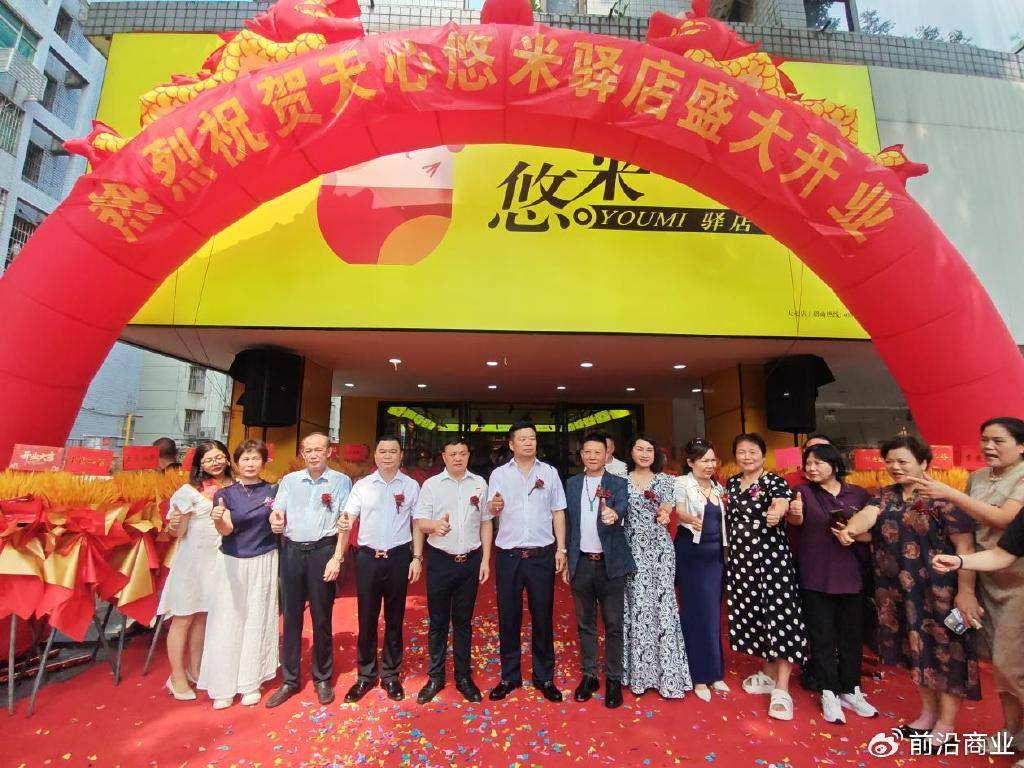
破局内卷,悠米驿店打造便利店行业有温度的“胖东来”
Sou Hu Cai Jing· 2025-07-16 16:35
Core Insights - The article highlights the growing consensus to eliminate "involution" and unhealthy competition in the market, with government bodies emphasizing fair competition to foster innovation [1][3] - Umi Yidong has successfully differentiated itself in the convenience store sector by focusing on community service and personalized experiences, achieving record-breaking sales figures [1][5] Industry Overview - The convenience store sector in China has seen significant growth, with total sales reaching 424.8 billion yuan in 2023 and a store count of 320,000 [3] - Retail sales in convenience stores grew by 9.1% from January to April 2023, outperforming other retail formats [3] Company Performance - Umi Yidong's recent openings have achieved impressive sales, with individual stores surpassing 300,000 yuan in daily sales, including a record of 327,000 yuan at the Tianxin store [3][5] - The company has opened multiple new stores in July 2023, with plans for further expansion in the coming months [3] Competitive Strategy - Umi Yidong emphasizes a community-centric approach, focusing on customer experience and emotional connections, akin to the successful model of "Fat Donglai" [7][8] - The company has developed a unique membership system that transforms one-time customers into lifelong users, achieving a member repurchase rate of 78%, significantly higher than the industry average of 45% [9] Customer Engagement - Umi Yidong enhances customer loyalty by creating a welcoming atmosphere and offering community-oriented services, such as shared amenities and social events [10] - The average customer dwell time in Umi Yidong stores is 18 minutes, three times the industry average, indicating strong customer engagement [10]

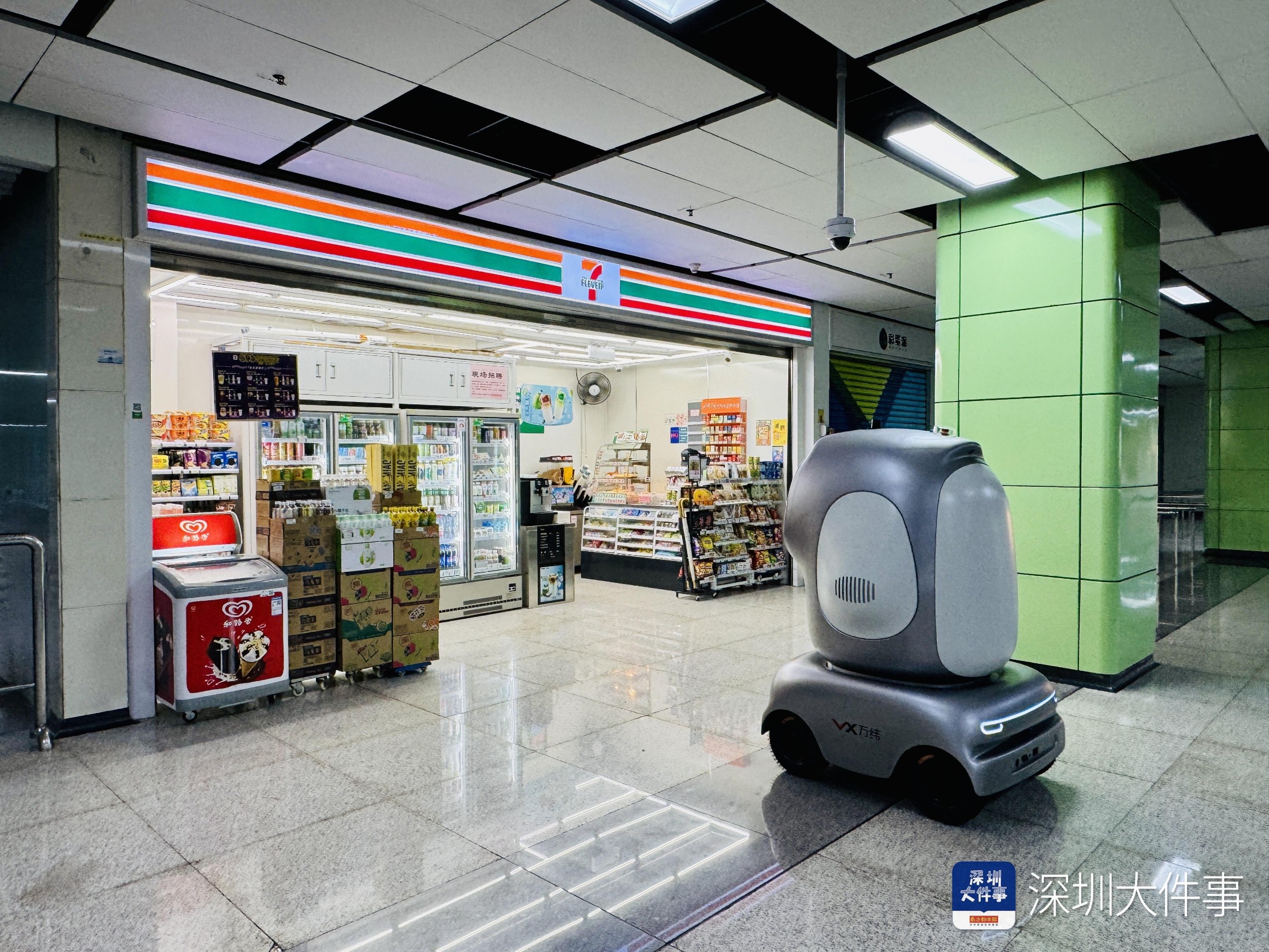
应用场景再上新,深圳机器人搭地铁“上岗”打工送货
Nan Fang Du Shi Bao· 2025-07-15 21:12
Core Insights - The collaboration between Shenzhen Metro Group and Vanke aims to enhance last-mile delivery through the use of robots in subway stations, specifically targeting the 7-Eleven convenience stores [1][3] - The project is currently in the testing phase, focusing on optimizing delivery routes during off-peak hours to improve efficiency and reduce costs [1][6] Group 1: Project Overview - The "Metro + Robot Delivery" project utilizes robots to autonomously plan optimal routes for delivering goods from 7-Eleven stores within the subway system [1] - The initiative addresses challenges faced by traditional delivery methods, such as high labor costs and inefficiencies during peak hours [3][6] Group 2: Technological Implementation - Vanke's logistics robots incorporate advanced technologies, including AI scheduling algorithms and panoramic laser radar, to enhance delivery efficiency [6] - The robots are designed to autonomously navigate subway environments, including using elevators and recognizing train arrivals, which streamlines the delivery process [6] Group 3: Market Context - The demand for local life services, such as "Metro + Retail," has been increasing alongside the expansion of the Shenzhen subway network [3] - 7-Eleven operates over 100 stores within the Shenzhen subway, catering to approximately 9 million passengers daily, highlighting the potential for enhanced service integration [3]


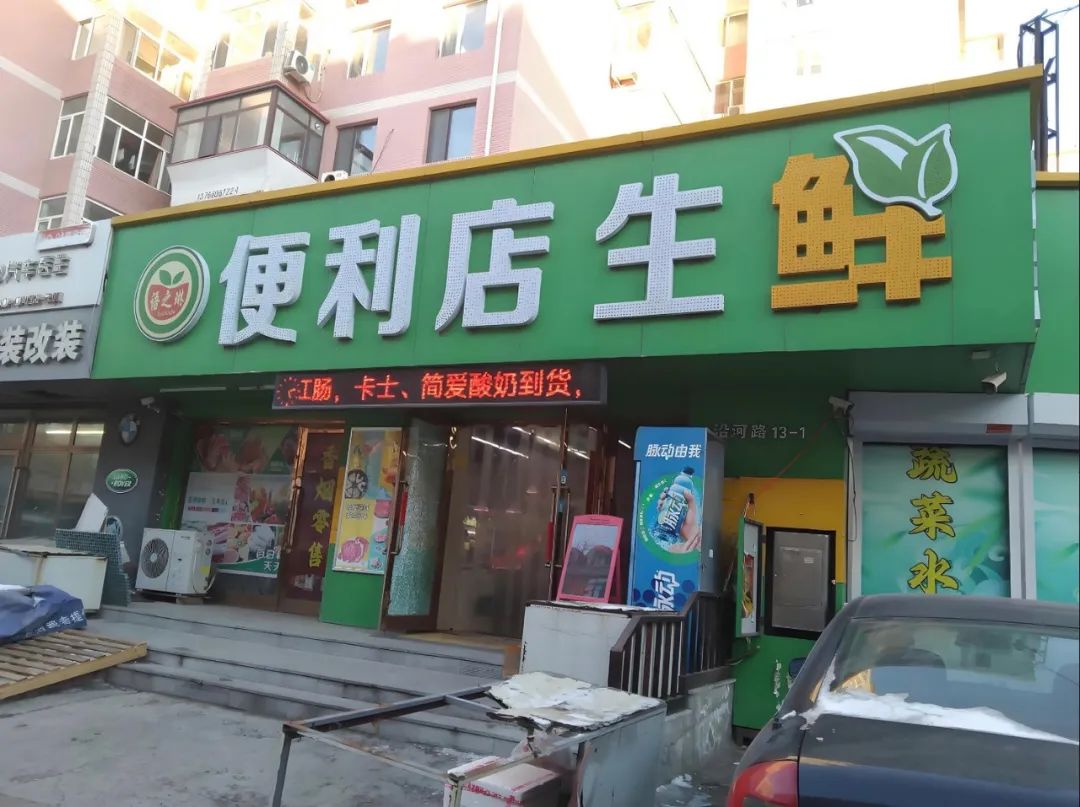
便利店加速“超市化”
3 6 Ke· 2025-07-15 02:07
Core Insights - The convenience store industry is undergoing a transformation from being mere "supply stations" to more comprehensive "community supermarkets" as consumer habits shift towards home cooking and diverse shopping needs [1][3][6] Group 1: Industry Trends - Convenience stores are expanding their physical space and product offerings to include fresh produce, frozen foods, and ready-to-eat meals, reflecting a trend towards "supermarketization" [3][5] - The introduction of new store formats, such as the "SIP store" by 7-11 in Japan, showcases a significant increase in store size and SKU variety, with the new store being 1.8 times larger than standard locations and offering 5,300 SKUs [3][11] - Competitors like Lawson and GS25 are also adapting by increasing their fresh and frozen food selections, indicating a broader industry shift towards meeting family-oriented shopping needs [5][11] Group 2: Consumer Behavior - There is a notable change in consumer demand, with shoppers now seeking a wider range of products in a single visit, challenging the traditional convenience store model [7][9] - Consumers are increasingly asking for fresh produce and frozen foods, which puts pressure on smaller stores that previously focused on snacks and beverages [7][9] - The boundaries between convenience stores, supermarkets, and community stores are blurring, as consumers prioritize the ability to fulfill their shopping needs over the specific store type [14][16] Group 3: Operational Challenges - The shift towards larger stores and diverse product offerings is driven by the need to enhance customer spending per visit and improve store efficiency, especially as rental and operational costs rise [9][11] - Supply chain capabilities are becoming a core competitive advantage, enabling larger chains to offer a wider variety of products at competitive prices [18] - Smaller stores face challenges in sourcing fresh products and managing inventory, which can hinder their ability to compete with larger retailers [13][18] Group 4: Competitive Landscape - New retail formats, such as My Basket, are emerging as significant competitors, focusing on low-cost fresh produce and community integration, which can divert traffic from traditional convenience stores [11][13] - The competitive landscape is evolving, with non-traditional competitors posing a growing threat to established convenience store brands [18] - The industry's response to these challenges includes expanding store sizes and enhancing product offerings to retain customer loyalty and market share [19]
美团即时零售日订单量达1.5亿,平均34分钟送达| 7月14日早报
Sou Hu Cai Jing· 2025-07-14 06:42
Star Brands - L'Oréal denies rumors of closing its Hong Kong office and layoffs, stating that it will continue to assess and optimize its organizational structure to adapt to market changes [2] - Sweet Lala collaborates with the game IP "Ball Battle" to launch a vitality fruit and vegetable tea series, priced at 8 yuan per cup [2] Consumer Platforms - Meituan's instant retail orders reached a record high of 150 million, with an average delivery time of 34 minutes, driven by social media marketing [5] - Unicommerce reports a 21% year-on-year growth in online sales in India's tier-three cities during the summer season, contributing to an overall 8% increase in e-commerce orders [5][6] - eBay is testing a new auction extension mechanism that adds 2 minutes to the auction time if a bid is placed near the end, aimed at enhancing auction fairness [6] - Temu's semi-managed model in Brazil will launch on July 31, providing small and medium sellers with a low-risk opportunity to enter the Latin American market [6] Investment and Financial Reports - Ferrero agrees to acquire WK Kellogg for $3.1 billion, with a cash offer of $23.00 per share [7] - Salia reports a 50% increase in net profit for the first three quarters of fiscal 2025, reaching 7.7 billion yen, driven by low pricing strategies [7] - Zhongjin Gold expects a 50%-65% year-on-year increase in net profit for the first half of 2025, driven by favorable product pricing [8] - Western Gold anticipates a 96%-142% year-on-year increase in net profit for the first half of 2025, attributed to rising gold prices and increased sales [8] - Dongpeng Beverage forecasts a 33%-42% year-on-year increase in net profit for the first half of 2025, supported by national expansion and improved channel operations [8] - Xiangpiaopiao expects a net loss of approximately 97.39 million yuan for the first half of 2025, with a revenue decline of 12.21% [8] - Jiaoge Friends reports a GMV of approximately 6.98 billion yuan for the first half of 2025, reflecting a 17% year-on-year growth [8] Consumer Dynamics - Nestlé's offices in France are being searched due to allegations of using illegal filtration systems that may conceal contamination issues [9] Macro News - The U.S. plans to impose a 50% tariff on all goods imported from Brazil starting August 1, which could lead to significant price increases for Brazilian coffee and orange juice [10]

算着热量吃还长胖,网友质疑罗森偷偷往人腰间塞肉
凤凰网财经· 2025-07-12 11:16
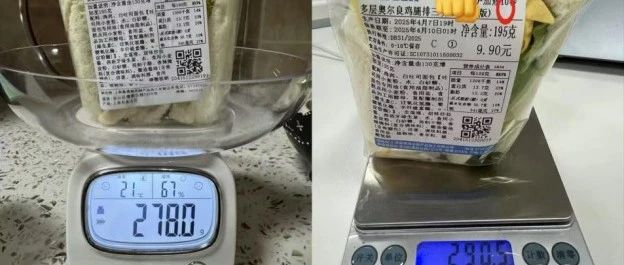
Core Viewpoint - The article discusses the issue of calorie mislabeling by popular convenience store brands like Lawson, Hema, and 7-11, which has led to consumer confusion and frustration regarding weight management and health [1][12]. Group 1: Calorie Mislabeling Issues - Lawson's whole wheat sandwich is claimed to have a calorie count of 195 kcal, but consumers estimate it to be around 300 kcal when accounting for the ingredients [1]. - Consumers have raised concerns about the accuracy of calorie counts for various products, including sandwiches, breads, and fried noodles from Lawson [7]. - Hema's taro milk cake is reported to have a calorie count of approximately 90 kcal, but some consumers believe it could be as high as 150 kcal due to the ingredients used [9]. - 7-11's fried noodles are listed at only 50 kcal per 100 grams, leading to skepticism among consumers about the accuracy of this figure [11]. Group 2: Consumer Health Awareness - The rise in health consciousness and weight management among consumers may be driving some businesses to misrepresent calorie information to attract more customers [12]. - The National Health Commission and other departments have initiated a "Weight Management Year" to promote healthy lifestyles and weight management skills among the public [12]. - Mislabeling calorie content not only undermines consumer trust but may also violate national standards, as per the Food Safety National Standard [12].
水饮柜为何总在店铺C位
Jing Ji Ri Bao· 2025-07-11 22:24
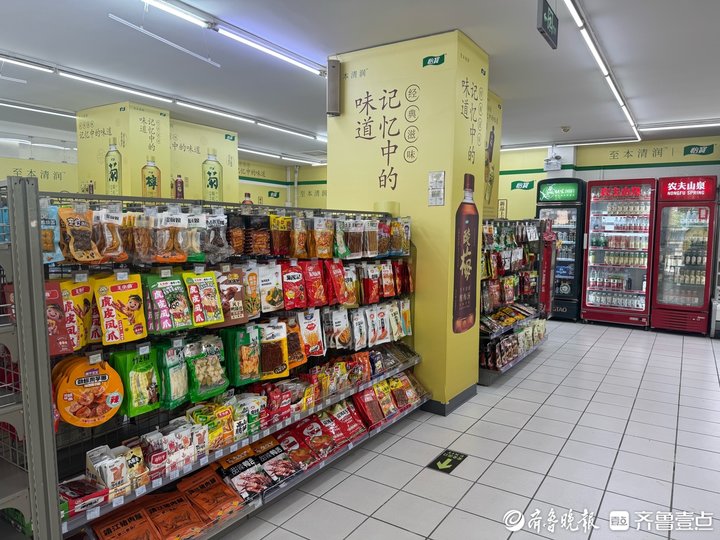
Core Insights - The concept of "instant gratification" is a key driver for convenience stores, allowing them to maintain a competitive edge over e-commerce platforms, as consumers are willing to pay a premium for immediate access to products like bottled water [1][2] - Convenience stores benefit from high turnover rates, with products like bottled water having a turnover cycle of just 2 to 3 days, which enhances cash flow efficiency [1][3] - The psychological aspect of spending on urgent needs, as explained by the mental accounting theory, indicates that consumers categorize these expenses differently, prioritizing certainty over other considerations [1][2] Industry Dynamics - Leading beverage companies invest heavily in convenience stores by providing dedicated coolers, recognizing the unique value of the "instant gratification" experience that cannot be replicated by online platforms [2] - The rise of instant retail is prompting major e-commerce platforms to enter this space, but the unpredictability of urgent needs means that the immediate availability of convenience stores remains unmatched [2][3] - Convenience stores and vending machines have evolved into essential emergency stations for immediate needs, with water products being particularly well-suited for this market due to their high-frequency demand and strong cash turnover capabilities [3]
中石化易捷与美团闪购达成战略合作 加速布局“一刻钟便民生活圈”
Zhong Guo Jin Rong Xin Xi Wang· 2025-07-08 12:17
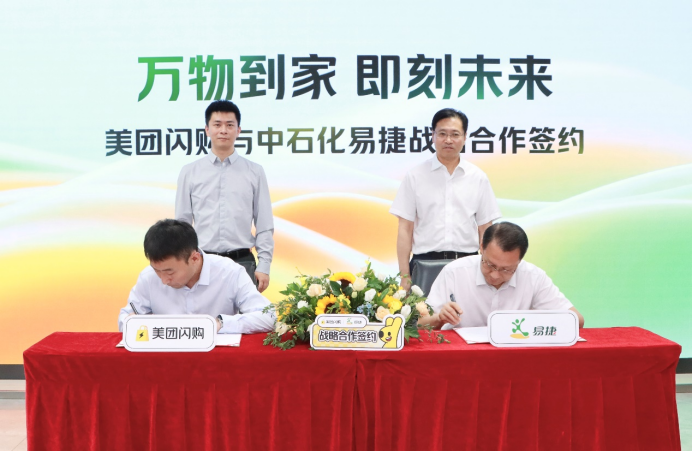
Core Viewpoint - Sinopec Easy Joy and Meituan Flash Purchase have established a strategic partnership focusing on instant retail, aiming to create the "Easy Joy Fast Purchase" brand to meet consumer demand for "30-minute delivery" [1][3][4] Group 1: Strategic Cooperation - The partnership will accelerate the layout of flash warehouse new formats, with over 100 24-hour "Easy Joy Fast Purchase" flagship stores already opened on Meituan Flash Purchase [1][3] - Easy Joy has been actively implementing the "15-minute convenient living circle" policy and has over 2,500 "Easy Joy Fast Purchase" standard stores on Meituan Flash Purchase, forming the largest instant retail network at gas stations in China [4][8] Group 2: Digital Transformation - Easy Joy aims to enhance its digital transformation and has elevated instant retail to a key strategic project starting in 2024, establishing dedicated teams for this purpose [4][8] - Meituan Flash Purchase will provide comprehensive support for Easy Joy's digital transformation, including brand training, operational subsidies, and flow support [6][8] Group 3: Market Trends - Instant retail and flash warehouse formats are becoming significant growth areas in the physical retail sector, with online retail sales of physical goods increasing by 6.3% from January to May [8] - Convenience stores are leading the charge in instant retail, with nearly 40% of convenience store companies expected to launch instant retail services by 2024 [8][9] Group 4: Consumer Demand - The "Easy Joy Fast Purchase" model has become a popular choice among consumers, with average monthly sales reaching approximately 12,000 orders at some stores [6][8] - Easy Joy's flexible layout of flash warehouse formats aims to meet diverse consumer needs, offering a wide range of high-quality products [4][6]

八点半“输血”36家门店,仲家汇能否“绝地求生”
Qi Lu Wan Bao Wang· 2025-07-08 03:27
Core Viewpoint - The collaboration between Zhongjiahui and Baidianban aims to revitalize Zhongjiahui's struggling operations through a "managed franchise" model, but the long-term success remains uncertain due to significant debt and market competition [1][11]. Group 1: Collaboration Details - Starting from July 8, 36 stores will begin trial operations under the joint management of Zhongjiahui and Baidianban, with the first eight stores opening [6][11]. - The products in these stores are supplied by Baidianban, and the operational systems have been integrated into Baidianban's framework [4][11]. - The partnership is described as a "managed franchise," meaning that while both brands will operate together, Zhongjiahui is not selling its stores outright [6][11]. Group 2: Financial Challenges - Zhongjiahui is facing severe financial difficulties, with over 100 stores closed and around 120 still operational [7][8]. - The company has accumulated debts exceeding 111.6 million yuan, with ongoing legal disputes and a significant number of suppliers reporting unpaid invoices [8][10]. - The company has seen a drastic reduction in staff, with over half of its employees leaving due to unpaid wages and social security [10]. Group 3: Market Context - Baidianban's interest in Zhongjiahui stems from its established locations in prime areas of Jinan, which are valuable for expanding its market presence [12]. - The convenience store market in Jinan is highly competitive, with established brands like Orange Convenience and 7-Eleven posing significant challenges to Baidianban's growth [14]. - The previous expansion efforts of Zhongjiahui, including the acquisition of Unified Yinzuo, led to its current financial troubles, highlighting the risks associated with aggressive growth strategies [15].
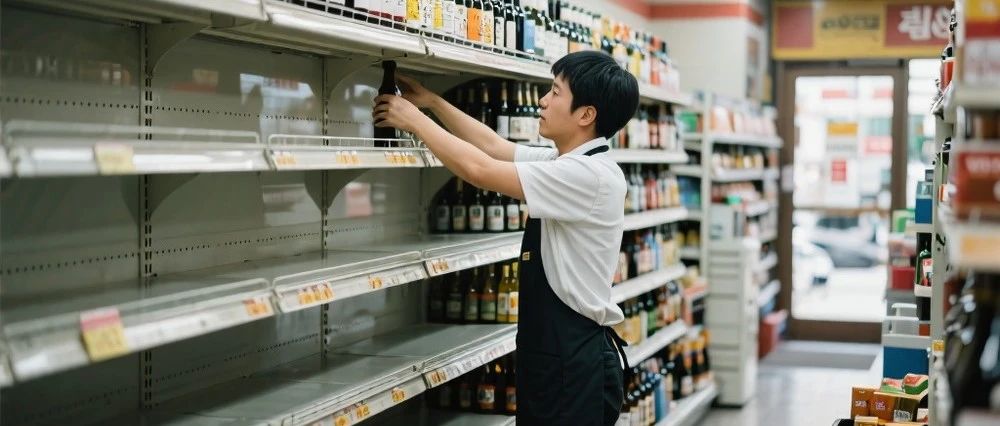
禁酒令后的便利店
虎嗅APP· 2025-07-07 14:23
Core Viewpoint - The article discusses the significant impact of recent alcohol bans on the retail liquor industry, highlighting a drastic decline in sales and a shift in business models for liquor stores and convenience stores due to changing consumer behavior and regulatory pressures [2][3][4]. Group 1: Impact of Alcohol Ban - The ban has led to a sales decline of over 80% for many liquor stores, with more than 90% of stores experiencing severe damage [2]. - The core business model of liquor stores, which relied heavily on corporate bulk orders (50-70% of sales), has been disrupted, forcing them to operate as regular retail stores [3]. - High-end liquor brands like Moutai and Wuliangye are particularly affected, with inventory turnover days increasing from 45 to over 70 days [4]. Group 2: Decline in Convenience Stores - Convenience stores are facing a "chronic consumption battle," with average daily customer traffic down by about 15% compared to the previous year [7]. - The average number of items purchased per customer has decreased from 3.9 to 2.8, indicating a shift towards more targeted shopping behavior [8]. - The decline in customer traffic and average purchase quantity is leading to a continuous drop in the average transaction value [8][10]. Group 3: Industry Transformation - The retail landscape is shifting from a focus on information asymmetry and channel advantages to a more competitive environment where operational efficiency is crucial [10]. - Convenience stores must adapt by either reducing physical space or diversifying their service offerings to attract more customers [12][15]. - The transition to a "community service node" model is essential for survival, as traditional liquor sales are no longer sufficient [15]. Group 4: Strategic Adjustments - The article emphasizes the need for convenience stores to embrace a "small but refined" strategy, focusing on cost reduction and efficiency [12]. - In high-density urban areas, convenience stores must evolve into brand-oriented establishments that offer not just products but also experiences and social interactions [14]. - The survival of retail businesses now hinges on continuous operational refinement, market sensitivity, and the willingness to adapt to changing consumer demands [15].