
酒店业

Search documents
无锡马拉松期间酒店价格大涨引吐槽,有“酒店刺客”被立案调查
Xin Lang Cai Jing· 2026-01-22 05:49
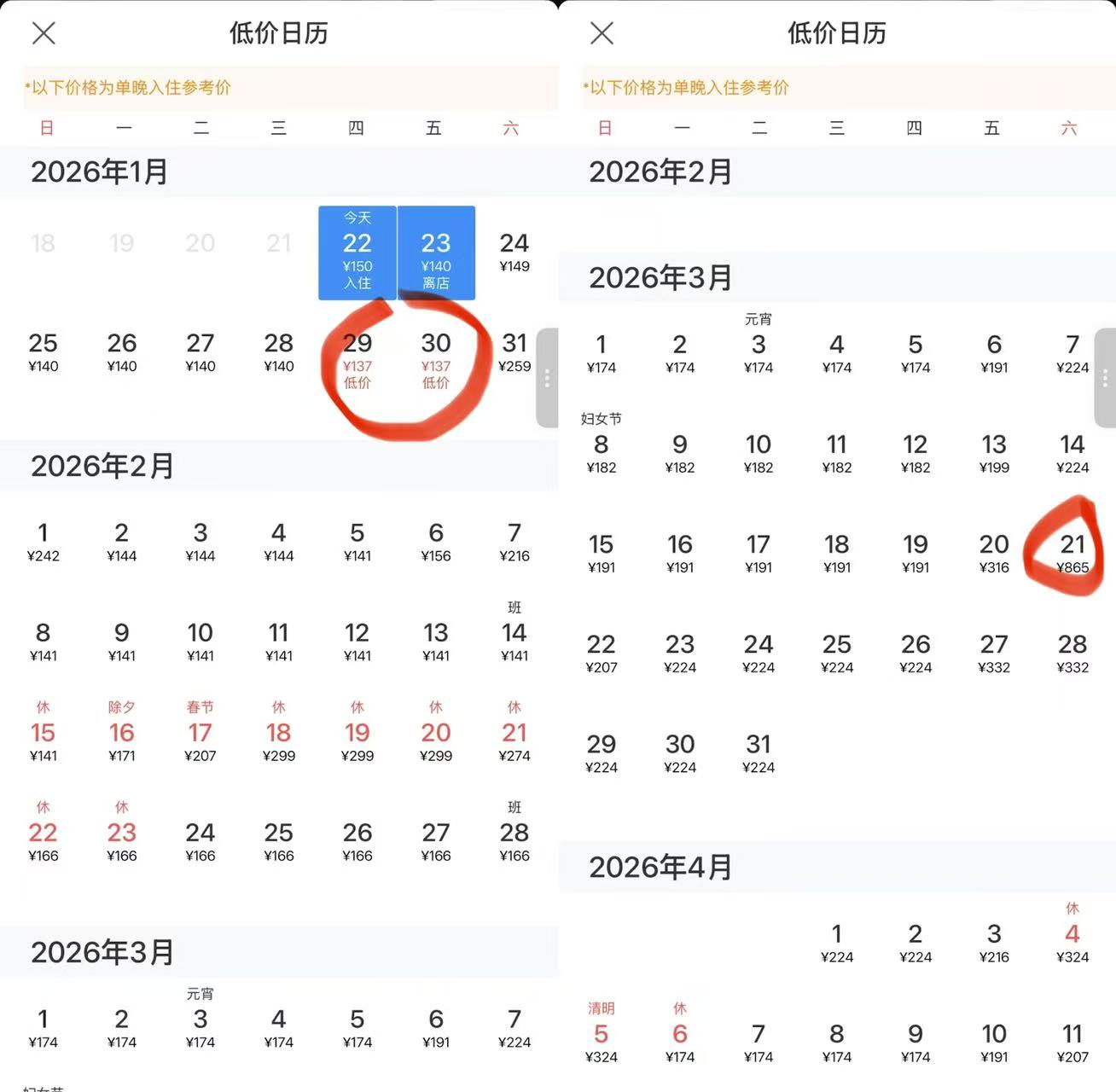
Core Viewpoint - The hotel price surge during the Wuxi Marathon has sparked significant public discussion, with reports of prices increasing several times compared to normal rates, raising concerns about price gouging and regulatory compliance [1][3]. Group 1: Event Overview - The 2026 Wuxi Marathon is scheduled for March 22, attracting 495,635 participants, including 243,803 for the full marathon and 251,832 for the half marathon, with a total event scale of 35,000 participants [1]. - The marathon route starts at the intersection of Taihu Avenue and Yinxiu Road, with the full marathon distance of 42.195 kilometers ending at the Wuxi Taihu International Expo Center [1]. Group 2: Hotel Price Surge - A hotel near the marathon start point saw its price rise from 137 yuan to 865 yuan on the eve of the event, marking an increase of over 500% [1]. - The hotel staff indicated that such price increases are common during marathon events, suggesting a pattern of behavior in the hospitality industry [3]. Group 3: Regulatory Response - The Wuxi Market Supervision Administration has initiated an investigation into potential price gouging by hotels during the marathon, responding to complaints about unfair pricing practices [3][4]. - A notice was issued by local authorities outlining regulations for hotel pricing during the marathon, emphasizing the need for clear pricing and compliance with legal standards [4][5]. Group 4: Market Dynamics - The surge in hotel demand during the marathon is attributed to the influx of out-of-town runners, coupled with the overlap of the event with the local cherry blossom tourism season, leading to increased pressure on hotel availability [4]. - The local government has committed to enhancing oversight of hotel pricing practices, with penalties for non-compliance and a call for responsible pricing behavior from hotel operators [5].

酒店“首店”大战:国际新品牌为何抢滩入华?
3 6 Ke· 2026-01-22 04:07
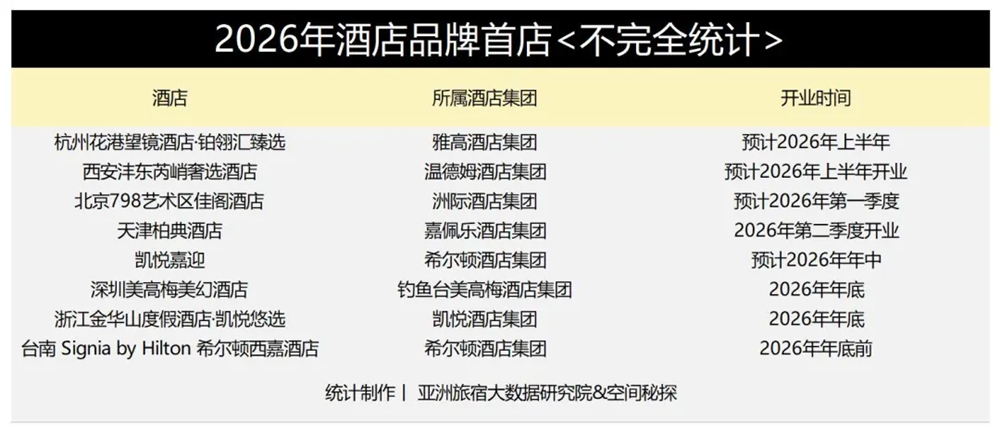
Core Insights - The "first store economy" is expanding from retail to the hotel industry, with the Chinese hotel market expected to become a showcase for international brands by 2026 [1][17] - Major hotel groups are launching new brands in China, with eight new hotel brands expected to open by January 20, 2026 [1][3] Hotel Brand Launches - Garner Hotel by InterContinental Group will open its first store in Beijing's 798 Art District in Q1 2026 [4] - Patina Hotel by Capella will debut in Tianjin's Italian Style Town in Q2 2026 [5] - Hyatt Studios, a new brand by Hyatt, is set to open its first hotel in mid-2026 [6] - Signia by Hilton will open in Tainan by the end of 2026 [6] - Other notable openings include Wyndham's Registry Collection in Xi'an and MGM Mirage in Shenzhen, both expected by the end of 2026 [5][7] Brand Characteristics - Garner focuses on high cost-performance and light asset transformation, allowing owners to retain original building structures while reducing costs [10] - Patina aims to create unique experiences for a younger generation, emphasizing simplicity and design [13] - Signia by Hilton integrates advanced technology and wellness facilities into its offerings [16] Market Dynamics - The "first store economy" is seen as a key driver for consumer engagement and brand visibility, with cities like Shanghai and Beijing actively promoting new brand openings [17][19] - The hotel industry is transitioning from rapid expansion to a focus on quality and unique experiences, necessitating innovation to attract consumers [19][21] Investment Opportunities - New brand openings are viewed as more attractive investment opportunities compared to established brands, offering higher media exposure and potential asset appreciation [20] - Consumers, particularly younger demographics, are increasingly seeking unique hotel experiences that serve as social currency [20]


合肥少荃湖畔将建星级酒店
Xin Lang Cai Jing· 2026-01-21 17:29
据介绍,该项目位于新站高新区荃湖北路与高车路交口东南角,紧邻风景优美的少荃湖畔,总用地面积 约30.7亩,由区属国有公司开发建设,项目对标五星级标准建设装修,主要包含酒店、商业、地下车 库、室外综合配套等,规划总建筑面积7.47万平方米,计划总投资约7.5亿元。 截至目前,已陆续完成项目总平规划设计审批,监理、三检、工程总承包单位的招标工作,前置完成了 酒店运营单位希尔顿企业管理(上海)有限公司合同的签订,预计2028年投入运营,填补片区高端酒店 空白。 记者获悉,该项目将打造成为集住宿、餐饮、会议、娱乐、商务接待、健身休闲于一体的高品质酒店, 提升城市功能品位和综合承载能力,成为新站现代服务业高质量发展新标杆。 (来源:市场星报) 星报讯 1月21日,记者从合肥新站高新区获悉,该区星级酒店项目已完成工程总承包招标工作,正在加 快开展进场施工前各项准备工作,预计2028年投入运营。 ...
2026酒店业新变局:寒冬中探寻突破的持久之道
Sou Hu Cai Jing· 2026-01-21 16:47
Core Viewpoint - The hotel industry is experiencing a dichotomy, with some players struggling while others thrive through innovation in operations and business models, emphasizing efficiency and cash flow health over mere expansion [1][3]. Group 1: Industry Trends - The economic hotel segment is shrinking, with brands like Pudding Hotel and Wan Feng exiting the market, while leading players like Huazhu and Atour are leveraging "stay + retail" and AI technology to enhance their operations [1][3]. - The focus has shifted from opening new locations to improving operational efficiency and innovating business models, as the era of aggressive expansion is over [1][3]. Group 2: Financial Challenges - The hotel industry is capital-intensive, with long payback periods, particularly for mid-range hotels, which now have a return cycle extending to 5-6 years, compounded by tightening financing conditions [3][4]. - Many innovative ideas are hindered by a lack of funding, as hotels face significant financial pressure [3][4]. Group 3: Digital Hotel Solutions - A new digital hotel solution has emerged, aiming to tokenize future revenue rights of hotels into digital equity, allowing public investors to purchase these rights [4][6]. - For example, a hotel with 300 rooms can issue 20,000 digital rights at 2,000 yuan each, generating 40 million yuan in cash without incurring debt, effectively "securitizing" future room revenues [6][7]. Group 4: Benefits of Digital Solutions - This approach provides quick capital for hotels, allowing them to bypass traditional financing routes and directly attract market investment [7][9]. - Tokenizing assets enhances liquidity, enabling holders to transfer rights in a compliant secondary market, thus unlocking the value of previously illiquid assets [7][9]. - The model fosters a win-win ecosystem where equity holders are also long-term customers, enhancing customer loyalty and trust through transparent digital technology [7][10]. Group 5: Future Outlook - With the influx of funds from digital equity sales, hotels can further develop their "stay + retail" offerings, creating more sophisticated environments and products [9][10]. - The integration of AI with clear user profiles and blockchain data can lead to more precise service delivery and automated management of rights [9][10]. - The hotel industry is likely to evolve into a multifaceted value platform that combines investment, consumption, and brand experience, moving beyond traditional accommodation services [10].


无锡马的商业上限,被涨价的酒店锁死了吗?
3 6 Ke· 2026-01-21 10:44
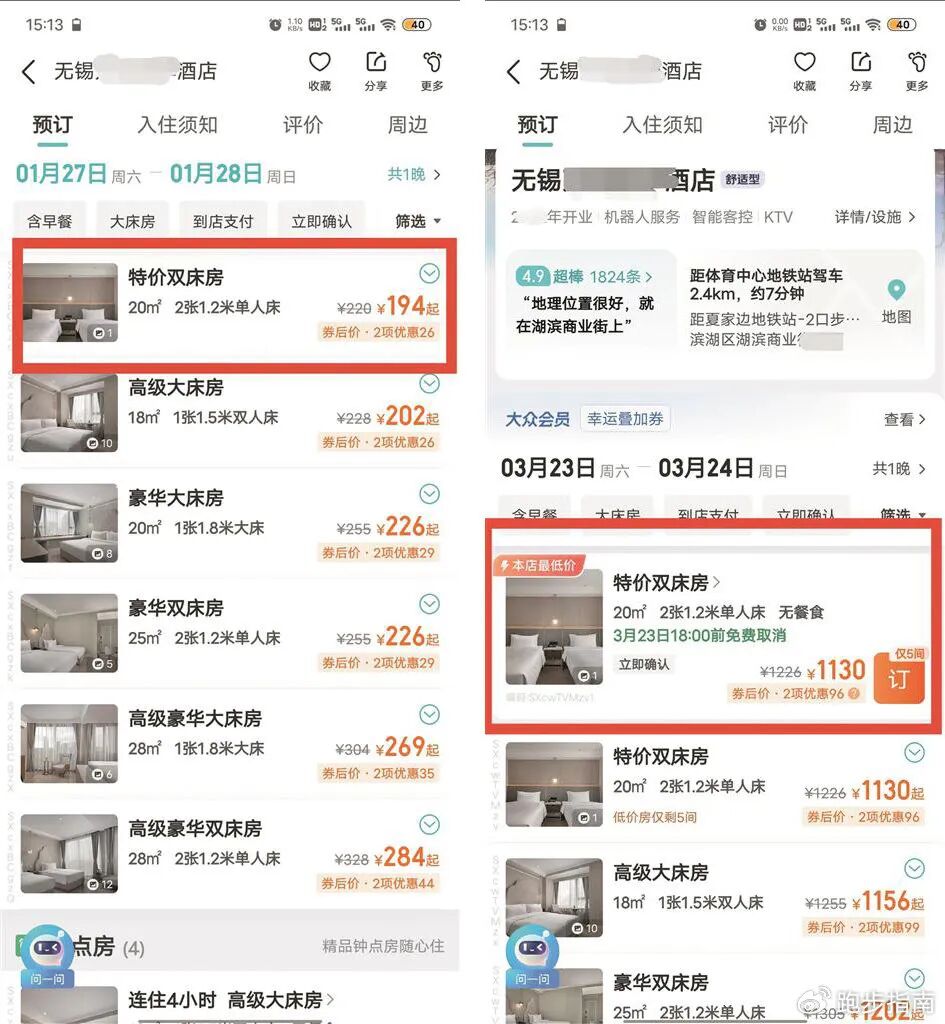
马拉松赛事举办期间,当地城市的酒店价格"飞涨"的新闻早已见怪不怪。但这一次的主角,轮到了过去备受好评的无锡马拉松。 1月5日,2026无锡马拉松抽签结果正式公布。就在许多跑者庆幸自己在495635名跑者中脱颖而出获得参赛资格时,无锡当地酒店价格飞涨,成为了他们最 头疼的问题。甚至有不少中签的跑者表示,因为无锡酒店大涨价,即便是中签了也放弃了跑锡马的想法。 无锡酒店在锡马期间的涨价幅度是多少?体坛经济观察在某OTA平台以起跑点"隐秀路"为关键词搜索时,一如家酒店的平日价格为198元,到了3月21日晚 的价格为766元。值得一提的是,在锡马举办前后的几个周末,这家如家酒店的价格也仅为198元的价格,并没有发生任何变化。 从更大的范围来看,体坛经济观察在小红书平台上搜索发现,吐槽无锡当地酒店涨价的帖文并不是少数。"同一间房平时271元,锡马前一晚872元,涨了3 倍多……"有网友分享并晒出了无锡一酒店的价格日历图。 众多跑者的抱怨也引起了有关部门的积极响应。无锡市市场监管局、市文广旅游局在1月15日发布了《关于规范无锡马拉松期间酒店宾馆价格行为的告知 书》,对酒店宾馆经营行为作出明确要求。 对于不严格遵守规定的无锡 ...
为何大家都在期待万豪收购瑰丽?
3 6 Ke· 2026-01-21 03:22
Core Viewpoint - The potential acquisition of Rosewood Hotel Group by Marriott International, referred to as "Project Pegasus," has garnered significant attention in the capital market, with a deadline for regulatory approval set for February 28, 2026 [1][2]. Group 1: Acquisition Details - The leaked documents suggest that Marriott plans to acquire Rosewood from Chow Tai Fook, with specific timelines and requirements mentioned, despite Chow Tai Fook's swift denial [1]. - Marriott's response to the rumors was non-committal, stating it would not comment on speculation, leaving room for interpretation [2]. - Industry insiders believe that the rumors may have substance, as denials can sometimes be a strategic move until a deal is officially announced [3]. Group 2: Historical Context - Marriott's interest in Rosewood is rooted in a 30-year partnership, dating back to the 1980s when the Zheng family helped Marriott enter the Chinese market [4][5]. - The collaboration has evolved beyond mere business transactions, establishing a long-standing trust that could facilitate the integration process [10]. Group 3: Financial Considerations - Rosewood's parent company, New World Development, is facing severe financial pressure, reporting a loss of approximately HKD 17.126 billion for the 2024 fiscal year and a total debt of HKD 146.488 billion [13][14]. - With a net debt ratio of 98% as of June 2025, New World Development is among the most indebted large developers in Hong Kong, making Rosewood a valuable asset for cash generation [15][16]. Group 4: Strategic Fit - The acquisition aligns with Marriott's strategy to fill gaps in its luxury hotel portfolio, following its history of significant acquisitions to build a comprehensive hotel ecosystem [11]. - Marriott's previous acquisitions, such as the USD 13.6 billion purchase of Starwood Hotels, have expanded its brand matrix and customer base significantly, with over 180 million members in its loyalty program [11][20]. Group 5: Market Dynamics - The hotel industry is currently experiencing a wave of mergers and acquisitions, with major players like Blackstone and BlackRock increasing their investments in hotel assets [28][29]. - Marriott's growth strategy has historically relied on acquisitions, with its hotel count increasing from under 70,000 rooms in 1995 to approximately 1.754 million by September 2025 [34]. Group 6: Future Implications - If the acquisition proceeds, it could signify a transformative moment in the hotel industry, marking the end of one era and the beginning of another, with continued trends toward consolidation and scale [35].


星级酒店经营数据已经断更一年了
36氪· 2026-01-20 13:38
Core Viewpoint - The hotel industry in China has experienced a significant downturn, with a year-long gap in the reporting of star-rated hotel operating data, raising concerns about the industry's current state and future prospects [4][10][12]. Group 1: Industry Performance - The star-rated hotel operating data has not been updated since December 26, 2024, marking a rare one-year hiatus in reporting [6][7]. - In 2024, the accommodation industry with annual revenue exceeding 2 million yuan reported losses totaling 32.02 billion yuan, with tourism hotels accounting for 23.18 billion yuan of this loss [15][16]. - Only Beijing and Shanghai reported profits in the accommodation sector for 2024, with total profits of 2.13 billion yuan and 240 million yuan, respectively [17]. - The average room rate for five-star hotels decreased to 599.72 yuan, a year-on-year decline of 4.78%, with an average occupancy rate of only 60.73% [22]. Group 2: Market Dynamics - The hotel industry is facing intense competition, leading to a significant increase in supply without a corresponding rise in consumer demand [23]. - The number of hotels in China grew from 252,400 in 2021 to 348,700 in 2024, with room numbers increasing from 13.47 million to 17.64 million [25][26]. - Price competition has led to a detrimental cycle of "low price - low quality - even lower prices," severely impacting profit margins [28][30]. Group 3: Structural Challenges - The star-rated hotel evaluation system is becoming increasingly irrelevant, with the number of star-rated hotels declining from 9,861 in 2016 to 7,245 in early 2024 [34][38]. - The star-rated hotel system's complexity and disconnect from current consumer preferences have led many hotels to lose interest in the rating process [40][42]. - The market is shifting towards brand recognition and service quality rather than traditional star ratings, with many hotel groups developing their own rating systems [44][52]. Group 4: Future of Star Ratings - The star rating system is under review, with new standards implemented in 2024 that reduce requirements for less utilized facilities while emphasizing smart technology and cultural promotion [55]. - The evolving market dynamics suggest that the value of star ratings will increasingly depend on market participants rather than official standards [59][60].
入住前7天内取消订单,将扣50%及以上房费!福建泉州旅游协会“指导意见”遭吐槽,当地回应
Mei Ri Jing Ji Xin Wen· 2026-01-20 10:59
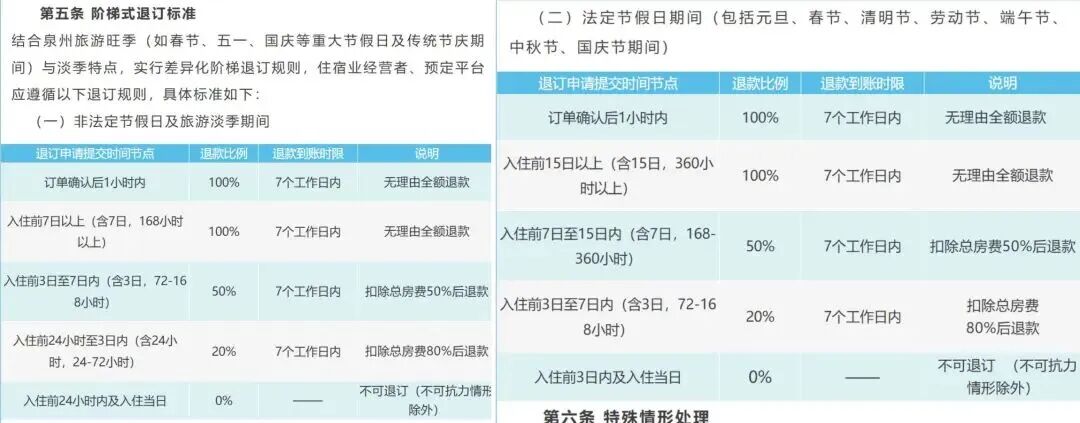
Core Viewpoint - The Quanzhou Tourism Association has issued a new guideline for hotel room booking cancellations, effective from January 15, which introduces a tiered cancellation policy to provide clear instructions for different periods of hotel cancellations [1][5]. Group 1: Cancellation Policy Details - The guideline establishes a differentiated tiered cancellation standard, with full refunds available for cancellations made within 1 hour of booking or more than 7 days before check-in during non-holiday periods [2][3]. - For non-holiday and off-peak periods, the refund policy is as follows: - 100% refund if cancelled within 1 hour of booking or more than 15 days before check-in - 50% refund if cancelled between 7 to 15 days before check-in - 20% refund if cancelled between 3 to 7 days before check-in - No refund for cancellations made within 3 days of check-in [2][3]. - During legal holidays, the cancellation policy is stricter, requiring cancellations to be made more than 15 days before check-in for a full refund, with significant penalties for later cancellations [3]. Group 2: Industry Response and Implications - Several hotels in Quanzhou have acknowledged receipt of the guideline and indicated that they will adhere to the new cancellation rules, although some have noted that online bookings may follow platform-specific rules [4][5]. - The guideline has sparked controversy online, with some consumers expressing concerns that the standards are too strict and may hinder the convenience of booking hotels [4][5]. - The Quanzhou Tourism Association stated that the guideline was developed in response to numerous complaints regarding accommodation disputes, aiming to provide a reference for both businesses and consumers [5].
撬动文旅发展“金杠杆”
Jin Rong Shi Bao· 2026-01-20 02:04
Core Viewpoint - The financial support from institutions like Postal Savings Bank has significantly boosted the development of small and micro cultural tourism enterprises in Anyang, allowing them to transition from small-scale operations to larger, more sustainable business models [1][2]. Group 1: Financial Innovation - The Anyang branch of the People's Bank of China has tailored financial products such as "Yuyou Minshu Loan" and "Yushang Hejiahao" to meet the unique needs of small and micro cultural tourism enterprises, addressing their challenges of being asset-light and having fluctuating operations [2]. - Industrial and Commercial Bank of China (ICBC) Anyang branch has developed a differentiated credit assessment model that reduces reliance on fixed assets, providing specialized loans for hotel upgrades, resulting in a 77% occupancy rate during off-peak seasons and annual revenue exceeding 12 million yuan [2]. Group 2: Key Project Leadership - The Anyang branch of the People's Bank of China has identified key projects with leading roles in the cultural tourism sector, providing tailored financing packages to enhance regional cultural tourism resources [3]. - A loan of 770 million yuan was allocated to key projects like the "Red Flag Canal Taihang Mountain" themed performance, which has achieved over 90% attendance per show, becoming a significant cultural tourism landmark [3]. Group 3: Comprehensive Financial Support - Financial institutions have collaborated with local cultural tourism departments to provide 350 million yuan in loans for the renovation of key tourist attractions, leading to over 20% growth in visitor numbers during peak seasons [4]. - The implementation of key projects has positively impacted related industries such as accommodation and dining, with retail sales in Linzhou's accommodation and dining sectors increasing by 25% year-on-year [4]. Group 4: Full Chain Empowerment - The Anyang branch of the People's Bank of China has extended financial services throughout the cultural tourism industry chain, including support for urban commercial areas and rural agricultural tourism [5]. - A loan of 20 million yuan was provided to enhance the Jingxin Shopping Plaza, which has seen significant increases in foot traffic and sales after the upgrade [5]. - The financial support has also facilitated the growth of local agricultural products, with annual sales reaching 80 million yuan for products like "Dahongpao" pepper and "Taihang Chrysanthemum" tea [5]. Group 5: Economic Impact - Anyang's cultural tourism revenue has consistently grown at an average annual rate of 13% over the past three years, demonstrating the transformative effect of financial support on the local economy [6]. - The cultural tourism sector has become a vital engine for regional economic activation and a crucial link between urban and rural development [6].
酒店-供需驱动-结构优化-酒店行业景气度上行
2026-01-20 01:50
Summary of Hotel Industry Conference Call Industry Overview - The hotel industry is experiencing an upward trend driven by supply-demand dynamics and structural optimization, with a significant mismatch in supply and demand in 2023 due to a post-pandemic demand surge while supply lagged behind, leading to increased Average Daily Rates (ADR) [1][2] - The chain hotel rate in China is approximately 40%, lower than over 70% in the U.S., indicating potential for growth in the chain hotel segment, particularly in the economy sector [1][10] Key Insights - **Supply and Demand Dynamics**: The pandemic caused a significant reduction in hotel supply, with recovery to pre-pandemic levels only occurring in 2023 and 2024. The mismatch in supply and demand has led to a notable increase in ADR, attracting single hotels back into the market, which disrupts the chain rate [2][4] - **Challenges Facing the Industry**: The hotel industry faces challenges such as oversupply, deteriorating operations, and intense competition. Single hotels are heavily reliant on Online Travel Agencies (OTAs) for customer acquisition, facing high commission rates, while large chain hotels are reducing dependence on OTAs through proprietary channels [5][6][8] - **Investor Sentiment**: Despite low returns, investors are attracted to the hotel industry due to stable cash flows, reasonable payback periods (5-6 years, with some regions achieving 4 years), and opportunities for property transformation [5][9] Performance of Major Brands - **Huazhu Group**: The group operates approximately 11,000 to 12,000 stores, with improvements in RevPAR for its economy brands (Hanting, Haiyou) and mid-to-high-end brand (Quanjing) in Q4 2026. However, most other brands have not shown recovery, indicating that the recovery is not widespread across the industry [12][14] - **Investment Returns**: There are significant differences in returns when investing in different hotel brands. For instance, Quanjing has shown higher premiums compared to Jinjiang's Vienna brand, which has performed poorly [13] Future Trends and Recommendations - **Chain Rate Trends**: The chain rate is expected to continue growing, particularly in the luxury and mid-to-high-end segments, while the economy segment may see a decline due to the influx of single hotels [4][9] - **Impact of Policy Changes**: Upcoming policy changes, such as the potential expansion of holiday systems, are expected to positively impact travel and hotel demand, creating more opportunities for the industry [17] - **Recommendations for Investors**: Focus on large chain brands like Huazhu, which have shown strong growth potential. However, due to Huazhu not being available on the Hong Kong Stock Connect, investors are recommended to consider Shoulv, which is showing positive trends [18][19] Conclusion - The hotel industry is in a stabilization phase, with signs of recovery in select brands. However, the overall recovery is not expected to be uniform across the industry, and competition is likely to intensify as single hotels engage in price wars. Investors should prioritize large chain brands with strong growth momentum for future investments [20]