AI医疗

Search documents
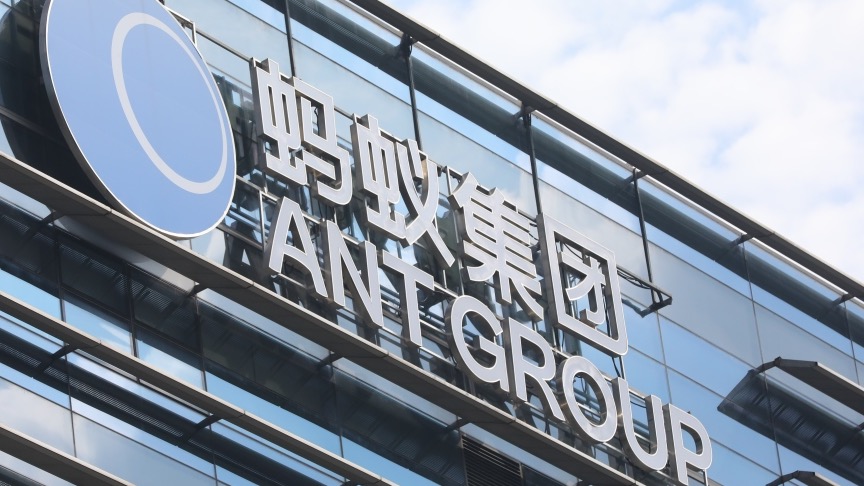
【大涨解读】医药:“蚂蚁阿福\"冲榜点燃市场,AI健康应用爆发,有望重构医疗服务流程
Xuan Gu Bao· 2025-12-18 02:43
Group 1: AI Healthcare and Medical Technology - The AI healthcare sector is experiencing significant growth, with companies like Meinian Health and Luyuan Pharmaceutical seeing consecutive gains, indicating strong market interest and potential [1] - Ant Group's AI health application "Antifufu" has been upgraded, achieving over 15 million monthly active users and ranking third on the Apple app store, showcasing the consumer market's potential for AI healthcare applications [3] - The National Health Commission of China has outlined plans for the development of AI in healthcare, aiming for widespread implementation of intelligent assistance in grassroots medical services by 2030 [3] Group 2: Brain-Computer Interface (BCI) Developments - The second clinical trial of an invasive brain-computer interface has shown progress, achieving a breakthrough in three-dimensional interaction with a latency of under 100 milliseconds, which is crucial for practical applications [3] - The global orthopedic robotics market is projected to reach 56.74 billion yuan by 2030, with a rapid growth rate in the domestic market, indicating a strong future for BCI technology in rehabilitation and treatment of neurological disorders [4] - The integration of BCI technology with AI is expected to create significant growth opportunities, benefiting various segments of the supply chain, including neural sensors and rehabilitation devices [4] Group 3: Market Trends and Investment Opportunities - The medical health sector is witnessing a recovery in procurement amounts, with a 34% year-on-year increase in the first three quarters of 2025, indicating a positive trend for industry performance [4] - AI healthcare and brain-computer interfaces are emerging as attractive investment opportunities, supported by favorable policies and capital interest, allowing companies to capture market share through technological advantages [4]


蚂蚁健康事业群总裁张俊杰:「蚂蚁阿福」不会取代医生
36氪未来消费· 2025-12-17 12:39
作者 | 彭倩 编辑 | 乔芊 大厂"AI to C"的入口之战打得焦灼之际,蚂蚁也大手笔入场。 蚂蚁集团近日将旗下的AI健康 APP「AQ」改名为更接地气的「蚂蚁阿福」,新版本还将以"健康陪伴"为核心功能,也提供"健康问答"、"健康服务",将服 务范围从医疗扩张至健康领域。全新升级的蚂蚁阿福是一个亲切的男医生形象,还找来何炅做代言人。 蚂蚁10多年来积累的医疗服务能力,要通过AI的方式重做一遍。 蚂蚁阿福这轮升级有两个关键转变:从医疗到健康,从 AI 工具到 AI 朋友。关于后者,张俊杰(花名:伟鹤)等蚂蚁阿福高管认为,不同于蚂蚁从前推出 的诸多AI医疗产品,拟人化的蚂蚁阿福更像朋友,这在于移动互联网的时代产品和AI时代产品天然就应该长得不一样,要从"你问我答"到"主动关怀"。 蚂蚁阿福也并非抱着要取代医生的野心,而是希望"打辅助",通过 AI 来简化普通老百姓看病的流程,也为医生减负。同时将"健康陪伴"作为核心定位,是 希望蚂蚁阿福"能让用户不生病",不用动用医疗资源,因为用户预防疾病的需求其实相当旺盛。 09:18 4 ... 阿福 8 智能体 Cx Hello~ + 心睛自然身体好 l 我的健康 六万 ...

指数终于上涨了!工业金属与贵金属共振,跨年行情布局正当时
Sou Hu Cai Jing· 2025-12-17 07:07
Market Analysis - The market is experiencing a significant downturn, with over 90% of trading days showing more than 4,000 stocks declining, indicating a stampede phenomenon [2] - There is a lack of clear support from major funds, and small-cap stocks are showing notably weaker performance [2] - The upcoming annual report disclosures are raising caution, particularly for ST stocks and underperforming stocks [2] Industry Insights - The introduction of national policies is positively impacting the non-ferrous metals industry, with the "Non-Ferrous Metals Industry Stabilization and Growth Work Plan (2025-2026)" aimed at promoting high-quality development and enhancing supply chain resilience [2] - The second half of the year remains in a loose monetary cycle, with some metal fundamentals trending positively, suggesting a potential rise in non-ferrous metal prices [2] - The focus for next year will shift from interest rate cuts to growth in industrial demand, providing a fundamental support for the sector [2] Stock Performance - The three major indices opened mixed, with over 3,000 stocks declining at the start of trading [3] - The tungsten market is experiencing a rapid price increase, with tungsten concentrate prices exceeding 400,000 yuan per ton and APT prices surpassing 600,000 yuan per ton [3] AI and Nuclear Fusion Sectors - The AI healthcare sector is seeing significant activity, with companies like Meian Health reaching a trading limit, indicating strong market interest [4] - The nuclear fusion sector is also gaining traction, with multiple projects announced, totaling over 2.4 billion yuan in contracts [4] Market Predictions - The Shanghai Composite Index appears to have halted its decline, but the trading volume remains low, indicating a weak market sentiment [6] - The ChiNext Index is stabilizing near the 20-day moving average, with a critical support level at 3,080 points [6] - Without protective measures or significant recovery in external markets, the likelihood of further index declines is high [6] Investment Opportunities - Foreign institutions are optimistic about China's assets for 2026, citing profit growth and innovation as key drivers for a rebound [13] - Long-term foreign capital has shown a positive inflow into the Chinese stock market, contrasting with previous outflows [13] - The non-ferrous metals sector is expected to benefit from structural opportunities, particularly in copper and aluminum, driven by industrial demand [13] Economic Context - The Federal Reserve's recent interest rate cut and plans to purchase short-term government bonds have led to a decline in the dollar index, positively affecting non-ferrous metal prices [14] - The ongoing bull market for base metals is supported by supply constraints and rising prices for metals like silver and copper [14] Strategic Focus - The non-ferrous metals industry is positioned as a key area for investment, particularly in the context of technological advancements and the "anti-involution" policy [15] - The sector is characterized by stable demand across various industries, making it less susceptible to economic cycles [15] - Investing in undervalued non-ferrous metal companies can provide significant upside potential, especially during inflationary periods [15]

A股午评:创业板半日涨1.21%重回3100点上方,锂电产业链全线反弹,“易中天”三巨头走高
Jin Rong Jie· 2025-12-17 03:41
12月17日,A股三大股指震荡走高,截止午盘,沪指涨0.17%报3831.43点,深成指涨0.83%报13021.35 点,创业板指涨1.21%报3108.8点,科创50指数涨0.32%报1297.49点;沪深两市半日成交额1.02万亿,全 市场超3700只个股下跌。 盘面上热点快速轮动,锂矿概念走强,金圆股份4天2板,盛新锂能涨停。电解液概念震荡反弹,天际股 份涨停。算力硬件概念表现活跃,环旭电子涨停,"易中天"光模块三巨头集体上涨。零售、乳业概念探 底回升,庄园牧场直线涨停,利群股份2连板。下跌方面,高位股大面积退潮,博纳影业、太阳电缆、 中源家居触及跌停。 热门板块 液冷服务器概念走强 液冷服务器概念延续强势,飞龙股份2连板,英维克涨停,奕东电子领涨,科创新源、欧陆通、大元泵 业、思泉新材涨幅靠前。 消息面上,第五届国际AIDC液冷供应链千人峰会暨·国际数据中心液冷市场趋势分析会将于12月18 日-19日召开。据媒体报道,近两年全球的AI巨头已开始拥抱液冷。以英伟达为例,去年在B100、H200 芯片上,就正式从风冷散热升级为液冷散热。 能源金属拉升 能源金属拉升,盛新锂业、天齐锂业、融捷股份、赣锋锂业 ...

“机、人、生态”三维重塑医疗:解码平安好医生(1833.HK)AI医疗增长范式
Ge Long Hui· 2025-12-17 02:37
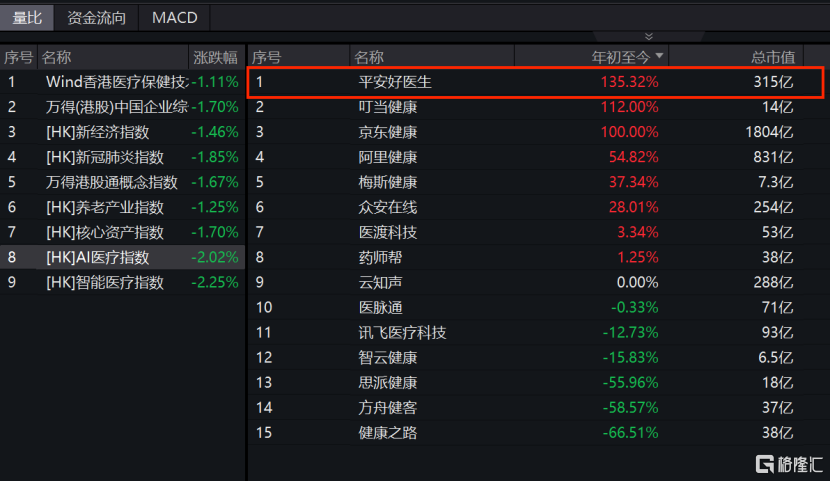
Core Insights - The article highlights the rapid transformation of the healthcare industry through AI, particularly focusing on the success of Ping An Good Doctor (1833.HK), which has achieved over 135% growth in the Hong Kong stock market this year, making it a leader in the AI healthcare sector [1][6]. Industry Overview - The integration of AI into the healthcare sector is seen as a critical area, with significant implications for efficiency and health outcomes [1]. - The Chinese AI healthcare market is projected to reach 115.7 billion yuan by 2025 and 159.8 billion yuan by 2028, with a stable compound annual growth rate of 10.5% from 2022 to 2028 [5]. Policy Support - The Chinese government has officially recognized the integration of AI with the real economy as a national strategy, with specific goals set for AI applications in healthcare by 2027 and 2030 [3][4]. Company Analysis: Ping An Good Doctor - Ping An Good Doctor has developed a comprehensive "machine + human + ecosystem" model, distinguishing itself from other platforms that primarily focus on e-commerce or single online services [7][8]. - The company utilizes its proprietary "Ping An Medical Assistant" model, trained on extensive medical databases and online consultation data, to offer a diverse range of AI healthcare products [8]. - The AI-driven model emphasizes human-machine collaboration, enhancing the quality and efficiency of medical services, with reported improvements in treatment accuracy and cost reductions [9][10]. Competitive Advantage - Ping An Good Doctor benefits from a robust ecosystem supported by the Ping An Group, which includes a vast network of healthcare providers and resources, enhancing its service delivery capabilities [10][11]. - The company's revenue structure is diversified, with significant contributions from medical services, health services, and elderly care, contrasting with competitors heavily reliant on drug sales [12]. Market Sentiment and Valuation - Institutional investors have shown strong interest in Ping An Good Doctor, with significant net inflows and increased stock holdings, indicating a positive market sentiment [15][19]. - Analysts have recognized the strategic positioning of the company within the healthcare and insurance sectors, leading to upward revisions in target prices by various brokerage firms [20][22]. Conclusion - The article concludes that Ping An Good Doctor's unique approach and integration of AI into healthcare not only positions it favorably in the market but also sets a benchmark for sustainable growth and innovation in the industry [25].
000688、000546,开盘快速涨停
Shang Hai Zheng Quan Bao· 2025-12-17 02:28
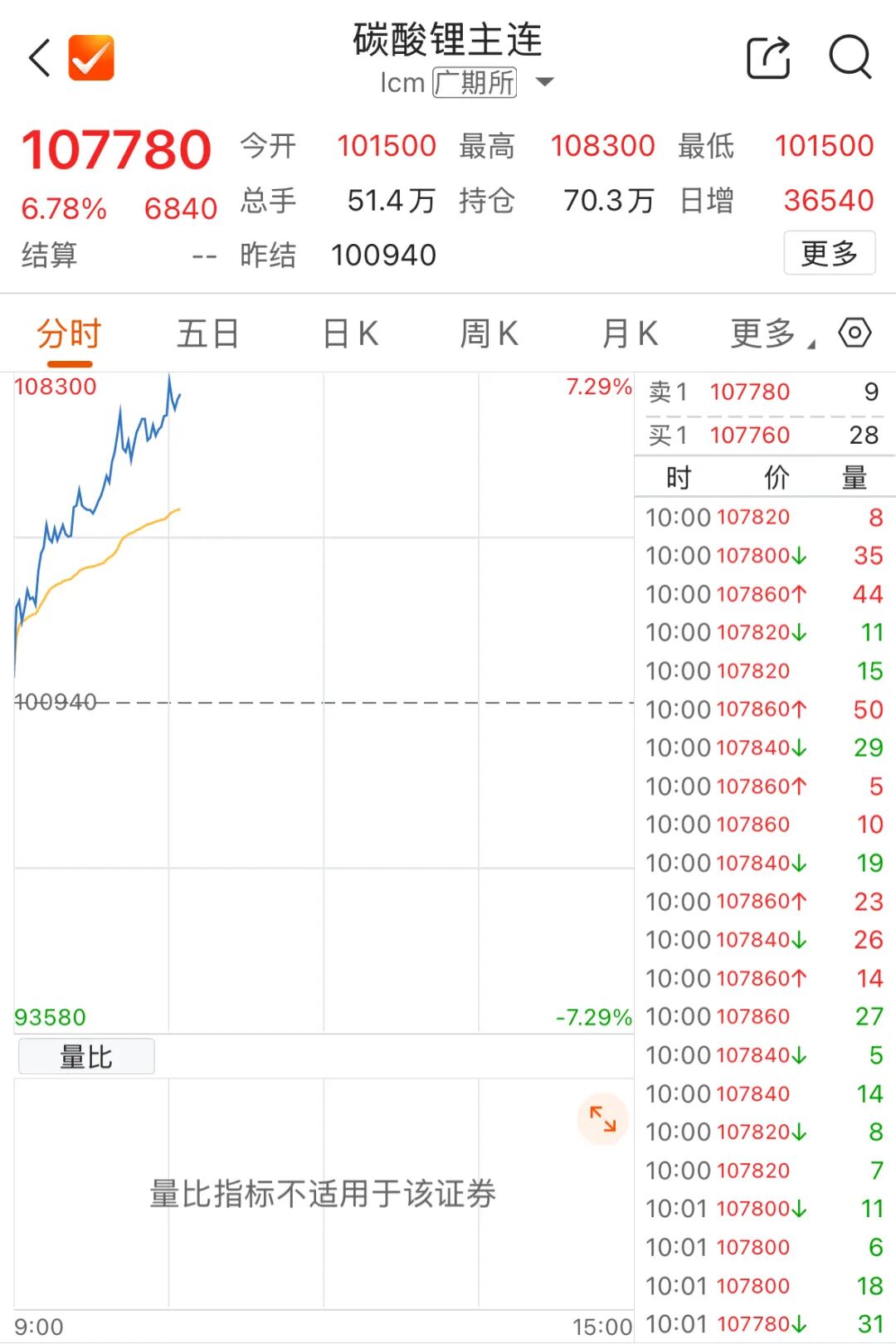
Group 1: Lithium Mining Sector - Lithium mining stocks saw a significant rise, with Guocheng Mining (000688) and Jinyuan Co. (000546) hitting the daily limit up, while Dazhong Mining, Shengxin Lithium Energy, and Salt Lake Co. also experienced gains [1] - In the Hong Kong market, lithium battery stocks strengthened, with Ganfeng Lithium rising over 5% and Tianqi Lithium increasing more than 4% [1] - The main contract for lithium carbonate on the Shanghai Futures Exchange surged by over 7% at one point, closing with a gain of 6.78% [1] Group 2: Company Performance - Guocheng Mining (000688) had a trading volume of 155,000 shares, with a total market value of 29.67 billion [4] - Jinyuan Co. (000546) opened at 6.75, reaching a high of 6.75 and a low of 6.35, with a trading volume of 543,000 shares and a market value of 5.249 billion [5]


A股开盘:沪指微跌0.06%、创业板指涨0.03%,锂矿及贵金属概念股走高,N沐曦上市首日高开568.83%
Jin Rong Jie· 2025-12-17 01:36
Market Overview - On December 17, A-shares showed mixed performance with the Shanghai Composite Index down 0.06% at 3822.51 points, while the Shenzhen Component Index rose 0.1% to 12927.39 points, and the ChiNext Index increased by 0.03% to 3072.62 points [1] - Key sectors such as aquaculture, lithium mining, and precious metals opened higher, while the film and commercial aerospace sectors experienced adjustments [1] Company News - Shengyang Technology's subsidiary FTA signed a cooperation agreement for a South American project with a leading satellite company based in Europe, which has capabilities in satellite network layout [2] - Aerospace Information's main business does not involve commercial aerospace, focusing instead on digital tax and smart business products [2] - China Energy Construction's global largest green hydrogen ammonia integrated project, the Songyuan Hydrogen Energy Industrial Park, commenced production, with an annual capacity of 45,000 tons of green hydrogen and 200,000 tons of green ammonia and methanol [3] - Silan Microelectronics' 12-inch high-end analog integrated circuit chip manufacturing project has received investment approval, with a total investment of 10 billion yuan [3] - China General Nuclear Power's joint venture has begun construction on the Ningde No. 6 nuclear power unit, utilizing the Hualong One technology with a capacity of 1210 MW [3] Industry Insights - The National Development and Reform Commission emphasized the need to implement a strategy to expand domestic demand, focusing on enhancing consumer willingness and capacity [6] - The AI health application sector is experiencing explosive growth, with Ant Group's "Antifortune" app reaching over 15 million monthly active users [11] - The storage chip market is facing a severe supply-demand imbalance, with SK Hynix warning of a continued DRAM shortage until 2028, which is more severe than previous forecasts [8] - The commercial real estate market is under pressure, with a 17.3% year-on-year decline in sales area in November, although the decline rate has narrowed compared to October [15]
AI医疗板块12月16日跌0.98%,思创医惠领跌,主力资金净流出8252.25万元
Sou Hu Cai Jing· 2025-12-16 09:41
从资金流向上来看,当日AI医疗板块主力资金净流出8252.25万元,游资资金净流出8136.03万元,散户 资金净流入1.64亿元。AI医疗板块个股资金流向见下表: 证券之星消息,12月16日AI医疗板块较上一交易日下跌0.98%,思创医惠领跌。当日上证指数报收于 3824.81,下跌1.11%。深证成指报收于12914.67,下跌1.51%。AI医疗板块个股涨跌见下表: 以上内容为证券之星据公开信息整理,由AI算法生成(网信算备310104345710301240019号),不构成 投资建议。 ...


“蚂蚁阿福”超半数用户来自三线以下城市
第一财经· 2025-12-16 06:31
Core Viewpoint - Ant Group's AI health application "AQ" has been upgraded to "Ant Aifu," with over 15 million monthly active users, highlighting its significant reach in lower-tier cities and its role in transforming the healthcare sector from low-frequency to high-frequency user engagement [3][5]. Group 1: Application and User Engagement - The AI health application has attracted 55% of its users from third-tier cities, showcasing its inclusive nature [3]. - Dr. Duan Tao from Shanghai Oriental Hospital has launched an "AI avatar" on the Ant Aifu app, receiving 160,000 consultations, indicating the app's effectiveness in addressing common pregnancy-related inquiries [4]. - Over 500 renowned doctors have established their "AI avatars" on the platform, collectively answering over 27 million health inquiries, demonstrating the app's extensive user engagement [5]. Group 2: Market Potential and Strategic Moves - Ant Group has restructured its digital healthcare division into a "Health Business Group," emphasizing its commitment to the health industry, which is projected to exceed 20 trillion RMB by 2025 [5]. - The shift towards AI health management applications is seen as a historic opportunity to meet diverse health needs as traditional models struggle to keep up [5]. Group 3: Competitive Landscape and Future Outlook - The competition in the AI health application sector is intensifying, with tech companies vying for data entry points from both hospitals and patients to convert infrequent medical interactions into frequent health consultations [6]. - Recent funding activity in the AI healthcare sector indicates a vibrant investment landscape, with companies like Noah AI and SenseTime Medical securing significant financing, although many still lack clear profitability paths [6]. - Experts emphasize the need for AI tools to evolve beyond single-point assistance to become integral to the healthcare ecosystem, enhancing their value through comprehensive data accumulation and analysis [7].
“蚂蚁阿福”超半数用户来自三线以下城市,段涛等名医已开设“AI分身”
Di Yi Cai Jing· 2025-12-16 04:42
Core Insights - The core viewpoint of the articles highlights the significant role of AI health applications, particularly the upgraded "Ant Fortune" app, in transforming healthcare consultations, especially in the context of pregnancy-related inquiries and enhancing male participation in the process [1][3]. Group 1: AI Health Application Development - The "Ant Fortune" app has over 15 million monthly active users, with approximately 55% from lower-tier cities, showcasing its inclusive nature [1]. - AI applications are increasingly seen as a solution to repetitive inquiries in healthcare, with 70% of offline consultations related to basic lifestyle questions during pregnancy [3]. - The app has attracted 160,000 consultations for its AI avatar of Dr. Duan Tao, a prominent obstetrician, indicating a growing acceptance of AI in healthcare [3]. Group 2: Market Potential and Strategic Moves - The Chinese health industry is projected to exceed 20 trillion RMB by 2025, presenting a significant opportunity for AI health management applications [3]. - Ant Group has upgraded its "Digital Health Division" to a "Health Business Group," emphasizing its commitment to the health sector as a strategic pillar [3]. - The competition in the AI health application space is intensifying, with tech companies vying for data entry points from both hospitals and patients to convert infrequent medical interactions into frequent health consultations [4]. Group 3: Investment and Innovation - The AI medical sector has seen active financing, with companies like Noah AI and SenseTime Medical securing substantial funding, indicating investor confidence in the sector's growth potential [4]. - Despite the funding activity, many AI medical companies have yet to establish clear profit pathways, necessitating the development of competitive and differentiated products to justify their valuations [5]. - Experts emphasize the need for AI tools to evolve beyond simple assistance to become integral to the healthcare system, requiring the accumulation of complex data for improved problem-solving capabilities [5].