
公募基金

Search documents
首席点评:公募基金规模首破36万亿
Shen Yin Wan Guo Qi Huo· 2025-09-26 02:08
1. Report Industry Investment Ratings - **Bullish Outlook**: Crude oil, methanol, gold, silver, copper, iron ore, corn, lithium carbonate [6] - **Bearish Outlook**: Zinc, cotton, apple, soybean meal, rapeseed meal, stock index (IH, IF, IC, IM) [6] 2. Core Views of the Report - The scale of China's public - offering funds has exceeded 36 trillion yuan, with bond funds slightly decreasing due to the stock - bond seesaw effect. The US GDP growth rate in Q2 was revised up, and the PCE price index indicated persistent inflation. The market's expectation of a rate cut in October has cooled [1]. - For the stock index, September was more volatile, in a high - level consolidation phase after continuous growth. The long - term strategic allocation period of the Chinese capital market has just begun. The CSI 500 and CSI 1000 are more offensive, while the SSE 50 and SSE 300 are more defensive [2][12]. - The SC crude oil rose slightly at night. Russia will ban diesel exports and extend the gasoline export ban. The global decline rate of oil and gas field production has accelerated. Future OPEC production increase should be monitored [3][14]. - The glass futures continued to rebound, and the supply - demand situation was slowly improving. The inventory of glass and soda ash was being digested. Attention should be paid to autumn consumption and policy changes [4][18]. 3. Summary by Directory 3.1 Main News of the Day 3.1.1 International News - The US GDP in Q2 was revised up to an annualized quarter - on - quarter growth of 3.8%, and the core PCE price index was revised up to 2.6% [7]. 3.1.2 Domestic News - The Ministry of Commerce included three US entities in the export control list and three Taiwan - related US entities in the unreliable entity list [8]. 3.1.3 Industry News - The China Non - Ferrous Metals Industry Association proposed measures to control the expansion of copper smelting capacity, and relevant departments are studying regulatory measures [9]. 3.2 Daily Returns of External Markets - The FTSE China A50 futures, ICE Brent crude oil, London gold, London silver, ICE No. 11 sugar, CBOT soybeans, CBOT wheat, CBOT corn, and CBOT soybean oil all rose, while LME copper and CBOT soybean meal fell [11]. 3.3 Morning Comments on Major Varieties 3.3.1 Financial Products - **Stock Index**: After the decline of US indices, the previous trading day's stock index rebounded. The financing balance increased. In the long - term, the strategic allocation period of the Chinese capital market has started [2][12]. - **Treasury Bonds**: Treasury bonds rebounded after hitting the bottom. The central bank continued to inject medium - term liquidity. The domestic economic situation was still in adjustment. With the Fed's rate cut, the central bank's policy space has increased, but policy adjustment needs central government deployment. It is recommended to be bearish on long - term bonds and neutral on short - term bonds [13]. 3.3.2 Energy and Chemical Products - **Crude Oil**: SC crude oil rose slightly at night. Russia restricted fuel exports, and the global decline rate of oil and gas field production accelerated. Future OPEC production increase should be monitored [3][14]. - **Methanol**: Methanol fell at night. The average operating load of coal - to - olefin plants increased, and the coastal inventory decreased. It is short - term bearish [15]. - **Rubber**: Rubber prices fell slightly. Supply may increase, the bonded area inventory decreased, and tire production increased. It is expected to fluctuate within a range [16]. - **Polyolefins**: Polyolefins rebounded slightly. Prices follow the cost, and future demand and supply policies should be monitored. It may fluctuate within a low - level range [17]. - **Glass and Soda Ash**: Glass futures continued to rebound, and the supply - demand situation was slowly improving. The inventory of glass and soda ash decreased. Attention should be paid to autumn consumption and policy changes [4][18]. 3.3.3 Metals - **Precious Metals**: Gold's upward trend paused. The Fed's rate - cut stance was cautious, but the rate - cut prospect was clear. The long - term driver for gold was still there, but there was short - term adjustment [20]. - **Copper**: Copper prices fell at night. The Indonesian mine accident may lead to a supply - demand gap, which will support copper prices in the long - term. Attention should be paid to the US dollar, smelting output, and downstream demand [21]. - **Zinc**: Zinc prices rose slightly at night. The smelting output may increase, and the short - term supply may be in surplus. It may fluctuate weakly within a range [22]. - **Lithium Carbonate**: Weekly production increased. Inventory was being digested rapidly. It may fluctuate in the short - term, and the actual situation of projects in Jiangxi should be monitored [23]. 3.3.4 Black Metals - **Coking Coal and Coke**: The night - session prices were weak. The fundamentals of finished steel products improved, and the prices are expected to fluctuate at a high level [25]. - **Iron Ore**: Steel mills resumed production, and iron ore demand was supported. Global iron ore shipments decreased, and port inventory decreased rapidly. It is expected to fluctuate strongly [26]. - **Steel**: The profitability of steel mills remained stable, and supply pressure increased. The supply - demand contradiction was not significant, and the market is expected to be bullish, with hot - rolled coils stronger than rebar [27]. 3.3.5 Agricultural Products - **Protein Meal**: Soybean meal fell at night, and rapeseed meal was strong. Argentina temporarily cancelled export taxes, but the exemption period ended early. Domestic soybean meal may fluctuate at a low level [28]. - **Edible Oils**: Edible oils were strong at night. The impact of floods in Malaysia on palm oil production was limited. After digesting the negative news of Argentina's tax cancellation, oil prices rebounded [29]. - **Sugar**: International sugar prices are expected to be weak, while domestic sugar prices are supported by low inventory but pressured by imports. Zhengzhou sugar may fluctuate after a rebound [30]. - **Cotton**: ICE cotton prices rose slightly. International supply pressure still exists, and domestic new - cotton purchase is in focus. Cotton prices are expected to fluctuate weakly [31]. 3.3.6 Shipping Index - **Container Shipping to Europe**: The EC rebounded. Shipping companies signaled post - holiday price support, but success depends on cargo volume and capacity control. It is expected to fluctuate in the short - term [32].
中邮基金张志名:践行金融为民理念 筑牢高质量发展根基
Xin Lang Ji Jin· 2025-09-26 02:01
Core Viewpoint - The article discusses the launch of a series of activities aimed at promoting the high-quality development of public funds in Beijing, emphasizing the importance of investor-centric principles and the need for industry transformation [1] Group 1: Industry Transformation - The public fund industry in China is shifting from a scale-oriented approach to one that prioritizes investor interests, addressing issues such as short-term focus and lack of diverse investment strategies [2] - Regulatory reforms are guiding the industry towards a "triple transformation": from scale orientation to prioritizing holder interests, from homogenized expansion to specialized development, and from channel business to active management [2] - The top ten fund companies control approximately 40% of the total market size, creating a competitive landscape where smaller firms must find differentiated paths to survive [2] Group 2: Challenges and Opportunities - The core change driven by the action plan is the establishment of a performance-linked floating management fee mechanism, incentivizing fund companies to align their interests with those of investors [3] - The action plan mandates that at least 80% of the assessment weight for fund performance should focus on medium to long-term returns, linking key personnel compensation to fund performance [3] - The rapid expansion of passive funds is pushing for enhanced active management capabilities, necessitating a deeper understanding of macroeconomic and industry trends [3] Group 3: Company Practices - The company is focusing on "fixed income plus" products, which combine stable fixed income assets with equity investments to enhance returns and provide a reliable investment option for investors [4][5] - The company has successfully built a diverse and rigorous "fixed income plus" product system, achieving significant growth in both scale and performance since 2025 [5] Group 4: Governance and Risk Management - The company integrates party leadership into its governance structure, emphasizing the importance of political, organizational, and ideological construction to enhance governance effectiveness [6] - The company promotes a culture of compliance and risk awareness among employees, aiming to create a transparent and disciplined environment [6] Group 5: Investor Education - The company is transforming its investor education approach from a one-size-fits-all model to a more tailored strategy that addresses the specific needs of different investor segments [7] - The company engages in social welfare initiatives, particularly in education and poverty alleviation, to enhance financial literacy and support disadvantaged groups [7] Group 6: Future Outlook - The company aims to align its development with national strategies and the real economy, focusing on "fixed income plus" products and enhancing its product offerings to meet diverse investor needs [8] - The company seeks to play a role in optimizing industrial structures and supporting the real economy's high-quality development, contributing to national economic goals [8]
以投教实践诠释高质量发展内涵 东方基金探索“数字+陪伴”投教模式
Zhong Zheng Wang· 2025-09-25 12:12
Group 1 - The core theme of the initiative is "New Era. New Fund. New Value," aimed at promoting the transformation and upgrading of the public fund industry in Beijing [1] - The initiative involves over 40 public fund managers, sales institutions, evaluation agencies, and mainstream media, focusing on enhancing the service capabilities of the public fund industry to the real economy [1] - The activities will last for more than a month and include multi-level and multi-form promotions and interactions [1] Group 2 - Dongfang Fund actively participates in the initiative, showcasing a systematic, scenario-based, and digital strategic layout in investor education [1] - The company has developed a comprehensive investor education system that covers multiple groups and scenarios, integrating online and offline approaches [1] - Online, Dongfang Fund collaborates with major internet platforms to launch a series of courses, reaching over 20,000 users on leading platforms [1] Group 3 - Offline, Dongfang Fund explores a new model that integrates investor education with industry research, helping investors understand investment concepts through tangible industry insights [1] - Looking ahead, Dongfang Fund plans to deepen digital empowerment and utilize big data for precise matching of educational content [2] - The company aims to enhance multimedia interaction and explore AI technology applications to improve content production efficiency and distribution accuracy [2]
牛市催生新一轮“公奔私”浪潮!头部私募老将复胜陆航、望正王鹏辉三连榜
私募排排网· 2025-09-25 10:00
Core Viewpoint - The article discusses the increasing trend of public fund managers transitioning to private equity, driven by changes in incentive mechanisms, a shift away from star managers, and a bullish market environment since 2025 [1]. Group 1: Public to Private Transition - As of September 19, 2023, a total of 307 public fund managers have left their positions this year, marking a five-year high, with several star managers rumored to join private equity firms [1]. - Notable managers who have transitioned include Zhou Haidong from Huashang Fund and Bao Wuke from Invesco Great Wall, both reportedly joining Hillhouse Capital's Lingren Investment [1]. Group 2: Performance of Transitioned Managers - Among the 859 former public fund managers, those who have moved to private equity have shown strong performance, with average returns of 28.26%, 57.63%, and 58.89% over the past year, three years, and since the beginning of the year, respectively [1]. - The top-performing managers in the current year include Wang Penghui from Wangzheng Asset, who leads with an average return of ***% [2][4]. Group 3: Top Managers by Performance - In the current year, the top 10 "public to private" fund managers have a performance threshold of ***%, with 9 being from subjective private equity and only 1 from quantitative private equity [2]. - Wang Penghui from Wangzheng Asset ranks first, with an average return of ***% across three products [4]. - The only quantitative manager in the top ranks is Nie Shouhua from Hanrong Investment, with an average return of ***% [5]. Group 4: Yearly and Three-Year Performance - In the past year, Zeng Weijiang from Beijing Zhenke Private Equity achieved the highest average return of ***%, with 8 out of the top 10 managers being from subjective private equity [6][7]. - Over the past three years, Zeng Weijiang also leads with an average return of ***%, with Wang Penghui and Lu Hang appearing in the top ranks multiple times [9][10].

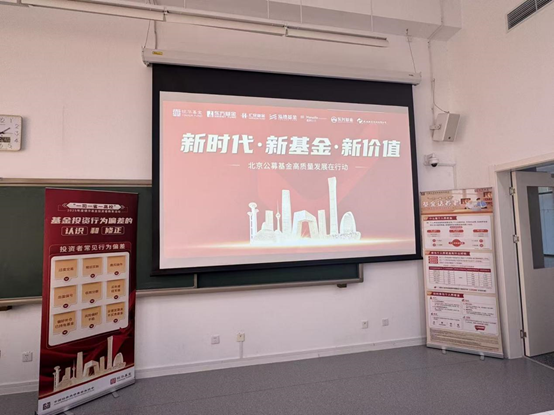
“新时代·新基金·新价值” | 多家公募机构走进中央财经大学
Cai Fu Zai Xian· 2025-09-25 08:54
Group 1 - The event aims to promote high-quality development of public funds and enhance financial literacy among students at Central University of Finance and Economics [1][12] - The initiative involves collaboration among seven institutions, including Yin Hua Fund and Dongfang Fund, to bridge the gap between industry practice and academic knowledge [1][12] - The focus is on addressing the professional characteristics and cognitive challenges faced by finance students through practical case studies and industry insights [4][12] Group 2 - The lecture on "Cognitive Biases in Investment Behavior" discusses the history and key measures of the public fund industry, particularly the impact of the "Action Plan for Promoting High-Quality Development of Public Funds" [5][6] - Common investment biases such as "herding behavior" and "loss aversion" are explained through relatable examples, highlighting their effects on investment decisions [5][6] - The importance of rational review and setting investment discipline is emphasized as a method to correct cognitive biases [6] Group 3 - The "Happy Retirement Starts Now" lecture aims to reshape the misconception that retirement planning is distant for young people, introducing the three-pillar system of domestic pension security [9] - International comparisons, such as the U.S. IRA and Japan's pension systems, are used to illustrate the benefits of early retirement planning [9] - The advantages of target date funds and target risk funds are discussed, guiding students on how to choose suitable retirement investment products based on their career plans and risk tolerance [10] Group 4 - The event reflects a collaborative approach among regulatory bodies, associations, institutions, media, and the public to foster high-quality development in the public fund sector [12] - Future initiatives will continue to promote financial education in more finance and comprehensive universities, aiming to cultivate a new generation of professionals with rational thinking and professional vision [14] - The goal is to integrate investor education into the national education system, supporting the public fund industry in contributing to the real economy and wealth growth [14]
国寿安保基金:以文化“三力”筑牢高质量发展根基
Xin Lang Ji Jin· 2025-09-25 02:13
Core Viewpoint - The article emphasizes the importance of cultivating a distinctive financial culture in China, as highlighted by General Secretary Xi Jinping, and outlines the commitment of Guoshou Anbao Fund to integrate this culture into its operations for high-quality development [1][2]. Group 1: Cultural Foundation - The company adheres to the core values of compliance, integrity, professionalism, and stability, aiming to build a cultural system that resonates with its strategy, employee development, and customer expectations [1][2]. - A clear core value and mission vision serve as the foundation for the company's culture, enhancing employee cohesion and alignment with the company's goals [2][3]. Group 2: Integration of Culture and Business - The company integrates cultural requirements into its governance and operational processes, ensuring that cultural values are reflected in performance assessments and decision-making [2][4]. - The management team leads by example, promoting a culture of compliance and ethical behavior, thereby fostering a positive organizational atmosphere [2][4]. Group 3: Business Development and Cultural Synergy - The company promotes a culture of long-term, value, and responsible investment, focusing on fundamental research to achieve sustainable returns [4][6]. - Risk management and compliance are emphasized as essential components of the company's operations, with a strong focus on cultivating a proactive risk management culture among all employees [4][6]. Group 4: Customer-Centric Approach - The company prioritizes investor interests, enhancing customer service through transparent communication and collaboration across departments, which improves brand reputation and customer loyalty [5][6]. Group 5: Cultural Communication and Talent Development - The company actively promotes its culture through various activities and communication channels, ensuring that cultural values are internalized by employees and effectively communicated externally [7][8]. - Talent recruitment and development are aligned with the company's cultural values, fostering a supportive work environment that enhances employee satisfaction and retention [7][8]. Group 6: Future Directions - The company plans to continue promoting Chinese financial culture and deepen its cultural framework, integrating it with strategic and operational management to maintain competitiveness in the market [8].
北京公募高质量发展系列活动|惠升基金:公募高质量发展专题内部培训会
Xin Lang Ji Jin· 2025-09-24 03:01
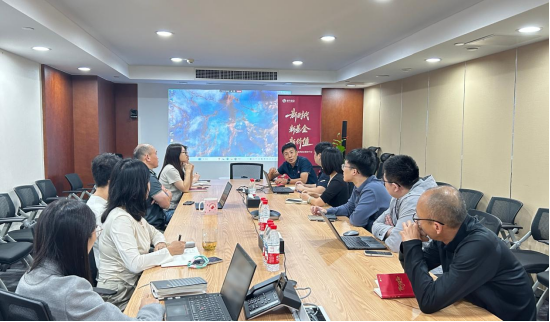
注重长期投资与投资者陪伴:公募基金的服务模式应从"重销售"转向"重陪伴",通过投资者教育、提高 信息披露可读性等方式,提升投资者持有体验和获得感。同时,公募基金应提高服务各类中长期资金的 能力。 登录新浪财经APP 搜索【信披】查看更多考评等级 专题:北京公募基金高质量发展系列活动 新时代、新基金、新价值 近日,惠升基金开展了公募高质量发展专题内部培训会。本次会议旨在深入探讨关于《推动公募基金高 质量发展行动方案》的核心要求,公司高管及各部门负责人、员工均参与了此次研讨。 一、深度解读:何为公募基金高质量发展? 合规风控的全面化与主动化:合规经营是高质量发展的生命线。公募基金公司应构建全覆盖、穿透式的 合规风控体系,不仅严格遵守法律法规,更要将风险意识嵌入投资决策、运营管理、创新发展等每一个 环节,实现从"被动合规"到"主动管理风险"的跃升,牢牢守住不发生系统性风险的底线。 二、凝聚共识:会议研讨与展望 公募基金高质量发展是从重规模向重投资者回报转型,主要体现在以下几个维度: 重视投资能力与产品业绩:高质量发展要求基金公司回归投资本源,摒弃规模导向与追逐热点的行为, 通过浮动管理费机制、业绩基准约束、改善绩效 ...
“十四五”数据中的公募高质量发展答卷
2 1 Shi Ji Jing Ji Bao Dao· 2025-09-23 12:03
21世纪经济报道记者 黎雨辰 9月22日,在国务院新闻办公室"高质量完成'十四五'规划"系列主题新闻发布会上,中国证监会主席吴 清回顾了资本市场的五年"成绩单"。五年来,证监会认真落实"十四五"规划和二十届三中全会部署,推 出了一批牵引性强、含金量高的标志性改革开放举措。 其中围绕投资端改革,吴清提及了公募基金领域的诸多重大突破:"坚持投资者利益优先,制定实施公 募基金高质量发展行动方案,建立完善投资收益为核心的考核评价体系,三阶段降费改革全面落地。" 此外,公募REITs等创新产品发展,养老第三支柱建设提速等诸多"关键词"也都与公募基金息息相关。 总体来看,"十四五"以来,我国公募市场呈现出规模扩张、产品生态持续完善、服务国家战略取得新质 效,行业治理不断完善的发展态势。 公募高质量发展取得阶段性成效 公募基金行业的高质量发展,是"十四五"时期我国金融业发展的重要成就之一。近年来,证监会先后发 布了《加快推进建设一流投资银行和投资机构的意见》《推动公募基金高质量发展行动方案》等文件。 "文件的发布通过制度重构和机制创新,着力引导行业机构端正经营理念,校正发展定位,实现功能性 和盈利性的有机统一。"有业内人士 ...
南财观察|“十四五”数据中的公募高质量发展答卷
2 1 Shi Ji Jing Ji Bao Dao· 2025-09-23 11:59
21世纪经济报道记者 黎雨辰 9月22日,在国务院新闻办公室"高质量完成'十四五'规划"系列主题新闻发布会上,中国证监会主席吴 清回顾了资本市场的五年"成绩单"。五年来,证监会认真落实"十四五"规划和二十届三中全会部署,推 出了一批牵引性强、含金量高的标志性改革开放举措。 其中围绕投资端改革,吴清提及了公募基金领域的诸多重大突破:"坚持投资者利益优先,制定实施公 募基金高质量发展行动方案,建立完善投资收益为核心的考核评价体系,三阶段降费改革全面落地。" 此外,公募REITs等创新产品发展,养老第三支柱建设提速等诸多"关键词"也都与公募基金息息相关。 总体来看,"十四五"以来,我国公募市场呈现出规模扩张、产品生态持续完善、服务国家战略取得新质 效,行业治理不断完善的发展态势。 公募基金行业的高质量发展,是"十四五"时期我国金融业发展的重要成就之一。近年来,证监会先后发 布了《加快推进建设一流投资银行和投资机构的意见》《推动公募基金高质量发展行动方案》等文件。 "文件的发布通过制度重构和机制创新,着力引导行业机构端正经营理念,校正发展定位,实现功能性 和盈利性的有机统一。"有业内人士评价认为。 过去五年来,规模的 ...
益民基金:以合规风控筑基,护航公募基金高质量发展
Xin Lang Ji Jin· 2025-09-23 02:34
Group 1 - The core idea emphasizes the importance of cultivating a distinctive Chinese financial culture, which includes principles such as honesty, risk awareness, and compliance, as a guiding framework for the public fund industry [1] - The "Five Musts and Five Must Nots" of the Chinese financial culture is highlighted as a lifeline for the industry to ensure steady progress towards high-quality development [1] - The public fund industry is at a critical stage of transformation, focusing on integrating compliance culture and risk management into its operations to fulfill fiduciary duties and achieve a balance between functionality and profitability [1] Group 2 - The China Securities Regulatory Commission issued an action plan for the high-quality development of public funds, emphasizing the need to maintain risk management and shift focus from scale to investor returns [2] - Yimin Fund is committed to adhering to regulatory requirements and enhancing its industry image by implementing comprehensive risk identification and monitoring mechanisms [2] - The company aims to uphold its mission of strong regulation, risk prevention, and promoting high-quality development while maintaining loyalty and responsibility towards investors [2]