数字经济

Search documents
规上企业翻番、四大集群破千亿!徐州 “十四五” 产业能级跃上新台阶
Yang Zi Wan Bao Wang· 2025-12-17 14:24
Core Insights - The news highlights the achievements of Xuzhou during the "14th Five-Year Plan" and outlines the ambitious goals for high-quality development in the upcoming "15th Five-Year Plan" period [1] Group 1: Industrial Growth and Achievements - Xuzhou's industrial sales revenue is projected to reach approximately 900 billion yuan this year, with an average annual growth rate of around 9% [2] - The number of industrial enterprises above designated size is expected to double to 4,000 compared to the end of the "13th Five-Year Plan" [2] - Key industrial clusters in engineering machinery, green low-carbon energy, digital economy, and food processing have surpassed 100 billion yuan in scale, with the innovation industry cluster expected to reach 850 billion yuan [2] - Xuzhou has been recognized as a national-level gigabit city and a pilot city for industry-finance cooperation, ranking 21st among the top 100 advanced manufacturing cities in China [2] Group 2: Technological Innovation and Future Industries - Xuzhou has established 11 national pilot demonstration projects for the integration of new-generation information technology and manufacturing, with 2,496 enterprises achieving provincial-level cloud adoption [3] - The city has 331 enterprises related to future industries, with 78 being above designated size, and 15 companies recognized as high-growth future industry enterprises [4] - A total of 103 key projects in future industries are being accelerated, with planned investments exceeding 30 billion yuan [4] - Revenue from future industry enterprises is projected to reach 20.42 billion yuan in 2024, with an expected growth of 29% to 31.6 billion yuan in 2025 [4] Group 3: Regional Development and Industrial Clusters - Xuzhou Economic Development Zone is building a "2+3" modern industrial system, with the engineering machinery industry expected to exceed 120 billion yuan in output by 2025 [5] - The high-tech safety and emergency industry in Xuzhou High-tech Zone has 640 enterprises, with a projected industry scale of over 50 billion yuan by the end of the "14th Five-Year Plan" [5] - Pizhou City ranks 28th among the top 100 industrial counties in China, with industrial sales revenue surpassing 110 billion yuan [5] Group 4: Future Development Goals - The "15th Five-Year Plan" period is seen as crucial for achieving socialist modernization, with a focus on high-quality development and new industrialization [6] - By 2030, Xuzhou aims to establish influential industrial clusters and well-known enterprises, supporting the modernization efforts in China [6]

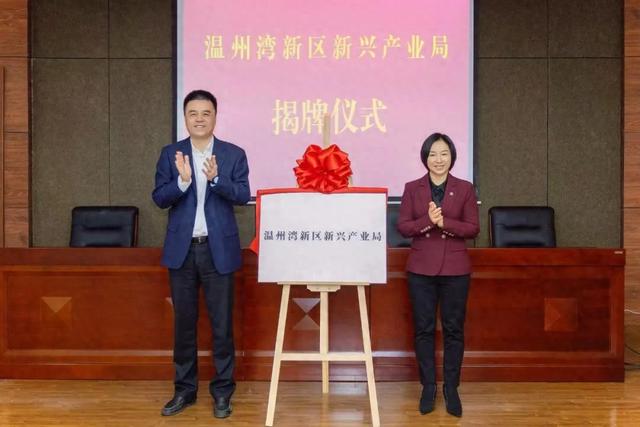
温州湾新区新兴产业局挂牌成立,为浙江首个
Xin Lang Cai Jing· 2025-12-17 13:14
2022年1月,浙江省人民政府批复设立温州湾新区。温州湾新区规划控制总面积约158.48平方公里,空 间范围包括温州高新技术产业开发区、温州经济技术开发区、空港片区、龙湾二期围垦、瓯飞一期(北 片)。 "龙湾发布"解读文章称,近年来,温州湾新区、龙湾区坚定实施创新驱动发展战略,国科温州研究院、 瓯江实验室等高能级平台蓬勃发展,中国眼谷、国际云软件谷等产业地标加速崛起,瑞浦兰钧、麦田能 源等一批新兴产业项目相继落地,为龙湾高质量发展注入了强劲动力。 此外,温州湾新区、龙湾区地区生产总值已跨越"千亿"台阶,连续三年夺得浙江省"科技创新鼎",创新 能力持续跃升。在此基础上,为了更好地落实国家新兴产业政策,推进温州湾新区新兴产业实现跨越式 发展,专门统筹新兴产业发展的新兴产业局应运而生。 "设立新兴产业局既是机构调整的内在需求,也是实现经济社会高质量发展的战略举措。"温州湾新区新 兴产业局负责人表示,当前,新一轮科技革命和产业变革深入发展,新材料、新能源、人工智能等新兴 产业已成为决定区域竞争力的关键因素。新兴产业局将全力肩负起推动全区新兴产业集聚发展的重要使 命,以科学规划和精准研究绘好产业"路线图",以链式招商和 ...

海南封关政策红利全解析:零关税、低个税、投资准入放宽、跨境资金自由、创业扶持……
Mei Ri Jing Ji Xin Wen· 2025-12-17 11:19
Core Viewpoint - The Hainan Free Trade Port will officially start its full island closure operation on December 18, 2025, marking a significant milestone in China's reform and opening-up process, with policies aimed at higher levels of openness to the world [3][4]. Policy Changes - The closure operation represents a systematic and institutional upgrade, significantly enhancing the "zero tariff" level, optimizing processing and value-added tax exemptions, improving the investment environment, and facilitating entry and exit from Hainan [4]. - The "zero tariff" policy will expand from 1,900 tax items to approximately 6,600 tax items, covering about 74% of all product tax items, an increase of nearly 53 percentage points compared to before the closure [9][13]. Tax Incentives - The low tax rate policy, known as the "two 15%" policy, allows qualifying enterprises to be taxed at a reduced rate of 15% on corporate income tax, significantly lowering operational costs [14]. - Individuals classified as high-end or urgently needed talents working in Hainan can also benefit from personal income tax reductions, with any income tax burden exceeding 15% being exempted [19][21]. Comparison with Other Free Trade Ports - Hainan Free Trade Port differs from other international free trade ports like Singapore and Dubai by remaining within China's customs territory, allowing for domestic circulation of goods and easier access for mainland residents [23][24]. - Hainan's unique advantages include its vast market potential, being the largest free trade port globally at 33,900 square kilometers, and a focus on developing a modern industrial system centered on tourism, modern services, high-tech industries, and tropical agriculture [23][24]. Industry Development Focus - Post-closure, Hainan will prioritize the development of tourism, modern services, high-tech industries, and tropical agriculture, while also enhancing high-end shopping, healthcare, and international education sectors [26]. - The digital economy is expected to be a key industry, supported by significant infrastructure developments, including the establishment of the largest data center in Hainan and the world's first commercial underwater data center [27].

成都高新区:加快建设世界领先科技园区
Sou Hu Cai Jing· 2025-12-17 08:17
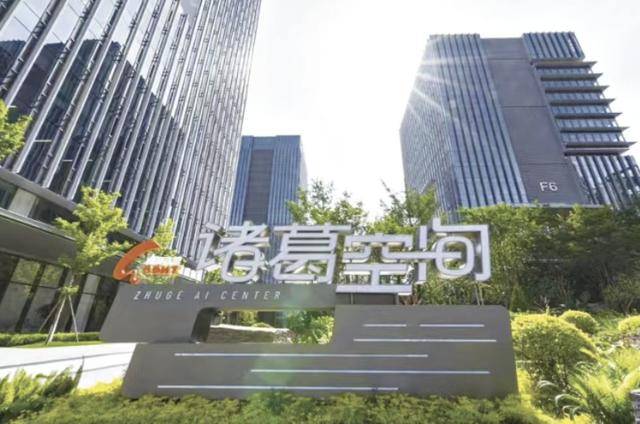
在成渝地区双城经济圈建设的战略棋局中,成都高新区正以创新为笔、产业为墨,书写着高质量发展的 时代答卷。2025年前三季度,成都高新区GDP达2696.2亿元,同比增长6.1%,占全市比重14.8%。 作为全国首批国家级高新区、西部首个国家自主创新示范区,成都高新区锚定"建设世界领先科技园 区"的奋斗目标,以"发展高科技,实现产业化"为初心,在培育新质生产力的道路上勇毅前行,全力扛 起四川省、成都市经济建设"主引擎""压舱石"的重任。 优势产业筑基 锻造高质量发展"硬支撑" 产业是城市发展的根基,更是新质生产力的主要载体。成都高新区深入实施"立园满园"行动,聚焦电子 信息、医药健康、数字经济三大优势产业,构建起特色鲜明、优势互补的现代化产业体系。 电子信息产业作为核心支柱,正加速向"高"进阶。 近日成都沃格项目建设传来捷报:首台设备正式搬运进场,标志着由沃格光电投资6.28亿元建设的全球 首批、国内首条8.6代AMOLED玻璃基光刻蚀精加工产线即将进入设备调试阶段,预计2026年1月中旬 开启全自动蚀刻ECI产线的试运行和产品开发。 成都沃格项目仅仅是成都高新区电子信息产业高质量发展的一个缩影。成都高新区电子信 ...
非“封闭”而是“开放”升级!海南封关,藏着中国这些深远布局
Huan Qiu Wang· 2025-12-17 02:31
Core Viewpoint - The operation of the Hainan Free Trade Port's customs closure will transform Hainan from a geographical periphery into an open frontier, providing a new paradigm for China's participation in global governance [1] Group 1: Customs Closure and Economic Impact - The customs closure is a higher level of openness, establishing Hainan as a special customs supervision area with "one line open, one line managed, and free flow within the island" [2] - The category of "zero tariff" goods will expand from 1,900 to approximately 6,600 tax items, covering about 74% of all goods, an increase of nearly 53 percentage points from before the closure [2] - Goods processed in Hainan with over 30% added value can be sold to other regions in China without tariffs, promoting high-value manufacturing [3] Group 2: Industrial Upgrading and Investment Attraction - The zero-tariff policy will attract global consumers and reduce initial investment and production costs for enterprises, enhancing Hainan's image as a "shopping paradise" [4] - The 30% processing value threshold encourages enterprises to shift from basic processing to deep processing, driving technological advancement and innovation [5] - The dual 15% tax rate policy for enterprises and individuals is expected to attract high-quality businesses and talent to Hainan [5] Group 3: Global Trade and Economic Integration - Hainan is positioned as a new frontier for China's opening up, facilitating the flow of goods, capital, and personnel between domestic and international markets [9] - The customs closure will serve as a core hub for dual circulation, connecting domestic markets with international ones and enhancing regional connectivity with Southeast Asia [11] - The initiative symbolizes a shift from traditional manufacturing to becoming a global innovation center, paving the way for the internationalization of the Renminbi [7] Group 4: Policy Innovation and Future Development - The customs closure will drive institutional innovation, transitioning from border measures to domestic rules aligning with international standards [10] - Hainan aims to develop a modern industrial system in areas such as tropical agriculture, cross-border tourism, health care, and digital economy, forming natural complements with "Global South" countries [8] - The operation of the Hainan Free Trade Port is not just a regional development strategy but also a declaration of proactive openness in a complex international environment [11]
中共郑州市委关于制定郑州市国民经济和社会发展第十五个五年规划的建议
Zheng Zhou Ri Bao· 2025-12-17 00:57
Core Viewpoint - The article emphasizes the strategic planning and development goals for Zhengzhou during the "15th Five-Year Plan" period, focusing on high-quality economic growth, innovation, and urban development in alignment with national policies and directives from the Communist Party of China [1][6]. Group 1: Achievements and Current Status - During the "14th Five-Year Plan" period, Zhengzhou achieved significant milestones, with GDP expected to exceed 1.5 trillion yuan, and the city successfully becoming a national urban agglomeration [3]. - The city has implemented over 1 trillion yuan in key projects related to ecological protection and high-quality development, and has seen a substantial increase in R&D investment intensity, reaching 2.85% [3][6]. - Zhengzhou has been recognized for its cultural and environmental advancements, achieving a "Five Consecutive Championships" in national civilized city rankings and improving urban governance [3][6]. Group 2: Strategic Goals for the "15th Five-Year Plan" - The "15th Five-Year Plan" aims for Zhengzhou's GDP to reach 2 trillion yuan, with a focus on enhancing the quality of economic growth and optimizing the economic structure [10]. - The plan emphasizes the establishment of a modern industrial system, with significant advancements in high-tech industries and innovation capabilities [10][11]. - The city aims to improve social welfare, ensuring equitable access to education, healthcare, and housing, while also promoting cultural prosperity [12]. Group 3: Innovation and Industrial Development - Zhengzhou plans to implement an innovation-driven strategy, enhancing its technological capabilities and establishing itself as a regional hub for scientific innovation [13][14]. - The city will focus on developing a modern industrial system that integrates advanced manufacturing, digital economy, and urban agriculture [17][18]. - Efforts will be made to strengthen the role of enterprises in innovation, fostering high-tech companies and enhancing research and development activities [15][16]. Group 4: Infrastructure and Urban Development - The city aims to enhance its transportation infrastructure, creating a comprehensive network that supports both domestic and international trade [24][26]. - Zhengzhou will focus on building a robust logistics system, integrating modern logistics with advanced manufacturing to reduce costs and improve efficiency [28]. - Urban development will prioritize sustainability and resilience, with initiatives aimed at improving the quality of life for residents and promoting ecological conservation [12][37]. Group 5: Internationalization and Economic Integration - The plan includes strategies for enhancing Zhengzhou's international competitiveness, promoting foreign investment, and integrating into global supply chains [33][35]. - The city will work on establishing itself as an international consumption center, fostering a vibrant commercial environment that attracts global brands [34]. - Efforts will be made to streamline trade processes and enhance the overall business environment to support both domestic and international enterprises [36].
北京东城已累计实现建筑规模减量约230万平方米
Xin Jing Bao· 2025-12-16 13:42
12月16日,在北京市政府新闻办举办的"一把手发布·京华巡礼"系列主题新闻发布会上,东城区委副书 记、区长陈献森介绍,"十四五"期间,作为首都功能核心区,东城区在服务保障首都功能、推动文化传 承创新、激发经济新动能、提升城市治理效能和增进民生福祉等方面取得显著进展。严格执行核心区控 规,累计实现建筑规模减量约230万平方米;长安街沿线环境品质显著提升,北京站等重要节点展现大 国首都风貌。 "文化+"赋能发展,古都焕发时代新彩 东城区深耕"文化+"战略,全力推动中轴线申遗与保护,辖区内世界文化遗产数量达4处,居全市首位。 中轴线申遗成功后,推出宏恩观、钟鼓楼等文化新空间,并举办系列文化活动,吸引超2500万人次参 与。文化产业蓬勃发展,收入突破1500亿元,4家企业获评国家文化产业示范基地。驻区企业出品的 《哪吒之魔童闹海》进入全球影史票房榜前五,文化软实力持续转化为发展硬支撑。 改革激发经济新动能,"黄金宝地"产出"钻石效益"。陈献森介绍,东城区以全市约0.25%的面积,贡献 了近8%的地区生产总值,2024年GDP达3808.7亿元,预计"十四五"期间年均增速超5%。金融业作为第 一支柱产业,吸引摩根士丹利 ...
海南本周封关!120万家企业已前往淘金,哪些行业最能挣钱?
Yang Zi Wan Bao Wang· 2025-12-16 13:12
Core Insights - Hainan Free Trade Port will officially enter a new phase of full island closure on December 18, 2025, implementing a customs supervision special area with liberalization policies characterized by "one line open, one line controlled, and free movement within the island" [4] Group 1: Economic Impact - As of December 9, 2025, Hainan has 3.6645 million existing business entities, with nearly 50% of the 1.21 million enterprises belonging to the wholesale and retail sector, accounting for 46.29% [1] - The closure will significantly reduce trade costs for businesses, attract investments, and provide residents with cheaper access to imported goods, increasing employment and entrepreneurial opportunities [6] - The wholesale and retail sector has seen the largest growth in business entities, with increases of 328.04%, followed by cultural, sports, and entertainment industries at 264.61%, and scientific research and technical services at 238.66% compared to 2020 [5] Group 2: Policy Changes - A series of regulatory documents will be implemented upon the full closure, including tax policies for goods entering and exiting the island, and a list of prohibited and restricted goods [4] - The zero-tariff policy will expand to approximately 6,600 tax items, covering about 74% of all goods, which is an increase of nearly 53% compared to before the closure [7] - The new policies will allow for the sale of various domestic products in duty-free shops, including clothing, ceramics, and electronics, with tax exemptions on these items [7] Group 3: Sectoral Opportunities - Industries such as import-export trade, international shipping, and logistics will directly benefit from customs facilitation and tax incentives [6] - High-value industries like high-end manufacturing, biomedicine, and green technology are expected to gain from the zero-tariff and low-tax policies, presenting significant market opportunities [6] - The concentration of A-share listed companies in Haikou exceeds 80%, indicating a strong local economic presence [5]

视频丨明年经济工作到底怎么做?听专家为你详细解读→
Yang Shi Xin Wen Ke Hu Duan· 2025-12-15 13:14
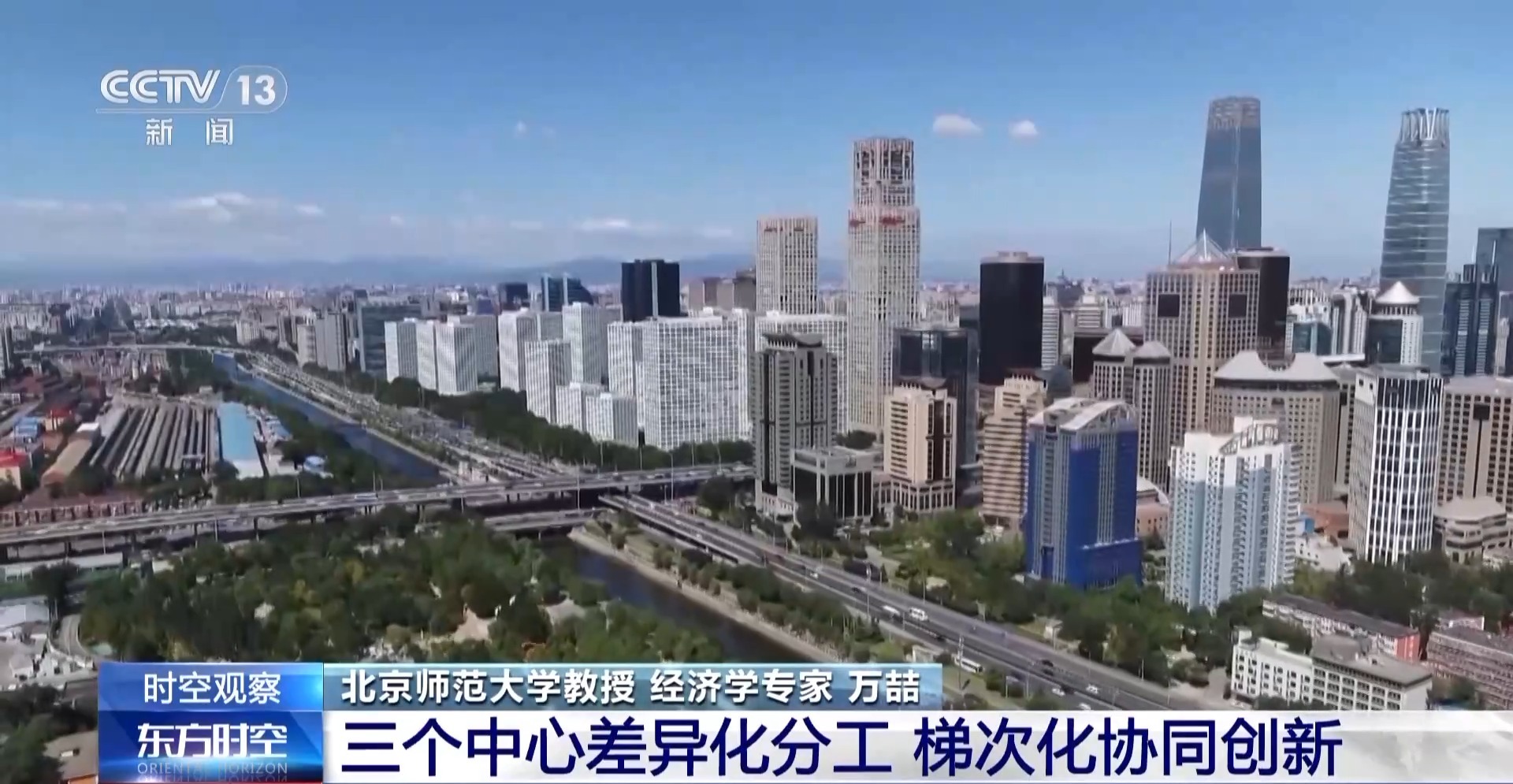
Group 1 - The central economic work conference has outlined the overall requirements and policy direction for next year's economic work, focusing on eight key tasks, including innovation-driven development and strengthening the role of enterprises in innovation [1] - The conference emphasizes the establishment of three major international technology innovation centers in Beijing (Jing-Jin-Ji), Shanghai (Yangtze River Delta), and the Guangdong-Hong Kong-Macao Greater Bay Area, highlighting their differences and complementary roles [2][10] - The Beijing center is positioned as a source of original innovation, focusing on basic research and key core technologies, while Shanghai is designated as an application innovation leading area, emphasizing high-end manufacturing and open innovation [6][8] Group 2 - The Guangdong-Hong Kong-Macao Greater Bay Area is identified as a cross-border collaboration hub and a base for emerging industries, focusing on rapid industrialization of technological achievements and exploring innovative governance aligned with international standards [10] - The national strategy aims to enhance regional collaboration by establishing a coordinated mechanism for knowledge sharing, talent mobility, and industrial chain cooperation among the three centers, promoting a dual flow of innovation resources [12][18] - The conference also highlights the need to develop a service industry expansion and quality improvement action plan, focusing on enhancing the development level of the service sector and promoting high-quality development [19][21] Group 3 - The conference includes a focus on deepening and expanding "Artificial Intelligence+" as a key deployment, marking a new stage in the development of artificial intelligence [30][32] - The goal is to embed artificial intelligence into key industrial chains to enhance productivity and create competitive manufacturing clusters, while also improving service quality through innovative applications [37] - A new round of high-quality development actions for key industrial chains will be implemented, emphasizing the importance of enhancing the self-controllability of industrial chains and optimizing supply chain layouts [38][44]
A股重要调整,今起实施
第一财经· 2025-12-15 02:45
Core Viewpoint - The article discusses the recent sample adjustments to various Shenzhen stock indices, highlighting the focus on promoting new productive forces, strengthening the real economy, and guiding long-term value investment [3][5]. Group 1: Index Adjustments - The Shenzhen Component Index has replaced 17 sample stocks, removing 10 from the main board and 7 from the ChiNext board, including companies like China National Pharmaceutical (000028.SZ) and Tibet Mining (000762.SZ) [4]. - The ChiNext Index has replaced 8 sample stocks, with companies like BeWater (300070.SZ) and Yihua Record (300212.SZ) being removed, while new additions include Dazhu CNC (301200.SZ) and Changshan Pharmaceutical (300255.SZ) [4]. - The Shenzhen 100 Index has replaced 7 sample stocks, with Tianshan Shares (000877.SZ) and Shanxi Coking Coal (000983.SZ) being removed, and new companies added from both the main board and ChiNext [4]. - The ChiNext 50 Index has replaced 5 sample stocks, removing companies like Teradyne (300001.SZ) and Mango Super Media (300413.SZ), while adding Longxin Bochuang (300548.SZ) and Xiechuang Data (300857.SZ) [5]. Group 2: Strategic Focus - The adjustments reflect a commitment to developing new productive forces, with the ChiNext Index's strategic emerging industry weight reaching 93%, and R&D expenses for the new sample companies growing by 13% year-on-year [5]. - The Shenzhen 100 Index has enhanced its new quality blue-chip attributes, with strategic emerging industries now accounting for 81% of its weight, and key sectors like advanced manufacturing and digital economy making up 79% [5]. - The ChiNext 50 Index has a strategic emerging industry weight of 98%, with new generation information technology industries, including AI and chips, comprising 45% [5]. Group 3: Economic Fundamentals - The Shenzhen Component Index now has a manufacturing company weight of 76%, the highest among Chinese capital market indices, with over 30% being single champion enterprises in manufacturing [6]. - The ChiNext Index shows strong growth, with new sample companies reporting a 16% increase in revenue and a 24% increase in net profit year-on-year, particularly in high-end equipment manufacturing and new energy sectors [6]. - Over 80% of the Shenzhen 100 sample companies have expanded their business internationally, with overseas revenue showing a compound annual growth rate of 17% over the past three years [6]. Group 4: Investor Returns - Nearly 60% of the new sample companies in the Shenzhen Component Index have implemented "quality return dual enhancement" action plans, with over 30% engaging in stock repurchase programs [6]. - In the ChiNext Index, 64 companies have an ESG rating of A or above, representing 79% of the index [6]. - The Shenzhen 100 sample companies have distributed a total of 302.2 billion yuan in dividends this year, accounting for 55% of the total dividends in the Shenzhen market, with a rolling net asset return rate of 12% over the past year [6].