
连锁餐饮

Search documents
罗永浩与西贝争论背后:关于预制菜的认知差异和法律之辩
Xin Jing Bao· 2025-09-13 01:02
Core Viewpoint - The ongoing dispute between Luo Yonghao and the well-known restaurant chain Xibei centers around accusations of using pre-prepared dishes, with Luo claiming that most of the dishes he consumed were pre-prepared and overpriced, while Xibei's CEO asserts that no pre-prepared dishes were served [1][3][4]. Group 1: Dispute Background - Luo Yonghao publicly criticized Xibei on September 10, stating that his meal consisted mostly of pre-prepared dishes and called for legislation requiring restaurants to disclose the use of such dishes [3][4]. - Xibei's CEO, Jia Guolong, responded by stating that a review of the meal showed no pre-prepared dishes were served and announced plans to sue Luo for damaging the brand's reputation [4][11]. Group 2: Legal and Regulatory Context - The definition of pre-prepared dishes is a key issue, with current standards indicating that only factory-made, packaged foods with labels and shelf lives qualify as pre-prepared, while semi-finished products made in central kitchens do not [1][7]. - Experts note that there is currently no national standard for pre-prepared dishes, but a forthcoming regulation in March 2024 will clarify definitions and safety standards for the industry [7][8]. Group 3: Consumer Rights and Responsibilities - Consumers, including influential public figures like Luo, have the right to express their dining experiences, but they also bear a higher duty of care in their statements [11][12]. - If Xibei pursues legal action, it must provide evidence that Luo's statements caused reputational harm, while Luo could counter with proof of his claims regarding pre-prepared dishes [12][11]. Group 4: Industry Implications - The dispute highlights a broader need for transparency in the pre-prepared food sector, with calls for clearer labeling and definitions to bridge the gap between consumer perceptions and industry practices [12][10]. - The attention surrounding this case may lead to increased regulatory scrutiny and potential legislative changes in the pre-prepared food industry, benefiting consumer rights and safety [12][11].

9点1氪丨西贝门店厨师长称部分菜品是隔夜菜;海底捞小便事件涉案者父母判赔220万;iPhone Air在华发售延期
3 6 Ke· 2025-09-13 00:51
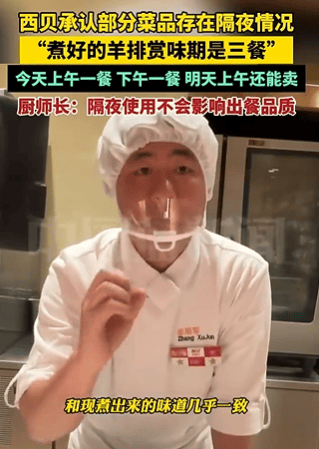
Group 1 - Xibei's founder, Jia Guolong, announced plans to sue Luo Yonghao over allegations of using pre-made dishes, while Luo offered a reward for evidence supporting his claims [2][3] - Xibei confirmed that some dishes may be prepared in advance, with the chef stating that lamb chops can be served up to three meals after cooking [2][3] Group 2 - A court ruled that the parents of two teenagers involved in a public urination incident at a Haidilao restaurant must pay a total of 2.2 million yuan in damages [3][4] - The compensation includes 130,000 yuan for cleaning and damages, and 2 million yuan for business losses and reputation damage [3][4] Group 3 - Apple delayed the launch of the iPhone Air in China due to regulatory issues related to its eSIM technology, with all models pending approval [4][5] - Major Chinese telecom operators will support the iPhone Air with eSIM services once regulatory approval is obtained [4][5] Group 4 - Nio's M9 interior design was leaked by a man who was later ordered to pay 250,000 yuan in damages for infringing on trade secrets [5][6] - The court found that the man's actions diminished consumer interest and disrupted marketing strategies for the new vehicle [5][6] Group 5 - Ant Group introduced a new "pay for performance" model for its enterprise AI services, allowing clients to pay based on the actual results achieved [6] - This model aims to reduce upfront costs for businesses, particularly benefiting small and medium enterprises [6] Group 6 - China Resources Land denied rumors of an intention to acquire Evergrande Property, stating that such information is untrue [7] - Evergrande Property had previously announced a trading suspension pending the release of insider information [7] Group 7 - Shanghai Disneyland responded to complaints about the high price of sanitary products, reducing the price of a pack of five sanitary pads from 150 yuan to 70 yuan [7][8] Group 8 - Wumart Supermarket announced plans to open 20 newly renovated stores by the end of September, as part of its strategy to enhance customer experience [8] Group 9 - Tencent refuted claims regarding a former OpenAI researcher's salary exceeding 100 million yuan upon joining the company [9] Group 10 - Gold prices reached a new record high of $3,674.27 per ounce, surpassing the inflation-adjusted peak from 1980 [10] - The price increase reflects a nearly 40% rise this year, highlighting gold's status as a safe-haven asset amid macroeconomic uncertainties [10] Group 11 - The China Securities Regulatory Commission announced penalties against Beijing Dongtong Technology for serious financial fraud, proposing fines totaling 229 million yuan [10] - The company faces potential delisting due to significant violations of securities laws [10] Group 12 - Dazhonghua's operations remain unaffected despite the investigation of a senior executive for alleged misconduct [11] - The company emphasized its commitment to legal compliance and maintaining operational efficiency [11] Group 13 - Xiamen Hengkang New Materials Technology received approval for its initial public offering on the Sci-Tech Innovation Board [12] - Figure Technology became the first platform focused on real-world assets to list on NASDAQ [12] Group 14 - Albania appointed an AI named "Diera" as a government minister, marking a global first for AI in a governmental role [13] - The AI will oversee public procurement processes to ensure transparency and reduce corruption [13] Group 15 - The U.S. Federal Trade Commission initiated an investigation into AI chatbots from seven companies, including Meta and OpenAI, to assess their impact on children [14] Group 16 - Chasing Car completed its first round of financing and is planning to establish a factory near Tesla's German facility [15]

一分钟在线人数破10万,罗永浩开直播“爆了”
Mei Ri Jing Ji Xin Wen· 2025-09-12 23:36
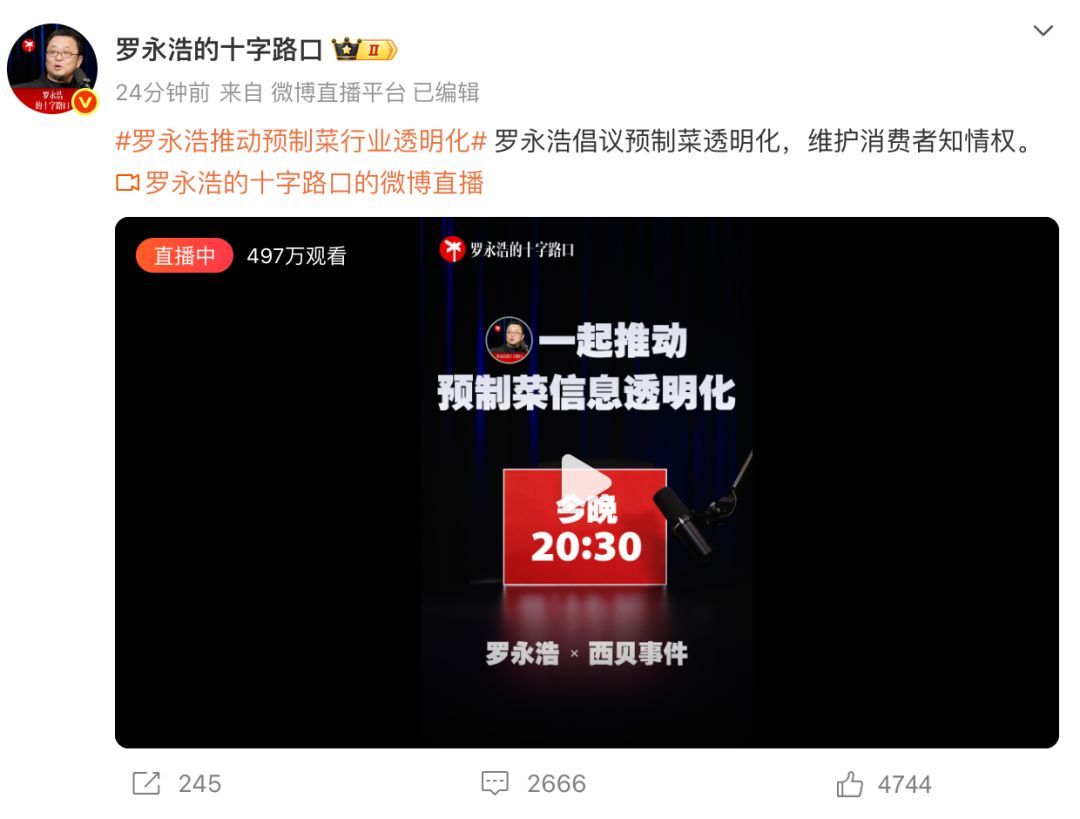
Core Viewpoint - The controversy surrounding the pre-prepared dishes of the restaurant chain "Xibei" has gained significant attention, particularly following a live broadcast by Luo Yonghao, who criticized Xibei's marketing and public relations efforts while advocating for transparency in the pre-prepared food industry [1][4][6]. Group 1: Luo Yonghao's Live Broadcast - Luo Yonghao's live broadcast attracted over 100,000 viewers within the first 10 minutes and nearly 5 million views on Weibo by the end of the session [1]. - He criticized Xibei's public relations team for their lack of professionalism and highlighted the importance of consumer awareness regarding pre-prepared dishes [4]. - Luo emphasized that while he supports the concept of pre-prepared dishes, he opposes selling them at prices equivalent to freshly made meals [4][6]. Group 2: Xibei's Response - In response to Luo's accusations, Xibei issued an open letter claiming that his statements were untrue and provided detailed production processes for 13 dishes to clarify their preparation methods [8]. - Xibei announced plans to allow customers to tour their kitchens and production facilities to enhance transparency and consumer trust [8]. Group 3: Definition and Regulation of Pre-prepared Dishes - The definition of pre-prepared dishes has been clarified by regulatory authorities, stating that they must not contain preservatives and should be pre-processed for safe consumption [11][12]. - The distinction between pre-prepared dishes and pre-processing was emphasized, with the latter referring to the preparation of raw ingredients rather than finished products [12].
西贝肯定会输掉这场舆论的战争,但我却希望它能赢。
新消费智库· 2025-09-12 15:22
Core Viewpoint - The article argues that Luo Yonghao will ultimately win against Xibei, despite Xibei potentially winning the lawsuit, as the brand may suffer irreparable damage due to public sentiment and perception of pre-made dishes [3][4]. Group 1: Public Sentiment and Brand Perception - The article highlights that in internet communication, personal stance and emotions often outweigh facts, leading to differing conclusions about whether Xibei's dishes are pre-made [3][4]. - Social media platforms are witnessing intense debates, with many consumers equating any dish not prepared on-site as pre-made, which could negatively impact large chain restaurants [4][6]. - Xibei's defense, citing a government document that distinguishes their dishes from pre-made ones, is deemed ineffective due to existing consumer distrust regarding food safety [6][12]. Group 2: Implications for the Restaurant Industry - The article emphasizes that the downfall of a reputable chain like Xibei would not improve the dining environment; rather, it could lead to worse conditions for consumers [11][12]. - A well-established brand provides job stability and better service quality, which smaller establishments may not guarantee [11][12]. Group 3: Xibei's Strategic Errors - Xibei's aggressive public relations strategies, including revealing Luo Yonghao's menu and pursuing legal action, are criticized as unwise moves that reinforce their position as the dominant party in the dispute [15][16]. - The article suggests that Xibei should have adopted a more conciliatory approach, acknowledging public sentiment rather than escalating the conflict [16][18]. Group 4: The Nature of Pre-made Dishes - The article argues that using pre-made dishes is not inherently wrong; rather, the issue lies in the perception and communication of their use by brands [20][22]. - It is noted that pre-made dishes can enhance efficiency and maintain quality, especially when produced by larger companies with stricter safety standards [20][22]. Group 5: Recommendations for Xibei - The article advises Xibei to embrace transparency and openness in their communications to counter negative public sentiment, rather than attempting to prove their innocence [22][24]. - Engaging with consumers through live demonstrations and addressing their concerns directly could help mitigate the backlash [22][24].

西贝否认删博,罗永浩最新发声
Sou Hu Cai Jing· 2025-09-12 14:23
Core Viewpoint - The controversy surrounding the restaurant chain Xibei and its use of overnight dishes has sparked significant public debate, particularly following comments made by public figure Luo Yonghao regarding the quality and preparation of the food served [2][5][8]. Group 1: Company Response - Xibei acknowledged that some dishes may be prepared in advance and served the next day, asserting that this practice does not compromise food quality [2][5]. - Following Luo Yonghao's criticisms, Xibei released a detailed letter to customers, defending its practices and providing a 42-page document outlining the preparation processes for the dishes in question [5][8]. - Xibei's founder, Jia Guolong, stated that none of the dishes served in their restaurants are classified as pre-prepared meals, and the company plans to open its kitchens to the public for transparency [10][27]. Group 2: Public and Legal Reactions - Luo Yonghao's comments led to a backlash, with legal experts suggesting that if he can substantiate his claims about Xibei's use of pre-prepared meals, it may not constitute defamation [9][10]. - The public has expressed confusion over the definition of pre-prepared meals, with some consumers concerned about the quality and pricing of such dishes [11][13]. - The controversy has highlighted a broader issue regarding consumer rights and the need for transparency in the food industry, particularly concerning the use of pre-prepared ingredients [28][29]. Group 3: Industry Context - The definition of pre-prepared meals was officially established in March 2024 by six government departments, clarifying what constitutes such meals and emphasizing the importance of food safety [16][17]. - The industry is facing challenges related to public perception of pre-prepared meals, with many consumers associating them with lower quality despite their potential benefits in terms of efficiency and safety [15][28]. - The ongoing debate reflects a growing demand for transparency in the food service industry, as consumers increasingly seek to understand the origins and preparation methods of their meals [29].
西贝:感谢罗永浩
中国基金报· 2025-09-12 14:21
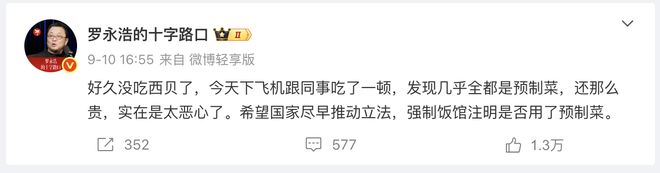
此前的9月10日,罗永浩发博公开吐槽连锁餐饮品牌西贝:"好久没吃西贝了,今天下飞机跟 同事吃了一顿,发现几乎全都是预制菜,还那么贵。希望国家尽早推动立法,强制饭馆注明 是否用了预制菜。" 9月12日晚,罗永浩在社交媒体开直播谈西贝事件。背景大屏写着"不反对预制菜 推动预制菜 透明化 维护消费者知情权"。 西贝在最新发布的微博中,复盘了门店菜品出品和服务的过程,并对所涉及菜品的生产制作 流程进行一一拆解确认。最终表示,罗永浩在微博中对西贝的指责不实。针对所涉菜品在门 店端的实际制作方式,西贝还将13道菜品具体制作过程的"作业指导书"正式向全社会公布。 来源:中国新闻网综合自澎湃新闻、@中国蓝新闻、@ 西贝XIBEI官方微博等 9月12日下午,西贝官方微博发布消息称,"作为西贝的老客人,首先感谢罗永浩前来西贝就 餐,并为西贝提出意见、建议。但作为有影响力的公众人物,罗永浩对西贝的不实指责及不 当用语,我们坚决反对,绝不姑息。" 按西贝的说法,13道菜品制作过程的描述,均基于西贝门店真实的现场加工行为,同时对齐 国家标准。2024年3月18日市场监管总局、教育部、工业和信息化部、农业农村部、商务 部、国家卫生健康委 ...
西贝公布罗永浩菜单是否侵犯隐私权?多方解读“预制菜之战”焦点
Yang Zi Wan Bao Wang· 2025-09-12 14:18
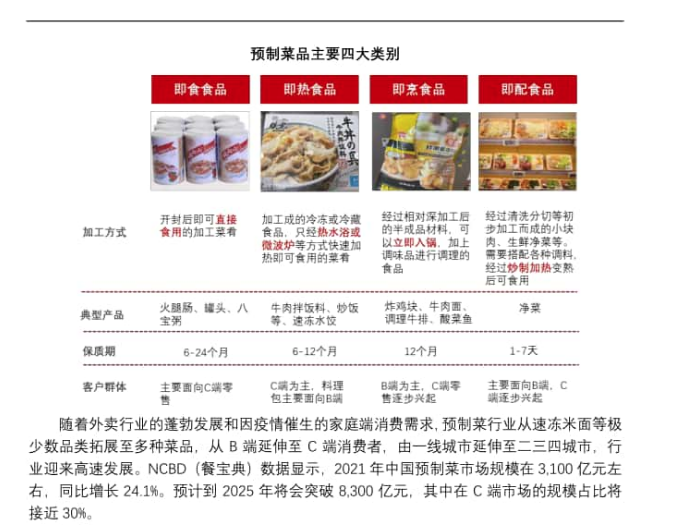
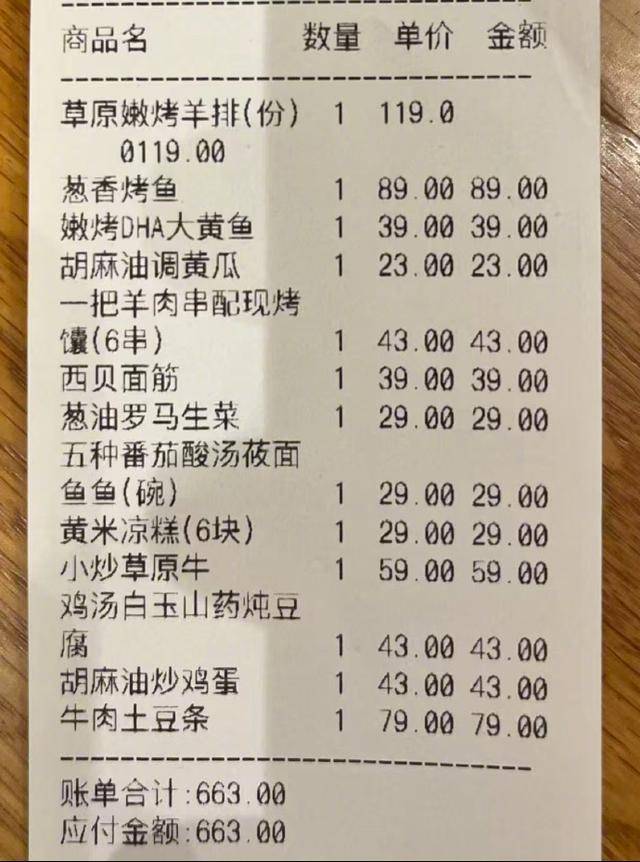
9月10日,罗永浩发文吐槽西贝几乎全都是预制菜,引发网友广泛关注,西贝随即陷入预制菜舆论风 波。11日,西贝创始人贾国龙回应"门店没有一道预制菜",并表示将起诉罗永浩。12日,罗永浩再次发 声,引用官方发布的《预制菜行业发展报告(全文)》,其中提到"西贝等连锁餐饮企业预制菜占比达 80%以上",这场关于预制菜的口水之争愈演愈烈。那么预制菜到底如何定义?西贝的制作过程是否公 开透明?西贝公布罗永浩菜单是否侵犯隐私权?紫牛新闻记者实探西贝门店,采访餐饮届业内人士、律 师,深度解读这场预制菜之争中网友关注的焦点。 罗永浩和西贝"预制菜"之争 双方寸步不让 据西贝创始人贾国龙接受采访时描述,当天罗永浩一行四男一女点了15道菜,消费完积分离开。当天下 午,罗永浩发微博称,在西贝吃到的几乎全是预制菜,贵且不好吃。这条吐槽很快上了热搜,于是西贝 创始人贾国龙回应媒体:一定会起诉罗永浩,西贝没有一道菜是预制菜。罗永浩也寸步不让,连发多条 微博回怼,且表示用10万元悬赏能证明西贝生产预制菜的视频。西贝创始人贾国龙则提到,9月12日门 店上线"罗永浩套餐",顾客可以随便点套餐内的菜品,也欢迎顾客随时进入后厨,参观任何一道菜的制 ...
西贝:感谢罗永浩
Sou Hu Cai Jing· 2025-09-12 13:54
Core Viewpoint - The incident involving Luo Yonghao's criticism of Xibei's use of pre-prepared dishes has sparked a public debate about transparency in the pre-prepared food industry in China, with Xibei defending its practices and providing detailed production processes for its dishes [1][3]. Group 1: Company Response - Xibei publicly thanked Luo Yonghao for his feedback but firmly opposed his claims, stating that his criticisms were unfounded [1]. - In response to the allegations, Xibei released a detailed "operational guide" outlining the production processes of 13 dishes served at its restaurants, asserting that these processes align with national standards [1][2]. - Xibei announced plans to open its kitchens for public tours, allowing customers to observe food preparation practices firsthand, thereby promoting transparency [3]. Group 2: Industry Context - The definition of pre-prepared dishes, as outlined by the Chinese government, specifies that these dishes are made from one or more food products through industrial pre-processing methods and are not classified as staple foods [2][3]. - There is a noted discrepancy between public perception of pre-prepared dishes and the official definitions provided by regulatory bodies, indicating a potential area for consumer education [4].
西贝将就罗永浩言论提起诉讼 预制菜陷舆论风波
Sou Hu Cai Jing· 2025-09-12 12:41
这两天,连锁餐饮集团"西贝"陷入预制菜舆论风波。9月10日,罗永浩发文吐槽西贝"几乎全都是预制菜,还那么贵,实在是太恶心了。"一时间,预制菜又 被推上了风口浪尖。 罗永浩的言论,引发了不少网友共鸣。 "罗永浩的意见是对的,国家应该强制要求餐馆必须明示是否预制菜,让消费者明明白白消费。""虽然每次带孩子都吃,但西贝确实就是预制菜啊…连西兰 花都是" 罗永浩还在社交媒体上发布10万元悬赏,公开征集西贝使用预制菜的"真凭实据"。 9月11日晚间,西贝创始人贾国龙在北京门店回应"预制菜"风波,明确表态"会起诉罗永浩"。西贝创始人贾国龙还表示,9月12日起,西贝全国所有门店后厨 将对外开放,消费者可以看任何一道菜的制作过程。 今天中午,记者就以普通消费者的身份申请参观并拍摄后厨,得到餐厅许可后,记者随后换上服装开始参观。 带领记者参观的西贝吴江路湟普汇店厨师长表示,他们的热菜菜品是现炒现做的,不是预制菜,并向记者展示了冰柜里存放的鸡肉、羊排、沙葱、芹菜等原 材料。 西贝吴江路湟普汇店厨师长说,我们收到的是生的原料,剩下的加工全部在门店完成,师傅每天早上到店现场操作;厨师长拆开冰冻鱼的包装向记者展 示,"这完完全全是一条 ...

贾国龙嘴硬,罗永浩又找到了新“锤友”
Jing Ji Guan Cha Wang· 2025-09-12 11:18
9月12日,晚上8:30,罗永浩直播,"将谈西贝一事"。网友们都在摩拳擦掌,要挤进直播间,看看罗永 浩怎么"硬刚"西贝。 事情缘于罗永浩发布的一条微博,瞬间把预制菜和西贝推上了风口浪尖。 9月10日,罗永浩发微博公开吐槽西贝:"好久没吃西贝了,今天下飞机跟同事吃了一顿,发现几乎全都 是预制菜,还那么贵。希望国家尽早推动立法,强制饭馆注明是否用了预制菜。"随后,这一说法引发 网友广泛关注与讨论,"罗永浩吐槽西贝"相关内容登上热搜,西贝随即陷入预制菜舆论风波。 9月11日,西贝餐饮创始人贾国龙回应,西贝没有一道菜是预制菜,并表示未来将起诉罗永浩。罗永浩 微博称"来吧"。 这次贾国龙与罗永浩的"预制菜"拉扯,牵出了一个在餐饮业被长期忽视的"标准化与风味平衡"难题:连 锁餐饮品牌能否使用预制菜?在这两天的互联网上的各种讨论和发酵后,终于把讨论的重点引导到了这 个问题上。 何为"预制菜" 贾国龙说的"西贝门店没有一道是预制菜",更多是他与罗勇浩的"硬刚"。但实际上,消费者更关心的 是,吃进嘴的有多少是预制菜?如果吃了,这些预制菜安全吗? 先放下双方的各执一词,预制菜需要符合哪些标准才能走上餐桌? 虞坚表示,在中国人的观 ...