旅游

Search documents
相融共通的新场景
Xin Lang Cai Jing· 2026-02-25 17:54
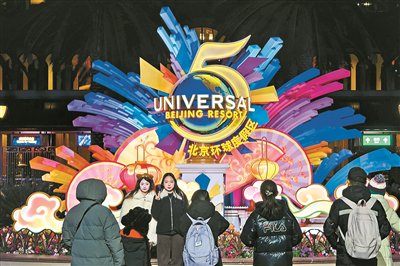
Core Viewpoint - The Beijing-Tianjin-Hebei (Jing-Jin-Ji) coordinated development is transitioning from planning to practical implementation, with significant impacts on tourism and local economies driven by cultural and tourism integration [5][6]. Group 1: Cultural and Tourism Integration - The integration of cultural and tourism industries in Tongzhou, Wuqing, and Langfang is a vibrant aspect of Jing-Jin-Ji development, creating unique tourism IPs that cater to diverse consumer needs and facilitate mutual customer flow [6][9]. - Universal Studios Beijing has become a major tourist destination, significantly boosting local industries such as hospitality and transportation, with a reported GDP multiplier effect of 6:1 for every yuan spent in the park [6][7]. - The Bay Area project near Universal Studios achieved over 3 billion yuan in sales within its first month, with more than 35% of visitors coming from outside Beijing, indicating strong regional tourism appeal [7]. Group 2: Transportation Connectivity - A comprehensive transportation network supports the Jing-Jin-Ji coordinated development, creating an "hourly living circle" that enhances mobility and resource sharing among Tongzhou, Wuqing, and Langfang [10][11]. - The integration of road, rail, and water transport has improved commuting efficiency, exemplified by high-speed rail facilitating daily cross-regional travel for professionals [10][11]. - Upgrades to key transportation nodes, such as inspection stations, have significantly improved traffic flow and reduced wait times, enhancing the overall commuting experience [13][14]. Group 3: Mechanism Innovation - The Beijing Daxing International Airport Economic Zone exemplifies innovative management mechanisms that break down administrative barriers, fostering a collaborative development model between Beijing and Hebei [16][18]. - Policy coordination has enabled seamless service delivery across regions, with numerous administrative processes streamlined for efficiency, supporting industrial integration [16][17]. - The economic zone has attracted significant investment and projects, demonstrating the effectiveness of cross-regional collaboration in enhancing economic dynamism [17][18].

从年味里看活力
Xin Lang Cai Jing· 2026-02-25 17:54
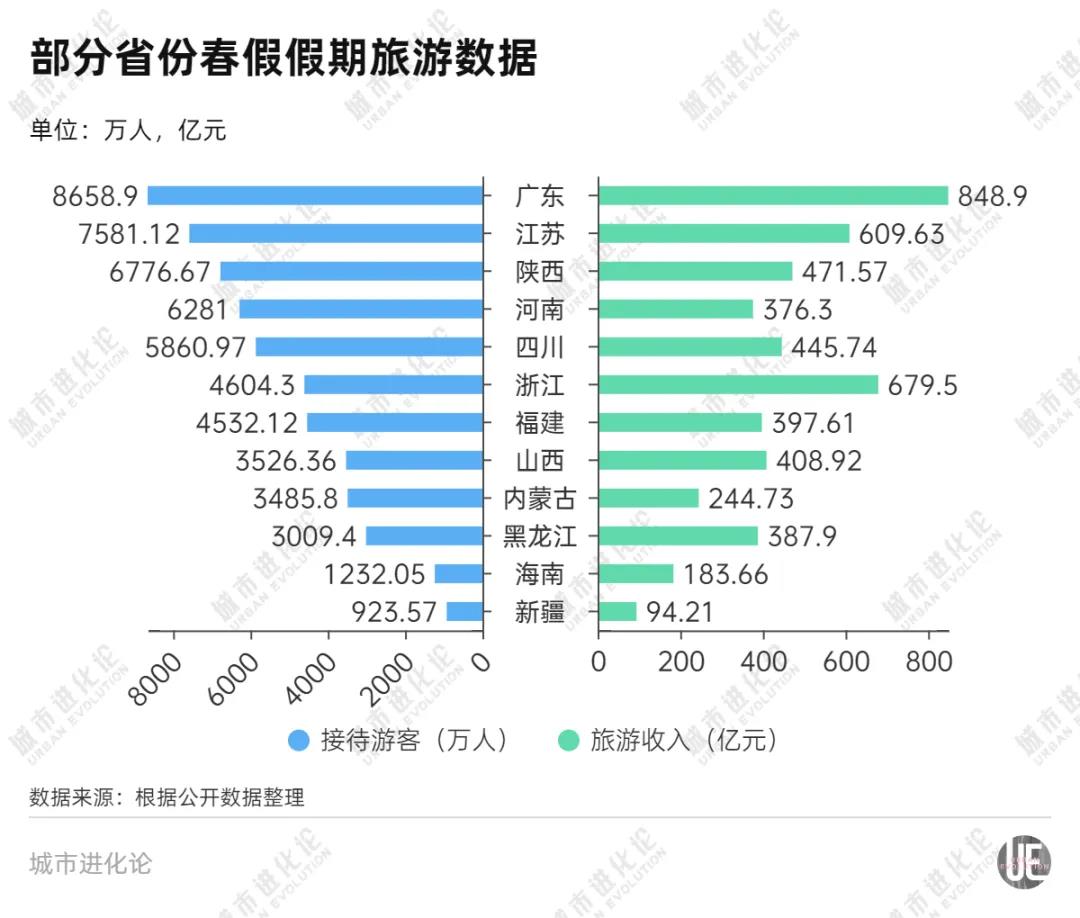
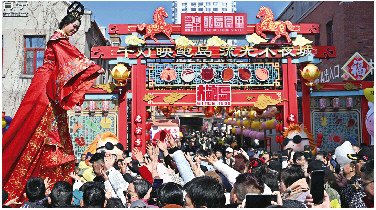
●新华社记者 从北国的冰雪热潮到南方的灯会盛景,从城市商圈的人流涌动到县域大集的烟火升腾,2026年马年春 节,长达9天的假期窗口,铺展出一幅热气腾腾的新春画卷。新场景、新风尚、新流量,三个关键词成 为展现中国春节消费图景的生动注脚。 ——新场景:在悦己体验中感受团圆暖意。 春节是团圆的节日,而团圆的内涵正在不断丰富。今年假期,"旅行过年""度假式过年"热度攀升。 在江西抚州黎川古城,张灯结彩的街巷间,携老带幼的举家出游队伍随处可见。古城深处的"云水间"民 宿,由百年老宅改造而成,从除夕到正月初七客房早早订满。 民宿的庭院里,画架一字排开,油彩铺陈,这家民宿春节期间推出的免费油画体验活动场场满员。来自 上海的游客徐硕说:"以前过年就是走亲访友,今年带着父母和孩子出来旅行,一起完成一幅画,比单 纯逛景区更有纪念意义。" 与此同时,更多年轻人选择为"情绪价值"买单。在长沙,年轻消费者正成为春节消费的主力军。位于天 心区的悦方ID MALL凭借独特的"泛二次元"生态定位,成为年轻消费者的热门打卡地,泡泡玛特等品 牌门店在假期中迎来消费热潮。 在位于天津的国家海洋博物馆里,应用数字沉浸、人工智能等技术的"未来海洋"展 ...
春节假期 合川接待游客365万+人次
Xin Lang Cai Jing· 2026-02-25 17:54
上游财经-重庆晨报记者 杨新宇 今年春节假期,合川文旅交出接待游客365.50万人次,同比增长96.93%的亮眼"成绩单"。 2月24日,合川高新区从"过节模式"一键切换"冲刺模式",管委会大楼灯火通明、挂图作战,企业车间 机械轰鸣、悬臂挥舞,政企同心抢开局、拼首季,一幅奋力夺取新春"开门红"的图景火热铺展。 ...
以必胜信心抢抓机遇 以奋进姿态开拓进取共同推动“十五五”开好局起好步
Xin Lang Cai Jing· 2026-02-25 17:54
吴晓军代表省委省政府感谢广大企业家长期以来为青海经济社会发展作出的重要贡献,充分肯定大家热 爱青海、扎根青海、建设青海的深厚情怀。他强调,企业强则青海强,产业兴则青海兴。发展新质生产 力,构建现代化产业体系,对于青海不是"选择题",而是"必答题"。面向"十五五",企业要准确把握青 海发展的历史方位与时代使命,在发展新质生产力中勇挑重担,向"绿"而行、向"新"发力、向"高"攀 登、向"优"提质、向"融"拓展,厚植生态底色,推动全产业向绿色循环低碳转型;攻坚核心技术,以科 技自立自强挺起新质生产力脊梁;壮大清洁能源,加快发展储能产业、智能电网、氢能产业等高端业 态;做强特色品牌,让"青"字号特色产品溢价增值、享誉全国;强化协同联动,构建创新引领、协同高 效、绿色低碳、特色鲜明的现代化产业体系。 吴晓军要求,全省各级党委政府要为企业发展撑腰鼓劲、保驾护航,全力以赴营造更优营商环境、提供 更强要素支撑、构建更活创新生态、打造更亲清政商关系。希望广大企业家坚定信心、扎根青海,把握 规律、顺势而为,扬优成势、敢作善为,开放合作,共赢发展,担当责任,造福桑梓,在服务青海经济 社会发展中实现更大发展,在现代化新青海建设中展现 ...
乐购新春,深圳春节商文旅消费“马”力全开!
Sou Hu Cai Jing· 2026-02-25 17:36
Core Insights - Shenzhen's consumer market has shown significant vitality during the Spring Festival, driven by various promotional activities and innovative consumption models, highlighting the city's dynamic economic landscape [1][3]. Group 1: Consumer Incentives - The "Lucky Invoice" initiative has distributed over 50 million yuan in prizes, with approximately 12.8 million invoices submitted and over 8.82 million approved, leading to a total invoice amount exceeding 2.1 billion yuan [5]. - The "Trade-in for New" program has generated around 400 million yuan in sales, with substantial government subsidies stimulating purchases of automobiles, home appliances, and digital products [10]. Group 2: Promotional Activities - Over 100 promotional events were organized during the Spring Festival, enhancing the festive shopping atmosphere and resulting in an 18.7% increase in foot traffic and a 15.24% rise in revenue across 30 key shopping districts [14]. Group 3: Technology and Consumer Goods - The "AI Eight Steeds" from Huaqiangbei have become popular choices for New Year gifts, with sales of tech products increasing by over 30% compared to regular periods, particularly AI glasses seeing a 70% to 80% surge in sales [17][19]. Group 4: Tourism and Cultural Consumption - Shenzhen has emerged as a key destination for "reverse reunion" tourism, attracting over 10.54 million visitors during the nine-day holiday, showcasing a blend of cultural and commercial activities that enhance the consumer experience [3][43]. - The integration of digital solutions in tourism, such as multilingual smart ticketing systems, has improved the efficiency of service for international visitors, further boosting the local economy [44].

“数”说新春消费:解码中国经济活力与底气
Sou Hu Cai Jing· 2026-02-25 17:36
Group 1: Consumer Mobility - The total cross-regional population flow during the Spring Festival reached over 2.8 billion person-times, averaging 311 million person-times per day, marking a year-on-year increase of 8.2% and setting a historical record [1] - The increase in travel and return home during the holiday has significantly boosted the consumption market, benefiting industries such as dining, accommodation, transportation, and scenic spots [1] Group 2: Retail and Dining Performance - The average daily sales of key retail and catering enterprises increased by 5.7% compared to the 2025 holiday, with the growth rate accelerating by 1.6 percentage points [2] - Traditional consumption demands, such as purchasing New Year goods and dining for family gatherings, have been released, indicating a steady improvement in consumer purchasing power and confidence [2] Group 3: Cultural and Tourism Experience - During the first eight days of the holiday, nearly 15,000 cultural and creative markets and intangible cultural heritage performances were held, attracting over 270 million visitors and generating nearly 7 billion yuan in consumption [4] - The integration of culture and tourism is evolving, with new consumption trends emerging that focus on cultural, leisure, technology, and experiential aspects [4] Group 4: Inbound Tourism - The Spring Festival attracted tourists from over 160 countries and regions, with 460,000 foreign visitors benefiting from visa-free policies, representing a daily increase of 28.5% compared to the 2025 holiday [5] - The recovery of inbound tourism not only boosts consumption but also showcases China's openness and charm to the world [5] Group 5: Economic Outlook - The data reflects the resilience and vitality of the Chinese economy, indicating a strong foundation for continued consumer potential, cultural tourism integration, and consumption upgrades in the new year [5]
节后机票价格大幅回落催热“错峰游” 部分航线价格相较春节期间均值下降超六成
Zheng Quan Ri Bao· 2026-02-25 16:17
Core Insights - The domestic travel market in China is experiencing a significant rebound post-Spring Festival, with a notable drop in flight prices leading to increased interest in off-peak travel [1][2] Group 1: Flight Price Trends - Average domestic flight prices have decreased by over 50% compared to the Spring Festival period, with specific routes showing substantial reductions, such as Beijing to Chengdu down 32% and Shanghai to Sanya down 63% [1] - Popular routes to Hainan have seen dramatic price drops, with Beijing to Sanya averaging 585 yuan, a 66% decrease from the Spring Festival average [1][2] Group 2: Travel Demand and Preferences - The post-holiday travel demand is primarily driven by return-to-work travelers, business trips, and off-peak vacationers, with a notable increase in bookings for high-quality hotels [2][3] - The demographic of travelers is shifting, with a significant portion of bookings coming from retirees aged 55 to 65, who prefer leisurely, non-shopping tours [3] Group 3: Travel Agency Strategies - Travel agencies are adopting a dual strategy of promoting both domestic and international travel to fill the market gap left after the Spring Festival [3] - Agencies are focusing on traditional popular destinations and introducing wellness and slow travel concepts to cater to the preferences of older travelers [3]
出行旺消费暖,“流动中国”尽显活力
Xin Lang Cai Jing· 2026-02-25 15:52
Group 1: Travel and Tourism - The Spring Festival holiday saw a record high of 28 billion cross-regional personnel movements, with daily averages reaching 3.11 billion, marking an 8.2% year-on-year increase [1][3] - The number of inbound and outbound travelers during the Spring Festival is expected to exceed 2.05 million daily, a 14.1% increase compared to the previous year [2] - Popular tourist destinations included traditional cultural sites and events, showcasing China's rich heritage and attracting both domestic and international visitors [1][7] Group 2: Retail and Consumption - Key retail and catering enterprises reported an 8.6% increase in average daily sales during the first four days of the holiday compared to the previous year [5] - E-commerce platforms like Douyin saw a significant rise in sales, with orders for reunion dinner packages increasing over 210% and sales of intangible cultural heritage performances growing over 100% [5] - Hainan's duty-free shopping during the first seven days of the holiday reached 2.07 billion, a 16.8% increase from the previous year [4] Group 3: Technology and Innovation - Sales of smart wearable devices and AI home appliances surged, with new products featuring AI experiences accounting for over 50% of sales [6] - The shift in consumer spending is moving from quantity to quality, driven by new technologies and business models that enhance market potential [6] Group 4: Cultural Exchange - The Spring Festival is increasingly recognized globally, with celebrations and cultural events occurring in various countries, highlighting China's growing influence [8][9] - The festival's significance has transcended regional boundaries, becoming a global cultural symbol [9]
“乐购新春”释放假日消费潜力
Zheng Quan Ri Bao· 2026-02-25 15:46
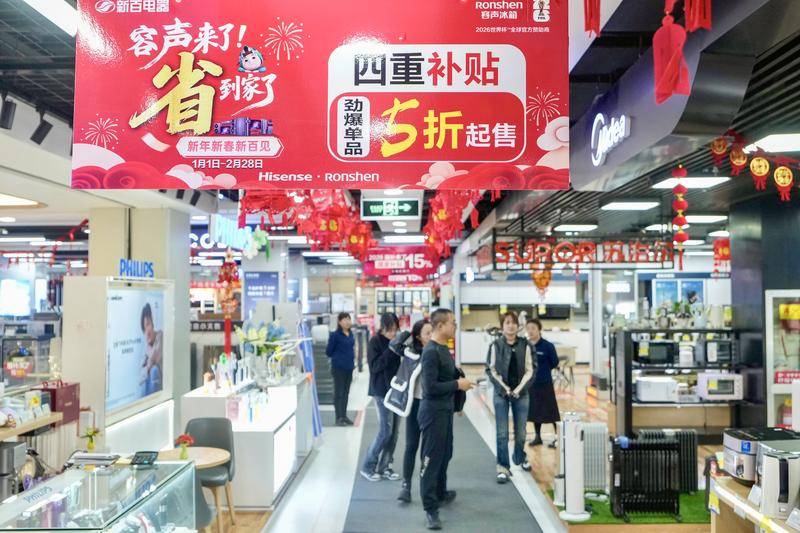
Core Viewpoint - The "Happy Shopping Spring Festival" initiative has effectively stimulated consumer spending during the holiday period, showcasing strong collaboration among various government departments to enhance domestic consumption and economic growth [1][5]. Group 1: Policy Implementation and Impact - The initiative includes six key areas: food, accommodation, transportation, tourism, shopping, and entertainment, with significant policy measures such as trade-in programs, prize invoices, and financial support [1][3]. - A total of 20.5 billion yuan has been allocated for consumer vouchers and subsidies across 50 cities, with over 10 billion yuan in prizes distributed during the Spring Festival, significantly boosting consumer willingness to spend [3][4]. Group 2: Regional Responses and Activities - Local governments have actively organized events, with Beijing distributing over 20 million yuan in consumer vouchers and Henan issuing 70 million yuan in retail and dining vouchers, leading to substantial sales in various sectors [2][3]. - In Liaoning, monitored retail sales increased by 10.2% year-on-year during the holiday, with 18.4 million products sold through trade-in programs, generating 740 million yuan in sales [2][4]. Group 3: Consumer Behavior and Trends - The average daily sales of key retail and catering enterprises increased by 5.7% compared to the previous year, with foot traffic and sales in monitored shopping areas rising by 6.7% and 7.5%, respectively [4]. - The demand for smart and green products surged, with sales of smart glasses and intelligent robots increasing by 47.3% and 32.7%, respectively, during the holiday period [4]. Group 4: Future Recommendations - The initiative's success suggests the need for ongoing themed promotional activities throughout the year to maintain consumer engagement and adapt to seasonal demands [5]. - Recommendations include enhancing support for small businesses, integrating online and offline experiences, and utilizing big data for better supply-demand matching [5].
城市24小时 | 广东第五城 冲击下一个“双万城市”
Mei Ri Jing Ji Xin Wen· 2026-02-25 15:34
Group 1 - The core theme of the meeting in Huizhou is to promote the coordinated development of manufacturing and service industries, aiming to enhance investment quality and efficiency [1] - Huizhou is positioned as a key player in Guangdong's economic landscape, with a GDP exceeding 600 billion and a goal to reach a trillion GDP and a population of over 10 million [1][3] - The city is focusing on industrial upgrades and nurturing new growth drivers, particularly in petrochemical energy, new materials, and electronic information sectors [3] Group 2 - The Guangdong provincial government has high expectations for Huizhou, designating it as a new growth pole for high-quality development [3] - Huizhou's "14th Five-Year Plan" emphasizes the need for industrial cluster development and aims to establish a strong artificial intelligence and robotics industry [3][4] - A growth loop is forming where industry attracts population, leading to urban prosperity, which in turn supports further industrial development [4] Group 3 - Guangdong's service industry has maintained the highest value in the country for 41 consecutive years, with manufacturing accounting for about one-eighth of the national total [9] - The province's GDP is projected to reach 14.58 trillion by 2025, with manufacturing and service sectors playing crucial roles in this growth [9]