
可再生能源

Search documents
确保能源产业链供应链安全
Ren Min Ri Bao· 2025-12-23 22:31
Core Viewpoint - Energy security is a crucial support for national security, and the safety of the energy industry chain and supply chain is a strategic extension and key support for maintaining energy security in the new situation [1][2]. Group 1: Energy Industry Chain and Supply Chain - The energy industry chain consists of a full-chain industrial system formed by the collaboration of various entities involved in energy exploration, development, processing, transportation, and consumption [2]. - The energy supply chain refers to the efficient operational mechanism integrating logistics networks, information collaboration, and financial support throughout the entire process from energy production to consumption [2]. - Disruptions in the energy industry chain and supply chain can lead to economic circulation blockages, energy supply interruptions, abnormal price fluctuations, and disorder in upstream and downstream industries, adversely affecting normal production and basic energy needs [2]. Group 2: Current Status and Challenges - By the end of 2024, China's renewable energy installed capacity is expected to reach 1.89 billion kilowatts, accounting for 56% of the total installed capacity, with hydropower, wind power, and solar power ranking first globally [3]. - Despite advancements, challenges remain, including technological bottlenecks in key materials and core software in the fields of new energy and energy storage, as well as high external dependency in certain areas [3]. Group 3: Technological Innovation and Core Technology - Strengthening energy technological innovation and accelerating core technology breakthroughs are fundamental strategies to address safety issues in the energy industry chain and supply chain [4]. - The focus should be on major technological projects in the energy sector, promoting the integration of technology research and large-scale market applications [4]. Group 4: Energy Structure Optimization - Constructing a diversified and complementary energy supply system is essential for enhancing the safety of the industry chain and supply chain [5]. - The strategy includes optimizing the combination of traditional and new energy sources, ensuring a stable and resilient energy system [5]. Group 5: Energy System Reform - Deepening energy system reforms is necessary to enhance the resilience of the energy industry chain and supply chain [6]. - This includes breaking down market barriers, encouraging private enterprises to participate in energy infrastructure construction, and expanding strategic reserves of oil and coal [6].
信义能源(03868)拟6200万元收购金寨信义风能的全部股权
Zhi Tong Cai Jing· 2025-12-23 11:53
Group 1 - The core transaction involves the sale of 100% equity of Jinzhai Xinyi Wind Power from Xinyi Glass (Wuhu) and Anhui Xinyi Power to Xinyi Energy (Fanchang) for a total consideration of RMB 62 million, subject to adjustments [1] - Jinzhai Xinyi Wind Power, located in Jinzhai City, Anhui Province, has an approved generation capacity of 64 megawatts and is governed by a wind farm management agreement [1] - As of the announcement date, the equity of Jinzhai Xinyi Wind Power is held by Xinyi Glass (Wuhu) and Anhui Xinyi Power at 82.0% and 18.0%, respectively [1] Group 2 - The proposed arrangement will reduce the need for independent operational teams for managing the wind farm, thereby effectively lowering costs and expenses related to non-core businesses for both Xinyi Glass and Xinyi Storage [2] - The acquisition of Jinzhai Xinyi Wind Power will enhance Xinyi Energy's renewable energy portfolio in China, particularly in the wind energy sector, as the company is also exploring other renewable energy projects [2]

特朗普的资本重构:一场万亿美元级别的资金流向大转移
Hua Er Jie Jian Wen· 2025-12-23 10:30
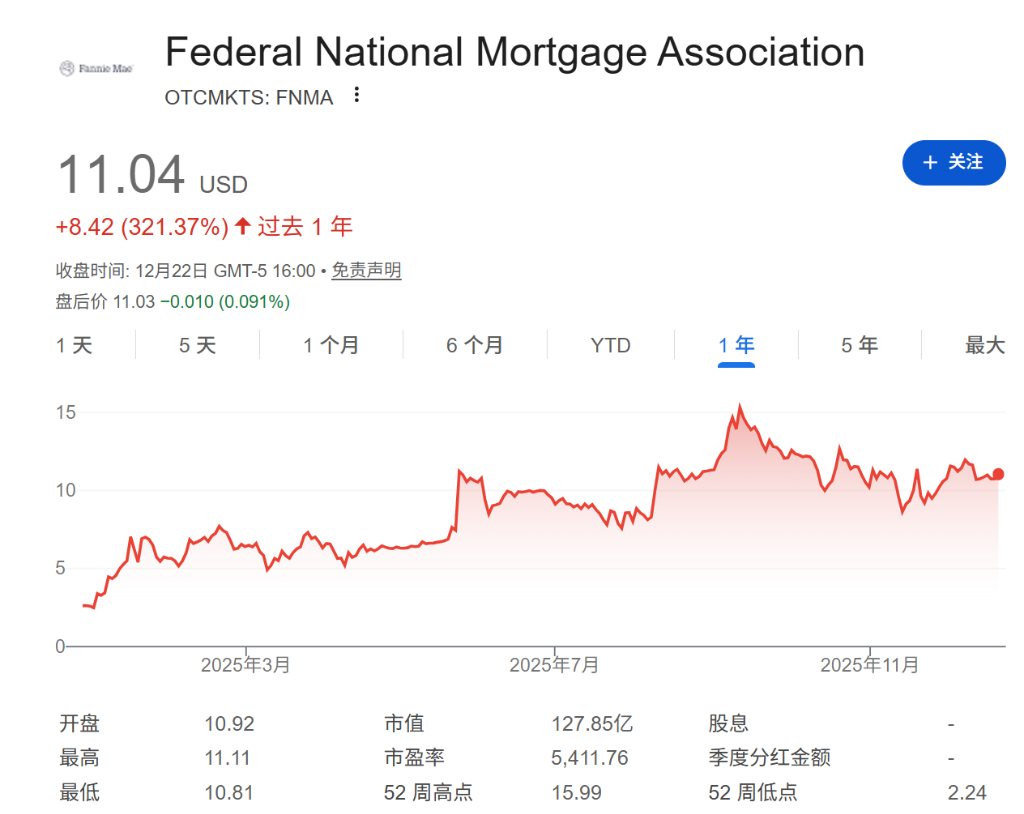
Group 1: Economic Policy Changes - The Trump administration is rapidly altering the flow of capital in the U.S. economy, signaling a shift away from renewable energy projects towards pipeline projects, cryptocurrencies, and traditional finance [1] - A series of regulatory changes, including the relaxation of bank leverage limits and the privatization of mortgage giants, are reshaping the incentive structures within the financial system [1][2] - The administration aims to restore the U.S. as a leading economy by reducing regulatory burdens that stifle economic creativity [1] Group 2: Bank Regulation and Liquidity - Federal banking regulators are relaxing key capital rules, lowering the "enhanced supplementary leverage ratio" (eSLR) from 5% to between 3.5% and 4.25%, effective in early 2026 [2] - This change could release up to $219 billion in capital for major banks like JPMorgan Chase & Co. and Citigroup Inc., leading to increased stock buybacks and dividend payments [2] - Critics warn that these policies may weaken the banking system and increase industry concentration [2] Group 3: Mortgage Market Privatization - A controversial proposal aims to end government control over Fannie Mae and Freddie Mac, leading to significant stock price increases for these entities [3][6] - The Treasury holds $360 billion in preferred equity, making the handling of this asset a central issue in privatization discussions [6] - Potential reforms could raise borrowing costs for consumers, with mortgage rates possibly increasing by 0.2 to 0.8 percentage points [6] Group 4: Cryptocurrency Regulation - The Trump administration is embracing digital assets, having signed the GENIUS Act to provide a legal framework for stablecoins, which could lead to a market growth from $310 billion to $4 trillion by 2030 [7] - Major banks, including JPMorgan, are actively entering the stablecoin market, while Tether seeks a $500 billion valuation [7] - The new regulations require stablecoin issuers to maintain reserves at a 1:1 ratio, potentially increasing demand for U.S. Treasury securities [7] Group 5: Energy Sector Shifts - The administration's policies have led to a significant reversal in energy investment, ending tax credits for electric vehicles and renewable energy projects, resulting in the cancellation or delay of $29.3 billion in clean energy projects [8] - Major companies in the clean energy sector are facing layoffs and project cancellations, while the government is refocusing on fossil fuels and nuclear energy [8] Group 6: Retirement Savings Market - The Trump administration is attempting to tap into the $13 trillion retirement savings market by requiring a reassessment of investment guidelines for retirement plans [9] - This move is seen as a boon for the private equity industry, potentially releasing billions in new capital as funds shift from traditional assets to alternative investments [9] - Critics express concerns about the risks and costs associated with exposing ordinary investors to high-risk financial products [9]

日本拟提供2100亿日元补贴以支持清洁能源投资
Xin Lang Cai Jing· 2025-12-23 05:09
Core Insights - The Japanese government plans to provide 210 billion yen (approximately 1.34 billion USD) to support companies investing in clean energy, aiming to boost demand for renewable energy and stimulate regional economic growth [1][3] - The subsidies are intended to help Japan, the world's fifth-largest carbon dioxide emitter, achieve its clean energy goals and reduce reliance on imported fossil fuels after setbacks in wind and solar projects [1][3] - The initiative will begin in the fiscal year 2026 and will span five years, with eligible companies potentially receiving subsidies covering up to half of their capital expenditures [1][3] Renewable Energy Goals - Japan aims for renewable energy to account for up to 50% of its power structure by the fiscal year 2040, an increase from 22.9% in the fiscal year 2023, with nuclear power expected to rise to 20% from 8.5% in the same period [2][4] - This new support measure is part of Japan's "GX 2040" vision, a national strategy combining decarbonization and industrial policy, which was approved by the cabinet earlier this year [2][4] GX Strategic Regions - As part of the framework, the Japanese government will establish a "GX Strategic Region" system to create new industrial clusters in low-carbon energy areas [2][4] - Local governments and businesses will collaboratively develop plans, with the national government selecting regions and providing support through subsidies and regulatory reforms [2][4] - Applications from local governments are expected to open later in the current fiscal year [2][4]
财政部原副部长朱光耀:中国在人工智能方面有明显优势
2 1 Shi Ji Jing Ji Bao Dao· 2025-12-23 04:09
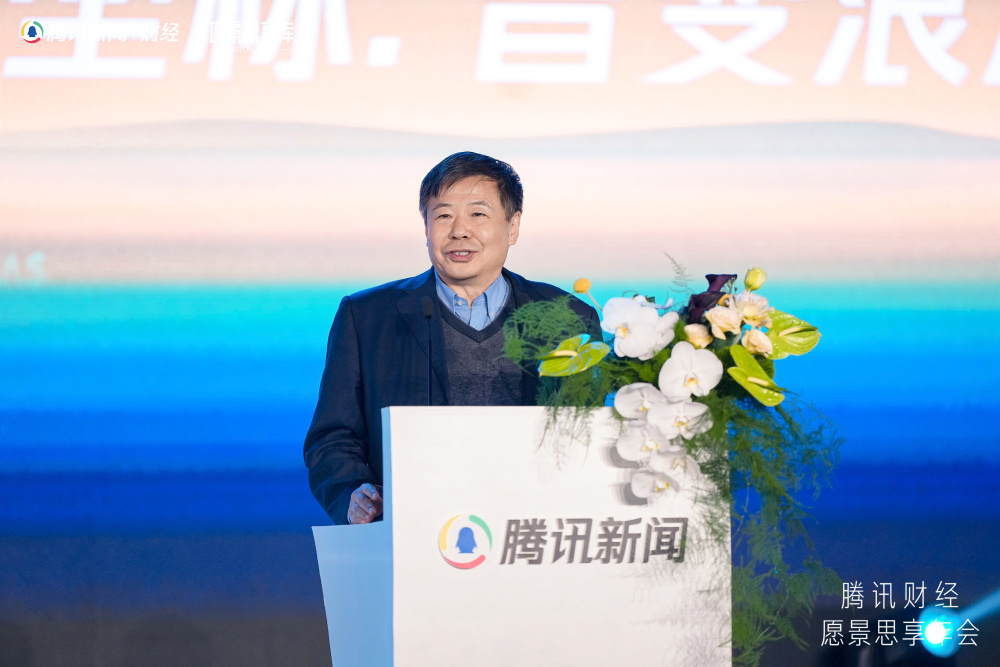
Economic Position and Growth - China's GDP is projected to be $18.27 trillion in 2024, maintaining its position as the second-largest economy globally, following the U.S. with a GDP of $110 trillion [3] - Germany ranks third with a GDP of $4.73 trillion, while India, as a BRICS nation, has a GDP of $3.98 trillion, making it the fifth-largest economy [3] High-Income Status and Future Goals - The World Bank adjusted the high-income threshold for GNI per capita to $14,005, with China's projected GNI per capita for 2024 at $13,660, indicating a shortfall of $275 to achieve high-income status [4] - China aims to transition into a high-income country by 2025 or 2026, focusing on the "14th Five-Year Plan" and "15th Five-Year Plan" to build a modern socialist nation [4] Development in AI and Renewable Energy - China's advancements in artificial intelligence and new energy sectors are seen as foundational for future economic growth, with a significant increase in power generation expected [5] - In 2024, China's total power generation is expected to exceed 10 trillion kilowatt-hours, more than double that of the U.S. [5] - China leads globally in renewable energy, with over 1 billion kilowatts of installed solar capacity, accounting for more than 50% of the world's total [5] Competitive Landscape in AI - Both China and the U.S. are leaders in AI, but China faces challenges in advanced chip production compared to the U.S. [6] - U.S. restrictions on chip exports to China may ultimately harm U.S. market share, as noted by industry leaders [6] - China's strengths in electricity production and vast application scenarios provide a solid foundation for AI development [7] Strategic Opportunities and Challenges - China is encouraged to leverage its advantages in AI while addressing its weaknesses through innovation and government support [7] - The competitive landscape is expected to remain intense during the "14th Five-Year Plan" period, necessitating a cautious approach [8] - The goal is to ensure a strong start for the "15th Five-Year Plan" in 2026, laying the groundwork for achieving socialist modernization by 2035 [8]
断气倒计时!欧洲议会批准禁俄气,能源困局藏多重变数
Sou Hu Cai Jing· 2025-12-23 02:11
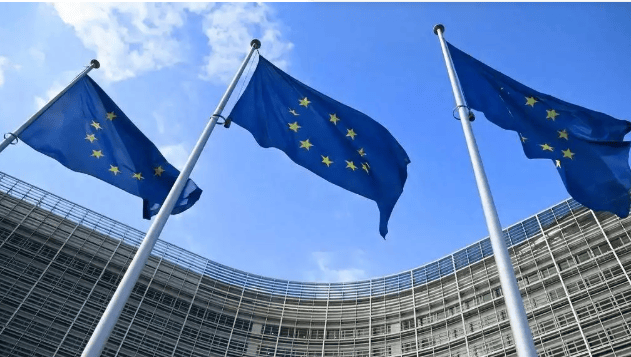
Group 1 - The European Parliament voted to gradually stop importing Russian natural gas, with a complete ban on Russian liquefied natural gas (LNG) entering the EU spot market starting in early 2026, aimed at ensuring energy security and reducing dependence on Russian energy supplies [2][3] - The European Parliament's decision received significant support, passing with 500 votes in favor, 120 against, and 32 abstentions, reflecting a strong commitment to enhancing energy autonomy and countering Russian influence in the energy sector [3][4] - The International Energy Agency (IEA) reported that Europe's LNG imports are expected to reach a historical high, increasing by approximately 20% compared to 2024, driven by rising consumption and reduced pipeline gas supplies, which has led to sustained high LNG prices in Europe [3][4] Group 2 - The European Investment Bank is central to the EU's energy strategy, focusing on funding renewable energy development and expanding energy supply channels, which is crucial for reducing reliance on Russian energy [4][5] - The EU's energy reserve strategy is coordinated by the Agency for the Cooperation of Energy Regulators, which plays a key role in managing energy reserves among member states, with strict regulations on the use of these reserves during significant supply crises [5] - The push for "de-Russification" of energy has accelerated the development of the European renewable energy sector, although rebuilding a self-sufficient energy supply chain will require substantial time and investment, and there are existing gaps in stability and cost advantages outside of Russian energy sources [4][5]
韶能股份第二大股东深圳兆伟收到警示函 因权益变动未停止交易等
Xi Niu Cai Jing· 2025-12-23 01:53
Core Viewpoint - Shenzhen Zhaowei Hengfa Energy Co., Ltd. received a warning letter from the Guangdong Securities Regulatory Commission for failing to timely report and announce stock reductions, which violated regulations related to the management of listed company acquisitions [2][3] Group 1: Regulatory Actions - The Guangdong Securities Regulatory Commission found that Shenzhen Zhaowei reduced its holdings by 14.4047 million shares on November 10, 2025, bringing its ownership below 10% without timely reporting [3] - Shenzhen Zhaowei further reduced its holdings by 4.047 million shares on November 11, 2025, also failing to announce this reduction in a timely manner [3] - As a result of these violations, the regulatory body issued a warning letter and recorded the incident in the securities and futures market integrity archive [3] Group 2: Company Background and Financials - Shenzhen Zhaowei became the second-largest shareholder of Shaoneng Co., Ltd. in May 2024 by acquiring 142 million shares for 674 million yuan [4] - Since June 2025, Shenzhen Zhaowei has been continuously reducing its holdings, with its stake dropping to 78.7241 million shares, or 7.40%, by November 25, 2025 [4] - The significant reduction in holdings occurred against the backdrop of a potential change in control of Shaoneng Co., as the company announced plans to issue shares to Jincai Investment, which would change its actual controller to the State-owned Assets Supervision and Administration Commission of Shaoguan City [4] - For the first three quarters of 2025, Shaoneng Co. reported revenue of 3.644 billion yuan, an increase of 8.33% year-on-year, while the net profit attributable to shareholders decreased by 12.34% to 173 million yuan [4]


“十五五”和2026年可再生能源发展展望
2025-12-22 15:47
"十五五"和 2026 年可再生能源发展展望 20251222 摘要 国家能源局设定的 2026 年新能源装机目标为 200 吉瓦,低于市场预期, 主要基于非化石能源消费比重已接近完成 2025 年目标,但可能限制未 来发展。 2030 年前新能源发展面临单位 GDP 碳排放强度严格要求,现有减排进 度滞后于目标,需大幅提升可再生能源利用效率并发展核电等其他能源。 中国计划在"十五"期间新增约 1,000 吉瓦可再生能源装机,以满足非 化石能源消费比重目标,但要实现碳排放强度目标仍需进一步提升能源 利用效率。 未来几年,中国新能源政策将侧重需求侧,关注电价波动和供给侧改革, 并加强对氢能、氨、醇等非电领域可再生能源应用的支持。 能源领域固定资产投资对中国经济增长贡献显著,"十四五"期间增速 约为 16%,电力领域更高达 20%,涵盖充电桩、电解槽等新兴领域。 预计"十五五"期间每年将开工 3 至 4 条特高压外送通道,总计约 15 条,每条可支撑 5 至 10 吉瓦的可再生能源外送,总体支持规模在 100 至 200 吉瓦之间。 2026 年国内光伏新增装机容量预期为 160 至 200 吉瓦,地面电站度电 ...
金银、油价、加密货币集体大涨,中概股拉升,特斯拉创新高,市值超1.65万亿美元
21世纪经济报道· 2025-12-22 15:23
Market Overview - Major US stock indices opened higher, with the Dow Jones up 0.23%, Nasdaq up 0.64%, and S&P 500 up 0.49% [1] - The seven major US tech companies saw a general increase, with Nvidia rising by 1.2% and Tesla reaching a historic high with a 3.38% increase, bringing its market value to $1.65 trillion, a cumulative increase of 57% over the last 120 trading days [3][4] Tesla Developments - Tesla's stock price reached $497.47, with a market capitalization of $1,654.5 billion and a P/E ratio of 326 [4] - Tesla signed an agreement with Matrix Renewable Energy to develop a battery storage project in the UK [3] Chinese Stock Market Outlook - Goldman Sachs predicts that the Chinese stock market will continue its upward trend into 2026, although at a slower pace [5] - Analysts expect a shift from "expectation-driven" to "profit-driven" market dynamics, with corporate earnings projected to grow by 14% in the next year and 12% in 2027, alongside a valuation expansion of around 10% [5] - The Chinese stock market could see a potential increase of 38% by the end of 2027 [5] Commodity Market Insights - Spot gold prices surged over 2%, reaching a historic high of $4,427.80 per ounce, while silver prices also broke through $69 per ounce, increasing by over 3% [6][8] - The rise in gold and silver prices is attributed to a combination of factors including a loose monetary cycle, high fiscal deficits, and a global manufacturing recovery [10] Gold Price Projections - Goldman Sachs analysts forecast that gold prices will continue to rise, with a baseline scenario of $4,900 per ounce next year, indicating potential upward risks [11] - The current price of gold is seen as part of a super cycle, with the $4,400 per ounce level possibly being a midpoint in this cycle [11]

南非学者:非中科技合作赋能非洲社会经济转型
Xin Hua Wang· 2025-12-22 13:04
Core Viewpoint - The article emphasizes the deepening cooperation between Africa and China in information and communication technology, digital infrastructure, and emerging technologies, which is expected to inject new momentum into Africa's economic and social development [1]. Group 1: Economic Impact - Emerging technologies such as the Internet of Things, big data analytics, and artificial intelligence present opportunities for Africa to leverage these advancements and reliable tech partnerships to drive socio-economic transformation [1]. - By 2030, these technologies are projected to contribute approximately $1.5 trillion to Africa's economic growth [1]. Group 2: Cooperation Framework - The partnership between Africa and China is expanding across government sectors and major telecommunications and mobile communication enterprises, effectively bridging the digital divide and promoting inclusive economic participation and growth [1]. - China has become Africa's largest trade and development partner, actively promoting global southern development through initiatives like the Belt and Road Initiative and the Forum on China-Africa Cooperation [1]. Group 3: Infrastructure Development - Chinese government and enterprises play a crucial role in building communication infrastructure in Africa, including the construction of communication backbone networks and fiber optic networks, which support sectors such as healthcare, education, and financial services [1]. - Collaboration extends to renewable energy and sustainable agriculture, with joint laboratories and research centers established to enhance scientific cooperation and support the training of local tech talent in Africa [1]. Group 4: Future Outlook - The cooperation between China and Africa is vital in bridging the digital divide, and both parties should further deepen technological collaboration as a key area for promoting sustainable socio-economic transformation and modernization in Africa [2].