商业地产

Search documents
北京朝阳合生汇85亿元业绩印证“运营即竞争力”
Zheng Quan Ri Bao Wang· 2026-01-07 03:48
Core Insights - Beijing Chaoyang Heshenghui announced a record-breaking performance for 2025, achieving sales exceeding 8.5 billion yuan, with a year-on-year revenue increase of nearly 15% [1] - The daily foot traffic reached nearly 230,000, marking a new high since its opening in 2017, indicating strong growth in both customer flow and revenue [1] Group 1: Operational Efficiency - Heshenghui effectively manages a large daily foot traffic of over 100,000, with peak periods approaching 200,000, by ensuring smooth operations in safety, hygiene, and facility load [1] - The integration of property management and IT digital operations, along with efficient collaboration across human resources and financial systems, is fundamental to Heshenghui's stable performance [1] - The location's accessibility to various demographics, including tourists, students, and local residents, is strategically leveraged to enhance customer experience [1] Group 2: Customer Engagement - Heshenghui fosters strong customer loyalty and emotional connections through both online and offline interactions, transforming complaints into constructive feedback for continuous improvement [2] - The implementation of special services and facilities for different customer groups, such as luggage storage and exclusive discounts for students, enhances the overall customer experience [1] Group 3: Brand and Asset Management - As a key brand under Hesheng Group, Heshenghui not only contributes to revenue but also exemplifies the company's operational capabilities and brand value [3] - The continuous upgrade of space and business formats, including the introduction of diverse retail options and innovative dining experiences, increases customer engagement and dwell time [3] - Heshenghui serves as a "live advertisement" for Hesheng's light asset model, providing strong credibility for brand partnerships and management expansion [3] Group 4: Strategic Transformation - Heshenghui represents a critical step in Hesheng Group's strategic shift from a traditional developer to an urban operator, providing stable cash flow and brand premium despite market fluctuations [4] - The success of Heshenghui is rooted in a replicable and sustainable business operation system, emphasizing long-term commitment to redefining the value logic of commercial real estate [4]
2026年大中华区房地产市场展望
Cushman & Wakefield· 2026-01-07 02:05
Investment Rating - The report does not explicitly state an investment rating for the real estate sector in Greater China for 2026 Core Insights - 2026 will be a year of adjustment for economic structural transformation, with expanding domestic demand and boosting consumption as the main drivers for economic growth [7] - The integration of logistics and manufacturing facilities will continue to enhance the resilience and competitiveness of the supply chain in Greater China [11] - The rise of domestic retail brands and the shift from "scale expansion" to "value creation" will redefine the retail property market [10] - The demand for office spaces will be significantly driven by the TMT sector, with a focus on high-quality office environments [9] - The expansion of public REITs to include office buildings and hotels will increase investor interest in these sectors [12] Summary by Sections Macro Trends - 2026 will focus on boosting consumption and expanding domestic demand, shifting the development emphasis from the supply side to the demand side [14] - The transition from "investing in things" to "investing in people" will enhance consumer confidence in areas such as education, social security, and housing [14] - The high-quality development of real estate will shift from merely providing housing to ensuring quality living conditions, stabilizing market prices over the next two years [16] Hot Topics and Alternative Assets - AI-driven data centers will continue to attract investor attention, with asset management becoming increasingly important in enhancing asset value [8][22] - The emphasis on green transformation and sustainable development will significantly impact the real estate industry, with green-certified buildings gaining value [23] - The rapid development of data centers driven by AI and cloud computing will create significant growth potential in this asset class [24] Office Market - The TMT sector's demand for office space will see significant growth, with a focus on high-standard office spaces [29] - Self-use buyers will remain a crucial support for the office market, with high-growth domestic companies actively purchasing self-use spaces [30] - The availability of supporting facilities will be key to enhancing the competitiveness of office spaces [31] Retail Property Market - Domestic retail brands are emerging strongly, transitioning from aggressive growth to a focus on value creation [37] - The new generation of consumers is shifting from material satisfaction to emotional value, driving the rise of niche brands and customized services [38] - The integration of smart technology in retail will reshape consumption scenarios and enhance operational efficiency [39] Industrial Logistics Market - The integration of logistics and manufacturing will strengthen supply chain resilience and competitiveness [44] - The introduction of smart automation systems will enhance logistics efficiency amid rising labor costs [45] - The "China +1" strategy will create investment opportunities in high-quality factory spaces as some low-value production moves abroad [46] Bulk Transaction Market - The total transaction volume of commercial real estate in Greater China remained stable at RMB 268.6 billion in the first three quarters of 2025 [52] - Domestic buyers dominated the market, with foreign investment at a historical low due to external market conditions [53] - The REITs market is expected to grow as the scope of C-REITs expands to include more commercial real estate sectors [54] City Markets - In Beijing, the office market is expected to face pressure from increased supply, with a projected 1.26 million square meters of new supply in 2026 [66] - The retail market in Beijing will see over 1.1 million square meters of new supply, focusing on high-quality consumer spaces [66] - In Shanghai, the office market will continue to adjust, with TMT and financial sectors being the main demand drivers [84] - Shenzhen's logistics market will benefit from the growth of cross-border e-commerce, while the retail market will see a rise in demand for innovative commercial spaces [102]
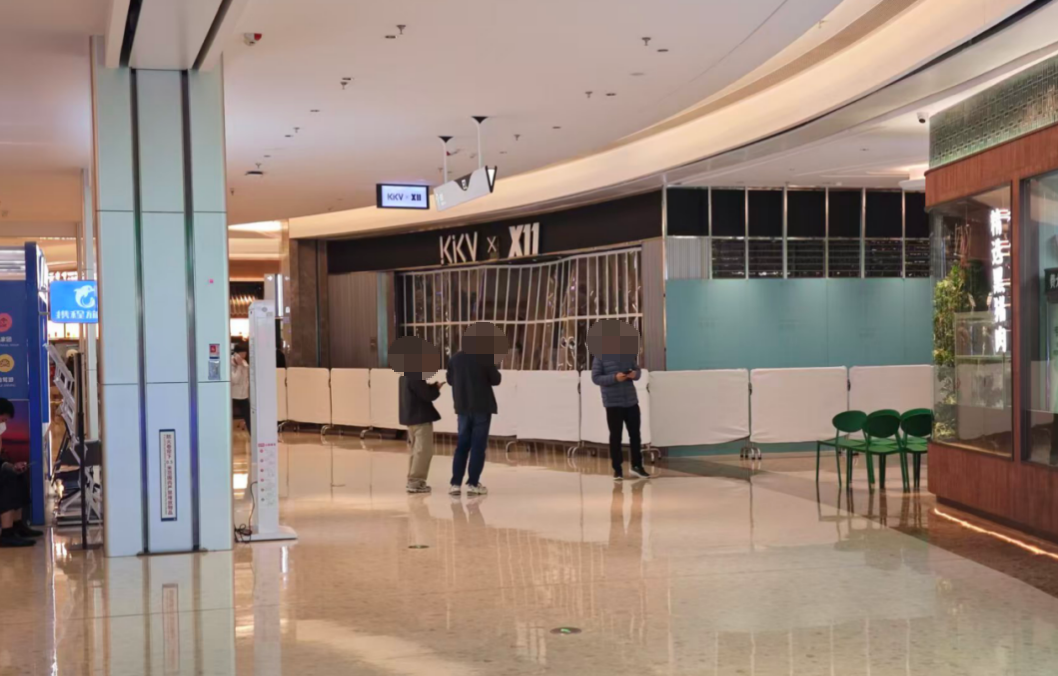
深圳地标商场发生“撕逼” 现场已封锁
Mei Ri Jing Ji Xin Wen· 2026-01-06 23:42
Core Viewpoint - The commercial dispute between KKV and Zhuoyue Center has escalated, leading to KKV's second forced closure and a conflict between the two parties [1][3]. Group 1: Background of the Dispute - KKV, a trendy retail brand, was once a core tenant in Zhuoyue Center but has faced two forced closures since December 2025 due to alleged performance issues [1][5]. - The partnership began in 2021 with a lease agreement set to last until 2027, but tensions have risen over unmet performance expectations [3][5]. Group 2: Details of the Dispute - Zhuoyue Center claims KKV has consistently failed to meet agreed performance standards, leading to a breach of contract regarding performance-based rent [9][11]. - KKV argues that Zhuoyue Center has not fulfilled its commitments regarding foot traffic and occupancy rates, which have negatively impacted KKV's performance [11][12]. Group 3: Legal and Operational Implications - KKV plans to pursue legal action to resolve the dispute, asserting that the forced closure is unjustified and that their overall business performance is improving [9][12]. - Zhuoyue Center emphasizes that the closure is part of standard management practices in commercial real estate to maintain operational efficiency and tenant equity [10][12]. Group 4: Company Performance and Market Position - KKV operates over 700 stores globally, with the brand contributing significantly to KK Group's revenue, which reached approximately 4.77 billion yuan in the first ten months of 2023 [12][17]. - The brand is positioned as a popular sub-main store in shopping centers, offering a variety of products including food, beauty, toys, and home goods [17].

北京通州区今年将大力推进花园城市建设 力争六环高线公园启动段开园
Xin Lang Cai Jing· 2026-01-06 16:24
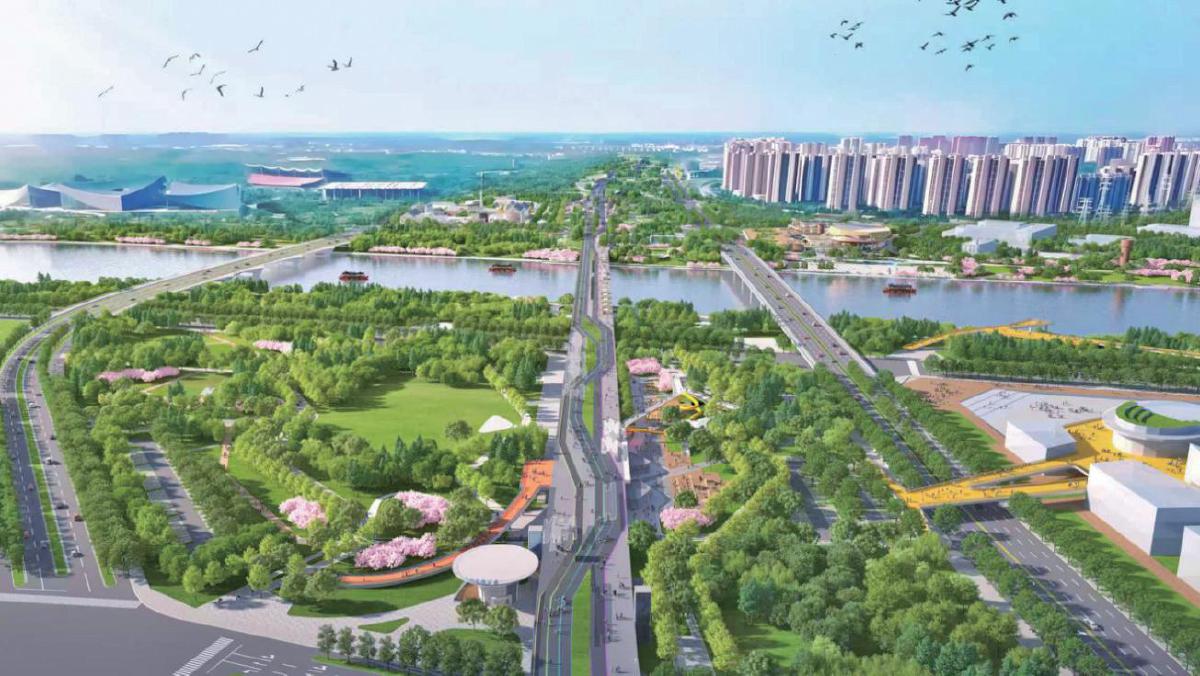
Core Viewpoint - The government work report of Tongzhou District emphasizes the continuation of significant investment and the launch of new projects aimed at enhancing urban infrastructure and cultural landmarks, thereby improving residents' quality of life and happiness. Investment and Infrastructure Development - The Tongzhou District aims to maintain a substantial investment level of over 100 billion yuan, with key projects including the Six Ring High Line Park and the Beijing Art Museum [1][9] - The Six Ring High Line Park, a linear park spanning approximately 14 kilometers, will feature diverse recreational systems for walking, running, cycling, and sightseeing, enhancing urban connectivity and public engagement [6][7] - The initial section of the Six Ring High Line Park is set to open to the public by May 2026, featuring cultural installations and green spaces [8] Cultural and Tourism Initiatives - The Beijing Art Museum, a significant cultural project, has commenced construction and will serve as a major venue for art exhibitions and cultural exchanges, further establishing the area as a cultural hub [9] - The "Mars Science Fiction City" project is planned to start construction in 2026, aiming to create an immersive science and technology experience that integrates educational elements with entertainment [11][12] Economic Growth and Urban Development - The district's economic goals include a GDP growth target of around 6% and an increase in fixed asset investment, alongside the addition of 6,500 new school places to accommodate population growth [13] - The development of the Canal Business District aims to create a vibrant 24-hour economy, enhancing nighttime activities and leisure options for residents and visitors [10]
年度业绩突破85亿,单日客流近20万——北京朝阳合生汇诠释商业“新质生产力”
Cai Jing Wang· 2026-01-06 14:37
Core Insights - Beijing Chaoyang Heshenghui achieved a record sales of 8.5 billion in 2025, with a year-on-year increase of nearly 15%, and daily foot traffic reached nearly 230,000, marking a new high since its opening in 2017 [1][6] Group 1: Operational Excellence - The mall effectively manages over 100,000 daily visitors, with peak times seeing up to 200,000, necessitating efficient coordination across various operational aspects such as safety, hygiene, and facility load [1] - Heshenghui's strategic location near CBDs and residential areas allows it to cater to diverse customer groups, including tourists, students, and local residents, enhancing its appeal [1] - The mall has implemented thoughtful amenities for different demographics, such as luggage storage, family rooms, and exclusive discounts for students and seniors, creating a welcoming environment [1][2] Group 2: Customer Engagement and Experience - In 2025, Heshenghui opened over 100 new brands, including 30 high-quality flagship stores, and hosted more than 300 events, fostering a vibrant atmosphere [3] - The event selection mechanism focuses on unique and engaging experiences, such as celebrity appearances and exclusive product launches, which enhances customer attraction and retention [3][4] - Heshenghui has cultivated a strong emotional connection with customers through active engagement and responsiveness to feedback, transforming complaints into constructive dialogue [4] Group 3: Long-term Value and Strategic Positioning - As a key brand under Hesheng Group, Heshenghui exemplifies the company's operational capabilities and brand value, contributing to its overall performance [6][7] - The mall's success serves as a "live advertisement" for Hesheng's light-asset model, providing strong credit backing for brand collaborations and management expansion [6] - Heshenghui's continuous high occupancy rates and popularity provide stable cash flow and brand premium, positioning it as a growth engine and safety net for the group [7]
价格“内卷”!实探沪深写字楼市场
证券时报· 2026-01-06 13:18
Core Viewpoint - The vacancy rate of office buildings in first-tier cities has become a significant concern in the commercial real estate sector, indicating challenges and pressures for transformation in the office market [1] Group 1: Vacancy Rates and Market Conditions - As of the end of Q3 2025, the vacancy rates for Grade A office buildings in first-tier cities like Beijing, Shanghai, Guangzhou, and Shenzhen range from approximately 19% to 30%, with a rate above 20% indicating a supply-demand imbalance [3] - In Shanghai, the vacancy rate for office buildings reached 23.5% by the end of Q3 2025, with significant price reductions observed, such as a drop from 10 yuan per square meter per day to 5 yuan [6][7] - The overall net absorption of Grade A office space in first-tier cities is projected to be about 1.175 million square meters in 2025, a significant decrease from 3.342 million square meters in 2021, highlighting a persistent supply-demand imbalance [9] Group 2: Market Challenges and Competitive Pressures - The phenomenon of "price competition" is prevalent, with tenants comparing prices and demanding lower rents, leading to a decline in rental stability, especially among small and medium enterprises [5] - In competitive areas like the Huaxin district in Shanghai, despite a strong logistics industry presence, the office market struggles due to reduced government subsidies and increasing competition from nearby districts [7] - A high-end office complex in the Jing'an Temple business district has seen its vacancy rate approach 80%, with rental prices dropping significantly due to oversupply in the area [7] Group 3: Recommendations for Addressing Vacancy Issues - Experts suggest addressing the vacancy issue by managing new supply and revitalizing existing stock, including stricter evaluations for new projects and repurposing unused buildings for essential services [9][10] - The Shenzhen government has initiated policies allowing the conversion of idle non-residential properties into affordable rental housing, providing a potential solution to the oversupply of office space [10] - To stimulate demand, there is a need for industrial upgrades and enhancing the service sector, requiring comprehensive measures to attract modern service enterprises [11]
投入近千万元的店,被商场强关!商场:拖欠业绩租金;商家否认欠费:事发突然,毫无准备,冲突中员工受伤
Mei Ri Jing Ji Xin Wen· 2026-01-06 10:34
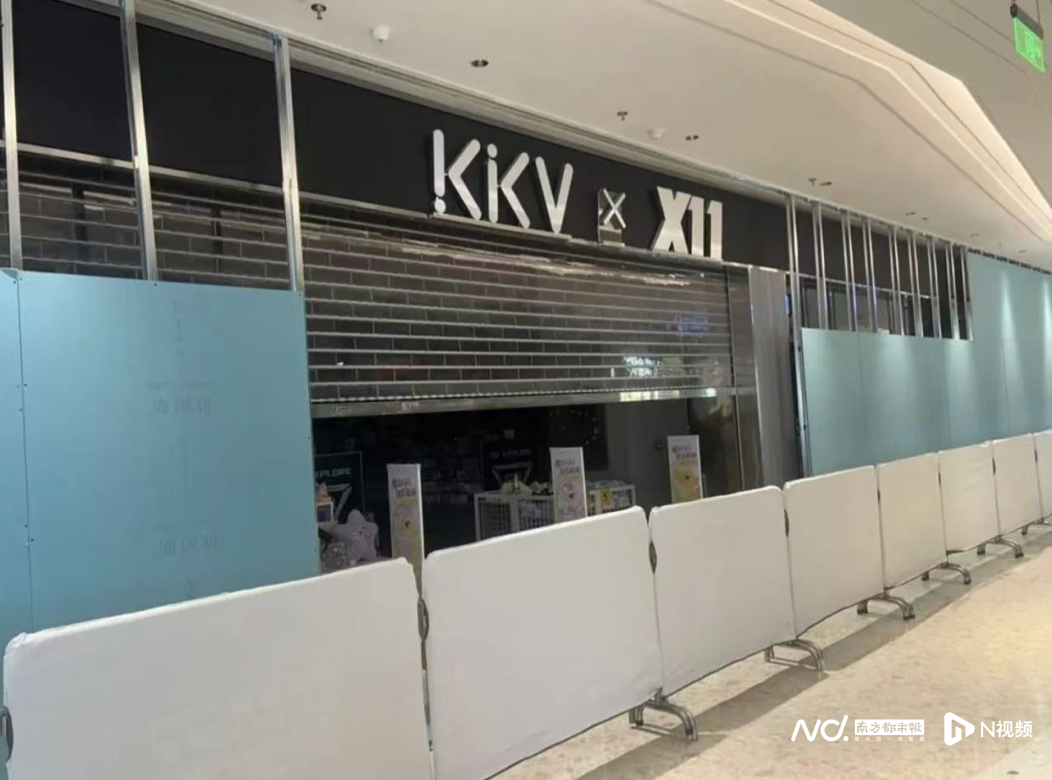
Core Viewpoint - The KKV store in Shenzhen's卓悦中心 was forcibly closed on January 5, 2023, due to alleged rent payment defaults, leading to employee injuries and a significant disruption in operations [1][3][9]. Group 1: Incident Details - The KKV store was abruptly closed without prior notice, with barriers erected to prevent staff from entering, resulting in a halt of operations [1][4]. - Employees reported feeling unprepared for the sudden closure, with some sustaining injuries during the incident [3]. - This incident marks the second time the KKV store has faced forced closure, with a previous occurrence on December 14, 2025, attributed to similar issues [6][9]. Group 2: Contractual Disputes -卓悦中心 claims that KKV has failed to pay performance-based rent, constituting a fundamental breach of contract, and has taken legal steps to terminate the lease [9][11]. - KKV disputes these claims, asserting that they have been paying rent on time and that the termination was based on disputed contractual terms [11][12]. - The two parties have conflicting views on whether KKV is in breach of contract, with both sides maintaining their positions on the matter [15]. Group 3: Background Information - KKV, established in 2019, is a trendy retail brand under Guangdong Kuai Ke E-commerce Co., Ltd., which also owns several other brands [12]. - The KKV store at卓悦中心 was part of a collaboration agreement signed in September 2021, intended to run from 2021 to 2027, with significant investment made in the store's operations [13][15]. -卓悦中心, opened in September 2019, is positioned as a new landmark in the Shenzhen CBD, aiming to redefine the traditional mall experience [11].
大摩:料香港今年写字楼租金跌3% 地产股中偏好写字楼多于零售领域
Zhi Tong Cai Jing· 2026-01-06 09:58
Core Viewpoint - Morgan Stanley prefers the office sector over the retail sector in Hong Kong real estate, noting that while office vacancy rates remain high, they are improving, with Central expected to benefit first [1] Group 1: Office Sector - Morgan Stanley favors Central over non-core areas for office properties, with Hongkong Land and Hysan Development being preferred over Wharf Real Estate Investment [1] - For the outlook on Hong Kong office rentals this year, Morgan Stanley expects a 3% increase in Central rents, while overall office rents are projected to decline by 3% [1] Group 2: Retail Sector - In the retail sector, Morgan Stanley prefers mainland luxury retail stocks over Hong Kong retail stocks, with Hang Lung Properties favored over Wharf Real Estate Investment and Link REIT; Swire Properties is also preferred over Wharf Real Estate Investment [1] - The retail sector faces pressure on shopping mall rents due to online sales and competition from the Shenzhen market [1] Group 3: Risks and Challenges - Morgan Stanley advises avoiding Wharf Real Estate Investment due to challenges such as market share loss and tenant retention risks, exemplified by Alibaba's acquisition of the Grade A commercial building "One Island East" in Causeway Bay, leading to its relocation from Times Square [1] - Growth in mainland duty-free shopping and inbound tourism may impact luxury sales in major shopping malls [1]

新世界发展:旗下K11MUSEA元旦假期整体人流按年升近50%
Xin Lang Cai Jing· 2026-01-06 09:57
Core Viewpoint - K11MUSEA reported a nearly 50% year-on-year increase in overall foot traffic during the three-day New Year holiday, with retail and dining tenants experiencing double-digit sales growth [1] Group 1: Sales Performance - The highest single transaction amount exceeded 1 million HKD, primarily concentrated in the jewelry and watch categories [1] - Retail and dining tenants recorded double-digit sales growth during the holiday period [1] Group 2: Customer Demographics - The proportion of mainland Chinese visitors is steadily recovering, driving high-end consumption [1] Group 3: Future Initiatives - To maintain momentum, K11MUSEA plans to launch a spring-themed installation and limited-time promotions in mid-January, collaborating with several luxury brands to offer exclusive products [1] - The goal is to increase foot traffic by an additional 30% during the upcoming Chinese New Year holiday [1]


仲量联行:2026年全球商业地产市场迎来结构性转变关键期
智通财经网· 2026-01-06 05:56
Core Insights - The global commercial real estate market is entering a critical phase of structural transformation by 2026, driven by optimistic growth expectations in major economies, easing trade tensions, stabilizing inflation, and declining interest rates [1] - In China, the resilience of economic fundamentals and the demand for high-quality development lay the foundation for the long-term value of commercial real estate [1] Group 1: Trends Driving the Market - High-cost environments are prompting companies to focus on efficiency improvements, facing dual challenges of ongoing cost pressures and a shortage of quality property supply [6] - "Space experience" is replacing mere physical space as the core factor in attracting talent and tenants, influencing asset premiums [6] - AI applications are moving from pilot phases to large-scale implementation, with data and talent being critical for success; integration of building and energy systems is shifting from cost centers to value creation [6] Group 2: Market Dynamics - Economic uncertainty and high construction costs are suppressing new development activities globally, particularly in North America and Europe, where new supply of quality office and logistics spaces is expected to shrink further by 2026 [10] - In contrast, China's commercial real estate market is still experiencing high levels of new supply, with a growing demand for upgrading existing properties to meet modern office and consumer experience requirements [10] Group 3: Asset Value and Experience - By 2026, people will pay not just for "space" but for the "experience" it provides; buildings that fail to offer a good experience will quickly lose appeal and value [11] - In China's office market, companies are actively optimizing spaces to attract and retain talent, with investments in enhancing experiences becoming a new standard for competitiveness [14] Group 4: Technology and Energy Integration - Over 90% of real estate companies have initiated AI pilots, but less than 5% achieve their main objectives; the challenge lies in integrating scattered pilots into sustainable, scalable applications [15] - The relationship between real estate and energy is evolving from simple consumption to deep integration, with energy efficiency becoming a significant value driver for assets [16] Group 5: Investment Landscape - The commercial real estate investment landscape is shifting from being dominated by professional institutions to a more diversified participation, with regulatory changes and new technologies lowering investment barriers [20] - In China, investment activities in 2025 are characterized by caution and differentiation, with institutional investors remaining observant amid overall asset price adjustments, while certain asset classes like retail properties and long-term rental apartments continue to attract attention [21] Group 6: Focus on Asset Quality - The global commercial real estate market is returning to a focus on asset quality rather than just scale, with assets that enhance efficiency through refined operations and optimize tenant engagement showing greater resilience during market adjustments [23] - Real estate decisions are becoming more pragmatic, with the choice of office spaces extending beyond cost considerations to include talent strategies, as employees increasingly demand specific environmental and community integration features [23]