
奶业

Search documents
为中小牧场纾困解难 中国人民银行吴忠市分行积极打通“堵点”支持奶产业供应链融资发展
Jin Rong Shi Bao· 2025-11-27 05:11
中国人民银行吴忠市分行坚持深化供应链金融创新,积极引导金融机构创新服务模式,以应收账款融资 为突破口,着力强化政策驱动,打通奶业供应链资金堵点,构建闭环服务体系,扩大服务覆盖范围,为 中小牧场纾困解难,赋能辖区奶产业融资发展。 该行指导中国银行吴忠市分行创新推出"应收账款融资+受托支付"闭环管理模式,形成全流程风险可 控、资金定向使用的服务机制。以核心乳企及上下游企业应收账款为质押物,帮助牧场将"应收账款"转 化为"可用资金",有效缓解流动资金压力,解决牧场无足额抵押物的融资难题。制定《授信支持青贮贷 牧场清单》等,实现"资金—采购—生产"定向流转,避免资金挪用,稳固奶业供应链运转。建立三方协 作机制,上游供应商按清单送货至指定牧场,下游牧场按月足额支付货款,形成"资金投放—货物交付 —回款"闭环,实现交易可追溯、风险可管控,保障信贷资金安全。 据了解,一系列金融创新赋能成效显著,实现了多方共赢发展。今年以来,吴忠市辖区金融机构已向奶 产业主体审批6554万元"应收账款融资"专项授信,覆盖多家牧场,资金及时到位让牧场得以高质量运 转,助力了养殖规模扩大,企业经营稳定性显著增强。同时,中国人民银行吴忠市分行引导 ...
月度社零解读:大消费景气展望
2025-11-16 15:36
Summary of Key Points from Conference Call Records Industry Overview - **Consumer Goods and Retail**: October saw a significant decline in consumer spending, particularly in home appliances and automobiles, with declines of -14.6% and -6.6% respectively. However, communication equipment and cultural office supplies experienced growth due to low base effects from the previous year [1][2] - **E-commerce and Logistics**: During the Double Eleven shopping festival, express delivery volume reached 13.938 billion packages, with a daily average collection significantly above normal levels, indicating strong consumer enthusiasm [4] - **International Trade**: The 2025 China International Import Expo recorded a historic high in transaction volume at $83.49 billion, reflecting active international trade and potential economic recovery [5] Economic Trends - **Investment Trends**: Investment fell further to -1.7% in October, with fixed asset investment declining to -12.2%. The real estate sector showed a notable downturn, but stabilization in second-hand housing prices may lead to a recovery in new home sales by the second half of 2026 [6][7] - **Economic Growth Forecast**: The target for 5% growth in 2025 remains achievable, but policies need to be implemented to address pressures from export and consumption bases. The real estate market is expected to stabilize with policy support, enhancing economic resilience [8] Emerging Consumer Trends - **New Consumption Areas**: Key trends include the 2.0 era of brand globalization, emotional value, AI applications, and channel transformation. Regulatory measures are expected to increase industry concentration, benefiting compliant large e-commerce companies [9][10] - **AI and 3D Printing**: The AI and 3D printing category saw over 200% growth during Double Eleven, with prices dropping significantly, indicating a growing market and increased consumer penetration [13] Sector-Specific Insights - **Alcohol Industry**: The liquor sector is entering a low season with limited price expectations due to dealer losses, but the downward space is expected to be limited [14][15] - **Restaurant Sector**: The restaurant chain sector showed signs of improvement in October, with a year-on-year growth of 3.81% in retail sales [16] - **Soft Drinks**: The soft drink sector experienced a year-on-year growth of 7.11% in October, with expectations for stable growth despite competitive pressures [17][18] - **Snack Industry**: The snack sector remains in a high prosperity phase, with strong sales expected during the upcoming Spring Festival [19] Regulatory and Market Dynamics - **Tax Regulation Impact**: The implementation of tax regulations has leveled the competitive landscape, favoring larger compliant companies [10] - **Partnerships in the Toy Industry**: The collaboration between Pop Mart and Sony Pictures is expected to enhance IP lifecycle and global market reach, despite some market concerns [11] Technology and Innovation - **Xiaomi's Milok OS**: Xiaomi launched the Milok operating system, marking a significant innovation in the home appliance sector, with potential for market leadership [12] - **AI Glasses Market**: The AI glasses market is expected to grow rapidly, with several new products set to launch [29] Automotive Sector Analysis - **October Performance**: October saw a slight decline in automotive sales, with narrow growth in new energy vehicles. Exports remained strong, particularly for new energy vehicles [37][38] - **Future Outlook**: The automotive market is expected to remain stable in November and December, with new energy vehicle penetration projected to exceed 60% [38][39] Conclusion - The overall economic landscape shows signs of resilience despite challenges in specific sectors. Emerging trends in consumer behavior, regulatory impacts, and technological advancements present both opportunities and risks for investors. Continued monitoring of these dynamics will be crucial for identifying potential investment opportunities.
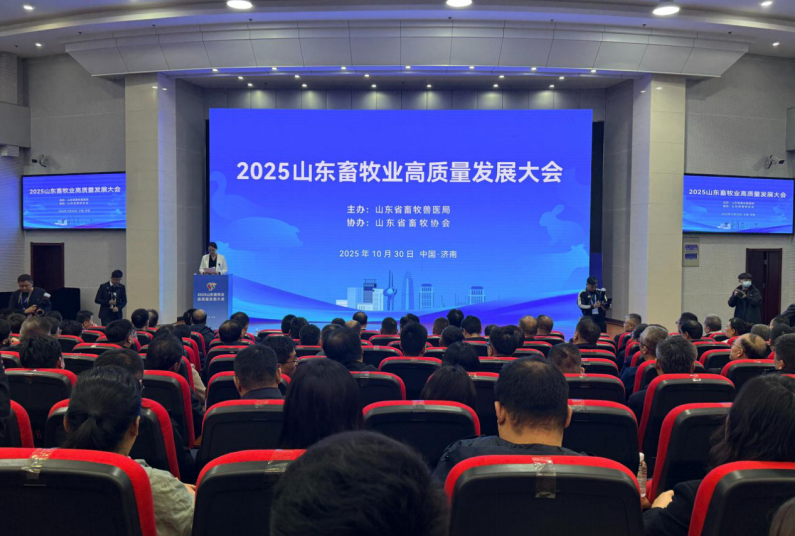
得益乳业荣获七项大奖闪耀2025山东畜牧业高质量发展大会
Zhong Guo Zhi Liang Xin Wen Wang· 2025-11-01 14:51
Core Insights - The 2025 Shandong Livestock High-Quality Development Conference and the 40th Shandong Livestock Expo were held in Jinan, focusing on new paths for high-quality development in the livestock industry [1] - Deyi Dairy, a leading low-temperature milk enterprise in China, was invited to participate and received high praise for its comprehensive strength and innovative development achievements [1] Awards and Recognition - Deyi Dairy won seven industry awards at the expo, highlighting its product quality and commitment to social responsibility [3] - The chairman of Deyi Dairy, Wang Peiliang, was honored as a "Meritorious Entrepreneur in the Livestock Industry for 40 Years," recognizing his contributions to the low-temperature milk sector and the transformation of Shandong's dairy industry [3] Product Innovation - Deyi Dairy's products, including Fresh Realm Fresh Milk and Smooth Acid Milk, won the "Gold Award for Quality Livestock Products" at the expo, showcasing the company's strength in technological innovation and product upgrades [5] - The company emphasizes its commitment to providing fresh and nutritious milk through technological advancements [5] Social Responsibility - Deyi Dairy actively promotes the student milk drinking program and was recognized as an "Innovative Demonstration Unit for Quality Student Drinking Milk" for the 2024-2025 period [8] - The company also received accolades for its community outreach efforts, including organizing the 7th Shandong Dairy Culture Arts Festival and a charity event for the elderly [10] Industry Leadership - Deyi Dairy's performance at the expo exemplified the achievements of Shandong's dairy industry in high-quality development and its role as a leader in the low-temperature milk sector [19] - The company has established a comprehensive "seed-raise-add-quality-technology-distribution-sale" seven-dimensional self-control industrial chain model, ensuring meticulous management from source to consumer [19] Technological and Quality Achievements - Deyi Dairy has obtained 307 invention patents and is recognized as the only dairy brand in the "Good Products of Shandong" initiative, also winning the highest quality honor in Shandong, the "Governor's Quality Award" [20] Economic Impact - Deyi Dairy's industrial chain model has helped 12,000 farmers increase their income and created 21,000 jobs, contributing to regional development and the ecological protection of the Yellow River basin [25] - The company aims to continue leading the low-temperature milk industry towards new heights while contributing to the construction of a modern agricultural model in Shandong [25]

从标准跃升看中国奶业突围(微观)
Ren Min Ri Bao· 2025-10-26 21:59
Core Viewpoint - A recent update to the national food safety standard for sterilized milk in China is significantly reshaping the consumer dairy market by mandating that only fresh milk from cows or sheep can be used as the sole ingredient for sterilized milk, eliminating the use of reconstituted milk [1] Group 1: Industry Impact - The new standard is expected to increase the demand for high-quality domestic fresh milk, stabilize milk prices, and ensure farmers' income, while promoting closer ties between companies and dairy farmers [1][2] - The adjustment in sterilized milk production processes marks a significant shift in the dairy industry, moving from a period of milk source shortages to a more balanced supply-demand dynamic [2] - The average purchase price of fresh milk in China has become comparable to the landed and taxed price of imported powdered milk, indicating minimal impact on supply from the new standards [2] Group 2: Technological Advancements - Technological innovations, such as the cultivation of high-quality forage and the use of smart farming practices, are driving improvements in the dairy industry, enhancing both quality and efficiency [2] - The proportion of large-scale dairy farms with over 100 cows has reached 78%, showcasing the industry's shift towards modernization and efficiency [2] Group 3: Consumer Trends and Market Potential - There is significant potential for growth in China's dairy market, as per capita milk consumption remains low, and there are structural issues such as an oversupply of liquid milk and insufficient development of dairy products like cheese and butter [3] - The consumption of cheese has increased by 120% over the past five years, highlighting the potential for diversification in dairy product offerings [3] - The industry is encouraged to shift consumer habits from solely drinking milk to incorporating dairy products, which is essential for addressing seasonal fluctuations in raw milk supply and enhancing value-added products [3] Group 4: Quality and Standards - The adjustment of milk production standards reflects the government's commitment to food quality, consumer rights protection, and public welfare, emphasizing the importance of maintaining high quality throughout the dairy supply chain [3]
甘肃古浪:科技赋能信贷 护航奶业发展
Xin Hua She· 2025-10-18 09:06
Core Insights - The article highlights the financial support provided by Agricultural Bank of China to Gansu Jiabingyun Animal Husbandry Co., Ltd., which received a loan of 10 million yuan for the fifth consecutive year, aiding in operational cash flow during the forage purchasing season [1] - The establishment of a liquid milk production base by Inner Mongolia Yili Industrial Group in Gansu province has attracted dairy farming enterprises, including Gansu Jiabingyun, to the region due to favorable conditions for dairy farming [1] - The introduction of innovative financing solutions, such as "live livestock mortgage loans," has enabled the company to secure funding despite lacking core asset collateral, showcasing the bank's proactive support for the agricultural sector [6] Company Overview - Gansu Jiabingyun Animal Husbandry Co., Ltd. operates in a region with abundant forage resources and favorable climate conditions for dairy farming, which enhances its operational efficiency [1] - The company utilizes advanced technology, including AI for livestock monitoring, which reduces costs and minimizes stress on dairy cows, thereby improving milk production [6][8] - The company has benefited from continuous credit support from Agricultural Bank, which has helped it navigate challenging market conditions in the dairy industry [6] Industry Context - The dairy farming industry in Gansu province is experiencing a gradual recovery, supported by financial institutions and favorable local conditions [6] - Agricultural Bank has provided credit support to nine dairy farming enterprises in Gulang County, achieving a credit coverage rate of 81% and disbursing a total of 228 million yuan to the dairy farming sector [8] - The bank aims to enhance the convenience of loan access for farmers and agricultural enterprises by exploring ways to streamline the financing process across the industry [8]

甘肃张掖“这五年”的发展蝶变
Zhong Guo Xin Wen Wang· 2025-10-14 18:28
Core Insights - Zhangye City in Gansu Province has achieved significant development during the "14th Five-Year Plan" period, focusing on ecological and energy strategies, with major goals largely met [1][3] Economic Development - The GDP of Zhangye City increased from 49.12 billion yuan in 2020 to an estimated 68.09 billion yuan in 2024, with expectations to surpass 73 billion yuan this year, marking a rise of three hundred billion-level milestones [3] - The city emphasizes high-quality development, with economic growth characterized by stability and improvement in both quantity and quality [3] Agricultural Advancements - Zhangye is cultivating five major billion-level industrial clusters in modern seed industry, green vegetables, beef cattle, high-quality dairy, and desert water-saving ecological agriculture, aiming for a total agricultural output of 17.45 billion yuan in 2024 [4] - The net income of residents is projected to reach 11,370 yuan, significantly higher than the national average of 3,525 yuan and the provincial average of 5,476 yuan [4] - The corn seed industry is highlighted as a key area, with a projected total industrial chain output value of 11.02 billion yuan in 2024, representing a 115% increase since 2020 [4] Renewable Energy Initiatives - Zhangye has capitalized on its abundant wind and solar resources, completing investments of 58.8 billion yuan and achieving over 10 million kilowatts of wind and solar energy capacity, with an increase of 9.03 million kilowatts [5] - The city is actively engaged in ecological restoration, having rehabilitated 10 million acres of degraded grassland and 4.09 million acres of desertified land during the "14th Five-Year Plan" period [5] - The area has seen a reduction of 1.074 million acres of desertification and 512,000 acres of sandification, reinforcing the "green advances, sand retreats" strategy [5]
灭菌乳国标修订实施,要求纯奶必须以生乳作为唯一原料
Ren Min Ri Bao· 2025-10-09 23:32
Core Points - The revised national standard for sterilized milk mandates that only raw milk can be used as the sole ingredient for producing sterilized milk, closing the door on reconstituted milk [1][2] - This change aims to ensure the purity and freshness of sterilized milk, aligning with international practices where most developed countries require sterilized milk to be made solely from raw milk [1] Group 1: Industry Impact - The revision of the sterilized milk standard is expected to enhance the quality of dairy products in China and promote high-quality development in the dairy industry [1][2] - The new standard will increase the demand for raw milk, fostering closer ties between dairy companies and farmers, which will help stabilize milk prices and improve farmers' incomes [2] - The average purchase price of raw milk in China has become comparable to the landed and taxed price of imported milk powder, indicating that using raw milk will not significantly impact production costs or retail prices [2] Group 2: Consumer Implications - After the implementation of the new standard, consumers will find it easier to identify pure milk products, as any product labeled "pure milk" must contain 100% raw milk [3] - Reconstituted milk is not entirely banned; it can still be used in the production of formulated and fermented dairy products, provided it is clearly labeled [3] - The update in standards reflects a significant leap in the quality of China's dairy industry, aiming to meet the growing demand for high-quality products among consumers [3]
一杯纯奶标准更新里的产业升级
Ren Min Ri Bao· 2025-10-09 22:22
Core Points - The revised national standard for sterilized milk mandates that only raw cow or goat milk can be used as the sole ingredient, effectively banning the use of reconstituted milk [1] - The revision aims to enhance the purity and freshness of sterilized milk, aligning with international practices where most developed countries require sterilized milk to be made solely from raw milk [1] - The change is expected to boost domestic demand for raw milk, strengthen the connection between dairy companies and farmers, and stabilize milk prices [2] Industry Impact - The revision of the sterilized milk standard is seen as a significant improvement in the quality of dairy products in China, promoting high-quality development in the dairy industry [1][2] - The average purchase price of raw milk in China has become comparable to the landed cost of imported milk powder, indicating that using raw milk will not significantly impact production costs or retail prices [2] - The new standard simplifies consumer choices, ensuring that products labeled as "pure milk" must contain 100% raw milk, while reconstituted milk can still be used in other dairy products with clear labeling [3] Consumer Implications - Consumers will benefit from clearer labeling and standards, making it easier to identify high-quality dairy products [3] - The updated standards reflect a broader trend towards improving food safety and quality in response to consumer demand for better products [3]
“十四五”时期我国奶业综合生产能力大幅提升
Xin Hua Wang· 2025-10-05 10:17
Core Insights - The comprehensive production capacity of China's dairy industry has significantly improved during the "14th Five-Year Plan" period, with milk production expected to reach 40.79 million tons in 2024, representing an 18.6% increase compared to 2020 [1] Group 1 - The dairy industry has enhanced its production efficiency through scale, standardization, and intelligence, which has strengthened its ability to maintain stable supply [1] - By 2024, the scale rate of dairy cattle farming in China is projected to reach 78%, an increase of 6 percentage points from 2020 [1] - The average annual milk yield per dairy cow is expected to be 9.9 tons in 2024, reflecting a 19.3% increase from 2020, with large-scale farms generally exceeding 10 tons per cow [1]
中国人均奶类消费量75年涨100倍,怎么做到?
Xin Hua Wang· 2025-09-28 08:43
Core Insights - The per capita milk consumption in China has increased from 0.4 kg in 1949 to 41.5 kg in 2024, marking a 100-fold growth [1] - In 2000, the combined milk production of three Chinese cows was equivalent to that of one cow in Europe and America, but within 20 years, the average annual milk yield per cow in China reached nearly 10 tons, bridging a gap that had existed for over a century [1] - Key indicators such as protein, fat, somatic cell count, and total bacterial count in Chinese dairy products now exceed EU standards, showcasing significant advancements in quality [1] - The transformation of milk from a luxury item to a staple on breakfast tables in China is attributed to technological innovation and scientific management within the dairy industry [1]