
数字贸易

Search documents
2026年如何提振消费、稳定外贸、拓展双向投资?
Xin Lang Cai Jing· 2026-01-26 16:55
Group 1: Consumer Promotion and Service Sector Growth - In 2026, the Ministry of Commerce will optimize the implementation of the old-for-new consumption policy to boost sales of durable goods such as automobiles and home appliances [2] - The service sector is identified as a key driver for domestic demand expansion and transformation, with initiatives to enhance the supply levels in cultural, entertainment, tourism, and healthcare sectors [2] - The Ministry will continue to promote service consumption quality improvement actions and remove unreasonable restrictions in service consumption areas [2] Group 2: Foreign Trade Stability and Innovation - The Ministry of Commerce aims to stabilize the foreign trade base through a combination of policies and support for cross-border e-commerce development [4] - Service trade and digital trade are highlighted as important areas for innovation, with plans to establish national service trade innovation development demonstration zones [4] - The Ministry will promote the "Export China" brand and leverage major trade exhibitions to expand imports from countries involved in the Belt and Road Initiative [4][5] Group 3: Attracting Foreign Investment - In 2026, efforts will be made to enhance the attractiveness of foreign investment by expanding access in sectors like telecommunications, healthcare, and education [7] - The Ministry will implement policies to support foreign enterprises in participating in consumption stimulation and government procurement activities [7] - A national-level overseas comprehensive service platform will be established to provide a one-stop service for companies going abroad, integrating various service resources [8]
今年促消费、稳外贸怎么干?商务部划重点
证券时报· 2026-01-26 14:45
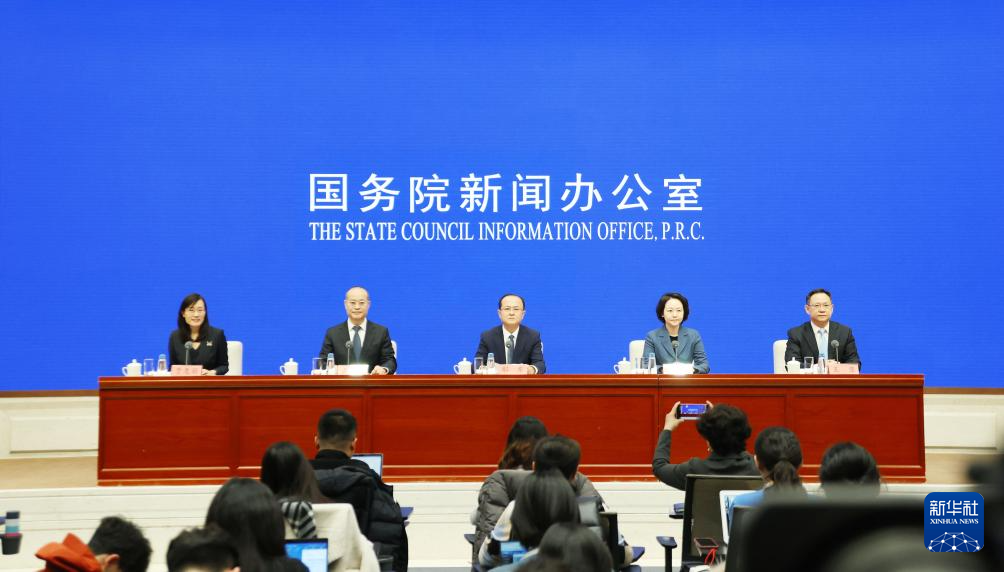
1月26日,国新办举行新闻发布会,介绍2025年商务工作及运行情况。 2025年商务工作成绩亮眼 商务部副部长鄢东介绍,过去一年,商务工作取得了亮眼的成绩单: 在消费领域,全年社会消费品零售总额首次突破50万亿元,达到50.1万亿元,增长3.7%,消费 对经济增长的贡献率达到52%,提高了5个百分点;全年服务零售额增长5.5%,文体休闲、旅游 咨询租赁、交通出行等服务零售额保持两位数的增长。 外贸规模创历史新高,全年货物进出口45.47万亿元,增长3.8%;前11个月服务进出口7.2万亿 元,增长7.1%。 在双向投资层面,全年新设外资企业7万余家,增长19.1%,吸收外资7476.9亿元,其中高技术 产业引资占比32.3%。全年对外非金融类直接投资1万亿元,增长1.6%,对外承包工程新签合同 额2.1万亿元,增长8.5%。 在国际合作中,我国已与31个国家和地区签署24个自贸协定,自贸伙伴占货物贸易总额的 45%;从多边看,中方宣布在世贸组织当前和未来谈判中不寻求新的特殊和差别待遇,推动联合 国多家机构、APEC、上合、金砖国家、G20等达成务实经贸发展成果,中国发布的《绿色矿产 国际经贸合作倡议》,已有2 ...


商务部将启动建设国家数字贸易示范区,制定数字贸易相关标准
Xuan Gu Bao· 2026-01-26 14:37
Group 1 - Digital trade has become an important driving force and strategic momentum for China's digital economy development, reflected in policy design and industrial layout, as well as in e-commerce exports and service trade [2] - The establishment of national digital trade demonstration zones is likely to prioritize regions with existing digital trade foundations, leading to differentiated regional policy benefits and industrial agglomeration [2] - The Ministry of Commerce plans to innovate and develop digital trade by launching national digital trade demonstration zones and formulating relevant standards, marking a systematic construction of a future-oriented digital trade strategy [1] Group 2 - Company "Fengzhushou" focuses on digital virtual goods and expands into IoT application solutions and cloud services [3] - Company "Jiaodian Technology" operates as a comprehensive service provider for cross-border B2B platforms, leading in AI application commercialization in the cross-border e-commerce sector [3]
2026年稳外贸稳外资,商务部官宣建设国家数字贸易示范区
第一财经· 2026-01-26 13:49
Core Viewpoint - In 2025, China's foreign trade and foreign investment achieved remarkable results, with total import and export reaching 45.47 trillion yuan, a growth of 3.8%, marking a historical high. The country established over 70,000 new foreign enterprises, a 19.1% increase, attracting foreign investment of 747.69 billion yuan [3][11]. Group 1: Foreign Trade Performance - In 2025, China's foreign trade maintained a growth rate of 3.8% despite global economic slowdown and rising protectionism, achieving a record high in trade volume [6]. - China engaged in trade with 249 countries and regions, with significant growth in trade volume with 14 countries exceeding 1 trillion yuan, 62 countries exceeding 100 billion yuan, and 137 countries exceeding 10 billion yuan [7]. - The share of the top ten trading partners in China's total foreign trade decreased to 47.7%, indicating a more balanced trade structure [8]. Group 2: Foreign Investment Trends - In 2025, actual foreign investment in the service sector reached 545.12 billion yuan, accounting for 72.9% of total foreign investment, reflecting a historical high [12][13]. - High-tech industries saw significant foreign investment growth, with e-commerce services, medical equipment manufacturing, and aerospace manufacturing increasing by 75%, 42.1%, and 22.9% respectively [12]. - The revised "Encouraging Foreign Investment Industry Catalog" aims to attract more foreign investment in advanced manufacturing, modern services, and high-tech sectors, effective from February 1, 2026 [14]. Group 3: Policy Initiatives - The Ministry of Commerce plans to enhance policies to stabilize foreign trade and investment, focusing on service market opening and promoting trade innovation [4][9]. - The establishment of national digital trade demonstration zones and the promotion of digital trade standards are key initiatives for future growth [9]. - The government will optimize foreign investment support policies, ensuring equal treatment for foreign enterprises and encouraging their participation in various economic activities [13].

今年促消费、稳外贸怎么干?商务部划重点
券商中国· 2026-01-26 13:10
1月26日,国新办举行新闻发布会,介绍2025年商务工作及运行情况。 2025年商务工作成绩亮眼 商务部副部长鄢东介绍,过去一年,商务工作取得了亮眼的成绩单: 在消费领域,全年社会消费品零售总额首次突破50万亿元,达到50.1万亿元,增长3.7%,消费对经济增长的贡 献率达到52%,提高了5个百分点;全年服务零售额增长5.5%,文体休闲、旅游咨询租赁、交通出行等服务零 售额保持两位数的增长。 外贸规模创历史新高,全年货物进出口45.47万亿元,增长3.8%;前11个月服务进出口7.2万亿元,增长7.1%。 在双向投资层面,全年新设外资企业7万余家,增长19.1%,吸收外资7476.9亿元,其中高技术产业引资占比 32.3%。全年对外非金融类直接投资1万亿元,增长1.6%,对外承包工程新签合同额2.1万亿元,增长8.5%。 在国际合作中,我国已与31个国家和地区签署24个自贸协定,自贸伙伴占货物贸易总额的45%;从多边看,中 方宣布在世贸组织当前和未来谈判中不寻求新的特殊和差别待遇,推动联合国多家机构、APEC、上合、金砖 国家、G20等达成务实经贸发展成果,中国发布的《绿色矿产国际经贸合作倡议》,已有20多个 ...

2026年如何提振消费、稳定外贸、拓展双向投资?国新办这场发布会回应关切
Xin Hua Wang· 2026-01-26 12:38
Group 1: Consumer Promotion - In 2026, the implementation of a consumption upgrade program will be optimized, focusing on the replacement of old consumer goods, particularly in the automotive, home appliance, and digital product sectors [3][4] - The service consumption sector will be enhanced through actions aimed at improving the supply levels in cultural entertainment, tourism, dining, and healthcare [3][4] - New growth points in service consumption will be cultivated, including transportation services, housekeeping, and inbound consumption, supported by relevant policies [3][4] Group 2: Foreign Trade Stability - The Ministry of Commerce will implement a series of policies to stabilize foreign trade, including promoting cross-border e-commerce and enhancing the "Export China" brand [5][6] - Service trade and digital trade will be key areas for innovation, with plans to establish national service trade innovation development demonstration zones [5][6] - Efforts will be made to expand the export of productive services and enhance the international capabilities of professional service institutions [5][6] Group 3: Foreign Investment Expansion - In 2026, there will be a focus on creating new advantages for attracting foreign investment, with plans to open up sectors such as telecommunications, healthcare, and education [7][8] - A national-level overseas comprehensive service platform will be established to provide a one-stop service for companies looking to invest abroad [8] - The Ministry of Commerce will accelerate the process of regional and bilateral trade investment agreements, enhancing market access and investment protection [7][8]
2026年稳外贸稳外资,商务部官宣建设国家数字贸易示范区
Di Yi Cai Jing· 2026-01-26 12:28
Core Viewpoint - China aims to strengthen foreign trade and investment in 2026, focusing on service trade and digital trade as new growth points, while enhancing policies to attract foreign investment and stabilize the foreign trade landscape [2][5][9] Group 1: Foreign Trade Performance - In 2025, China's total foreign trade reached 45.47 trillion yuan, marking a 3.8% increase, achieving a historical high [1][3] - China maintained trade relations with 249 countries and regions, with trade volume exceeding 1 trillion, 100 billion, and 10 billion yuan with 14, 62, and 137 countries respectively, showing a diversification trend [4] - The top ten trading partners accounted for 47.7% of China's total foreign trade, a decrease of 2 percentage points from 2024, indicating a more balanced trade structure [4] Group 2: Service and Digital Trade - In the first eleven months of 2025, China's service trade totaled 720.24 billion yuan, with exports at 319.80 billion yuan (up 13.4%) and imports at 400.44 billion yuan (up 2.5%), resulting in a service trade deficit of 80.64 billion yuan [5] - The government plans to enhance service trade by improving management systems, promoting market openness, and establishing national service trade innovation development demonstration zones [5][6] Group 3: Foreign Investment Trends - In 2025, over 70,000 new foreign enterprises were established in China, with foreign investment reaching 747.69 billion yuan, a 19.1% increase [1][7] - The service sector attracted 72.9% of the total foreign investment, reflecting a significant increase in the quality and resilience of foreign investment [8] - The revised "Encouraged Foreign Investment Industry Catalog" aims to direct more foreign investment towards advanced manufacturing, modern services, and high-tech sectors starting February 1, 2026 [9]
出台扩大入境消费的政策措施!商务部最新发声
Zhong Guo Zheng Quan Bao· 2026-01-26 12:06
1月26日,国新办举行新闻发布会。商务部相关负责人表示,下一步,商务部将围绕做强国内大循环、 畅通国内国际双循环、拓展国际循环,着力推动商务高质量发展,为"十五五"开好局、起好步作出新贡 献。 要点概览: 出台扩大入境消费的政策措施。 国家层面的海外综合服务大平台近期将上线。 以服务业为重点扩大市场准入和开放领域。有序扩大电信、医疗、教育等领域自主开放。 优化实施消费品以旧换新,促进汽车、家电、数码和智能产品等大宗耐用商品消费。 开展汽车流通消费改革试点。 出台扩大入境消费的政策措施 在外贸工作方面,商务部对外贸易司司长王志华表示,2026年,商务部将强化政策抓手。形成外贸政 策"组合拳",精心服务好外贸企业,助力企业降本增效。加强政策宣传解读,稳住预期、提振信心,央 地联动,适时研究出台新的政策,创新支持举措。 拓展多元市场。加大对企业赴境外参展力度,举办系列贸易促进活动,办好第139届、140届广交会,鼓 励企业用好国别贸易指南和外贸促进信息,帮助企业更好对接市场。 加快创新赋能。指导跨境电商综试区大力发展跨境电商赋能产业带。着力拓展绿色贸易,提升绿色低碳 产品国际竞争力。推动人工智能赋能外贸发展,提升贸 ...
从新加坡视角看海南自贸港
Sou Hu Cai Jing· 2026-01-26 10:53
Core Viewpoint - The establishment of the Hainan Free Trade Port marks a significant step in China's strategy for high-level opening-up, transitioning from a "heated start" phase to a "formal operation" phase, with a focus on creating a special customs area that emphasizes trade and investment freedom while managing risks effectively [2][3]. Group 1: Comparison with Singapore - Hainan aims to benchmark itself against Singapore, the world's most renowned free trade port, with aspirations to become a world-class free trade port itself [3]. - Despite the differences in geographical and economic contexts, Hainan can learn from Singapore's successful experiences in open innovation and institutional design [4][5]. - Hainan's unique advantages lie in China's vast market, which can be leveraged to create a competitive edge distinct from Singapore's [5][6]. Group 2: Legal and Regulatory Framework - Singapore's legal system, based on common law, provides high transparency and predictability, attracting multinational companies to establish their Asian headquarters there [6]. - Hainan's legal foundation is based on the Hainan Free Trade Port Law, which aims to align with international standards but lacks independent judicial sovereignty [6][7]. - Hainan must focus on creating clear rules and enhancing efficiency in arbitration and intellectual property protection to attract international businesses [6][7]. Group 3: Financial Opening and Economic Strategy - Singapore enjoys complete capital account convertibility, while Hainan is piloting a split account system and promoting offshore finance [7][8]. - Hainan's financial strategy should prioritize "controlled openness" that integrates with national financial security, rather than pursuing complete freedom [7][8]. - The focus should be on creating a low-friction trade and shipping financial infrastructure to attract businesses for functional settlements [7][8]. Group 4: Port and Shipping Services - Hainan lacks the historical and geographical advantages of Singapore, necessitating a shift from merely enhancing port throughput to developing a shipping service platform [8][9]. - The strategy should include high-value service chains related to shipping registration, maritime services, and offshore trade, rather than just cargo handling [8][9]. Group 5: Taxation and Administrative Efficiency - Hainan's tax system must be simple, stable, and predictable, as it cannot easily adjust tax rates without central approval [9][10]. - The focus should be on reducing compliance costs and ensuring transparency in tax administration to attract long-term capital [9][10]. - Hainan needs to improve its administrative efficiency and business environment to compete effectively in the free trade port landscape [10][11]. Group 6: Strategic Development Pathways - Hainan's development strategy post-closure should focus on higher-end, systematic approaches rather than merely competing on cost [11][12]. - Key areas for development include value-added processing, bonded maintenance, shipping services, and digital trade [11][12][13]. - The emphasis should be on creating a regulatory environment that facilitates cross-border data flow and compliance, as well as enhancing service-oriented business models [13][14]. Group 7: Risk Management and Governance - Effective risk governance is crucial for Hainan's openness, as the freedom of a free port is contingent upon high-level governance [15]. - Hainan must prioritize risk management as a component of its institutional competitiveness to ensure that the benefits of its policies are not undermined by potential risks [15].
商务部:我国将启动建设国家数字贸易示范区
Jing Ji Guan Cha Wang· 2026-01-26 08:28
Group 1 - The core viewpoint of the article emphasizes the innovation and development of digital trade in China, highlighting the establishment of a national digital trade demonstration zone [1] - The government plans to formulate standards related to digital trade to promote compatibility between domestic and international standards [1] - There is a focus on the digital transformation of service outsourcing and the cultivation of robust digital trade entities [1] - The organization of a global digital trade expo aims to create an international platform for exhibitors and customers to collaborate and promote development [1]