方便面

Search documents
纯鲜领航,温暖相伴!康师傅“好鸡汤,选纯鲜”发布会圆满举办
Zhong Guo Shi Pin Wang· 2025-12-11 11:52
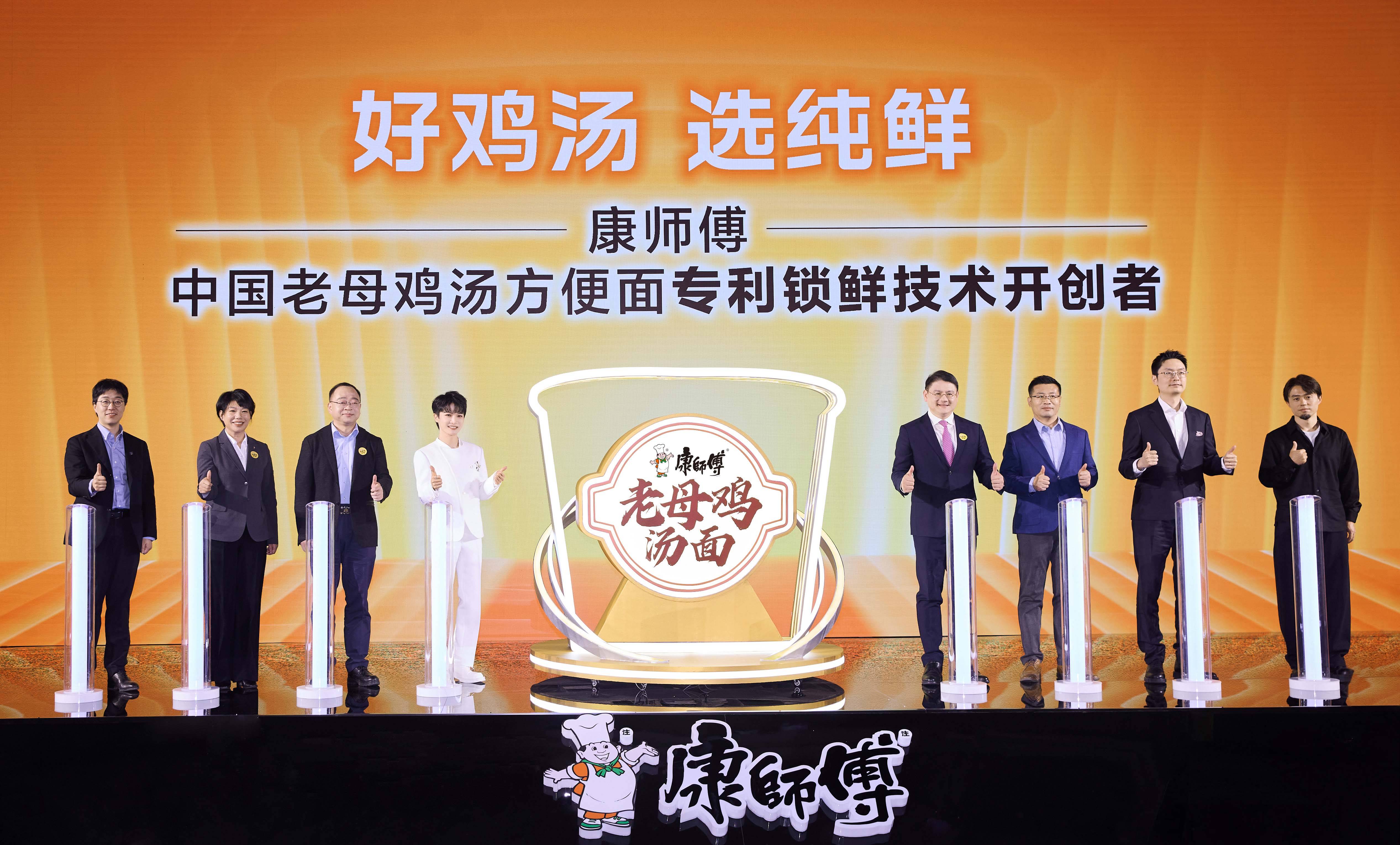
Core Viewpoint - The launch event for Master Kong's "Pure Fresh Chicken Soup" instant noodles showcased the company's innovative "patented freshness-locking" technology, setting a new benchmark in the industry for chicken soup instant noodles [1][4]. Group 1: Industry Insights - Master Kong, in collaboration with Frost & Sullivan, released a white paper titled "Current Status and Outlook of the Chinese Chicken Soup Instant Noodle Industry," which aims to inject strong momentum into industry development [4][18]. - The white paper confirms Master Kong as the "pioneer of patented freshness-locking technology" in the Chinese chicken soup instant noodle market, highlighting its role in driving industry innovation [4][18]. - The event featured discussions on the multi-dimensional value brought by Master Kong's innovative technology, including technical breakthroughs, industry leadership, cultural heritage, and emotional resonance [4][19]. Group 2: Consumer Trends - Consumer demand for instant food has evolved from basic "convenience" to higher expectations for "taste, health, and quality," making chicken soup instant noodles a significant force in industry optimization and consumption upgrade [9][20]. - Traditional chicken soup instant noodles have faced challenges such as inadequate flavor restoration and poor soup-noodle synergy, leading consumers to seek a product that offers a more authentic and nutritious experience [9][10]. Group 3: Technological Innovation - Master Kong has developed the "patented freshness-locking" technology over several years, which significantly preserves the flavor of chicken soup, providing consumers with a taste close to homemade [10][14]. - This technology represents a comprehensive upgrade from the processes of "stewing" to "fragrance" to "packaging," enhancing the overall product experience [14]. Group 4: Cultural Significance - Master Kong emphasizes the importance of preserving traditional Chinese dietary culture while innovating within the modern food industry, presenting "Pure Fresh Chicken Soup" as a solution to rejuvenate this cultural heritage [5][8]. - The brand's commitment to delivering not just a product but a sincere consumer promise reflects its dedication to maintaining the emotional connection associated with chicken soup in Chinese culture [8][21]. Group 5: Brand Engagement - The event featured brand ambassador Zhou Shen, who engaged with the audience, reinforcing the emotional connection between the brand and consumers through shared stories and experiences [21][25]. - Master Kong's initiatives, such as the "1 Square Meter Warm Noodle Shop," aim to provide warmth and comfort to urban dwellers, further solidifying the brand's presence in daily life [21][25].


以文化为媒,康师傅用“在场感”重塑快消品牌增长逻辑
新华网财经· 2025-12-10 12:10
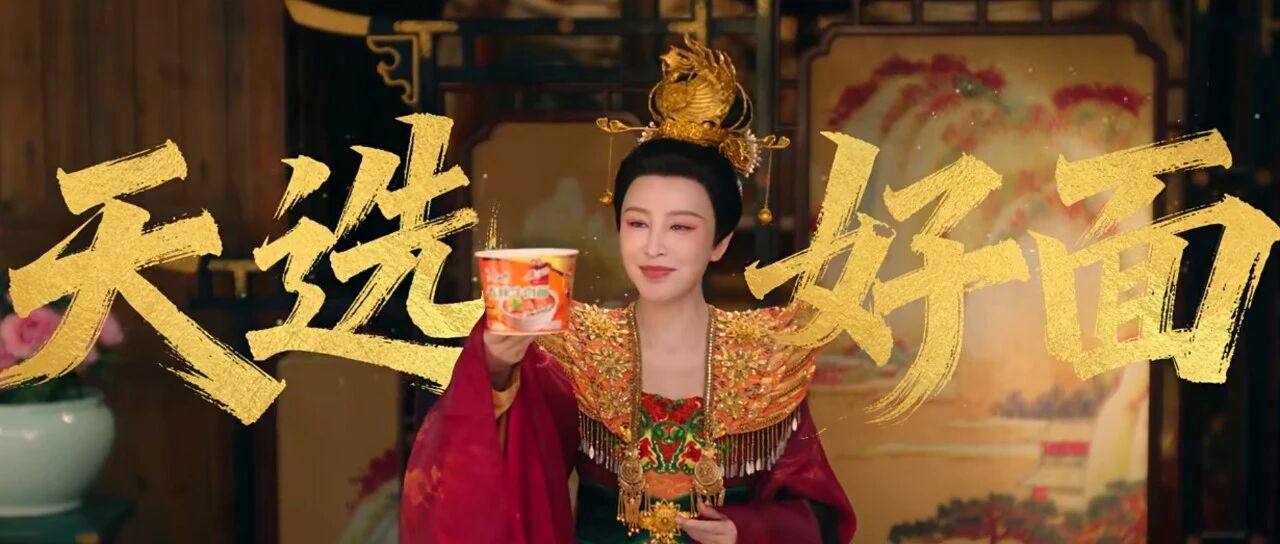
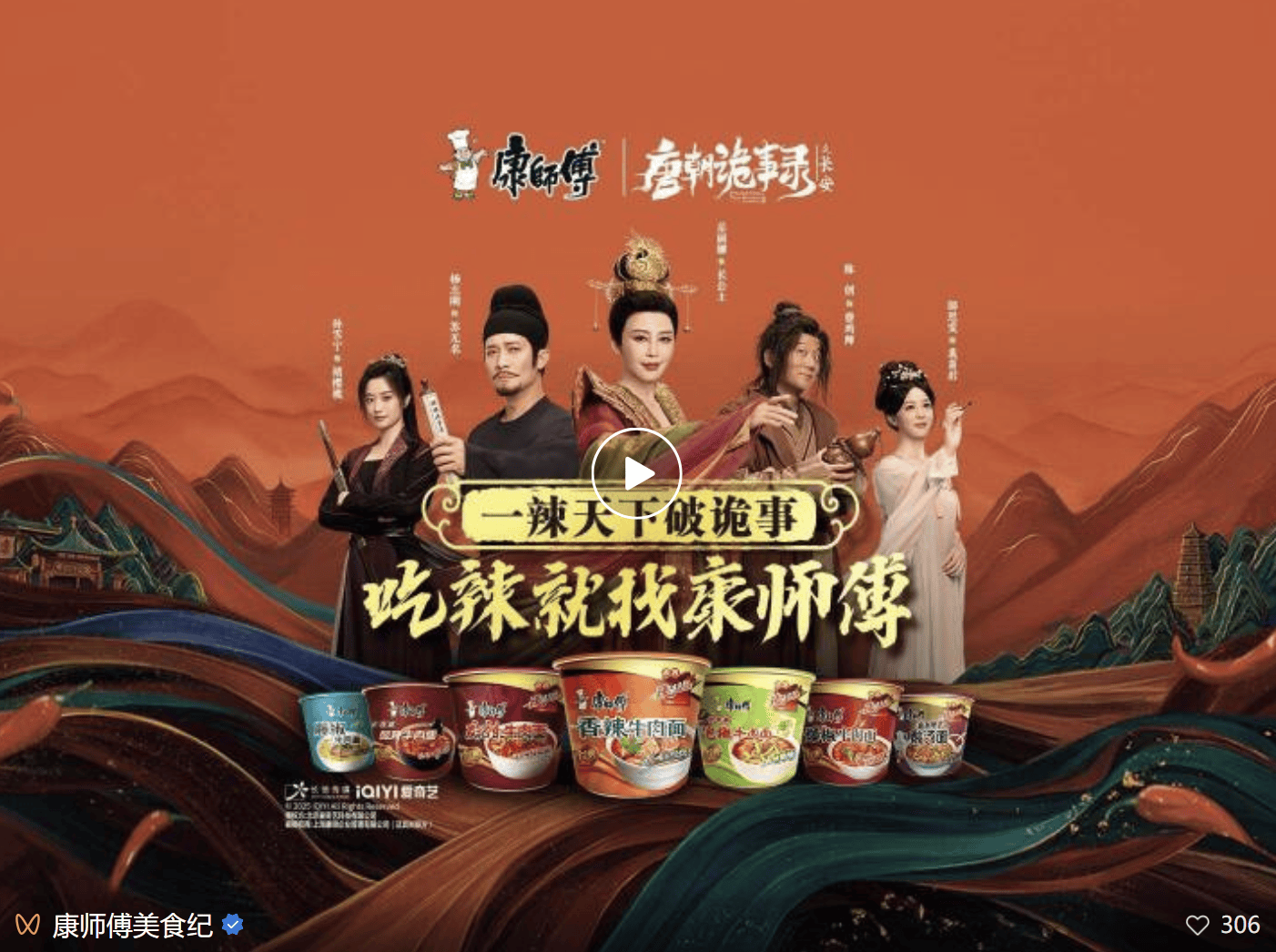
Core Insights - The fast-moving consumer goods (FMCG) industry, particularly the instant noodle segment, is at a critical transformation point, with growth entering a plateau phase and cultural consumption trends providing new momentum [2][3] - Traditional functional appeals of instant noodles are losing traction among younger consumers, while interest in traditional culture is rising, with 85.2% of consumers showing increased interest in traditional culture [2] - The integration of regional cultural elements into products, such as the surge in sales of culturally infused flavors like snail noodles, indicates a shift towards cultural resonance in consumer preferences [2] Group 1: Marketing Revolution - The ultimate battleground for marketing is in cultural recognition rather than mere product placement, necessitating a shift from one-way information dissemination to two-way co-creation of meaning [4] - Brands must transition from being "advertisers" to "content co-creators," from providing "product functionality" to delivering "cultural recognition," and from "one-time transactions" to building "emotional assets" [4][6] - The collaboration between brands and cultural narratives, such as the partnership between Kang Shifu and the popular IP "Tang Chao Gui Shi Lu," exemplifies how cultural foundations can enhance brand positioning [4][6] Group 2: Cultural Integration - Kang Shifu's collaboration with "Tang Chao Gui Shi Lu" innovatively integrates products into the narrative, making them key elements of the story rather than mere background props [7][10] - The use of AI technology to create customized content for characters enhances viewer engagement, transforming product exposure into a meaningful brand experience [10][12] - Over 60% of consumers are willing to pay a premium for products that offer cultural resonance, indicating a significant shift in consumer expectations [12][14] Group 3: Experience Creation - Kang Shifu's marketing strategy moves beyond passive demand fulfillment to actively creating new consumer experiences through cultural resonance and engagement [27][30] - The brand's initiatives, such as the "Chasing Drama Calendar" and the immersive "Kang Shifu Noodle Shop" experience, exemplify how to create a tangible connection between cultural narratives and consumer behavior [29][30] - By redefining itself as an essential component of the cultural experience, Kang Shifu establishes a competitive edge in the market [33] Group 4: Future Implications - The case of Kang Shifu and "Tang Chao Gui Shi Lu" illustrates that the most effective brand communication occurs when consumers are fully engaged in meaningful cultural experiences [35] - The integration of traditional culture into modern marketing strategies not only meets the demand for cultural recognition among younger consumers but also revitalizes traditional culinary heritage [35][36] - The future of competition will hinge on cultural interpretation, content co-creation, and the ability to define consumer experiences, marking a shift in the rules of engagement in the market [36]
2025年中国方便面行业报告:便捷本质下的健康升级、高端创新
Qin Ce Xiao Fei Yan Jiu· 2025-12-10 08:51
Investment Rating - The report indicates a positive outlook for the instant noodle industry, highlighting a shift towards health-oriented and high-end products as the main growth drivers [4][22][48]. Core Insights - The instant noodle market in China is projected to exceed 1 trillion yuan by 2026, driven by the "lazy economy" and increasing demand for convenient food options [7][12]. - The industry is experiencing a transformation from a focus on basic sustenance to a demand for healthier and higher-quality products, with mid-to-high-end instant noodles becoming mainstream [43][48]. - The competitive landscape is evolving, with major players like Kang Shifu maintaining a significant market share while new entrants and niche products are gaining traction [55][59]. Summary by Sections Current Status of the Instant Noodle Industry - Sales have decreased, with a notable trend towards health-conscious products and competition from takeout and pre-prepared meals [4][22]. - The market size is gradually increasing, with a focus on healthier options and mid-to-high-end instant noodles becoming the norm [4][29]. Development Trends in the Instant Noodle Industry - The market is expected to grow steadily, with health-oriented and high-end products leading the way [4][48]. - The rise of the "one-person dining economy" has led to 65.5% of consumers preferring instant noodles for convenience [9][11]. Competitive Landscape of the Instant Noodle Industry - Kang Shifu leads the market, holding nearly half of the CR5 market share, while other brands like Unification and White Elephant are also gaining ground [55][60]. - The market is shifting from traditional dominance by major brands to a more diversified competitive environment, emphasizing differentiated positioning and marketing strategies [55][59]. Health and Quality Upgrades - The industry is undergoing a health transformation, with companies focusing on reducing oil, salt, and sugar content in their products [25][41]. - High-end instant noodles are increasingly incorporating premium ingredients and innovative cooking techniques to meet consumer demands for quality and health [37][43]. Consumer Demand Changes - There is a significant shift in consumer preferences from merely filling hunger to seeking quality and nutritional value in instant noodles [43][48]. - The average price of instant noodles is rising as mid-to-high-end products are increasingly developed and marketed [48][67].
以文化为媒,康师傅用“在场感”重塑快消品牌增长逻辑
Sou Hu Cai Jing· 2025-12-06 04:15
Core Insights - The consumer goods industry, particularly the instant noodle segment, is at a critical transformation point as growth enters a plateau phase [1] - Traditional functional appeals of instant noodles are losing traction among younger consumers, who are seeking more diverse experiences [1] - Brands are increasingly focusing on cultural consumption trends, moving away from one-time transactions to building long-term relationships with consumers [2] Group 1: Market Trends - The fast-moving consumer goods (FMCG) sector is experiencing saturation, with instant noodles affected by this trend [1] - A report indicates that traditional appeals of "satisfaction" and "taste" are becoming less attractive to younger demographics [1] - The concept of "relational advantage" is emerging as a key competitive factor for brands, emphasizing deep integration into consumers' lives [2] Group 2: Marketing Evolution - The marketing revolution requires brands to shift from being "advertisers" to "content co-creators" and from providing "product functionality" to delivering "cultural identity" [3] - Traditional Chinese food culture is becoming a pivotal element in this transformation, allowing brands to connect emotionally with younger consumers [3] - The collaboration between brands and popular cultural IPs, such as the partnership between Kang Shifu and the drama "Tang Chao Gui Shi Lu," exemplifies this approach [4][6] Group 3: Cultural Integration - Kang Shifu's partnership with "Tang Chao Gui Shi Lu" represents a significant innovation in brand collaboration, integrating cultural narratives into product marketing [4] - The brand's products are woven into the storyline, transforming them from mere background elements to essential components of the narrative [7] - The use of AI technology to create customized content enhances the viewer's experience, making the brand a part of the storytelling process [9] Group 4: Consumer Engagement - Over 60% of consumers are willing to pay a premium for products that offer cultural resonance and storytelling [12] - The series "Tang Chao Gui Shi Lu" incorporates traditional cultural elements, enriching the viewer's experience and fostering a deeper connection with the brand [12][14] - Kang Shifu's products are positioned not just as food but as cultural experiences that provide emotional relief and a sense of belonging [18] Group 5: Experiential Marketing - Kang Shifu is creating immersive experiences that blend online and offline interactions, enhancing consumer engagement through cultural narratives [21][24] - The brand's marketing strategy includes creating anticipation and ritual around product consumption, linking it to cultural experiences [21] - By establishing itself as a key component in cultural consumption, Kang Shifu is redefining consumer expectations and creating new growth opportunities [24] Group 6: Future Outlook - The integration of culture into branding is seen as a vital asset for future competitiveness, with brands needing to form deep cultural connections with consumers [25] - The collaboration between Kang Shifu and "Tang Chao Gui Shi Lu" serves as a model for cultural marketing in the FMCG sector [25][26] - The future of competition will hinge on cultural interpretation, content co-creation, and the ability to define consumer experiences [26]
沙利文:2025年中国老母鸡汤方便面行业发展现状及展望报告
Sou Hu Cai Jing· 2025-11-27 01:09
Core Insights - The report by Sullivan indicates that the Chinese instant noodle industry is experiencing steady growth, with a market size expected to reach 1,105.4 billion RMB in 2024 and projected to grow to 1,333.3 billion RMB by 2029, reflecting a shift from "quantity" to "quality" [1][11][12] - The demand for old hen soup instant noodles has surged, with the market size increasing from 280 million servings in 2020 to 2.19 billion servings in 2024, achieving a compound annual growth rate (CAGR) of 67.2% [1][21] - Consumer pain points include insufficient flavor restoration, low health and nutrition content, and severe product homogeneity, which need to be addressed for future growth [1][22][24] Industry Overview - The overall demand for instant noodles in China is rebounding amidst urbanization and consumption upgrades, with a significant portion of consumption driven by the younger workforce [6][9] - The average per capita consumption of instant noodles in China is projected to be 31 servings in 2024, which is still lower than that of South Korea and Japan, indicating substantial growth potential [9][11] Market Trends - The old hen soup instant noodle segment is becoming a crucial category within the industry, benefiting from consumption upgrades and technological innovations [1][18] - The market is expected to stabilize with a CAGR of approximately 35.9% from 2024 to 2029, with the market size potentially exceeding 10 billion servings [21][33] Consumer Pain Points - Key consumer concerns include the inadequate restoration of chicken soup flavor, low compatibility between noodles and soup, and a lack of distinctive product features [22][24] - Consumers are increasingly seeking healthier options, with expectations for lower fat and sodium content, as well as more natural ingredients [35][36] Technological Innovations - The rapid development of locking freshness technology is addressing consumer pain points by enhancing flavor restoration and product quality [2][25][34] - Companies like Master Kong are leading in this area, utilizing patented technologies to improve the flavor and stability of their products [2][28][32] Future Outlook - The industry is expected to see multi-dimensional growth driven by quality upgrades, health-oriented product optimization, and the integration of convenience in consumption [33][34][36] - The future of locking freshness technology may involve digitalization, standardization, and modularization, allowing for regional flavor upgrades and cross-scenario applications [30][31]

康师傅分红率100%徘徊日资落袋两成 食安频发增利不增收魏氏兄弟年薪近千万
Chang Jiang Shang Bao· 2025-11-24 00:38
Core Insights - The company faces significant complaints regarding food safety, including reports of foreign objects found in products, such as a consumer finding a fingernail in a noodle product [2][3] - Despite these issues, the company has reported an increase in shareholder profits, with a 20.5% year-on-year increase in net profit for the first half of 2025, while revenue decreased by 2.7% [6][9] - The company maintains a high dividend payout ratio, with a 100.04% dividend rate in 2024, indicating that a significant portion of profits is distributed to shareholders, including foreign stakeholders [10][11] Food Safety Issues - The company has been criticized for its food safety practices, with numerous complaints on platforms like Black Cat Complaints, totaling 3,809 complaints related to the brand [2][3] - The CEO has stated that the company has invested billions to establish a food safety management system, claiming to monitor over 1,500 safety indicators annually [4] Production Safety Concerns - The company has faced penalties for production safety violations, including a fine of 525,000 yuan for a safety incident in June 2025 [5] - Regulatory inspections revealed further issues, such as non-functional gas concentration detection equipment, leading to additional penalties [5] Financial Performance - For the first half of 2025, the company's total revenue was 40.092 billion yuan, with a decline in both core business segments: instant noodles and beverages [6][8] - Instant noodle revenue decreased by 2.5% to 13.465 billion yuan, while beverage revenue fell by 2.6% to 26.359 billion yuan [7][8] - Despite revenue declines, the company reported improved profit margins in both segments due to price adjustments and cost management [7][8] Executive Compensation and Shareholder Returns - The company's executives received substantial compensation, with the chairman earning 9.719 million yuan and another key executive earning 9.37 million yuan in 2024 [10] - The company has a history of high dividend payouts, with significant portions of profits going to shareholders, including a 20.40% stake held by a Japanese company [10][11]
日本方便面回暖,日清食品内地2025前三季度增长5.4%,华西、华北带头复苏
3 6 Ke· 2025-11-11 03:56
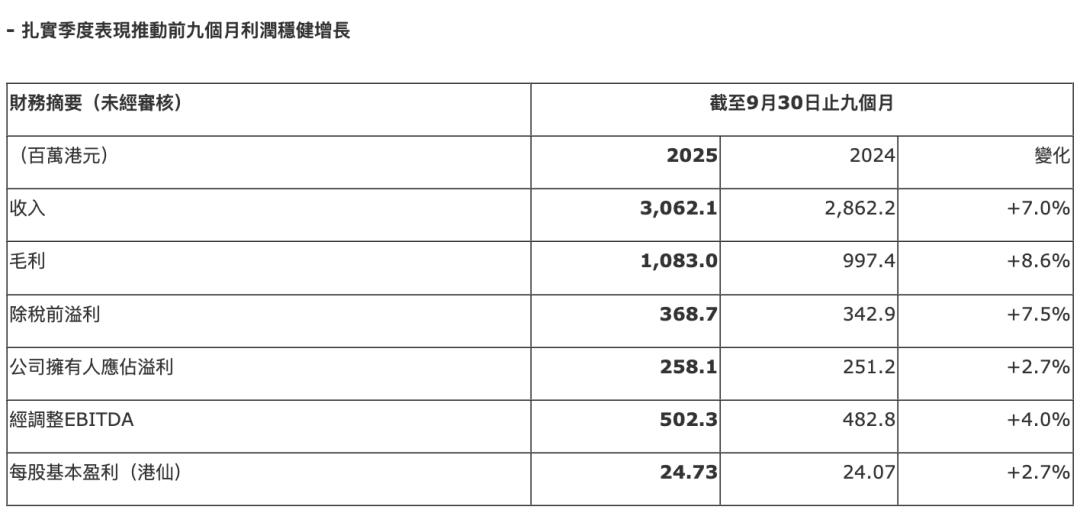
Core Insights - Nissin Foods reported a revenue of HKD 30.62 billion (approximately RMB 28.04 billion) for the first three quarters ending September 30, 2025, representing a year-on-year growth of 7.0% [1][2] - The net profit for the same period was HKD 2.58 billion (approximately RMB 2.36 billion), showing a year-on-year increase of about 2.7% [1][2] - The gross profit margin improved from 34.8% to 35.4%, attributed to the strong sales of high-margin cup noodles and enhanced production efficiency [2] Financial Performance - Revenue for the nine months ending September 30, 2025, was HKD 3,062.1 million, up from HKD 2,862.2 million, a 7.0% increase [2] - Gross profit rose to HKD 1,083.0 million, an 8.6% increase from HKD 997.4 million [2] - Profit before tax increased by 7.5% to HKD 368.7 million from HKD 342.9 million [2] - Adjusted EBITDA grew by 4.0% to HKD 502.3 million from HKD 482.8 million [2] - Basic earnings per share rose to 24.73 cents from 24.07 cents, reflecting a 2.7% increase [2] Regional Performance - Revenue from Hong Kong and other regions grew by 9.5% to HKD 1.20 billion, driven by stable sales of instant noodles and rising demand in overseas markets [2] - Revenue from mainland China was HKD 18.60 billion (approximately RMB 17.03 billion), with a modest year-on-year growth of 5.4%, accounting for about 60% of total revenue [2][3] Strategic Adjustments - The company is shifting its sales strategy from an over-reliance on e-commerce to strengthening offline channels, particularly in core markets like South China [5] - Nissin aims to maintain profit margins by controlling promotional expenses and avoiding price hikes despite rising raw material costs [5][6] - The company is focusing on product upgrades and cost optimization, with recent investments in new product lines targeting health-conscious consumers [6] Market Challenges - The demand for instant noodles in China is slowly recovering, with management noting a resurgence in sales in previously struggling regions [3][6] - The competitive landscape has intensified, with Nissin facing challenges from both external competitors and changing consumer preferences [10][11] - The company's market share in China has declined significantly, dropping to around 4% in 2023 from a peak of 14.5% in 2018 [11] Future Outlook - Nissin is investing approximately RMB 240 million in new facilities in Zhuhai, Guangdong, to enhance production efficiency and meet growing demand for high-end products [6][7] - The management remains optimistic about the recovery of the mainland market, projecting a 9.4% revenue growth in the first half of 2025 [6][7]
外卖大战 殃及300亿泡面大王
2 1 Shi Ji Jing Ji Bao Dao· 2025-11-08 06:23
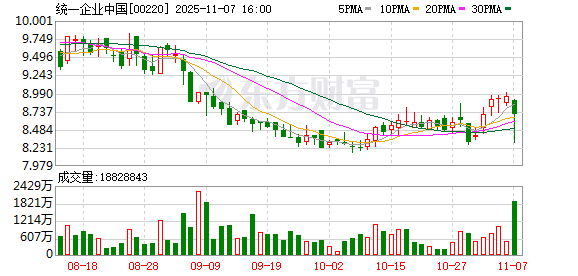
Core Viewpoint - The competitive landscape in the food and beverage industry is intensifying due to aggressive price wars on delivery platforms, impacting major players like Uni-President China, which reported a net profit of 2.01 billion yuan for the first nine months of the year, with a third-quarter net profit of approximately 730 million yuan [2][3]. Beverage Segment - The beverage sector is a key revenue driver for Uni-President China, contributing approximately 63% of total revenue in the first half of the year, with tea beverages being the largest segment at 5.068 billion yuan [5]. - Despite a strong start, the beverage business faced challenges in the third quarter, with a low single-digit year-on-year decline attributed to fierce competition and price wars in the tea drink market [2][8]. - The management team has initiated a product merger strategy to enhance operational efficiency, leading to a 7.6% growth in the beverage segment in the first half of the year [6]. Instant Noodle Segment - The instant noodle segment has shown signs of recovery, with a revenue increase of 8.8% in the first half of the year, compared to a mere 0.9% growth the previous year [11]. - The introduction of new products and a focus on high-end offerings have contributed to this growth, with the "茄皇" product achieving over 1 billion yuan in sales within six months [13]. - However, the profit margin for the instant noodle segment remains low, with a net profit margin of only 3.5% in the first half of the year [15]. Retail Strategy - The company aims to double its revenue to 50 billion yuan within five years, maintaining an annual growth rate of 8-12% [17]. - Recent management changes, including the appointment of Guo Qingfeng to lead the retail segment, are aimed at enhancing market responsiveness and integrating retail with food production [20]. - The retail segment is a significant contributor to overall revenue, accounting for 58% of total sales, indicating a strategic shift towards consumer service [20]. Market Outlook - Despite the challenges, the management remains optimistic, maintaining a sales growth target of 6-8% for the year [3]. - Analysts have noted that while the company's performance aligns with expectations, there is a downward adjustment in target valuations, reflecting cautious market sentiment [21].
舌尖上的航天技术:康师傅的九年“航天缘”
Sou Hu Wang· 2025-11-05 12:05
Core Viewpoint - The collaboration between the company and China's space industry exemplifies the integration of advanced aerospace technology into everyday products, enhancing quality and consumer experience while contributing to national goals of becoming a space power [1][2][10]. Group 1: Aerospace Technology Integration - Since becoming a partner of China's space program in 2017, the company has utilized aerospace technology to improve its products, particularly through the application of patented temperature control technology in noodle production [2][5]. - The introduction of a patented temperature control system allows for real-time monitoring and adjustment of production parameters, ensuring optimal conditions for noodle quality across various climates in China [4][12]. Group 2: Product Innovation and Market Expansion - The launch of the "He Mian" product in September 2025 marks a significant step towards offering complete meal solutions, combining aerospace technology with freeze-drying techniques to enhance flavor and nutrition [5][9]. - The company is expanding its product range to cater to diverse consumer needs, moving from single flavors to a comprehensive product matrix that addresses various consumption scenarios and price points [9][16]. Group 3: Quality Assurance and Safety Standards - The company has invested over 500 million yuan in establishing a food safety testing center, conducting over 3.5 million tests annually to ensure product safety from farm to table [12][13]. - A rigorous traceability system has been implemented to manage food safety risks, demonstrating the company's commitment to high standards and consumer trust [12][14]. Group 4: Industry Impact and Future Directions - The company's integration of aerospace principles into its production processes not only enhances its own product quality but also positively influences the entire supply chain, promoting agricultural modernization [13][14]. - The ongoing collaboration with the aerospace sector is expected to drive further technological advancements and consumer-oriented innovations, positioning the company as a leader in the market [10][16].
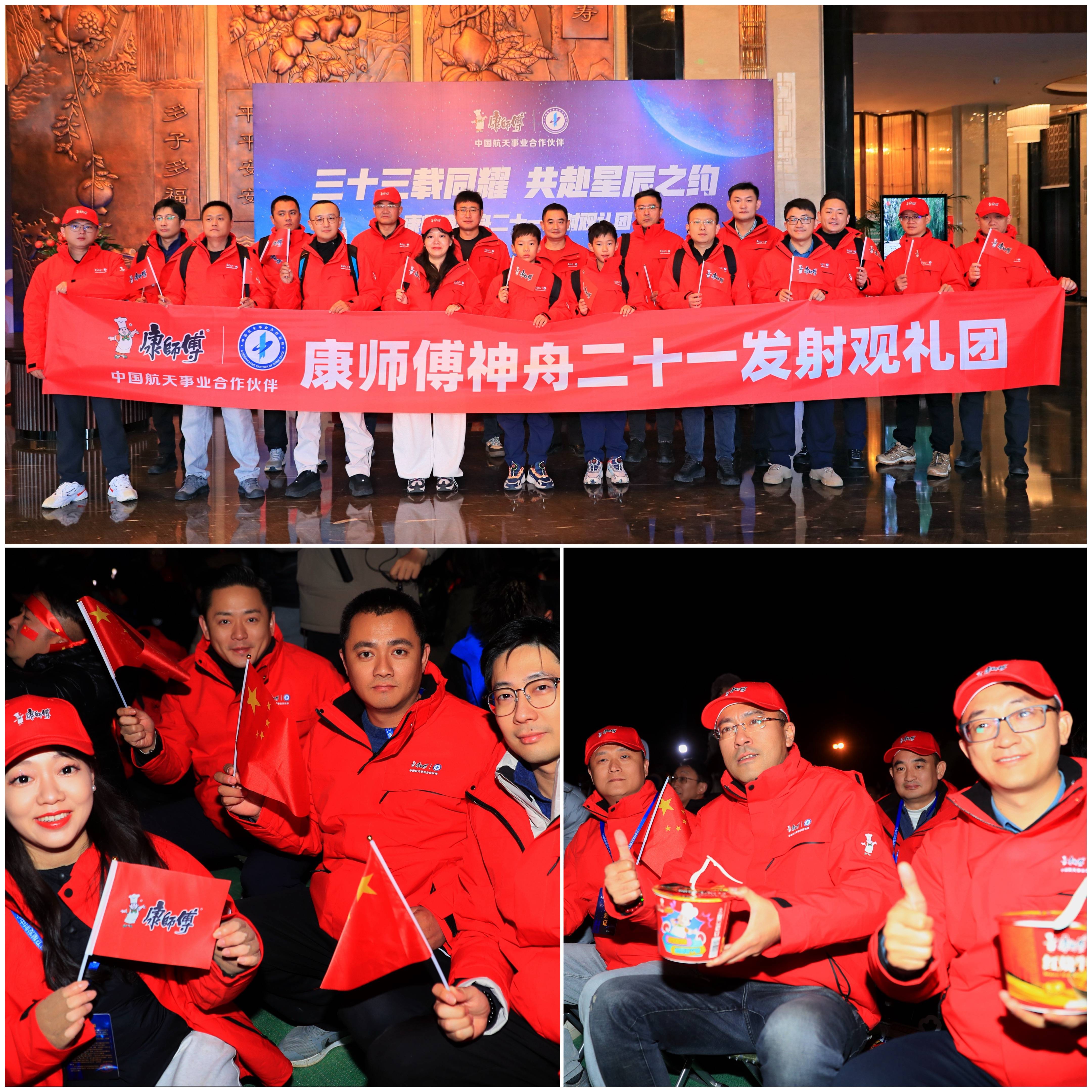
好面护航!天选好面康师傅祝贺神舟二十一发射圆满成功
Sou Hu Wang· 2025-11-02 10:44
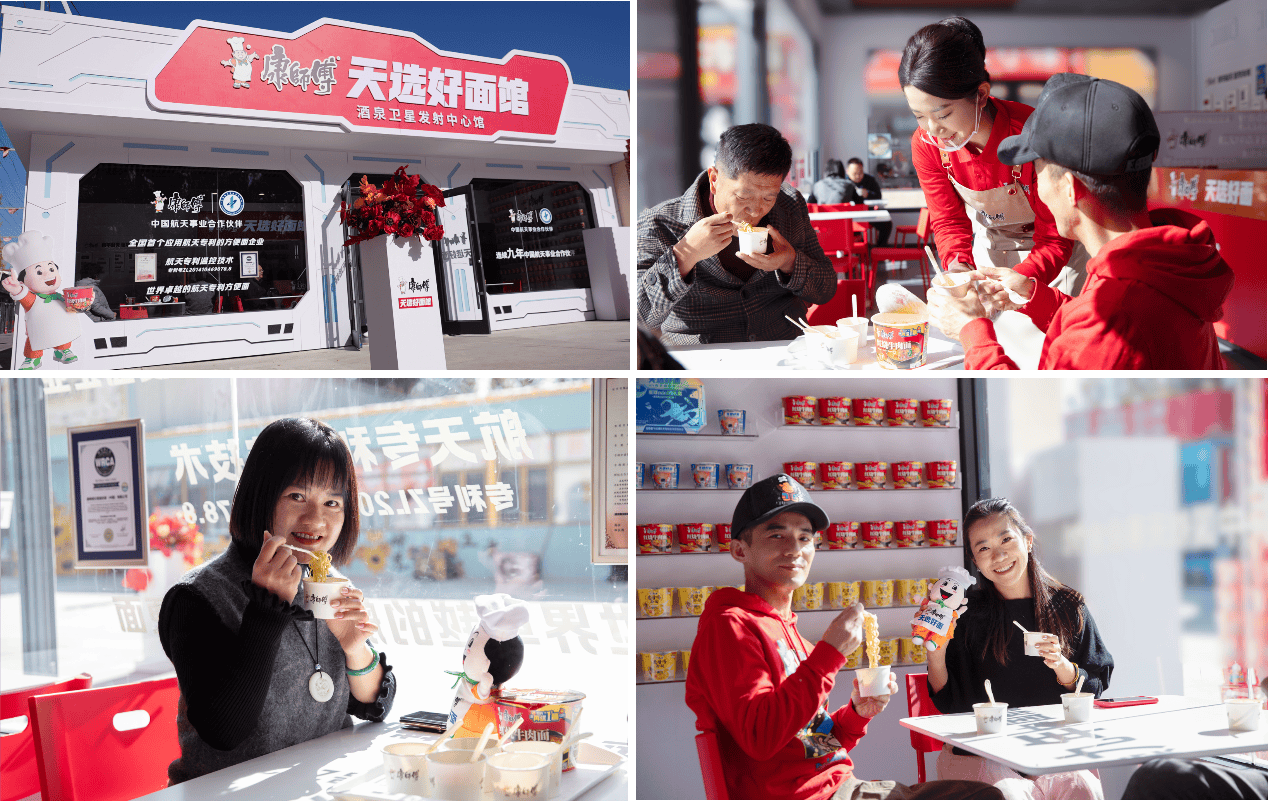
Core Insights - The successful launch of the Shenzhou 21 manned spacecraft marks a new phase of high-quality development in China's manned space program, with the participation of the first base noodle shop, Kang Shifu Tianxuan Noodle Shop, at the Jiuquan launch center providing support to researchers and workers on-site [1][12] Group 1: Company Involvement - Kang Shifu has been a long-term supporter of China's space endeavors for nine years, emphasizing the alignment of its brand with the spirit of space exploration [2][11] - The Tianxuan Noodle Shop has become a popular spot at the launch center, providing warm meals to researchers, enhancing their morale and energy during critical mission preparations [2][4] - The company has invested significantly in food safety and technology, including a 500 million yuan food safety testing center and a 300 million yuan freeze-drying factory, integrating aerospace technology into food production [11][12] Group 2: Technological Integration - Kang Shifu utilizes patented temperature control technology from the aerospace sector in its noodle production, ensuring high quality and consistency [6][12] - The company has received multiple certifications, including the WRCA "World-Class Aerospace Patent Instant Noodle" certification and AIB certification, demonstrating its commitment to food safety and quality standards [6][11] - The integration of aerospace technology into everyday food products exemplifies the practical application of advanced technology in consumer goods [12][13] Group 3: Community Engagement - The launch event attracted significant public interest, with live broadcasts and participation from distributors and fans, showcasing the brand's community engagement and marketing strategy [1][8] - Kang Shifu's initiatives, such as the Tianxuan Noodle Shop, serve to connect the public with the aerospace industry, fostering a sense of national pride and interest in space exploration [12][13] - The company has organized numerous educational activities, including space science exhibitions and school outreach programs, to inspire youth and promote interest in aerospace technology [11][12]