科技产业

Search documents
推动解难题、优服务、促改革 监督护航营商环境持续优化
He Nan Ri Bao· 2025-11-26 23:22
Core Viewpoint - The provincial disciplinary inspection and supervision agencies are prioritizing the optimization of the business environment as a key political supervision focus, actively addressing issues that harm the business environment to support high-quality economic and social development [1] Group 1: Service Center and Active Supervision - The provincial disciplinary inspection and supervision agencies have integrated the optimization of the business environment into their political supervision guidelines, focusing on the implementation of policies benefiting enterprises, practical communication between government and businesses, and addressing enterprise demands [2] - A series of ten specific measures have been deployed to construct a new ecosystem of government-business relations, emphasizing the importance of not interfering unnecessarily while being proactive in addressing issues [2] - Local agencies are actively engaging with businesses to ensure the effective implementation of tax reduction and fee exemption policies, as well as providing clear information on high-tech enterprise recognition standards and associated benefits [2] Group 2: Targeted Treatment of Development Barriers - The provincial agencies are closely monitoring issues in enterprise-related law enforcement, government services, and policy implementation, aiming to rectify problems and promote a clean political environment conducive to development [3] - Strict regulation of enterprise-related law enforcement is highlighted as crucial for optimizing the business environment, with efforts to address unregulated inspections and aggressive attitudes towards businesses [3] - Collaborative actions are being taken to combat corruption and illegal activities in the bidding and tendering market, with a focus on key responsibilities and daily supervision [3] Group 3: Enhancing Service Quality - The provincial agencies emphasize that supervision extends beyond mere investigation to actively promoting reforms and innovations in service delivery for enterprises [4] - A focus on efficient processing of business matters is prioritized, with initiatives to enhance online services and streamline administrative processes [5] - The establishment of platforms for comprehensive supervision of administrative law enforcement is being implemented to ensure transparency and efficiency in service delivery [5]
好评中国|手绘长图:逐梦全运,激活湾区融合发展新动能
Huan Qiu Wang· 2025-11-16 02:52
Core Viewpoint - The 15th National Games, themed "Passion for the National Games, Vitality of the Greater Bay Area," showcases the vibrant integration and development of the Guangdong-Hong Kong-Macau Greater Bay Area through sports and technology [3][5]. Group 1: Event Overview - The National Games have been marked by exciting competitions among athletes from Guangdong, Hong Kong, and Macau, creating a lively atmosphere [3]. - The event serves as a platform to demonstrate the Greater Bay Area's integration and development, highlighting its role as a strategic support for a new development pattern and a model for high-quality development [5]. Group 2: Technological Innovation - The event features innovative technologies such as the 5G-A humanoid robot "Kua Fu," which successfully completed a 100-meter relay task, showcasing the strong technological support from the Greater Bay Area [8]. - The synergy between technology and industry positions the Greater Bay Area as a leader in emerging industries, making the National Games a stage for showcasing "Chinese intelligence" [8]. Group 3: Infrastructure Development - The "hard connectivity" of infrastructure and the "soft connectivity" of customs policies provide a solid foundation for the integration of the Greater Bay Area [11]. - Recent improvements in customs policies have facilitated smoother travel between the three regions, exemplified by the ability to traverse all three areas in half a day, including multiple "seamless customs" experiences [12]. Group 4: Transportation Connectivity - Major infrastructure projects like the Hong Kong-Zhuhai-Macao Bridge and the Shenzhen-Zhongshan Link have enhanced connectivity across the Greater Bay Area, enabling efficient transportation options for residents [15]. - The development of a "one-hour living circle" through improved rail connections offers residents more choices and breaks down geographical barriers, supporting the smooth execution of the National Games [15]. Group 5: Event Logistics and Experience - Multiple ports have established "green channels" to ensure the smooth operation of the National Games, enhancing the spectator experience with features like "facial recognition" for seamless entry [17]. - The collaborative efforts of athletes, coaches, staff, and volunteers contribute to the unique narrative of the National Games, igniting the vitality and passion of the Greater Bay Area [17].


当巴西“物流心脏”拥抱中国机遇
Guo Ji Jin Rong Bao· 2025-11-08 11:03
Group 1 - The core viewpoint is that the 8th China International Import Expo (CIIE) is seen as a new starting point for cooperation between Brazil's Santa Catarina state and China [1][2] - Santa Catarina state plans to establish an official office in Shanghai, highlighting its strategic importance as a logistics hub with six major ports [1][3] - The participation in CIIE is a strategic choice for Santa Catarina, aiming to resonate with China's new development pattern and connect with Chinese partners [2][3] Group 2 - Santa Catarina state has a population of over 7 million and is home to significant ports, including Itapoá Port, which ranks among the top four in Brazil for container throughput [2] - The state boasts a robust economy, low unemployment rates, and a strong industrial competitiveness, with the technology sector contributing 7.5% to its GDP [2] - Santa Catarina aims to build a "two-way trade bridge" with China, facilitating the entry of Chinese goods into Brazil and providing logistics solutions for "Made in China" products [3] Group 3 - The state is the largest exporter of pork in Brazil and is looking to meet the growing demand for high-quality protein in the Chinese market [3] - An official office in Shanghai is set to begin operations in January next year, indicating a commitment to long-term engagement with China [3]

专访滕泰|两百万亿市场蓝图下,资本市场五大功能赋能“十五五”
2 1 Shi Ji Jing Ji Bao Dao· 2025-11-05 07:52
Core Viewpoint - The Chinese economy is transitioning to a new phase that relies more on technological innovation and capital markets, with the "15th Five-Year Plan" being crucial for solidifying foundations and driving comprehensive efforts towards achieving modernization by 2035 [1][3]. Group 1: Capital Market Goals - The total market value of China's capital market is expected to exceed 200 trillion yuan by the end of the "15th Five-Year Plan," relying on endogenous market growth rather than new stock issuance [1][3][4]. - To align with the economic goals, the capital market's market value should increase to match GDP growth, aiming for a market-to-GDP ratio of 120% to 140% by 2030 [3][4]. Group 2: Strategic Functions of Capital Market - The capital market must enhance five strategic functions: supporting technological advancements, deepening financial reforms, promoting market-oriented reforms, boosting domestic demand, and improving social welfare [5][6][7]. - The capital market is essential for supporting the construction of a modern industrial system and narrowing the technology gap with the U.S. in areas like AI [5][6]. Group 3: Enhancing Consumer Spending - A rising stock market can amplify consumer spending through wealth effects, with projections indicating that an increase in market value could lead to additional consumer spending of several trillion yuan annually [8][9]. - Improving social security levels, particularly for rural elderly residents, is crucial for unlocking consumption potential, with proposals to transfer a higher percentage of state-owned equity to social security funds [9]. Group 4: Liquidity and Long-term Market Health - The capital market's health is supported by improved liquidity, with expectations for M1 growth to exceed 8%, which typically indicates a rising stock market [10][11]. - A significant reduction in interest rates is necessary to alleviate financial burdens on households and businesses, encouraging more funds to flow into consumption and investment [11][12]. Group 5: Market Ecosystem for Long-term Investment - A diverse investment ecosystem is needed to attract long-term capital, encouraging participation from various institutional investors while also accommodating speculative and quantitative investment strategies [12].
四川正形成以创新驱动为导向的金融支持格局 金融精准“灌溉”实体经济
Si Chuan Ri Bao· 2025-10-30 00:26
Core Insights - The financial environment in Sichuan has shown significant improvement, with both loans and deposits increasing, indicating a robust economic recovery [1][2][3] Group 1: Loan and Deposit Growth - As of the end of September, the total loan balance in Sichuan reached 12.8 trillion yuan, a year-on-year increase of 11%, ranking among the top in the country [1][2] - The total deposit balance was 14.55 trillion yuan, reflecting a 10% year-on-year growth, with non-financial enterprise demand deposits increasing by 16%, which is 27.3 percentage points higher than the same period last year [1][2] Group 2: Interest Rate Trends - The weighted average interest rates for newly issued corporate loans, inclusive microloans, and personal housing loans dropped to 3.79%, 3.77%, and 3.14% respectively, with year-on-year declines of 47, 49, and 19 basis points [1][5] - The stock loan interest rate fell to 3.87%, marking a historical low, which alleviates the financial burden on both enterprises and residents [5] Group 3: Structural Optimization - The financial structure in Sichuan is being optimized, with more credit directed towards key sectors such as manufacturing, technological innovation, and infrastructure [3][4] - As of August, loans for technology increased by 13.4%, while loans for the elderly care industry surged by 36.9%, and loans for the digital economy rose by 17.1% [3] Group 4: Long-term Loan Trends - Long-term loans increased by 864.3 billion yuan, accounting for over 80% of the total loan increment, indicating a focus on major project construction and manufacturing upgrades [4] - The balance of long-term loans for infrastructure and manufacturing grew by 7.8% and 12.7% year-on-year, respectively [4] Group 5: Future Financial Strategy - The People's Bank of China Sichuan Branch plans to continue guiding financial institutions to focus on serving the real economy, aligning financial resources with economic structural adjustments [6]
【时代风口】 以资本之笔 绘产业新篇
Zheng Quan Shi Bao· 2025-10-23 17:55
Core Viewpoint - Shenzhen has introduced the "Action Plan for Promoting High-Quality Development of Mergers and Acquisitions (2025-2027)" with a quantitative target of 20 trillion yuan in market value and 1 trillion yuan in transaction volume, aiming to deeply integrate industry and capital [1][2] Group 1: Policy Framework - The plan aligns with national reform requirements such as the new "National Nine Articles" and "Six Articles on Mergers and Acquisitions," while also providing targeted strategies based on Shenzhen's "20+8" industrial strategy [1] - It emphasizes a "new-oriented" industrial merger logic, moving away from traditional scale expansion to focus on the "20+8" industrial system [1] Group 2: Support for Strategic Industries - The plan supports leading enterprises in strategic emerging industries to acquire unprofitable quality assets to overcome technological bottlenecks [1] - It encourages future industries to accelerate iteration through mergers and acquisitions [1] Group 3: Capital Supply Innovations - The plan addresses industry pain points by establishing a support system of "patient capital + tool matrix," including pilot non-resident acquisition loans and technology special loans to reduce financing costs [1] - It aims to cultivate a trillion-level industrial fund group to inject long-term capital into the M&A market [1] Group 4: Cross-Border Collaboration - The plan supports enterprises in Hong Kong financing to strengthen capital reserves and innovates tools for cross-border share swaps and two-way mergers, enhancing the interconnection of exchanges between the two regions [2] - This strategy allows Shenzhen enterprises to efficiently utilize "two markets" and seize opportunities in the global industrial chain restructuring [2] Group 5: Challenges and Considerations - The implementation of the plan faces challenges such as avoiding blind mergers that lead to resource waste and balancing scale expansion with core capability enhancement [2] - There are higher demands on financial institutions regarding the professional valuation of tech company mergers and compliance risks associated with cross-border acquisitions [2] Group 6: Global Perspective - Shenzhen's exploration is seen as a "testing ground" for capital market reform, using M&A tools to facilitate industrial upgrades [2] - The policy is expected to provide a replicable model for the national M&A market, potentially leading to the emergence of industry benchmark cases as policy dividends are gradually released [2]
国泰海通:多重因素支持中国权益表现 建议战术性超配黄金、A/H股
智通财经网· 2025-10-22 13:22
Group 1 - The report from Guotai Junan highlights the increasing enthusiasm for China's technological breakthroughs and emerging industries, supported by stable policy expectations and capital market reforms that enhance market risk appetite [1] - The demand for quality assets in China is surging, particularly in the context of geopolitical uncertainties affecting capital market volatility, which may provide investment opportunities [1] - The report maintains a tactical overweight position on A/H shares, indicating a positive outlook for Chinese equities due to multiple supportive factors [1] Group 2 - The expectation of a more accommodative monetary policy in the U.S. may lead to a mild decline in real interest rates, supporting a tactical allocation to U.S. Treasuries [2] - The report suggests that the recent regional bank crises could accelerate the process of adjusting monetary policy and liquidity expectations [2] Group 3 - The imbalance in credit supply and demand, along with stable liquidity, continues to support the bond market, maintaining a tactical allocation to government bonds [3] - The report notes that geopolitical uncertainties and rising risk aversion are influencing domestic interest rates, which may experience wide fluctuations [3] Group 4 - Global macro liquidity improvements and rising risk aversion are expected to support gold prices, with a tactical overweight position on gold maintained [4] - The report indicates that gold has recently surpassed key resistance levels, driven by factors such as U.S. interest rate cuts and ongoing purchases by the Chinese central bank [4] Group 5 - The resilience of the Chinese economy and reduced risks from extreme geopolitical conflicts are supporting the stability and appreciation of the RMB [5] - The report anticipates that the RMB will exhibit a two-way fluctuation pattern, with a tendency for central stability and appreciation in the context of a complex global macro environment [5]

市场调整后的四点观察
HTSC· 2025-10-19 11:52
Core Insights - The market continues to experience wide fluctuations, influenced by the ups and downs of US-China negotiations, which significantly affect market risk appetite [2] - Short-term market sentiment indicators, including profitability effects and technical indicators, have returned to near-neutral levels, suggesting potential for a rebound in market sentiment once funding indicators cool down [2][3] - A shift towards defensive sectors is expected to continue, but effective breakthroughs in indices may depend on the reactivation of the technology sector [2][4] Observation 1: Market Sentiment - Post-National Day holiday, market risk appetite has declined due to escalating overseas geopolitical issues, leading to a market adjustment [3] - Market sentiment has retreated from high levels to mid-range, with a notable decline in profitability effects and technical indicators, indicating that the sentiment pullback may be nearing its end [3] Observation 2: Market Style Shift - There has been a noticeable shift in market style, with defensive sectors like banking and coal experiencing a rebound, primarily driven by risk aversion rather than economic improvement [4] - Despite some easing in trade tensions, significant breakthroughs in indices are limited due to a lack of aggressive recovery in cyclical sectors [4] Observation 3: Technology as a Mid-term Focus - The technology sector has seen a general pullback, but it remains a key focus for the mid-term, with ongoing trends in AI and TMT sectors indicating potential for future growth [5] - The recent easing of trade tensions may allow the technology sector to recover from its current pressures, presenting new investment opportunities [5] Observation 4: Improvement in Certain Sectors - Overall industry sentiment has declined, but sectors such as large financials, midstream materials, and upstream resources have shown improvement [6] - Specific sectors like AI-driven products continue to see rising sentiment, indicating a mixed outlook across different industries [6]
全球财富大迁徙:谁是全球最富城市?
Hu Xiu· 2025-10-17 11:37
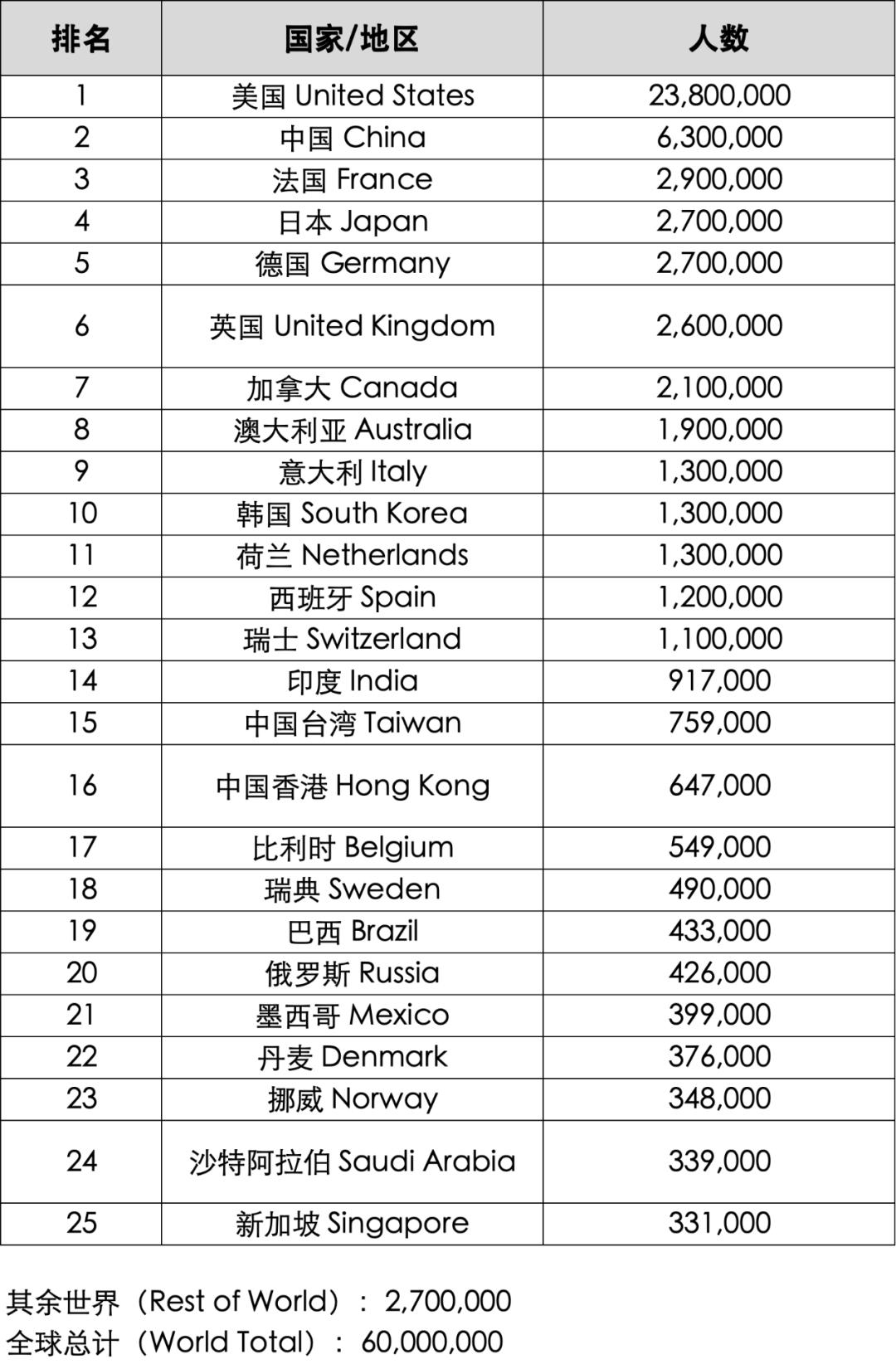
Group 1: Global Millionaire Statistics - By 2025, the number of millionaires worldwide is expected to reach 60 million, holding a total wealth of $226 trillion, with the United States having approximately 23.8 million millionaires, accounting for 40% of the global total [4][5][12] - China ranks second with about 6.3 million millionaires, while France follows with approximately 2.9 million [10][12] - The distribution of millionaires shows that North America (including the U.S. and Canada) accounts for about 43% of the global total, while Europe and Asia account for 25% and 22%, respectively [13][15] Group 2: Wealth Migration Trends - A record 142,000 millionaires are expected to migrate internationally by 2025, driven by factors such as safety, tax advantages, and quality of life [2][17][31] - The United Kingdom is projected to experience the largest net outflow of millionaires, with an estimated 16,500 leaving due to tax reforms and political uncertainties [21][32] - In contrast, the net outflow of millionaires from China is expected to slow, with a projected net loss of 7,800, while Hong Kong is anticipated to see a net inflow of 800 millionaires [20][22] Group 3: Wealth Density and Concentration - Wealth density is highest in Switzerland and Luxembourg, where approximately 1 in every 7 adults is a millionaire, while regions like Hong Kong and Australia also show high millionaire density [9][15] - The concentration of wealth remains significant, with the top six countries (U.S., China, France, Germany, Japan, and the U.K.) accounting for over 70% of the global millionaire population [15][25] Group 4: Future Economic Indicators - The migration patterns of millionaires are becoming a leading indicator of future economic trends, with about 15% of those migrating being entrepreneurs, which can stimulate growth in real estate, education, and employment [25][31] - The report indicates that the global wealth landscape is shifting, with emerging markets gaining traction while traditional wealth centers face challenges [16][26]
全球最富城市榜:纽约居首,深圳十年增速全球第一
3 6 Ke· 2025-10-17 11:23
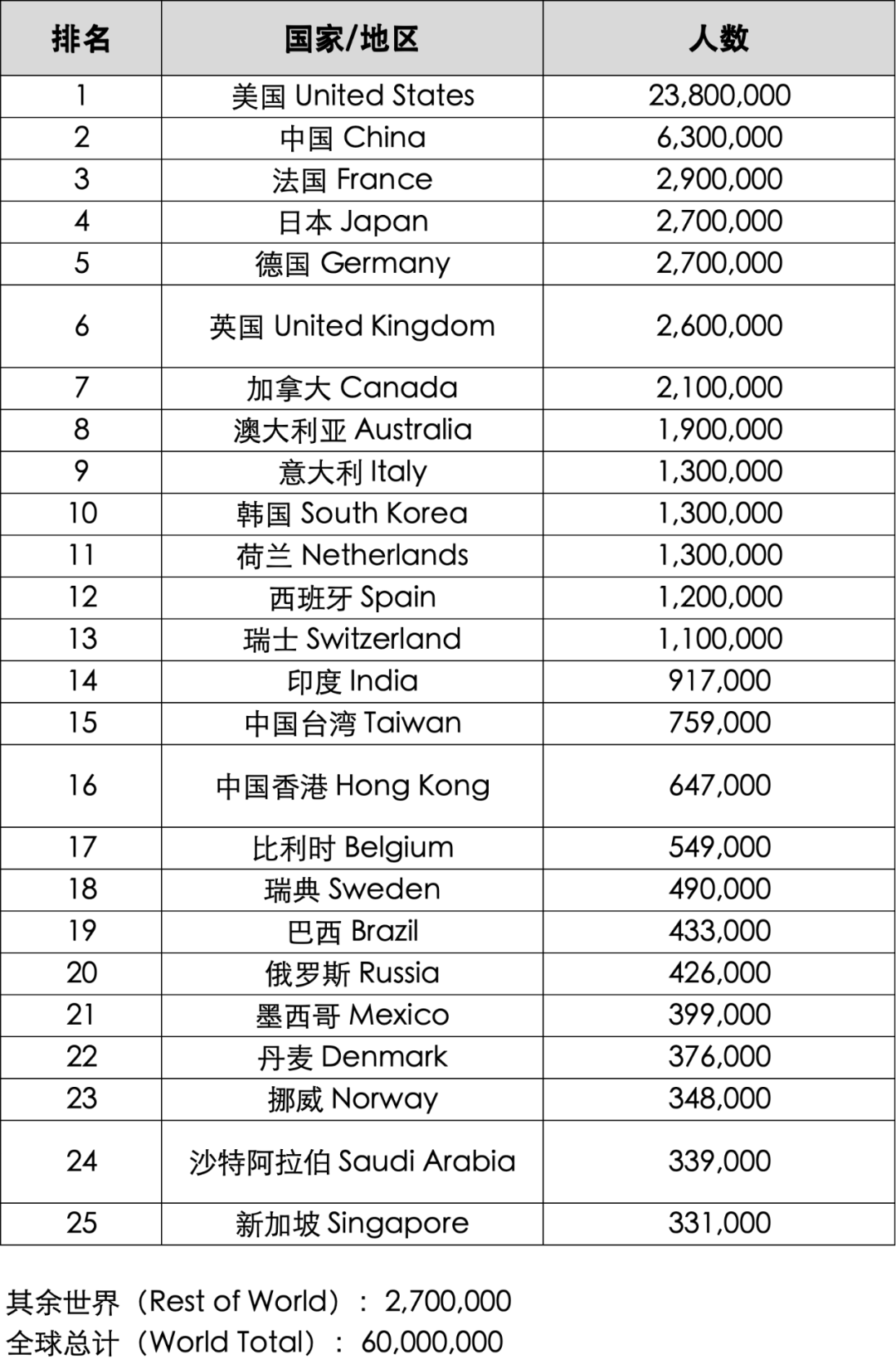
Global Wealth Landscape - The global millionaire population is projected to reach 60 million by 2025, holding a total wealth of $226 trillion, with the U.S. having approximately 23.8 million millionaires, accounting for 40% of the total [1][2][5] - A significant "global wealth migration" is anticipated, with around 142,000 millionaires expected to move across borders by 2025, marking a historical high [1][10][19] Wealth Distribution by Country - The U.S. remains the dominant player in the global wealth landscape, followed by China with about 6.3 million millionaires, and France with approximately 2.9 million [2][5] - Notable growth in millionaire numbers is observed in Shenzhen, China, which has seen a 142% increase from 2014 to 2024, driven by technology sectors [2][5] Migration Trends - The migration of millionaires is driven by factors such as safety, tax advantages, and quality of life, with the U.K. experiencing a record outflow of 16,500 millionaires due to tax reforms and political uncertainty [10][14][20] - Singapore is expected to see a significant decrease in net inflow, with only 1,600 millionaires projected to move there in 2025, less than half of the previous year [12][20] Regional Insights - North America (U.S. and Canada) accounts for approximately 43% of the global millionaire population, while Europe holds about 25% and Asia around 22% [5][7] - The Asia-Pacific region shows a dual strength with China and developed economies like Japan and South Korea, while India is nearing the million mark in millionaires [9][10] Future Projections - The migration of millionaires is expected to continue rising, with a projected increase of about 11% from 2024 to 2025 [19] - The top ten countries attracting wealth migration are characterized by low tax policies, investment immigration pathways, political stability, and high living standards [15][20]