软件信息

Search documents
重庆加快打造西部人才中心和创新高地 巴渝大地,人才与城市双向奔赴
Ren Min Ri Bao· 2025-11-13 22:05
Core Viewpoint - The article emphasizes the importance of education, technology, and talent as foundational and strategic supports for building a modern socialist country, highlighting the need for innovation-driven development and talent cultivation in Chongqing [1]. Group 1: Talent Attraction and Development - Chongqing has implemented various strategies to attract and cultivate strategic technology innovation talents, focusing on industries such as intelligent connected vehicles and advanced materials [2]. - The city has seen a significant increase in youth talent retention, with 712,000 young people choosing to stay in Chongqing for employment and entrepreneurship since 2024 [3]. - The number of high-skilled workers in Chongqing has risen to 1.795 million, a 72% increase compared to the end of the 13th Five-Year Plan [3]. Group 2: Open Environment for Talent - Chongqing has established a welcoming environment for international talent, hosting various international conferences and building partnerships with institutions like Nanyang Technological University [4]. - The city has initiated measures to facilitate the lives of foreign talents, including the recognition of foreign professional qualifications and the establishment of a dual offshore innovation and entrepreneurship mechanism [4]. Group 3: Innovation Platforms - Chongqing has developed high-level research platforms, including eight leading research laboratories, to support talent in the life sciences sector [6]. - The number of innovation bases in Chongqing has doubled compared to the end of the 13th Five-Year Plan, reaching 1,297 [6][7]. Group 4: Entrepreneurial Support - The city has created a one-stop service for entrepreneurial teams through talent innovation and entrepreneurship service ports, facilitating the establishment of companies like Guangdong Light Quantum [8][9]. - Chongqing has implemented a dual-channel evaluation system for high-level talents, recognizing over 120,000 new talents [9]. Group 5: Digital and Policy Support - The "Yucaihui" application has been developed to streamline talent services, reducing review times by over 30 days and integrating 73 services into a single platform [10]. - Chongqing aims to continue optimizing its talent ecosystem with a focus on openness and flexibility, enhancing opportunities for both domestic and international talents [10].
南京赴京“四对接”打出高质量引才组合拳
Xin Hua Ri Bao· 2025-10-30 23:55
Group 1 - Nanjing is actively engaging with over 180 quality organizations to attract high-level talent and projects, emphasizing a strong connection with universities in Beijing [1] - The "Charming Nanjing" promotional event in Beijing attracted representatives from over 20 universities, facilitating deep exchanges on talent policies and employment opportunities [2][3] - Nanjing's talent policies have resulted in significant success, with 1,062 graduates from the University of Science and Technology of China settling in Nanjing from 2021 to 2025, showcasing its appeal to national talent [2] Group 2 - The event featured over 200 employers offering more than 6,300 quality job positions in cutting-edge fields such as software information, biomedicine, and artificial intelligence [2] - Alumni from various universities shared their positive experiences of working in Nanjing, highlighting the city's supportive environment for career development [3] - The "Win in Nanjing" talent innovation and entrepreneurship project roadshow attracted nearly 300 million yuan in financing, indicating strong investor interest in innovative projects [4] Group 3 - Nanjing is establishing systematic cooperation with key universities in Beijing to enhance technology transfer and commercialization of research outcomes [5] - The city has initiated a series of recruitment events, receiving over 4,100 resumes and achieving preliminary employment intentions from 1,000 candidates during the "Charming Nanjing" recruitment campaign [5]
不断塑强服务业高质量发展新优势
Xin Hua Ri Bao· 2025-10-30 21:50
Core Viewpoint - During the "14th Five-Year Plan" period, Lianyungang City's Ganyu District focuses on high-quality development, aiming to enhance the service industry through innovative measures, thereby injecting strong momentum into regional economic and social development [1] Group 1: Industry Development Strategies - Ganyu District prioritizes expanding the total volume of the service industry and enhancing industrial capacity through four key measures: attracting investment, nurturing enterprises, transforming traditional industries, and fostering industrial clusters [2] - The district aims to attract high-end projects in both productive and lifestyle service sectors, focusing on high-tech and high-value-added industries such as software information and modern logistics [2] - Ganyu District is committed to nurturing local enterprises and establishing a supportive ecosystem for service industry development, including a "leading enterprises and small businesses collaboration" model [2][3] Group 2: Cultural and Tourism Integration - Ganyu District seeks to leverage marine culture and local resources to stimulate new growth points in cultural tourism, positioning "coastal cultural tourism" as a key highlight of its service industry [4] - The district plans to enhance the quality of seafood offerings and promote local seafood brands, while also innovating dining experiences that combine fishing and dining [4] - Ganyu District aims to create integrated tourism routes that connect various attractions and promote industrial tourism projects, enhancing the overall tourism experience [4] Group 3: Innovation-Driven Industrial Upgrading - Ganyu District emphasizes innovation as a means to overcome development bottlenecks, aiming to extend productive service industries towards specialization and high-value chains [5] - The district plans to upgrade port infrastructure and explore new energy storage and transportation layouts, transitioning the port economy from a transport-oriented model to one that includes value-added services [6] Group 4: Enhancing Quality of Life - Ganyu District focuses on upgrading living services to meet the high-quality demands of residents, ensuring that the benefits of service industry development reach all citizens [7] - The district is committed to improving housing supply, community services, and promoting vocational training to enhance the professional quality of service personnel [7] - Ganyu District aims to create a "15-minute convenient living circle" to facilitate access to essential services within communities [7]
东营软件园已聚集软件信息等领域企业300余家
Qi Lu Wan Bao Wang· 2025-10-15 15:50
Core Insights - The Dongying Software Park has become a key incubator for the software information industry in Dongying, recognized with multiple national honors and contributing significantly to the local economy with an annual output value exceeding 5 billion yuan [3][4]. Group 1: Development and Achievements - Dongying Software Park is the first specialized incubator for the software information industry in Dongying Economic and Technological Development Zone, serving as a major base for modern information services and talent innovation [3]. - The park has received 30 provincial and national honors, including being designated as a national-level technology business incubator and a national torch software industry base [3]. - Currently, the park hosts over 300 enterprises in the software information sector, generating an annual output value of more than 5 billion yuan [3]. Group 2: Services and Infrastructure - The park has established a comprehensive entrepreneurial support system, including a team of mentors composed of successful entrepreneurs and industry experts, providing full-process guidance for incubated enterprises [4]. - An investment of over 4 million yuan has been made to upgrade the data center, enhancing its capabilities and achieving a 4A-level provincial new-type data center certification [4]. - The park has developed a smart management platform that integrates various functions, serving over 2,000 employees and publishing more than 100 policies to support enterprises [4]. Group 3: Future Directions and Innovations - The park is aligning with the new requirements set by the Ministry of Industry and Information Technology to enhance the quality of its incubator services and is aiming to achieve a standard-level incubator certification [5]. - Focus areas include artificial intelligence and big data, leveraging Dongying's strengths in petrochemicals and new materials to foster an AI industry cluster [5][6]. - New incubation models such as "reverse incubation" and "deep incubation" are being explored to better align resources with market demands, transitioning from passive to active incubation strategies [5][6].

兰州高新区打造产业创新高地 生物医药领跑产业集群
Zhong Guo Xin Wen Wang· 2025-10-14 08:06
Core Insights - Lanzhou High-tech Zone has established a modern industrial system focusing on biomedicine as the leading industry, with intelligent manufacturing, new materials, and digital economy developing in synergy [1] Biomedicine Industry - The biomedicine sector in Lanzhou High-tech Zone has over 210 enterprises, generating nearly 24 billion yuan in total revenue, ranking 49th among the top 50 biomedicine parks in China for two consecutive years [2] - Key products include oral trivalent rotavirus vaccine and A+C group meningitis vaccine with an annual output value of 1.3 billion yuan and a domestic market share of approximately 70% [2] - Human albumin and intravenous immunoglobulin from China National Pharmaceutical Group generate an annual output value of 2.3 billion yuan [2] - Veterinary vaccines, such as foot-and-mouth disease vaccines, hold a 60% market share nationally [2] - Notable products in traditional Chinese medicine and medical devices include sales of nearly 1 billion yuan for certain herbal medicines and a 30% market share for a specific artificial heart valve [2] Intelligent Manufacturing Industry - The intelligent manufacturing sector includes over 50 specialized enterprises, achieving an annual output value exceeding 7 billion yuan [3] - Key technologies include underwater multiphase flow meters and multi-screw pumps, recognized for their international leading standards [3] - Companies like Haimer Technology and Lanzhou Vacuum Equipment are pivotal in their respective fields, contributing to the upgrade of China's high-end equipment manufacturing [3] New Materials Industry - The new materials sector comprises over 40 enterprises with an annual output value nearing 10 billion yuan [4] - Innovations include self-lubricating composite materials and memory alloys, with some products successfully replacing imported materials [4] - Companies like Lanzhou Zhongke Jurun and Lanzhou Ximai Memory Alloy are leading in their technological advancements [4] Digital Economy Industry - The digital economy sector has established three national-level platforms and includes 260 enterprises, with software and information companies accounting for 70% of the province's total [5] - Annual revenue in this sector exceeds 6 billion yuan, focusing on quantum communication, smart transportation, and industrial internet [5] - Companies like China Electronics Wande and Gansu Unisplendour are driving digital transformation and integration with the real economy [5]
2025全国二线城市魅力排行榜:厦门第6,大连第9,南昌第16
Sou Hu Cai Jing· 2025-10-08 00:54
Core Insights - The 2025 New First-Tier City Charm Rankings have been released, highlighting the competitive positioning of 30 second-tier cities, with Xiamen, Dalian, and Nanchang ranking 6th, 9th, and 16th respectively, showcasing their unique "industry + lifestyle" development models [1]. Group 1: Xiamen - Xiamen ranks 6th with a GDP exceeding 800 billion yuan, demonstrating a focus on quality over quantity despite its smaller size compared to Guangzhou [3]. - The city has three major industries: aviation maintenance, software information, and integrated circuits, with a combined annual output value of 420 billion yuan, accounting for half of the city's industrial output [3]. - Xiamen boasts 55 international flight routes and has led in inbound and outbound passenger growth among sub-provincial cities for four consecutive years [3]. - The city maintains a 99% air quality rate and offers comprehensive educational, medical, and cultural services, contributing to its high commercial attractiveness [3]. Group 2: Dalian - Dalian ranks 9th, with a container throughput of over 5.4 million TEUs in 2024, marking the highest growth rate in Northeast China [4]. - The city’s integrated refining and chemical production on Changxing Island has reached a production value of over 300 billion yuan [4]. - Dalian has improved its air quality for five consecutive years and has developed a 225-kilometer metro system, creating a "half-hour economic circle" connecting the airport, port, and high-tech zones [4]. - The city has seen explosive growth in duty-free, cruise, and cross-border e-commerce sectors, driven by its dense international passenger routes [4][5]. Group 3: Nanchang - Nanchang ranks 16th, focusing on "aviation + VR" as its national branding, with the C919 domestic aircraft production base achieving an annual capacity of 30 aircraft [7]. - The city's aviation industry output has doubled over three years, and it hosts the World VR Industry Conference permanently [7]. - Nanchang has seen a net population inflow for four consecutive years, with housing prices at only 40% of those in Hangzhou, enhancing its livability and workability [7]. - The opening of the Changjing-Huang high-speed railway has reduced travel times to Hangzhou and Hefei to two hours, integrating Nanchang into the Yangtze River Delta "weekend circle" [7].
上海长宁:形成软件信息、交通运输、批发零售、租赁商务四大千亿级产业集群
Zheng Quan Shi Bao Wang· 2025-09-23 05:28
Core Insights - Shanghai's Changning District has established four trillion-yuan industrial clusters: software information, transportation, wholesale retail, and leasing business, with a prominent leading industry role [1] - The software information service industry has an average annual growth rate of 24.8%, ranking first in the city [1] - The total transaction volume of e-commerce platforms in the district reached 1.62 trillion yuan, with an average annual growth of 17.7%, accounting for one-third of the city's total transaction volume [1] - The district is focusing on digital economy and aviation services, proactively entering new sectors such as industrial internet and low-altitude economy to create a "second curve" of economic development [1]
南京秦淮区发布“3+X”产业基金体系,28个产业项目签约
Yang Zi Wan Bao Wang· 2025-09-22 12:40
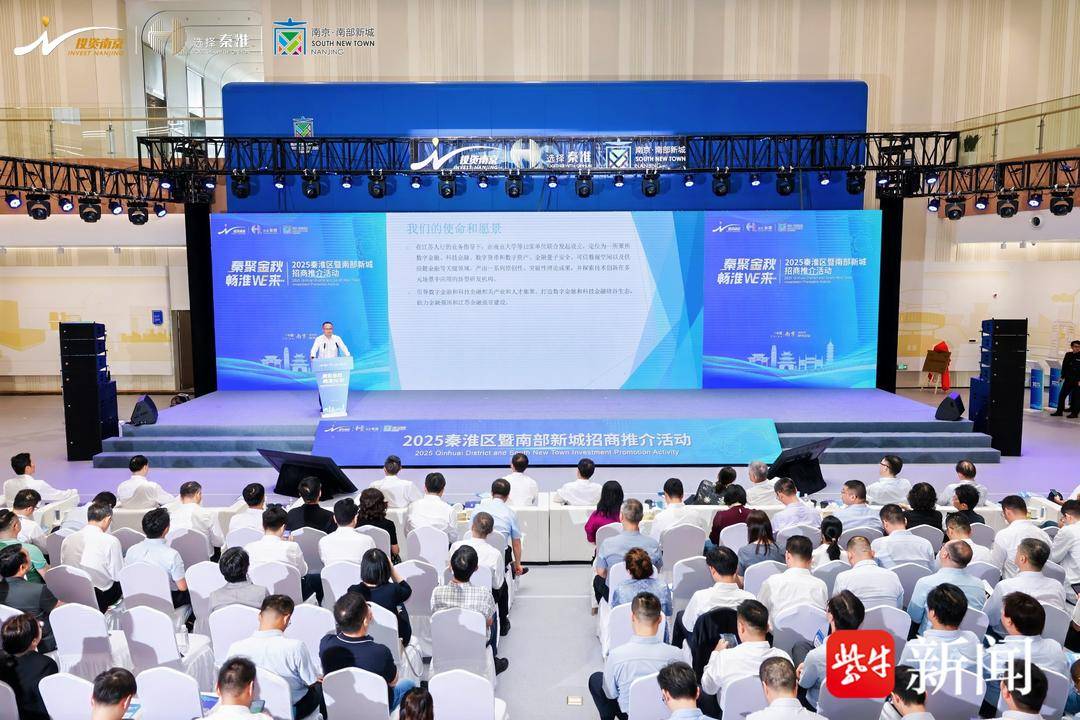
Core Insights - The Qinhuai District held a promotional event for investment opportunities, announcing the establishment of a "3+X" industrial fund system and signing 28 industrial projects [1][3]. Group 1: Industrial Fund System - The "3+X" industrial fund system aims to accelerate the development of the Qinhuai District, aligning with national and provincial policies on government investment funds [3]. - The "3" refers to three types of funds: government investment funds, participation in the city's "4+N" industrial fund cluster, and the establishment of a district state-owned enterprise fund [3]. - The "X" signifies the promotion of a partner fund library, aiming to establish close collaborative relationships with multiple funds [3]. Group 2: Project Signings and Collaborations - A total of 28 industrial projects were signed during the event, covering various sectors including headquarters projects, modern finance and commerce, software information (AI), new generation communication (IoT), renewable energy and environmental protection, health and education, and cultural tourism integration [4]. - The Jiangsu Province Smart Low-Carbon Building New Industry Fund was established with a total scale of 2 billion RMB, involving multiple local groups [4]. - The event emphasized collaboration between government, leading enterprises, and educational institutions to strengthen and expand industrial chains [4].
惠农“税费通”|支持乡村振兴系列税费优惠政策(16)直接用于农、林、牧、渔业生产用地免征城镇土地使用税
蓝色柳林财税室· 2025-09-19 08:20
Core Viewpoint - The article discusses the tax exemption policy for land use in agricultural production, highlighting that land directly used for agriculture, forestry, animal husbandry, and fishery is exempt from urban land use tax [6][7]. Group 1: Tax Exemption Policy - Agricultural production land, including land used for planting, breeding, and feeding, is exempt from urban land use tax [6][7]. - The exemption does not apply to land used for processing agricultural products or for living and office purposes [7]. Group 2: Relevant Regulations - The policy is based on the "Interim Regulations on Urban Land Use Tax" and related notifications from the State Administration of Taxation [8].
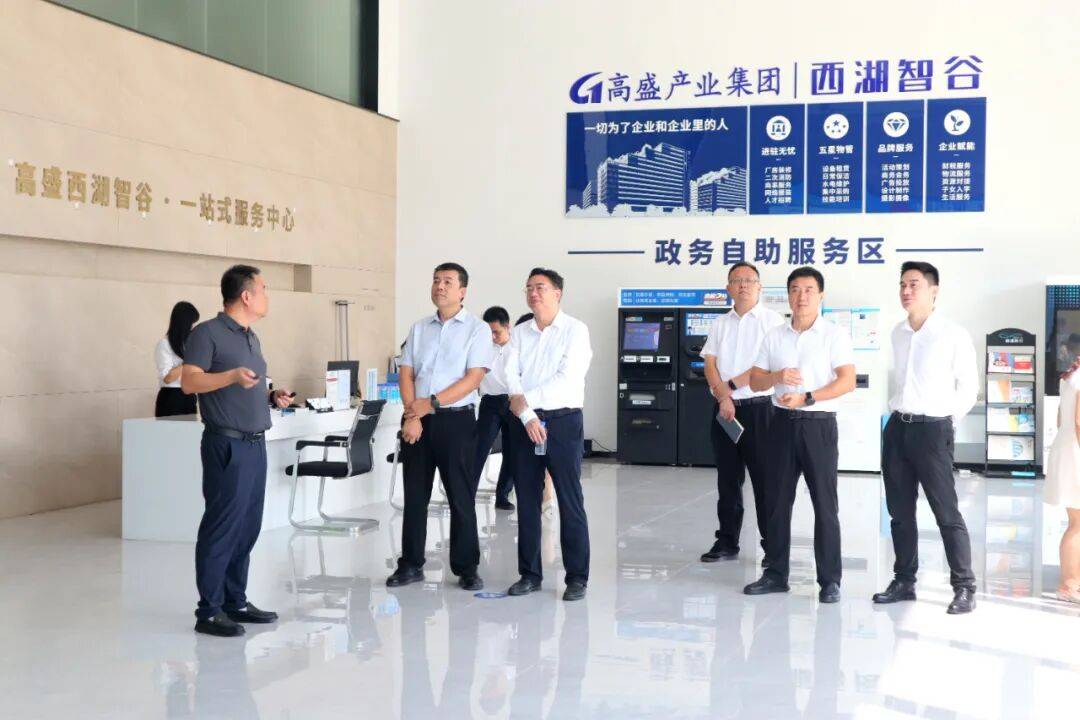
广州南沙考察组赴惠州高盛西湖智谷考察
Sou Hu Cai Jing· 2025-09-16 12:50
Core Insights - The visit by the inspection team from Nansha Development Zone aimed to strengthen industrial cooperation and promote regional economic development [9] Group 1: Overview of Gaoshen Xihu Zhigu - Gaoshen Xihu Zhigu has successfully attracted 137 registered enterprises, with 65% from Shenzhen, 25% from Dongguan, and 10% from Huizhou, indicating a diverse enterprise source [5] - The park includes 14 large-scale enterprises, 23 national high-tech enterprises, 11 specialized and innovative enterprises, and 1 "little giant" enterprise, covering various sectors such as productive services, electronic information, new energy, biomedicine, and intelligent manufacturing [5] - The park's A Zone has been recognized as Huizhou Software Park, housing 23 software information enterprises, contributing to the local digital economy [5] Group 2: Industrial Development and Services - Gaoshen Xihu Zhigu employs an "8+N" full lifecycle operation service system, providing one-stop solutions for enterprises, including policy guidance, industrial finance, talent recruitment, technology matching, and shared facilities [7] - The park organized a supply-demand matching conference for enterprises, resulting in the release of 2 billion orders to support manufacturing companies [7] - The Huizhou Huicheng High-tech Zone has seen its industrial enterprises increase to 346 and high-tech enterprises to 228, with total industrial output value rising from 25.52 billion yuan in 2021 to 54.34 billion yuan in 2024, marking a growth rate of 112.93% [8] Group 3: Infrastructure and Future Plans - The Huizhou Huicheng High-tech Zone is recognized as a provincial-level high-tech zone and is part of Guangdong's comprehensive big data experimental zone and AI industrial park [8] - The total planned area of the park is 67.7 square kilometers, focusing on new-generation electronic information, intelligent equipment manufacturing, new energy materials, and biomedicine [8] - Recent infrastructure developments include the East River Bay Cultural and Sports Center, a nine-year consistent school, and improved transportation links, enhancing the area's industrial support [9]