
快餐

Search documents
雀巢扩建工厂;赛百味增资至3.8亿;Gucci CEO加入Brioni董事会
Sou Hu Cai Jing· 2025-11-24 03:32
Investment Dynamics - Nestlé is investing approximately £28 million (around 260 million RMB) to upgrade its Dalston factory in Cumbria, UK, aimed at expanding its ready-to-drink coffee production line, which will include a new mixing workshop and two packaging lines, reducing manual handling by 80% and achieving a capacity of 60,000 packs per hour [3] - Danone Canada announced a historic investment in its Boucherville factory in Quebec, which includes energy recovery equipment to enhance sustainable operations, marking Danone's largest investment in Canada to rapidly increase yogurt production capacity to meet growing health demands [6] - Subway's management company in Shanghai increased its registered capital from approximately 320 million RMB to about 380 million RMB, a 21% increase, to support rapid store expansion and narrow the gap with competitors like McDonald's and KFC [9] - "Meet Little Noodles" is targeting to raise $100 million (approximately 780 million HKD) through a pre-IPO roadshow, which will support its expansion to a thousand stores and strengthen its brand in the Chinese dining sector [10] Acquisition Dynamics - Uni-President Enterprises has signed a share purchase agreement to acquire Carrefour Taiwan for a total of approximately $970 million (around 6.9 billion RMB), which is about $32 million (approximately 230 million RMB) less than the 2023 transaction price [15] - Guangxi Travel Health Industry Group is acquiring a 20% stake in Southern Black Sesame Group, which will help the latter repay short-term debts and aim for profitability by 2025 [18] - Anheuser-Busch InBev is in talks to acquire BeatBox, valuing the company at approximately $700 million (around 5 billion RMB), which will enhance its presence in the ready-to-drink segment and leverage existing distribution channels [20] - JBS's subsidiary Mantiqueira USA is set to acquire Hickman's Egg Ranch, one of the top 20 egg producers in the U.S., as part of its strategy to diversify its protein business [22] Personnel Dynamics - Roland Mouret has stepped down as creative director of his eponymous brand, with Han Chong taking over as the sole creative director, which may impact the brand's short-term performance due to the loss of a key creative force [24] - Francesca Bellettini, CEO of Gucci, has joined the board of Brioni, which may enhance the brand's supply chain resources and potentially replicate Gucci's high-margin model to boost profitability [27]




智慧门店升级 必胜客中国餐厅突破4000家
Bei Jing Shang Bao· 2025-11-23 08:24
Core Insights - Pizza Hut China has opened its 4000th store in Hainan, themed "White Sand and Waves Beach Retreat" [2] - The new store features a fully integrated smart management system, combining wearable technology and AI assistant Q Rui for efficient management [2] - The implementation of Q Rui includes voice inventory, voice product handling, voice calling, and emergency reminders, with plans for further development in the next 1-2 years [2] - The store also utilizes various automated equipment such as automatic dispensers, fryers, and dishwashers, marking their first application in Pizza Hut China [2] - Yum China’s latest financial report indicates a 17% year-on-year increase in same-store sales for Pizza Hut, achieving growth for eleven consecutive quarters [2] - The company set a record with 158 new store openings in the latest quarter [2]

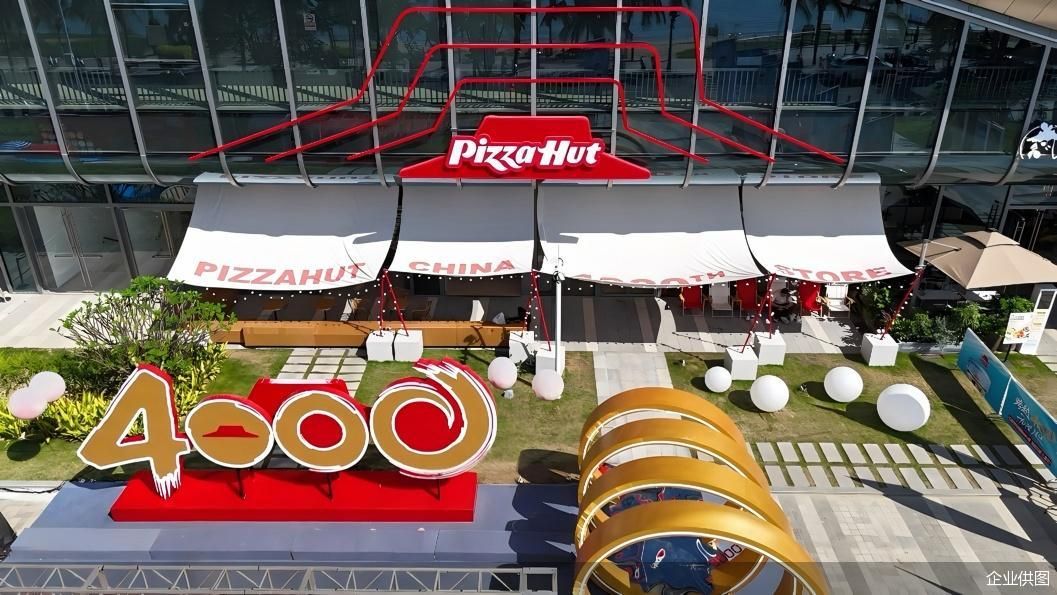
门店突破4000家 必胜客中国要“五年再造一个必胜客”
Nan Fang Du Shi Bao· 2025-11-22 13:56
Core Insights - The opening of the 4000th store in Sanya marks a new phase for Pizza Hut in China, highlighting accelerated expansion and operational maturity [2] - The company achieved a 17% year-on-year increase in same-store sales for the third quarter, marking the eleventh consecutive quarter of growth [2] - CEO Joey Wat emphasized the importance of the RGM strategy, focusing on business resilience, growth, and strategic advantages [2] Expansion Strategy - Pizza Hut is expanding not only in first-tier cities but also penetrating lower-tier markets with the WOW store model, which includes a "Everyday Low Price" menu [5][8] - As of Q3 2025, the WOW model has been implemented in 250 stores across over 40 previously uncovered towns [5] - The brand aims to enhance value for consumers through improved menu pricing and promotional activities, with membership exceeding 200 million [5][8] Technological Advancements - The introduction of AI systems like "Q-Rui" enhances operational efficiency by managing staff schedules and monitoring service progress [9][10] - Automation in the kitchen, such as pizza topping machines and automated fryers, improves consistency and reduces service time, enhancing customer experience [10] - The focus on technology aims to allow employees to dedicate more time to customer service rather than routine tasks [10] Community Engagement - The launch of the "Little Red Hat Program" aims to foster youth volunteerism and community service, leveraging Pizza Hut's extensive store network [11][13] - The program will initially pilot in major cities and is designed to engage youth in various community service activities [13] Future Growth Plans - Pizza Hut plans to accelerate store openings, targeting over 600 new stores annually for the next three years, aiming to exceed 6000 stores by 2028 [14] - The brand aims to double its profit by 2029 compared to 2024, demonstrating confidence in the Chinese market [14]
【书籍专题 · 如何开一家赚钱的餐厅】根据风味和地区确定餐厅的经营特色
东京烘焙职业人· 2025-11-22 08:33
Group 1 - The core idea emphasizes the importance of localizing restaurant offerings based on regional flavors and consumer preferences, as exemplified by KFC's success in China with unique menu items not found in the U.S. [2][11] - KFC's strategy includes continuous product innovation since the late 1990s, introducing a variety of localized dishes that resonate with Chinese consumers [2][11] - The article highlights that a restaurant's operational characteristics should be consciously developed to create a competitive advantage, rather than relying on superficial changes [4][6] Group 2 - Establishing a restaurant's unique characteristics requires thorough market research and should align with regional traits and the restaurant's actual capabilities [4][6] - The formation of a restaurant's unique identity is a long-term process that integrates cultural values, management philosophy, and operational strategies [6][10] - Successful differentiation in the restaurant industry is characterized by value superiority, uniqueness, and difficulty in imitation, which collectively contribute to a restaurant's core competitiveness [6][10] Group 3 - Personalized service is crucial for creating a memorable dining experience, fostering customer loyalty through tailored interactions [7][9] - Continuous innovation in menu offerings and service styles is essential to maintain customer interest and avoid monotony [9][10] - The article stresses that the essence of a restaurant's identity lies in its cultural themes and the integration of various elements such as design, menu, and service [11]
下沉市场翻车?星巴克万店冲刺遇阻,甩卖60%股权,中国品牌逆袭
Sou Hu Cai Jing· 2025-11-22 07:55
Core Insights - Recent actions by foreign brands like Starbucks and Burger King indicate a strategic shift rather than a retreat from the Chinese market, as they adapt to changing consumer dynamics and market conditions [1][27] Group 1: Foreign Brands' Strategies - Starbucks sold 60% of its China stake to Boyu Capital for $4 billion, while Burger King divested 83% of its equity for $2.5 billion, reflecting a trend of foreign brands restructuring their investments in China [1][27] - The historical success of foreign brands in China was driven by high demand, favorable tax policies, and a lack of local competition, which has since changed [6][7][27] - Starbucks has expanded its store count from 8,000 to 12,000 in China, with 35% of new stores located in lower-tier markets, showcasing a shift towards localization and market penetration [9][11] Group 2: Changing Consumer Landscape - The demographic shift in China, with a declining birth rate and the rise of younger consumers (post-95 and post-00 generations), has altered consumption patterns, making brand loyalty less significant [13][15] - Younger consumers prioritize taste, health, and value for money over brand prestige, leading to a decline in traditional brand appeal [15][19] - Competitors like Luckin Coffee and KFC have successfully adapted to local tastes and preferences, with KFC's introduction of localized menu items like "Sichuan Hot Pot Fried Chicken" achieving significant sales [17][23] Group 3: Market Dynamics and Competition - The coffee market in China has become segmented, with low-cost brands capturing the budget-conscious segment while premium brands focus on emotional value [19][27] - Local brands leverage digitalization and efficient service models, allowing them to outperform traditional foreign brands in terms of customer engagement and operational efficiency [21][23] - Starbucks is now adopting strategies such as health-focused product lines and partnerships to enhance customer loyalty and adapt to local market demands [25][27]



海尔创始人张瑞敏力荐|AI时代,人类最后的“诺亚方舟”在哪里?
Sou Hu Cai Jing· 2025-11-21 10:40
Group 1 - Ant Group officially launched its full-modal AI assistant "Lingguang," which can generate interactive applications in 30 seconds based on natural language descriptions, allowing users to create personalized tools with zero barriers [1] - McDonald's 2025 Christmas advertisement was produced entirely with AI assistance, reducing the traditional advertisement production cycle by 70% [1] Group 2 - There is a growing sentiment of helplessness in various industries as AI technology evolves rapidly, challenging the belief that creativity is a uniquely human trait [4] - AI is increasingly involved in tasks such as coding, planning, video editing, and management decision-making, leading to concerns about human roles being optimized to mere components in a system [6] Group 3 - Despite advancements in management tools, employees report feeling more exhausted, indicating a disconnect between technological efficiency and actual work satisfaction [9] - The traditional "Newtonian" management approach, which views organizations as machines, is failing in the current unpredictable environment dominated by AI and the internet [11] Group 4 - Haier's founder, Zhang Ruimin, and management expert Peter Senge are influenced by the book "Leadership and the New Science," which discusses the concept of "strange attractors" in chaotic systems [8][15] - Haier has transformed its organizational structure from a hierarchical model to thousands of small, independent units focused on user experience, allowing for adaptability in a chaotic market [19] Group 5 - The new edition of "Leadership and the New Science" serves as a survival guide in a turbulent world, emphasizing the need for organizations to embrace chaos rather than control [21][22] - The author suggests creating "Islands of Sanity" within organizations to foster genuine human connections and counteract the prevailing bureaucratic culture [26] Group 6 - The book advocates for a shift from a control-oriented mindset to one that embraces uncertainty, highlighting the importance of relationships and human connections in navigating the AI-dominated landscape [34][35]


CPE 源峰控股汉堡王中国:外资餐饮本土化的新尝试与隐忧
Xin Lang Cai Jing· 2025-11-20 10:13
Core Insights - CPE Yuanfeng has acquired an 83% stake in Burger King China for $350 million, establishing a joint venture and a 20-year exclusive brand development agreement with RBI [1] - The deal aims to expand Burger King China's store count from approximately 1,271 to over 4,000 by 2035, focusing on store expansion, marketing, menu innovation, and operational improvements [1][2] - The partnership reflects a broader trend of foreign restaurant brands in China seeking local capital and operational support amid increasing competition and changing consumer demands [3] Company Summary - Burger King China has faced operational challenges, with store count dropping from 1,474 at the end of 2024 to 1,271 by Q3 2025, resulting in the closure of over 170 stores [2] - Despite RBI's previous investment of $158 million to regain full ownership and an additional $100 million for localization efforts, same-store sales only saw a temporary increase of 10.5% [2] - CPE Yuanfeng, managing over 150 billion yuan, has significant experience in the consumer services sector, having invested over 10 billion yuan in various industry leaders, which may benefit Burger King China's operations [2] Industry Trends - The shift in ownership structure for Burger King China is part of a larger trend where foreign brands are relinquishing control in exchange for local investment and operational expertise [3] - The competitive landscape in China's fast-food market is intensifying, with leading brands like KFC and McDonald's significantly outpacing Burger King in store count and market share [2][3] - The collaboration between CPE Yuanfeng and Burger King China represents a strategic attempt to align local capital with foreign brand operations, which may serve as a reference model for future foreign brand localization efforts in China [4]
下沉市场餐饮新机遇,鱼你在一起加盟策略深度解读
Sou Hu Cai Jing· 2025-11-20 09:16
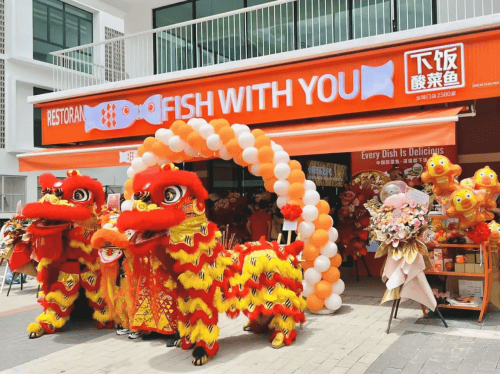
Group 1 - The core viewpoint of the article highlights the rapid growth of the lower-tier market in the restaurant industry, with a projected growth rate of over 8% in 2024, making it a significant driver for industry expansion [1] - The company "Fish You Together" has successfully expanded its franchise model, surpassing 2,500 global franchise stores by July 2024, leveraging a clear positioning and flexible operational model [1][3] Group 2 - The dual strategy of "high efficiency + light assets" allows "Fish You Together" to thrive in a competitive market, utilizing a light asset franchise model to reduce initial investment burdens for franchisees [3] - The company has established a supply chain network covering over 2,500 stores, with 85% of core ingredients supplied directly from nine major warehouses, ensuring stable supply and cost control [5][6] - The brand's differentiated store model includes mini delivery stores in first and second-tier cities and local-style stores in county and town markets, catering to various consumer preferences and price points [6] Group 3 - The company's understanding of diverse market needs and innovative strategies positions it for sustained competitive advantage, while its mature franchise mechanism offers investors a more certain development opportunity [8]
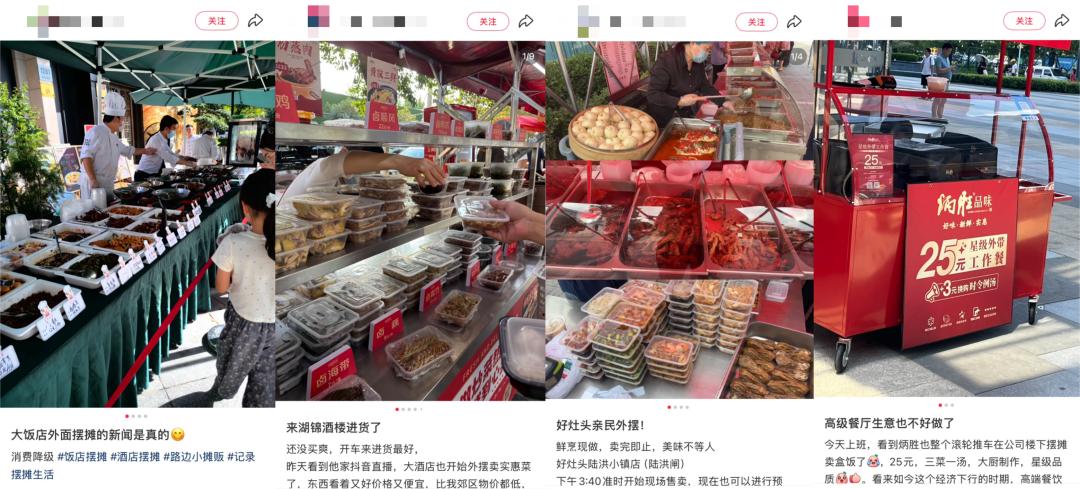
摆摊自救,餐厅上街抢生意
3 6 Ke· 2025-11-20 04:10
Core Viewpoint - The trend of restaurant brands setting up street stalls reflects a response to the challenges faced in dine-in services, as they seek to attract customers with affordable prices and brand exposure [1][8][15] Group 1: Industry Trends - Since July, numerous restaurant brands across various cities have started street vending, offering affordable meals and breaking traditional dining boundaries [2][8] - The types of dishes offered are diverse, including classic main courses, cold dishes, and snacks, with many stalls providing up to 70 different options [4][8] - Pricing strategies have shifted towards affordability, with most dishes priced between 10-30 yuan, making them more accessible compared to dine-in options [4][9] Group 2: Consumer Behavior - Consumer feedback indicates a mix of satisfaction and criticism, with some perceiving the food as pre-prepared and questioning its quality compared to dine-in meals [5][8] - The shift in consumer spending habits is evident, with a notable decrease in those planning to increase their dining expenditure in 2024 compared to 2023 [9][11] Group 3: Financial Implications - Some restaurants report significant daily revenues from street stalls, with figures reaching up to 30,000 yuan, indicating a potential new revenue stream [11][12] - However, the income generated from street vending may not fully compensate for the decline in dine-in sales, as many customers may simply be shifting their spending rather than attracting new clientele [12][14] Group 4: Competitive Landscape - The emergence of street stalls creates competition with small eateries, particularly in the ready-to-eat segment, although the two operate in different market segments [17][19] - The experience of dining at street stalls may not match that of traditional restaurants, as the food is often prepared in bulk, affecting taste and quality [17][19] Group 5: Future Considerations - The long-term viability of street vending for established brands raises concerns about brand value erosion, as consumers may prefer lower-priced options over traditional dining experiences [15][19] - The industry may need to explore innovative dining experiences to attract customers back to restaurants, as mere affordability may not suffice in retaining customer loyalty [19]
百胜中国11月18日斥资5395.15万港元回购14.72万股
Zhi Tong Cai Jing· 2025-11-19 11:22
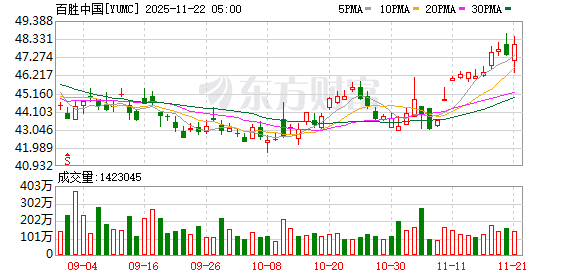
Core Viewpoint - Yum China (09987) announced a share buyback plan involving an expenditure of $15.1999 million to repurchase 319,900 shares at prices ranging from $46.62 to $47.92 per share, and an additional expenditure of HK$53.9515 million to repurchase 147,200 shares at prices between HK$361.8 and HK$369.4 [1] Group 1 - The company will issue 621 shares under its long-term incentive plan on the same day [1] - On November 17, 2025, the company repurchased and subsequently canceled 69,000 shares in the United States [1]