
自动驾驶

Search documents
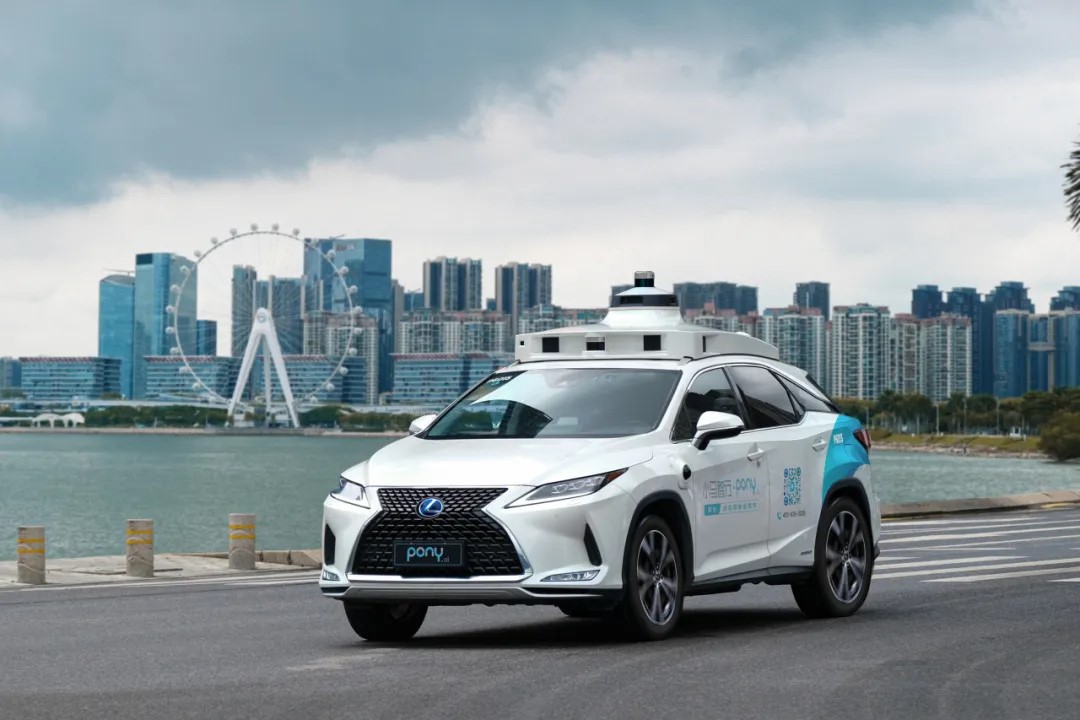
小马智行2025年预亏6900万-8600万美元,同比大幅收窄
Ju Chao Zi Xun· 2026-02-05 03:01
Core Viewpoint - Pony AI Inc. has issued a positive earnings forecast, expecting a significant reduction in net losses for the upcoming reporting period compared to the previous year [2] Financial Performance - The company anticipates a net loss ranging from approximately $69 million to $86 million for the period ending December 31, 2025, compared to a net loss of $275 million in the same period of 2024 [2] - The expected attributable net loss for Pony AI Inc. is projected to be between approximately $126 million and $143 million, down from $274.1 million in 2024 [2] Reasons for Improvement - The narrowing of net losses and attributable net losses is primarily attributed to an increase in fair value changes of investments held by the listed company during the reporting period [2]

Robotaxi暗战:“Waymo时刻”来临,马斯克磨刀霍霍
Sou Hu Cai Jing· 2026-02-05 02:40
Core Viewpoint - Waymo's valuation has surged to $126 billion following a $16 billion funding round, making it one of the largest private financing cases in tech history, despite ongoing controversies and operational challenges [4][10]. Group 1: Valuation and Funding - In February 2024, Waymo's valuation was $45 billion, but it has nearly tripled to $126 billion in just 16 months, despite limited operations in five cities and annual revenue of approximately $350 million [5]. - The funding round included top-tier investors like Sequoia Capital and Dragoneer, with Alphabet contributing over 75% of the total, indicating a shift in Waymo's status from an experimental project to a core business for Alphabet [4][10]. Group 2: Competitive Advantages - Waymo's competitive edge lies in three main areas: data barriers, first-mover advantage, and scalability potential, having completed over 20 million real commercial rides and surpassed 100 million miles of fully autonomous driving [6][8]. - The company has established a hybrid business model by operating its own app and partnering with Uber, which is expected to enhance user habits and network effects [8]. Group 3: Future Prospects and Challenges - Waymo plans to provide automated ride services at San Francisco International Airport by 2025, a significant step as airport trips account for about 20% of ride-hailing demand [11][13]. - Despite its leading position, Waymo faces challenges such as technical risks related to "long-tail scenarios," competition from Tesla's aggressive Robotaxi strategy, and the need to establish a sustainable profitability model [15][22][24]. - Regulatory hurdles and public trust issues remain significant obstacles, as varying traffic laws and safety incidents could hinder expansion efforts [24][26].

优步20260204
2026-02-05 02:21
Uber Earnings Call Summary Company Overview - **Company**: Uber - **Date**: February 4, 2026 Key Financial Metrics - **Revenue Growth**: Uber's revenue exceeded 20%, reaching $8.7 billion [2][3] - **Adjusted EBITDA Margin**: 35% [2][3] - **Free Cash Flow**: $9.8 billion, a year-over-year increase of 42% [2][3] - **Annual Active Users**: Over 450 million [2][6] Core Insights Revenue and User Growth - **Monthly Active Users**: Over 202 million, indicating strong user engagement [2][6] - **User Retention**: Significant improvement in user retention due to early lifecycle experience optimization and investment in membership programs, with 40% of users utilizing more than one Uber product [2][7] - **Membership Growth**: Membership program grew by 55% year-over-year [2][7] Autonomous Driving Technology - **Impact on Efficiency**: Autonomous driving technology has improved platform efficiency, with vehicle utilization rates increasing by 30% [2][4] - **Market Expansion**: Plans to enter 15 cities by year-end in collaboration with partners like Waymo and NVIDIA [2][5] - **Long-term Ecosystem**: Anticipation of a diversified ecosystem in the autonomous driving market, with multiple players expected to participate [2][5][7] Strategic Investments and Capital Return - **Capital Return Commitment**: Uber plans to return 50% of free cash flow to shareholders while reinvesting in core business opportunities [2][8] - **Stock Buyback**: Active stock repurchase program due to undervaluation of the company's stock [2][8] Delivery Business Growth - **Factors Driving Growth**: 1. Improved product selection capabilities [2][14] 2. Growth in low-density areas [2][14] 3. Introduction of new products and partnerships [2][14] 4. High membership engagement [2][14] 5. International market expansion [2][14] Additional Insights - **Logistics Efficiency**: Effective utilization of idle vehicles and trucks is a core strategy to enhance logistics ecosystem efficiency [2][12] - **Advertising Business Potential**: The advertising business, particularly in delivery, is experiencing rapid growth, with penetration rates exceeding initial targets [2][13] - **Challenges in Autonomous Vehicle Deployment**: The transition to fully autonomous vehicles will require collaboration with OEMs and local regulatory bodies [2][9][10] Conclusion - **Outlook**: Uber maintains a strong growth trajectory with a clear operational framework supporting sustainable growth, driven by user engagement, technological advancements, and strategic investments [2][3][6]

Uber第四季度净利暴跌96%,押注自动驾驶
Di Yi Cai Jing Zi Xun· 2026-02-05 01:57
Core Insights - Uber's Q4 2025 revenue increased by 20% year-over-year to $14.4 billion, but net profit dropped by 96% to $296 million, influenced by tax valuation releases and investment re-evaluations [1] - The company reported a 22% increase in order volume to 3.8 billion, driven by an 18% rise in monthly active platform users (MAPC) to 200 million [1] Financial Performance - Q4 2025 net profit included a $6.4 billion gain from tax valuation releases and a $556 million pre-tax gain from investment re-evaluations, while the non-GAAP net profit rose by 25% to $1.5 billion [1] - The stock price fell over 5% following the announcement of the net profit decline [1] User Growth Strategies - CEO Dara Khosrowshahi highlighted that product segmentation and market targeting have driven user growth, with lower-priced offerings like Moto attracting new user demographics [2] - New products such as "Reserve" and "Women Preferred" have successfully reached non-target user groups, including suburban residents and those with urgent travel needs [2] Autonomous Driving Initiatives - The company sees autonomous vehicles as a significant opportunity for customer acquisition, estimating trillions in potential market value [4] - Khosrowshahi noted that the autonomous driving sector will not have a single winner, with multiple suppliers like Pony.ai and WeRide developing their technologies [5] - Recent advancements include a partnership with NVIDIA for AI-driven autonomous technology and the establishment of AV Labs to enhance core capabilities in autonomous driving [5]
文远知行GENESIS重构数据价值,CEO韩旭直言:数据已经没有那么值钱了!
Jin Tou Wang· 2026-02-05 01:27
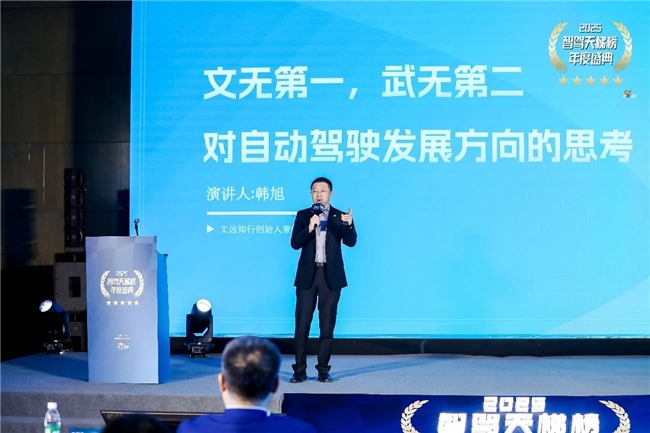
智驾行业的成熟,必然要从"相关性依赖"迈入"因果性核心"。当下不少技术讨论仍停留在表面:某一方 法在特定场景见效、某一系统演示效果流畅,就被认定为最优方向,这种认知本质上是对技术的片面理 解。真正的技术突破,需要厘清因果逻辑:系统为何能应对复杂场景?换一场景能否持续稳定运行?唯有 掌握核心因果关系,才能跳出"名词迷信",实现技术的可持续迭代。 在2025智驾天梯榜年度论坛上,行业核心观点迎来集中释放,文远知行创始人兼CEO韩旭也抛出重要观 点:"数据已经没有那么值钱了。" 当前智驾行业正处于数据价值重构、技术路线理性回归、工程化落地深化,成为推动行业从"概念喧 嚣"走向"务实发展"的三大核心主线。而包括韩旭在内的行业人士普遍预判,自动驾驶系统能力全面超 越人类驾驶的时间窗口,将集中在2032—2033年。 数据价值的重构,成为智驾技术突破的重要支撑。韩旭在论坛上提出一个"炸场观点": "过去大家觉得 数据是钻石,但是现在可以人工合成钻石了,有一些长尾效应的数据可能比较值钱,但是不需要那么多 了,数据已经没有那么值钱了。" 文远知行GENESIS的出现,实现了数据"以一当万"的效果,不仅能精准覆盖极端场景、长尾 ...
谷歌(GOOGL.US)AI变现稍缓“烧钱”忧虑:Gemini驱动Q4云收入超预期,今年资本支出指引翻倍达1800亿美元
智通财经网· 2026-02-05 00:40
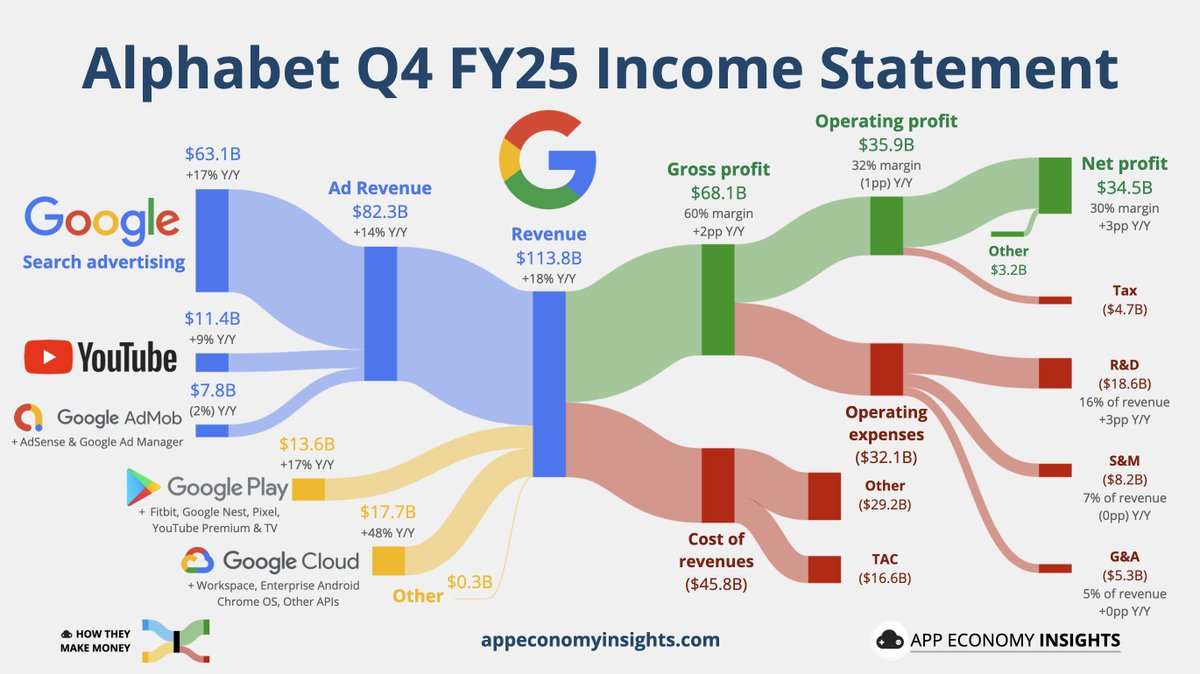
Core Insights - Alphabet's quarterly revenue exceeded expectations, driven by strong growth in Google services and cloud business, with Q4 revenue rising 18% to $113.8 billion, surpassing the anticipated $111.5 billion [1] - The company announced an ambitious capital expenditure plan, projecting spending of $175 billion to $185 billion by 2026, significantly higher than the expected $119.5 billion [4] Financial Performance - Q4 net profit reached $34.46 billion, a nearly 30% increase year-over-year, with operating profit growing 16% to $35.9 billion and maintaining an operating margin of 32% [3] - Earnings per share were $2.82, exceeding the expected $2.63 [3] Capital Expenditure Plans - The majority of the capital expenditure will focus on enhancing AI computing capabilities through Google DeepMind and meeting substantial cloud customer demand [4] - Free cash flow for the quarter was $24.55 billion, with total operating cash flow over the past 12 months amounting to $164.7 billion [4] Cloud Business Growth - Google Cloud revenue for Q4 was $17.7 billion, a 47.8% year-over-year increase, exceeding analyst expectations of $16.2 billion [10] - The backlog of orders in the Google Cloud segment increased by 55%, reaching $240 billion by the end of Q4 [10] AI and Infrastructure Investments - Alphabet's investments in AI and infrastructure are driving revenue growth, with search usage at unprecedented levels [6] - The company is rapidly improving its Gemini model and integrating it across all products, requiring significant investments in data centers and chips [6] Advertising Revenue - Advertising revenue reached $82.28 billion, a 13.5% increase year-over-year, with search ad revenue growing 17% to $63.1 billion [12] - The introduction of AI features in search has helped maintain nearly 90% market share despite competition from AI models like OpenAI's [12] YouTube Performance - YouTube ad revenue grew nearly 9% to $11.38 billion, although it fell short of analyst expectations [14] - YouTube is projected to generate over $60 billion in revenue by 2025, surpassing major competitors like Netflix [14] Other Business Segments - Other business segments, including Verily and Waymo, reported revenue of $370 million, a 7.5% decline year-over-year, with significant losses attributed to increased R&D expenses [17] - Waymo's valuation reached $16 billion after a new funding round, with the company expanding its services to multiple U.S. cities and internationally [17]

谷歌Q4财报在即!4.1万亿美元市值面临考测,业绩增长需支撑估值扩张
Hua Er Jie Jian Wen· 2026-02-04 13:12
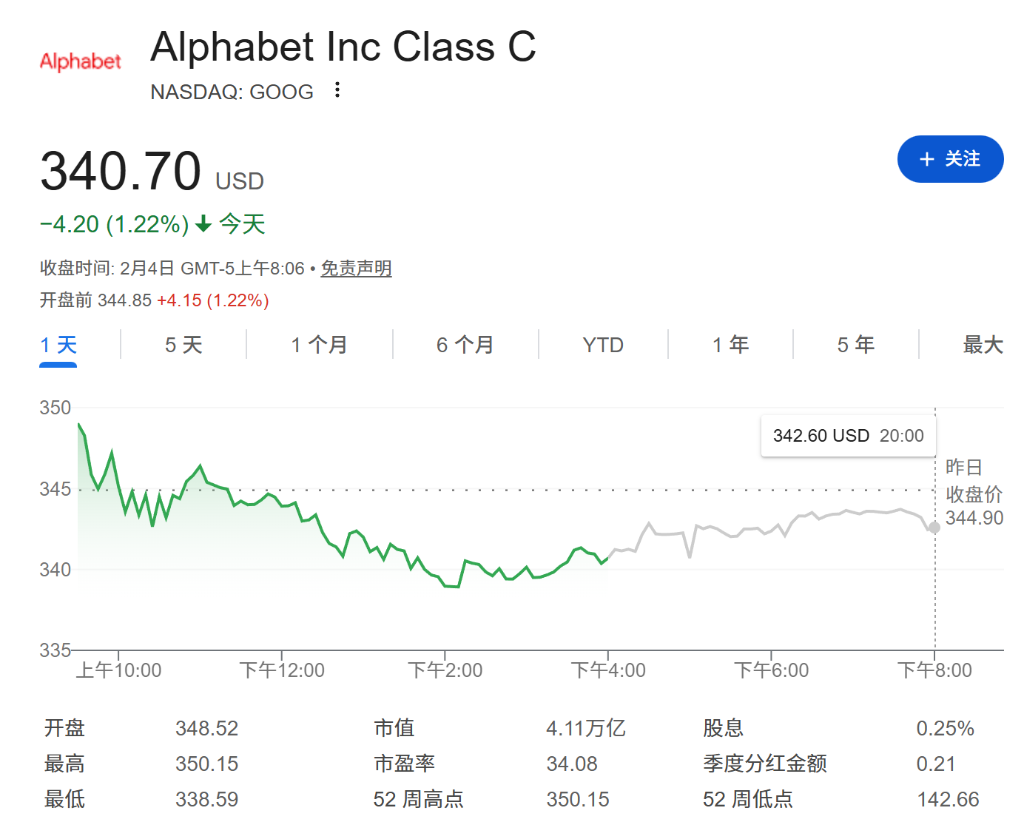
Core Viewpoint - Alphabet is set to report its quarterly earnings, with its market capitalization reaching a historic high of $4.1 trillion, just shy of surpassing Nvidia as the largest company by market value. The market is focused on whether Alphabet's performance can match its valuation, which is at an 18-year high [1][4]. Revenue and Earnings Expectations - Market expectations indicate a 17% revenue growth and a 23% increase in earnings per share (EPS) for Alphabet. Bank of America is more optimistic, predicting that both revenue and EPS will exceed consensus estimates, driven by a stable advertising market and accelerated growth in search and YouTube due to the Gemini 3.0 model [1][5]. Business Performance Insights - Alphabet's core business is on an accelerated growth path, with Q4 revenue forecasted at $95.9 billion and EPS at $2.65, both above Wall Street consensus. The search business is expected to grow 15% year-over-year to $61.9 billion, while YouTube ad revenue is projected to increase by 15% to $12 billion. The cloud business is anticipated to maintain a high growth rate of 35%, reaching $16.2 billion in revenue [5][6]. Capital Expenditure Concerns - Capital expenditures are expected to rise significantly, with Bank of America raising its 2026 forecast to $139 billion, well above the market expectation of $119 billion. This increase in spending is a focal point for investors, as it could impact stock performance. The situation is compared to Microsoft, which faced a sell-off due to slowing cloud growth and high AI spending, while Meta's strong revenue guidance justified its high expenditures [1][7]. Operational Efficiency and Other Business Lines - Alphabet's operational efficiency is improving, with a projected increase in operating profit margin to 39.1% in Q4. The company's other business lines, such as its autonomous driving unit Waymo, have also seen positive developments, with a recent funding round valuing it at $126 billion, nearly tripling its previous valuation [8].
外资资管机构:中国市场韧性提升 科技与创新领域仍具广阔机会
Sou Hu Cai Jing· 2026-02-04 12:07
Group 1 - The core viewpoint is that China's macroeconomic outlook is becoming more balanced and resilient by 2026, supported by policy stability and ongoing growth momentum, with a "dual-track growth" pattern of weak domestic demand and strong exports expected to continue [1] - The Chinese market is showing renewed vitality, driven by consumer support, stabilization in real estate, and structural reforms, which are enhancing the funding momentum for A-shares and offshore Chinese stocks [1] - The MSCI China Index is projected to rise by 31.4% in 2025, outperforming US stocks and other major global markets, with AI and technological innovation themes driving this rebound [1] Group 2 - The Chinese fixed income market offers a favorable risk-return profile due to high spreads, relatively short durations, and decreasing systemic tail risks, making issuer selection critical [2] - Under macroeconomic stability, low inflation, and ample onshore liquidity, Chinese sovereign bonds, financial bonds, state-owned enterprise bonds, and quasi-sovereign credit bonds remain attractive, providing a solid foundation for investment-grade assets [2]
融资1111亿元,估值近8750亿元,全球最贵自动驾驶独角兽诞生
Sou Hu Cai Jing· 2026-02-04 11:17
Core Insights - Waymo, a subsidiary of Alphabet, announced a $16 billion financing round, achieving a post-money valuation of $126 billion, setting records in the autonomous driving industry for both funding and valuation [1][4][5] - The funds will be used to accelerate the launch of ride-hailing services in over 20 cities by 2026, including international markets like Tokyo and London, and to expand its fleet and test new vehicle models [4][5] Financing Details - This financing round was led by Dragon Boat Investment Group, DST Global, and Sequoia Capital, with participation from other notable investors such as a16z, Mubadala Capital, and Temasek [4][5] - Waymo has raised a total of $27.1 billion across four funding rounds, with previous rounds including $3 billion in 2020, $2.5 billion in 2021, and $5.6 billion in 2024 [5] Operational Highlights - Waymo operates in six U.S. cities, with a weekly order volume of 450,000 and a total autonomous driving mileage of 127 million miles [5] - The company anticipates its order volume will more than double to 15 million by 2025 [5] Safety Concerns - Waymo faces safety controversies, including investigations by the National Highway Traffic Safety Administration (NHTSA) and the National Transportation Safety Board (NTSB) regarding incidents involving its autonomous vehicles [5][6] - Between 2022 and the end of 2024, there were 16 reported collisions involving Waymo vehicles, although no injuries occurred [6] Vehicle Development - The new generation of Waymo's autonomous taxis, named Ojai, is developed in collaboration with Geely's Zeekr brand, with the vehicle's hardware configuration featuring 13 cameras, 4 LiDARs, and 6 radars [8][9] - Waymo's partnership with Volvo aims to leverage L4 autonomous driving technology for future vehicle models [9]

MOGOX与LG电子达成战略合作
Jing Ji Wang· 2026-02-04 09:03
作为全球领先的自动驾驶全栈技术与运营服务提供商,蘑菇车联通过"前装量产+视觉与固态激光 雷达融合"技术路线,显著提升了系统的一致性与可靠性,使目标感知距离提升超50%,漏检率/误检率 下降70%,接管率降低两个数量级,且大幅降低了研发与硬件成本,为自动驾驶巴士规模化落地奠定坚 实基础。其自研的新一代端到端自动驾驶系统MOGO AutoPilot,融合MogoMind物理世界多模态大模 型,通过海量真实路况数据训练,能够模拟人类司机的驾驶逻辑,在复杂场景中快速生成最优驾驶决 策。 当前,适逢全球自动驾驶产业从封闭场景向城市主干网跨越的关键期,技术协同与生态共建成为行 业发展趋势。在1月初的中韩商务论坛上,中韩双方共签署32份合作文件,自动驾驶成为重点合作领 域。同时,韩国提出《提升自动驾驶汽车产业竞争力计划》,目标是2027年实现L4级自动驾驶商业 化,跻身全球自动驾驶前三,并将光州指定为韩国首个"自动驾驶实证城市",全面推进自动驾驶技术研 发及服务落地。 此次战略合作契合了中韩两国在人工智能、自动驾驶等战略新兴领域的合作共识。蘑菇车联将持续 以技术创新为核心,联合autonoma等生态伙伴全面整合技术能力与市 ...