超市

Search documents
日本最大食品超市LIFE为何能持续21年增长?
东京烘焙职业人· 2025-11-13 08:34
Core Viewpoint - Life Supermarket has achieved substantial growth for 21 consecutive years, demonstrating resilience and adaptability in the competitive retail market [6][19]. Financial Performance - For the first half of the fiscal year from March 2025 to February 2026, Life Supermarket reported sales of 423.8 billion yen (approximately 19.557 billion RMB), a year-on-year increase of 4.3%. Operating profit reached 13.3 billion yen (approximately 614 million RMB), up 8.8%, and net profit was 9.327 billion yen (approximately 430 million RMB), growing by 4.6%. The gross profit margin improved by 0.4 percentage points to 31.1% [7]. - The projected annual sales for the fiscal year are 852 billion yen (approximately 39.315 billion RMB), with an expected growth of 4% [7]. Business Segments - In the 2024 fiscal year, Life Supermarket's total revenue was 850.4 billion yen (approximately 39.24 billion RMB), with retail performance at 818.8 billion yen (approximately 37.783 billion RMB). The breakdown of major categories includes general food at 369.9 billion yen (approximately 17.068 billion RMB), fresh food and deli at 359.7 billion yen (approximately 16.596 billion RMB), daily necessities at 69.3 billion yen (approximately 3.197 billion RMB), and clothing at 22.8 billion yen (approximately 1.329 billion RMB) [9]. - The company has 590,000 credit card members and 5.44 million online members, both showing growth compared to 2024 [9]. Growth Initiatives - Life Supermarket is focusing on organic products, aiming for a tenfold sales increase in five years. The Bio-ral brand is gaining market recognition, and the company is decentralizing decision-making to enhance efficiency [10]. - The online supermarket segment is projected to grow from 24.8 billion yen (approximately 1.144 billion RMB) last year to 30 billion yen (approximately 1.384 billion RMB) in 2025, supported by improved operational experience [10]. - The company has four private brands, generating a total sales of 80 billion yen (approximately 3.691 billion RMB) last year, with a growth of 6.4% [11]. Strategic Development - Life Supermarket plans to expand its online supermarket network by establishing warehouse-based delivery systems, which are expected to improve efficiency by five times compared to store-based delivery [13][14]. - The company is also exploring mergers and acquisitions to strengthen its market position, particularly in response to industry consolidation trends [18]. Internal Management and Growth Factors - The company attributes its sustained growth to rational market analysis, balanced operations, and effective delegation to store managers, allowing for tailored customer engagement [19][20]. - Profitability is driven by increasing product margins and controlling operational costs, with a focus on enhancing employee engagement and efficiency [21][25]. Community Engagement - Life Supermarket actively participates in social initiatives, such as reducing food waste and supporting local schools, which enhances its brand reputation and customer loyalty [28][31]. Leadership Philosophy - The founder, Seiji Shimizu, emphasized a low-profile, results-oriented management style, focusing on operational efficiency and avoiding unnecessary expansion [32][36].

家家悦涨2.32%,成交额1.14亿元,主力资金净流出143.89万元
Xin Lang Zheng Quan· 2025-11-13 06:10
Core Viewpoint - The stock price of Jiajiayue has shown significant growth this year, with a notable increase in recent trading days, indicating positive market sentiment towards the company [2]. Group 1: Stock Performance - As of November 13, Jiajiayue's stock price increased by 2.32%, reaching 12.37 CNY per share, with a trading volume of 114 million CNY and a turnover rate of 1.47%, resulting in a total market capitalization of 7.896 billion CNY [1]. - Year-to-date, Jiajiayue's stock price has risen by 10.94%, with a 10.45% increase over the last five trading days, 19.52% over the last 20 days, and 16.70% over the last 60 days [2]. Group 2: Financial Performance - For the period from January to September 2025, Jiajiayue reported a revenue of 13.588 billion CNY, reflecting a year-on-year decrease of 3.81%, while the net profit attributable to shareholders increased by 9.43% to 206 million CNY [2]. - Since its A-share listing, Jiajiayue has distributed a total of 1.587 billion CNY in dividends, with 402 million CNY distributed over the past three years [3]. Group 3: Shareholder Information - As of September 30, 2025, the number of shareholders in Jiajiayue decreased by 10.62% to 21,800, with an average of 29,305 circulating shares per shareholder, which is an increase of 11.89% [2]. - The top ten circulating shareholders include Huaxia Large Cap Select Mixed Fund, which holds 3.7126 million shares, a decrease of 2.1379 million shares from the previous period [3].

零售的奔腾年代系列(一):日本商超行业启示录,胖东来模式的逆势成长
SINOLINK SECURITIES· 2025-11-12 14:57
Investment Rating - The report maintains a "Buy" rating for the retail industry [1] Core Insights - The retail transformation presents significant opportunities, making it one of the most aggressive sectors in China's consumption industry, potentially leading to a wave of long-term bullish companies [1][12] - The Japanese supermarket industry has experienced stable market size due to aging population and population decline, impacting consumer preferences and product categories [1][16] - Life Supermarket's success is attributed to its focus on food products, particularly processed foods, which are resilient in an aging society [2][4] Summary by Sections Japanese Supermarket Demand Changes - Population aging and income changes are the two core factors influencing supermarket demand [16] - Japan's aging rate increased from 17.6% in 1990 to 35.7% in 2022, leading to a shift in consumer demographics [16][20] - The total population peaked in 2010 and has been in decline since, suppressing overall supermarket market growth [16][20] Japanese Supermarket Supply Changes - Despite stable market size, the supply side of Japanese supermarkets has shown aggressive growth, with an increase in the number of smaller supermarkets [1][4] - Traditional large-scale supermarkets are decreasing, while food-focused supermarkets are on the rise [1][4] Life Supermarket's Rise - Life Supermarket focuses on food, with processed foods making up 88.74% of its offerings, allowing it to withstand sales declines in traditional categories [2][4] - The supermarket's location strategy involves dense store openings in populous areas, particularly in regions with positive population growth [2][4] - Revenue growth is primarily driven by new store openings rather than same-store sales, with store numbers increasing from 150 in the late 1990s to 314 by 2024 [3][4] Investment Recommendations and Insights - The aging population is a key driver for the growth of food supermarkets in China, with a high certainty of their rise [4] - The competitive landscape differs between Japan and China, with China's developed online market intensifying competition in high-density, high-income areas, while lower-tier markets remain fertile ground for offline supermarkets [4]
永辉超市董事长张轩松拟减持套现4.3亿元
Cai Jing Wang· 2025-11-12 10:49
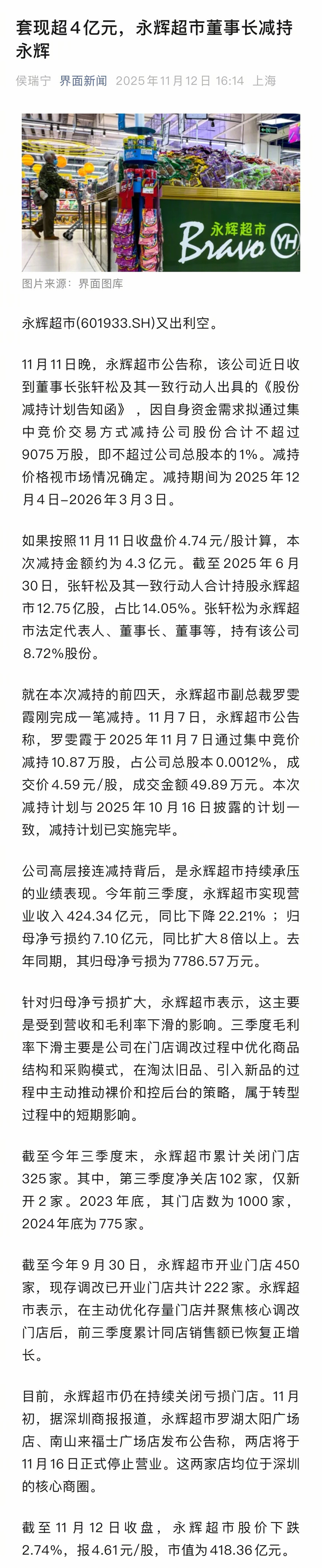
Core Viewpoint - The chairman of Yonghui Supermarket, Zhang Xuansong, plans to reduce his stake in the company due to personal financial needs, which reflects ongoing challenges in the company's performance and strategy adjustments [1][4]. Shareholding Reduction - Zhang Xuansong and his associates intend to reduce their holdings by up to 90.75 million shares, representing no more than 1% of the total share capital, with the reduction period set from December 4, 2025, to March 3, 2026 [1][3]. - The estimated amount from this reduction, based on the closing price of 4.74 yuan per share on November 11, is approximately 430 million yuan [1][3]. - As of June 30, 2025, Zhang Xuansong and his associates held a total of 1.275 billion shares, accounting for 14.05% of the company, with Zhang personally owning 8.72% [1][3]. Recent Executive Reductions - Just days before Zhang's announcement, Yonghui's vice president, Luo Wenxia, completed a share reduction of 108,700 shares on November 7, 2025, amounting to approximately 499,000 yuan at a price of 4.59 yuan per share [1][4]. Financial Performance - For the first three quarters of the year, Yonghui Supermarket reported a revenue of 42.434 billion yuan, a year-on-year decline of 22.21%, and a net loss attributable to shareholders of approximately 710 million yuan, which is more than eight times the loss from the same period last year [4]. - The increase in net loss is attributed to declining revenue and gross margin, with the third-quarter gross margin affected by store adjustments and product restructuring [4]. Store Closures and Strategy - As of the end of the third quarter, Yonghui Supermarket has closed a total of 325 stores, with 102 closures occurring in the third quarter alone, while only two new stores were opened [4][5]. - The company plans to reduce its store count to 1,000 by the end of 2023 and further down to 775 by the end of 2024 [4]. - Despite the closures, same-store sales have shown positive growth after focusing on optimizing existing stores and core adjustments [4]. Market Reaction - As of November 12, the stock price of Yonghui Supermarket fell by 2.74%, closing at 4.61 yuan per share, with a market capitalization of 41.836 billion yuan [5].

十年利润增长400%,它凭什么成为日本超市“隐形冠军”?
3 6 Ke· 2025-11-12 07:31
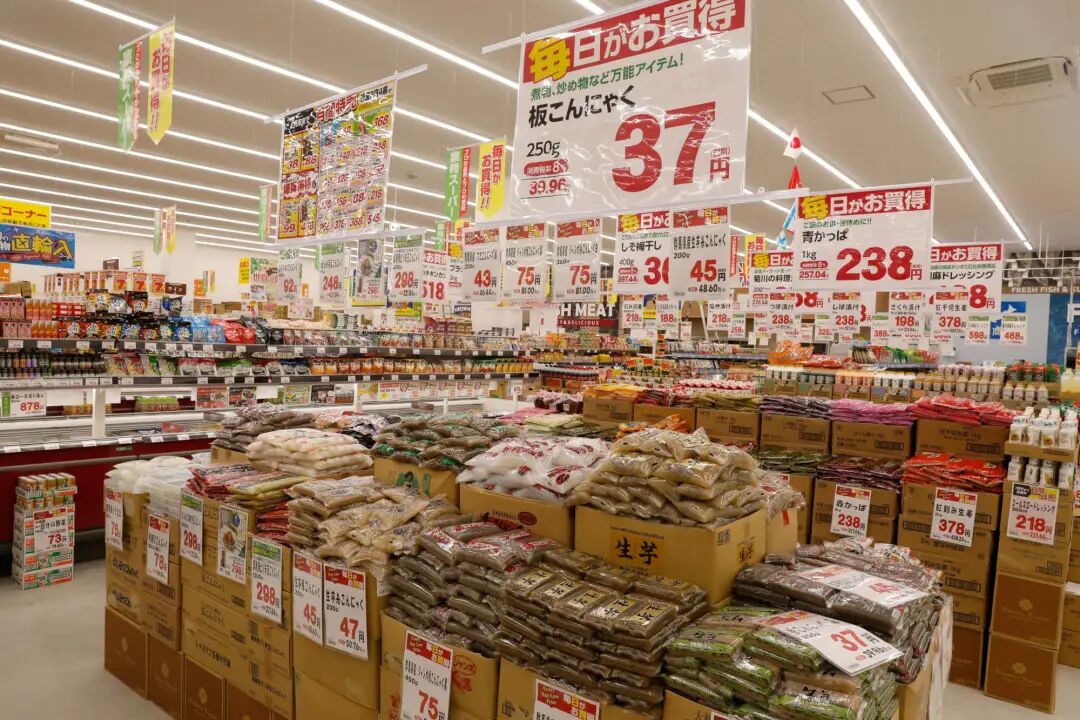
Core Insights - The article highlights the success of a discount supermarket chain in Japan, known for its low prices and high-quality products, primarily sourced from China, and its origins in a food factory in Dalian [1][4]. Group 1: Business Model and Growth - The supermarket operates with a cost-driven "everyday low price" strategy, leveraging a self-owned supply chain to maintain competitive pricing and quality [4][8]. - From 2015 to 2024, the supermarket's net sales grew by 154.7%, with an average annual growth rate of approximately 10.9%, and it accounted for over 90% of the parent company's total sales [4][6]. - The number of stores increased from 713 to 1084 over ten years, with an average of 37 new stores added annually, indicating a steady expansion pace [4][6]. Group 2: Supply Chain and Product Strategy - The company has developed a "food production and sales integration" system over nearly 30 years, allowing it to offer low-priced, high-quality products [8][9]. - The product range includes national brand (NB) items, local private brand (PB) products, and imported PB products, focusing on uniqueness, low prices, and high quality [9][10]. - As of Q3 FY2025, the sales proportion of self-owned brands was 34.3%, with goals to increase this to over 40% by FY2026 [10]. Group 3: Franchise Model and Operations - The supermarket employs a convenience store-style franchise model, with only 4 out of over 1100 stores being company-owned, allowing for a focus on product development and support for franchisees [11][12]. - Each store typically covers an area of about 150 tsubo (approximately 490 square meters) and selects 2500 to 3000 products from a total of around 7000 SKUs [12]. - The main revenue source comes from wholesale of products produced by the company's factories and directly imported goods, rather than franchise fees [12]. Group 4: Market Adaptation and Future Plans - Initially avoiding fresh produce due to high spoilage rates, the company has adapted its strategy to include limited fresh and alcoholic products based on market trends [13][15]. - The company is expanding into the restaurant sector with new brands and aims to enhance existing stores through renovations and upgrades [13][15]. - The company strategically avoids high-rent urban areas, focusing on suburban locations and adhering to a principle of opening one store for every 50,000 residents to ensure profitability [15][16]. Group 5: Competitive Advantage - The supermarket's success is attributed to its focus on supply chain advantages and a balance between cost-effectiveness and product variety, appealing to budget-conscious families while providing a unique shopping experience [16].
步步高跌2.17%,成交额7.55亿元,主力资金净流出7318.89万元
Xin Lang Cai Jing· 2025-11-12 05:50
Core Viewpoint - The stock of Bubugao has experienced fluctuations, with a recent decline of 2.17%, while the company has shown a year-to-date stock price increase of 36.71% [1] Group 1: Stock Performance - As of November 12, Bubugao's stock price is 5.40 yuan per share, with a total market capitalization of 14.519 billion yuan [1] - The stock has seen a net outflow of 73.1889 million yuan from main funds, with significant selling pressure [1] - Year-to-date, the stock has risen by 36.71%, with a recent 5-day increase of 1.69% and a 20-day decline of 8.16% [1] Group 2: Financial Performance - For the period from January to September 2025, Bubugao reported revenue of 3.201 billion yuan, reflecting a year-on-year growth of 26.45%, while net profit attributable to shareholders decreased by 88.83% to 226 million yuan [2] - The company has not distributed any dividends in the past three years, with a total payout of 1.677 billion yuan since its A-share listing [3] Group 3: Shareholder Information - As of September 30, 2025, the number of shareholders has increased by 95% to 172,500, while the average circulating shares per person decreased by 27.06% to 12,476 shares [2] - The Hong Kong Central Clearing Limited has exited the list of the top ten circulating shareholders [3]

永辉超市跌2.11%,成交额3.77亿元,主力资金净流出3550.59万元
Xin Lang Zheng Quan· 2025-11-12 02:31
Group 1 - The core viewpoint of the news is that Yonghui Supermarket's stock has experienced a significant decline this year, with a drop of 26.81% year-to-date and a recent decrease of 0.43% over the last five trading days [2] - As of November 12, Yonghui Supermarket's stock price was 4.64 yuan per share, with a market capitalization of 42.108 billion yuan [1] - The company has reported a net outflow of 35.51 million yuan in principal funds, with large orders showing a buy of 69.55 million yuan and a sell of 81.06 million yuan [1] Group 2 - Yonghui Supermarket's main business revenue composition includes 56.78% from food and supplies, 38.42% from fresh and processed goods, 3.30% from other sources, and 1.51% from rental income [2] - The company has not distributed any dividends in the last three years, with a total payout of 7.101 billion yuan since its A-share listing [3] - As of September 30, 2025, the number of shareholders decreased by 14.02% to 309,400, while the average circulating shares per person increased by 16.30% to 29,332 shares [2]
家家悦跌2.03%,成交额7094.24万元,主力资金净流出100.61万元
Xin Lang Cai Jing· 2025-11-12 02:23
Core Points - The stock price of Jiajiayue has decreased by 2.03% on November 12, trading at 12.08 CNY per share with a market capitalization of 7.711 billion CNY [1] - Year-to-date, Jiajiayue's stock price has increased by 8.34%, with a 9.32% rise over the last five trading days and a 15.71% increase over the last 20 days [2] - For the first nine months of 2025, Jiajiayue reported a revenue of 13.588 billion CNY, a year-on-year decrease of 3.81%, while net profit attributable to shareholders increased by 9.43% to 206 million CNY [2] Company Overview - Jiajiayue Group Co., Ltd. is located in Weihai, Shandong Province, and was established on June 16, 1981, with its stock listed on December 13, 2016 [2] - The company's main business involves supermarket chain operations, with revenue composition as follows: 47.22% from food and cleaning products, 42.71% from fresh produce, 6.85% from other categories, 2.69% from general merchandise, and 0.52% from industrial and other sources [2] - As of September 30, 2025, the number of shareholders is 21,800, a decrease of 10.62% from the previous period, with an average of 29,305 circulating shares per person, an increase of 11.89% [2] Dividend and Shareholding - Since its A-share listing, Jiajiayue has distributed a total of 1.587 billion CNY in dividends, with 402 million CNY distributed over the last three years [3] - As of September 30, 2025, the top ten circulating shareholders include Huaxia Large Cap Select Mixed Fund, holding 3.7126 million shares, a decrease of 2.1379 million shares from the previous period [3]
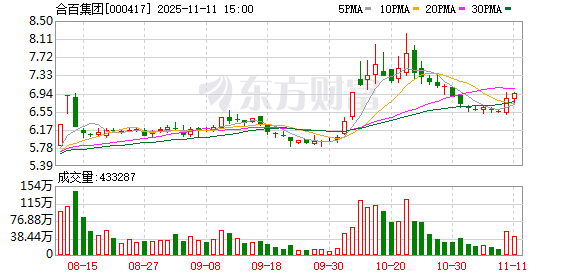
合百集团:合家福自有品牌单品数已达到473个
Mei Ri Jing Ji Xin Wen· 2025-11-12 01:08
Core Insights - The industry is shifting focus towards the development of private label brands, marking the entry into a "private label era" in supermarket competition [2] - The company, Hejiafu Supermarket, is actively exploring the development of its own private label brands, emphasizing quality, health, safety, and affordability [2] Company Developments - Hejiafu Group (000417.SZ) has established a matrix of four private label brands: Hejiafu, Jiao Xiaobai, Rou Xiaobai, and Hejiaxian [2] - As of October, the number of private label SKUs (Stock Keeping Units) under Hejiafu has reached 473, covering various categories including daily chemicals, beverages, grains, and fresh produce [2] - From January to October, sales of private label products have increased by 96.25% year-on-year [2]

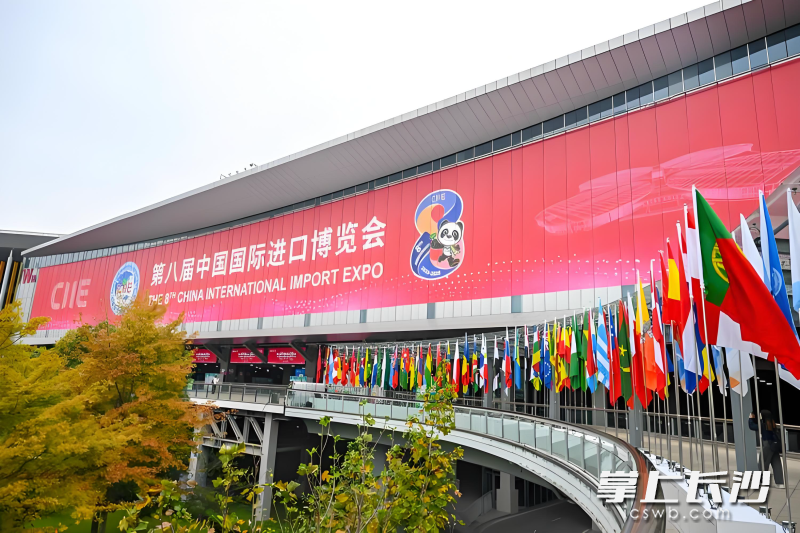
进博八载之约 长沙开放更“进”一步
Chang Sha Wan Bao· 2025-11-11 10:34
Core Points - The 8th China International Import Expo took place from November 5 to 10, showcasing a commitment to international trade and cooperation [1][3] - Changsha sent over 800 professional attendees to the expo, emphasizing its dedication to open innovation and global resource integration [3][16] - Notable companies like Metro, Fosun Pharma, and Volkswagen participated, highlighting their long-term engagement with the expo and Changsha's high-level opening policies [3][5] Group 1: Participation and Engagement - Changsha has consistently participated in the expo for eight years, demonstrating a strong commitment to procurement, project negotiations, and cultural exchanges [3][5] - Metro showcased 130 globally selected products, which are available in its stores nationwide, illustrating the direct impact of the expo on local consumers [3][5] - Fosun Pharma introduced a new particle therapy system, showcasing innovation in cancer treatment technology [3][10] Group 2: Innovation and Technology - Changsha's representation at the expo highlighted its technological advancements, with companies like SANY showcasing leading products in the construction machinery sector [7][10] - The introduction of new products, such as the AI-powered hearing aid by Kefu Medical, reflects the city's focus on cutting-edge innovation [10][12] - The collaboration between Toyota and Minmetals on a new energy storage system demonstrates the integration of international capital and technology [10][12] Group 3: Cultural and Economic Development - The expo served as a platform for showcasing traditional and modern cultural elements from Changsha, including local handicrafts and traditional medicine [12][14] - Changsha's new tea brand, Ningji, is expanding internationally, indicating the city's growing influence in the global beverage market [14][16] - The signing of 12 key projects during the expo highlights Changsha's strategic focus on smart manufacturing, cross-border trade, and AI capabilities [16][18] Group 4: Open Economy and Trade Growth - Changsha's import and export volume is projected to grow at an average rate of 4.3% from 2021 to 2024, with significant increases in trade with Africa [18] - The city has attracted nearly three-quarters of the province's actual foreign investment, showcasing its strong economic environment [18] - The establishment of various promotional and matchmaking events during the expo aims to enhance cooperation and attract high-quality goods and services to Changsha [16][18]