餐饮业

Search documents
解锁文旅新“夜”态 “双向奔赴”点亮粤港澳大湾区不夜天
Yang Shi Wang· 2025-07-29 04:26
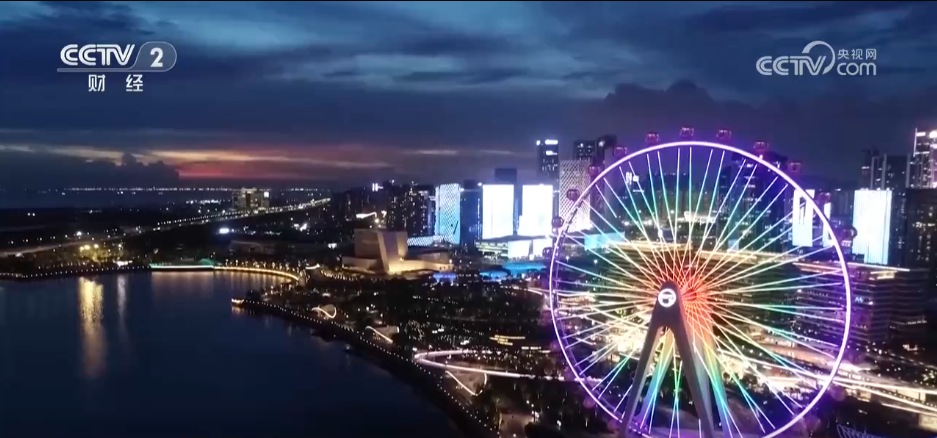
Core Insights - The Greater Bay Area is experiencing a surge in cross-border tourism, particularly in nighttime activities, driven by optimized entry and exit policies [1][3][12] - There is a notable increase in nighttime consumer activities, with significant growth in night markets and entertainment events attracting both local and foreign visitors [5][8][10] Group 1: Nighttime Tourism Growth - The influx of cross-border tourists has led to a boom in nighttime activities, with a marked increase in visitors participating in night tours, performances, and markets [3][12] - Statistics show that over 5.4 million travelers and more than 1.1 million vehicles have crossed the Hong Kong-Zhuhai-Macao Bridge during nighttime this year, reflecting a year-on-year increase of 25% and 29% respectively [8] - The peak hours for inbound and outbound traffic have shifted, with a significant rise in visitors arriving in the afternoon to enjoy evening events [3][8] Group 2: Economic Impact - Night markets in Zhuhai have reported a 20% increase in foot traffic compared to last year, largely attributed to the rise in visitors from Hong Kong and Macau [5][7] - The hospitality sector is also benefiting, with noticeable increases in bookings for accommodations and dining experiences during the summer season [5][10] - The overall growth in nighttime economy activities is contributing to a broader expansion of the consumer market in the Greater Bay Area [12]

暑期餐饮观察:创新供给“多点开花” 发展动能澎湃
Xin Hua Cai Jing· 2025-07-28 14:04
Group 1: Industry Trends - The restaurant industry is innovating to meet rising consumer demands and competition, focusing on unique experiences and high-quality offerings [1][3] - Many restaurants are moving away from homogenized competition by emphasizing distinctive features, innovative settings, and cross-industry collaborations [1][3] - The emergence of multi-platform competition in the food delivery market is enhancing market vitality and driving innovation [3][4] Group 2: Company Strategies - Hu Da Restaurant is enhancing customer experience by introducing live performances and themed events to create an immersive dining atmosphere [1] - The "Wang Qing BBQ" restaurant is extending customer stay by offering additional services like hair styling alongside dining [1] - The high-end hot pot brand "Cuo Cuo" is collaborating with the international IP Miffy to create themed dining experiences and exclusive menu items [2] Group 3: Market Dynamics - The food delivery market is transitioning from merely providing services to enhancing quality and brand growth, with platforms offering localized suggestions for menu development [2][3] - The competitive landscape is shifting from a focus on existing market share to fostering sustainable growth through innovation and differentiation [3][4] - The restaurant industry is seen as a key driver of economic growth, with food delivery services contributing to increased revenue for small businesses and job creation [3]
释永信被查,“佛门CEO”的商业版图有多大?
华尔街见闻· 2025-07-28 05:43
Core Viewpoint - The article discusses the recent allegations against the abbot of Shaolin Temple, Shi Yongxin, involving criminal activities such as embezzlement and maintaining improper relationships, while also highlighting the extensive commercial operations and growth of the Shaolin Temple under his leadership [3][11]. Group 1: Background of Shi Yongxin - Shi Yongxin, born in 1965, has been the abbot of Shaolin Temple since 1998 and has held various significant positions in Buddhist associations [7]. - He transformed the previously dilapidated Shaolin Temple into a thriving cultural and commercial entity, establishing various initiatives to promote its brand [9]. Group 2: Commercial Operations of Shaolin Temple - Under Shi Yongxin's management, Shaolin Temple expanded its business across multiple sectors, including culture, food, pharmaceuticals, clothing, and performances, registering numerous companies and trademarks [11]. - The temple's marketing strategies included event-based promotions, international performances, and the establishment of cultural centers abroad, significantly enhancing its global presence [10]. Group 3: Financial Performance and Revenue Streams - The annual visitor count at Shaolin Temple has reached approximately 4 million, generating an estimated ticket revenue exceeding 300 million yuan [14][15]. - The temple's tourism revenue once accounted for one-third of the local government's income, showcasing its economic impact [15]. - Additional revenue streams include the sale of Shaolin-themed products, such as herbal teas, and the operation of an online store that achieved sales of 23 million yuan in 2020 [15]. Group 4: Recent Developments - Following the allegations against Shi Yongxin, the Shaolin scenic area announced measures to manage visitor flow during the peak tourist season, including the implementation of online ticket reservations starting July 31, 2025 [16].

提振消费进行时 | 荔枝为媒撬动文旅消费
Guang Xi Ri Bao· 2025-07-25 03:49
Group 1 - The event "Cangwu Lychee Roast Chicken Food Festival" attracted approximately 100,000 visitors over three days, significantly boosting local specialty sales to over 5 million yuan [1][2] - The "Tea Fragrance Tasting Lychee" rural tour package became a popular choice, combining culinary experiences with various activities, enhancing consumer engagement [1][2] - Lychee sales reached 5,000 kilograms during the event, marking a 30% increase compared to the same period last year [1][2] Group 2 - The food festival featured over 40 vendors, selling more than 500 roast chickens daily, with revenue equivalent to a month's earnings in just three days [2] - A local basketball tournament, "Village BA," attracted large crowds, leading to a nearly 40% increase in surrounding dining and retail consumption [2] - The Cangwu County Cultural Center hosted over 8,000 visitors during the event, showcasing various cultural performances and activities [2] Group 3 - Cangwu County's "Cultural Tourism + Agriculture" model effectively encourages prolonged visitor engagement, enhancing local consumption [2] - The county aims to promote lychee cultivation and cultural experiences to support rural revitalization efforts [2]
文旅商体多维度融合,公明老城区释放消费新活力
Sou Hu Cai Jing· 2025-07-22 17:18
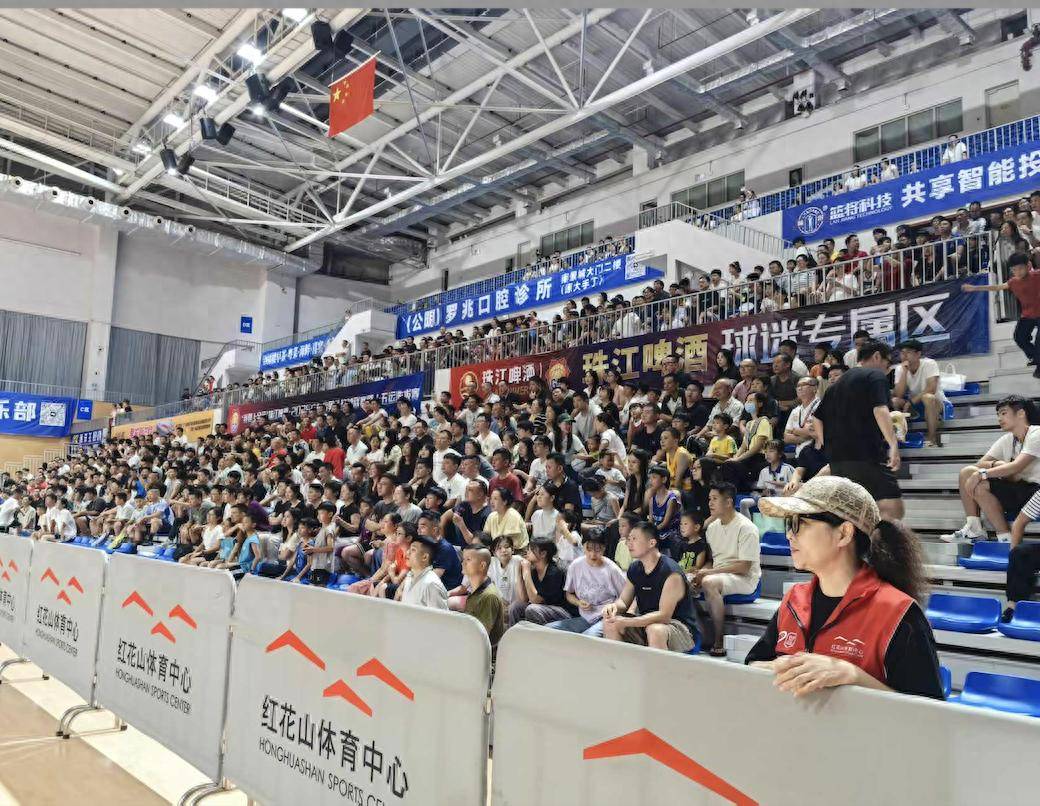
Core Viewpoint - The article highlights the successful implementation of a three-dimensional driving model ("event economy + ticket root economy + weekend economy") in the Gongming Street area, which has significantly boosted local consumption and economic activity. Group 1: Economic Growth Strategies - Gongming Street has integrated cultural, tourism, and commercial sectors to address insufficient consumption and sluggish business travel, fostering new consumption growth points through innovative models [2] - The "event economy" has shown initial success, increasing foot traffic in surrounding commercial areas by over 25%, with hotels experiencing peak occupancy rates due to the "ticket root economy" [2] Group 2: Consumer Experience Enhancement - The introduction of a food map, promotional videos, and "one-day tour" guides has enhanced the consumer experience, attracting over 84,000 visitors to the Red Flower Mountain Sports Center during weekends [4] - The surrounding restaurants and shops have seen sales double, indicating a significant increase in consumer spending during events [4] Group 3: Night Economy Development - The night economy has flourished with various promotional activities, leading to high customer turnout in food-related establishments, with daily revenues reaching tens of thousands [5] - Gongming Street has developed diverse nighttime consumption areas, such as the Night Fire Walking Street, to cater to the growing demand for evening activities [5] Group 4: Digital Transformation in Consumption - The shift to online ordering has become mainstream, with some businesses reporting that online sales now exceed in-store dining revenues, reflecting a broader trend towards digital consumption [6] - The transformation from traditional to cloud-based consumption models illustrates the evolving relationship between businesses and consumers, driven by technological advancements [6] Group 5: Overall Economic Impact - The combination of "event economy + ticket root economy + weekend economy" has become a dominant theme in daily consumer behavior, revitalizing the local economy and enhancing the vibrancy of the area [7]
金融街的中高档餐厅降价了
投资界· 2025-07-21 07:43
Core Viewpoint - The high-end dining industry in Beijing's Financial Street is undergoing significant changes, shifting from a focus on business clientele to a broader consumer base, driven by changing consumer behaviors and stricter corporate expense policies [4][10][20]. Group 1: Changes in Consumer Behavior - Financial institutions have tightened their dining expense policies, reducing the reimbursement limit to around 200 yuan per person, leading to a decline in high-end dining frequency [10][12]. - Many regular customers are opting for company cafeterias instead of dining out, reflecting a broader trend of reduced business-related dining [11][15]. - The average dining expenditure in high-end restaurants has decreased, with some establishments adjusting their menus to lower prices and attract family dining scenarios [19][20]. Group 2: Industry Transformation - High-end restaurants in Financial Street are transitioning from exclusive, high-cost dining experiences to more affordable options, with some reducing their average spending from over 300 yuan to around 150 yuan [21][22]. - The shift in focus from maintaining private clientele to attracting a wider audience has led to increased competition among restaurants, resulting in some establishments closing down [22][25]. - Restaurants are optimizing their offerings by substituting premium ingredients with more affordable options to maintain profitability amidst rising costs [22][23]. Group 3: Operational Adjustments - The staffing model in high-end restaurants has changed, with fewer staff assigned to service multiple dining areas, reflecting a need to cut costs [18][19]. - Marketing strategies are evolving, with a shift from traditional private client management to leveraging online platforms for customer acquisition [23][24]. - Some restaurant operators are reconsidering their locations and business models, moving away from high-rent areas like Financial Street to more accessible neighborhoods to better align with current market demands [36][38].

上海柏悦悦轩六周年庆,万豪旅享家2025“万味奇遇”活动启动|美食情报
Xin Lang Cai Jing· 2025-07-21 04:26
Group 1 - LUNETTE BY AMANDA's new location on Fuxing Road features a European retro style with a selection menu priced at 1099 yuan per person, showcasing creative dishes like air duck liver and Brittany blue lobster [3] - The Hyatt Regency Shanghai's Yue Xuan restaurant celebrates its sixth anniversary with a ten-course tasting menu highlighting seasonal ingredients and signature dishes such as grapefruit butter crab and snow vegetable Matsutake beef [5] - The newly opened Pujiang Hui Wuliangye restaurant combines traditional Yibin cuisine with Wuliangye liquor, aiming to break the stereotype of Sichuan cuisine being solely spicy [7][8] Group 2 - The MGM Grand Shanghai's Yu Yuan restaurant, located on the 58th floor, presents a new landmark for Cantonese cuisine, featuring signature dishes like Iberian pork char siu and shrimp dumplings [10] - TING by Frederic Jaros introduces a summer menu that creatively interprets seaside stories through 12 dishes, showcasing the chef's unique background in both savory and sweet culinary arts [12] - Abovefarm launches China's first Agricultural Biodiversity Index (ABI), assessing farms based on habitat quality and wildlife, with the top-rated farm being Fujian's Bamin Mountain Ancient Tea Garden [13][14] Group 3 - Italian chef Lorenzo Merolle takes the helm at the Shanghai Seagull Hotel's western restaurant, focusing on innovative dishes that blend Italian cuisine with local ingredients [16] - Marriott Bonvoy's 2025 "Taste Adventure" campaign engages nearly 400 restaurants across Greater China, emphasizing the creative presentation and cultural resonance of diverse culinary experiences [18]
香港旅游饮食界盛事:庆祝回归,共赏港味,畅游香江
Zhong Guo Shi Pin Wang· 2025-07-19 06:34
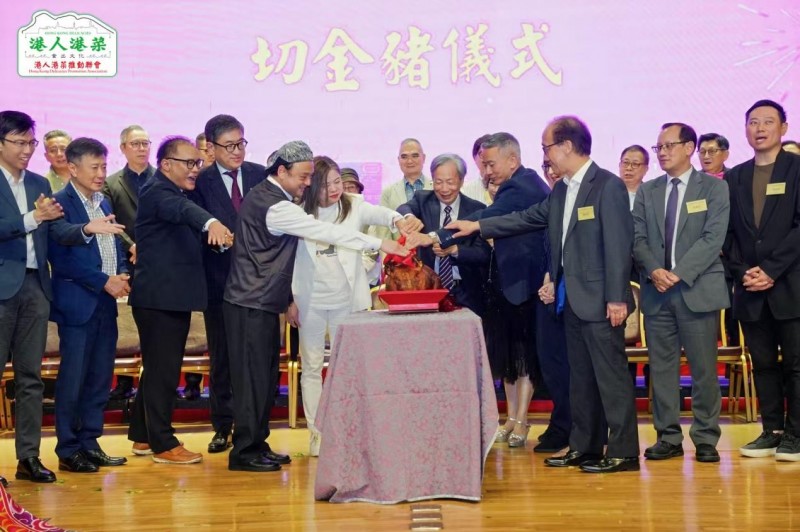
Core Viewpoint - The event celebrating the 28th anniversary of Hong Kong's return to China highlights the integration of local tourism and culinary culture, showcasing Hong Kong's unique cultural charm and its status as a global culinary hub [1][4][19]. Group 1: Event Overview - The event took place on July 17, 2025, at the Tsim Sha Tsui Community Centre, supported by various government departments and attended by officials, tourism, and culinary elites [1][3]. - The opening ceremony featured traditional performances, including a lion dance, and speeches from key officials, enhancing the festive atmosphere [4][14]. Group 2: Government Support and Initiatives - The Secretary for Culture, Sports and Tourism, Ms. Rosanna Law, emphasized Hong Kong's unique advantages and cultural heritage, promoting various food festivals to enhance the city's reputation as a culinary capital [6][19]. - Legislative Council member Mr. Yiu Pak-leung highlighted the government's Sustainable Development Blueprint, which aims to improve food quality and enhance tourism appeal through measures like deep-sea aquaculture and interactive agricultural experiences [8][19]. Group 3: Economic Impact of Tourism - The President of the Hong Kong People’s Cuisine Promotion Association, Mr. Kwok Ming Cheung, noted that tourism has become one of Hong Kong's four economic pillars, creating numerous jobs and driving growth in related sectors [10][19]. - Post-pandemic, the consumption patterns of visitors have shifted from shopping to experiential activities, prompting initiatives to attract tourists through authentic culinary experiences [10][19]. Group 4: Culinary Heritage and Innovation - The event showcased the essence of Hong Kong's culinary culture, which blends Eastern and Western influences, with a focus on high-quality local ingredients [11][19]. - The association aims to revitalize Hong Kong's food industry and tourism by promoting local specialties and innovative culinary practices [11][19]. Group 5: Future Prospects - The Hong Kong tourism and culinary sectors are expected to benefit from ongoing government support and infrastructure improvements, enhancing competitiveness and attracting both domestic and international tourists [19][20]. - The collaboration between Hong Kong and mainland cities is strengthening, leading to resource sharing and improved overall standards in the Greater Bay Area's tourism and culinary industries [19].
澳门:品世界美食,享舌尖盛宴
Ren Min Ri Bao Hai Wai Ban· 2025-07-18 21:11
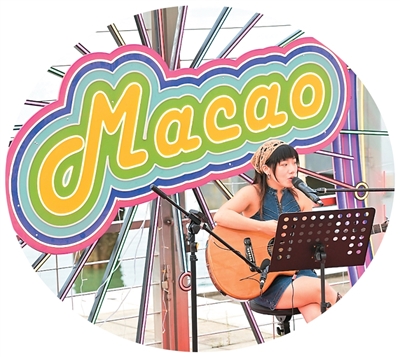
Core Viewpoint - The "Macau International Culinary Capital Carnival" showcases Macau's unique culinary culture and aims to promote sustainable development in tourism and gastronomy through international collaboration [3][7]. Group 1: Event Overview - The carnival, themed "Spices and Herbs," features participation from 34 "Creative Cities of Gastronomy" across 21 countries and regions, highlighting Macau's status as a "Creative City of Gastronomy" [3]. - The "International Food Avenue" has been upgraded to include over 100 food stalls, with 54 local stalls offering a variety of Macanese and international cuisines, including participation from four South American cities for the first time [3][4]. Group 2: Culinary Demonstrations - The event includes over 60 culinary demonstrations by chefs from 29 "Creative Cities of Gastronomy," showcasing the rich culinary heritage of Macau and offering free tasting opportunities for attendees [4]. Group 3: Visitor Experience - The carnival has expanded to include five dining areas with 1,000 seats, a 42% increase from the previous year, enhancing the dining experience for visitors [6]. - A "Day Coffee Evening Wine Area" has been set up to provide diverse beverage options while enjoying scenic views [6]. Group 4: Cultural and Entertainment Activities - The carnival features various entertainment programs, including traditional dances, live music, and interactive activities, creating a lively atmosphere [6]. Group 5: Culinary Forum - The "Macau International Culinary Forum" is held concurrently, with over 250 representatives discussing sustainable development in tourism and gastronomy, aiming to enhance Macau's reputation as a culinary destination [7]. - The forum serves as a platform for cities to exchange ideas and practices related to sustainable culinary tourism [7].
中国烹饪协会会长杨柳:以责任与创新推动餐饮业高质量发展
Zhong Guo Jing Ji Wang· 2025-07-18 13:36
Core Viewpoint - Food safety is emphasized as the cornerstone of the restaurant industry's development, with a focus on innovation and resilience in a complex economic environment [1] Industry Overview - The restaurant market is steadily expanding, supported by government policies and regulations aimed at enhancing food safety, such as the "Opinions on Further Strengthening Food Safety Full-Chain Supervision" and "Measures for Promoting and Managing the Restaurant Industry" [1] - The food safety situation in China's restaurant industry is improving, with increased corporate responsibility and innovative practices emerging [1] Challenges and Responses - The complexity of the restaurant industry, along with the long food safety chain and high control requirements, poses challenges for refined management [1] - The China Cuisine Association is actively cooperating with the government to promote policy awareness, deepen industry collaboration, and strengthen the responsibilities of online food service platforms [1] Future Outlook - The restaurant industry has a broad market prospect, but it requires collective responsibility, innovation, and governance to solidify the foundation of food safety, achieve nutritional health goals, promote a culture of conservation, and enhance food quality [1]