
军工制造

Search documents
突发大跳水!
中国基金报· 2025-07-01 08:08
Market Overview - Tesla's stock price experienced a significant drop on July 1, with a decline of 5.79% in after-hours trading, closing at $299.27 [1] - The A-share market showed mixed results, with the Shanghai Composite Index rising by 0.39% and the Shenzhen Component Index increasing by 0.11%, while the ChiNext Index fell by 0.24% [6] Stock Performance - A total of 2,629 stocks rose, with 74 hitting the daily limit up, while 2,545 stocks declined [7] - The total trading volume reached 1,496.54 billion, with 115,266.4 million shares traded [8] Sector Highlights - Innovative drug concept stocks surged, with companies like Angli康 and塞力医疗 hitting the daily limit up, following the release of supportive measures from the National Healthcare Security Administration [8] - The semiconductor equipment sector continued its strong performance, with multiple stocks reaching the daily limit up [10] Banking Sector - Bank stocks rebounded, with major banks like China Construction Bank and Shanghai Pudong Development Bank reaching historical highs [11] Military Industry - The military sector saw localized activity, with stocks like长城军工 hitting the daily limit up [12] Cryptocurrency Sector - Stablecoin-related stocks declined, with吉大正元 hitting the daily limit down [12]


中国稀土“钐”卡住F-35心脏,美国被点死穴,稀土出口成关键点
Sou Hu Cai Jing· 2025-07-01 07:15
Core Viewpoint - The recent U.S.-China trade negotiations have highlighted China's export control on the rare earth element samarium, which is crucial for advanced military technologies, raising concerns in the global defense industry [1][3]. Group 1: Supply Chain and Dependency - China accounts for approximately 87% of the global supply of samarium, with Lockheed Martin indicating that each F-35 fighter jet requires 1.2 kg of samarium-cobalt permanent magnets, essential for radar and missile guidance systems [1]. - New export license regulations from China have led to a situation where U.S. military-grade samarium-cobalt permanent magnet inventories can only sustain production needs for about six months, indicating a potential supply chain crisis [1]. - Despite efforts to rebuild the rare earth supply chain through the Inflation Reduction Act, the cost of producing military-grade samarium in California is 3.2 times higher than that of similar products from China [3]. Group 2: Technological Advancements and Challenges - The Baotou Rare Earth Research Institute in China has made breakthroughs in samarium-iron-nitride magnet technology, increasing energy density by 40% compared to traditional samarium-cobalt materials, complicating U.S. efforts to find technological alternatives [3]. - A significant 83% of rare earth material suppliers in the existing military certification system are still from China, creating a challenging dependency for U.S. defense contractors [3]. Group 3: Market Dynamics and Impact - From January to August 2024, China's rare earth exports to the U.S. decreased by 29%, while the export price increased by 18%, indicating a strategic control over the U.S. military-industrial complex [5]. - General Dynamics in Texas has postponed the mass production of the "Abrams X" tank due to a shortage of samarium materials, which has affected the turret gyroscope standards [5]. - The limited supply strategy employed by China poses a more significant threat to U.S. military production capabilities than a complete embargo [5]. Group 4: Geopolitical Implications - The competition over rare earth elements reflects a broader restructuring of power within global supply chains, as China leverages its technological patents and resource reserves to create new trade barriers [7]. - The ongoing silent struggle between the U.S. and China over rare earth elements is expected to profoundly influence the balance of military technology over the next decade [7].

6月30日主题复盘 | 军工爆发,RWA持续走强,脑科学再迎催化
Xuan Gu Bao· 2025-06-30 08:31
Market Overview - The market experienced a rebound with the ChiNext Index leading the gains. The military industry sector saw significant growth, with over 20 stocks including Changcheng Military and Hunan Tianyan hitting the daily limit. The stablecoin concept also surged, with stocks like Hopu Co. and Xiexin Energy reaching their limits. Brain-computer interface stocks rose, with Xiangyu Medical and Innovation Medical hitting the limit. Overall, more than 4,000 stocks in Shanghai and Shenzhen markets were in the green, with a total transaction volume of 1.51 trillion [1]. Hot Topics Military Industry - The military sector continued its upward trend, with stocks like Changcheng Military, Feiyada, and Zhongguang Defense hitting consecutive limits. Hunan Tianyan and Beifang Navigation also saw significant rebounds [4]. RWA (Real World Assets) - The RWA sector experienced substantial gains, with stocks like Hopu Co. and Hangzhou Garden hitting their limits. The market is witnessing a rapid growth of RWA ecosystem participants, including issuers, custodial banks, and investors, which may present investment opportunities in asset operation, banking IT, and cross-border payments [6][8]. Brain Science - The brain science sector saw significant increases, with stocks like Rongtai Health and Innovation Medical hitting their limits. Recent developments from Neuralink, including clinical trials for brain-computer interfaces, have generated excitement in the market. The brain-computer interface market in China is projected to reach 3.2 billion by 2024 and exceed 5.5 billion by 2027, with global applications expected to reach between 40 billion to 145 billion by 2030-2040 [9][10][11].


利好!全线大涨!
中国基金报· 2025-06-30 08:00
Market Overview - The A-share market experienced a significant rebound on June 30, with the Shanghai Composite Index rising by 0.59%, the Shenzhen Component Index by 0.83%, and the ChiNext Index by 1.35% [2] - A total of 4,056 companies saw their stock prices increase, while 1,127 companies declined, with 92 stocks hitting the daily limit up [3][4] - In the first half of the year, the Shanghai Composite Index rose by 2.76%, and the North Star 50 Index surged by 39.45%, reaching a historical high [3] Sector Performance - The military industry sector saw a notable surge, with stocks like Great Wall Military Industry and North Navigation hitting the daily limit up. This was influenced by the upcoming grand military parade on September 3, showcasing domestically produced main battle equipment [5] - The brain-computer interface sector also experienced a rise, with stocks such as Xiangyu Medical and Innovation Medical reaching the daily limit up. This was driven by Neuralink's recent developments and future plans for human-machine integration [7][8] Gaming Industry - The gaming sector saw a significant increase following the announcement of 147 domestic game approvals and 11 imported game approvals by the National Press and Publication Administration, marking a record high for monthly approvals in recent years. Major companies like Tencent and NetEase received approvals [9] - Citic Securities expressed optimism about the gaming sector, highlighting that the core companies' valuations are significantly lower than those in the new consumption sector, suggesting potential growth [9] Trade Developments - Positive trade news emerged as Canada lifted its digital services tax on tech companies, aiming to restart negotiations with the U.S. [9] - India's trade team extended its stay in Washington to resolve differences, with hopes of reaching a temporary agreement before the July 9 deadline [10]





3大坏消息袭来,特朗普有求于中国,日媒:中国打算邀他参加阅兵
Sou Hu Cai Jing· 2025-06-30 06:00
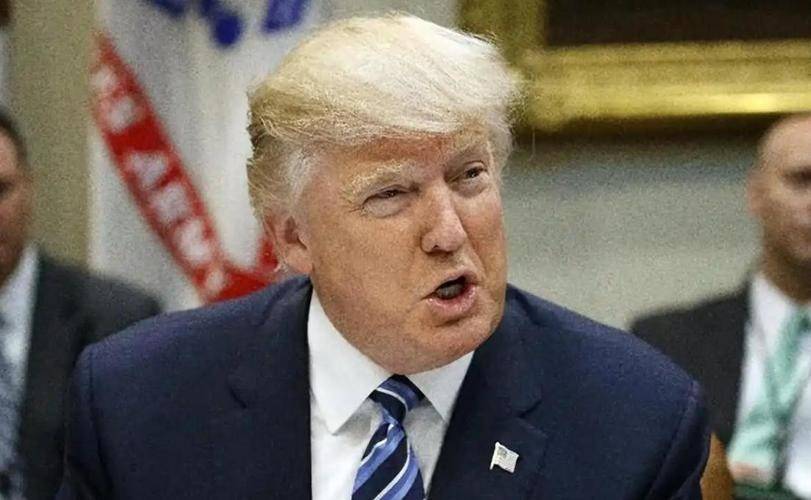
Group 1 - The Trump administration is under significant pressure due to plummeting approval ratings, primarily attributed to the negative impact of tariffs on American consumers [1][3] - A Bloomberg poll indicates that over half of respondents feel tariffs have directly affected their financial situation, with 69% expecting continued price increases on daily goods [1] - The first quarter GDP contracted by 0.3%, contradicting the White House's claims of economic prosperity, leading to a loss of trust among independent voters [1][3] Group 2 - Consumer spending growth has sharply declined from 4% in Q4 of the previous year to 1.8%, while business investment has also significantly decreased due to tariff uncertainties [3][4] - The EU is preparing to impose retaliatory tariffs on $95 billion worth of U.S. goods, with strong opposition from allies like Japan and India regarding U.S. tariff demands [4][7] - The U.S. trade deficit surged to a record $162 billion in March, with imports rising significantly while exports saw only a slight increase, raising recession probabilities to 60% according to Goldman Sachs [11] Group 3 - China has extended an invitation to Trump to attend a military parade, which could serve as a strategic move to soften U.S. stances on trade and tariffs [12][19] - The invitation is seen as a way to leverage China's control over rare earth elements, which are critical for U.S. military technology, potentially influencing trade negotiations [12][19] - The Trump administration is reportedly preparing for a significant visit to China, indicating a shift towards more cooperative trade relations [17][19]
军工+固态电池+央企重组,连续15年全球第一 ,4大王者领跑七月!
Sou Hu Cai Jing· 2025-06-30 04:44
Group 1: Core Investment Opportunities - The technology sector is expected to experience significant growth in the second half of the year, particularly in the military and solid-state battery industries, which are seen as key investment hotspots [1] - The military sector is a national priority, with increased focus on asset securitization and strategic upgrades, especially in light of the upcoming 80th anniversary of the Anti-Japanese War parade, which will showcase advanced military equipment [3] - The solid-state battery industry is entering a golden development period, driven by its advantages such as high energy density and safety, making it a core power source for electric vehicles and energy storage [4] Group 2: Key Companies in Military and Solid-State Battery Sectors - Zhongke Electric has made significant technological breakthroughs in solid-state batteries and has military applications, showcasing strong market competitiveness [5] - Greeenmei has achieved major advancements in solid-state battery materials and has established long-term supply agreements with leading companies, while also expanding into military applications [6] - Youyan New Materials is the only domestic producer of high-purity lithium sulfide and has developed technologies that enhance battery life, with military certifications for its products [6] - A certain holding subsidiary is noted for its comprehensive technology layout in solid-state battery materials and has a strong market position, indicating potential for future growth in both military and civilian sectors [6]
特朗普没想到中方说话这么直接,撕碎美国遮羞布,还评论了六个字
Sou Hu Cai Jing· 2025-06-29 05:58
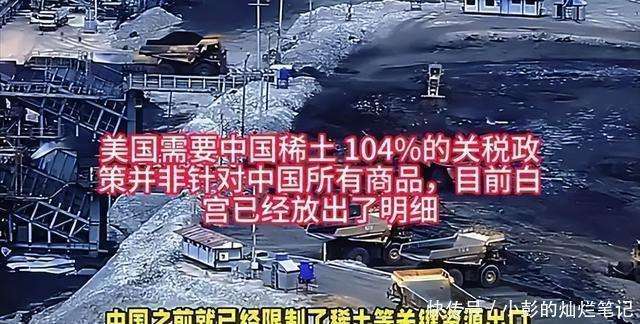
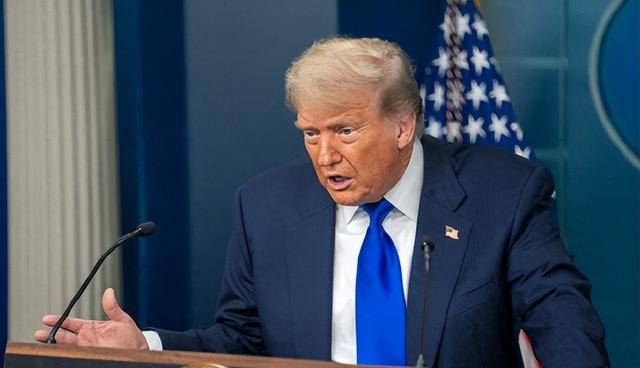
Group 1 - The U.S. imposed tariffs of up to 104% on Chinese goods, followed by a "forgiveness list" that included rare earths and semiconductors, maintaining a lower tax rate of 20% on these items, indicating a contradictory stance [4] - The U.S. Department of Commerce quietly issued rare earth import licenses to 28 American companies after announcing the tariffs, reflecting a contradictory approach [5] - The U.S. military is facing challenges due to a shortage of critical materials like samarium-cobalt magnets, which are predominantly sourced from China, impacting the production of F-35 fighter jets and B-21 bombers [7][11] Group 2 - China's rare earth export restrictions are a strategic move that significantly impacts U.S. military capabilities, as 87% of U.S. weapon systems rely on Chinese rare earth materials [11][12] - The F-47 sixth-generation fighter jet project in the U.S. is experiencing delays due to insufficient rare earth supplies, raising concerns within the U.S. Air Force [12] - The global supply chain is affected, with countries like Vietnam and Brazil benefiting from U.S. tariffs on Chinese shipping, as businesses reroute to avoid high fees [21] Group 3 - The U.S. automotive industry is suffering from production halts due to rare earth shortages, with General Motors halting electric pickup production and the automotive manufacturers' association issuing ultimatums [21] - The global economy is in turmoil as China controls 93% of rare earth processing capacity, threatening industries like electric vehicles and wind power with potential supply disruptions [23] - The U.S. attempts to diversify its rare earth supply through allies have proven ineffective, as many countries still rely on China for processing [25][27]
欧盟只给中国30天,必须解决稀土供应,否则冯德莱恩取消访华?
Sou Hu Cai Jing· 2025-06-27 15:06
Group 1 - The EU is seeking to resolve rare earth supply issues before the upcoming visit of EU leaders to China, highlighting the urgency of the situation [2] - China's Foreign Minister Wang Yi proposed three suggestions for the development of China-EU relations, emphasizing mutual respect, partnership, and multilateralism [2] - The EU's concerns about rare earth supply shortages stem from China's dominance in the market, controlling over 90% of global rare earth refining capacity, which is critical for various European industries [4][9] Group 2 - The EU's demands regarding rare earth supplies reveal a logical inconsistency, as China's export controls are primarily a response to U.S. tariffs and not aimed at specific countries [6] - The EU's dual standards in economic governance are evident, as it calls for stable global supply chains while simultaneously imposing barriers on Chinese enterprises [9] - China's strategy includes a systematic approach to enhance its rare earth capabilities, including establishing research institutions and combating smuggling, which contrasts with the EU's reactive measures [12][14] Group 3 - The EU's strategic behavior reflects its difficulties in navigating the global supply chain restructuring, as China employs a combination of technology and resource control to reshape the rules of the game [15] - The potential visit of EU Commission President Ursula von der Leyen to China is contingent on the EU's ability to address its own issues and avoid politicizing economic discussions [14][15] - The long-term dependency of Europe on Chinese rare earths is underscored by the challenges in developing local resources, which could take at least a decade to become viable [14]

特朗普公布美国2026财年国防预算:减少F-35采购及海军开支 增加高科技导弹及无人机投资
智通财经网· 2025-06-26 10:58
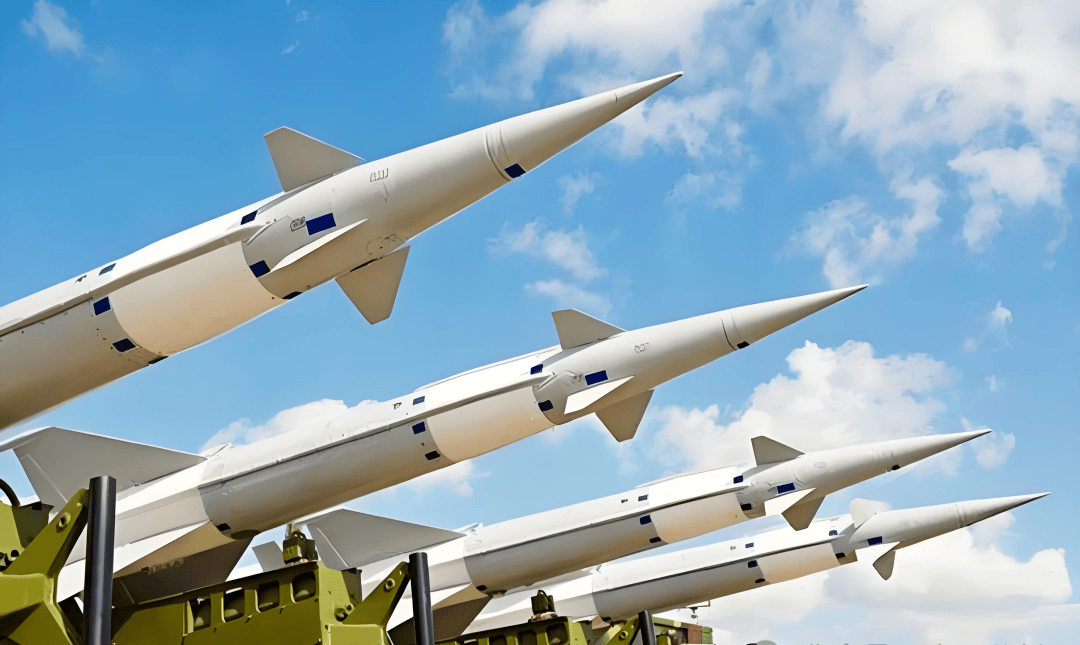
Group 1 - The proposed defense budget for fiscal year 2026 is $892.6 billion, remaining largely unchanged from fiscal year 2025, with a focus on increasing military personnel salaries and investing in high-tech missiles and drones while reducing naval positions and ship procurement [1] - The budget plan includes a reduction in the procurement of F-35 fighter jets, with plans to purchase 47 units, down from the 68 units planned during the last year of President Biden's term [1] - The Navy's construction plan includes only three new ships, with a Virginia-class submarine and 15 other ships to be funded through a separate appropriations bill, while also cutting 7,286 civilian personnel to control costs [1] Group 2 - The budget adjustment reflects a shift in U.S. military strategic focus towards high-tech missiles and drone technology, which are changing modern warfare dynamics [2] - The military is reassessing its procurement strategy due to the cost-effectiveness demonstrated by drones in real combat situations, leading to a reduction in traditional manned fighter aircraft purchases [2] - The budget also includes activities related to nuclear weapons managed by the Department of Energy and increases funding for homeland security, although it does not fully cover the funding for the "Golden Dome" missile defense initiative, which is being advanced through a separate request [2]

国际观察|北约峰会“共识”里的分歧
Xin Hua Wang· 2025-06-26 10:30
Group 1 - The NATO summit reached a consensus to increase annual defense spending to 5% of GDP by 2035, up from the current 2% [2][4] - The summit's declaration was notably brief, with only 5 items, making it one of the shortest in NATO's history, contrasting sharply with previous summits [2][4] - The focus on defense spending reflects a desire to appease the United States while also preparing for a future without American support [6][4] Group 2 - European leaders are increasingly viewing NATO as a security "umbrella" and are concerned about the reliability of U.S. commitments under the Trump administration [3][6] - The commitment to increase defense spending is seen as both an investment to retain U.S. support and a preemptive measure against potential U.S. withdrawal [6][4] - Experts warn that the rapid increase in military spending could lead to a security dilemma and economic instability within Europe [6][7]