
外卖

Search documents
“转会费”最高3000元、邀请人再奖1000元!北京部分区域骑手成抢手资源 美团、淘宝闪购真金白银急挖人
Mei Ri Jing Ji Xin Wen· 2025-12-26 13:56
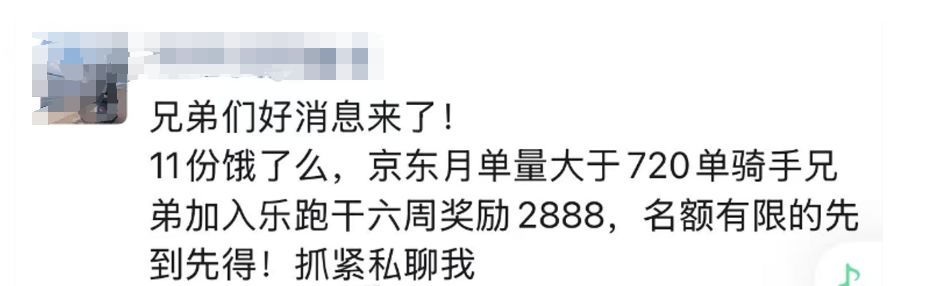
Core Viewpoint - The competition in the food delivery industry has intensified as companies like Meituan and Taobao Flash are offering substantial "transfer" bonuses to attract experienced delivery riders, reflecting a shift from user subsidies to human resource competition [1][2][5] Group 1: Rider Recruitment Strategies - Meituan offers a reward of 2888 yuan for riders who switch from Ele.me or JD with a monthly order volume exceeding 720, while Taobao Flash offers 3000 yuan for riders with over 140 orders in a week from competing platforms [1][3] - The recruitment efforts are localized and not part of a nationwide campaign, indicating a targeted approach based on rider distribution and order volume in specific areas [4] - The competition for riders is not just about immediate financial incentives but also about ensuring stable service quality and operational capacity during peak demand periods [5][6] Group 2: Industry Trends and Challenges - The food delivery industry is experiencing a shift where companies are not only competing for customers but also for skilled riders, highlighting the importance of rider stability and service quality as core competitive advantages [6][7] - The high turnover rate among riders, driven by attractive short-term incentives, poses challenges for long-term stability and operational efficiency within the industry [6][9] - Companies are increasingly recognizing the need to improve rider welfare and job satisfaction through benefits such as social security subsidies, housing support, and other human-centric initiatives [8][9] Group 3: Long-term Strategies - The industry is moving towards a more sustainable model that focuses on rider rights and long-term benefits rather than just short-term financial incentives [9] - Companies are implementing diverse retention strategies, including the cancellation of late penalties and the provision of housing guarantees, to build a more stable and efficient rider ecosystem [9][10] - The ability to create a stable and efficient rider workforce will be crucial for companies to differentiate themselves in a competitive market and influence the long-term market landscape [9][10]



警惕!“AI假夫妻” 博主的营销种草陷阱
2 1 Shi Ji Jing Ji Bao Dao· 2025-12-26 09:28
Core Viewpoint - The rise of AI-generated content, particularly in the home renovation sector, has led to the proliferation of "fake influencers" who mislead consumers with artificial representations and marketing tactics [1] Group 1: AI in Marketing - Businesses are increasingly using AI technology for marketing and customer acquisition, often crossing legal boundaries [1] - Instances of AI-generated content include fake social media posts and misleading images of restaurants and products [1] Group 2: Regulatory Response - In September, China implemented the "Artificial Intelligence Generated Synthetic Content Labeling Measures," which mandates that all AI-generated content must be labeled as "AI produced" [1] Group 3: Consumer Awareness - Consumers are now required to adopt a detective-like approach when purchasing products, questioning the authenticity of images and content [1] - There is a need for society to build legal, regulatory, and technological defenses against AI-generated deception while enhancing public understanding and responsible use of AI [1]
消费前先看这些,避开外卖、快递里的“坑”
Xin Lang Cai Jing· 2025-12-26 01:39
Core Viewpoint - Consumers often face issues such as slow delivery, lost packages, or food contamination in high-frequency consumption areas like food delivery and logistics. Understanding complaint information and platforms before consumption can significantly reduce the risk of encountering problems [1][12]. Group 1: Importance of Pre-Consumption Complaint Awareness - Many consumers view complaints as a post-issue action, but complaint platforms can serve as essential decision-making tools. By reviewing other consumers' evaluations and complaints about specific merchants or products, consumers can identify service shortcomings and common dispute types [2][13]. - High-frequency consumption sectors like food delivery, logistics, and online retail frequently encounter issues such as delivery delays, damaged packaging, and food safety concerns. Knowing which companies have high complaint rates and low resolution rates can enhance consumer vigilance [2][13]. Group 2: Official Complaint Channels - Consumers should familiarize themselves with official complaint platforms before making purchases. These platforms are typically credible, have standardized processes, and allow for traceable outcomes [3][14]. - The National 12315 platform is a government-run complaint channel that addresses product quality, service commitments, and false advertising. It connects with local market regulatory departments, providing strong enforcement capabilities for clear violations [4][17]. - The 12305 Postal Service Complaint Platform is specifically for handling complaints related to postal and express services, with a focus on issues like delays, losses, and service attitudes [5][18]. - The 12328 Transportation Service Supervision Hotline covers disputes related to ride-hailing, taxis, and freight services, effectively addressing issues like detours and overcharging [6][18]. - Industry self-regulatory organizations or associations also provide complaint channels, although they lack enforcement power. They can facilitate problem resolution through mediation and public exposure [7][18]. Group 3: Public Complaint Platforms - Recent years have seen the emergence of public complaint platforms that facilitate direct communication between consumers and businesses. These platforms often offer more convenient operations and broader dissemination, contributing to public oversight [8][19]. - For example, the Black Cat Complaint platform, affiliated with Sina, allows users to submit complaints through various channels and track their progress. It also features a collective complaint function to enhance visibility for similar issues [8][19]. - The platform includes a legal assistant that provides free legal advice and can generate suggestions based on consumer protection laws, aiding consumers in their rights protection efforts [9][19]. Group 4: Choosing Complaint Channels for Different Scenarios - Different industries and issues require specific complaint channels. Consumers should select appropriate channels based on their circumstances when seeking resolution [10][20]. - For food delivery and fresh produce, consumers should first use the internal complaint mechanisms of the order platform and retain evidence. If unresolved, they can escalate to the 12315 platform or Black Cat Complaint [16][21]. - In logistics, consumers should initially contact customer service, and if unresolved within seven days, they can escalate to the 12305 platform while also using Black Cat Complaint for additional pressure [16][21]. - For ride-hailing and transportation issues, consumers should use the app's complaint feature and, if necessary, contact the 12328 hotline for serious concerns [16][21]. - In telecommunications, consumers can report issues to the Ministry of Industry and Information Technology's 12300 platform while also utilizing Black Cat Complaint for public feedback [16][21].
外卖配送,“慢一点”又何妨?
Xin Lang Cai Jing· 2025-12-26 00:35
Core Viewpoint - The article discusses the need for a shift in the fast-paced delivery model of the food delivery industry, advocating for a "slow down" approach to enhance safety and improve the overall ecosystem for delivery riders, businesses, and consumers [1][2][3] Group 1: Industry Challenges - The current delivery model is heavily focused on speed, which has led to safety risks and increased internal competition among delivery riders [1] - Riders are pressured to deliver quickly, often resulting in low earnings and high stress, with reports of earnings as low as 100 yuan for 8 hours of work [1] - The algorithm-driven approach has created a situation where riders feel they cannot afford to slow down, leading to potential safety hazards, including systems that may direct riders to take unsafe routes [1] Group 2: Proposed Solutions - A reevaluation of the balance between efficiency and rider welfare is necessary, as the current model does not achieve a win-win situation for all parties involved [2] - Initiatives in Beijing have shown that implementing measures such as "smart meal pickup" and adjusting algorithms to prioritize average delivery times can improve the situation without slowing down service [2] - The removal of penalties for late deliveries in certain areas has led to reduced disputes and improved stability for riders, ultimately enhancing service reliability [2] Group 3: Broader Implications - Slowing down delivery times can contribute to a more respectful work environment for riders, allowing them to complete their tasks safely and efficiently [3] - Consumers may experience slightly longer wait times, but this can result in better quality service and fewer complaints [3] - The industry can benefit from a more humane approach to algorithm design, which aligns with social responsibility and promotes sustainable practices [3]
2025民企大调研②:外卖大战没有赢家,应完善平台治理为餐饮商家“松绑”
3 6 Ke· 2025-12-26 00:24
Core Insights - The ongoing food delivery war has disrupted the operational rhythm of restaurants, leading to a significant decline in both efficiency and profit margins for dining establishments [1] - Major platforms like JD and Meituan have engaged in aggressive subsidies to stimulate order growth, resulting in a market share shift in the food delivery industry [1] - Despite increased order volumes, many restaurants are experiencing a situation of "growth without profit," as the cost of delivery has surged due to the competitive landscape [1][10] Group 1: Financial Performance of Major Companies - Meituan reported a revenue of 95.5 billion yuan for Q3 2025, a 2% year-on-year increase, but recorded a net loss of 18.6 billion yuan, marking its largest quarterly loss since its IPO in 2018 [2] - Alibaba's latest quarterly report indicated a surge in sales expenses by 34 billion yuan due to delivery subsidies, leading to a 52% year-on-year decline in net profit attributable to ordinary shareholders [2] - Luckin Coffee achieved a revenue increase of 50.2% year-on-year to 15.287 billion yuan in Q3 2025, but faced a 211% rise in delivery costs, resulting in a 2% decline in net profit [4] Group 2: Impact on Small and Medium-sized Restaurants - Small and medium-sized restaurants have lower bargaining power in the face of aggressive platform subsidies, leading to a significant drop in profits despite increased order volumes [4][5] - Fixed costs such as rent and labor remain unchanged, while prolonged delivery subsidies have led to a 20% decrease in average order value, creating a dilemma for restaurants between maintaining prices and attracting customers [4][5] - The financial strain on small businesses may hinder their ability to invest in new product development and service upgrades, potentially leading to a vicious cycle of declining profitability [5] Group 3: Industry Trends and Regulatory Responses - Research indicates that the food delivery war has resulted in a 7% average increase in total orders for merchants, but a 4% decrease in actual revenue [10] - The overall revenue of the restaurant industry in China for the first half of 2025 was approximately 2.75 trillion yuan, with a year-on-year growth rate of only 4.3%, reflecting a significant slowdown [10] - Industry associations have called for the regulation of irrational subsidies and the establishment of a healthier competitive environment, emphasizing the need for platforms to stop coercing merchants into price-cutting practices [11][15]


灵活就业者权益保障水平稳步提高
Xin Hua Wang· 2025-12-25 23:56
补齐制度短板、优化公共服务—— 灵活就业者权益保障水平稳步提高 近期,不少美团骑手的账户里多了一笔名为"养老保险补贴"的收入。通过政府引导、平台补贴、个 人自愿参保的方式,把更多骑手群体纳入制度化保障。外卖平台骑手社保工作的这一突破性进展,是我 国不断加强灵活就业和新就业形态劳动者权益保障的生动缩影。据测算,我国灵活就业人员规模已超过 2亿人,其权益保障问题,一直受到社会各界关注。 同时,相关部门强化指导监督,压实用工责任。例如,强化部门联合约谈,实施新就业形态劳动者 劳动权益保障水平提升、货车司机护航、阳光抽成、平台收费治理攻坚等专项行动,指导企业公开发布 保障货车司机合法权益自律公约等,督促平台企业和快递企业依法合规用工。 据统计,新就业形态劳动者劳动权益保障水平提升专项行动期间,全国累计检查7.9万家企业用工 情况,约谈企业8652家次,处理违法行为1.4万次。目前,快递、外卖、货运等行业已签订集体合同 3576份,覆盖平台企业及其合作企业1.32万家。 在公共服务优化方面,各地因地制宜加强8900多家零工市场规范化建设,提供"用工直招""送人到 岗""就业大篷车"等服务,帮助劳动者尽快上岗就业;完善落 ...
补齐制度短板、优化公共服务—— 灵活就业者权益保障水平稳步提高
Jing Ji Ri Bao· 2025-12-25 22:01
近期,不少美团骑手的账户里多了一笔名为"养老保险补贴"的收入。通过政府引导、平台补贴、个人自 愿参保的方式,把更多骑手群体纳入制度化保障。外卖平台骑手社保工作的这一突破性进展,是我国不 断加强灵活就业和新就业形态劳动者权益保障的生动缩影。据测算,我国灵活就业人员规模已超过2亿 人,其权益保障问题,一直受到社会各界关注。 近日,国务院关于灵活就业和新就业形态劳动者权益保障工作情况的报告提请全国人大常委会会议审 议。会上,人力资源和社会保障部副部长吴秀章介绍,在各方共同努力下,灵活就业和新就业形态劳动 者权益保障水平稳步提高,劳动报酬拖欠风险持续保持在较低水平,职业伤害保障试点较好解决了劳动 者后顾之忧,劳动者获得感、幸福感、安全感明显提升。 坚持问题导向 畅通维权渠道 据统计,新就业形态劳动者劳动权益保障水平提升专项行动期间,全国累计检查7.9万家企业用工情 况,约谈企业8652家次,处理违法行为1.4万次。目前,快递、外卖、货运等行业已签订集体合同3576 份,覆盖平台企业及其合作企业1.32万家。 在公共服务优化方面,各地因地制宜加强8900多家零工市场规范化建设,提供"用工直招""送人到 岗""就业大篷车 ...
2025品牌代言:顶流不再是“最优选”?
3 6 Ke· 2025-12-25 10:29
Core Insights - The article discusses the evolving landscape of celebrity endorsement marketing, highlighting a shift from traditional top-tier celebrities to a more diverse range of endorsers, including lesser-known figures and even non-human entities [2][18][24]. Group 1: Trends in Celebrity Endorsement - The number of official endorsements has increased by 22.61% in the first three quarters of this year, indicating a growing reliance on this marketing strategy [3]. - Brands are increasingly opting for unconventional combinations and cross-industry collaborations, such as luxury brands partnering with comedians or sports stars [4][7]. - The trend of using "cold" or "unusual" endorsers is on the rise, with brands selecting individuals who resonate with their image rather than just relying on mainstream celebrities [18][20]. Group 2: Market Dynamics - The competitive market landscape and fragmented media consumption have led to a demand for more authentic and diverse emotional connections from consumers [2][24]. - Brands are adapting to the changing social media landscape, where the production of topics has shifted from brands to ordinary users, allowing for greater interaction and engagement [15][16]. - The rise of digital influencers and virtual entities as brand ambassadors reflects a shift towards lower-cost and lower-risk marketing strategies [21][23]. Group 3: Challenges in Endorsement Marketing - Despite the diversification of endorsers, the most effective sales drivers remain a select group of top-tier celebrities, indicating a challenge in balancing short-term sales with long-term brand building [25][27]. - The increasing number of endorsements can lead to a "sea of people" effect, where the uniqueness of each endorsement diminishes, making it harder for brands to achieve deep resonance with consumers [29][30]. - Brands are exploring a hybrid approach, combining short-term endorsements with long-term partnerships to maintain both freshness and depth in their marketing strategies [29][30].


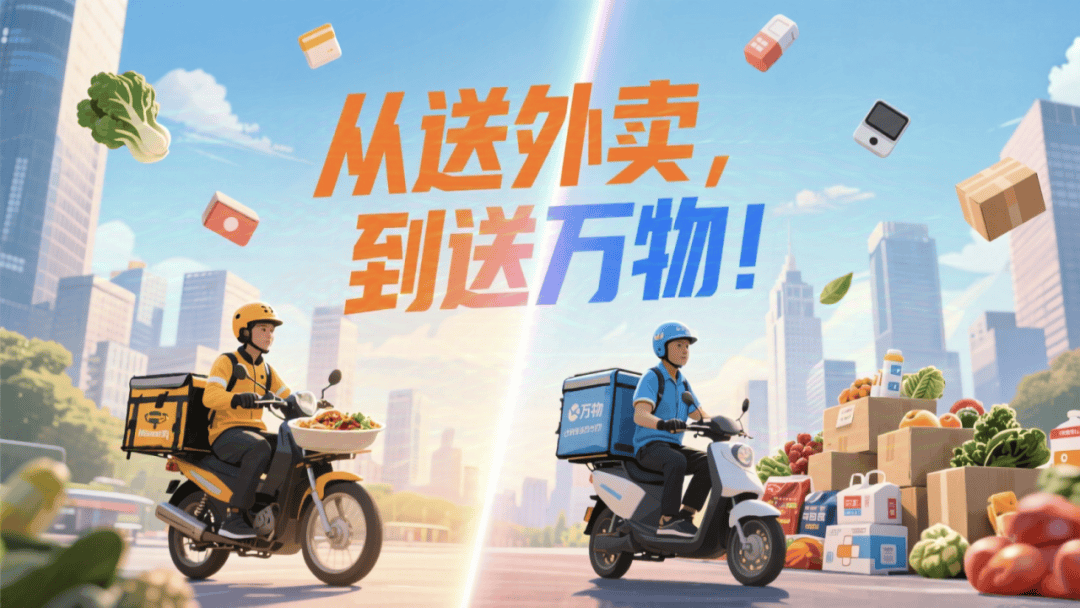
从送餐到送万物,外卖早已不仅仅只是外卖
Sou Hu Cai Jing· 2025-12-25 01:51
Core Insights - The takeaway from the articles is that the food delivery market is evolving beyond its traditional role, becoming a platform for new business models and strategies, rather than just a service for delivering food [2][4][9] Group 1: Market Evolution - The competition in the food delivery market is shifting from price wars to differentiation strategies aimed at achieving broader strategic goals [2][3] - The food delivery market is seen as a breeding ground for new business models and commercial innovations, rather than just a standalone service [2][4] - As the market enters a new phase, it is essential to recognize the emerging trends and strategies that are reshaping the industry [2][3][9] Group 2: New Business Models - The food delivery market is transitioning into a new commercial form that integrates both virtual and physical economies, creating a hybrid business model [5][6] - Players in the market are leveraging their online experience while also investing in offline retail and supply chains, indicating a shift towards a more integrated approach [5][6] - The current food delivery landscape is characterized by a combination of digital and physical elements, reflecting a new paradigm in business operations [6][8] Group 3: Technological Integration - The food delivery market is becoming a testing ground for new technologies and business models, such as big data, drones, and AI [8] - Companies are increasingly focusing on supply chain and industry collaborations, indicating a shift towards a more interconnected operational framework [8] - The competition is now centered around the adoption of innovative technologies and finding new balance points between supply and demand [8][9]
消费“国补”请继续 “外卖大战”别打了
Xin Lang Cai Jing· 2025-12-24 22:54
Group 1 - The central economic work conference has emphasized the optimization of the "Two New" policy, which includes large-scale equipment updates and a subsidy program for replacing old consumer goods [1] - The subsidy program, referred to as "national subsidy," will continue next year, encouraging consumer purchases of home appliances and digital products [1] - In 2025, the subsidy program will expand to include new categories such as smartphones, tablets, smartwatches, microwaves, water purifiers, dishwashers, and rice cookers, benefiting consumers and stimulating sales [1] Group 2 - The "takeout war" among delivery platforms has led to intense competition characterized by cash-burning strategies to gain market share, resulting in record-high order volumes [2] - However, this competition has created a vicious cycle of low-quality service, with issues such as declining food quality, consumer safety concerns, and inadequate protection for delivery personnel [2] - Recent regulatory measures aim to improve management practices within delivery platforms, focusing on merchant management and promotional activities to foster healthy competition and innovation in the industry [2]