
数字经济

Search documents
马来西亚:为何成为中企出海东南亚首站?
吴晓波频道· 2025-11-17 00:30
Core Insights - Malaysia is emerging as a preferred destination for Chinese enterprises looking to expand into Southeast Asia, characterized by a strong cultural connection and economic stability [2][3][8]. Economic Overview - Malaysia's GDP has grown by approximately 40% over the past decade, with a current GDP of $421.97 billion and a per capita GDP of $11,867.3, ranking third in Southeast Asia [4][13]. - The country maintains a trade surplus for 26 consecutive years, with a diverse trade structure that reduces dependency on any single market [16]. Strategic Advantages - Malaysia's geographical location serves as a strategic hub for ASEAN, connecting over 600 million people and facilitating trade between East and West [10][12]. - The logistics infrastructure, including the Port of Klang, ranks among the top in Southeast Asia, enhancing trade efficiency [12]. Population and Labor Market - The working-age population (ages 15-64) is projected to reach 70.4% by Q2 2025, providing a significant labor force [17]. - Malaysia's diverse, multilingual workforce is advantageous for companies seeking local talent [19]. Key Industries for Investment - The semiconductor industry is a focal point, with Malaysia being the sixth-largest semiconductor exporter globally, accounting for 40% of its total exports [28][29]. - The electric vehicle market is rapidly growing, with a 45% increase in registered electric vehicles in 2024, presenting opportunities for Chinese automotive brands [35][38]. - The digital economy is expanding, with a 101.51% year-on-year increase in digital trade, highlighting the potential for e-commerce and digital services [39][41]. Cultural Considerations - Understanding and respecting Malaysia's multicultural environment is crucial for successful business operations, as the country has a significant Muslim population and various cultural practices [46][48]. - Localizing management practices and hiring local talent are essential for long-term success in the Malaysian market [49][50]. Conclusion - Malaysia offers a unique combination of cultural familiarity, economic stability, and strategic advantages, making it an attractive destination for Chinese enterprises looking to expand internationally [7][8][57].



专访毕马威中国主席:中国民营企业面临三大“关键课题”
Zhong Guo Xin Wen Wang· 2025-11-16 15:19
中新社北京11月16日电题:专访毕马威中国主席:中国民营企业面临三大"关键课题" 中新社记者庞无忌 邹俊指出,民企的"出海"模式正在发生变化:从传统的产品出口向系统性、高质量的全球布局转型。 在民企的出海投资区域布局上,共建"一带一路"国家成为核心增长极;在投资形态上,企业从单一产品 输出转向全产业链协同出海,如汽车企业在海外设立KD(全散件组装)工厂,实现制造、供应链与本地 化服务的深度整合;投资领域则高度聚焦高技术产业,TMT(科技、媒体和通信)、先进制造与运输、医 疗与生命科学成为民企海外并购的前三大方向,民营企业在全球价值链中向上游技术环节攀升的战略布 局愈发明显。 邹俊强调,需要看到,中国在关键科技领域的突破为民营企业提供了坚实底气,如动力电池、智能驾驶 等核心技术全球领先,使企业赢得国际市场认可。可以说,中国民营企业正以技术为引擎、以产业链为 骨架、以新兴市场为支点,开启全球化发展的新阶段。 传承,乃是绝大多数民企面临的"时代大考"。 近年来,中国民营经济持续壮大,特别是在科技含量高、成长性强的战略性新兴产业领域,民营企业正 在成为技术创新和产业转型的核心力量。毕马威中国主席邹俊近日接受中新社记者 ...
数字经济ETF(560800)调整蓄势,机构称国内算力产业链正加速闭环
Sou Hu Cai Jing· 2025-11-14 02:26
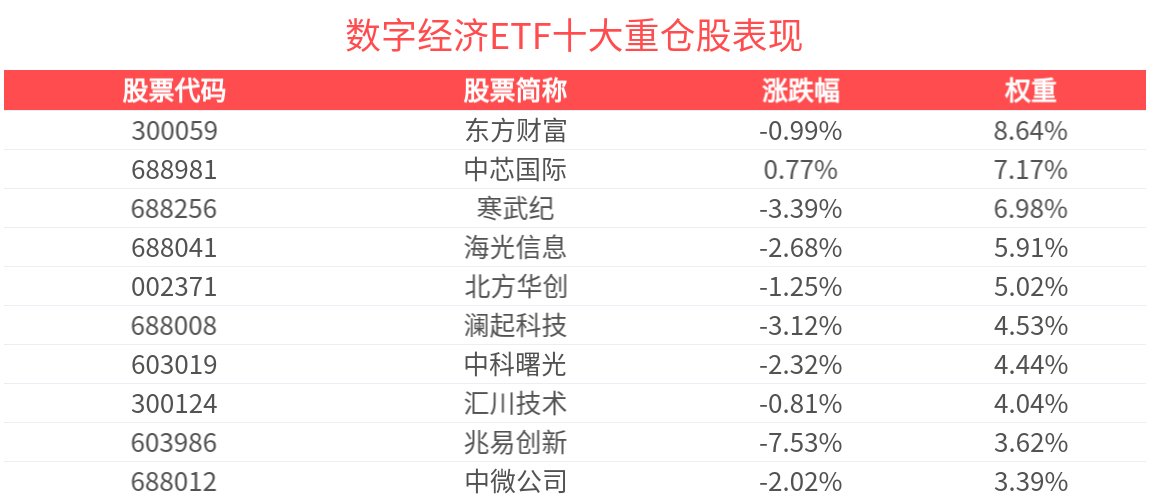
Group 1 - The China Securities Digital Economy Theme Index (931582) decreased by 1.63% as of November 14, 2025, with mixed performance among constituent stocks [1] - Among the top-performing stocks, SMIC (688981) led the gains, while GigaDevice (603986) experienced the largest decline [1] - The Digital Economy ETF (560800) saw a turnover of 0.66% and a transaction volume of 4.385 million yuan, with a weekly scale increase of 7.1594 million yuan and a share increase of 18 million [1] Group 2 - At the Baidu World Conference on November 13, 2025, Baidu showcased several AI achievements, including the release of the Wenxin large model 5.0 and the new generation Kunlun chips [2] - The new Kunlun chip products and the Tianchi supernodes are expected to enhance domestic computing power and AI applications, with a focus on advanced manufacturing processes and chip architecture upgrades [2] - The Digital Economy ETF closely tracks the China Securities Digital Economy Theme Index, which reflects the overall performance of listed companies in high digitalization sectors [2] Group 3 - As of October 31, 2025, the top ten weighted stocks in the China Securities Digital Economy Theme Index accounted for 53.93% of the index [3] - The top ten stocks include Dongfang Caifu (300059), Cambricon (688256), and SMIC (688981), with varying performance metrics [5]



市北高新:全力推进市北高新园区“都市型数字经济示范园区”建设
Zheng Quan Ri Bao· 2025-11-13 13:13
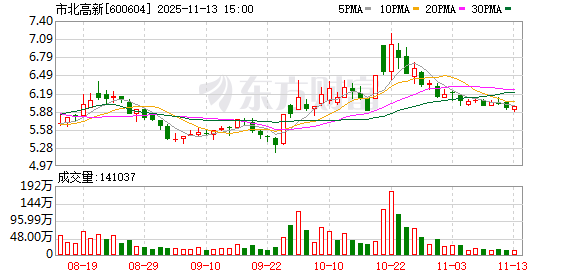
Group 1 - The company aims to adhere to the core philosophy of "innovation-driven, transformation development" in 2024 [2] - The operational model will be driven by a dual approach of "real estate + investment" [2] - The company plans to leverage the "cloud data intelligence chain" industrial ecosystem to accelerate the layout of new future industry tracks such as "digital communication valley" and "audio-visual silent realm" [2] Group 2 - The company is committed to advancing the construction of the "urban digital economy demonstration park" in the Shibei High-tech Zone [2]

推动中泰命运共同体建设取得更多成果
人民网-国际频道 原创稿· 2025-11-13 06:12
Group 1: Overview of China-Thailand Relations - The core viewpoint emphasizes the deep-rooted friendship and cooperation between China and Thailand, highlighting the historical significance of their relationship as they approach the 50th anniversary of diplomatic ties [2][3] - The current phase of China-Thailand relations is described as the best in history, with ongoing high-level exchanges and strategic cooperation [3][4] Group 2: Economic Cooperation and Trade - China has maintained its position as Thailand's largest trading partner for 12 consecutive years, with bilateral trade reaching $114.3 billion in the first three quarters of 2025, a 17% increase year-on-year [4] - Chinese investments in Thailand have exceeded $3.1 billion in 2023, focusing on emerging industries such as clean energy and digital economy, which aids Thailand's industrial upgrade [4] - The China-Thailand railway project is highlighted as a flagship infrastructure collaboration, enhancing connectivity in the region [4] Group 3: Cultural and Human Exchange - Cultural exchanges between China and Thailand are flourishing, with the establishment of the first Chinese cultural center in Southeast Asia and the highest number of Confucius Institutes in Thailand [6] - Recent cultural events, such as performances by Chinese art troupes, have received positive responses from the Thai royal family and public, indicating strong cultural ties [6][7] Group 4: Multilateral Cooperation - China and Thailand are active participants in multilateral frameworks such as the Lancang-Mekong Cooperation and ASEAN, advocating for regional stability and economic integration [8] - Both countries support initiatives aimed at enhancing regional cooperation in areas like clean energy and digital economy, contributing to the construction of a closer China-ASEAN community [8][9]
国际人士看好中国经济高质量发展前景——中国为世界经济增长提供强大动力
Ren Min Ri Bao· 2025-11-12 22:04
中共二十届四中全会擘画中国未来五年发展蓝图,提出"十五五"时期中国经济社会发展的主要目标,包 括高质量发展取得显著成效、科技自立自强水平大幅提高等。接受本报记者采访的国际人士认为,在各 种风险挑战交织背景下,中国的发展成绩单来之不易,中国经济展现巨大韧性、活力、潜力,为世界经 济注入确定性与稳定性,相信中国将以更加开放包容的姿态引领全球合作、开创共同繁荣的未来。 "中国完全有能力实现2025年全年经济增长预期目标" 今年前三季度,中国国内生产总值同比增长5.2%,经济运行保持总体平稳、稳中有进发展态势,体现 了超大规模经济体的超强韧性。5.2%的经济增长水平在主要经济体中名列前茅,表明中国始终是全球 经济增长最稳定、最可靠的动力源。中国经济"稳"的格局、"进"的势头、"韧"的特性没有改变。 古巴哈瓦那大学国际经济研究中心资深研究员路易斯·费尔南德斯表示,在当前地缘政治紧张、全球经 济动荡的背景下,这一成绩的取得尤为难能可贵。中国经济的稳定增长对世界经济具有重要意义,将极 大地惠及与中国开展合作的国家。 阿根廷阿中研究中心主任帕特里西奥·朱斯托表示,前三季度,中国全国规模以上工业增加值同比增长 6.2%,工业生 ...
聚力制造业“固本强基” 推动泰州海陵冲击“千亿主城”
Yang Zi Wan Bao Wang· 2025-11-12 07:19
Core Viewpoint - The news highlights the achievements and future plans of the Hailing District in Taizhou, focusing on the implementation of the "Industrial Strong District" strategy during the 14th Five-Year Plan and the ambition to become a "Thousand Billion Main City" in the upcoming 15th Five-Year Plan [1]. Group 1: Industrial Development - The Hailing District aims to achieve an industrial output value of 61 billion yuan and an industrial added value of 9.05 billion yuan in 2024, showcasing the resilience and vitality of its industrial economy [1]. - The district has strengthened its industrial capabilities by aligning with the provincial "1650" industrial system and focusing on advanced manufacturing clusters [1]. Group 2: Key Industries - The "New" sector includes new energy and new materials, with a focus on seizing opportunities from the "dual carbon" strategy, exemplified by the introduction of key enterprises like TaiZhou Longi [2]. - The automotive and motorcycle parts industry has over 100 related enterprises, with a scale nearing 10 billion yuan, indicating a vibrant sector with traditional companies exploring new transformation directions [2]. - The smart home and appliance industry is represented by LG Electronics, which has become the largest refrigerator production base for LG outside Korea, fostering a cluster of over 30 supporting enterprises [2]. - The digital economy is evolving from technology research and development to application scenarios, attracting quality projects and nurturing benchmark companies like YunYong Electronics [2]. Group 3: Innovation and Transformation - The Hailing District is committed to building a robust innovation ecosystem by integrating technology and industrial innovation, focusing on a "cultivation-transformation-upgrade" model [3]. - The district emphasizes the importance of infrastructure development, result transformation, and innovation to stimulate growth and enhance the capabilities of enterprises [3].
经济学家梁国勇:弥合数字鸿沟,积极推动全球化 中国理念成“稳定器”
Zhong Guo Xin Wen Wang· 2025-11-12 07:03
Core Insights - The article discusses the importance of bridging the digital divide and promoting globalization, highlighting China's role as a stabilizer in the global economy [1][3]. Group 1: Digital Economy and Global Governance - China's digital economy is now among the largest globally, serving as a model for other developing countries in terms of digitalization and sustainable development [4]. - There is a significant digital divide between developed and developing countries, particularly in digital infrastructure and skills, necessitating capacity building in the digital economy and artificial intelligence [4]. - The concept of building a community of shared future in cyberspace is emphasized as crucial in addressing the imbalances in global network development [4]. Group 2: Foreign Investment in China - Despite challenges in attracting foreign investment, China's foreign investment market shows resilience and unique advantages [5]. - The current economic transformation in China has led to a decrease in foreign investment in low-end manufacturing, but there is growth in high-tech manufacturing sectors [5]. - China's strong international competitiveness in manufacturing, supported by infrastructure, a large market, and recovering consumer potential, continues to attract market-oriented foreign investment [5]. Group 3: Globalization and De-Globalization Trends - Some countries are exhibiting tendencies towards de-globalization, which can be attributed to institutional adjustments [6]. - The shift of capital and production from developed to emerging markets has led to a call for re-industrialization in developed countries, as they face trade deficits and industrial hollowing [6]. - Despite the challenges posed by protectionism and unilateralism, technological advancements and institutional resilience are expected to continue driving globalization forward [7].
增值税发票数据勾勒深圳“新质生产力”
Zhong Guo Jing Ji Wang· 2025-11-12 06:55
Core Viewpoint - Shenzhen is experiencing robust growth in its manufacturing, high-tech industries, and digital economy, contributing to the formation of a resilient and dynamic modern industrial system [1] Manufacturing Industry - Shenzhen's manufacturing sales revenue increased by 7.8% year-on-year from January to September, providing significant support for economic growth [2] - Shenzhen Jingtai Technology Co., Ltd. announced a pipeline cooperation agreement with US biopharmaceutical company DoveTree, totaling nearly $6 billion, setting a record for outbound orders in China's AI pharmaceutical sector [2] - The company has developed the world's largest automated biopharmaceutical robotics platform, becoming the leading AI pharmaceutical stock in China [2][3] High-Tech Industry - The sales revenue of Shenzhen's high-tech industry grew by 13.8% year-on-year from January to September, with significant increases in the production of civilian drones, industrial robots, and 3D printing equipment [4] - Shenzhen companies, such as Creality 3D Technology Co., Ltd., dominate the global entry-level 3D printer market, holding a 90% market share [4] - Creality's R&D expenses have grown at an annual rate of over 14% in the past three years, with 613 domestic and international patents obtained [4][5] Digital Economy - The core industry value added of Shenzhen's digital economy is expected to exceed 1 trillion yuan in 2024, with a year-on-year sales revenue growth of 11.8% from January to September [7] - The AI digital employee "Phantom AI" developed by Phantom Future Information Technology Co., Ltd. showcases the integration of advanced technologies in various service scenarios [7][8] - The company has benefited from tax incentives, with over 3 million yuan in R&D expense deductions, significantly reducing its R&D burden [8]
上海虹口“十四五”地区生产总值年均增长4.8%
Xin Hua Cai Jing· 2025-11-12 06:06
Core Insights - The article highlights the significant economic growth and development strategies of Hongkou District in Shanghai during the "14th Five-Year Plan" period, emphasizing its transformation into a new urban development benchmark [1][2] Economic Performance - The district's GDP increased from 100 billion to 150 billion, with an average annual growth rate of 4.8% [1] - The district's general public budget revenue surpassed 20 billion, achieving an average annual growth of 15.0% [1] - Total fixed asset investment rose from 20 billion to 30 billion, with an average annual growth rate of 7.8% [1] Industry Transformation - Hongkou District focuses on industrial transformation and upgrading as a fundamental goal for high-quality development, integrating technological and industrial innovation [1] - The shipping and financial sectors contribute over 40% to the region's economy [1] - The establishment of the International Maritime Organization in the district has led to several national firsts, including temporary arbitration for foreign maritime affairs and a national-level crew assessment center [1] Technology and Innovation - By the end of last year, the scale of the technology service industry in Hongkou reached over 80 billion, accounting for more than 10% of the city's total [2] - The district has seen the emergence of 3 new listed companies, 3 unicorns, and 121 "little giant" technology firms over the past five years [2] - Hongkou has attracted over 240 specialized and innovative enterprises and nearly 500 high-tech companies, showcasing a vibrant atmosphere for technological innovation [2]