在线旅游

Search documents
反携程,到底反的什么?
商业洞察· 2026-01-17 09:22
Core Viewpoint - The article discusses the recent antitrust investigation against Ctrip, highlighting the shift from a reminder to serious action against monopolistic practices in the online travel industry. It emphasizes that antitrust measures aim to ensure fair competition and prevent platforms from exploiting their market dominance to the detriment of merchants and consumers [4][5][14]. Group 1: Antitrust Investigation - The State Administration for Market Regulation has initiated an investigation into Ctrip for alleged monopolistic practices, marking a significant escalation in regulatory scrutiny [4]. - Ctrip holds over 56% of the domestic online travel market and reported a daily net profit of 216 million yuan in Q3 2025, which exceeds the total net profit of the entire A-share tourism sector [5]. Group 2: Platform Dynamics - Platforms, initially designed to connect merchants and consumers, have increasingly become "harvesters," extracting commissions from merchants while inflating prices for consumers [7][10]. - The article notes that platforms like Ctrip have evolved from being helpful intermediaries to monopolistic entities that dictate terms to merchants, often leading to unsustainable business practices for those merchants [11][12]. Group 3: Revenue Models and Practices - Ctrip's commission structure includes three tiers: 10% for basic cooperation, 12% for gold cooperation with price guarantees, and 15% for exclusive partnerships, which can pressure merchants into unfavorable agreements [13]. - The investigation likely stems from practices such as "choose one from two," which restricts merchants' options and creates a coercive environment [13][14]. Group 4: Long-term Business Models - The article argues that a successful business model should focus on creating value for all participants rather than exploiting them, advocating for a shift back to a cooperative approach where platforms help merchants succeed [16][18]. - It emphasizes that sustainable business practices should prioritize long-term relationships and mutual benefits among platforms, merchants, and consumers [19][20]. Group 5: Regulatory Perspective - Effective antitrust measures should restore competition rather than impose blanket restrictions, allowing platforms to innovate while preventing exploitative practices [24][25]. - The article suggests that healthy competition will naturally regulate commission rates and service quality, benefiting both merchants and consumers [24]. Group 6: Conclusion - The article concludes that platforms must remember their original purpose of facilitating commerce rather than dominating it, advocating for a collaborative ecosystem where all parties can thrive [28][29].



携程被立案调查!被调查的原因曝出,网友爆评
Sou Hu Cai Jing· 2026-01-17 08:38
Core Viewpoint - Ctrip, a leading player in the online travel industry, is under investigation for potentially abusing its market dominance, sparking significant public and market reactions [2][5][10]. Investigation Reasons - The investigation stems from allegations that Ctrip may have misused its market power, particularly through practices like "forced exclusivity" where merchants are pressured to list products only on Ctrip's platform [5][6]. - Complaints from merchants indicate that Ctrip's practices have severely limited competition and harmed their business operations [6][8]. Market Position - Ctrip holds a dominant market share of 56% in the hotel and travel market, with a combined market share of nearly 70% when including its competitor Tongcheng [5]. - The company's significant market presence has raised concerns about its competitive practices and the potential for anti-competitive behavior [5][11]. Pricing and Transaction Restrictions - Ctrip has been accused of using a "price adjustment tool" to control pricing without merchant consent, leading to instances where hotels were forced to sell below cost [7][8]. - The commission rates charged by Ctrip have increased significantly, from 8%-10% to as high as 30% for certain resources, putting pressure on merchants' profit margins [7][8]. Market Impact - Following the investigation announcement, Ctrip's stock price plummeted, with a drop of 6.49% on January 14 and a further decline of 14.98% the next day, resulting in a total market value reduction to 303 billion HKD [10]. - The investigation has opened opportunities for competitors like Meituan and Douyin to capture market share as they prepare to attract Ctrip's users and merchants [11]. Industry Reflection - The investigation serves as a wake-up call for the online travel industry, highlighting the need for fair competition and sustainable business practices [12][17]. - There is a growing expectation for platforms to operate transparently, ensuring fair pricing and reasonable commission structures to foster a healthier market environment [12][17]. Consumer and Merchant Reactions - Consumers have expressed frustration over Ctrip's pricing practices and perceived unfair treatment, leading to a decline in brand loyalty [14]. - Merchants hope the investigation will lead to a more equitable competitive landscape, allowing them to operate without undue pressure from dominant platforms [15]. Future Directions - Ctrip's future will depend on its ability to comply with regulatory requirements and reform its business practices to regain trust from both consumers and merchants [16]. - The online travel industry is expected to evolve towards a more transparent and competitive environment, benefiting consumers with better services and pricing [17].
反垄断调查:商家苦携程久矣
Jing Ji Guan Cha Bao· 2026-01-17 06:09
Core Viewpoint - Ctrip has faced increasing tensions with merchants due to stagnant commission rates and restrictive practices, leading to a significant backlash from the hospitality industry and regulatory scrutiny [1][2]. Group 1: Commission Structure and Merchant Relations - Ctrip's commission rates have remained unchanged for six years, with overall costs for merchants reaching 30%-40% due to various promotional methods [1][11]. - Merchants report that despite high commission rates, declining traffic and average order values have made it difficult to sustain profitability, leading to sentiments of "working for the platform" [1][7]. - The introduction of the "special label" (特牌) for hotels has created additional burdens, as merchants are often restricted from selling on other platforms, impacting their revenue streams [3][4]. Group 2: Regulatory Actions and Investigations - The National Market Supervision Administration has initiated an antitrust investigation into Ctrip for potential abuse of market dominance, which includes examining practices across hotel and flight bookings [2][15]. - The Yunnan Provincial Tourism Homestay Industry Association has begun collecting evidence of unfair competition against Ctrip, indicating a growing movement among merchants to challenge the platform's practices [3][16]. Group 3: Market Dynamics and Competition - The hospitality market in Yunnan is experiencing a significant imbalance, with merchants relying heavily on Ctrip for bookings, often accounting for 70%-90% of their orders [7][11]. - As competition intensifies, the effectiveness of Ctrip's promotional strategies has diminished, leading to increased costs for merchants without guaranteed returns [10][11]. - Ctrip's market share in the domestic OTA sector is approximately 56%, with its strategic investments further consolidating its dominance [14][15]. Group 4: Future Outlook and Industry Implications - The ongoing antitrust investigation may lead to regulatory changes that could reshape Ctrip's operational practices and its relationship with merchants [15][16]. - Industry experts suggest that while regulatory actions may address some issues, the fundamental challenges of oversupply and insufficient demand in the market remain [16][17]. - Ctrip is actively pursuing international expansion to diversify its growth avenues, indicating a strategic shift in response to domestic market pressures [17][18].
反垄断调查:商家苦携程久矣
经济观察报· 2026-01-17 04:59
Core Viewpoint - Ctrip has faced increasing tensions with merchants despite its commission rates remaining unchanged for six years, leading to investigations into its market practices and potential antitrust violations [1][3]. Group 1: Commission Structure and Merchant Relations - Ctrip's commission costs for merchants have reached 30%-40%, with many merchants feeling they are working for the platform due to declining traffic and prices [2][3]. - The introduction of promotional tools like "Pyramid" and "Cloud Ladder" has increased the financial burden on merchants, with some reporting costs of several thousand yuan per month just for advertising [2][14]. - Merchants in Yunnan have reported that Ctrip's special label ("Te Pai") restricts their ability to sell on other platforms, leading to significant pushback against Ctrip's practices [5][8]. Group 2: Antitrust Investigations - Ctrip is under investigation by the National Market Supervision Administration for potential monopolistic behavior, which includes its hotel and flight booking services [3][18]. - The investigation may lead to penalties, including fines based on Ctrip's previous annual sales, which could be between 3%-4% of its revenue [19][21]. - The antitrust inquiry is expected to address whether Ctrip has abused its market dominance, particularly through practices that may harm competition [18][19]. Group 3: Market Dynamics and Competition - Ctrip's market share in the hotel and travel sector is projected to reach 56% by the end of 2024, significantly outpacing competitors like Meituan and Fliggy [18]. - The competitive landscape has intensified, with merchants reporting that the effectiveness of advertising has diminished as competition increases, leading to higher costs without guaranteed returns [13][14]. - The overall market for tourism in China is experiencing "involution," where excessive competition is driving down profitability for many operators [20]. Group 4: Future Outlook - Ctrip is focusing on international expansion to seek new growth opportunities, particularly in attracting foreign tourists to China [20][21]. - The company has committed to cooperating with regulatory investigations and aims to maintain its service quality for users and partners [21].

涉嫌垄断的携程们,是该整顿了
Sou Hu Cai Jing· 2026-01-16 14:41
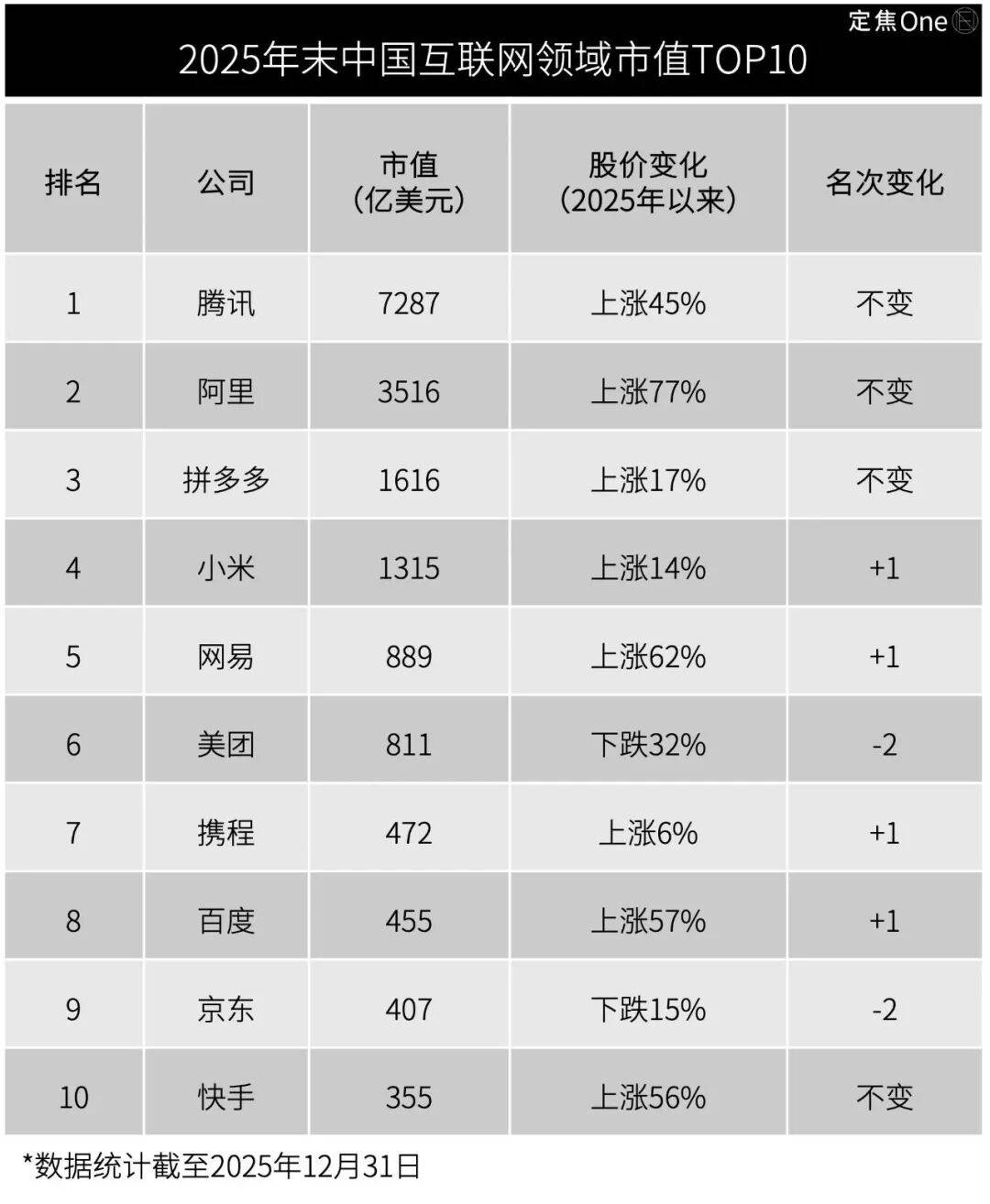
Core Viewpoint - Ctrip is under investigation for alleged monopolistic practices, marking a significant regulatory action in the OTA industry, which has faced increasing scrutiny since late 2025 [1][3][5] Group 1: Regulatory Actions - The State Administration for Market Regulation has initiated an investigation into Ctrip for suspected abuse of market dominance under the Anti-Monopoly Law [1] - Ctrip's stock price has dropped over 20% in two days, resulting in a market value loss of 100 billion HKD, closing at 460 HKD per share on January 15 [2] - Regulatory actions against Ctrip have been accumulating since late 2025, with various local authorities addressing issues such as high commission rates and forced service usage [3][4] Group 2: Market Reactions - The news of the investigation quickly became a trending topic, garnering 1.4 billion views, reflecting a divided public opinion [6] - Small and medium-sized hotel operators generally support the investigation, citing rising commission rates and opaque traffic distribution as detrimental to their profit margins [7][12] Group 3: Ctrip's Market Position - As of the end of 2025, Ctrip's market capitalization was approximately 47.2 billion USD, ranking seventh among Chinese internet companies [8] - Ctrip reported a revenue of 183 billion RMB and a net profit of 199 billion RMB in Q3 2025, with a profit margin of 33.9% [11][12] - Ctrip's market share in the domestic core travel market is estimated at 56%, with the "Ctrip system" accounting for nearly 70% when including its subsidiaries [16][18] Group 4: Industry Dynamics - The OTA industry's supply structure is highly fragmented, with many small hotels relying on platforms like Ctrip for customer acquisition [15] - The increasing concentration of market power has shifted OTA platforms from mere intermediaries to influential players in pricing and marketing strategies [18][20] - The high profitability of OTA platforms is attributed to market competition rather than solely to exploitation of merchants [21] Group 5: Future Implications - The investigation aims to hold OTA platforms accountable for their market influence and to reassess the balance of power between platforms and merchants [24][28] - Potential changes may include adjustments to commission rates and the weakening of restrictive clauses in contracts [25] - Long-term structural issues in the hotel and travel industry, such as oversupply and high customer acquisition costs, will not be resolved by regulatory actions alone [28]
反垄断愈深入,市场活力愈澎湃
Ren Min Ri Bao· 2026-01-16 12:55
Core Viewpoint - Recent actions in antitrust regulation highlight the increasing scrutiny of market competition, particularly in the online service sector, with a focus on platforms like Ctrip and the implications of monopolistic practices [2][3]. Group 1: Antitrust Investigations - The State Council's Antitrust and Unfair Competition Committee is conducting an investigation into the competitive landscape of the food delivery platform service industry [2]. - Ctrip is under investigation for allegedly abusing its market dominance, following previous fines imposed on Alibaba Group and Meituan for similar monopolistic behaviors [3]. Group 2: Impact of Monopolistic Practices - Monopolistic behavior is identified as a driver of "involution" and a barrier to innovation, forcing platform merchants into price wars to gain visibility [4]. - The investigation into Ctrip is seen as a response to complaints from merchants regarding unfair pricing practices and unreasonable transaction conditions [4]. Group 3: Importance of Antitrust Measures - Antitrust regulations are essential for maintaining a healthy market ecosystem, allowing diverse business entities to thrive and contribute to public welfare [5]. - Effective antitrust enforcement is necessary to prevent monopolies from distorting resource allocation and harming both businesses and consumers [5]. Group 4: Regulatory Strategies - While hefty fines serve as a deterrent, the focus should be on addressing the root causes of monopolistic behavior to prevent ongoing issues in the digital economy [6]. - The regulatory approach should adapt to the challenges posed by digital platforms, ensuring fair competition and transparency in operations [6]. Group 5: Future Directions - The "14th Five-Year Plan" emphasizes strengthening antitrust enforcement and addressing "involution-style" competition to promote win-win development among platform enterprises and their stakeholders [7]. - Antitrust efforts are framed not as restrictions on platform companies but as protections for the platform economic environment, encouraging long-term stability and growth [7].
携程监管事件第2天跟踪:财务影响有限,但估值承压
Haitong Securities International· 2026-01-16 11:01
Financial Impact - Ctrip (TCOM) is under investigation for alleged monopolistic practices, with a potential fine estimated at RMB 1.5 billion, representing 4% of its 2024 domestic revenue[2][5] - The financial impact of the fine is considered limited, with a projected net profit margin decrease of 2 percentage points for the 2026 fiscal year[5][10] Revenue Projections - Ctrip's total revenue for the 2026 fiscal year is expected to reach RMB 70.1 billion, reflecting a 13% year-on-year growth[10][11] - Domestic accommodation revenue is projected to grow by 3% year-on-year, while overall accommodation revenue is expected to increase by 13%[10][11] Profitability Metrics - Non-GAAP operating profit for 2026 is estimated at RMB 19.1 billion, a 5% increase from the previous year, with a profit margin of 27%, down 2 percentage points[10][11] - The net commission rate is expected to stabilize at 8.8%, which is within the historical range of 8%-10%[10][11] Market Position and Risks - Ctrip is expected to maintain its leading position in the online travel market, but faces risks of market share loss due to regulatory pressures and competition[8][9] - Potential loss of price-sensitive customers and hotel inventory could occur if Ctrip allows merchants to set their own prices without inventory lock-in[9] Valuation Outlook - Ctrip's valuation may revert to historical levels of 12-15 times earnings, with the stock price potentially dropping to a range of USD 44-55 per ADR[15] - The company’s valuation has been driven by strong revenue growth and profit margin expansion, but regulatory scrutiny may hinder future profitability[15]
携程该思考后路了
虎嗅APP· 2026-01-16 09:52
Core Viewpoint - The article discusses the antitrust investigation into Ctrip, highlighting it as a stress test for platform governance capabilities from an ESG perspective [2]. Group 1: Antitrust Investigation - The antitrust investigation into Ctrip is not a sudden event but indicates accumulated structural issues within the company [2]. - The investigation focuses on whether Ctrip has abused its market dominance, with a market share of over 50% typically indicating such dominance [5]. - Ctrip's market share in the OTA sector is projected to reach 56% by 2024, solidifying its leading position [5]. - Allegations include practices like "forced choice" for merchants, which have been previously cited in other antitrust cases against major platforms [6][5]. Group 2: Financial Performance - Ctrip's gross margin is approximately 81% and net margin around 33%, comparable to leading companies like Tencent and NetEase [10]. - The majority of Ctrip's revenue comes from accommodation bookings and transportation ticketing, which are typical transaction-based intermediary services [10]. - The high profits of Ctrip are attributed to its control over transaction entry points and pricing, rather than creating new content or relying on unique technology [10]. Group 3: ESG Governance Perspective - The article raises the question of whether monopolistic practices are inherently wrong, emphasizing that achieving market dominance through legal means is not illegal [7]. - Ctrip's high profits have not been reinvested into the industry, raising concerns about its responsibilities as a "chain leader" in the tourism sector [11]. - The structural imbalance of "high profits, low accountability" is a long-standing issue in Ctrip's profit model [12]. - The core responsibility of leading companies is to avoid abusing their market power and to ensure fair competition [13]. Group 4: Market Reaction and Future Implications - Following the announcement of the antitrust investigation, Ctrip's stock price dropped by 18%, indicating market concerns over governance risks [14]. - Ctrip's ESG rating was A in 2025, but there is a noted gap between its compliance commitments and actual business practices [14]. - The investigation may lead to a reassessment of Ctrip's business model and could impact its future operations and ESG ratings [17].

美股中概股盘前涨跌互现,蔚来涨1%,阿里巴巴跌0.5%
Mei Ri Jing Ji Xin Wen· 2026-01-16 09:23
Group 1 - U.S. Chinese stocks showed mixed performance in pre-market trading on January 16, with NIO rising by 1% [1] - Alibaba experienced a decline of 0.5% in pre-market trading [1] - Xpeng Motors and Trip.com also saw decreases, with Xpeng down by 0.8% and Trip.com down by 2% [1]


携程被立案:企业的本质是什么?
Sou Hu Cai Jing· 2026-01-16 08:56
Core Viewpoint - The article critiques the current state of Chinese companies, particularly platform giants like Ctrip, for prioritizing profit over social value, suggesting that this focus on growth has led to a distorted business ethos [2][4][12]. Group 1: Company Performance and Impact - Ctrip reported a net profit of 19.9 billion yuan in the third quarter, averaging over 200 million yuan per day, which is more than the combined earnings of its upstream and downstream partners in the industry [2]. - The article highlights that the suffering is not limited to Ctrip but extends to other platform companies like Meituan, Pinduoduo, and Douyin, indicating a broader issue within the platform economy [3]. Group 2: Business Philosophy and Values - The growth mindset of Chinese companies has become overly performance-oriented, treating financial metrics as the sole purpose of existence, which is seen as a fundamental misunderstanding of business [4][5]. - The essence of a company should not be merely profit generation but rather solving social problems, as articulated by business theorists like Coase, Schumpeter, and Drucker [6][11]. Group 3: Ethical Considerations and Responsibilities - The article argues that the current approach of companies, driven by metrics and monopolistic practices, leads to societal discontent and a loss of ethical grounding [10][12]. - Companies are urged to reflect on their societal impact and responsibilities, questioning whether their existence benefits the world or merely serves their own growth ambitions [14].