文化产业

Search documents
鱼跃稻浪间 千年农遗的“生态密码”(文化中国行)
Ren Min Ri Bao· 2025-10-11 21:53
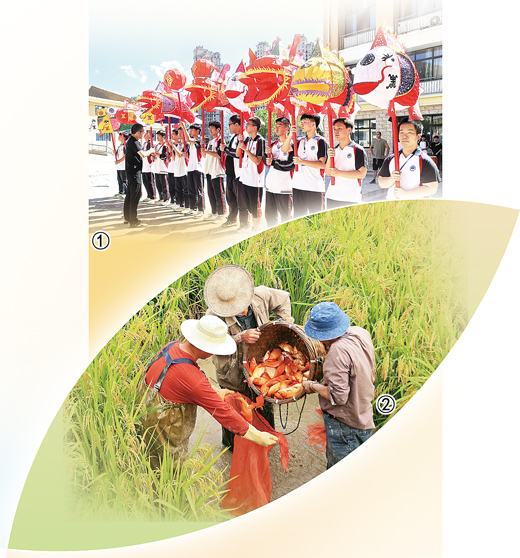
Core Viewpoint - The article highlights the ecological and cultural significance of the rice-fish co-culture system in Qingtian County, Zhejiang Province, showcasing its historical roots, modern applications, and the integration of agriculture with cultural heritage [3][5][16]. Agricultural Innovation - The rice-fish co-culture system has been practiced for over 1,300 years, originating during the Tang Dynasty, and has been recognized as a global important agricultural cultural heritage by the FAO since 2005 [5][6]. - The system utilizes a symbiotic relationship where fish help control pests and fertilize rice, while rice provides nutrients for fish, creating a sustainable agricultural model [6][7]. Economic Impact - In 2024, the area of the rice-fish co-culture system reached 70,100 acres, generating a total output value of 340 million yuan [6]. - The economic benefits include high market prices for fish (70 yuan per kg) and organic rice (4,000 yuan per acre), with total income per acre exceeding 10,000 yuan when including other species like turtles [6][16]. Cultural Heritage and Tourism - The integration of agriculture and culture has led to the development of tourism in Qingtian, with local experiences such as farming activities attracting visitors from various regions [10][12]. - The Qingtian fish lantern dance, a cultural performance, has gained international recognition, serving as a cultural ambassador for the region [12][11]. Legislative Support - The "Qingtian Rice-Fish Co-culture System Protection and Development Regulations" was enacted to support the preservation and promotion of this cultural heritage, encouraging the establishment of museums and cultural tourism products [16][17]. Community Engagement - Local initiatives, such as eco-agricultural camps for children, promote hands-on experiences in farming, fostering a connection to cultural heritage and agricultural practices [15][16]. - The community is actively involved in preserving traditional practices while innovating through modern technology and artistic expressions [14][15].

黄河上游地区如何筑牢生态屏障、确保黄河安澜?
Zhong Guo Huan Jing Bao· 2025-10-09 05:48
Group 1 - The Yellow River upstream region is a crucial ecological security barrier and water conservation area in China, playing a key role in the systematic governance of the Yellow River basin [1] - The development of a national ecological security barrier in the western region must focus on the long-term stability of the Yellow River, promoting ecological protection and high-quality development in the basin [1] - Strict water resource protection and utilization systems will be established, ensuring reasonable allocation of water resources in the basin through total control, flow control, and graded management [1] Group 2 - The strategy emphasizes the importance of developing advantageous industries and promoting green transformation, including the green modification of traditional industries and the development of high-end equipment manufacturing and modern agriculture [1] - Urban-rural integration is highlighted to enhance county economic competitiveness and improve public service supply levels, while controlling urban development boundaries to ensure food security [2] - The promotion of Yellow River culture is essential, integrating it with other cultural symbols to enhance emotional consensus among various ethnic groups and develop the cultural industry [3]
镜观·回响丨中华文化迸发赋能发展之力
Xin Hua Wang· 2025-10-08 08:48
Group 1 - The core idea emphasizes the importance of cultural development for national prosperity and the enhancement of cultural confidence in China [1][7] - Under the guidance of Xi Jinping's cultural thought, China is pursuing a modern path that balances material and spiritual civilization [7] - The integration of culture and tourism is creating new economic highlights and shaping new urban and rural images [8] Group 2 - Heilongjiang Province is leveraging its ice and snow resources to develop a booming "ice+" industry, contributing to high-quality economic growth [10] - Grassroots sports events in Guizhou, such as "Village Super" and "Village BA," are merging sports, ethnic culture, and tourism consumption, driving rural revitalization [11] - Xinjiang's tourism has surged following the airing of the drama "My Alashan," with visitor numbers increasing by 60.81% and tourism revenue rising by 88.25% [11] Group 3 - Jiangsu's Xuzhou County is promoting cultural tourism through various activities during the National Day and Mid-Autumn Festival, effectively stimulating holiday economic vitality [13] - The scenic area of Wangxian Valley in Jiangxi attracted 3.1 million visitors in 2024, generating 528 million yuan in tourism revenue and creating over 2,000 direct jobs [14] - The "Astronomy Town" in Guizhou is enhancing local employment and entrepreneurship through its tourism model, with significant visitor numbers and revenue reported [14] Group 4 - The traditional craft of porcelain making in Jingdezhen is being revitalized through cultural and creative industry transformations [17] - The musical instrument industry in Wuqiao County has developed into a cluster of over 150 enterprises, generating 2.38 billion yuan in revenue in 2024 [19] - Yunnan's Pu'er City is integrating coffee culture with tourism, creating diverse experiences that attract visitors [20] Group 5 - The "Digital Dunhuang" immersive exhibition utilizes VR technology to enhance visitor engagement with cultural heritage [34] - Suzhou is advancing "digital gardens" to create immersive experiences that showcase its unique garden culture [36] - The Five Streams Intangible Cultural Heritage Park in Hunan is using digital technology to promote traditional crafts and attract more visitors [37] Group 6 - The 2025 China Cultural Tourism Industry Expo in Wuhan showcased new cultural tourism products and attracted over 2,000 domestic exhibitors [39] - The rise of the Chinese trendy toy industry, exemplified by Pop Mart, has seen its market scale grow from 6.3 billion yuan in 2015 to 60 billion yuan in 2023 [30] - Chongqing's drone light shows have become a popular attraction, significantly boosting local restaurant traffic during performances [32]
古老节日绽放浓浓新意(余音)
Ren Min Ri Bao· 2025-10-04 21:52
Group 1 - The article highlights the trend among young people to seek "moon-viewing companions" due to work and study commitments preventing them from returning home for the Mid-Autumn Festival [1] - Creative ways of celebrating the festival include making handmade mooncakes with unique flavors and wearing traditional clothing while visiting museums [1][2] - The evolution of Mid-Autumn customs over time reflects a blend of tradition and modernity, showcasing how cultural practices adapt to contemporary lifestyles [2] Group 2 - The Mid-Autumn Festival has seen a surge in consumer activity, with bustling markets and popular travel packages, indicating a vibrant holiday consumption landscape [3] - Cultural consumption during traditional festivals not only generates economic benefits but also enriches people's spiritual lives, connecting them to historical sentiments [3] - The integration of traditional culture with modern consumer trends is seen as a way to revitalize cultural heritage while stimulating economic growth [3]
旅游消费“燃”起来,活力中国“动”起来
Huan Qiu Wang· 2025-10-04 02:26
Group 1: Tourism Consumption Trends - The combination of the National Day and Mid-Autumn Festival resulted in a strong boost to the tourism consumption market, with an expected 2.36 billion cross-regional trips during the 8-day holiday, representing a 3.2% increase compared to the previous year [1] - There was a significant rise in the popularity of unique travel experiences, such as staying in hotels with scenic views and engaging in local cultural activities, indicating a shift towards more immersive tourism experiences [1] Group 2: Cultural Empowerment in Tourism - Cultural elements are being creatively transformed to enhance holiday consumption, with various regions launching diverse cultural tourism products and activities to meet the varied demands of tourists [1] - Events such as local cultural festivals and heritage exhibitions have attracted significant tourist interest, showcasing the integration of traditional culture with modern consumer preferences [1] Group 3: Transportation Enhancements - The development of transportation networks and optimization of public services have expanded travel options for consumers, facilitating easier access to tourist destinations [2] - The railway and aviation sectors are focusing on enhancing service quality and expanding the consumer base for various types of tourism, including inbound and family-oriented travel [2] Group 4: Innovative Consumption Models - The Ministry of Culture and Tourism is promoting seasonal products and activities, along with incentives like consumption vouchers, to stimulate tourism demand and create new consumption scenarios [3] - The ongoing integration of culture and tourism is expected to drive sustainable growth in the tourism market, reflecting the overall economic development and improved living standards of the population [3]
文化强国建设绽放新光彩(新时代画卷·决战决胜“十四五”)
Ren Min Ri Bao· 2025-10-03 22:02
Core Insights - The article emphasizes the flourishing of cultural undertakings and industries in China, highlighting the integration of culture and tourism as a significant trend in the current era [13]. Group 1: Cultural Prosperity - The cultural sector in China is experiencing significant growth, with events like the 80th anniversary of the victory in the Anti-Japanese War showcasing this prosperity [3]. - Major cultural performances, such as the opening ceremony of the 19th Asian Games, reflect the vibrant cultural landscape [4]. Group 2: Public Cultural Services - The public cultural service system is becoming more robust, as seen in local cultural institutions engaging with communities through educational programs [6]. - Initiatives like the performance of traditional arts in local settings enhance community engagement and cultural appreciation [8]. Group 3: Systematic Protection of Cultural Heritage - There is a strong focus on the systematic protection of cultural heritage, with archaeological efforts and new museum exhibitions promoting awareness and preservation [10]. - The integration of traditional arts into modern performances, such as the new Kunqu opera, illustrates the commitment to cultural heritage [10]. Group 4: Integration of Culture and Tourism - The deep integration of culture and tourism is evident, with tourist attractions in places like Harbin and Dali enhancing visitor experiences through cultural elements [11]. - Cultural tourism initiatives, including red tourism, are gaining popularity, contributing to economic growth and cultural exchange [13]. Group 5: Cultural Confidence and Innovation - The article highlights the importance of cultural confidence as a foundation for the creative transformation and innovative development of traditional culture [13]. - Successful cultural products and phenomena, such as films and games, exemplify the dynamic creativity within the cultural sector [13]. Group 6: Enhancing Public Access to Culture - The establishment of cultural practice centers and the opening of libraries and museums for free access are enhancing public engagement with culture [13]. - These initiatives are aimed at increasing the sense of fulfillment and happiness among the populace, reflecting a commitment to cultural accessibility [13].
“十四五”以来我国居民文化消费不断提升
Xin Hua She· 2025-10-03 04:06
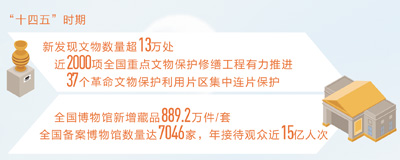
Core Insights - The report from the National Bureau of Statistics highlights the significant growth in China's cultural sector and consumer spending on cultural activities since the start of the 14th Five-Year Plan [1] Group 1: Public Cultural System - By the end of 2024, the number of registered museums in China reached 7,046, an increase of 21.7% compared to the end of 2020 [1] - The comprehensive population coverage rates for radio and television programs are 99.74% and 99.82%, respectively, with digital television users totaling 200 million, reflecting a growth of 0.3% since 2020 [1] - The number of active library cardholders in public libraries reached 110 million in 2024, marking a 9.8% increase from 2020 [1] Group 2: Resident Cultural Consumption - In 2024, the per capita cultural and entertainment spending of residents was 955 yuan, representing a 67.8% increase from 2020, outpacing the growth of overall per capita consumption [1] - Cultural spending accounted for 3.4% of total resident consumption, up by 0.7 percentage points since 2020 [1] - By the end of 2024, the user base for online video, music, and literature reached 1.07 billion, 750 million, and 570 million, respectively, with growth rates of 15.5%, 13.6%, and 24.9% since 2020 [1] Group 3: Cultural Industry Growth - In 2023, the added value of cultural and related industries was 59,464 billion yuan, contributing 4.59% to GDP, an increase of 0.20 percentage points from 2020 [1] - The cultural industry achieved a revenue of 191,423 billion yuan in 2024, reflecting a growth of 37.7% compared to 2020 [1]
我歌唱每一座高山
He Nan Ri Bao· 2025-10-02 23:28
Core Insights - The article highlights the significance of mountains in China as both geographical landmarks and cultural symbols, particularly during the National Day and Mid-Autumn Festival holidays [4] Group 1: Tourism Development - The Daba Mountain region has seen a surge in tourism, with local initiatives promoting immersive experiences related to red history and natural beauty, attracting numerous visitors [7][8] - The village of Tianpu has transformed into a popular tourist destination, with local businesses thriving, including over 20 restaurants and homestays, contributing to significant local income [7] - The integration of red culture into various tourism activities has led to a flourishing local economy, with the establishment of a comprehensive tourism plan [8] Group 2: Ecological Restoration - The Xiaoqinling National Nature Reserve has undergone significant ecological restoration, with an investment of 280 million yuan, resulting in improved water quality and biodiversity [11][12] - The establishment of a scientific observation station in Xiaoqinling marks a new phase in ecological research, focusing on biodiversity and climate change [11][12] Group 3: Cultural Heritage - Mount Song, known for its rich cultural heritage, serves as a historical museum showcasing ancient architecture and significant events in Chinese history [13][14] - The harmonious coexistence of Buddhism, Taoism, and Confucianism at Mount Song reflects the depth of Chinese civilization and attracts numerous tourists seeking cultural experiences [14] Group 4: Health and Wellness Tourism - The Laojieling area is recognized as a natural oxygen bar and health resort, with a focus on eco-tourism and wellness services, attracting a large number of visitors during peak seasons [15][17] - Local businesses have capitalized on the health tourism trend, offering traditional Chinese medicine services and wellness packages, significantly boosting local income [17]
北京抢抓项目建设 确保“十四五”圆满收官
Bei Jing Wan Bao· 2025-10-02 07:21
Group 1 - Beijing is focusing on high-quality development and transitioning from traditional coal mining to a technology-driven economy, exemplified by the establishment of a 600P domestic computing cluster in the Mentougou district [1] - The "Tanzhe Zhikong" large model has been showcased, demonstrating advanced capabilities in generating high-quality video content, indicating significant advancements in AI technology [1] - The Beijing West Intelligence Valley has connected over 800 AI companies, with a new AI technology industrial park set to open, projected to generate over 10 billion yuan in annual output [1] Group 2 - The cultural and financial industry park at the former Peking University site is attracting visitors, showcasing a blend of historical preservation and modern functionality [2] - The approach to urban renewal emphasizes preserving the historical essence of buildings while integrating new functionalities to meet contemporary needs [2] Group 3 - The Beijing Urban Sub-center Station is nearing completion, with significant progress on both above-ground and underground structures, aimed at enhancing urban transportation [3] - The Beijing-Tanggu Intercity Railway is in the final testing phase, promising to improve connectivity to the urban sub-center [3] - The GDP of Beijing is expected to exceed 5 trillion yuan during the 14th Five-Year Plan, with plans for continued high-quality economic development in the upcoming 15th Five-Year Plan [3]
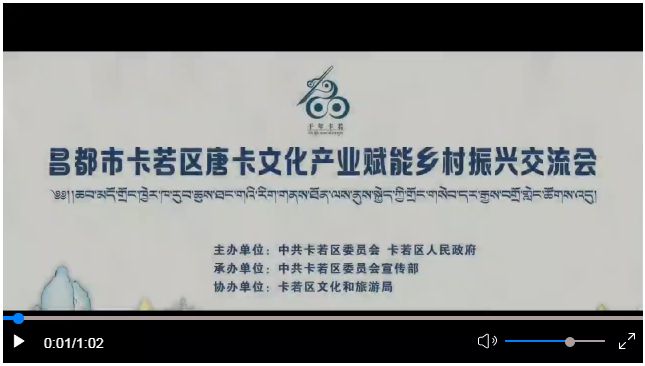
唐卡绘振兴 文脉润卡若——昌都市卡若区唐卡文化产业赋能乡村振兴交流会圆满落幕
Xin Hua Wang· 2025-10-01 12:47
Core Insights - The event held in Changdu's Karuo District focused on leveraging traditional Thangka art for rural revitalization, showcasing a blend of cultural heritage and modern development [2][3] - Experts and representatives from various fields gathered to discuss the historical significance and contemporary applications of Thangka art, aiming to create a clear blueprint for its role in rural revitalization [2][3] Group 1: Event Overview - The Thangka Cultural Industry Empowerment for Rural Revitalization Exchange Conference took place on September 29, featuring participation from scholars, inheritors of intangible cultural heritage, and business representatives [2] - Keynote speeches were delivered by notable figures, including professors and national-level inheritors, discussing the historical context and artistic characteristics of Thangka [2] Group 2: Practical Applications - A special session highlighted practical paths for the Thangka cultural industry, with insights from various experts, including those from the Palace Museum and local travel agencies [3] - The event included the launch of a new book on the preservation and transmission of the Gama Gaqi Thangka painting style, aimed at promoting cultural wisdom through literature [3] Group 3: Future Directions - Karuo District is recognized as a pilot area for cultural industry empowerment in rural revitalization, with national-level intangible cultural heritage Thangka painting styles serving as both cultural treasures and economic drivers [3] - The district plans to use Thangka as a connection point to deepen collaboration and innovation, positioning it as a "cultural engine" for rural revitalization and contributing to the high-quality development of Tibet [3]