
潮玩

Search documents
中国消费的新“老”温差
财富FORTUNE· 2026-01-29 13:10
Core Viewpoint - The article highlights a significant shift in China's consumer landscape, contrasting the performance of traditional consumer brands like Kweichow Moutai with new consumer brands like Pop Mart, indicating a transition towards "new" consumption driven by changing demographics, real estate cycles, and evolving consumer values [1][3]. Group 1: Company Performance - Kweichow Moutai announced a stock buyback plan of 1.5 to 3 billion yuan but saw its stock price decline after the initial buyback, reflecting a defensive market perception [1][3]. - In contrast, Pop Mart's stock buyback of 350 million HKD led to a market capitalization increase of nearly 60 billion HKD within a week, showcasing a strong growth narrative [1][3]. - On January 29, Kweichow Moutai's stock experienced a rare surge, recovering to over 1400 yuan, which also positively impacted other liquor stocks and the real estate sector [3]. Group 2: Market Dynamics - The article discusses the divergence in investment logic between traditional and new consumer brands, with the former viewed as defensive and the latter as growth-oriented [3][4]. - Traditional consumer stocks, particularly in the liquor sector, are closely tied to macroeconomic conditions and the real estate cycle, which has been under pressure, leading to a challenging environment for recovery [3][4]. - New consumer brands like Pop Mart, Anta, and Li Ning are not solely reliant on macroeconomic support but are leveraging innovation to create structural growth opportunities [4][5]. Group 3: Growth Drivers - The core driver for new consumption has shifted from "demographic dividends" to "emotional dividends," focusing on consumer identity and self-expression rather than basic material needs [4][5]. - The Hong Kong consumer index, which includes new consumption sectors, saw a cumulative increase of about 20% in 2025, while the Shanghai consumer index, dominated by traditional sectors, fell nearly 8% [4]. Group 4: International Expansion - Traditional consumer companies lacking international expansion capabilities face stagnation, while new consumer brands are showing strong growth overseas, with Pop Mart reporting a 3.7 times increase in overseas revenue by Q3 2025 [5]. - Successful international strategies are evident in brands like Anta and Li Ning, which are expanding rapidly in Southeast Asia, indicating a shift from "Made in China" to "Global Brands" [5]. Group 5: Valuation and Investment Considerations - Traditional consumer leaders like Kweichow Moutai still hold strong market positions and stable cash flows, with their valuations entering historically low ranges, appealing to risk-averse investors [6]. - New consumer brands face unique challenges, such as sustaining IP creation and managing acquisitions, with high valuations making them sensitive to any signs of growth slowdown [6][7]. - The sustainability of "self-indulgent" consumption is questioned, as it relies on consumer sentiment and disposable income, which may be the first to be scrutinized in uncertain economic times [8].



2029年中国情绪经济规模将超4.5万亿
第一财经· 2026-01-29 13:09
Core Viewpoint - The article discusses the rise of the "emotional economy," driven by consumer demand for emotional satisfaction and experiences beyond basic needs, as highlighted in recent local government reports across various provinces in China [3][4][5]. Group 1: Government Reports and Initiatives - The Chongqing government report emphasizes the cultivation of new consumption types, including emotional economy and silver economy, to meet evolving consumer demands [3]. - The Hubei government report outlines plans to implement special actions to boost consumption, focusing on practical, emotional, and knowledge values by 2026 [3]. - The Jiangxi government aims to expand new consumption types, integrating technologies like AI and virtual reality into various sectors, while promoting emotional consumption and national trend economy [3][4]. Group 2: Emotional Economy Insights - The emotional economy is characterized by consumers willing to spend on happiness, healing, and a sense of belonging, moving beyond traditional necessities [5]. - The market size of China's emotional economy reached 2.31 trillion yuan in 2024, with projections to exceed 4.5 trillion yuan by 2029 [6]. - Emotional consumption is not limited to younger demographics; a significant portion of older consumers also engages in emotional spending, as evidenced by concert attendance statistics [5][6]. Group 3: Recommendations and Future Directions - Suggestions from industry experts include developing emotional economy strategies that integrate healing, experiential, and cultural IP consumption, as well as virtual services [7]. - The proposal for a comprehensive emotional economy development plan in Guizhou aims to create a robust ecosystem that combines products, services, and experiences to enhance consumer satisfaction [7].

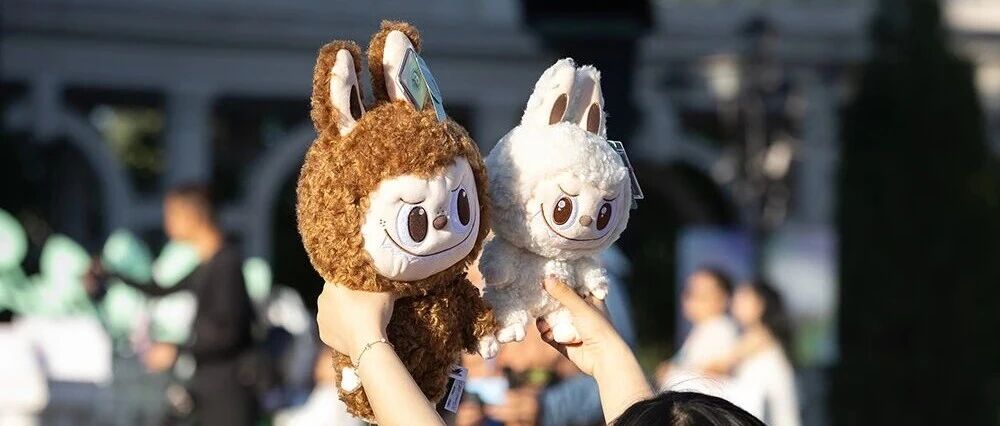
2029年中国情绪经济规模将超4.5万亿,多地大力发展情绪经济
Di Yi Cai Jing Zi Xun· 2026-01-29 12:06
Core Insights - The concept of "emotional economy" is gaining traction in various local government reports, highlighting a shift towards consumption driven by emotional value rather than just practical needs [1][2][4] Group 1: Government Initiatives - Local government reports from regions like Chongqing, Hubei, and Jiangxi emphasize the development of new consumption models such as emotional economy, silver economy, and cultural economy [1][2] - The Guizhou provincial government aims to adapt to new consumption trends by promoting emotional economy and related sectors, including cultural night markets and youth-oriented products [2][5] Group 2: Market Trends - The emotional economy is characterized by consumers willing to spend on experiences that provide happiness, healing, and a sense of belonging, moving beyond traditional necessities [2] - The market size of China's emotional economy is projected to grow from 2.31 trillion yuan in 2024 to over 4.5 trillion yuan by 2029, indicating a significant upward trend [3] Group 3: Consumer Behavior - Emotional consumption is not limited to younger demographics; a notable percentage of older consumers, such as 49.5% of attendees at a concert, are also engaging in emotional spending [3] - Products like LABUBU toys are becoming popular among young consumers as a means of emotional relief and personal expression [3] Group 4: Recommendations and Future Directions - Suggestions from representatives include creating emotional resonance in products and services, leveraging digital media for cultural expression, and developing a comprehensive emotional economy strategy in Guizhou [4][5]
奥飞娱乐:公司事件点评报告:看AI+IP驱动内容与产品再上台阶-20260129
Huaxin Securities· 2026-01-29 02:55
Investment Rating - The report maintains a "Buy" rating for the company [1][8] Core Insights - The company aims to build an IP matrix driven by quality content, focusing on a "youth-oriented" strategy to enhance commercial value through IP operations [2] - The company is strategically positioned in niche markets, with potential growth in card games, building blocks, and plush toys, benefiting from collaborations with major brands [3] - The integration of AI with IP is a key focus, with the launch of AI-powered plush toys showcasing the company's innovative capabilities [4] - Profit forecasts indicate a recovery trajectory, with expected revenues of 28.70 billion and 30.74 billion for 2026 and 2027 respectively, alongside a return to profitability [5][10] Summary by Sections Investment Rating - The company is rated as "Buy" [1][8] Business Strategy - The company emphasizes high-quality content as a critical factor for success across different market cycles, establishing a comprehensive IP matrix that caters to various age groups [2] - The focus on young consumers is evident, with initiatives aimed at activating engagement and expanding the fan base [2] Market Positioning - The company is actively participating in the trendy toy market through its "Unlimited Play" brand strategy, collaborating with notable companies to launch popular products [3] Technological Integration - The company is leveraging AI technology to enhance its product offerings, including the introduction of AI companion plush toys, which reflects its adaptive supply chain capabilities [4] Financial Forecast - Revenue projections for 2026 and 2027 are set at 28.70 billion and 30.74 billion respectively, with net profits expected to reach 1.46 billion and 2.01 billion [5][10]

泡泡玛特20260128
2026-01-29 02:43
Summary of the Conference Call for Pop Mart Company Overview - **Company**: Pop Mart - **Industry**: Consumer Goods, specifically in the collectibles and toys sector Key Points and Arguments Stock Performance and Valuation - The stock price has rebounded following a significant buyback, similar to actions taken in early 2022 and 2023, providing support for future performance. The current valuation is approximately 16 times earnings, which is lower than other consumer stocks, maintaining a recommendation rating [2][4] North American Market Concerns - The North American market is a critical factor influencing Pop Mart's stock price. Despite the maturity of the Chinese and Asian markets, growth concerns remain in North America. The company did not release any related products in Q4 to test the performance of other IPs and build foundational capabilities in the U.S. [2][5] Long-term Strategy for IPs - For 2026, Pop Mart plans to enhance the long-term operation of its main IP, Labubu, through more collaborations and new product launches. The introduction of a 10th-anniversary blind box card aims to increase IP diversity, with expectations of a partnership with Sony for a major film to boost brand value [2][5] Emerging IP Performance - The performance of emerging IPs has been strong, utilizing an industrialized system for new IP launches, focusing on high exposure, content creation, and multi-category operations. Data from TikTok live commerce indicates a significant increase in the share of emerging IPs, suggesting a robust product innovation mechanism [2][6] Growth Projections in China and Asia - The Chinese market is expected to see a natural growth rate of approximately 15% in 2026, with stable and healthy demand. Sales of blockbuster products are performing well. The Southeast Asian market is developing steadily, with notable improvements in East Asia, particularly in Japan and South Korea, where demand is strong and prices have increased [2][7] Store Expansion Plans - By the end of 2025, Pop Mart anticipates having 12 stores in the U.S., with plans to add 40 to 50 more in 2026, aiming for a doubling of store count. In Europe, Australia, and other regions, around 15 new stores are expected. Overall revenue is projected to reach 50 billion, corresponding to a profit of 17.5 billion [2][7] Market Sentiment on Future Performance - There are concerns regarding the sustainability of Pop Mart's performance in 2026. However, the strategy of delaying new product launches is seen as beneficial for building foundational capabilities. The company is optimistic about the long-term operation of its main IPs and the performance of its mid-tier IPs, such as DIMO and Scoop Panda, which have shown good results [3][8]
未知机构:国信传媒泡泡玛特9992HK爆款势能叠加海外加速估值修复正式启航-20260129
未知机构· 2026-01-29 02:20
Summary of the Conference Call for Pop Mart (9992.HK) Company Overview - **Company**: Pop Mart (9992.HK) - **Industry**: Toy and IP (Intellectual Property) industry Key Points 1. IP Potential and Product Performance - New product launches, including the PUCKY Knock Knock series and the Starry People series, have shown strong market performance, selling out immediately [1] - The resale market for hidden variants of these products shows significant price premiums, with values reaching 2-3 times and 3-6 times their original prices, indicating a strong brand value and IP potential [1][2] 2. Seasonal Consumer Trends - The upcoming Spring Festival holiday is expected to enhance consumer spending, which is anticipated to positively impact the company's performance in the first half of the year [2] 3. Management Confidence and Share Buyback - The management team has demonstrated confidence in the company's long-term growth by executing a significant share buyback, totaling 348 million CNY for 1.9 million shares, with 1.4 million shares already canceled [2][3] - This buyback reflects a commitment to shareholder returns and confidence in the company's future [3] 4. International Expansion and Operational Depth - The company is experiencing rapid growth in overseas channels, supported by IP parks and collaborative events that enhance commercialization depth [3] - Current price-to-earnings (PE) ratios are noted at 24x, 17x, and 14x, suggesting potential for upward adjustment in both earnings expectations and valuation [3] 5. Valuation and Investment Outlook - The company is currently in a phase of high growth in performance while being undervalued, indicating significant potential for valuation correction [4] - The investment rating is maintained at "Outperform" relative to the market, highlighting confidence in Pop Mart's position as a leader in the global trendy toy sector and its expansive growth opportunities [4]
奥飞娱乐(002292):公司事件点评报告:看AI+IP驱动内容与产品再上台阶
Huaxin Securities· 2026-01-29 01:29
Investment Rating - The report maintains a "Buy" rating for the company [1][8] Core Insights - The company aims to leverage high-quality content as a key driver for its IP matrix, focusing on a "youth-oriented" strategy to enhance commercial value and engage younger audiences [2][4] - The company is strategically positioned in niche markets, with plans to expand its product offerings in card games, building blocks, and plush toys, benefiting from collaborations with major brands [3][4] - The integration of AI technology is expected to enhance the company's IP expressions and product offerings, exemplified by the launch of AI-powered plush toys [4][8] Financial Forecast - The company forecasts revenues of 2.87 billion and 3.07 billion yuan for 2026 and 2027, respectively, with net profits projected at 146 million and 201 million yuan [5][10] - Earnings per share (EPS) are expected to be 0.10 yuan in 2026 and 0.14 yuan in 2027, with corresponding price-to-earnings (P/E) ratios of 91.3 and 66.2 [5][10] - The company anticipates a significant recovery in net profit, with a growth rate of 116.4% in 2026 and 37.9% in 2027 [10]
王宁,宁王
3 6 Ke· 2026-01-29 00:30
Core Insights - The article discusses the contrasting yet complementary roles of two prominent figures in the Chinese market: Wang Ning of Pop Mart and Zeng Yuqun of CATL, highlighting their contributions to consumer culture and technology respectively [2][21]. Group 1: Company Overview - Pop Mart, founded by Wang Ning, specializes in emotional consumer products, particularly blind box toys that allow consumers to project their feelings onto unbranded characters [3][4]. - CATL, led by Zeng Yuqun, focuses on the production of electric vehicle batteries, emphasizing technical specifications such as energy density and charging speed [5][6]. Group 2: Business Models - CATL operates on a B2B model, primarily serving major automotive manufacturers and aligning its success with the broader trends in the electric vehicle industry [10][11]. - Pop Mart employs a D2C model, directly engaging with consumers and relying on their emotional responses to drive sales [11]. Group 3: Competitive Advantages - CATL's competitive edge lies in its technological advancements and significant investment in R&D, creating high barriers to entry for competitors [9][18]. - Pop Mart's strength is rooted in its cultural IP and community engagement, allowing it to create a unique brand identity that resonates with consumers [9][18]. Group 4: Market Trends and Future Outlook - Both companies are positioned to expand globally, with CATL establishing factories in Europe and Pop Mart opening stores in major international cities, reflecting their respective strengths in technology and cultural appeal [13][14]. - The article suggests that both companies have successfully identified and capitalized on emerging market trends, with Zeng Yuqun recognizing the potential of electric vehicles early on and Wang Ning tapping into the demand for emotional consumer products [20][21].

开年以来近百家公司冲刺港股IPO “A+H”热潮涌动
Shang Hai Zheng Quan Bao· 2026-01-28 23:36
Group 1 - The core trend in the Hong Kong IPO market is the surge in companies applying for listings, with nearly 100 companies submitting applications to the Hong Kong Stock Exchange (HKEX) in January alone, indicating a strong momentum for the "A+H" listing strategy [1][4] - The majority of companies applying for IPOs are from sectors such as software services, hardware, semiconductors, biomedicine, medical devices, and consumer goods, reflecting a diverse interest across industries [2][3] - Notably, over ten biopharmaceutical companies are pursuing IPOs under Chapter 18A of the HKEX listing rules, focusing on unmet medical needs in oncology and immunology, showcasing the growing importance of the biotech sector in Hong Kong [2] Group 2 - Consumer brands are also actively seeking listings, with over ten well-known companies in the food and beverage, restaurant chain, and retail sectors submitting applications, indicating a robust interest in the consumer market [3] - The trend of A-share companies applying for Hong Kong listings is driven by the need to enhance global strategies, broaden financing channels, and accelerate overseas business development, positioning Hong Kong as a key platform for international market access [4] - The CEO of Goldman Sachs anticipates a strong recovery in the Hong Kong IPO market in 2026, with expectations for significant increases in both the number of IPOs and the scale of financing, provided that macroeconomic conditions remain stable [4] Group 3 - Despite the IPO boom, there are concerns regarding the quality of applications, with some companies submitting incomplete or poorly prepared documents, leading to scrutiny from the market [5] - The CEO of HKEX emphasized the importance of maintaining high-quality standards for IPO applications, stating that the recent influx of applications has put pressure on resources and collaboration, which could compromise quality [5]
泡泡玛特(09992.HK):回购传递信心 长期成长逻辑未变
Ge Long Hui· 2026-01-28 22:26
Core Viewpoint - The company is actively expanding its international production capacity and enhancing its IP platform capabilities to meet market demand, particularly in North America, while maintaining a solid domestic base. Group 1: Company Actions - The company has conducted two share buybacks, spending 2.51 million and 0.96 million HKD to repurchase 140,000 and 50,000 shares at average prices of 179.60 and 192.98 HKD per share respectively [1] - The company is accelerating the establishment of international production capacity, with a quick response from its Mexico base to address operational challenges and supply chain pressures [1] Group 2: IP Development - The company has successfully launched collaborations with popular IPs, such as SKULLPANDA's partnership with the hit series "Wednesday," receiving positive market feedback [1] - The company is expanding its IP matrix, with products like SKULLPANDA, DIMOO, and Crybaby entering the billion-yuan revenue tier, indicating a clear platform characteristic [1] Group 3: Market Performance - The company has seen strong sales of new products, with a series of launches in January leading to rapid sell-outs and significant resale premiums in the secondary market [1] - The domestic market remains solid, with a mature brand perception and balanced IP lineup, contributing to increased store efficiency and sales growth [1] Group 4: Financial Projections - The company has adjusted its profit forecasts, expecting net profits of 12.235 billion, 17.475 billion, and 21.734 billion CNY for 2025-2027, with corresponding PE ratios of 21, 15, and 12 [2] - A target price of 319.85 HKD has been set based on a 22X PE for 2026, maintaining a "strong buy" rating [2]