炼油

Search documents
惊世大反转!俄罗斯燃油危机爆发,竟向中国紧急进口汽油,免税政策暗藏战略玄机
Sou Hu Cai Jing· 2025-10-10 08:17
Core Viewpoint - Russia, once a dominant player in global oil exports, is now facing a fuel crisis and has begun importing gasoline from China, a move driven by military drone attacks and Western sanctions [1][3][5] Group 1: Energy Crisis in Russia - The fuel shortage in Russia is a result of targeted attacks on oil refineries by Ukrainian drones, leading to the destruction of 21 out of 38 refineries and a significant reduction in oil processing capacity [3][5] - By September, Russia's gasoline production dropped by one million tons, creating a domestic supply gap of 20%, with some regions experiencing severe fuel shortages [5][9] - The price of gasoline has surged by 45% since the beginning of the year, exacerbating the crisis for both civilians and military personnel [5][9] Group 2: Shift Towards China - In response to the crisis, Russia is turning to China for gasoline imports, benefiting from China's status as the world's largest exporter of refining equipment [7][9] - The import deal includes the removal of a 5% import duty and a 13% value-added tax, allowing Russia to cover a monthly gasoline shortfall of 350,000 tons [7][9] - This partnership reflects a broader trend in global energy transition, with China leading in ethanol gasoline technology [7][9] Group 3: Long-term Implications - While importing gasoline provides temporary relief, logistical challenges and ongoing drone attacks threaten the sustainability of this solution [9][11] - The reliance on external aid could undermine Russia's strategic autonomy, as the country faces long-term challenges in restoring its energy production capabilities [9][11] - The situation serves as a warning about the interconnectedness of energy security, technology, and geopolitical dynamics, highlighting the fragility of even the strongest energy nations [11]

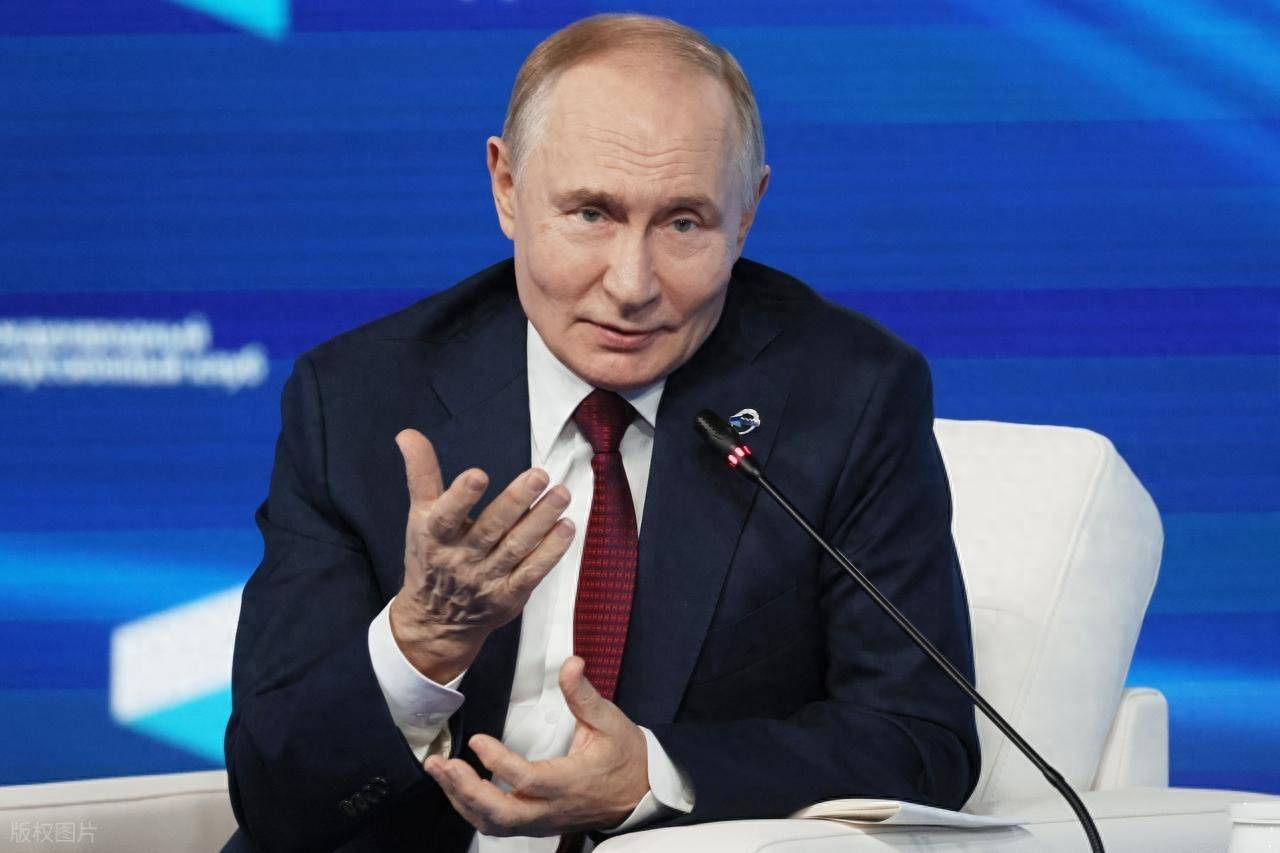
燃料油日报:Dangote炼厂RFCC装置有望近期重启-20251010
Hua Tai Qi Huo· 2025-10-10 05:56
就燃料油自身基本面而言,高硫燃料油市场结构近期边际走强,期货注册仓单量减少也对FU盘面结构形成额外支 撑。但基于目前的估值水平与供需状况来看,上行驱动和空间仍有限,需要新的变量催化。 低硫燃料油方面,近期Dangote与Pengerang炼厂RFCC装置停工导致局部低硫燃料油供应增加,9月份发货量达到50 万吨,对现货市场形成一定压制。而根据IIR最新消息,Dangote炼厂装置可能会在10月14日重启,如果顺利运行则 该炼厂低硫燃料油产量将再度回落,从而缓解局部供应压力。中期来看,低硫船燃需求份额被替代的趋势尚未逆 转,市场上方阻力依然较大。 策略 燃料油日报 | 2025-10-10 Dangote炼厂RFCC装置有望近期重启 市场分析 上期所燃料油期货主力合约日盘收跌1.25%,报2834元/吨;INE低硫燃料油期货主力合约日盘收跌1.23%,报3360 元/吨。 原油价格反复震荡,俄乌局势引发的地缘溢价还在延续,但基本面转为过剩的预期开始演绎,因此短期方向不明 朗,中期油价存在一定下行压力。 高硫方面:短期中性,中期向下 低硫方面:短期中性,中期向下 跨品种:无 跨期:逢低多FU2511-2512价差 ...
泰国日本继续加大美国原油采购
Zhong Guo Hua Gong Bao· 2025-10-10 02:54
Group 1 - Thai and Japanese refiners are actively increasing their procurement of U.S. crude oil for the remainder of the year, driven by the competitive pricing of low-sulfur U.S. crude and a desire to reduce dependence on Middle Eastern oil [1][2] - Thai refiners are diversifying their crude oil sources to mitigate the impact of geopolitical tensions that have significantly affected profitability, while Japanese refiners are also seeking to lessen their reliance on Middle Eastern oil amid escalating conflicts [1] - PTT, Thailand's state-owned oil giant, has established an "emergency team" to monitor global economic conditions and optimize procurement strategies, including increasing U.S. crude purchases [1] Group 2 - In August, Thailand imported 146,682 barrels per day of U.S. crude oil, a year-on-year increase of 44.7%, while the total imports from January to August rose by 30.5% to 151,250 barrels per day, accounting for nearly 16% of Thailand's total crude imports [2] - Japan's imports of U.S. crude oil in August were 68,918 barrels per day, a year-on-year decrease of 7.8%, but still above the three-year average; from January to August, imports increased by 42.9% to 85,017 barrels per day [2] - The pricing advantage of U.S. crude is driving demand from Thai and Japanese refiners, with the Brent-Dubai spread turning negative, indicating that various low-sulfur crudes from the Americas, North Sea, and Southeast Asia are more economically competitive than Middle Eastern crude [2] Group 3 - The increase in U.S. crude imports is also serving as a diplomatic tool to support trade negotiations; for instance, PTT's imports reached a record high of 7.3 million barrels in June, enhancing Thailand's strategic position in ongoing trade talks with the U.S. [3] - Thailand successfully reduced the U.S. reciprocal tariff from 36% to 19% effective August 6, which is expected to further strengthen its negotiating position by committing to import more U.S. crude [3] - Japan's significant increase in U.S. crude purchases is anticipated to provide leverage in future trade negotiations, despite the U.S. agreeing to impose a 15% import tariff on Japanese goods [3]
俄袭电网乌炸炼油:谁先向冬天低头?
Sou Hu Cai Jing· 2025-10-09 15:16
Group 1 - The core conflict revolves around energy supply and survival, with Ukraine facing a severe energy crisis due to Russian attacks, leading to a significant reduction in natural gas production and reliance on imports [2][3] - Ukraine's energy minister stated that the country needs to import 4.4 billion cubic meters of natural gas this winter, costing nearly 2 billion euros, highlighting the financial strain on Ukraine's already depleted budget [2][3] - Russia is experiencing a paradox of a "refining crisis," with a 40%-45% loss in refining capacity due to Ukrainian strikes, leading to domestic fuel shortages and a decrease in oil export revenues, which constitute 45% of the federal budget [3][5] Group 2 - Ukraine's survival depends heavily on Western support, with the EU pledging an additional 16 million euros for heating equipment and 50 billion euros in long-term support, but the timing of this aid is critical [3][5] - Russia maintains a steady flow of crude oil exports, exceeding 3 million barrels per day to China and India, which helps sustain its income despite the refining challenges [5] - The ongoing conflict's outcome will be determined by the sustainability of external support for Ukraine and the internal resilience of both nations, with Ukraine facing imminent risks of energy supply failure and Russia dealing with refining capacity issues [5][6]
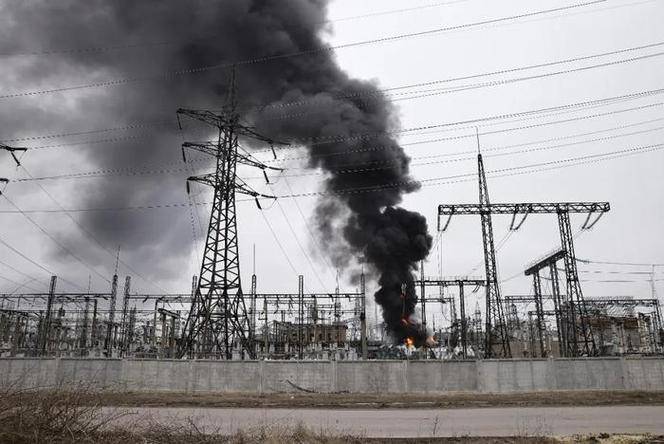
能源大国转身!俄罗斯燃油危机,产能大停摆,急寻中国汽油解油荒
Sou Hu Cai Jing· 2025-10-09 09:32
能源大国遭遇燃油危机 目前俄罗斯的能源生命线正遭受精准打击。 自2025年8月开始,乌克兰无人机持续对俄罗斯境内炼油设施发起攻击,9月份就有4家大型炼油厂被迫 停产,包括排名全国第二的基涅夫炼油厂与五大炼油厂之一的梁赞炼油厂,10月的前五天,又有4座年 产能超1700万吨的炼油设施接连中招 不仅如此,俄罗斯的港口也是乌克兰无人机的攻击对象。今年8月,乌斯季卢加港遭到乌克兰无人机攻 击,导致该港口的石油装载量仅为正常水平的一半,9月12日乌克兰又对俄罗斯在波罗的海地区最大的 石油出口基地普里莫尔斯克港发起袭击。 炼油设施的受损带来的是链条式的断裂,依赖规模化炼油的俄罗斯成品油的供应能力也随之骤降,汽油 在国内市场的稀缺迅速显现,乌克兰正是通过这种手段不断撕开俄罗斯能源安全的防线。 多个报道提到,遭袭的目标集中在炼油环节的核心装置,例如原油蒸馏、减压蒸馏等环节,一旦损坏, 就意味着大规模装置停摆。同时俄罗斯炼油设备的关键技术与零部件高度依赖欧美企业供应,而西方制 裁正好掐住这一命脉,被击毁的装置即便想要重建,也因缺乏催化剂与控制系统而难以快速恢复。 一辆汽车停在俄罗斯克里米亚的加油站前,驾驶员却被告知每人只能加3 ...
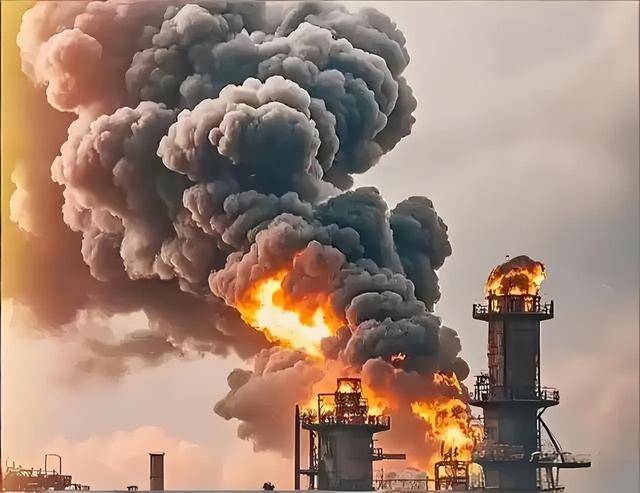
炼油行业“金九”行情落空,“银十”成色几何? 分析机构:电商物流运输和农业用油将形成支撑
Mei Ri Jing Ji Xin Wen· 2025-10-09 08:29
Core Insights - The traditional peak season for the refining industry in September did not materialize as expected, leading to a significant decline in profits due to dual pressures from costs and revenues [1][2][3] Summary by Sections Profit Decline - In September, the average refining profit for domestic refineries was 167 yuan/ton, a substantial decrease of 174 yuan/ton, representing a drop of 50.99% month-on-month and 10.65% year-on-year [1][2] - The average revenue from refined products was 5,337 yuan/ton, down 92 yuan/ton, a decline of 1.69% [1][2] - The comprehensive refining cost increased to 5,170 yuan/ton, up 82 yuan/ton, marking a rise of 1.61% [1][2] Supply and Demand Imbalance - The weak revenue was attributed to an exacerbated supply-demand imbalance, with many refined products experiencing oversupply and weak demand [3] - Key factors included weak demand for solvent oil and asphalt, uncertainty in international oil prices affecting market confidence, and adverse weather conditions in southern regions [3] Regional Insights - In Shandong, independent refineries saw a significant drop in profits, with the processing profit for imported crude oil falling to 132.83 yuan/ton, down 182.75 yuan/ton, a decline of 57.91% [3] - Despite an increase in operating rates among Shandong refineries, the release of production capacity did not translate into higher profits [3] October Outlook - Analysts expect a slight increase in refining profits in October due to anticipated relief on the cost side and seasonal demand support [6] - The international oil price is expected to face downward pressure, which could lower procurement costs for domestic refineries [6] - Diesel demand is projected to remain strong due to logistics and agricultural needs, while gasoline consumption may face seasonal declines after the holidays [6][7] - There are concerns about potential raw material shortages for Shandong refineries due to rapid usage of import quotas and maintenance schedules [7]
美欧能源协议因何备受非议
Sou Hu Cai Jing· 2025-10-08 22:50
Core Viewpoint - The ongoing debate surrounding the US-EU energy agreement highlights significant skepticism from European stakeholders, who view the deal as potentially detrimental to their manufacturing sector due to increased energy costs, despite claims of a historic victory from US President Trump and a difficult but good agreement from EU Commission President von der Leyen [2] Group 1: Agreement Details - The energy agreement spans three years and is valued at $750 billion, with the EU committing to purchase $250 billion worth of US energy products annually [2] - Current EU energy import data indicates that in 2024, the total energy import value will be $433 billion, with less than $80 billion coming from the US, falling short of the new agreement's annual target by nearly two-thirds [2] Group 2: Oil and LNG Import Challenges - The EU's oil import gap is significant, with only 16.1% of total oil imports coming from the US in 2024, necessitating a more than threefold increase to meet the agreement's requirements, which could raise procurement costs by at least 30% [3] - Although the US has become the main LNG supplier to the EU, accounting for 45.3% of LNG imports, the projected annual LNG procurement total for the EU in 2024 is only $46.5 billion to $58 billion, far below the $250 billion target [4] Group 3: Structural Constraints on US Energy Supply - The US LNG export capacity is projected to reach 11.9 billion cubic feet per day in 2024, but even with planned projects, the increase in capacity will be insufficient to meet the EU's demand [5] - The US's current oil export capacity is constrained, with an export load factor of 89%, and achieving the $250 billion target would require redirecting 80% of US energy exports to Europe, which is economically unfeasible given the higher profits from Asian markets [5] Group 4: Infrastructure Limitations - The US has only six operational LNG export terminals, all running at full capacity, and the global fleet of LNG carriers is limited, with a need for over 200 additional ships to meet the agreement's transport demands [6] - The construction of new LNG carriers takes approximately three years, making it impossible to quickly address the transportation capacity shortfall [6] Group 5: Political and Economic Implications - The agreement reflects complex political dynamics within the EU and increases internal divisions regarding energy policy, particularly in the context of the EU's "de-Russification" strategy [7] - If the agreement is fulfilled at current prices, EU energy import costs could rise by 57%, translating to an additional €680 per household annually [7] - The long-term energy cooperation framework between the US and EU is likely to undergo necessary adjustments to align with market realities during the execution of the agreement [7]

俄罗斯面临严重燃油短缺,要从中国进口汽油!拿错剧本了吧?
Sou Hu Cai Jing· 2025-10-08 10:46
Core Insights - Russia, once controlling 9.3% of global refined oil exports, is facing an unprecedented fuel crisis, leading to plans for gasoline imports from China and temporary tax exemptions on these imports to address the growing domestic supply gap [1][3]. Group 1: Impact of Ukrainian Drone Strikes - Continuous drone attacks from Ukraine and Western sanctions have severely impacted Russia's energy sector, with 21 out of 38 refineries targeted since August 2025 [3]. - In September, four major refineries were forced to halt production, including the second-largest refinery in Russia, resulting in a 40% reduction in refining capacity and a daily loss of 33.8 thousand tons of refined oil [3][5]. - The gasoline production in Russia decreased by 1 million tons in September, creating a domestic market shortfall of 20% of consumption [3][5]. Group 2: Government Response and Import Strategy - The Russian government has proposed eliminating a 5% import tariff and a 13% VAT on gasoline from China, which could add 350 thousand tons of gasoline supply monthly [5]. - The strategy includes utilizing the China-Europe Railway Express to mitigate risks associated with transportation, marking a shift from traditional "crude for products" exchanges to a more flexible two-way supply model [5]. Group 3: Challenges and Long-term Implications - Importing gasoline is a temporary solution, as the 20-day shipping time and inland transport costs diminish the effectiveness of the tax exemptions [7]. - Fuel shortages are reported in over 20 regions in Russia, with oil prices rising by 45% since the beginning of the year, exacerbating the situation as winter approaches [7][9]. - The reliance on external supplies threatens Russia's economic stability and geopolitical strategy, highlighting the increasing importance of Eastern markets in this context [9].
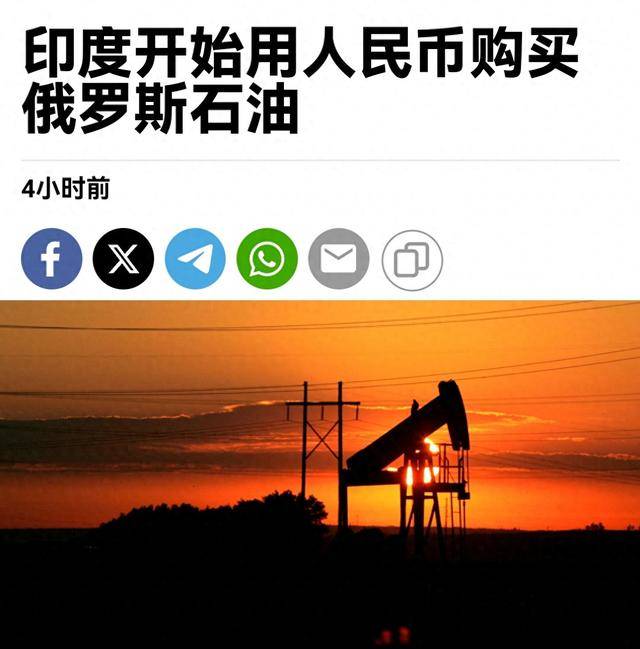
莫迪宁可得罪美国,也要用人民币购买俄罗斯石油,两年来第一次
Sou Hu Cai Jing· 2025-10-08 09:12
Core Viewpoint - The decision by Indian state-owned refineries to resume purchasing Russian oil in RMB is not merely a trial but a necessity driven by geopolitical and economic realities, marking a significant shift in global energy trade dynamics [3][18]. Group 1: Geopolitical Context - The ongoing Russia-Ukraine conflict and Western financial sanctions have effectively excluded Russia from mainstream financial systems, making traditional currencies like USD and EUR unusable for Russian oil transactions [6][16]. - India's previous attempts to use RMB for oil purchases were hindered by strained Sino-Indian relations, but private refineries continued to utilize this payment method [8][10]. Group 2: Economic Implications - The price advantage of Russian oil has diminished, with discounts shrinking from $10-20 per barrel in 2022 to just $2-3 by 2025, yet the diversification of payment methods remains crucial for energy security [10][12]. - The shift towards RMB payments is part of a broader trend of "de-dollarization," with over 90% of Sino-Russian trade now conducted in local currencies, indicating a move towards a financial ecosystem less reliant on the USD [12][16]. Group 3: Future Outlook - The issuance of RMB-denominated "panda bonds" by Russian energy companies and the increasing interest from other nations in local currency settlements suggest a growing trend towards financial independence from the USD [14][16]. - The evolving global trade landscape presents opportunities for emerging markets to assert more control over their economic transactions, with RMB internationalization being a key aspect of this shift [16][18].
乌克兰总司令这一跪,背后是千里之外的能源命脉突袭战
Sou Hu Cai Jing· 2025-10-07 17:12
Core Insights - The article highlights the intensifying conflict between Ukraine and Russia, marking a significant shift in the war dynamics as both sides escalate their military strategies and capabilities [1][3][7]. Group 1: Military Developments - Ukrainian forces have demonstrated an unexpected upgrade in their long-range strike capabilities, successfully targeting key Russian infrastructure, including oil refineries and ammunition factories [5][7]. - Russia has launched a massive retaliatory strike against Ukraine, deploying over 50 missiles and approximately 500 drones, aiming to cripple Ukraine's energy and civilian infrastructure before winter [3][8]. - The Ukrainian military has systematically targeted 16 oil refineries within Russia, reducing total production capacity by 14.68 million tons, leading to severe gasoline shortages and skyrocketing prices [3][5]. Group 2: Human Cost of the Conflict - The human toll of the conflict is staggering, with Ukrainian forces suffering approximately 15,000 casualties in a single month, while Russian casualties are estimated to be nearing 300,000 in 2025 [10]. - The emotional weight of the war is underscored by the actions of Ukrainian military leaders, who publicly acknowledge the losses and sacrifices made by their troops [1][10]. Group 3: International Involvement - Western intelligence support has been crucial in enhancing Ukraine's long-range strike capabilities, providing detailed coordinates and weak points of Russian targets [7]. - Military aid from international allies continues to flow into Ukraine, with Greece planning to supply artillery and NATO members pressuring for the transfer of fighter jets [7]. Group 4: Strategic Objectives - Russia's focus on attacking Ukraine's energy infrastructure is a strategic move to undermine the morale of the Ukrainian populace as winter approaches [8]. - Ukraine has secretly deployed American-made energy storage systems with a total capacity of 200 megawatts, capable of providing emergency power to 600,000 households for up to two hours [8].