军工制造

Search documents
加拿大总理:今年实现军费开支占GDP 2%的北约目标,将创建新AI研究机构
Hua Er Jie Jian Wen· 2025-06-09 15:35
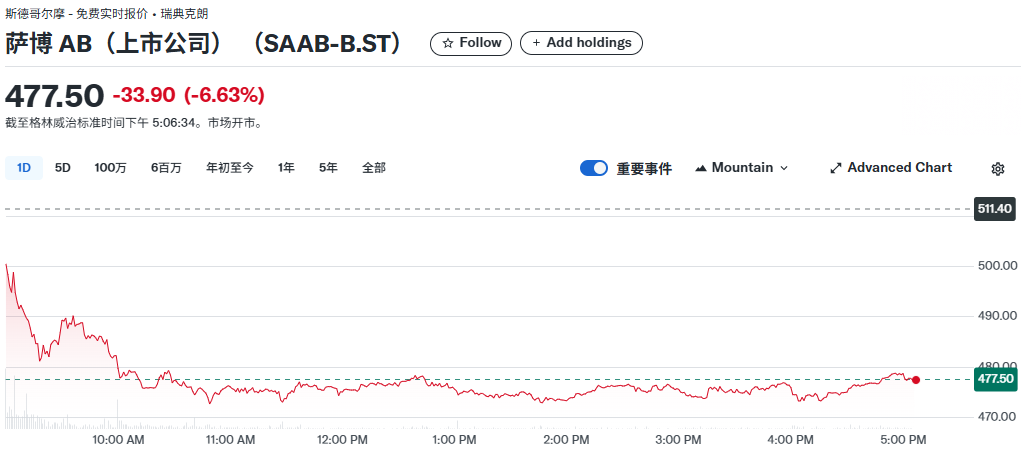
Group 1 - Canada will increase military spending to meet NATO's requirement of 2% of GDP, achieving this goal ahead of the original target of 2032 [1] - Current defense spending is approximately 1.4% of GDP, indicating a significant increase in military budget allocation [1] - Measures to enhance military presence include raising military personnel salaries and procuring more military equipment such as submarines, aircraft, ships, armored vehicles, artillery, and advanced monitoring technologies [1] Group 2 - The Canadian government plans to establish a new defense procurement agency to prioritize domestic defense products, reducing reliance on U.S. defense capital [1] - The new defense policy will support the domestic defense industry by sourcing steel and aluminum from Canadian companies [1] - Following the announcement, European defense stocks like Saab and Kongsberg Gruppen ASA experienced declines, with Saab dropping approximately 7.2% [2]

搬起石头砸脚实录:特朗普加税3700亿,中国反手让美国农民损失230亿
Sou Hu Cai Jing· 2025-06-09 10:32
Group 1 - The U.S. is facing significant challenges in securing rare earth materials, which are critical for military applications, particularly the F-35 fighter jet that requires 417 kg of rare earths per unit [3] - China's dominance in rare earth refining technology is causing U.S. defense contractors to struggle with quality and cost, leading to a 42% increase in production costs due to the need for three times the raw materials to produce acceptable quality [3] - The trade war initiated by the U.S. has resulted in a significant drop in China's technology exports to the U.S. by 31%, while ASEAN countries have seen a 143% increase in orders for 28nm chips from China [4] Group 2 - Negotiations in London have stalled, with the U.S. proposing a "rare earth for chips" deal, but China is demanding Boeing orders and Texas semiconductor factories in exchange [6] - Chinese companies are exploring the establishment of rare earth refining facilities in the Middle East, indicating a potential shift in the global supply chain [6] - The current geopolitical landscape mirrors historical events, with China leveraging rare earths to influence global industry, contrasting with the U.S. focus on isolationist policies [6]
乌军称对俄导航设备制造厂发动无人机袭击
news flash· 2025-06-09 09:41
Group 1 - The Ukrainian Armed Forces conducted a drone attack on a military enterprise in the Chuvash Republic of Russia, targeting a facility that produces navigation equipment to weaken the Russian military's airstrike capabilities [1]
A股创新药军工双引擎发力 中航沈飞涨停创新药概念股爆发
Sou Hu Cai Jing· 2025-06-09 05:41
Group 1: Innovation Drug Sector - The innovation drug sector experienced explosive growth, with stocks like Changshan Pharmaceutical rising nearly 20% and multiple stocks hitting the daily limit [3] - The strong performance of this sector is closely related to policy support, as the overall valuation level of the pharmaceutical industry remains relatively low after a prolonged adjustment [3] - In Q1 of this year, China saw a record high in innovation drug license-out transactions, with 41 deals totaling $36.929 billion, surpassing the total for the first half of 2024 and nearing the total for the entire year of 2023 [3] Group 2: Military Industry Sector - The military sector also showed significant strength, with stocks like AVIC Shenyang Aircraft Corporation hitting the 10% limit and other related stocks following suit [4] - The strong performance in this sector is linked to international military trade cooperation, particularly Indonesia's evaluation of purchasing Chinese-made J-10 fighter jets, which offer a significant price advantage compared to previous French purchases [4] - Following the rise of AVIC Shenyang, other stocks in the AVIC system also saw increases, and related funds like the defense ETF experienced noticeable inflows [4]


中国战机连爆大单!军工股集体“起飞”
Ge Long Hui A P P· 2025-06-09 05:19
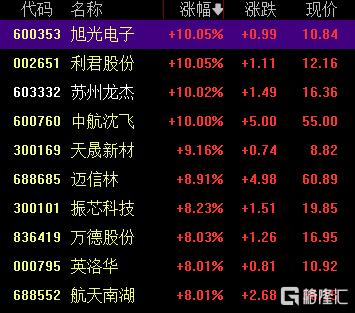
Core Viewpoint - Recent developments in China's military trade, including significant orders from Pakistan and potential purchases from Indonesia, indicate a growing international competitiveness of Chinese military products and a shift towards a more comprehensive combat system export model [1][4]. Military Trade Developments - Indonesia is considering the procurement of 10 J-10 fighter jets, while Pakistan has officially announced an order for 40 J-35 stealth fighters, along with other advanced military equipment [1][3]. - The recent military trade orders reflect a milestone for China's military exports, marking a transition to higher-end, higher-value products and opening new market opportunities [4]. Stock Market Reaction - Following the announcements, the A-share military sector experienced a significant surge, with stocks such as Xuguang Electronics and Lijun Shares hitting the daily limit up of 10% [1][2]. Export Scale and Trends - China's military export scale has significantly increased, with a total growth of 64.6% from 10,140 million TIVs in 2004-2013 to 16,690 million TIVs in 2014-2023 [6]. - Notable increases in specific categories include: - Aircraft exports rose from 3,195 million TIVs to 4,764 million TIVs, a 49.12% increase [6]. - Naval vessels saw a dramatic increase from 1,926 million TIVs to 4,314 million TIVs, a 124% increase [6]. - Air defense weaponry exports surged by 436.21%, from 243 million TIVs to 1,303 million TIVs [6]. Industry Outlook - Analysts predict a strong recovery in the military industry, with expectations of improved performance in the second half of the year compared to the first half [8]. - The military sector is expected to benefit from geopolitical tensions, such as the ongoing Russia-Ukraine conflict, which has heightened global military trade activity [4][8]. - The military industry is characterized by better asset quality, larger business scale, and a higher market ceiling, suggesting a potential revaluation of the sector [7].
中国稀土管制震动西方美进口暴跌163%外媒:“卡脖子”轮到我们了?
Sou Hu Cai Jing· 2025-06-08 11:03
Core Viewpoint - The recent export control on rare earths by China has triggered significant global repercussions, highlighting the strategic importance of rare earths in the tech and military sectors, and escalating the ongoing competition between the US and China for technological supremacy [1][6][18] Group 1: Impact of China's Export Control - China's export control on seven categories of medium and heavy rare earths has led to a dramatic price increase, with international prices soaring by 210%, and specific prices like dysprosium oxide exceeding $850 per kilogram [6][12] - The US military-industrial complex is heavily reliant on Chinese rare earths, with the F-35 fighter jet requiring 417 kilograms of rare earths, and the US Department of Defense having stockpiled 3,000 tons of rare earth permanent magnets, which still may not suffice [5][6] Group 2: US Response and Strategy - In response to the export controls, the US has attempted to mitigate the impact by approving exemptions for rare earth mining and planning investments in rare earth mines in Brazil and Mongolia, but remains dependent on China for processing, which accounts for 90% of global refining capacity [7][8] - The US has also imposed significant tariffs on Chinese goods, citing issues like fentanyl, while simultaneously seeking to secure rare earth supplies, reflecting a contradictory approach [6][8] Group 3: Global Reactions and Economic Consequences - Major automotive companies, including Ford and General Motors, are facing severe operational challenges, with Ford resorting to layoffs and GM's stock price dropping by 12% due to supply chain disruptions caused by rare earth shortages [9][12] - The European Union has reacted by introducing the "Critical Raw Materials Act," and German automakers have united to challenge US policies, indicating rising tensions among allies [9][12] Group 4: China's Strategic Position - China's domestic demand for rare earths is increasing, particularly in the electric vehicle and wind power sectors, with a reported 15% year-on-year growth in consumption in Q1 2025, which helps offset losses from exports [12][18] - Chinese companies are transitioning from merely selling raw materials to offering technology, as evidenced by a 727% increase in net profit for Northern Rare Earth and a 40% growth in orders for Ningbo Yunsheng [12][18] Group 5: Future Outlook - The demand for rare earths is expected to surge with advancements in technology, such as Tesla's Optimus robot potentially requiring an additional 400,000 tons of rare earths if mass production is achieved [13][18] - China's control over rare earth processing patents and its established supply chain create significant barriers for foreign companies attempting to bypass Chinese resources, with Japan's efforts to develop "no-rare-earth magnets" failing [17][18]

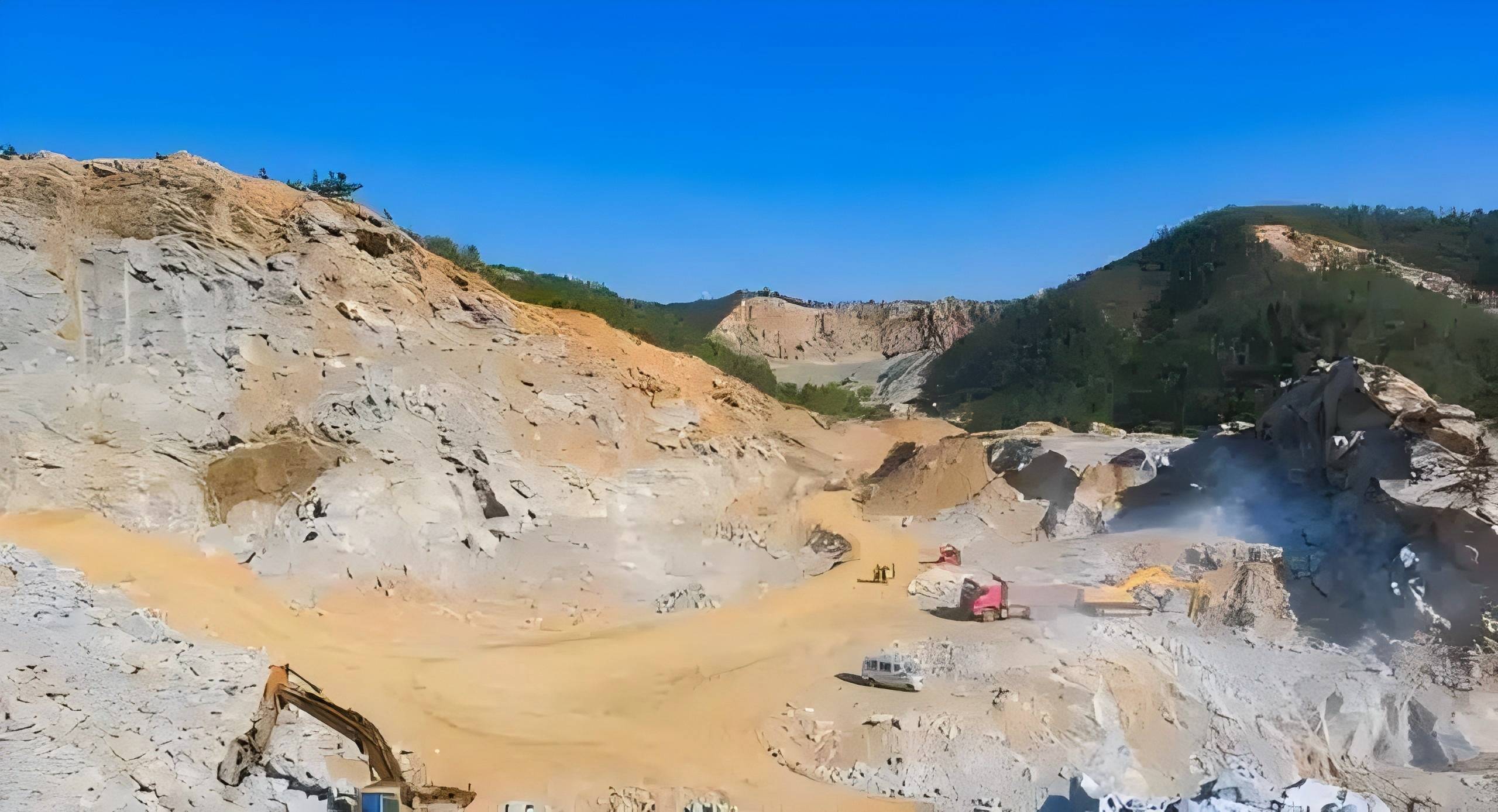
西方跨国企业抱团施压稀土管制,中方打出组合拳,稀土管控升级
Sou Hu Cai Jing· 2025-06-08 06:19
Group 1 - China's Ministry of Commerce stated that as long as applications meet regulations, exports of rare earths will be approved, and this policy is not targeted at specific countries [1][10] - The tightening of rare earth export controls has led to significant disruptions in global high-tech supply chains, moving beyond typical trade friction [1][14] - The U.S. defense contractor Lockheed Martin has faced production halts of its F-35 fighter jets due to interruptions in the supply of high-performance neodymium-iron-boron magnets, resulting in losses of millions of dollars [2][14] Group 2 - Tesla is experiencing supply chain issues related to rare earth materials needed for its electric motors, threatening the production schedule of its Model series [4][14] - The German automotive industry, represented by major manufacturers like BMW, Mercedes-Benz, and Volkswagen, warned that a disruption in Chinese rare earth supplies lasting over three months could lead to a large-scale paralysis of the European automotive industry [5][14] - Japanese automaker Suzuki had to suspend production at its Shizuoka plant due to a shortage of specific rare earth elements from China, highlighting the direct impact of supply chain tensions on manufacturing [5][14] Group 3 - The U.S. government's response to the rare earth control issue has been inconsistent, with President Trump pressuring China to ease export controls while simultaneously imposing technology sanctions [7][8] - This dual strategy of demanding rare earths while restricting technology reveals deep contradictions in U.S. policy, which has inadvertently spurred advancements in China's technology sector [8][12] - China's export control system for rare earths is based on international trade rules and aims to ensure the stability of global supply chains [10][16] Group 4 - The international competition over rare earths reflects a clash of national strategic thinking, with China having built the world's largest and most complete rare earth industry system over the past decade [12][16] - Despite having rich rare earth deposits, the U.S. remains heavily reliant on China for processing due to long-term neglect of domestic refining capabilities and environmental regulations [14][16] - The rare earth issue has become a focal point in global supply chain dynamics, emphasizing the vulnerabilities in high-tech industries such as electric vehicles, smartphones, and wind turbines [14][16]
中美通话一个半小时,特朗普请求中方,在稀土出口手下留情
Sou Hu Cai Jing· 2025-06-07 23:34
Group 1 - Trump initiated a phone call with China, indicating urgency regarding the manufacturing sector and potential reverse flow of manufacturing back to China [1][2] - The call lasted 1.5 hours, focusing on the urgent need to resolve rare earth export restrictions, which are critical for U.S. manufacturing [2][4] - China dominates the global rare earth market, supplying 90% of high-performance rare earth magnets, while U.S. rare earth stock is dwindling to 1-2 months [4][6] Group 2 - The surge in rare earth prices has significantly impacted U.S. companies, with Grumman reporting a loss of $477 million due to rising costs [4][6] - Some U.S. automotive companies are considering relocating production lines to China if rare earth supplies are not secured [6] - The U.S. economy is facing challenges, including disappointing job growth and rising unemployment claims, which could further pressure the manufacturing sector [7] Group 3 - The recent phone call suggests that the trade war dynamics may not change significantly in the short term, potentially easing export pressures for China [8] - However, a stabilization in exports could reduce the urgency for domestic stimulus policies in China, which may lead to economic pressures if consumer demand does not improve [8][9] - The likelihood of a Federal Reserve interest rate cut exceeding 90% could provide new opportunities for China, potentially leading to market improvements in the second half of the year [9]

稀土,可能真的是美国的命门?不是我说的,是他们自己说的
Sou Hu Cai Jing· 2025-06-07 06:23
Core Viewpoint - The article highlights the critical importance of rare earth elements to the U.S. economy, particularly in the automotive and military sectors, and discusses the implications of China's control over these resources [1][3][5]. Group 1: U.S. Dependency on Rare Earths - Recent reports indicate that the U.S. has reached out to China, requesting a relaxation of restrictions on rare earth exports, signaling a state of urgency [3][5]. - Rare earths are essential for modern industries, including smartphones, automobiles, and military equipment, with China being the largest producer and supplier [5][7]. - The U.S. automotive industry has warned that a shortage of rare earths could lead to significant disruptions, potentially resulting in job losses and social instability [3][5][7]. Group 2: Strategic Implications - The U.S. has been attempting to diversify its supply chains and reduce reliance on China, but the strategic importance of rare earths has exposed vulnerabilities in its industrial base [7][9]. - The article suggests that the U.S. is in a weakened position, having to negotiate from a place of desperation rather than strength [9][12]. - China's control over rare earths serves as a strategic leverage point in global economic negotiations, compelling the U.S. to reconsider its approach to economic cooperation [12][13]. Group 3: Trust Issues and Future Considerations - Historical patterns indicate that the U.S. may not be a trustworthy partner, as it has previously reneged on trade agreements once its needs are met [10][12]. - The article warns against complacency regarding U.S. requests, emphasizing that any concessions could lead to future exploitation of China's position [12][13]. - It is crucial for China to maintain its strategic advantage in rare earths while ensuring effective management and protection of these resources [13].
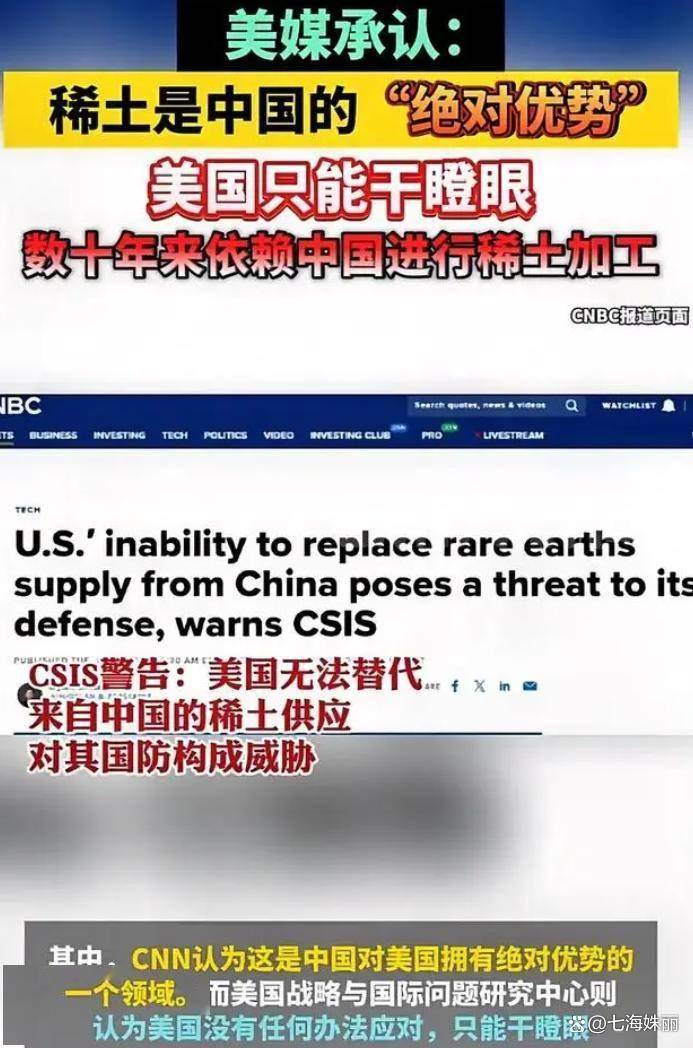
中美元首通话,特朗普终于服软啦,我们为何不理他的稀土要求?
Sou Hu Cai Jing· 2025-06-06 10:13
2025年6月5日夜,北京与华盛顿的热线再度接通。特朗普在通话后热情洋溢地宣布"欢迎中国留学生赴 美学习",试图营造两国关系回暖的假象。然而,中方通稿中对特朗普提出的核心诉求——放宽稀土出 口管制——却只字未提。这一"热情的邀请"与"战略性的沉默"形成鲜明对比,揭开了美国在贸易战中被 迫服软的底色:当中国握紧稀土这张"工业命脉"王牌时,强如特朗普也不得不低头示好。而中国的沉 默,恰是对美国"阴招使尽"后最犀利的回应:服软不够,诚意待验! 一、通话背后的美国困局:内忧外患下的"战略乞和" - 民生代价爆炸:牙膏巨头高露洁预警"关税致成本激增、盈利锐减";英特尔因"贸易政策不稳定"裁员2 万人;玩具商"教学资源"被迫支付1亿美元关税(暴涨44倍),最终起诉美国政府。美国药物进口成本 因关税年增510亿美元,药品价格或上涨12.9%。 残酷现实:当特朗普在通话中堆砌"善意"辞藻时,美国正深陷三重绝境——内政撕裂、外交孤立、民生 反噬。所谓"服软",不过是危机倒逼下的求生本能。 1. 内政崩盘:资本反噬与经济衰退倒计时 - "特马大战"重创市场信心:就在通话前48小时,特朗普与马斯克彻底决裂。马斯克公开支持弹劾特朗 ...