
奢侈品

Search documents
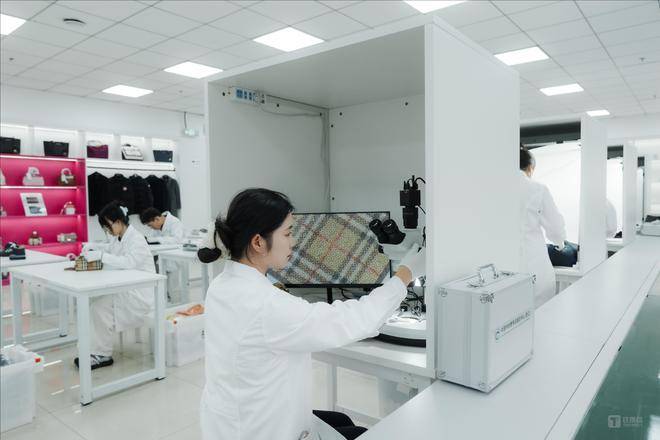
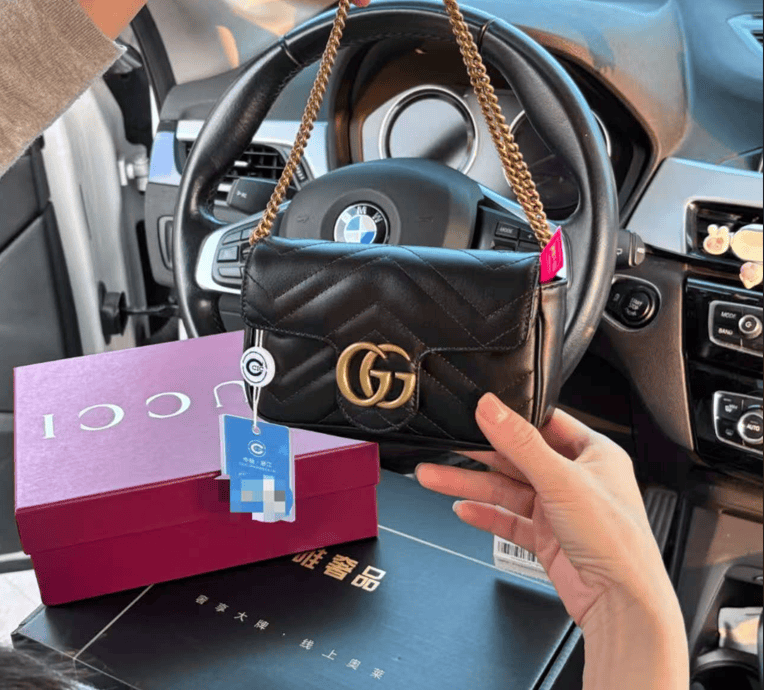
中国中检驻仓全检,“又好又省”或成奢侈品消费主流
Sou Hu Cai Jing· 2025-11-24 13:41
Core Insights - The luxury goods consumption landscape is shifting towards a focus on quality and value, driven by changing consumer preferences and government initiatives to promote quality e-commerce [3][4][5] Group 1: Market Trends - The luxury goods market is experiencing a significant transformation, with a shift in consumption focus from the West to China, which is projected to capture 25% of the global luxury market by 2030 [4] - Discount channels are becoming increasingly popular, with sales in discount luxury goods rising by 30% year-on-year in the first nine months of the year [7][8] - Consumers are prioritizing high cost-performance luxury goods, indicating a move away from the traditional mindset of "brand supremacy" to a more rational evaluation of price, service, quality, and practicality [5][8] Group 2: Quality Assurance Initiatives - The partnership between China Inspection and Testing Institute (CITI) and the discount e-commerce platform Vipshop aims to enhance the quality assurance of luxury goods through independent and comprehensive authentication [3][8] - CITI's involvement includes a rigorous inspection process where each luxury item is evaluated by three independent appraisers, ensuring a high level of trust and credibility in the quality of products sold on e-commerce platforms [8] - The trend towards "good and affordable" luxury goods is expected to become mainstream, as consumers increasingly seek both quality and value in their purchases [8]


第一创业晨会纪要-20251124
First Capital Securities· 2025-11-24 12:23
Macro Economic Group - The Federal Reserve is experiencing increasing internal disagreement regarding a potential interest rate cut in December, with notable dissenting votes from board members [3][4][5] - The probability of a 25 basis point rate cut in December has risen to 71%, up from less than 40% previously, following comments from key Federal Reserve officials [4] Industry Comprehensive Group - The power density of AI servers is advancing from 30kW to 100kW, leading to a consensus in the industry that the power supply architecture will evolve towards 800V high-voltage direct current [7] - There is a significant expectation gap regarding the pace and technical path of this transition, with 2025 identified as a "verification year" [7] - Traditional manufacturers face challenges from cross-industry competition, as the core technology of SST has shifted from traditional electromagnetic induction to power electronics, creating substantial technical barriers [7] - Investment recommendations focus on structural increments within the supply chain, advising to avoid negatively impacted traditional AC segments and to concentrate on three key benefiting areas: busbars, cabinet-level energy storage, and power modules [7] Advanced Manufacturing Group - Changxin Memory has launched its latest DDR5 memory series with speeds reaching 8000Mbps, a 25% improvement over the current market mainstream of 6400Mbps [9] - The introduction of 24Gb high-capacity chips surpasses the standard 16Gb capacity, indicating that domestic memory manufacturers are catching up with the latest DDR product technology [9] - The anticipated demand from AI is expected to boost the market for equipment and materials related to semiconductor wafer sales, particularly in memory [9] Consumer Group - Richemont Group's Q3 2025 performance exceeded expectations, with a 14% year-on-year revenue growth, significantly higher than the 6% growth in Q1 FY26 [11][12] - The jewelry business, particularly brands like Van Cleef & Arpels and Cartier, saw a 17% year-on-year increase, driving the overall revenue growth [11] - The recovery in sales across mainland China, Hong Kong, and Macau, which collectively grew by 7%, indicates a clear improvement in momentum [11][12] Strategy and Allocation Group - The volatility in overseas markets may be nearing its end, with recent fluctuations in global risk assets, particularly in the stock and commodity markets [14] - Domestic markets are still in a phase of adjustment, with significant declines observed, particularly in sectors like electric equipment and basic chemicals, indicating that short-term market adjustments are not yet over [15]
开云集团拟成立风投部门; 黛安芬退出中国市场丨二姨看时尚
2 1 Shi Ji Jing Ji Bao Dao· 2025-11-24 10:35
Group 1: Financial Performance - Gap reported a net sales of $3.9 billion for the third quarter, marking a 3% year-over-year increase and achieving positive same-store sales growth for seven consecutive quarters [6] - LuxExperience, the largest luxury e-commerce group, experienced a 4.3% decline in GMV to €589 million and a 4.2% drop in net sales to €557.2 million, with an adjusted EBITDA loss of €28.1 million [7] - Swiss watch exports fell by 4.4% year-over-year in October, totaling CHF 2.2 billion (approximately $2.7 billion), with a significant 47% drop in exports to the U.S. due to tariffs [5] Group 2: Market Trends - The luxury market in China shows signs of recovery, with Swiss watch exports to China increasing for the second consecutive month by 13% [5] - The auction by Phillips achieved a total sales of over HKD 304 million, setting a record for the highest permanent watch auction in Asia [4] - The opening of Vhernier's first Asian boutique in Hong Kong indicates a resurgence of luxury retail in the region [8] Group 3: Company Strategies and Changes - EssilorLuxottica is preparing to acquire 5%-10% of Giorgio Armani's shares, positioning itself as a financial investor without involvement in daily operations [3] - Harrods announced the closure of its Shanghai private members' club and tea room, indicating a strategic shift to focus on more impactful experiences in other regions of China [12] - Triumph's brand, Dianafen, will close all offline and online stores in mainland China by December 2025, reflecting challenges in adapting to local market demands [9] Group 4: New Initiatives - Kering SA plans to establish a venture capital department named House of Dreams to adapt to technological changes and evolving consumer demands [13] - Marriott International's luxury brand launched a new dining project "Table Stories," blending art and cuisine to create a unique luxury experience [10]


国际观察丨泡沫、壁垒、裁员——从跨国企业季报看世界经济风险与挑战
Xin Hua Wang· 2025-11-24 03:28
Group 1: AI Bubble Concerns - Concerns about an AI bubble are rising as the enthusiasm for investment in AI infrastructure has cooled despite strong performances from companies like Nvidia, Amazon, Alphabet, and Microsoft [2][3] - Nvidia's third-quarter revenue and profit exceeded expectations, but analysts believe its results do not fully alleviate market concerns about an AI bubble [2] - A survey by Bank of America indicates that over half of fund managers believe AI stocks are in a bubble, with high valuations posing risks to financial markets [3] Group 2: High Tariff Barriers Impacting Performance - The impact of U.S. tariff policies has become more pronounced, negatively affecting the quarterly performance and annual forecasts of many export-oriented companies in Europe and Japan [4][5] - European luxury goods companies are facing significant revenue declines, with LVMH's fashion and leather goods revenue down approximately 8% and Kering's Gucci brand down about 22% year-over-year [4] - German automakers are also suffering, with Porsche's automotive business profit plummeting nearly 99% and Volkswagen's operating profit down 58% due to high tariffs [4] Group 3: Consumer Slowdown and Layoff Trends - U.S. consumer sentiment is notably low, with major companies announcing significant layoffs, contributing to economic uncertainty [6][7] - Kraft Heinz's CEO noted that consumer sentiment is at one of its lowest points in decades, indicating a split in consumer spending behavior [6] - Layoffs have reached nearly 1 million in the U.S. in the first nine months of the year, the highest since 2020, with major companies like Amazon and Target laying off approximately 80,000 employees [7]
简直乱套了,社会上冒出六大怪现象,让人无可奈何
Sou Hu Cai Jing· 2025-11-23 20:41
Group 1: Consumer Behavior Changes - The trend of downgraded consumption is becoming mainstream, with high-end brands facing a collective downturn as consumer traffic in premium malls in major cities like Beijing, Shanghai, Guangzhou, and Shenzhen has decreased by 18% year-on-year, while affordable brands like Miniso and NetEase Yanxuan have seen sales surge by 32.6% [1] - This shift is not merely a reaction to economic downturns but reflects a rational awakening among the middle class, as consumers prioritize practical value over symbolic value, leading to anxiety in the luxury goods sector [1] Group 2: Urban Migration Trends - There is a significant net outflow of population from first-tier cities, with 632,000 people leaving Beijing, Shanghai, Guangzhou, and Shenzhen in 2024, while new first-tier cities like Chengdu, Xi'an, and Changsha are experiencing population growth exceeding 500,000 [3] - The high cost of living in first-tier cities, exemplified by a housing price-to-income ratio exceeding 20:1, is driving this migration, as individuals seek more affordable living conditions in emerging cities [3] Group 3: Revival of Physical Bookstores - The number of physical bookstores in China has increased by 6,700 in 2024, with hybrid bookstores achieving a customer spending rate 1.85 times higher than traditional bookstores [3] - The social aspect of these bookstores, such as coffee areas and community events, is a key factor in their success, indicating a desire for real social interactions in a digital age [3] Group 4: Resurgence of Traditional Crafts - The revival of traditional crafts is being led by younger generations, with 67% of artisans on Douyin being post-95s, highlighting a shift towards valuing craftsmanship over fast consumption [5] - This trend suggests a changing societal definition of success, as young people are willing to pursue less lucrative but personally fulfilling careers in traditional crafts [5] Group 5: Digital Detox Movement - A digital detox movement is emerging among young people, with daily internet usage among the 18-25 age group decreasing from 6.2 hours to 5.6 hours in 2023, and sales of feature phones increasing by 85% [6] - This trend reflects a backlash against excessive digitalization, as individuals seek to improve their quality of life and work efficiency by reducing screen time [6] Group 6: Rise of Flexible Employment - The number of freelancers in China has reached 240 million, with 35% identifying as "slash youth," indicating a shift away from traditional career paths [8] - This flexible income model allows individuals to diversify their income sources, but it also raises concerns about social security coverage and job stability for this vulnerable group [8] Group 7: Interconnected Social Phenomena - The various trends observed, such as downgraded consumption, urban migration, bookstore revival, traditional craft resurgence, digital detox, and flexible employment, are interconnected and reflect a broader societal redefinition of what constitutes a good life [10] - These phenomena indicate a societal progression rather than mere anomalies, prompting a reevaluation of existing systems and policies to align with these changes [11][15]

双11奢侈品消费“翻红”
Sou Hu Cai Jing· 2025-11-23 05:06
如果大家去商场逛逛,会发现那些奢侈品专柜确实冷清了不少,然而实际上,购买奢侈品的"大军"其实依旧庞大,只不过当 中许多人似乎换了一个购买方式,从"正价入手"来到了"折扣捡漏"赛道。 就拿最近双11数据来说,网上有声音也说今年是有史以来"最沉默"的一届双11,没想到奢侈品的表现却意外亮眼,据天猫公 布,10月20日正式开售后,平台奢牌整体成交同比两位数增长,Balenciaga、Burberry、Canada Goose、Coach、MiuMiu、 Ralph Lauren等品牌均在天猫实现高双位数增长。 年年都说奢侈品卖不动了,事实真的如此吗? 何况这些特卖平台的商品来源,一般都是利用供应链优势,直接与经销商甚至品牌方谈下来的合作,既保证了折扣低价,又 保证了正品品质,消费者可以花更合理的价格买到心仪的品牌,这何乐而不为呢? 特别是主打品牌特卖的唯品会(VIPS.US),今年1-9月,其奢侈品销售额同比增长就超过了30%。双11期间,多个大牌表现尤 为亮眼,其中EA7涨了38%,BALLY涨了35%,Burberry涨了22%,汤丽柏琦更是猛增60%。 这些数据无一不证明,消费者不是不爱买奢侈品了,只不过不再 ...
迪拜豪华品市场增长强劲
Shang Wu Bu Wang Zhan· 2025-11-22 14:29
Core Insights - Despite a global slowdown in luxury goods consumption, the Dubai market is experiencing growth, with approximately one in nine residents purchasing high-end products each quarter, surpassing cities like New York, London, and Paris [1] - The high proportion of high-income households (37% with annual incomes exceeding $150,000) and the increase in tourism demand are key factors contributing to the market's resilience [1] - Luxury consumption has expanded from ultra-high-net-worth individuals to include middle and upper-income groups [1]
直接打3折,精致白领,在“中产超市”抢购奢侈品
3 6 Ke· 2025-11-22 01:45
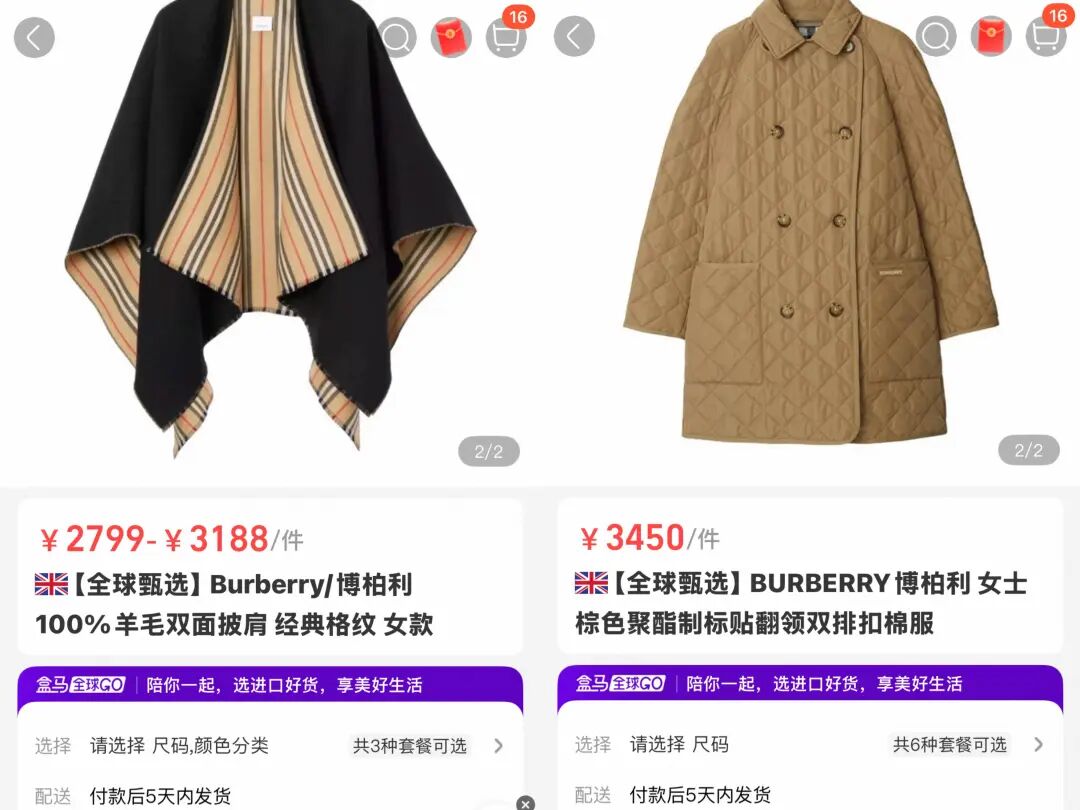
Core Insights - The article discusses the recent trend of luxury brands, including Burberry, being sold on the Hema app, indicating a shift in retail strategies to adapt to changing consumer behaviors and market conditions [1][2][6]. Group 1: Luxury Brands on Hema - Hema has introduced luxury products from Burberry, including clothing and accessories, with significant discounts compared to original prices, such as a classic check shawl priced at 2799-3188 yuan and a double-breasted coat at 3450 yuan [1][2]. - Other luxury brands available on Hema include Gucci, Fendi, and Balenciaga, as well as light luxury brands like Versace and Coach, expanding the range of products for consumers [2][4]. - The luxury products are categorized under Hema's "Global Purchase" section, with items sold by overseas third-party sellers through a cross-border e-commerce platform [3][7]. Group 2: Market Trends and Consumer Behavior - The article highlights a shift in the luxury retail landscape, where traditional luxury brands are exploring new sales channels to alleviate inventory pressure amid a challenging market environment [2][4]. - The trend of purchasing luxury items in supermarkets is becoming more common, with consumers increasingly viewing supermarkets as viable options for acquiring luxury goods [4][11]. - Burberry's declining brand value and sales performance have prompted the brand to adopt discount strategies, which have recently led to a recovery in its performance [4][6]. Group 3: Hema's Business Strategy - Hema is expanding its "Global Selection" series, which includes a variety of products, with a focus on luxury and light luxury brands, indicating a strategic move to diversify its offerings [7][20]. - The company has achieved its first annual profitability after ten years of operation, with a GMV exceeding 75 billion yuan and a year-on-year growth of over 27% [16][20]. - Hema's integration with Alibaba's cross-border e-commerce system allows it to offer luxury products online, leveraging its existing online sales structure where online transactions contribute over 60% of its GMV [20][21].
段永平说茅台股价还能回2600元,你敢信吗?
Sou Hu Cai Jing· 2025-11-21 12:55
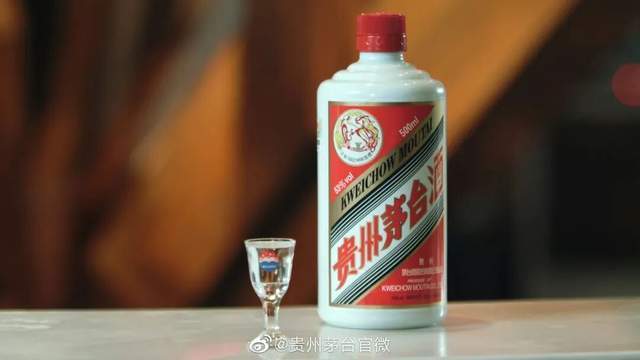
Group 1 - Moutai's peak performance is considered to be over, with sales expected to struggle in the future [4][21] - The number of high-end restaurants in mainland China has decreased significantly, with a nearly 50% reduction in the number of thousand-yuan restaurants compared to three years ago [15][16] - The high-end dining sector is facing severe challenges, with a reported 88.8% drop in profits for high-end restaurants in Beijing in the first half of 2025 [18][21] Group 2 - The overall consumer sentiment is declining, leading to increased savings and reduced spending across various demographics [6][10] - Moutai's revenue growth has slowed, with a 6.36% increase in revenue for the first three quarters of 2025 compared to a much higher growth rate of 16.91% in 2024 [31][32] - The luxury goods market in China has been experiencing a downturn, with continuous negative growth recorded for six consecutive quarters starting in 2024 [21][25] Group 3 - The aging population and declining number of wealthy individuals are impacting Moutai's consumer base, as many older consumers are unable to continue drinking [35][29] - The real estate market is also struggling, with significant declines in housing prices and a decrease in land auction revenues, further affecting Moutai's sales environment [26][28] - The changing economic landscape and consumer behavior indicate that Moutai may not return to its previous peak without significant shifts in employment and consumer confidence [37][38]

第一创业晨会纪要-20251121
First Capital Securities· 2025-11-21 05:21
Group 1: Industry Overview - Despite Nvidia's strong performance, major US stock indices experienced declines, with the Dow Jones down 0.84%, S&P 500 down 1.56%, and Nasdaq down 2.15%. AI-related tech stocks, including AMD and Oracle, saw significant drops, indicating a potential correction in the market [2] - The demand for AI computing power in the US is expected to face limitations due to electricity constraints and inherent flaws in LLM models, suggesting that the current high valuations of related stocks may not be sustainable [2] - The smartphone market in China showed signs of recovery, with a total shipment of 27.93 million units in September 2025, a year-on-year increase of 10.1%. 5G smartphones accounted for 24.11 million units, reflecting an 8.0% growth [3] - The Chinese government is considering new supportive policies for the real estate sector, including interest subsidies for new personal housing loans and increased tax deductions for homebuyers, which could alleviate financial pressure on consumers and stimulate economic growth [4] Group 2: Advanced Manufacturing - The lithium battery industry in China shows a high market concentration, with CR6 and CR10 indicating stable competition among leading firms. The positive scale effects of top companies are evident [7] - The cathode materials sector remains fragmented due to diverse technology routes and application scenarios, while the separator materials sector has the highest concentration with a CR10 of 94% [7] - The development of sodium batteries is gaining momentum, with predictions that by 2035, the ratio of lithium iron phosphate batteries to sodium batteries will be 4:6. The company plans to establish a production capacity of 300,000 tons of lithium iron phosphate by next year [8] Group 3: Consumer Sector - LVMH reported significant recovery in Q3 2025, particularly in the Chinese market, where local consumption shifted from negative to mid-single-digit growth. The trend of consumption returning to Hong Kong and mainland China is becoming established [10] - The innovative retail strategies employed by brands like LV have led to impressive terminal performance, with flagship stores in Shanghai achieving high foot traffic and sales [10] - The luxury goods sector is showing signs of warming, indicating a potential rebound in consumer spending [10]