食品销售

Search documents
山东省临沂市市场监督管理局关于31批次食品不合格情况的通告2025年第13期
Zhong Guo Zhi Liang Xin Wen Wang· 2026-01-09 08:11
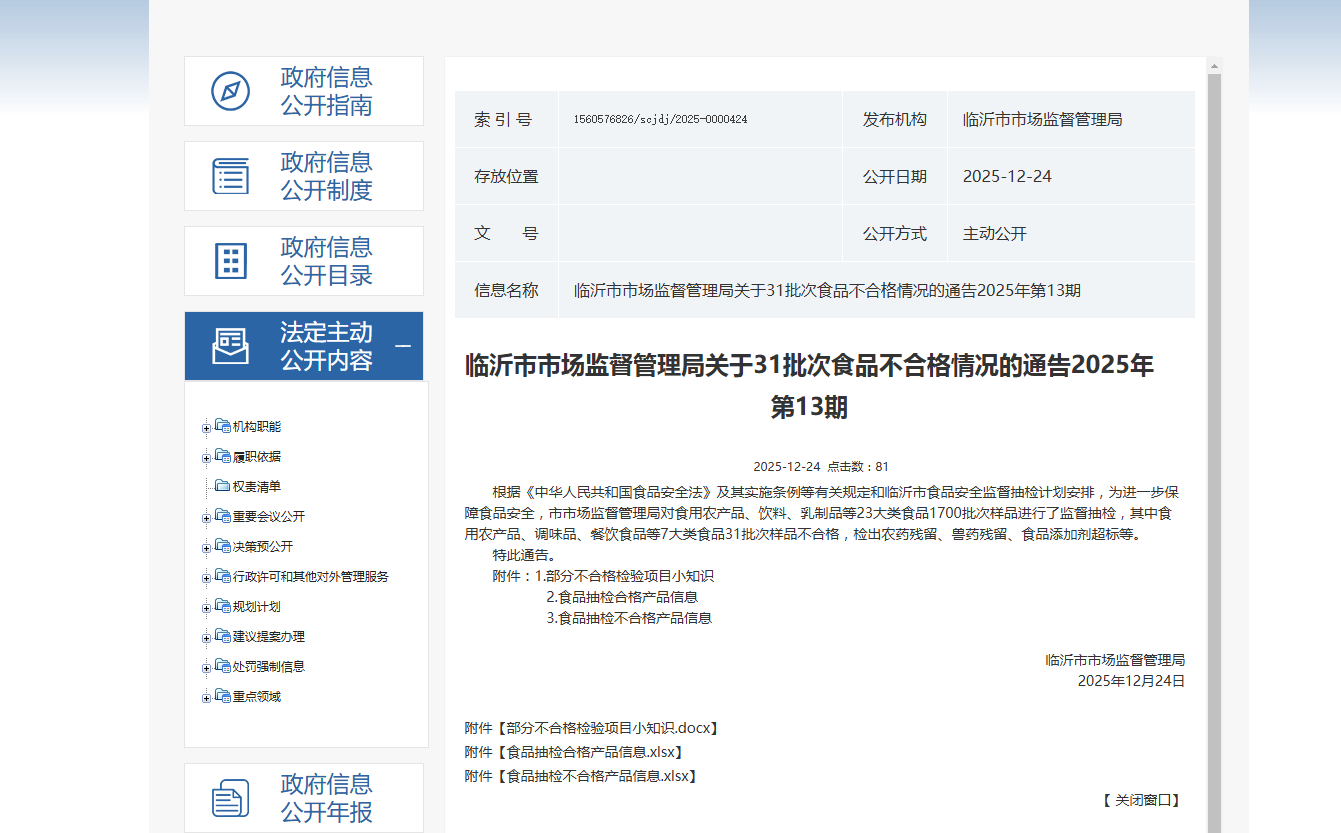
Core Viewpoint - The Linyi Market Supervision Administration conducted a food safety inspection of 1,700 samples across 23 categories, revealing that 31 samples from 7 categories failed to meet safety standards due to pesticide residues, veterinary drug residues, and excessive food additives [2]. Group 1: Food Safety Inspection Results - A total of 1,700 food samples were tested, including edible agricultural products, beverages, and dairy products [2]. - Out of the tested samples, 31 were found to be non-compliant, indicating a failure rate of approximately 1.82% [2]. - The non-compliant samples included categories such as edible agricultural products, seasonings, and catering foods [2]. Group 2: Specific Non-Compliant Products - Specific non-compliant products included: - Sea jelly with aluminum residue at 850 mg/kg, exceeding the standard of 500 mg/kg [2]. - Green onions with pesticide residue (Thiamethoxam) at 1.48 mg/kg, surpassing the allowable limit of 0.3 mg/kg [2]. - Mooncakes containing dehydroacetic acid at 0.0801 g/kg, which is not permitted [2]. - Other products like beans and vegetables also showed violations, with pesticide residues exceeding the permissible levels [3][4].

餐桌菜品“身份成谜”?江西省定南县查处一起无标签食品案
Xin Lang Cai Jing· 2026-01-04 07:35
Group 1 - The core issue highlighted is the discovery of unlabeled food products in a restaurant in Jiangxi Province, which poses significant food safety risks [1] - The restaurant was found to be selling various pre-packaged and bulk food items without any labeling, violating food safety regulations [1] - The local market supervision bureau conducted an investigation, confirming the illegal operation and subsequently imposed administrative penalties, including the confiscation of the involved food products and fines [1] Group 2 - According to the Food Safety Law of the People's Republic of China (2021 revision), pre-packaged food must have labels indicating essential information such as name, specifications, net content, production date, and more [2] - The law also mandates that food operators selling bulk food must label containers with the product name, production date or batch number, shelf life, and the operator's contact information [2]
日本大米和鸡蛋价格均创有统计以来最高值,一袋5公斤装大米均价约合194元人民币
Sou Hu Cai Jing· 2025-12-28 00:29
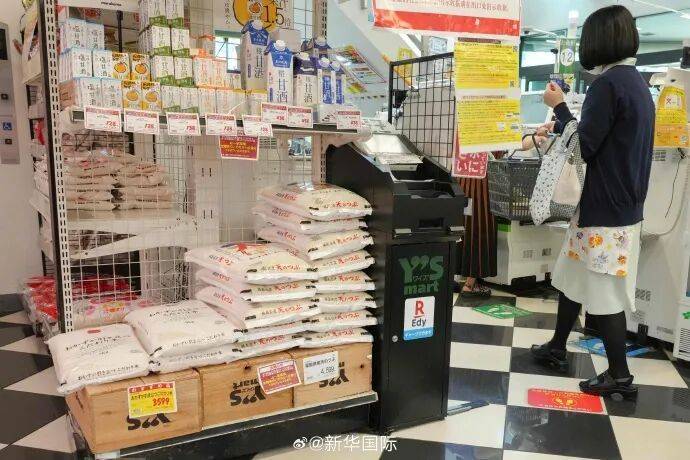
Group 1 - The core point of the articles highlights the significant increase in prices of staple foods in Japan, particularly rice and eggs, reaching record highs, which has led consumers to seek cheaper alternatives [1][2] - According to the Ministry of Agriculture, Forestry and Fisheries, the average price of a 5-kilogram bag of rice was 4,337 yen (approximately 194 RMB), remaining above 4,000 yen for 16 consecutive weeks [1] - The average wholesale price of medium-sized eggs in Tokyo reached 324 yen per kilogram (approximately 14.5 RMB), marking the highest price recorded [1] Group 2 - The rising prices of essential food items have prompted Japanese consumers to look for substitutes, opting for cheaper options like chicken, margarine, and carrots instead of beef, butter, and tomatoes [2] - Due to the ongoing price surge, many individuals are replacing rice with noodles and bread as a more affordable alternative [2] - The overall food price increase in Japan is attributed to rising raw material costs, labor expenses, and the depreciation of the yen, with over 20,000 food items experiencing price hikes this year and nearly 3,600 more expected to increase in price early next year [1]
直播带货“货没爆单”,20万宣传费能要回吗?法院这样判!
Xin Lang Cai Jing· 2025-12-27 11:31
(来源:内蒙古晨网) 法院审理后认为,合同是双方权利义务的基石,当事人应当严格依约履行。传媒公司未经与原告书面协 商,就擅自更换核心履约内容主播人员,明显构成违约;但另一方面,双方合同中确实没有明确约定保 证达到的销售额或宣传效果,不能仅凭销量未达预期就要求全额退还服务费。综合考量违约情节、服务 实际提供情况等因素,法院最终酌情判决长沙某传媒公司退还一半品牌宣传费,共计 10.1万元。一审宣 判后,双方均服判息诉,目前判决已发生法律效力,传媒公司也表示愿意主动履行退款义务。 法官特别提醒:直播带货的流量变现本就存在不确定性,商家与直播服务提供方在订立合同时,务必提 前对风险进行预估和明确分担;若涉及主播更换、直播时长调整等合同主要条款的变更,一定要签订书 面协议,留存履约证据;直播结束后若产生争议,应第一时间协商沟通,明确合同继续履行或解除的方 案,避免损失进一步扩大。(作者:固阳县人民法院 杨雨欣 闫婧) 直播带货看似"流量即销量",不少商家扎堆入局,盼着靠大主播一战成名、货销爆单。可要是预期落 空,不仅没卖出多少货,还提前掏了高额宣传费,这笔钱到底能不能退?近日,固阳县人民法院就审结 了这样一起网络直播带 ...
辽宁加强网络食品安全全链条监管
Xin Lang Cai Jing· 2025-12-26 23:07
Group 1 - The core viewpoint of the article emphasizes the need for enhanced regulatory measures to ensure food safety in online sales, particularly in response to emerging risks associated with new business models [1] - The provincial market supervision bureau will conduct a five-month regulatory campaign focused on online food sales, including internet-based food sales, online food ordering, and live-streaming marketing [1] - The regulatory efforts will target key stakeholders such as online food trading platforms and food producers to ensure compliance with food safety responsibilities [1] Group 2 - The initiative will address eight critical areas of the food supply chain, including food production, sales, online ordering, and transactions, to facilitate early detection, warning, and resolution of food safety risks [1] - The province aims to enforce accountability among online platforms and related entities to mitigate risks at all stages of food safety, thereby creating a safer online food consumption environment [1]
构建无死角食品安全监管体系
Xin Lang Cai Jing· 2025-12-24 22:53
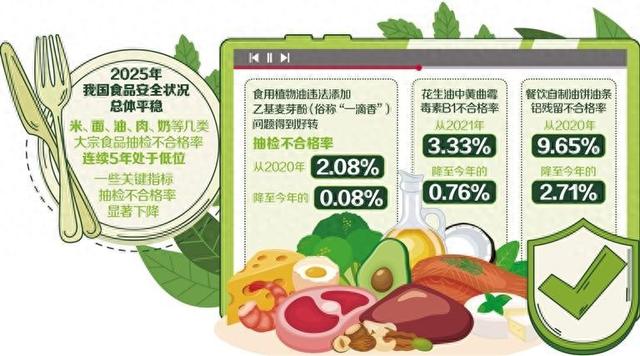
Group 1 - The overall food safety situation in China is stable, with significant improvements in key indicators, including a decrease in the non-compliance rate of major food categories over the past five years [1] - As of November this year, the national market supervision system completed 6.1769 million batches of supervision and inspection, detecting 172,300 non-compliant samples, resulting in a non-compliance rate of 2.79% [1] - Special rectification efforts have been made in areas such as counterfeit and inferior food in rural areas, campus food safety, and new online food business models, establishing a comprehensive regulatory system [1][2] Group 2 - The market supervision department conducted 1,000 batches of special supervision and inspection for rural food safety, detecting 36 non-compliant samples, and inspected 3.4912 million food production and operation entities [2] - The new regulations for campus food safety have placed food safety work on the agenda of school principals, with regular monitoring becoming a common practice [3] - By the end of November, 223,000 food safety supervisors and 370,000 food safety personnel were appointed in schools, ensuring compliance with food safety standards [3] Group 3 - The rise of new business models such as live streaming and food chain sales has introduced new food safety risks, prompting the upcoming implementation of regulations for live streaming e-commerce operators [4] - The new regulations will clarify the responsibilities of live streaming platforms in areas such as risk self-assessment and management, requiring strict product selection and information disclosure [4] - Recent regulations for food sales chain enterprises emphasize the need for these companies to take responsibility for food safety, including establishing supplier evaluation mechanisms and maintaining records of food safety management [5]
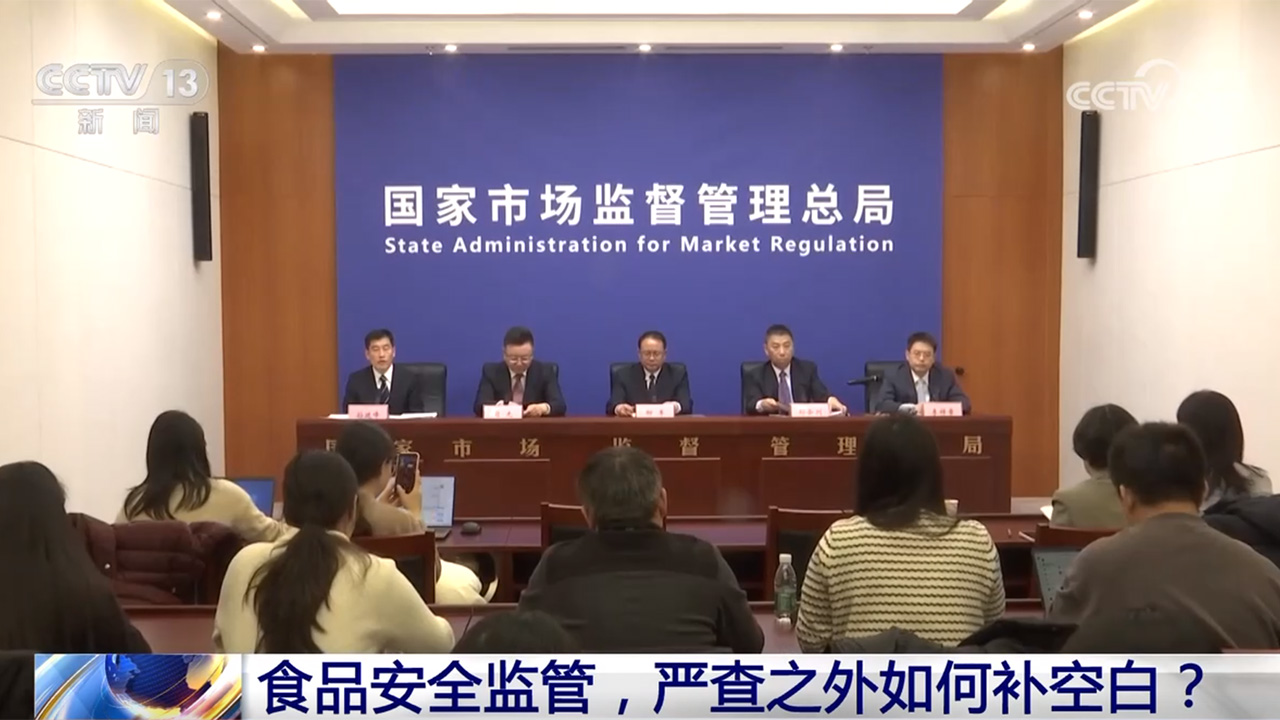
新闻1+1丨食品安全监管 严查之外如何补空白?
Yang Shi Wang· 2025-12-24 22:15
Core Viewpoint - The article emphasizes the need for enhanced food safety regulations in China, particularly focusing on rural areas, school food safety, and the responsibilities of food chain enterprises and live-streaming platforms in ensuring food quality and safety [1][9][10]. Group 1: Food Safety Regulation Focus Areas - The government is intensifying efforts to address counterfeit and substandard food products, particularly in rural areas and schools, while also tackling issues related to food additives and consumer fraud in meat and edible oils [1][2]. - The new regulations aim to cover key risk areas in food safety that are of significant concern to the public, allowing for concentrated regulatory resources to address these issues effectively [2]. Group 2: School Food Safety Management - The management of school food safety is critical for public health, with a focus on establishing a closed-loop responsibility system involving school principals and catering staff as primary responsible parties [4]. - The approach includes preemptive risk management throughout the food supply chain, from procurement to transportation, and emphasizes the use of technology such as "Internet + Bright Kitchen" for monitoring food preparation processes [4][6]. Group 3: Addressing Rural Food Safety Challenges - Rural food safety remains a persistent challenge due to weak consumer demand, high price sensitivity, and the prevalence of small food businesses with inadequate traceability and accountability mechanisms [8]. - The regulatory capacity at the grassroots level in rural areas is limited, and there is a lack of strong food safety awareness among rural consumers, contributing to ongoing issues in food safety management [8]. Group 4: Responsibilities of Food Chain Enterprises - New regulations highlight the responsibility of food chain enterprises' headquarters to ensure food safety at franchise and individual stores, preventing the transfer of accountability to these entities [9]. - The rapid growth of the food chain industry, which has reached approximately 21% of the market, necessitates a clear delineation of responsibilities to maintain food safety standards across all operational levels [9]. Group 5: Live-Streaming Food Sales Regulations - The new rules for live-streaming food sales establish clear responsibilities for online platforms regarding the qualification checks of food sellers and the sources of food products [10]. - Operators of food live-streaming sessions are required to ensure accurate information disclosure and quality assurance of the products they sell, holding them accountable for the safety of the food offered [10].
直播电商食品安全新规即将出台
Xin Lang Cai Jing· 2025-12-23 18:05
Core Viewpoint - The State Administration for Market Regulation (SAMR) has introduced significant reforms in food safety regulations, including the establishment of a licensing system for bulk transportation of key liquid foods and the registration management of infant formula liquid milk, marking a major institutional innovation in food safety [1] Group 1: Regulatory Reforms - The SAMR has completed important revisions to the Food Safety Law, establishing a licensing system for the bulk transportation of key liquid foods and including infant formula liquid milk in registration management [1] - The SAMR aims to enhance food safety through a comprehensive regulatory framework, focusing on five key areas and promoting institutional innovation alongside technological empowerment [1] Group 2: Special Rectification Actions - The SAMR has launched special rectification actions targeting issues such as campus food safety, counterfeit products in rural areas, and adulteration in meat products and cooking oils, with a "zero tolerance" approach to illegal activities [2] - Over 17,000 cases have been filed this year as part of these special actions, with significant enforcement efforts leading to the destruction of 203 illegal production sites and the seizure of 2,071 tons of counterfeit food [3] Group 3: Food Safety Inspections - The SAMR has conducted over 617 million food safety inspections this year, with an overall non-compliance rate of 2.79%, indicating a stable food safety situation [5] - Key food categories such as rice, flour, oil, meat, and milk have maintained low non-compliance rates, with infant formula products achieving a compliance rate of 99.95% [5] Group 4: School Food Safety Management - Nearly 600,000 food safety management personnel have been appointed in schools, enhancing the management of food safety in educational institutions [7] - The implementation of new regulations has led to significant improvements in food safety management practices within schools, including the establishment of risk control mechanisms [7] Group 5: Responsibilities in Food Sales - New regulations have been introduced for food sales chain enterprises, emphasizing the responsibilities of headquarters, branches, and stores in food safety management [8][9] - The regulations prohibit headquarters from acting as "hands-off managers" and require them to establish comprehensive food safety risk control systems [8] Group 6: Live E-commerce Food Safety Regulations - The SAMR has developed new regulations for live e-commerce platforms, clarifying the responsibilities of platform operators, live streamers, and related institutions in ensuring food safety [10][11] - The regulations include specific obligations for live streamers regarding compliance checks and accurate information dissemination, aiming to enhance accountability in the live e-commerce food sector [11][12]
市场监管总局拟对直播卖食品划“红线”
Bei Jing Shang Bao· 2025-12-23 15:57
记者12月23日从市场监管总局新闻发布会上获悉,直播电商经营者落实食品安全主体责任监督管理规定 将于近期发布实施,加强对直播电商经营者落实食品安全主体责任的严格监管,对直播卖食品划出"红 线"。市场监管总局食品安全协调司司长司光介绍,规定将针对直播营销人员的不同情形分别提出要 求,例如建立并落实食品安全管理制度和严格的选品制度,建立事前合规审核机制和食品抽样检验管理 制度,真实、全面、准确发布食品相关信息,不得通过直播间经营不符合法律、法规或者食品安全标准 的食品。司光还表示,规定将明确不得通过直播间经营的食品类别,细化不履行法定义务的具体情形, 明确处罚依据。 ...
一问到底丨如何守护舌尖上的安全?聚焦食品添加剂、校园餐、直播售卖等
Yang Shi Wang· 2025-12-23 15:48
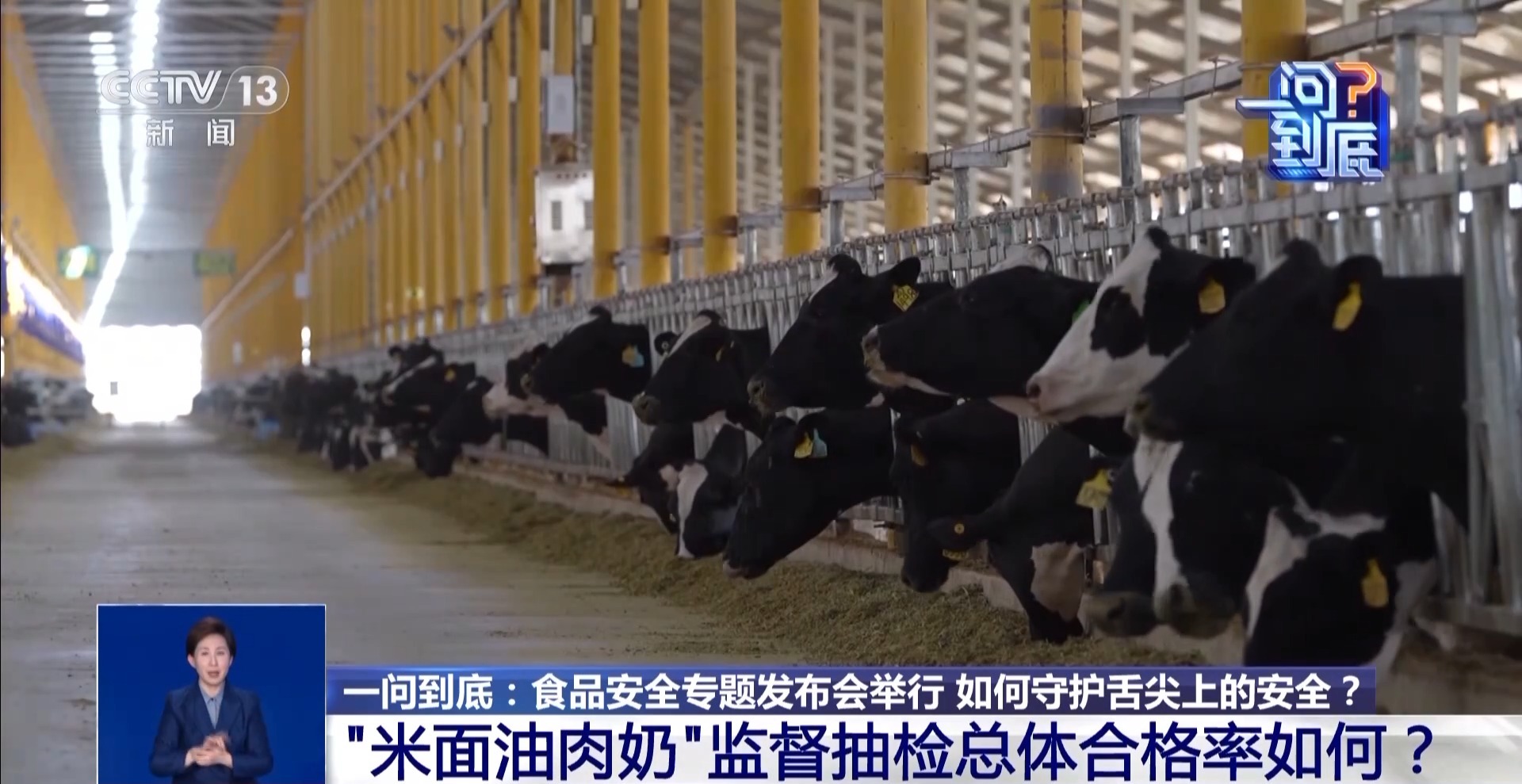
Core Viewpoint - The National Market Supervision Administration (NMSA) has conducted a comprehensive food safety inspection, revealing a stable overall food safety situation in China, with specific focus on meat products and edible oils, and has implemented new regulations to enhance food safety in various sectors, including e-commerce and school cafeterias [1][4][11]. Group 1: Food Safety Inspection Results - As of November this year, the NMSA completed 6.1769 million batches of food safety inspections, detecting 172,300 non-compliant batches, resulting in a non-compliance rate of 2.79% [1] - Among 39 categories of inspected foods, 24 categories had a non-compliance rate of less than 1%, with staple foods like rice, flour, oil, meat, and milk showing low non-compliance rates of 0.17%, 0.01%, 0.66%, 0.52%, and 0.08% respectively [1][3]. Group 2: Special Rectification of Meat Products and Edible Oils - The NMSA has focused on rectifying issues related to adulteration in meat products and edible oils, inspecting 2.45 million meat production and operation entities, leading to 35,529 cases filed and 1,511 cases referred for criminal investigation [4] - For edible oils, 1.892 million entities were inspected, resulting in 2,581 cases being filed, indicating significant progress in addressing these issues [4]. Group 3: Improvement in Infant Formula Safety - The compliance rate for domestic infant formula has remained above 99.95% for four consecutive years, with inspections covering all registered production and sales enterprises [3]. Group 4: Issues with Food Additives and Counterfeit Products - The NMSA has intensified efforts against counterfeit and substandard food products, filing 129,600 cases and seizing 2,071 tons of counterfeit food, while also addressing the misuse of food additives with 13,180 cases investigated and fines totaling 90.38 million yuan [7]. Group 5: Enhancements in Campus Food Safety - New measures have been implemented to strengthen food safety in schools, including the establishment of a dual food safety supervisor system for contracted school cafeterias to prevent management responsibility from being shifted [10][11]. Group 6: New Regulations for E-commerce and Chain Stores - The NMSA is set to release new regulations for live-streaming e-commerce, clarifying the food safety responsibilities of platforms and streamers, and enhancing consumer protection against substandard products [11][17] - Regulations for chain stores require headquarters to manage food safety across all branches, ensuring accountability and compliance with safety standards [19][21].