
即时零售

Search documents
外卖大战刹车,阿里还有招吗?
Sou Hu Cai Jing· 2025-08-02 02:15
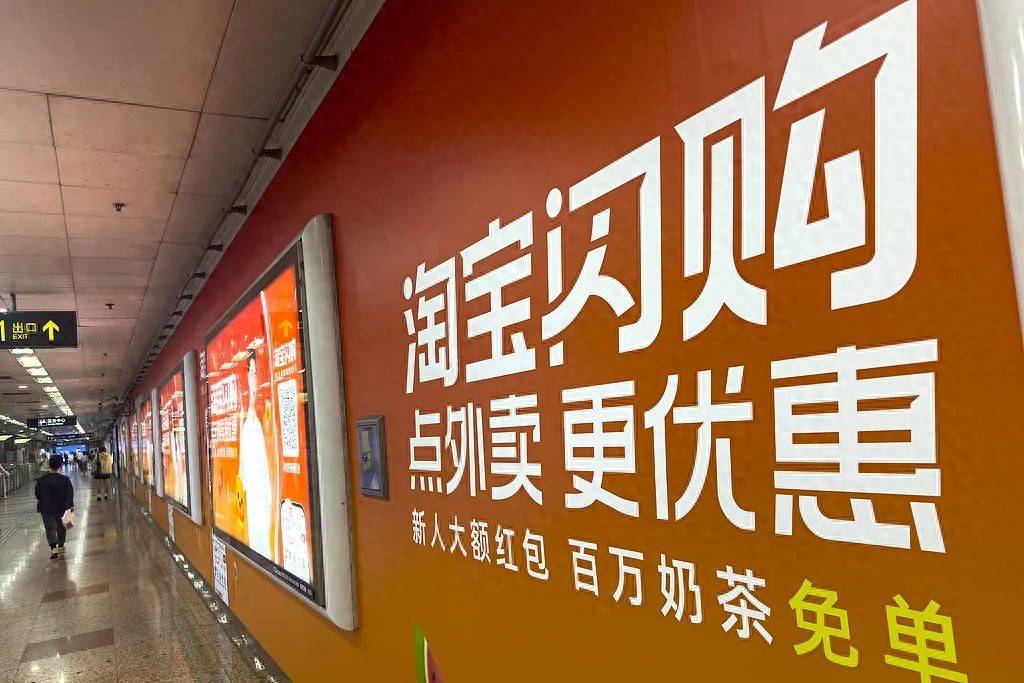
但补贴大战同时也引起了广泛质疑:商家增收不增利,还得疲于应对;消费者失去理性,造成浪费和健康等问题。 7月18日,市场监管总局约谈各方,要求其规范促销、理性竞争,不过战火并未就此平息。 专题:外卖补贴大战持续升温 外卖补贴大战终于要"刹车"了。 8月1日,美团、淘宝闪购/饿了么,以及京东先后发声,表示将规范补贴行为,不做非理性促销活动。 7月,外卖行业爆发有史以来最大规模的补贴战。据报道,淘宝闪购仅在7月12日当天就补贴超过12亿元,美团也投入了3-4亿元作为补贴,以此分 别换来了8000万和1.2亿的历史订单新高。 多位餐饮商家对中国新闻周刊表示,近段时间来,平台的补贴力度并无明显缓和,收到的"入不敷出"订单依旧不少;而如果拒绝补贴低价机制, 就得不到推荐,导致流量下滑,进而订单减少。 具体到淘宝闪购这边,一边是其多次强调"始终按照市场规律运营""保障商家实收和盈利空间";一边是有商家订单越多亏得越多的现实。究其原 因,阿里无法输掉这场即时零售战争。 那么问题来了:补贴大战刹车后,作为进攻一方,同时也是相对弱势一方的淘宝闪购,要如何追赶美团? 商家"亏麻了" "每时每刻都在想着如何亏得少一点。" 7月以来, ...



外卖平台破内卷言自律 即时零售赛道将迎持久战
Zheng Quan Shi Bao· 2025-08-01 20:35
Core Viewpoint - Major platforms including Meituan, Taobao, Ele.me, and JD.com have collectively announced their commitment to resist malicious competition and promote fair industry practices, following regulatory discussions with the State Administration for Market Regulation [1] Group 1: Industry Competition and Regulation - The recent regulatory talks have temporarily paused the "takeout war," but competition in the instant retail sector continues, with platforms focusing on cultivating consumer habits and expanding into the trillion-level non-food instant retail market [1] - Platforms are increasing investments in instant retail and takeout to attract more traffic and users, with significant subsidies expected to stimulate retail activity among offline merchants and consumer engagement [2] - The common themes in the statements from the four major platforms include the need to regulate subsidy behaviors, oppose internal competition, and enhance service quality, aligning with previous regulatory requirements [1][2] Group 2: Market Potential and Consumer Behavior - The instant retail market in China is projected to exceed 2 trillion yuan by 2030, with the competition initially centered around food delivery but aiming to expand into various non-food categories [2] - The competition in instant retail is driven by the need to establish consumer habits and scenarios, with a focus on categories like supermarkets, cosmetics, and electronics [2] - The new generation of consumers, particularly the "Z generation," demands immediate satisfaction, influencing the shift towards instant retail [3] Group 3: Strategic Differentiation Among Major Players - Alibaba, Meituan, and JD.com are adopting differentiated strategies based on their strengths, with Alibaba leveraging its vast product resources and user base, JD.com focusing on supply chain advantages, and Meituan extending its food delivery strengths to all categories of instant retail [3] - The collaboration between brands, platforms, and logistics is evolving, with many brands building their own membership systems and private channels to reduce reliance on major platforms [4] Group 4: Role of Third-Party Delivery Services - Third-party delivery services are expected to gain growth opportunities due to the increasing complexity of fulfillment and the need for neutral positioning in the market [5] - As brands seek to integrate cross-platform traffic and face high self-delivery costs, the value of third-party delivery infrastructure is becoming more prominent [5]

无序竞争无赢家,以为“低价”把命搭
Sou Hu Cai Jing· 2025-08-01 18:09
Group 1 - Major food delivery platforms, including Meituan, Ele.me, and JD, have called for a halt to irrational competition and excessive subsidies, emphasizing the need for a fair and orderly industry environment [2][4][6] - The National Development and Reform Commission has announced plans to regulate low-price competition and guide companies towards rational pricing to promote orderly competition in the market [8] - The recent subsidy wars have led to significant increases in consumer health issues, with reports of emergency room visits rising due to excessive consumption driven by promotional activities [9][10] Group 2 - The competition among platforms has intensified, with a reported investment of 25 billion yuan in the second quarter alone, indicating a fierce battle for market share in the instant retail ecosystem [11] - Platforms are adopting various strategies to enhance service and operational efficiency, such as Meituan's dynamic subsidy model and JD's focus on quality dining, while also facing the challenge of sustaining these subsidy costs in the long term [12] - Experts suggest that the unsustainable nature of the subsidy wars may lead to a shift towards service premium models, urging platforms to better meet consumer needs and stimulate merchant engagement for industry growth [12]
即时零售 寻求颠覆与重构的破立平衡
Zheng Quan Ri Bao· 2025-08-01 15:43
Core Viewpoint - The Chinese government emphasizes the need to effectively unleash domestic demand and implement actions to boost consumption, with a focus on the growth of instant retail as a new business model that integrates online and offline services [1] Group 1: Market Potential and Challenges - The instant retail market in China is expected to exceed 2 trillion yuan by 2030, indicating significant growth potential [1] - However, the industry faces challenges due to "involutionary" low-price subsidy strategies that threaten the health of the retail ecosystem and the survival of offline businesses [1][2] - Many merchants report that low-price strategies lead to high sales but significantly reduce profit margins due to operational costs [2] Group 2: Regulatory and Industry Responses - The China Chain Store & Franchise Association has called for the regulation of low-price subsidy competition to maintain market order and protect consumer rights [2][3] - The National Market Supervision Administration has urged major platforms to adhere to laws and regulations, promoting a healthy ecosystem for all stakeholders involved [3] - Major platforms like Meituan, Taobao, Ele.me, and JD have publicly advocated for resisting disorderly competition [3] Group 3: Balancing Pricing and Value - The current pricing strategies are altering the price system, making it difficult for businesses to enhance quality and innovate [4] - The industry is encouraged to shift from scale competition to value creation, focusing on sustainable business practices [6][8] - A balanced approach to pricing and flow is essential for controlling costs and maintaining customer loyalty [5] Group 4: Technological and Operational Innovations - The industry is exploring technological empowerment of supply chains, optimizing user experiences, and creating win-win models for sustainable development [1][7] - There is a strong emphasis on improving logistics efficiency and service quality through better warehouse management and customer service systems [6][7] - The integration of consumer behavior data analysis is seen as a way to enhance demand forecasting and supply chain optimization [7] Group 5: Future Directions - The industry is urged to establish a "triangular support system" that includes cold chain storage and cloud warehouses to improve logistics efficiency [7] - Platforms are encouraged to focus on quality enhancement rather than engaging in price wars, which can harm long-term sustainability [8] - The goal is to transform delivery services from a burden into a growth driver for businesses, allowing them to focus on product quality and customer service [9]
抵制恶性竞争 美团、京东、淘宝闪购、饿了么同日发声
Guang Zhou Ri Bao· 2025-08-01 13:19
Core Viewpoint - Major Chinese e-commerce platforms, including Meituan, JD.com, Taobao Flash Sale, and Ele.me, have collectively announced their commitment to resist malicious competition and promote fair industry practices, aiming for a healthy and sustainable development of the food delivery sector [1][2][3]. Group 1: Company Commitments - Meituan has pledged to adhere strictly to various laws, including the Anti-Monopoly Law and the Anti-Unfair Competition Law, ensuring that subsidy activities do not distort market prices or harm small merchants [1]. - JD.com emphasizes the importance of a transparent subsidy mechanism and aims to eliminate harmful practices like "0 yuan purchase" promotions, focusing instead on quality and service differentiation [2]. - Taobao Flash Sale and Ele.me have committed to rationally planning subsidies based on consumer and merchant needs, ensuring merchants' rights to participate and set prices are respected [3]. Group 2: Industry Trends - The industry is moving away from capital-intensive competition towards a model driven by technology and supply chain optimization, with a focus on enhancing consumer experience and merchant profitability [4][5]. - Regulatory frameworks are expected to evolve, balancing consumer rights, merchant profits, and rider welfare, promoting a sustainable ecosystem [4][5]. Group 3: Regulatory Context - The State Administration for Market Regulation has urged major platforms to comply with relevant laws and to rationally engage in competition, fostering a win-win ecosystem for consumers, merchants, and delivery riders [5].
燕观耘:美团胆子要大一点 将战火烧到电商的大本营去
Sou Hu Cai Jing· 2025-08-01 10:49
Core Insights - The competitive landscape in China's internet sector is intensifying, particularly in the instant retail space, with major players like JD and Alibaba launching significant subsidies to challenge Meituan's dominance [2] - Meituan is currently in a defensive position, struggling to respond to aggressive competition from rivals encroaching on its core business [2] Group 1 - The summer of 2025 is expected to see heightened competition in China's internet market, with JD and Alibaba deploying substantial financial resources to penetrate Meituan's territory [2] - The ongoing competition is likened to a "Three Kingdoms" battle, indicating a fierce struggle among the major players in the instant retail sector [2] - Meituan's strategy may need to evolve beyond traditional defensive tactics to effectively counter the aggressive moves of its competitors [2]

00后开闪购店,三年翻身当老板
创业邦· 2025-08-01 10:20
Core Insights - The article discusses the rapid growth and opportunities in the instant retail sector, particularly in online supermarkets, driven by changing consumer habits and the competitive landscape of delivery services [4][8][25]. Group 1: Market Dynamics - The instant retail market has seen a geometric expansion, with transaction volumes increasing nearly tenfold from 2018 to 2023, and is projected to reach a market size of 2 trillion by 2030 [8]. - The competition among platforms like Meituan, JD, and Taobao has intensified, with significant investments in infrastructure and service capabilities to capture market share [19]. - The article highlights the shift in consumer behavior towards convenience, with many opting for online purchases of various products beyond food, indicating a broader market potential for instant retail [10][18]. Group 2: Business Models and Strategies - Entrepreneurs in the instant retail space are leveraging low overhead costs and the absence of physical storefronts to maximize profits, with some reporting monthly profits of 20,000 to 30,000 [16][24]. - Successful operators are focusing on a diverse product range, with a significant portion of their inventory consisting of hard-to-find items that cater to immediate consumer needs [13][22]. - The article emphasizes the importance of effective supply chain management and marketing strategies, as operators face challenges from increasing competition and market saturation [24][29]. Group 3: Challenges and Risks - Despite the booming market, new entrants face high invisible barriers, including the need for strategic location selection and efficient logistics to meet delivery time requirements [20][21]. - The competitive landscape is becoming increasingly crowded, with many small operators struggling to maintain profitability against larger, established brands [29]. - The article warns that while the market is currently lucrative, the ease of entry may lead to oversaturation, making it difficult for smaller players to survive in the long term [29][30].

发展即时经济激发消费潜能,多方共议餐饮与服务消费新趋势
Sou Hu Cai Jing· 2025-08-01 04:37
Core Insights - Instant retail is rapidly growing due to the development of internet technology and diverse consumer demands, transforming e-commerce platforms from "food delivery" to "delivery of everything" [2][3] - The rise of instant retail is reshaping consumer shopping experiences and is seen as a new engine for driving domestic demand [3][4] - The industry is witnessing a significant shift towards digital platforms and efficient logistics systems, enabling quick delivery of goods and services [3][4] Industry Trends - Instant retail is characterized by a model of "online ordering + local supply + instant delivery," which enhances consumer convenience and timeliness [2][3] - E-commerce platforms are evolving into "large consumption platforms" that integrate new service characteristics, particularly in the food and service sectors [2][3] - The market for instant retail is expanding, with significant growth in non-food categories, such as household cleaning and leisure products, showing over 100% increase in order volume [6] Consumer Behavior - There is a notable shift in consumer preferences towards healthier and higher-quality food options, prompting the food service industry to adapt [4] - The demand for instant retail is being driven by a well-educated consumer base that values convenience, diversity, and experience in their shopping [7] - The increasing willingness of urban residents to spend on service consumption indicates a strong potential for growth in this sector [3][4] Market Dynamics - The competition in the instant retail market is intensifying, with new entrants helping to stabilize prices and enhance service offerings [8] - The integration of digital tools and technologies is crucial for food service businesses to overcome traditional limitations and improve profitability [4][5] - The ongoing "delivery wars" among platforms reflect the rapid evolution of the instant economy, driven by technological advancements and changing consumer needs [5][6]
美团、淘宝闪购及饿了么、京东发文:呼吁抵制无序竞争
Bei Jing Ri Bao Ke Hu Duan· 2025-08-01 04:35
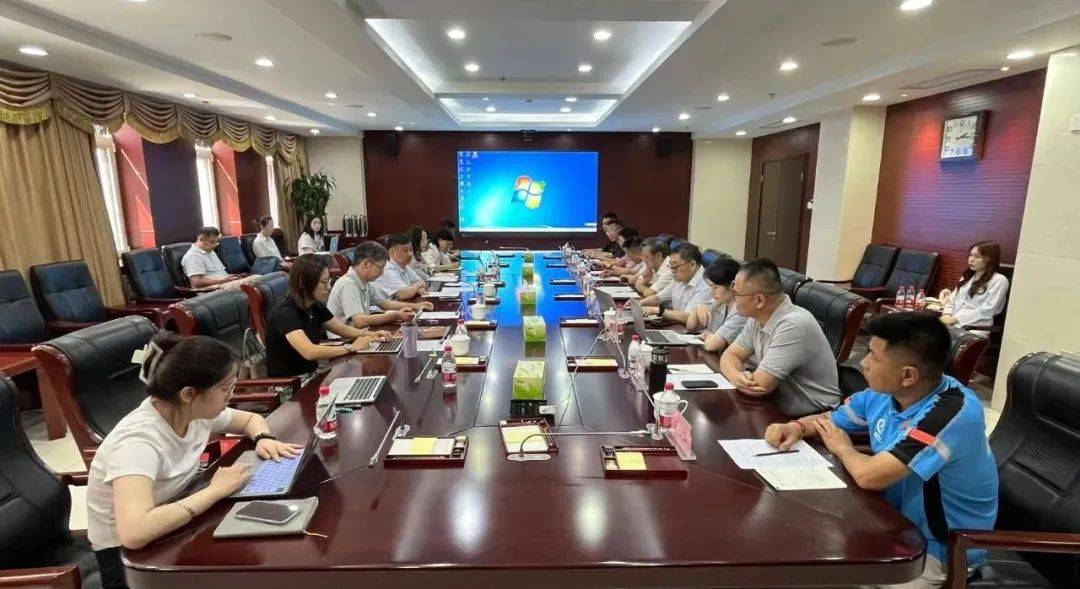
Core Viewpoint - The recent focus on delivery platform subsidies has prompted Meituan and other companies to commit to establishing a fair and orderly industry environment, promoting mutual benefits and sustainable development in the food service sector [2][8]. Group 1: Meituan's Initiatives - Meituan has outlined five measures to regulate promotional activities, including strict adherence to relevant laws such as the Anti-Monopoly Law and the Anti-Unfair Competition Law [2]. - The company will ensure transparency by publicly disclosing subsidy information to merchants and consumers without exaggerating the total subsidy amount [2]. - Meituan will not force or indirectly compel merchants to participate in subsidy activities, thereby safeguarding their pricing autonomy [2]. - The company commits to non-discriminatory practices for merchants and consumers, ensuring fairness in promotional activities and protecting the interests of small merchants [2]. - Meituan aims to create a win-win ecosystem involving consumers, merchants, delivery riders, and platform enterprises, focusing on quality and service rather than just price competition [2]. Group 2: Other Platforms' Commitments - Taobao and Ele.me have pledged to enhance service quality and promote healthy competition by planning subsidies based on consumer and merchant needs, while respecting merchants' rights [5]. - They will actively resist malicious competition and irrational promotional activities, ensuring that merchants' earnings and market operations are respected [5][8]. - JD's delivery service has also committed to standardizing subsidy behaviors and resisting "0 yuan purchase" promotions, focusing on quality and service differentiation [8]. - All platforms emphasize the importance of improving service quality and consumer experience while promoting responsible consumption and reducing food waste [8][9]. Group 3: Regulatory Context - The State Administration for Market Regulation has urged Meituan, Ele.me, and JD to comply with laws such as the Electronic Commerce Law and the Anti-Unfair Competition Law, emphasizing the need for rational competition and a healthy industry ecosystem [11].
【评论】外卖大战的背后是即时零售争夺战,而非单纯内卷
Xin Lang Cai Jing· 2025-08-01 00:08
进入盛夏,外卖大战烽火又起。 7月12日周六,继月初的补贴大战后,美团和淘宝再次祭出18元起跳的大额红包,并附赠各种零零碎碎 的免单券、兑换券、抽奖券。补贴带来的后果非常明显,各平台外卖订单数量不断刷新纪录,从淘宝宣 布闪购订单数超过8000万,到美团即时零售日订单突破1.5亿,只用了一周的时间。 7月18日,市场监管总局约谈饿了么、美团、京东三家平台企业,要求相关平台企业严格遵守《电子商 务法》《反不正当竞争法》《食品安全法》等法律法规,进一步规范促销行为,理性参与竞争,共同构 建消费者、商家、外卖骑手和平台企业等多方共赢的良好生态,促进餐饮服务行业规范健康持续发展。 这是继2025年5月份五部门约谈外卖平台后,三巨头再次被约谈。 为什么外卖大战的烽火,一直从3月份持续到7月份,而且到目前为止未有停止下来的趋势?最为可能的 原因是,外卖这一业态的逻辑发生了变化,它不只是一个行业,而是成为撬动其它领域入口,而即时零 售则是各大平台今后着力的主战场。 今年2月,京东凭借"全年免佣金+骑手五险一金"的组合拳高调入场,而京东创始人刘强东更是给京东外 卖下达了利润率不超过5%的命令。尽管后来业界证明外卖行业5%的利润 ...