手机

Search documents
“悍将”李健换血荣耀,闯关2000亿
Xin Lang Cai Jing· 2025-07-14 07:19
Core Viewpoint - The article discusses the leadership changes at Honor and the company's strategic efforts to revitalize its market position and prepare for an IPO by 2026, emphasizing the need for product innovation and sales recovery amid a challenging competitive landscape [2][9]. Group 1: Leadership Changes - Li Jian took over as CEO from Zhao Ming and has implemented significant personnel changes, including a major restructuring of the sales and marketing teams [4][8]. - Under Li Jian's leadership, Honor has seen a high turnover rate, with 45% of key positions being replaced, and a notable increase in younger employees [6][7]. - Li Jian's management style is described as strong and decisive, contrasting with his predecessor's more lenient approach [2][4]. Group 2: Market Performance - Honor's market share has declined significantly, dropping to 13.7% in Q1 2025, marking its lowest position in two years [4][9]. - The company has faced intense competition from Huawei and Xiaomi, particularly in the high-end smartphone market, where its market share for models priced over $600 fell by 34% [9][10]. - Despite these challenges, the launch of the Honor 400 series has shown promising sales, with over one million units activated within a month, representing a 195% increase compared to previous series [11][12]. Group 3: Product Strategy - The Honor 400 series features competitive specifications, including a Snapdragon 7 Gen4 processor and a starting price of 2499 yuan, positioning it as a value-for-money option in the mid-range market [11][12]. - The recent launch of the Magic V5 foldable phone aims to capitalize on Honor's strengths in this segment, with a focus on lightweight design and advanced technology [12][13]. - Honor's strategy includes a shift towards AI and smart devices, with plans to invest $10 billion over five years to build an AI ecosystem [16][17]. Group 4: Financial Outlook - Honor's valuation is projected at 200 billion yuan ahead of its IPO, necessitating a strong performance in sales and profitability to attract investor interest [2][16]. - The company is focusing on maintaining core profits from its digital and mid-range products while cautiously managing R&D investments [18][19]. - Employee sentiment regarding stock options and internal morale appears to be mixed, with some expressing skepticism about the company's future valuation [19][20].
手机厂商更新惹争议:老用户一夜成牛夫人,都是机海战术给逼的?
3 6 Ke· 2025-07-11 05:54
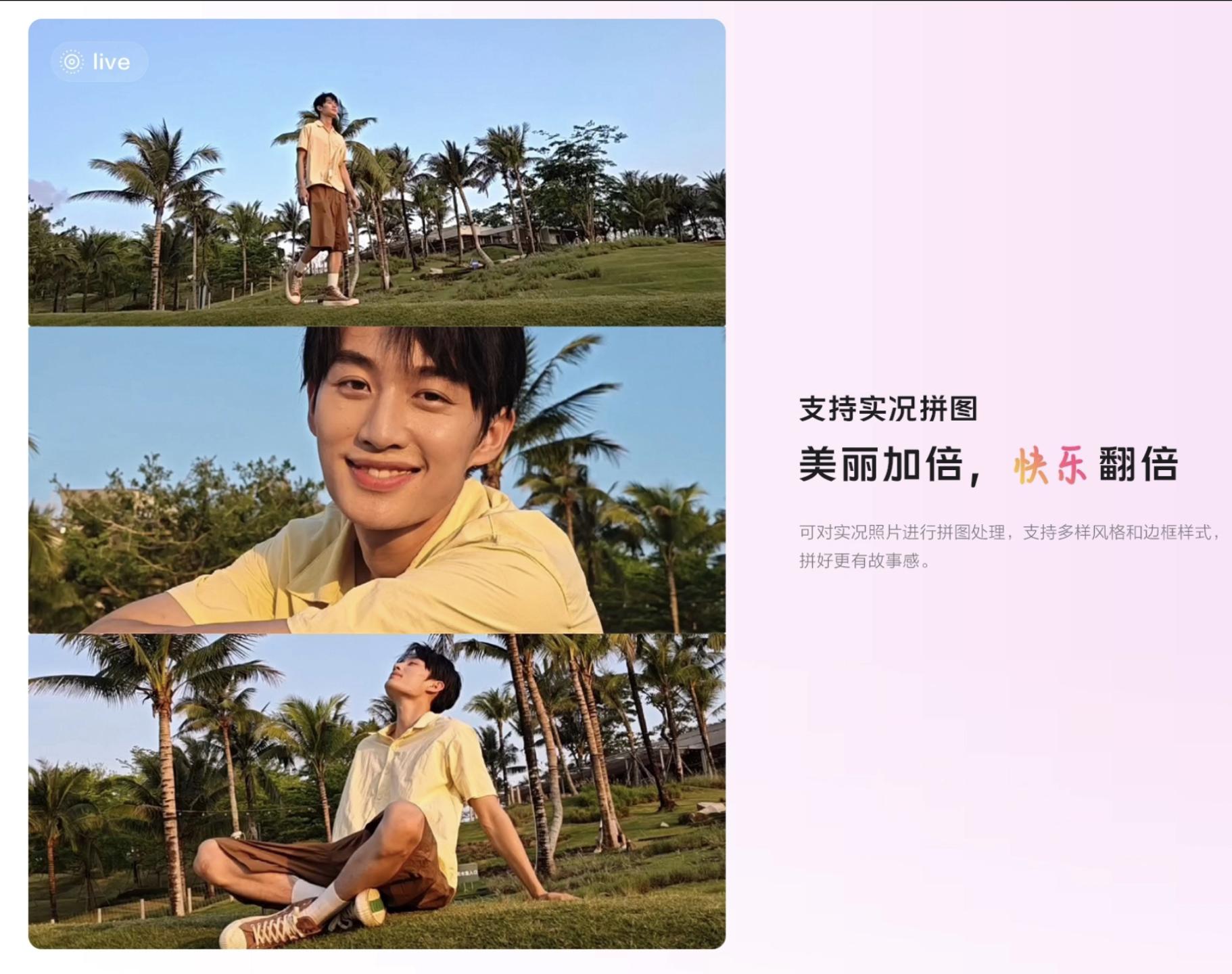
Core Viewpoint - The shift in user complaints from hardware to software in the smartphone industry highlights the growing dissatisfaction among flagship users regarding the lack of timely updates and exclusive features for new models, leading to a perception of neglect for older models [1][15][19] Group 1: User Experience and Expectations - Users of flagship models feel frustrated when new features are exclusively available on mid-range devices, despite having paid significantly more for their devices [3][15] - The perception of being treated as less valuable compared to new device users creates a sense of betrayal among loyal customers [15][19] - The introduction of features that are not fully available to older models, such as limited filter options, exacerbates user dissatisfaction [7][19] Group 2: Manufacturer Strategies - Manufacturers are under pressure to innovate in the mid-range market, leading to the introduction of exclusive features that may alienate existing flagship users [4][16] - The "ocean of products" strategy, where companies release numerous models, complicates the upgrade process and diminishes brand loyalty among consumers [16][19] - The focus on high-end products is becoming essential as the smartphone market matures, with companies needing to balance new releases with customer satisfaction [21][23] Group 3: Market Dynamics - The competitive landscape has intensified, with companies launching multiple models in quick succession, which can confuse consumers and dilute brand identity [16][21] - The shift towards high-end products is seen as a necessary strategy to counteract declining sales in lower segments, as the market becomes saturated [21][23] - Companies that can streamline their product lines and focus on quality over quantity are likely to succeed in maintaining market share and customer loyalty [23]

活久见,可拆卸电池杀回来了?
36氪· 2025-07-09 23:54
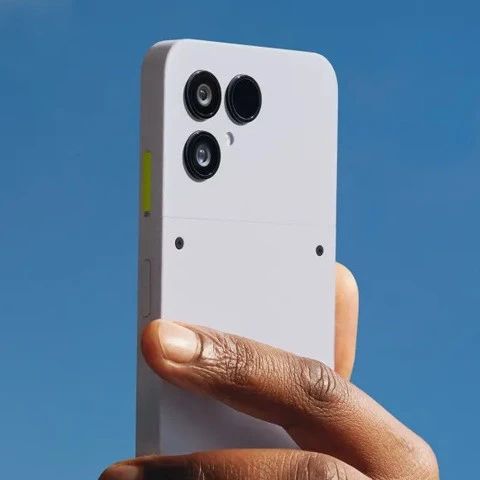
以下文章来源于雷科技 ,作者雷科技AI硬件组 雷科技 . 专注AI硬科技 那个没电了就扒开后盖换一块电池 的好时代,终于要回来了? 文 | 雷科技AI硬件组 编辑 | 三明治 来源| 雷科技(ID: leitech ) 封面来源 | 企业官网 不知道大家还记不记得,之前欧盟说过,要立法强制手机使用可拆卸电池。 因为各方利益的原因,经过几年的谈判和拉扯后,这个万众瞩目的法案已经是停滞在那里长达两年时间了,依然没有一丝落地的曙光。 除了各家手机厂商和供应商的利益纠葛,当时消费者们对这份法案的态也是褒贬不一。 前段时间,以环保为核心主张,主打模块化、易维修等设计理念的欧美小众厂商Fairphone,终于是在欧洲正式发布了自家的第六代手机—— Fairphone 6 ,产品定价为599欧元(按现在的汇率,约合人民币5033.61元)。 (图源:雷科技) 没错! 除了整机零部件都可以由用户自行更换外,这款产品最大的卖点就是可以通过拆卸及更换电池来迅速恢复电量。 一方面,支持者普遍认为,现在每年都有大量的手机被报废,根本原因在于电池老化导致的续航不够,再加上在原厂售后那里更换电池所带来的高成本,而 不是手机本身的性能不行 ...
百亿元外卖大战,让餐饮业缓了口气
2 1 Shi Ji Jing Ji Bao Dao· 2025-07-09 00:26
Group 1: Market Competition - The competition in the food delivery market is intensifying, with JD.com reporting nearly 200 restaurant brands achieving over 1 million sales on its platform within four months [1] - JD.com has launched a "Double Hundred Plan," investing over 10 billion yuan to support more brands in reaching 1 million sales [2] - Taobao and Ele.me announced a daily order count exceeding 80 million, with Taobao's flash purchase program starting a 50 billion yuan subsidy plan [3] Group 2: Industry Challenges - The restaurant industry is facing significant challenges, with approximately 46.4% of new restaurants expected to close by 2024 [4] - The average store efficiency has declined across most categories, leading to an increase in the number of closures to 4.09 million in 2024, with a closure rate of 61.2% [4] - Major brands like KFC and Pizza Hut are experiencing a continuous decline in average transaction value [6] Group 3: Pricing Strategies - The current price war is primarily focused on low average transaction value markets, where discounts are more pronounced [8] - A national restaurant brand founder stated that to survive, businesses must prioritize cost-effectiveness, leading to lower average transaction values [7] - The aggressive pricing strategies, while intensifying competition, provide temporary relief to restaurants through subsidies [9]
专家访谈汇总:挖掘机销量涨了,释放什么信号?
阿尔法工场研究院· 2025-07-08 12:22
Group 1: Mobile Market Insights - In Q2 2025, the Chinese smartphone market is highly competitive, with the top five brands having minimal market share differences. Xiaomi leads with a 16.63% market share and an activation volume of 11.42 million units, showing a year-on-year growth of 7.39% [2] - Xiaomi's global smartphone shipments reached 41.8 million units in Q1 2025, capturing a global market share of 14.1%, reflecting a year-on-year growth of 3.0% [3] - OPPO benefits from multi-brand synergy, with its OnePlus series performing well in the high-end market, while Huawei's product innovation, especially in 5G and imaging technology, has been well recognized [3] Group 2: Communication Equipment Market - The global communication equipment market is expected to exceed $1.2 trillion by 2025, with China's market projected to surpass 3.2 trillion yuan, achieving a compound annual growth rate (CAGR) of 12.5% [1] - The market for 800G Ethernet optical modules is anticipated to surpass that of 400G, with projections indicating that the combined market for 800G and 1.6T optical modules will exceed $16 billion by 2029 [1] - Chinese optical module manufacturers are gaining a dominant position in the global market, which is expected to enhance industry profitability [1] Group 3: Banking Wealth Management - As of June 2025, the Chinese banking wealth management market shows steady performance, with the number of existing wealth management products reaching 42,300 and a total scale of 30.97 trillion yuan, reflecting a 3.4% growth from the end of 2024 [3] - The average annualized yield of banking wealth management products in the first half of 2025 was 2.4%, significantly higher than the one-year fixed deposit rates, which are generally below 1% [4] - The market for "fixed income plus" products remains attractive to low-risk investors, driven by a bullish bond market [3] Group 4: Excavator Sales Performance - In the first half of 2025, major domestic excavator manufacturers sold 120,520 units, marking a year-on-year increase of 16.8% [5] - In June, excavator sales showed strong growth, with domestic sales increasing by 6.2% and exports rising by 19.3% [5] - The average working hours for major engineering machinery products in June 2025 were 77.2 hours, indicating a year-on-year decrease of 9.11% [5]
开刀or解冻?AI时代中层行动指南
3 6 Ke· 2025-07-08 08:17
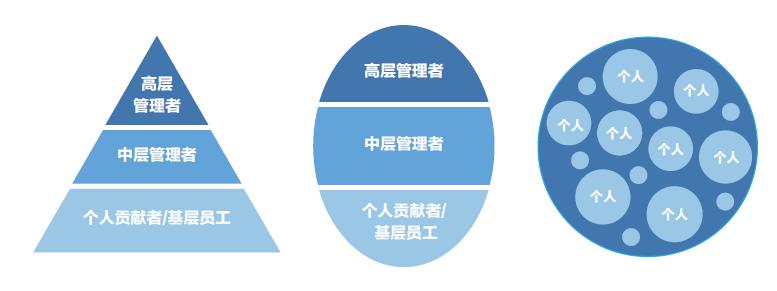
Group 1 - Nokia was a dominant player in the mobile phone market until the emergence of Apple and Android, which led to its decline and eventual sale of its mobile business to Microsoft for approximately $7.5 billion in 2013 [1][2] - The failure of Nokia's mobile division is attributed to management complacency and innovation fatigue, with researchers questioning why Nokia fell into this state [1][2] - Interviews with 76 Nokia executives revealed that middle managers were under pressure from higher-ups and shareholders, leading them to conceal negative information and provide overly optimistic reports [2][3] Group 2 - A report indicated that 99% of surveyed middle managers felt pressure, with 44% describing it as "very" or "extremely" high, and 79% reported burnout due to the stress of managing others [2][3] - Historically, middle managers were seen as essential for executing strategies and supervising employees, but their roles have evolved, facing increased demands for innovation and flexibility [3][4] - The rise of globalization and technology has led to a bureaucratic structure that often marginalizes middle managers, making them targets for organizational restructuring [4][6] Group 3 - Middle managers are often viewed as "permafrost," lacking the ability to generate new value and becoming resistant to change [6][9] - Research shows that middle managers face a mismatch between their responsibilities and the expectations from higher management, leading to feelings of being overwhelmed and under-supported [9][10] - The communication gap between middle and upper management is identified as a critical issue in Nokia's failure, with fear-based communication hindering the flow of crucial information [10][12] Group 4 - The "Kiss-Up-Kick-Down" (KUKD) behavior model describes how middle managers navigate their roles by ingratiating themselves with superiors while exerting pressure on subordinates [11][12] - Middle managers often feel trapped in their roles, leading to burnout and anxiety, which drives them to seek upward mobility through competitive behaviors [12][13] - Effective upward management, characterized by trust and rational communication, can help middle managers align their goals with organizational objectives [12][13] Group 5 - The advent of AI poses both a threat and an opportunity for middle managers, as it can replace lower-level tasks while increasing their responsibilities [19][20] - AI is expected to enhance middle managers' efficiency through process optimization, decision support, and content creation, but it also requires them to adapt to new evaluation standards [20][21] - The need for middle managers to embrace technology and redefine their roles is emphasized, as they are crucial for bridging communication and fostering innovation within organizations [21][23] Group 6 - The role of middle managers needs to be redefined in the AI era, shifting from administrative functions to becoming data-driven decision-makers and continuous guides for employee development [23][24] - Organizations must recognize the value of middle managers and provide them with the necessary support and resources to thrive in their roles [24][25] - The transformation of middle management is essential for addressing structural tensions within organizations and ensuring effective execution of strategies [25][27]

LG手机,卒
36氪· 2025-07-08 00:04
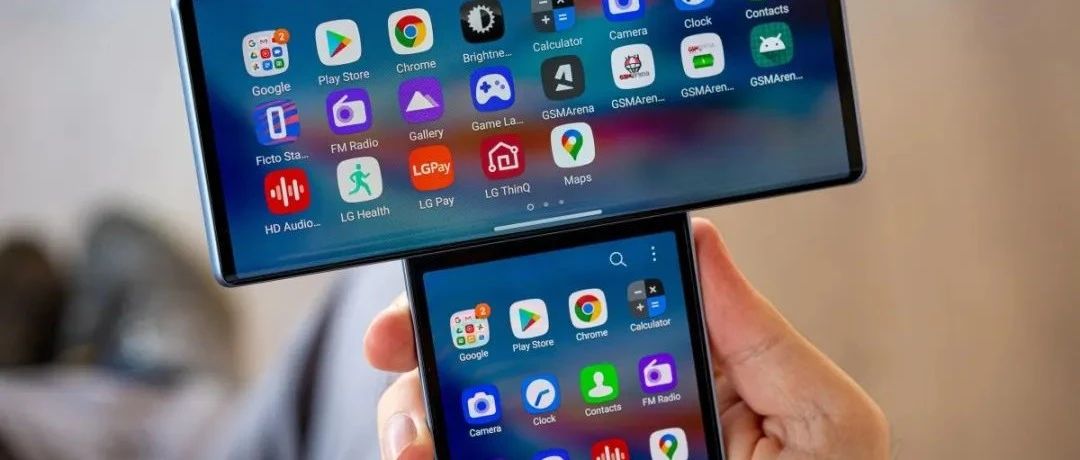
Core Viewpoint - LG Electronics has officially exited the mobile phone industry, marking the end of its presence in a market where it once ranked third globally in smartphone sales [4][13]. Group 1: Historical Context - LG's rise began with the launch of the Chocolate phone in 2005, which became a significant success in the market [6]. - The company made critical missteps in the smartphone era by initially choosing to develop its own operating systems, OMS and Windows Phone, instead of adopting Android sooner [6][15]. - By 2013, LG reached its peak, ranking third in global smartphone sales, but soon faced competition from brands like Lenovo and Huawei [8]. Group 2: Financial Performance - Starting from Q2 2015, LG's mobile division reported losses every quarter, accumulating a total loss of approximately 5 trillion KRW (around 26.45 billion RMB) by Q4 2020 [9]. - Despite attempts to innovate with unique products like the LG Wing, the company struggled to regain market share and profitability [12][19]. Group 3: Market Strategy and Competition - LG's decision to exit the Chinese market in 2018 did not help its position in North America and Europe, where it continued to lose ground to competitors like Apple and Samsung [11][20]. - The company's marketing strategies were ineffective compared to rivals, failing to resonate with consumers and lacking visibility [19]. Group 4: Lessons Learned - LG's decline illustrates the consequences of failing to adapt to market changes and consumer demands, as well as the importance of cohesive internal strategy [21][24]. - The case of LG serves as a cautionary tale for other companies in the tech industry, emphasizing the need for humility and responsiveness to market trends [24][26].
一杯茶饮的品牌使命
Mei Ri Jing Ji Xin Wen· 2025-07-06 13:52
Core Viewpoint - The rise of Chinese tea brands in international markets reflects a broader transition from "Made in China" to "Brand from China," showcasing cultural and emotional connections with consumers [1][3][5] Group 1: Market Dynamics - Chinese tea brands are gaining popularity overseas, driven by technological innovation, cultural depth, and emotional value [1] - The growth of new tea brands is a response to the saturation of the domestic market, with annual growth rates slowing from over 20% to 5.7% [3] - The global market presents a new battleground for these brands, as they seek to establish a competitive edge through pricing strategies and supply chain efficiencies [3][4] Group 2: Cultural Significance - The emergence of tea brands abroad is not just about market expansion but also about cultural resonance, as these brands serve as cultural ambassadors [5] - The narrative surrounding tea brands can transform them into social currency and identity markers, enhancing their acceptance in diverse markets [2] - The cultural journey of tea brands is seen as a new trend in China's service trade, with significant potential for growth [4] Group 3: Competitive Landscape - Despite the rise of Chinese brands, many Western brands continue to dominate the market, capturing significant brand premiums [3] - The disparity in profit retention highlights the need for Chinese brands to strengthen their global presence and brand equity [3] - The success of brands like Mixue Ice City in overseas markets illustrates the effectiveness of low-cost strategies supported by a robust global supply chain [3]
段永平最低调门徒,一己之力,完胜华为、小米
创业家· 2025-07-03 09:57
Core Viewpoint - The article discusses the success of the children's smartwatch brand "小天才" (Xiao Tian Cai), led by Jin Zhi Jiang, who has created a social ecosystem for children that drives parents to purchase the product, highlighting the unique business strategy of appealing to children's social needs while ensuring parental approval [3][4][29]. Group 1: Market Position and Strategy - Xiao Tian Cai has become a dominant player in the children's smartwatch market, with a market share projected to reach approximately 35% by 2024, surpassing competitors like Huawei and Xiaomi, which together hold about 25% [29]. - The brand's strategy focuses on creating a social network among children, where the smartwatch serves not just as a communication tool but as a status symbol, fostering a sense of belonging and peer recognition [15][20]. - Jin Zhi Jiang's approach involves understanding the separation between the buyer (parents) and the user (children), leading to a product that satisfies both parties' needs [10][8]. Group 2: Product Features and User Engagement - The smartwatch includes features like "微聊" (micro chat) for exclusive communication among users, creating a closed social circle that enhances user engagement [15][16]. - Unique design elements, such as the ability to "碰一碰" (tap to add friends) and gamified elements like a points system, encourage children to interact and compete, further embedding the product into their social lives [19][22]. - The points system has evolved into a form of currency among children, with a market exchange rate that has inflated from 10 points to 150-200 points for 1 RMB, indicating a strong engagement and value perception among users [23][24]. Group 3: Business Philosophy and Legacy - Jin Zhi Jiang's business philosophy is influenced by his mentor, Duan Yongping, emphasizing the importance of understanding market needs and innovating accordingly, as seen in the historical success of products like 小霸王 (Little Tyrant) and 步步高 (Bubugao) [31][45]. - The continuous product iteration strategy, akin to Apple's model, ensures that children feel the need to upgrade to the latest version, thus maintaining a cycle of repeat purchases [26][28]. - The article highlights the broader implications of this business model, suggesting that it reflects a deeper understanding of children's social dynamics and the evolving landscape of consumer behavior in the digital age [50].

300750,持续拉升,成交额A股第一
新华网财经· 2025-07-03 04:44
Core Viewpoint - The article discusses the recent market movements, highlighting the rebound in sectors such as innovative pharmaceuticals and consumer electronics, while cyclical sectors like photovoltaic and coal experienced declines. Market Performance - The Shanghai Composite Index rose by 0.07%, the Shenzhen Component Index increased by 0.75%, and the ChiNext Index gained 1.36% during the morning session [2]. Consumer Electronics Sector - The consumer electronics sector saw a rebound, with the Tonghuashun Fruit Index leading the gains. Key stocks such as Industrial Fulian, Pengding Holdings, and Lens Technology experienced significant increases [5][6]. - Notable stock performances included Lens Technology up by 8.41% with a market cap of 117.1 billion, Industrial Fulian up by 8.08% with a market cap of 454.2 billion, and Pengding Holdings up by 6.19% with a market cap of 79.5 billion [6][7]. - The release of new AI-integrated products, such as Honor's Magic V5 foldable phone and Xiaomi's AI glasses, indicates a competitive landscape in the consumer electronics market [8][9]. Innovative Pharmaceuticals Sector - The innovative pharmaceuticals sector experienced a rise, positively impacting the overall pharmaceutical stocks, with significant gains in biopharmaceuticals, biomedicine, and traditional Chinese medicine [11]. - Key stocks in the innovative pharmaceuticals sector included Sihuan Pharmaceutical, Sai Sheng Pharmaceutical, and Jiu Zhi Tang, with notable increases in their stock prices [11][13]. - Recent policy support from the National Medical Products Administration aims to optimize the clinical trial review process for innovative drugs, potentially enhancing the sector's growth [14]. - The Chinese innovative pharmaceutical industry is witnessing breakthroughs, with multiple drugs approved for market entry and increasing international collaborations, indicating a robust growth trajectory [14].