互联网

Search documents
港股首个交易日,恒科的股东已经想报警了
表舅是养基大户· 2026-02-20 13:33
大家新年好啊,今天是周五,港股已经开盘,因此上来和大伙儿聊几句,然后休息两天,等下周一(初七)港股再开盘的晚上,继续完整地聊一 下海外等全球大类资产,在假期的表现,帮大家在A股开盘前热个身。 今天分几个点哈,聊到哪儿算哪儿。 一、春晚的一些想法。 我觉得吐槽是没啥意义的,能看到一些事物发展的本质,才是有价值的。 1、本届春晚的 "含科量" 巨高,炒股的自然都知道,这和对A股提高"含科量"的政策目标,是一脉相承的,显然是自上而下的传导,因为很多工 作,靠春晚导演组,是协调不到的。 2、虽然很多人会揶揄春晚,拿部分地区春晚收视率不高抬杠,但毫无疑问,在传统媒介逐渐凋敝(从大家都集中看几家电视台,变成了人人刷 不同的短视频),人民群众的爱好和目光焦点多元化的当下, 春晚就是全国人民的最大公约数 ,在这个舞台上做些宣传,显然效果是最好的 ——反面例子是这回美国的超级碗,有个波多黎各歌手全程用西班牙语表演"报菜名",川宝发帖子吐槽,称其是史上最差表演,简直礼崩乐坏。 年初展望的时候《 2026年金融市场的十大预测 》,咱们提到过 K型分化 的问题,在第十点。 这回春节就有了个微观的体验,家族里有亲戚,去年在股市里赚的不 ...


港股迎马年首个交易日,机器人板块逆势大涨
凤凰网财经· 2026-02-20 13:07
Core Viewpoint - The Hong Kong stock market experienced a collective decline on the first trading day of the Year of the Horse, with significant interest in robotics stocks following their appearance at the Spring Festival Gala, which led to a strong performance in this sector [1][5]. Market Performance - The Hang Seng Index fell by 0.6%, the Hang Seng Tech Index dropped by 2.28%, and the Hang Seng China Enterprises Index decreased by 0.59% [1]. - Major tech stocks faced pressure, with Baidu Group-SW down 5.67%, Kingdee International down 5.47%, Bilibili-W down 5.12%, and JD Health down 5.03%. Alibaba-W also saw a decline of 3.75% [3][1]. Sector Highlights - Robotics stocks surged, with notable gains including Yujian up over 19%, Suten up over 9%, and UBTECH and Sanhua Intelligent Control both up over 6% [5]. - The electric equipment sector also performed well, with China High-Speed Transmission up over 17%, Shanghai Electric up over 6%, and Harbin Electric up over 4% [7][9]. - The semiconductor sector saw fluctuations, with Lanke Technology rising nearly 2% before retreating, while Tensu Zhixin fell over 6% after reaching a historical high [9]. Investment Recommendations - Haitong Securities suggests focusing on three key areas for future investments: 1. Semiconductor hardware, particularly storage, which is expected to benefit from ongoing global demand [10]. 2. Specialty consumption sectors, such as dining and innovative pharmaceuticals, which are anticipated to see improved market conditions [10]. 3. The electric equipment sector, driven by the need for upgrades in power systems and the influx of passive funds following the inclusion of CATL in the Hang Seng Index [10].

今日财经要闻TOP10|2026年2月20日
Sou Hu Cai Jing· 2026-02-20 11:50
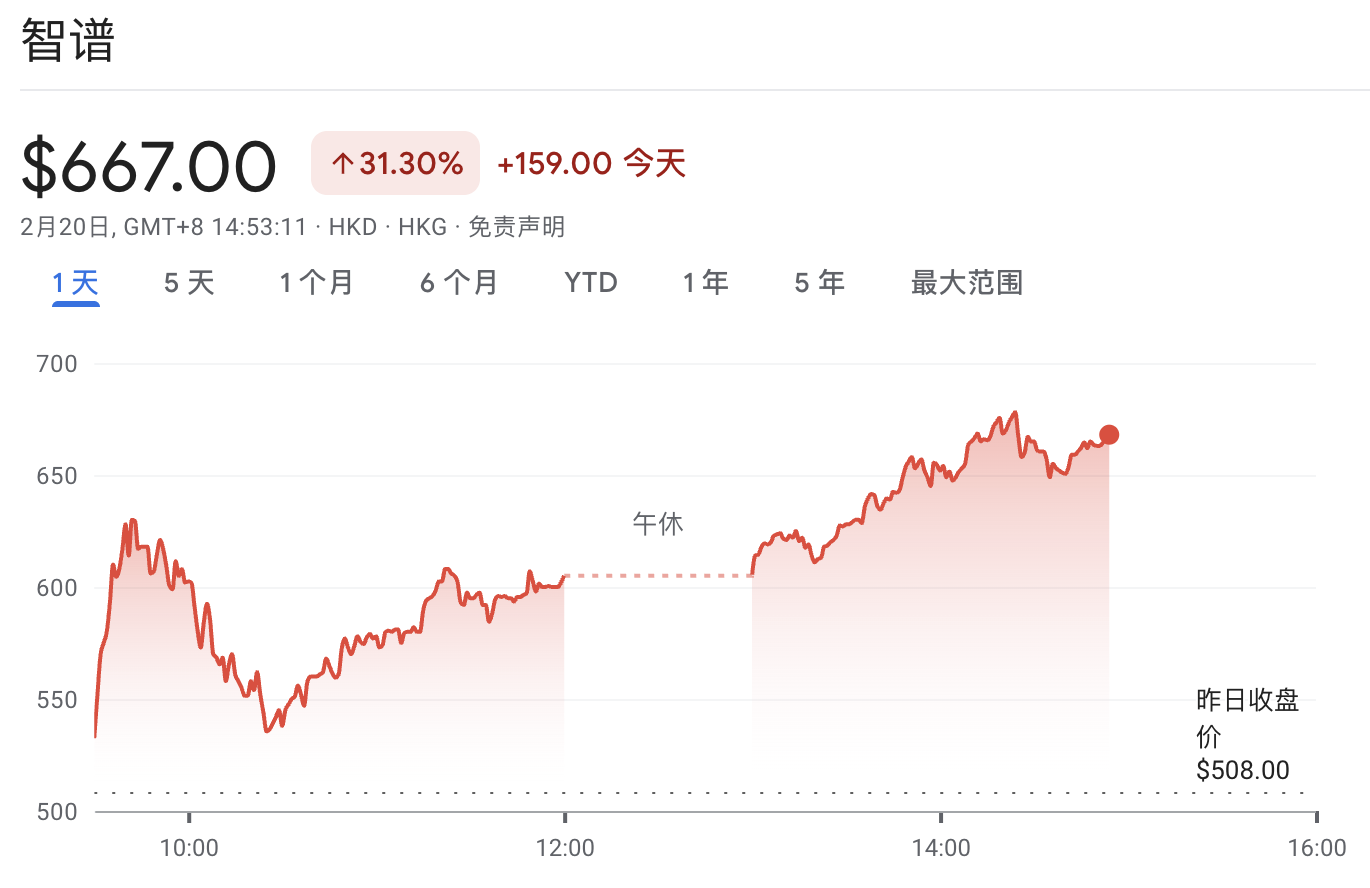
Market Performance - The Hang Seng Index closed down 1.10%, while the Hang Seng Tech Index fell by 2.91% on the first trading day after the Spring Festival, with a total market turnover of 165.37 billion HKD [6][9] - Notable stock movements included a significant rise in Zhihui (02513.HK) by 42.72%, reaching a market capitalization of over 320 billion HKD, and MINIMAX-WP (00100.HK) increasing by 14.52% [6][9] - Conversely, major tech stocks like Baidu (09888.HK) and Alibaba (09988.HK) saw declines of over 5% [6][9] Sector Trends - Oil, artificial intelligence, and robotics sectors showed strong performance despite the overall market decline, while sectors such as film and entertainment, internet healthcare, and online retail struggled [6][9] - The AI application and robotics concept stocks were highlighted as outperformers in a generally bearish market environment [1][6] Trade Agreements - The U.S. and Indonesia have finalized a reciprocal trade agreement aimed at expanding market access for U.S. goods, with Indonesia agreeing to eliminate tariffs on over 99% of U.S. exports [6] - The agreement includes approximately 33 billion USD in commercial cooperation, covering energy, aviation, and agricultural products [6] Economic Indicators - Federal Reserve Governor Stephen Milan revised down his expectations for significant interest rate cuts this year, citing stronger-than-expected employment data and persistent inflation [7] - Milan's updated stance suggests a potential reduction of 1 percentage point from the current rate of 3.5% to 3.75% [7]




三大AI大模型股齐创新高,智谱2月以来累计涨幅达220.51%
Bei Jing Ri Bao Ke Hu Duan· 2026-02-20 11:09
Market Overview - On February 20, the first trading day after the Spring Festival, Hong Kong's three major indices collectively fell, with the Hang Seng Index down 1.10% to 26,413.35 points, the Hang Seng China Enterprises Index down 1.22% to 8,959.56 points, and the Hang Seng Tech Index down 2.91% to 5,211.50 points. However, the Hang Seng Biotechnology Index rose 0.96% [1][2]. Company Performance - Alibaba's stock dropped 4.91% to HKD 147.1 per share on February 20, amidst a general decline in tech stocks, with Baidu down 6.25%, JD Health down 6.27%, and Bilibili down 5.28% [3][5]. - Despite the drop, Jefferies issued a positive report on Alibaba's AI model "Qianwen," noting it facilitated over 130 million orders, with about half coming from county-level markets [5]. AI Sector Highlights - Three newly listed AI model stocks continued to rise, with MINIMAX-WP up 14.52%, Zhizhu up 42.72%, and Haizhi Technology Group up 28.42%. Zhizhu's cumulative increase in February reached 220.51%, while MINIMAX-WP's was 105.07% [7]. - As of February 20, Zhizhu's market capitalization reached HKD 323.2 billion, while MINIMAX-WP's was HKD 304.2 billion, and Haizhi Technology Group's was HKD 61.7 billion [7]. Cambridge Technology Update - Cambridge Technology's stock fell 5.81% to HKD 64.05 per share. The company addressed rumors regarding delays from its largest client, Cisco, and stated that its performance forecast for 2025 indicates a net profit increase of 51.19% to 66.79% [9]. - The company also reported that foreign exchange losses due to the depreciation of the Hong Kong dollar against the US dollar would impact its fourth-quarter performance but would not alter the overall positive profit forecast [9]. Gold Market Initiatives - The Hong Kong Financial Services and the Treasury Bureau aims to establish Hong Kong as an international gold trading center, targeting over 2,000 tons of gold storage within three years [10]. - The bureau plans to promote the establishment of gold refining facilities and has signed a memorandum of cooperation with Shenzhen's financial management bureau to support gold merchants in refining gold for trade in Hong Kong [10].

掌握10万亿美元资产,美国犹太资本巨头,已全面渗透中国
Sou Hu Cai Jing· 2026-02-20 10:23
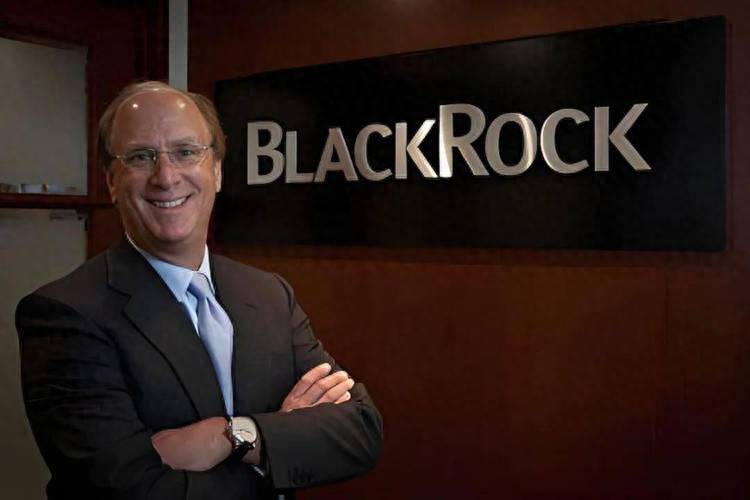
Core Viewpoint - BlackRock, the world's largest asset management company, has established a significant presence in the Chinese market, managing assets worth $300 billion through a complex financial network [2]. Group 1: Investment Strategy and Market Entry - BlackRock made its initial investment in China in 2006 by acquiring a stake in China Bank Fund, marking the beginning of its strategic entry into the market [4]. - Following the removal of foreign ownership limits in April 2020, BlackRock quickly submitted an application to establish a wholly-owned public fund company in August 2020 [4]. - By June 2021, BlackRock became the first foreign institution allowed to set up a wholly-owned public fund in China, showcasing its first-mover advantage [6]. Group 2: Investment Holdings and Influence - As of the end of 2024, BlackRock indirectly holds stakes in over 1,200 Chinese listed companies through more than 200 fund products, creating a network that spans critical sectors of the Chinese economy [10]. - In the electric vehicle sector, BlackRock is the second-largest institutional shareholder of CATL and holds approximately 6.2% of BYD's H-shares, along with significant stakes in other new energy vehicle companies [10][12]. - BlackRock's investments extend across the entire electric vehicle supply chain, from battery manufacturing to vehicle production and charging infrastructure [12]. Group 3: Regulatory Environment and Challenges - A 2024 report from the U.S. Congress highlighted that BlackRock invested billions in several Chinese companies under U.S. sanctions, prompting calls for legislative action to limit such investments [20]. - In response to foreign capital penetration, Chinese regulatory bodies have begun to enhance oversight, particularly concerning investments in critical information infrastructure and data resources [22]. - New regulations introduced in March 2024 emphasize compliance for foreign financial institutions, with a focus on preventing circumvention of regulations through complex financial structures [24]. Group 4: Future Outlook and Strategic Developments - By the third quarter of 2025, BlackRock's asset management scale in China reached $1.225 trillion, reflecting a 12% year-on-year growth despite regulatory pressures [28]. - BlackRock's ongoing expansion in China signifies a broader trend of foreign capital navigating the balance between openness and security in the financial landscape [30].

大涨220.51%
Zhong Guo Ji Jin Bao· 2026-02-20 09:56
Group 1 - The core viewpoint of the article highlights the significant performance of AI model stocks, with notable gains for companies like Zhipu and MINIMAX, while the broader Hong Kong stock market faced declines [1][6]. - The Hang Seng Index fell by 1.10% to 26,413.35 points, with the Hang Seng Technology Index dropping 2.91% to 5,211.50 points, while the Hang Seng Biotechnology Index rose by 0.96% [2][1]. - Alibaba's stock experienced a decline of 4.91%, closing at HKD 147.1 per share, amidst a general downturn in tech stocks [2][4]. Group 2 - Zhipu's stock surged by 42.72%, and MINIMAX-WP rose by 14.52%, with both companies achieving market capitalizations exceeding HKD 300 billion [6]. - Since February, Zhipu has recorded a cumulative increase of 220.51%, while MINIMAX-WP has seen a rise of 105.07% [6]. - Cambridge Technology's stock fell by 5.81% to HKD 64.05 per share, amid concerns regarding its performance and client relationships [6][8]. Group 3 - The Hong Kong government aims to establish the region as an international gold trading center, targeting over 2,000 tons of gold storage within three years [10][11]. - Efforts include promoting the establishment of gold refining facilities and enhancing cooperation with Shanghai Gold Exchange to increase market influence [11][10]. - The Hong Kong Monetary Authority is set to launch a central clearing system for gold transactions within the year [11].

马年第四日:亚太市场分化,科技新势力崛起待A股接棒
Sou Hu Cai Jing· 2026-02-20 09:50
马年第四个交易日,亚太市场宛如一幅色彩斑斓却又对比鲜明的画卷,各区域市场走势分化显著,全球市场再度陷入"各自为战"的格局。 一、港股:开门遇冷,暗藏调仓玄机 港股马年首秀,以一场震荡走低的行情开场,给市场泼了一盆冷水。恒生指数收跌1.10%,恒生科技指数跌幅更深,达2.91%。互联网科技股更是集体承 压,百度、哔哩哔哩跌幅超5%,阿里巴巴也跌超3%,尽显颓势。 从早盘表现来看,恒科指开盘仅跌0.69%,恒指跌0.18%,市场似乎还带着一丝期待。然而午后风云突变,跌幅持续扩大,最终以全天最低点附近收盘,着 实令人意外。 但若深入剖析盘面,便能发现其中暗藏的玄机。资金并未离场,而是在悄然调仓换股。智谱宛如一颗耀眼的新星,涨幅超42%。这家源自清华、被赞誉 为"中国OpenAI"的大模型公司,凭借其强大的技术实力和广阔的发展前景,成为今日市场的焦点。越疆同样表现惊艳,涨幅超21%。作为总部位于深圳南山 的协作机器人先锋,在"机器人谷"的产业链协同效应下,正快速成长壮大。此外,中国石油股份涨幅超3%,能源股逆势走强,与国际金价站上5000美元形 成呼应。 四、新主线浮现:AI与机器人成资金新宠 今日港股市场,最值得关 ...

港股马年首个交易日收跌 恒指跌1.10% 科指跌2.91%
Xin Hua Cai Jing· 2026-02-20 09:36
新华财经香港2月20日电(记者林迎楠)马年首个交易日,港股主要指数低开,截至收盘,恒生指数下 跌1.10%至26413.35点,恒生科技指数下跌2.91%至5211.50点,国企指数下跌1.22%至8959.56点。 成交额前三的个股中,腾讯控股跌2.06%,成交超111亿港元;阿里巴巴跌4.91%,成交超104亿港元; MINMAX-WP涨14.52%,成交超35亿港元。 (文章来源:新华财经) 整体来看,多数板块下跌,生物医药、石油与天然气、高铁基建等股多为上涨,券商、银行等股有涨有 跌,黄金、有色金属、铜矿股、芯片、新能源车企、科网、房地产、建材水泥、航空、煤炭等股多有下 跌。 个股方面,小米集团跌3.55%,美团跌1.58%,中芯国际跌3.15%,泡泡玛特跌2.71%,长飞光纤光缆跌 2.96%,东方电气涨1.77%,紫金矿业跌2.02%,智谱涨42.72%,荣昌生物涨1.42%,建设银行涨0.37%, 长和跌0.63%,小鹏汽车跌2.58%,老铺黄金跌2.29%,汇丰控股涨0.07%。 当日恒指低开48.10点,开报26657.84点,开盘以较大振幅波动,午后振幅缩小,最终恒指跌292.59点, 主 ...
节后首日,港股跳水!互联网大厂,集体大跌!
证券时报· 2026-02-20 09:16
Core Viewpoint - The Hong Kong stock market experienced a significant decline on the first trading day after the holiday, with major indices dropping sharply, indicating a bearish sentiment in the market [1][2]. Market Performance - The Hang Seng Index closed at 26,413.35, down 292.59 points or 1.10% [2]. - The Hang Seng Technology Index fell by 2.91% to 5,211.50 points, marking a new low in five months [4]. - The Hang Seng China Enterprises Index decreased by 1.22% to 8,959.56 points [2]. Sector Analysis - Technology stocks faced substantial losses, with major players like JD Health and Baidu dropping over 6%, while Tencent Music and Bilibili fell more than 5% [4][5]. - In contrast, AI applications and certain leading biotech companies saw gains, with some AI stocks like Zhiyuan and MiniMax experiencing significant increases in market capitalization [6]. Cryptocurrency Sector - Cryptocurrency-related stocks surged, with Star Chain Group rising over 122% [8]. - The Hong Kong Monetary Authority is evaluating applications for stablecoin issuer licenses, aiming to issue the first licenses by March [8]. Government Outlook - The Financial Secretary of Hong Kong expressed optimism about the market for the Year of the Horse, noting that historically, three out of four Horse years have seen double-digit percentage increases [9].

港股科技股分化:“AI新贵”受追捧 “变现担忧“拖累互联网巨头
智通财经网· 2026-02-20 08:53
Group 1 - The core viewpoint of the article highlights a shift in investor preference from traditional internet giants to more focused AI companies, driven by recent market performances and developments in the AI sector [1][4][6]. - Following the Lunar New Year holiday, Hong Kong's stock market saw a divergence in technology stocks, with generative AI startups experiencing significant gains while traditional internet giants like Alibaba and Tencent faced declines [1][4]. - Notable increases were observed in AI model companies, with Zhiyu and MiniMax rising by 31% and 13% respectively, continuing their strong performance since their listings in January, with total gains exceeding four times [1][4]. Group 2 - Alibaba and Tencent reported strong business data during the holiday period, yet their stock prices fell by 1.83% and 0.29% respectively, as investors reassessed the profitability and return on investment of their AI initiatives [4][6]. - The market is increasingly scrutinizing the actual contribution of AI projects to earnings, with regulatory concerns over promotional competition adding pressure to valuations [4][9]. - Investment banks like Morgan Stanley and UBS have initiated coverage on MiniMax, with UBS setting a target price of 1000 HKD and Morgan Stanley projecting revenues could reach approximately 700 million USD by 2027, indicating a potential tenfold growth in the next two years [5][6]. Group 3 - During the holiday, Alibaba's AI application Qianwen processed 130 million orders, while Tencent's app Yuanbao had over 50 million daily active users, but investors are questioning whether this engagement can translate into visible profit contributions [6][7]. - Alibaba reportedly allocated around 3 billion RMB for consumer incentives during the Spring Festival, including cash red envelopes and discounts, highlighting the competitive landscape among major platforms [7][8]. - Regulatory scrutiny has intensified, with the market regulator urging major online platforms to curb promotional practices and eliminate "involutionary" competition, impacting the strategies of companies like Alibaba, Baidu, and Tencent [9].