咖啡

Search documents
氪星晚报 |幸运咖全球门店数突破10000家;消息人士称京东工业计划下周启动IPO,拟募资至多5亿美元;
3 6 Ke· 2025-11-24 10:53
Group 1: JD Industrial IPO - JD Industrial plans to launch its IPO in Hong Kong next week, aiming to raise up to $500 million [1] - The company is currently in discussions with investors and plans to set the issue price on December 8, with the official listing on December 11 [1] Group 2: Antai Technology - Antai Technology successfully completed a project worth 30 million yuan for the EAST new upper filter target plate, passing expert group acceptance [1] - The company also secured a significant order worth nearly 70 million yuan for the BEST fusion device filter target plate and integration project [1] Group 3: Wenyan Zhixing Financial Results - Wenyan Zhixing reported total revenue of 171 million yuan for Q3 2025, a year-on-year increase of 144.3% [2] - Product revenue surged by 428% to 79.2 million yuan, while service revenue grew by 66.9% to 91.8 million yuan [2] - Autonomous taxi revenue skyrocketed by 761% to 35.3 million yuan, increasing its share of total revenue from 5.8% to 20.7% [2] Group 4: Lazada Sales Performance - Lazada's LazMall saw sales increase by over 11 times during the Double 11 shopping festival, with average order value rising by 141% [3] - In Singapore, LazMall's average order value increased by 278%, and order volume grew more than fourfold [3] Group 5: Hema's Growth Plan - Hema announced the "Co-creation and Symbiosis" growth plan, aiming to support 10 partners with annual sales exceeding 1 billion yuan within three years [4] - The plan also targets assisting 100 suppliers to triple their sales in the same timeframe [4] - Hema's budget community supermarket, Super Box, has opened its first franchise application channel [4] Group 6: China Wangwang Financial Results - China Wangwang reported a profit attributable to equity holders of 1.717 billion yuan for the first half of the 2025 fiscal year, a decrease of 7.8% year-on-year [5] - The company's revenue for the same period was 11.108 billion yuan, reflecting a growth of 2.1% [5] Group 7: Tesla Model Y Delivery Update - Tesla updated the expected delivery date for the Model Y Long Range All-Wheel Drive version to 8-13 weeks [6] Group 8: Lucky Coffee Expansion - Lucky Coffee announced that its global store count has surpassed 10,000, covering over 300 cities in China [7] - The number of stores in first-tier markets has exceeded 1,000, with 100 stores in Beijing [7] Group 9: Investment and Financing - The commercial chain enterprise "Tian Tian Bai Ying" recently completed several million yuan in Series A financing, with funds allocated for blue-collar technician training, core scheduling algorithm development, and supply chain efficiency improvements [9] Group 10: New Product Launch - Doubao Input Method has officially launched, offering both voice and keyboard input options, supporting multiple dialects and automatic error correction [10] Group 11: Changan Automobile's Robotics Initiative - Changan Automobile plans to release its first vehicle-mounted robot component in Q1 next year, focusing on intelligent automotive robotics technology [11] - The company aims to develop humanoid robots and integrate various applications across commercial and technical sectors [11] Group 12: Market Outlook - China Galaxy Securities suggests that the Hong Kong tech sector may see renewed investment opportunities amid fluctuating investor sentiment influenced by Federal Reserve interest rate expectations and geopolitical issues [12] - The report highlights potential interest in dividend stocks for defensive strategies and a rebound in cyclical stocks due to changing supply-demand dynamics [12]
咖啡价格战杀疯了!幸运咖万家门店改写市场规则
Zhong Guo Jing Ying Bao· 2025-11-24 09:47
Core Viewpoint - Luckin Coffee has officially surpassed 10,000 stores globally, marking a significant milestone in the affordable coffee market in China, which is experiencing rapid penetration [1][2]. Company Expansion - Luckin Coffee has expanded its store coverage to over 300 cities across China, including first, second, and third-tier cities, with a notable focus on first-tier markets [2]. - The company has accelerated its national market expansion since 2025, doubling its store count in approximately 10 months [1][2]. - Luckin Coffee has initiated its global expansion, opening its first overseas store in Malaysia in August 2023 [2]. Product and Supply Chain Strategy - The company emphasizes a strong supply chain, with direct sourcing of raw materials, self-owned roasting facilities, and a self-built logistics system, ensuring fresh ingredients and efficient operations [3]. - In May 2023, Luckin Coffee signed a significant procurement agreement with Brazil for coffee beans, further stabilizing its core raw material supply [3]. - The introduction of innovative products, such as the "Coconut Latte," has contributed to its success, with over 100 million cups sold and sales exceeding 1 billion yuan [3]. Market Dynamics - The affordable coffee segment is growing rapidly, with increased competition from brands like Luckin, Ruixing, and Kudi, which are expanding aggressively in lower-tier markets [5][6]. - The overall coffee market in China is approaching 250 billion yuan, with a projected annual growth rate of nearly 20% over the next four years [6]. - The shift in consumer behavior towards coffee consumption is moving from a social to a daily attribute, broadening the market demographic [6]. Competitive Landscape - The coffee market is characterized by intense competition, with brands engaging in price wars and rapid expansion strategies [7]. - The supply chain is identified as a critical competitive factor, as product and packaging can be easily replicated, but a robust supply chain requires long-term investment [6][7].
又一家平价咖啡加入“万店俱乐部” 赛道渗透率持续提升丨新消费观察
Sou Hu Cai Jing· 2025-11-24 07:13
Group 1 - The core point of the article is that Luckin Coffee has officially surpassed 10,000 stores globally, marking it as one of the few domestic coffee chains to enter the "10,000 store club" and reflecting the rapid penetration of affordable coffee in the Chinese market [2] - Luckin Coffee, founded in 2017 and under the Mixue Group, focuses on providing "high-quality affordable" coffee products, with main product pricing between 6-8 yuan [2] - Since 2025, Luckin Coffee has accelerated its national market expansion, achieving a doubling of store numbers in about 10 months, positioning it among the top brands in terms of store growth in the coffee market [2] Group 2 - The coffee market in China is currently experiencing rapid growth, with a projected overall market size of nearly 250 billion yuan by 2024, and an expected growth rate of nearly 20% [3] - The number of consumers of freshly brewed coffee in China is expected to increase from 130 million in 2023 to 260 million by 2028, indicating significant market development potential [3] - The affordable coffee segment, where Luckin Coffee operates, is seen as the main engine of innovative growth in the Chinese coffee market, aligning with consumer demand for "value for money" in coffee consumption [3]

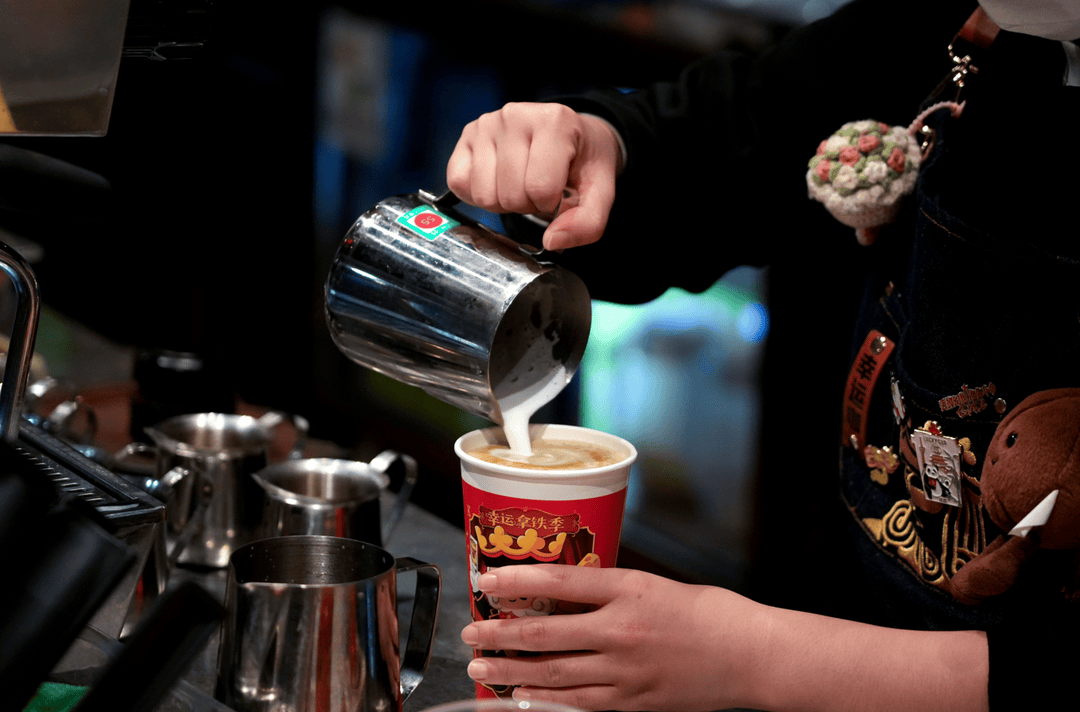
贵阳高新区这家网红咖啡店打造跨界融合的“文化新空间”
Sou Hu Cai Jing· 2025-11-24 04:01
Core Insights - The article highlights the emergence of "Konggu Wujie," a coffee shop in Guiyang High-tech Zone, as a cultural and commercial hub, blending coffee with reading and business activities [1][5] - The founders, Chen Chun and Guo Jianwei, emphasize the unique potential of Guiyang's coffee market, supported by government initiatives aimed at developing the coffee industry [3][8] - A recent government policy aims to establish Guiyang as a nationally influential coffee consumption destination by 2027, which is expected to accelerate the growth of local coffee businesses [8] Company Overview - "Konggu Wujie" was founded by experienced professionals in the coffee and new media industries, aiming to create a versatile space that transcends traditional commercial boundaries [3][6] - The founders have extensive backgrounds in the coffee industry, with Chen Chun having over 20 years of experience and having opened cafes in various cities [3] Industry Development - The coffee shop serves as a platform for various cultural and business activities, having hosted events such as press conferences and government investment salons since its opening in August [5] - The decision to establish the coffee shop in Guiyang High-tech Zone was strategic, as the area is recognized for its economic and technological vitality, attracting quality enterprises and talent [6] - The local government's recent policy to promote the coffee industry has been positively received, with expectations that it will enhance the region's coffee culture and tourism [8]

幸运咖:门店总数突破1万家 已覆盖全国超300座城市
Zheng Quan Shi Bao Wang· 2025-11-24 03:27
人民财讯11月24日电,11月24日,平价咖啡品牌幸运咖宣布,其全球门店数量突破1万家。截至目前, 幸运咖门店已覆盖全国超300座城市,包括一二线城市及下沉市场。据介绍,幸运咖创立于2017年,是 蜜雪集团旗下现磨咖啡品牌。 ...
打工人“3秒拿铁”风靡北上广,有品牌已卖几百万瓶
3 6 Ke· 2025-11-23 23:53
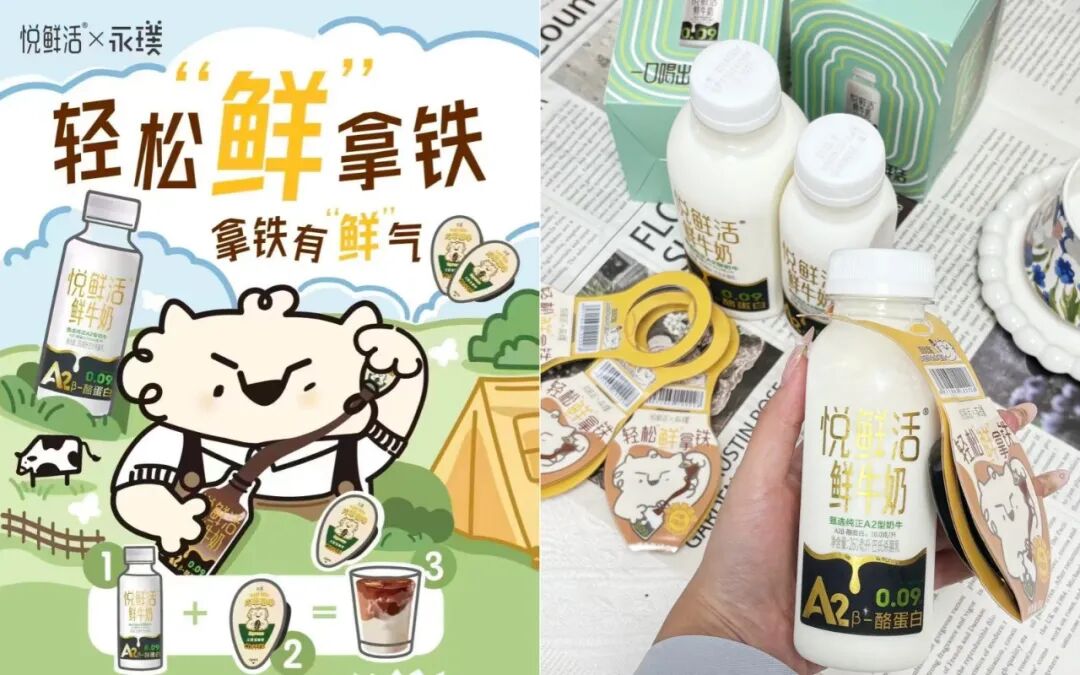
Core Insights - The rise of "3-second self-made latte" has disrupted the coffee market, allowing consumers to create their own lattes quickly and conveniently without the need for coffee shops [1][3] - The collaboration between dairy brands and coffee liquid producers has led to a surge in sales, with some brands selling millions of units [3][5] Group 1: Market Trends - The coffee industry is experiencing intense price competition, with prices for some coffee drinks dropping as low as 3.9 yuan [5] - The combination of milk and coffee liquid appeals to consumers due to its transparency in ingredients, allowing them to see what they are consuming [5][7] Group 2: Consumer Behavior - The DIY aspect of the milk and coffee liquid combination addresses the time constraints and decision fatigue faced by modern workers, making it an attractive option [8] - The product has expanded consumption scenarios, allowing for coffee enjoyment during travel, commuting, and outdoor activities [11] Group 3: Product Development - The simplicity of the milk and coffee liquid combination has sparked a trend, with various coffee shops and retailers beginning to offer similar products [13] - Companies are exploring new product formats that combine dairy with coffee or tea, indicating a growing market opportunity [15][16]
退市5年杀回美股!瑞幸狂开3万家店,剑指品牌全球化
Sou Hu Cai Jing· 2025-11-23 12:07
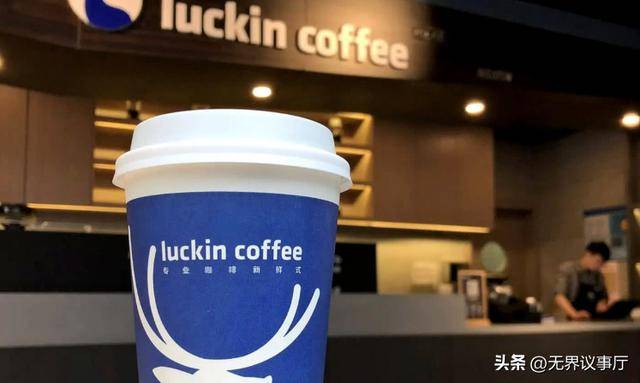
哈喽大家好,今天小无带大家聊聊咖啡圈的 "逆袭顶流"—— 瑞幸! 谁能想到啊!五年前因财务造假被纳斯达克扫地出门的瑞幸,如今居然要杀回美股主板了!从人人喊打的"中概股污点"到咖啡界顶流,瑞幸这 波逆袭简直让人看不懂又忍不住想围观。 重启美股IPO 2025年11月,瑞幸CEO郭谨一在厦门企业家日大会上扔出重磅消息,公司正在推进美股重新上市。 但有意思的是,后续三季度财报会上他压根没给明确时间表,只一个劲说历史遗留问题解决了、经营越来越好。咱就是说,这波操作是不是 有点"吊胃口"? 不过人家确实有吊胃口的资本,三季度财报数据那叫一个亮眼。营收直接飙到152.87亿元,同比涨了50.2%,首次突破150亿元大关。 门店更是开得飞起,全球总数冲到29214家,中国市场就净增2979家,自营18809家、联营10287家。用户端更夸张,新增交易客户超4200万, 月均交易客户1.12亿,两项都创了历史新高。 债务方面更绝,通过债转股清空了巨额债务,还拿到2.5亿美元运营资金,直接摆脱财务泥潭。 商业模式也彻底大改,关掉亏损门店,2021年推联营模式,2023年上带店加盟模式,小成本快速复制,完美踩中了下沉市场的需求。 ...
一周上新!菽麦谷屋、方炉面包、Puddingpapa...海内外新品资讯抢先看 | 全球职人情报站
东京烘焙职业人· 2025-11-23 08:33
Group 1 - The article highlights the emergence of new bakery products and trends in the industry, showcasing various innovative items from different brands [2][3][4][5][6][8] - Notable new products include Olé's purple sweet potato and taro two-color toast, and the unique "cleaning cloth cake" from Peach Li Bakery [2][3][13] - The article emphasizes the growing competition among bakery chains and the introduction of healthier options, such as low-sugar and low-calorie products [6][7][8] Group 2 - Starbucks has launched a new cheese latte series, featuring flavors like pandan and sea salt caramel, indicating a trend towards gourmet coffee experiences [6][114] - The introduction of new products by various brands, such as the "can drink golden barley wave" from Guozi Shule and the collaboration between Luckin Coffee and "Zootopia 2," reflects the industry's focus on seasonal and themed offerings [6][115][117] - The article discusses the strategic moves of companies like Manner Coffee, which is considering an IPO, and CPE Yuanfeng's investment in Burger King China, highlighting significant financial developments in the sector [7][119][121]



瑞幸携手国航打造云端咖啡新体验
Zhong Guo Xin Wen Wang· 2025-11-22 09:02
Core Insights - Luckin Coffee has partnered with China International Airlines to introduce a new coffee experience on select flights, enhancing in-flight service quality [1][2] - The collaboration aims to create a "full-scenario coffee consumption ecosystem," extending Luckin's service from ground to high altitude, targeting frequent business travelers [2] Group 1: Partnership Details - The partnership includes the launch of "in-flight coffee tasting theme flights" on routes such as Beijing-Xiamen and Chengdu-Beijing, starting from November 21 [1] - Passengers in economy class on specific routes can enjoy exclusive coffee products, including custom coffee sticks designed for in-flight preparation [1][2] Group 2: Market Impact - The collaboration fills a market gap for high-end coffee options in the aviation sector, enhancing the beverage selection and upgrading in-flight dining services [1] - Luckin Coffee's extensive network of over 29,000 stores and efficient digital operations have positioned it well to reach a broader audience, integrating coffee consumption into various daily scenarios [2] Group 3: Future Prospects - Future product offerings will expand to more flight routes, linking to premium coffee-producing regions globally, such as Yunnan and Brazil, creating a "world coffee flavor route" [2] - The "coffee + travel" model opens further collaboration opportunities, aligning with Luckin's commitment to trade and cultural partnerships with global coffee origins [2]

茶饮IP联名大降温,咖啡联名却“杀疯了”
东京烘焙职业人· 2025-11-22 08:33
Core Insights - The article discusses the contrasting trends in the collaboration strategies of the tea and coffee industries in China, highlighting a significant decline in tea collaborations while coffee collaborations are thriving and expanding rapidly [4][6]. Group 1: Market Trends - In 2025, the number of new tea drink collaborations dropped from 149 in the same period of 2024 to 72, representing a decline of over 50% [7]. - Conversely, coffee brands increased their collaboration activities, with major brands initiating 92 collaborations from 2024 to July 2025, and Luckin Coffee leading with 24 collaborations in 24 months [7][9]. Group 2: Reasons for Coffee Collaboration Growth - The coffee market in China is growing at an annual rate exceeding 30%, indicating significant untapped potential. Collaborations serve as an effective means for coffee brands to reach new customers and enhance brand visibility [9]. - Coffee brands are targeting younger consumers, particularly the Z generation (ages 18-35), who are willing to pay a premium for limited edition products, with 35% of them participating in events specifically for exclusive merchandise [9]. Group 3: Evolution of Collaboration Strategies - The approach to collaborations has shifted from merely leveraging traffic to creating value through deep co-creation. This includes a focus on IP strategies that prioritize emotional connections and cultural relevance [10][18]. - Local IPs are gaining prominence, with over two-thirds of summer collaborations utilizing domestic IPs, reflecting a cultural shift among younger consumers who prefer content that resonates with their identity [11]. Group 4: Long-term Collaboration Models - The collaboration model has transitioned to long-term co-creation, reducing costs and enhancing emotional connections with consumers. For instance, Luckin Coffee's ongoing partnership with the "Red Mansion" ballet demonstrates this shift [18][21]. - Traditional models where IPs only provided image licensing have been replaced by deeper involvement in product development and marketing strategies, as seen in collaborations between brands like Blue Bottle Coffee and Marimekko [22].