
家纺

Search documents
从贴牌到创牌,从单打独斗到抱团出海,从受制于人到自主研发——青岛外贸企业的“突围密码”
Sou Hu Cai Jing· 2025-06-30 05:39
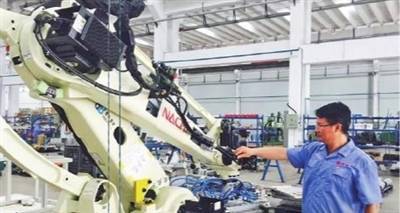
Group 1: Transformation of Qingdao's Foreign Trade Enterprises - Qingdao's foreign trade enterprises are shifting from traditional OEM models to brand creation and independent R&D due to increasing uncertainties in the international trade environment [2][3] - Companies are adopting diverse strategies such as collaboration, customization, and flexible services to enhance competitiveness and resilience against external pressures [5][6] Group 2: Case Study of Qingdao Lvqinxin International Trade Co., Ltd. - Qingdao Lvqinxin International Trade Co., Ltd. transitioned from traditional foreign trade to a comprehensive cross-border enterprise, focusing on R&D, production, and sales [3][4] - The company has experienced a 40% annual growth in revenue despite tariff pressures, thanks to its focus on customized, high-value products [6][7] Group 3: Breakthroughs in High-End Materials - Qingdao Cixing New Materials Co., Ltd. has become the first domestic company to independently develop and export silicon nitride materials for the new energy vehicle industry, breaking foreign monopolies [8][9] - The company achieved significant cost advantages, selling products at one-third the price of Japanese competitors, leading to a 70% export ratio of its sales [10] Group 4: Eyelash Industry in Pingdu - Pingdu produces 70% of the world's false eyelashes, with over 5,000 market entities and 20,000 processing points, making it a global production hub [11][12] - The establishment of the Pingdu Eyelash Association has fostered collaboration among local businesses, enhancing production standards and market competitiveness [13] Group 5: Qingdao Wanqing Group's E-commerce Strategy - Qingdao Wanqing Group has successfully integrated cross-border e-commerce into its operations, significantly contributing to its revenue [14][15] - The company has developed a comprehensive business model that includes R&D, design, production, and logistics, positioning itself as a leader in the high-end textile market [15] Group 6: Advancements in Robotics - Qingdao Baojia Intelligent Equipment Co., Ltd. has developed advanced robotic solutions, exporting over 7,000 sets of equipment to more than 20 countries [16][17] - The company invests over 5% of its revenue in R&D, resulting in a robust pipeline of new products and numerous patents [18]

区域经贸合作成果丰硕惠民生 企业享惠成效显著
Yang Shi Wang· 2025-06-28 07:18
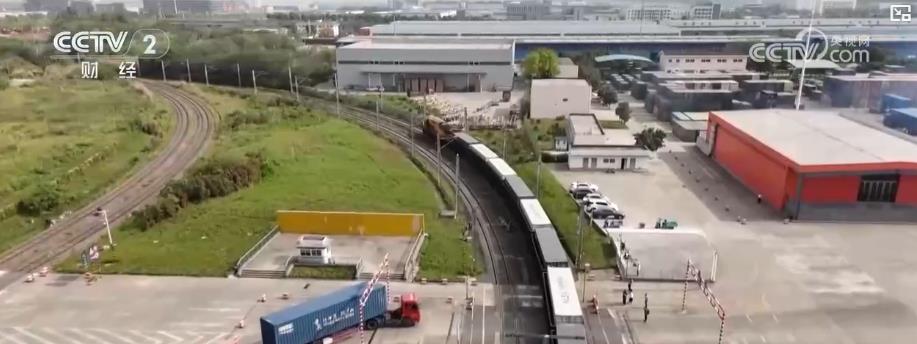
Group 1 - The core viewpoint of the news highlights the increasing trade relationship between China and RCEP member countries, with a reported trade volume of 5.5 trillion yuan from January to May this year, reflecting a year-on-year growth of 3.9%, surpassing China's overall foreign trade growth by 1.4 percentage points [1] - The RCEP agreement has led to significant reductions in tariffs and improved customs facilitation, benefiting enterprises by enhancing their export capabilities and reducing costs [4][9] - The implementation of RCEP has resulted in 75% of surveyed enterprises reporting an improved business environment, with 53% acknowledging the positive impact of RCEP on their operations [9] Group 2 - The cold chain logistics between China and Laos has been enhanced, with the transportation time for goods like durians and coffee beans from Vientiane to Chengdu being reduced, and overall logistics costs decreasing by 15% [3] - In the textile sector, a company reported an increase in export value to Japan from less than 300 million yuan in 2022 to an expected 450 million yuan in 2024, with a 3% year-on-year growth in the first five months of this year [7] - The import of fruits from ASEAN countries into Guangxi has significantly increased, with 60,500 tons of fruits valued at 4.64 billion yuan imported from January to May, including over 30,000 tons of durians worth more than 1.1 billion yuan [10]
南通千亿家纺产业的经营逻辑跃迁
Zhong Guo Zheng Quan Bao· 2025-06-27 20:54
Core Viewpoint - The textile industry in Nantong, known as the "home textile capital," is undergoing a painful transformation, facing challenges such as product homogeneity, insufficient brand premium, and profit margin squeeze, while a new generation of entrepreneurs is leveraging live e-commerce to innovate and reshape the industry [1][2][3]. Industry Challenges - The traditional business model is showing signs of strain, with many companies relying on external trade and wholesale, leading to weak brand premium capabilities [2]. - Intense competition has resulted in frequent price wars due to product homogeneity, with many businesses hesitant to invest in innovation [2][5]. New Generation Entrepreneurs - The younger generation, represented by the "post-80s" and "post-90s," is determined to break away from outdated practices, focusing on brand building and innovative design [2][5]. - These entrepreneurs possess higher education and broader perspectives, driving a strong demand for innovation and brand development [2][5]. Sales Channel Innovation - Live e-commerce has significantly altered the sales landscape, enabling rapid sales growth and breaking geographical limitations [3][4]. - Companies like Gu Ta Home Textiles have achieved remarkable sales records through live streaming, with single-session sales reaching millions [3][4]. Supply Chain Efficiency - The live e-commerce model has prompted upgrades in supply chain capabilities, allowing for quick responses to market demands [4]. - Companies can now develop new products rapidly, with some able to go from design to sample in just three days [4]. Quality and Brand Development - Quality is increasingly viewed as the foundation for success, with companies implementing stringent quality control measures [5]. - Breaking away from low-price competition and pursuing brand premium has become a consensus among industry players [5][6]. Regional Brand Building - The Nantong Home Textile Industry Association is actively promoting the regional brand, aiming to enhance the overall reputation of "Nantong Home Textiles" [6]. - The approval of the collective trademark for "Nantong Home Textiles" marks a significant milestone in the industry's transformation and brand enhancement efforts [6].
梦洁股份: 董事、董事会秘书减持股份预披露公告
Zheng Quan Zhi Xing· 2025-06-25 20:16
Group 1 - The core point of the announcement is that Mr. Li Jun, a director and secretary of the board of Hunan Mengjie Home Textile Co., Ltd., plans to reduce his shareholding by selling up to 2,000,000 shares, which accounts for no more than 0.27% of the company's total share capital [1][2] - Mr. Li Jun currently holds 24,619,618 shares, representing 3.29% of the company's total share capital [1] - The reduction plan is consistent with Mr. Li's previous disclosures and commitments regarding shareholding [2] Group 2 - Mr. Li Jun has committed to not transferring more than 25% of his total shareholding annually during his tenure as a director and senior management, and he will not transfer any shares within six months after leaving the company [1][2] - As of the date of the announcement, Mr. Li does not fall under any circumstances outlined in the Shenzhen Stock Exchange's self-regulatory guidelines that would restrict his ability to reduce his shareholding [2]

山西证券研究早观点-20250624
Shanxi Securities· 2025-06-24 02:03
Core Insights - The report highlights the significant growth in e-commerce sales during the "618" shopping festival in 2025, with total sales reaching 855.6 billion yuan, a year-on-year increase of 15.2% [5] - Major platforms such as Taobao, JD.com, Pinduoduo, Douyin, and Kuaishou experienced an overall transaction growth of 10.4% during the festival period [5] - The report emphasizes the strong performance of the beauty sector, with a total GMV of 65.9 billion yuan, reflecting a growth of over 10% [5] Market Trends - The Shanghai Composite Index closed at 3,381.58, with a gain of 0.65%, while the Shenzhen Component Index rose by 0.43% to 10,048.39 [4] - The textile and apparel sector saw a decline of 5.12% in the SW index, underperforming the broader market [6] E-commerce Performance - Taobao and Tmall's GMV, excluding refunds, grew by 10%, marking the largest increase in three years, with 453 brands achieving over 100 million yuan in sales [5] - JD.com reported a record high in user orders, with over 2.2 billion orders placed during the festival, and a 285% increase in live-streaming sales [5] - Douyin's sales increased by 77%, with over 60,000 brands doubling their sales [5] - Kuaishou's GMV for the festival grew by over 53%, indicating a robust performance across various product categories [5] Industry Dynamics - Uniqlo's collaboration with Pop Mart's IP "THE MONSTERS" is set to launch new products, indicating a trend towards brand collaborations in the apparel sector [6] - The opening of the first overseas store by Lao Pu Gold in Singapore marks a significant step in global expansion for the company [6] Investment Recommendations - The report recommends focusing on sports brands like Anta Sports and 361 Degrees, which are expected to benefit from the growing demand in the sports and outdoor sector [7] - It also suggests monitoring home textile companies such as Luolai Life and Mercury Home Textile, which are likely to benefit from government subsidies [7] - In the textile manufacturing sector, companies like Shenzhou International and Yuyuan Group are highlighted for their low valuation and growth potential [9]
家纺产业带加速“出海” 跨境电商打造外贸新通路
Xin Hua Cai Jing· 2025-06-22 12:30
Core Viewpoint - The rapid development of cross-border e-commerce is providing new opportunities for China's traditional home textile industry to expand internationally, driving the transformation and upgrading of the industry through enhanced technological innovation and product upgrades to better meet overseas consumer demands [1][2]. Group 1: Industry Overview - Shaoxing Keqiao is a core textile industry cluster in China, with over 8,000 textile enterprises and an annual output value exceeding 100 billion yuan, covering trade with 206 countries and regions globally [2]. - The textile industry in Shaoxing, traditionally labeled as "labor-intensive, high energy consumption, and low added value," is now exploring new paths for transformation through digital production and creative design, extending from pure manufacturing to design, research and development, and brand building [2][3]. - In 2024, Shaoxing's foreign trade exports are projected to exceed 160 billion yuan, with a year-on-year growth of 10% [2]. Group 2: Cross-Border E-Commerce Growth - The number of cross-border e-commerce enterprises in Shaoxing Keqiao is expected to surpass 2,000 in 2024, accounting for one-third of the city's total, with 16 companies achieving annual transaction volumes exceeding 10 million USD [2]. - The cross-border e-commerce export value for the region reached 6.799 billion yuan in 2024, representing a year-on-year increase of 176.3% [2]. - Online transaction volume for curtain enterprises in major cross-border e-commerce platforms reached 1.539 billion USD in 2024, marking a year-on-year growth of 66.43% [3]. Group 3: Company Innovations and Strategies - Companies like Shaoxing Yintong Network Technology Co., Ltd. have successfully entered the U.S. market through Amazon, achieving a monthly sales volume of 60,000 USD within two months of entry [4]. - Shaoxing Younai Textile Co., Ltd. has shifted to direct service for global consumers by leveraging Amazon to enhance its brand and product offerings, focusing on innovative products that meet overseas consumer demands [5][6]. - Shaoxing Yagu Home Co., Ltd. has seen significant sales growth after entering the cross-border e-commerce space, with daily sales exceeding 200 units shortly after launching on Amazon [6]. Group 4: Challenges and Future Directions - Traditional home textile enterprises face challenges in the cross-border e-commerce transition, including intense online competition and fluctuations in international raw material prices [7]. - Companies need to adapt to different market dynamics, such as longer product launch cycles in overseas markets compared to domestic ones, and varying consumer preferences [7]. - The global curtain industry is evolving towards smart, green, personalized, high-frequency, branded, and globalized trends, necessitating increased technological and design innovation from home textile enterprises [8].

我省各级工会打出就业保障“组合拳”
Xin Hua Ri Bao· 2025-06-21 23:17
Group 1 - The "Job Waiting for You" recruitment event in Sihong County saw 61 companies offering 149 positions, with over 1,200 people recruited and 310 achieving employment intentions [1] - The "shared employment" model in the home textile industry in Nantong City helps stabilize jobs and enhance skills, allowing companies to absorb idle labor and maintain employee income [2] - The "Ningong Youliang" initiative in Nanjing focuses on skill enhancement through mobile classrooms, covering nearly 1,000 workers across 11 districts [3] Group 2 - A participant in a skills training program in Xuzhou reported a doubling of income after obtaining a senior housekeeper service certificate, highlighting the effectiveness of the "Union Helps Employment" initiative [4] - The "Job Waiting for You" series of recruitment events organized by the provincial labor union has attracted significant participation, with over 1,600 positions offered and more than 3,000 job seekers attending [5] - Specialized recruitment events for vocational school graduates are being organized, providing job guidance and legal assistance to help boost confidence in job hunting [6]
家纺巨头的冬眠时刻:富安娜困守高端、营收连降
Xin Lang Zheng Quan· 2025-06-20 13:11
Core Viewpoint - The Chinese home textile industry is facing a severe downturn, with declining sales and profits, particularly affecting companies like Fuanna, which is struggling to adapt to changing market conditions and consumer preferences [1][2][3][4]. Group 1: Financial Performance - Fuanna's projected revenue for 2024 is 3.011 billion yuan, a year-on-year decrease of 0.60% [1]. - The company's net profit attributable to shareholders is expected to be 542 million yuan, down 5.22% year-on-year [1]. - The non-recurring net profit is forecasted at 504 million yuan, reflecting a decline of 3.47% compared to the previous year [1]. Group 2: Market Challenges - The foundation of home textile consumption is eroding, with a significant drop in marriage registrations and new home transactions, leading to reduced demand [2]. - Fuanna's high-end positioning is under threat as online sales channels struggle to maintain quality while competing for traffic [2]. - Internal management issues are evident, with frequent changes in the executive team and significant product inventory buildup, leading to aggressive discounting that undermines brand positioning [2][3]. Group 3: Strategic Initiatives - Fuanna plans to invest over 500 million yuan to develop a "smart home ecosystem" in Shenzhen, aiming to transition from home textiles to a broader home and lifestyle market [3]. - The company faces challenges in aligning its online and offline product offerings, creating a disconnect that affects consumer trust [3]. - The low-frequency nature of home textile products limits repeat purchases, highlighting the need for innovative marketing strategies and experiential retail approaches [4]. Group 4: Future Outlook - The planned smart home project has a lengthy construction timeline, raising concerns about competition from established tech giants by the time it is completed [3][4]. - Fuanna's high-end strategy is hindered by channel fragmentation, and the company must address internal issues to successfully navigate the evolving market landscape [4]. - The company needs to embrace innovation and improve product quality to remain relevant in the face of changing consumer preferences and market dynamics [4].

家纺业优供给促消费韧性足
Jing Ji Ri Bao· 2025-06-16 22:04
Core Insights - China is the world's largest exporter of household textiles, with a projected export value of $48.5 billion in 2024, representing a year-on-year growth of 5.6% [1] - The export value of bedding products is expected to reach $15.4 billion in 2024, with a growth rate of 6%, and cotton products accounting for 26% of this category [1] - The household textile industry is focusing on "optimizing supply and promoting consumption" to break away from traditional models and drive economic growth [1] Industry Overview - The household textile sector includes bedding, fabric products, kitchen and bathroom textiles, towels, carpets, and outdoor travel textiles [1] - The annual fiber consumption in the household textile industry is approximately 3.5 million tons, primarily using cotton fibers for bedding and towels [1] - High-quality, high-value cotton household textiles maintain strong international competitiveness in markets like the US and Europe, with significant growth potential in emerging markets along the Belt and Road Initiative [2] Cotton Industry Insights - The cotton planting area in China has reached 4.4823 million acres this year, with good growth conditions reported [2] - The establishment of a cotton standard and certification system is aimed at promoting sustainable and environmentally friendly practices within the cotton industry [2] - The cotton industry is encouraged to adopt new technologies and management practices to enhance production quality and efficiency, focusing on green and sustainable development [2]
罗莱生活、水星家纺:2024年枕芯增收,2030年记忆枕或破400亿
Sou Hu Cai Jing· 2025-06-15 09:00
Core Viewpoint - The home textile export industry in China is experiencing steady growth, with a cumulative export of $10.28 billion in the first four months of 2025, reflecting a year-on-year increase of 1.9% despite challenges such as tariff friction and market share fluctuations in key regions [1] Group 1: Export Performance - China's home textile exports are primarily directed to the U.S., which accounts for over 30% of total exports, although the import share from China has decreased by 0.5 percentage points in Q1 [1] - The overall stability in the home textile industry is indicated by a 1.44% year-on-year revenue growth for major enterprises from January to November last year, reversing the negative growth trend of the previous two years [1] - The international market share for Chinese home textiles remains stable, with growth observed in imports from the U.S. and EU, while the share to Japan has decreased [1] Group 2: Domestic Market Dynamics - The domestic home textile market is valued at approximately 327.9 billion yuan, with leading brands like Water Mercury, Luolai Life, and Fuanna holding market shares of 1.3%, 1.1%, and 0.9% respectively, indicating a low industry concentration but an upward trend in leading brands' market shares [1] - Government policies, such as including home textiles in the 15% consumption subsidy in Shanghai, have led to a 39% increase in local store sales, with expectations for expanded wedding subsidy policies in 2025 to boost demand [1] - National policies aimed at stabilizing growth and encouraging consumption are enhancing market vitality and supporting the development of the home textile industry [1] Group 3: Technological Advancements and Market Trends - The industry is transitioning towards funding, technology, and smart manufacturing, with Luolai Life reporting significant AI application results in 2024 and plans for increased investment in 2025 [1] - Water Mercury is actively promoting AI implementation to build a smart ecosystem, while leading brands are focusing on memory pillows, which are expected to increase market penetration [1] - The market for memory pillows is projected to exceed 40 billion yuan by 2030 under neutral scenarios, driven by high sleep disturbance rates among individuals aged 18 and above [1] Group 4: Sales Channels and Strategies - The integration of online and offline sales channels is becoming mainstream, with content platforms accelerating market education for bedding products [1] - Luolai Life is developing a multi-dimensional communication matrix targeting young consumers through its "LOVO" brand, while Water Mercury is enhancing its e-commerce operations and personal branding initiatives [1] - Fuanna is focusing on "profit first, resilient growth" by building three core capabilities and establishing a comprehensive e-commerce channel, including a live-streaming e-commerce model [1]

