
凉席

Search documents
看世界 | 中国降温神器热销东南亚
Jing Ji Ri Bao· 2026-01-26 09:13
Core Insights - The extreme heat in Southeast Asia, exacerbated by the El Niño phenomenon, has led to a surge in demand for cooling products, particularly air conditioners, cooling mats, and fans produced in China [1][2]. Air Conditioning Market - The Southeast Asian air conditioning market is projected to exceed $5.5 billion by 2025, with an expected annual growth rate of over 10% from 2025 to 2030 [1]. - The International Institute of Refrigeration (IIF) forecasts a 13.9% increase in room air conditioner sales in Southeast Asia in 2024, with Indonesia being a key market attracting international brands, especially Chinese ones [1]. Cooling Mats and Fans Market - The demand for cooling mats and fans in Southeast Asia has significantly increased, with sales in the Philippines reportedly growing several times compared to previous years [2]. - Chinese cooling mats, including ice silk and linen varieties, are gaining popularity in markets like Vietnam, Indonesia, and Thailand, thanks to advancements in materials and manufacturing techniques [3]. - Chinese fans are recognized for their variety, reliability, and affordability, catering to diverse consumer needs across the region [3]. Marketing and Distribution Strategies - Chinese companies are investing heavily in marketing channels, collaborating with major retail chains and e-commerce platforms like Lazada and Shopee to enhance product availability and consumer access [4]. - Partnerships with local retailers, such as Gree's collaboration with Thailand's Central Group, have facilitated better product placement and promotional activities [4]. Economic Impact - The influx of Chinese cooling products is stimulating trade in Southeast Asia, benefiting logistics, warehousing, and transportation sectors, and creating more job opportunities [5]. - Retail sectors are experiencing increased foot traffic and sales, with reports of Malaysian logistics companies expanding their operations due to high demand for Chinese air conditioning and fan products [5]. Social Impact - The widespread availability of Chinese cooling products is improving the quality of life for Southeast Asian residents, with no significant increase in heat-related hospital visits despite record temperatures [6]. - The popularity of these products is enhancing consumer awareness of Chinese brands and fostering cultural exchange [6]. - There is a growing demand for energy-efficient and environmentally friendly cooling products, which presents an opportunity for Chinese companies to innovate and contribute to sustainable development in the region [6].



冬闲人未歇 乡村增收忙
Ren Min Ri Bao Hai Wai Ban· 2025-12-23 01:00
Group 1 - Shanxi Province's Pinglu County is promoting the cultivation of traditional Chinese medicinal herbs such as Chaihu, Huangqin, and Dihuang, leveraging the geographical and climatic characteristics of the Loess Plateau [2] - Hunan Province's Taoyuan County is developing rural workshops to create job opportunities close to home, exemplified by the production of wind turbine blade fasteners at Hunan Feiwo New Energy Technology Co., Ltd. [4] - Zhejiang Province's Huzhou City is utilizing bamboo resources for deep processing, producing bamboo products like chopsticks, curtains, chairs, and mats [5] Group 2 - Anhui Province's Hefei City is exploring land intensification, integrated services, and smart agriculture, resulting in over 300 villagers achieving employment [7] - Jiangxi Province's Fengcheng City is enhancing its handmade noodle industry by adopting new food processing technologies and leveraging e-commerce platforms for nationwide sales [9] - Guangxi Zhuang Autonomous Region's Liuzhou City is advancing the industrialization and standardization of scallion production, with an area of 43,000 acres and an annual output of approximately 100,000 tons [14] Group 3 - The national scale of agricultural product processing enterprises is projected to exceed 100,000, with an estimated revenue of around 18 trillion yuan in 2024 [14] - The rural landscape is evolving, with various regions exploring new paths and models for development based on their unique characteristics and resources, contributing to a comprehensive rural revitalization [14] - In Henan Province's Luoyang City, the production of peony potted flowers is expected to reach 1 million, becoming a distinctive industry for local prosperity [14]


把握夏日“凉”机
Jing Ji Ri Bao· 2025-08-08 22:00
Group 1 - The core viewpoint of the articles highlights the booming "cooling economy" in Qingdao, driven by rising temperatures and consumer demand for summer products and services [1][2][3] - Various summer products such as air conditioning, sun protection clothing, and cooling household items are experiencing strong sales, with innovative offerings meeting new consumer needs [1][2] - The clothing market, particularly for sun protection and outdoor sports apparel, is showing significant growth, with consumers increasingly willing to purchase these items [1][2] Group 2 - The concept of "one-degree effect" in economics suggests that a 1°C increase in temperature can significantly impact product sales, leading to a surge in demand for cooling products and services [2] - Tourist attractions in the Shinan District are becoming popular summer destinations, with beaches and scenic spots attracting large crowds [2][3] - The Qingdao First Bathing Beach is enhancing its services through facility upgrades and improved customer experience, contributing to the overall growth of the summer tourism economy [3]
抓住夏日契机升温“清凉经济”
Jing Ji Ri Bao· 2025-07-29 22:13
Core Viewpoint - The "cooling economy" is rapidly growing due to high temperatures across the country, driving consumer demand for cooling products and services, which is vital for economic growth and industry development [1][2]. Group 1: Market Trends - The sales of cooling appliances such as air conditioners and fans have surged, with top regions like Heilongjiang, Liaoning, Hubei, Jilin, and Guizhou showing month-on-month increases of 183%, 178%, 170%, 164%, and 144% respectively [1]. - There is a significant rise in demand for refreshing food and beverages, with carbonated drinks and ice cream sales increasing by over 75%, and cooling eye masks seeing a tenfold increase in sales [1][2]. Group 2: Consumer Behavior - Consumers are increasingly prioritizing quality and experience, shifting their demand from mere availability to preferences for healthier, safer, and more innovative products, willing to pay higher prices for these attributes [2]. - New consumption patterns are emerging, with a focus on personalized and diverse offerings, as well as a growing interest in environmentally friendly and energy-efficient products [2]. Group 3: Supply Innovations - New retail models such as instant retail and live streaming sales are enhancing summer consumption experiences, with innovative products like lightweight sun umbrellas and fashionable sun-protective clothing gaining popularity [2][3]. - E-commerce platforms are strengthening the integration of online and offline sales, with live streaming sales rapidly developing and creating new consumption scenarios [2]. Group 4: Regulatory Environment - There is a need for improved regulation in new business models, with a focus on establishing a multi-party governance system involving regulatory bodies, leading enterprises, and industry associations to ensure product quality and consumer rights [4]. - The regulatory framework should enhance collaboration among various departments to ensure consistent quality standards for online and offline products, and to address violations effectively [4].
中国降温神器热销东南亚
Jing Ji Ri Bao· 2025-07-18 22:03
Core Viewpoint - The extreme heat in Southeast Asia, exacerbated by the El Niño phenomenon, has led to a surge in demand for cooling products, particularly air conditioners, fans, and cooling mats from China, significantly impacting the market dynamics in the region [1][2]. Group 1: Air Conditioning Market - The Southeast Asian air conditioning market is projected to exceed $5.5 billion by 2025, with an annual growth rate of over 10% from 2025 to 2030 [1]. - The International Institute of Refrigeration (IIF) forecasts a 13.9% increase in room air conditioner sales in Southeast Asia for 2024, with Indonesia leading the market expansion [1]. - Chinese brands are notably successful in the region, leveraging advanced technology and market sensitivity to meet local climate and consumer needs [2]. Group 2: Cooling Mats and Fans Market - The demand for cooling mats and fans in Southeast Asia has surged, with sales in the Philippines reportedly increasing several times compared to previous years [2]. - Chinese cooling mats, including ice silk and linen varieties, are gaining popularity, particularly in Vietnam, Indonesia, and Thailand [3]. - Chinese fans are recognized for their variety, reliability, and affordability, catering to diverse consumer needs across the region [3]. Group 3: Marketing and Distribution Strategies - Chinese companies are investing heavily in marketing channels, collaborating with major retail chains and e-commerce platforms to enhance product accessibility [4]. - Partnerships with local retailers, such as Gree's collaboration with Thailand's Central Group, have facilitated better product placement and promotional activities [4]. - E-commerce platforms like Lazada and Shopee are becoming crucial sales channels, allowing companies to leverage data analytics for targeted marketing [4]. Group 4: Economic and Social Impact - The influx of Chinese cooling products is stimulating trade in Southeast Asia, benefiting logistics, warehousing, and retail sectors, and creating more job opportunities [5]. - The availability of cooling products has improved the quality of life for residents, with no significant increase in heat-related hospital visits despite record temperatures [6]. - The popularity of Chinese cooling products is fostering cultural exchange and increasing consumer awareness of Chinese brands in Southeast Asia [6]. Group 5: Future Trends - There is an anticipated growth in demand for energy-efficient and environmentally friendly cooling products as Southeast Asian countries prioritize sustainability [6]. - Chinese companies, with their experience in energy-saving technologies, are well-positioned to develop products that meet local environmental standards [6].
有一种活着的记忆,叫作传承
首席商业评论· 2025-07-17 04:10
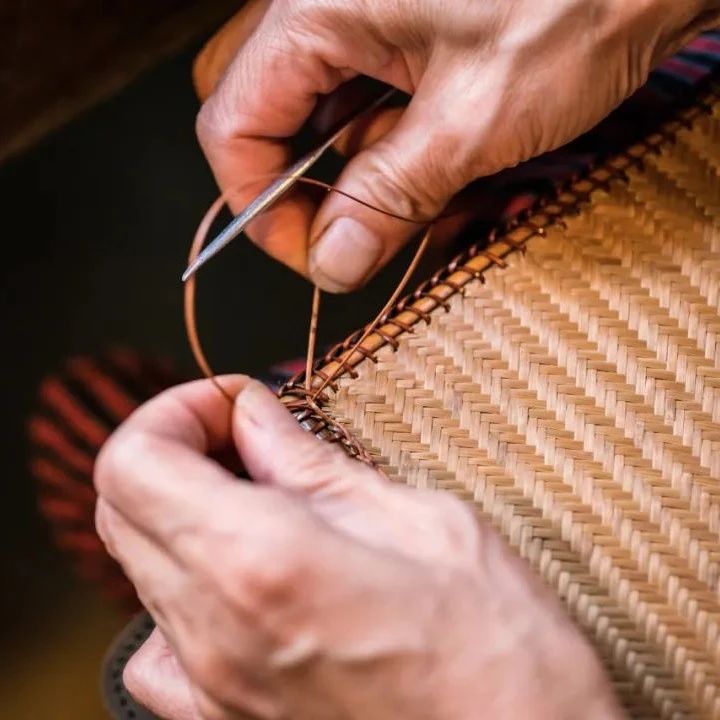
Core Viewpoint - The article emphasizes the importance of traditional craftsmanship and its cultural significance, highlighting the need for both preservation and modern dissemination of these artisanal practices [4][5][6]. Group 1: Traditional Craftsmanship - Traditional crafts, such as bamboo weaving, embody a deep connection between the artisan and the material, resulting in unique and varied products that reflect cultural heritage [2][3]. - The longevity and repairability of these crafts, akin to the art of "kintsugi," add to their beauty and value, allowing them to carry memories and stories through time [1][3]. Group 2: Cultural Transmission and Modern Relevance - The concept of "transmission" is crucial, as it allows the essence of traditional crafts to persist in contemporary society, fostering a connection with nature and history [4][5]. - There is a distinction between mere survival of traditional crafts and their thriving; the latter requires modern technology and communication methods to enhance their reach and appreciation [7][8]. Group 3: The Role of Cultural Confidence - Cultural confidence is identified as a vital component for the sustainability of traditional crafts, serving as the "tail wing" that provides balance and direction in the modern context [8]. - Long-term commitment and a patient approach are necessary for nurturing these crafts, emphasizing the importance of understanding and learning from history [9]. Group 4: Personal Insights and Documentation - The article reflects on the insights gained from interactions with artisans and rural communities, suggesting that these experiences enrich one's understanding of life and culture [10]. - The hope is expressed that simple and authentic documentation of these experiences can inspire readers and foster a deeper appreciation for traditional crafts [11].
南通千亿家纺产业的经营逻辑跃迁
Zhong Guo Zheng Quan Bao· 2025-06-27 20:54
Core Viewpoint - The textile industry in Nantong, known as the "home textile capital," is undergoing a painful transformation, facing challenges such as product homogeneity, insufficient brand premium, and profit margin squeeze, while a new generation of entrepreneurs is leveraging live e-commerce to innovate and reshape the industry [1][2][3]. Industry Challenges - The traditional business model is showing signs of strain, with many companies relying on external trade and wholesale, leading to weak brand premium capabilities [2]. - Intense competition has resulted in frequent price wars due to product homogeneity, with many businesses hesitant to invest in innovation [2][5]. New Generation Entrepreneurs - The younger generation, represented by the "post-80s" and "post-90s," is determined to break away from outdated practices, focusing on brand building and innovative design [2][5]. - These entrepreneurs possess higher education and broader perspectives, driving a strong demand for innovation and brand development [2][5]. Sales Channel Innovation - Live e-commerce has significantly altered the sales landscape, enabling rapid sales growth and breaking geographical limitations [3][4]. - Companies like Gu Ta Home Textiles have achieved remarkable sales records through live streaming, with single-session sales reaching millions [3][4]. Supply Chain Efficiency - The live e-commerce model has prompted upgrades in supply chain capabilities, allowing for quick responses to market demands [4]. - Companies can now develop new products rapidly, with some able to go from design to sample in just three days [4]. Quality and Brand Development - Quality is increasingly viewed as the foundation for success, with companies implementing stringent quality control measures [5]. - Breaking away from low-price competition and pursuing brand premium has become a consensus among industry players [5][6]. Regional Brand Building - The Nantong Home Textile Industry Association is actively promoting the regional brand, aiming to enhance the overall reputation of "Nantong Home Textiles" [6]. - The approval of the collective trademark for "Nantong Home Textiles" marks a significant milestone in the industry's transformation and brand enhancement efforts [6].
“苏超”全面带火本地消费,这3大类消费暴涨!
Sou Hu Cai Jing· 2025-06-10 15:23
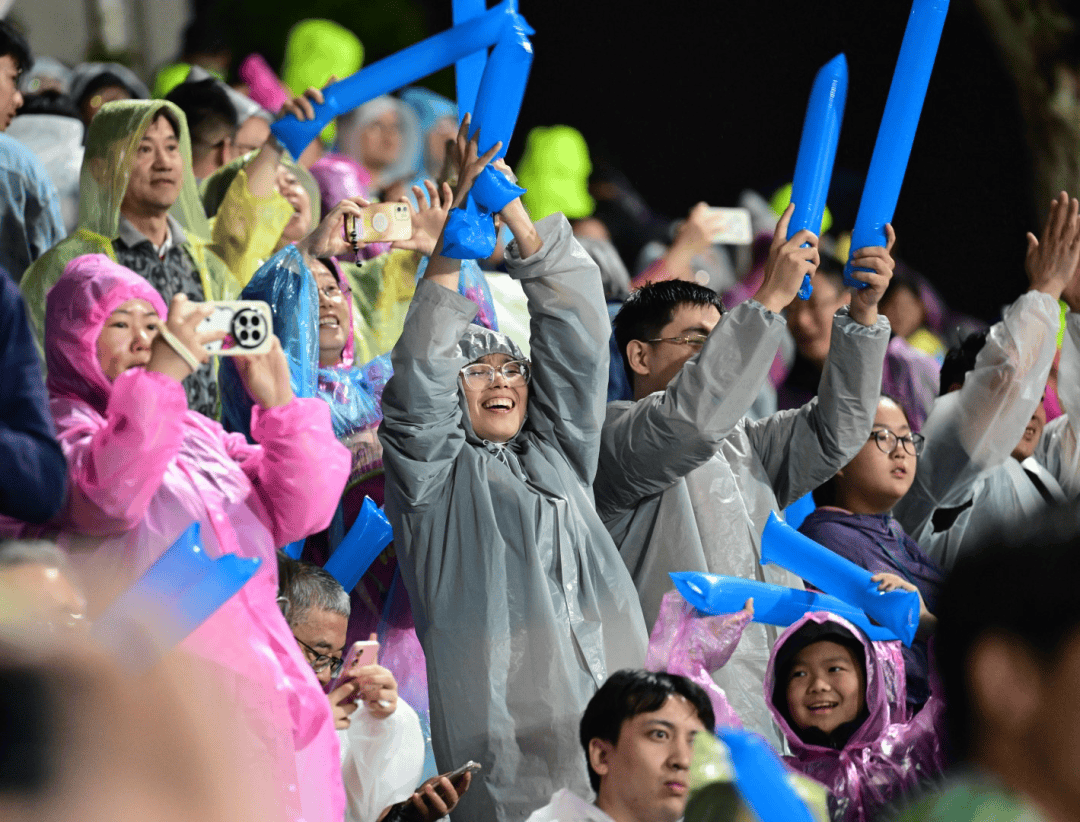
Core Insights - The "Su Chao" phenomenon is significantly boosting local consumption in Jiangsu, extending beyond just the sports economy [1][3]. Consumption Trends - The local consumption index during the "Su Chao" period shows a remarkable increase in various categories: - In the "sports health consumption" category, sales of smartwatches surged nearly 9 times compared to the same period last year, while sales of sports T-shirts and running shoes more than doubled, and children's sports shoes also saw close to a 2-fold increase [3]. - For "viewing atmosphere consumption," there was a notable increase in sales of beverages and entertainment products, with local liquor sales, particularly Yanghe, increasing nearly 18 times, and craft beer sales doubling [3]. - In the "viewing equipment" category, air conditioner sales grew over 5 times, and sales of cool mats increased by more than 1 time [3]. Retail Platform Impact - The instant retail platform, Meituan Shanguo, acts as a "magnifier" for the consumption boost driven by "Su Chao," connecting consumers with physical stores [5]. - Sales at offline stores of sports brands like Decathlon and Taobo have rapidly increased due to the "Su Chao" effect [5]. - A local liquor store manager reported a significant increase in orders for beer and ice cups, with many orders specifically mentioning "for watching Su Chao" [5]. Economic Development - The "Su Chao" effect is seen as a collaborative effort among various stakeholders to promote economic growth in Jiangsu through sports [5]. - There are expectations for sustained consumption effects as local platforms and regional cooperation continue to support the initiative [5].
山东巨野:电商为县域经济插上“数字”翅膀
Zhong Guo Jing Ji Wang· 2025-06-06 15:43
Group 1 - The core viewpoint highlights the rapid growth of e-commerce in Jiyue County, with a focus on summer product sales and the successful launch of new production lines and workforce expansion [1] - Jiyue County achieved a network retail sales of 1.04 billion yuan in 2024, marking a year-on-year increase of 7.9%, with 43 Taobao villages and 10 Taobao towns established [1] - Local employment has been significantly boosted, with over 5,000 jobs created through e-commerce initiatives, leading to increased income for residents [1] Group 2 - Jiyue County is actively promoting the integration of live-streaming economy with local industries, achieving a total transaction volume of 5 million yuan during a recent online event, reflecting an 18% year-on-year growth [2] - The county has conducted 26 training sessions for e-commerce skills, cultivating over 1,200 talents to enhance local industry capabilities [2] - Several local enterprises have been recognized as provincial-level live-streaming e-commerce demonstration projects, enhancing the regional brand influence [2] Group 3 - Jiyue County is building a comprehensive e-commerce ecosystem by integrating live-streaming sales with local agricultural and tourism sectors, creating stable job opportunities and promoting high-quality economic development [3]