金融科技

Search documents
腾讯理财通披露:98%用户盈利,权益类基金用户持仓收益率24.8%
Zhong Guo Ji Jin Bao· 2026-01-16 07:35
Core Insights - Tencent's WeChat Wealth Management revealed that 98% of users achieved profitability in 2025, with users holding equity funds such as indices, stocks, and mixed funds achieving an annualized return of 24.8% [1][2] - Cumulative profits for users since inception exceeded 100 billion yuan, highlighting the significance of equity investments in driving user profitability [2] - The introduction of a "long-term investment" section in 2025, focusing on fixed income and funds, resulted in 100% profitability for users who held investments for over a year [2] User Engagement and Investment Strategies - Regular investment (DCA) has become a preferred method for users to manage high-volatility equity assets, with 14% of users opting for DCA and 26% among equity fund investors [2] - DCA users reported a 60% higher return compared to those making one-time purchases, emphasizing the benefits of staggered investments [2] - Tencent Wealth Management has enhanced its membership services, offering various benefits such as exclusive financial products and fee reductions, effectively creating a service loop that combines earning and saving [2] Institutional Collaboration and Content Services - The collaboration between Tencent Wealth Management and financial institutions focuses on enhancing user investment decisions through professional insights and educational content [3] - The integration of various WeChat tools, such as video accounts and mini-programs, facilitates the dissemination of financial knowledge and product services [3] - The community aspect of Tencent Wealth Management has attracted financial influencers and professionals to share investment strategies, enhancing user engagement and knowledge [3] Content Creation and User Experience - Financial content creators emphasize the importance of simplifying complex market concepts for users, making investment knowledge more accessible [4] - Tencent Wealth Management has innovated content delivery by targeting core user groups, resulting in increased engagement and cost efficiency [4] - The platform continues to innovate with features like "hot opportunities" and "index rankings," providing users with practical tools for investment decision-making [4]

A股收盘|沪指跌0.26% AI应用题材全线回调
Di Yi Cai Jing· 2026-01-16 07:24
(文章来源:第一财经) 三大股指今日集体收跌,沪指跌0.26%,深成指跌0.18%,创业板指跌0.2%。科创综指涨1.63%。AI应用 题材全线回调,金融科技、电商、商业航天概念股走低。半导体产业链爆发,存储器方向领涨;消费电 子、人形机器人、特高压概念股活跃。市场成交额超3万亿元。 ...
拉卡拉股价跌5%,华宝基金旗下1只基金位居十大流通股东,持有923.18万股浮亏损失1394万元
Xin Lang Cai Jing· 2026-01-16 07:05
Group 1 - The core point of the article highlights the recent decline in the stock price of Lakala, which fell by 5% to 28.67 CNY per share, with a trading volume of 2.413 billion CNY and a turnover rate of 11.18%, resulting in a total market capitalization of 22.267 billion CNY [1] - Lakala Payment Co., Ltd. is based in Haidian District, Beijing, and was established on January 6, 2005, with its listing date on April 25, 2019. The company primarily provides acquiring services for small and micro enterprises and personal payment services for individual users, with its main business revenue entirely derived from payment services [1] Group 2 - From the perspective of Lakala's top ten circulating shareholders, Huabao Fund's Huabao CSI Financial Technology Theme ETF (159851) increased its holdings by 4.4612 million shares in the third quarter, now holding 9.2318 million shares, which accounts for 1.26% of the circulating shares. The estimated floating loss today is approximately 13.94 million CNY [2] - The Huabao CSI Financial Technology Theme ETF (159851) was established on March 4, 2021, with a current scale of 12.319 billion CNY. Year-to-date returns are 10.08%, ranking 1034 out of 5531 in its category; over the past year, returns are 36.11%, ranking 2228 out of 4215; and since inception, returns are 86.28% [2]

丰台高质量发展交出亮眼答卷
Xin Lang Cai Jing· 2026-01-15 17:24
Economic Growth and Projections - Fengtai District's GDP is expected to reach 260 billion yuan by 2025, with an average annual growth rate of 5.2% during the 14th Five-Year Plan [1] - The district's general public budget revenue has increased by 30% compared to the end of the 13th Five-Year Plan, laying a solid foundation for the 15th Five-Year Plan [1] Innovation and New Productive Forces - By 2025, Fengtai District aims to cultivate new productive forces centered on technological innovation, with 3,605 national high-tech enterprises and a technology contract transaction volume of 113.47 billion yuan [2] - The scale of intellectual property pledge financing has exceeded 5 billion yuan, with a year-on-year growth of over 80% [2] - The district has established a robust innovation ecosystem, with 1,046 innovative small and medium-sized enterprises and 856 specialized and innovative small enterprises, marking a year-on-year increase of 22.8% [2] Modern Industrial System Development - Since the 14th Five-Year Plan, Fengtai District has promoted industrial cluster development, with the rail transit and aerospace industries exceeding 400 billion yuan in output [3] - The Lize Financial Business District is entering a new operational phase, with tax contributions expected to exceed 10 billion yuan by 2025 and an average growth rate of over 20% [3] - The total number of enterprises in the Zhongguancun Fengtai Park has surpassed 24,000, focusing on safety emergency and rail transit safety [3] Infrastructure and Urban Development - The planning and construction of the South Central Axis area is accelerating, with 61 projects included in the action plan, accounting for 74% of the total investment of approximately 71.95 billion yuan [4] - Major cultural facilities such as the new National Museum of Nature and the Capital Planning Exhibition Hall have commenced construction [4] Market Vitality and Business Environment - Fengtai District has seen a total of 249,000 market entities, with 40,000 new enterprises established in 2025, representing a year-on-year growth of 87.7% [5] - The district has attracted over 180 new foreign-funded enterprises, with a year-on-year increase of over 80% [5] - The "Fengyi Service" brand has been enhanced, promoting the application of AI models in government services and expanding the enterprise service package to 4,250 companies [6]
Moneta Markets外汇:MetaPlanet 融资 比特币战略升级
Xin Lang Cai Jing· 2026-01-15 15:57
1月15日,在全球企业比特币化(Bitcoinization)的浪潮中,MetaPlanet 的财务策略再次吸引了投资者的 目光。Moneta Markets外汇表示,随着该公司股价在周三强劲反弹 15% 并触及 605 日元,其距离重启融 资计划仅有约 5% 的溢价空间。这种独特的"股权换比特币"模式,在市场回暖背景下正释放出强烈的扩 张信号。Moneta Markets外汇认为,一旦股价攻克关键的技术触发位,MetaPlanet 将重新开启资金闸 门,为其雄心勃勃的加密资产储备计划提供弹药。 从财务模型的事实数据表示,MetaPlanet 目前的企业价值与资产净值倍数(mNAV)已由前期的低位回 升至 1.36,这是自去年 10 月以来的最高溢价水平。Moneta Markets外汇分析认为,这一倍数的转正至 关重要,因为它意味着后续的股票增发将从"稀释性融资"转变为"增值性融资"。目前该公司资产负债表 1月15日,在全球企业比特币化(Bitcoinization)的浪潮中,MetaPlanet 的财务策略再次吸引了投资者的 目光。Moneta Markets外汇表示,随着该公司股价在周三强劲反弹 15% ...


谷歌开启AI购物意向截流战,电商格局要变天?
格隆汇APP· 2026-01-15 11:15
Core Viewpoint - Google has launched the Universal Commercial Protocol (UCP) to standardize interactions between AI agents and retailers, aiming to transform AI shopping from a niche experience into a fundamental industry standard, akin to the HTTP protocol for the internet [4][9][10]. Group 1: UCP Overview - UCP is an open-source protocol that provides a unified standard for product discovery, ordering, payment, and after-sales service, allowing different platforms and merchants to be accessed by a common AI agent [5]. - The protocol enables consumers to complete shopping through natural language across various platforms, moving the decision-making process from individual platforms to AI agents [5][11]. Group 2: Comparison with Previous Protocols - UCP builds on the earlier Agent Commerce Protocol (ACP) introduced by OpenAI, which had limitations in its closed ecosystem, restricting access to specific merchants [7][9]. - UCP aims to democratize AI shopping by breaking down entry points and leveraging Google's vast user base of 3 billion, allowing purchases across multiple interfaces like Gemini, Android, and YouTube [13][19]. Group 3: Enhanced Capabilities - UCP connects to Google's Shopping Graph, which contains 50 billion data points, enabling AI agents to understand dynamic inventory, size recommendations, and trending accessories, thus enhancing the shopping experience [14][15]. - The protocol also improves after-sales service by allowing AI agents to handle returns, delivery modifications, and logistics tracking, evolving from a temporary guide to a personal shopping assistant [18]. Group 4: Market Implications - In the short term, UCP is expected to drive significant traffic to participating merchants by utilizing Google's ecosystem, potentially leading to a surge in sales [20][22]. - However, there is a concern that this could lead to the dilution of brand identity, as AI agents prioritize hard metrics over emotional connections, reducing brands to mere data points in a comparison list [24][25]. Group 5: Competitive Landscape - Amazon is identified as the most affected competitor, facing challenges from Google's strategy to intercept traffic before it reaches Amazon, leveraging partnerships with traditional retailers [28][30]. - In response, Amazon is enhancing its AI shopping capabilities through Alexa, aiming to secure user engagement at the initial shopping thought stage [34][35]. Group 6: Domestic Market Dynamics - In the domestic market, Alibaba is actively pursuing AI shopping integration across its ecosystem, while ByteDance faces strategic challenges due to conflicting business models between content-driven commerce and efficiency-focused AI shopping [39][41]. - Alibaba's recent app updates have led to rapid user growth, while ByteDance's hesitation reflects the complexities of balancing its existing content ecosystem with emerging AI shopping trends [43][45]. Group 7: Future Outlook - Both Google and OpenAI are in the early stages of implementing their shopping experiences, with full functionality expected to roll out in the near future [47]. - The true commercial potential will be realized once these technologies are fully operational and consumer acceptance is established, indicating a significant market opportunity in the evolving landscape of AI-driven commerce [48].



数字时代的货币革新:近十年中国数字货币研究评述
Sou Hu Cai Jing· 2026-01-15 09:35
Core Insights - The research on digital currency in China has evolved from initial exploration to in-depth investigation since 2014, highlighting its significance in financial technology innovation [1] - Despite substantial achievements in the past decade, there are ongoing concerns regarding the establishment of effective legal and regulatory frameworks to ensure the healthy development of the digital currency market [1] Group 1: Concept and Theoretical Research - Digital currency is defined as a digital form of currency not controlled by a specific central authority, relying on algorithms and network consensus for issuance and management [2] - It is categorized into central bank digital currency (CBDC) and private digital currency, with CBDC being issued by central banks and recognized as legal tender [2] - The general consensus defines digital currency as a value carrier that can gradually replace cash and is associated with bank accounts, characterized as "legal electronic cash" [2] Group 2: Essential Features of Digital Currency - Digital currency is characterized by decentralization, anonymity, programmability, and global reach, providing unique advantages in payment, clearing, and asset trading [3][4] - The decentralization feature eliminates the need for traditional centralized institutions, enhancing transaction efficiency and reducing costs [3] - Security and anonymity are ensured through cryptographic techniques, protecting transaction authenticity and user identity [4] - Digital currency transactions are typically faster and cheaper than traditional bank transfers, particularly beneficial for cross-border transactions [4] - Its global nature allows for rapid capital flow into markets with demand, promoting global economic integration and wealth redistribution [4] Group 3: Origins and Evolution of Central Bank Digital Currency - The emergence of CBDC is viewed as a natural product of technological advancement and financial innovation, driven by the complexities of global financial markets [5] - CBDC aims to meet the needs of economic development and financial stability, addressing the limitations of traditional monetary systems [5] - The evolution of CBDC can be divided into three stages: research exploration, pilot testing, and comprehensive promotion [6][7][8] Group 4: Functions and Roles of Central Bank Digital Currency - CBDC is seen as an efficient payment tool that can significantly enhance the efficiency of payment systems, reducing costs and increasing speed for cross-border payments [9] - It can improve financial system stability and reduce reliance on traditional financial intermediaries, thereby lowering systemic vulnerabilities [9] - CBDC can serve as a new monetary policy tool, allowing central banks to adjust its issuance and interest rates to influence economic activity and inflation [9] - The introduction of CBDC is expected to enhance the fairness and efficiency of the international monetary system, enabling more equitable participation in global financial markets [10] Group 5: Risks and Challenges Facing Central Bank Digital Currency - The application of CBDC faces multiple risks, including technical security risks, legal compliance issues, economic stability risks, ethical risks, regulatory challenges, and social risks [11][12][13][14] - Technical security risks involve potential vulnerabilities in blockchain and cryptographic technologies, which could lead to asset loss and privacy breaches [12] - Legal compliance concerns arise regarding the regulatory framework governing CBDC issuance and circulation, particularly in preventing illegal financial activities [12] - Economic stability risks may stem from CBDC's impact on monetary supply and policy transmission mechanisms, potentially affecting inflation and economic growth [13] - Ethical risks are associated with the reliance on third-party payment institutions, which may create moral hazards for central banks [14] - Regulatory risks highlight the challenge of balancing safety and innovation in the oversight of CBDC [14] Group 6: Risk Prevention Strategies for Central Bank Digital Currency - To mitigate risks, scholars suggest enhancing technical safeguards through advanced technologies and establishing emergency response mechanisms [15] - Legal frameworks should be revised to clarify the legal status of CBDC and strengthen anti-money laundering regulations [15] - Economic assessments should be conducted to evaluate the impact of CBDC on monetary supply and inflation, ensuring effective monetary policy [15] - Public awareness and education on CBDC risks should be promoted to enhance digital literacy and data security [16] - A comprehensive regulatory mechanism should be established for real-time monitoring of CBDC transactions and operations [16] - International cooperation is essential for sharing experiences and developing standards in the digital currency domain [16] Group 7: Evaluation and Future Outlook - Current research on digital currency in China is still relatively weak in theoretical and practical innovation, with a need for deeper, targeted studies [17] - There is a tendency for policy interpretation to overshadow theoretical analysis, indicating a need for more comprehensive research approaches [17] - Interdisciplinary research is lacking, particularly in exploring the legal and ethical implications of digital currency [17] - The transition from fragmented to comprehensive research is slow, necessitating closer attention to market dynamics and technological advancements [18] - The future of digital currency research should focus on its applications in payment, settlement, and investment, while addressing potential risks and challenges [18]

深圳成中欧出海母港!新能源、金融科技合作密码解锁,曹德旺支招企业全球化路径
Xin Lang Cai Jing· 2026-01-15 09:11
Group 1 - The forum focused on "Investing in Shenzhen, Going Global to Europe," discussing strategic emerging industries such as new energy, fintech, life health, cultural tourism, and digital economy [1][18] - The trade volume between China and Europe reached $749.34 billion from January to November 2025, marking a 4.6% year-on-year increase, indicating a deep symbiotic relationship with nearly $1.5 million in trade every minute [3][20] - Shenzhen is becoming a key hub for China-Europe cooperation, with the Shenzhen-Europe freight train service increasing by 49.6% year-on-year, reflecting the tight connection between "Shenzhen manufacturing" and the European market [3][20] Group 2 - The cooperation between China and Europe has evolved beyond simple transactions to a new stage of technological exchange and industrial chain collaboration, creating significant economic increments [5][22] - The former Chairman of the European Council emphasized the deep economic interests between the EU and China in AI, new energy, and sustainable technologies, advocating for a regular dialogue mechanism to break down barriers [5][23] - Shenzhen's import and export value with the EU reached 589.35 billion yuan, a 4.7% increase, with exports of lithium batteries, electric vehicles, and photovoltaic products surging by 31.2% [5][22] Group 3 - The South District of Shenzhen has established a systematic support platform for enterprises going global, gathering over 324 core service providers to assist 227 companies in their international ventures [7][25] - The founder of Fuyao Glass called on entrepreneurs to take proactive responsibility and emphasized the importance of integrating into local cultures and communities when expanding internationally [10][27] - The forum highlighted the potential for cooperation in new energy, fintech, and cultural tourism, with a focus on the complementary strengths of China and Europe [11][28] Group 4 - Compliance capabilities are deemed essential for entering the European market, with complex legal frameworks such as GDPR and CBAM posing higher requirements for Chinese enterprises [14][33] - Experts noted that compliance is not merely a cost but a passport to the future, urging companies to establish compliance systems early [14][33] - The potential for collaboration in green standards and carbon footprint accounting was highlighted, emphasizing the importance of sustainability in international business [14][33] Group 5 - The forum concluded with a focus on deepening connections in industry, technology, regulations, and talent between Shenzhen and Europe, marking a shift from mere trade to an integrated innovation system [17][34] - The event served as a guiding compass for Chinese and European enterprises, injecting wisdom and momentum into the global economic recovery [17][34]


千问App已支持AI点外卖、订机票,港股科技ETF天弘(159128)盘中成交额破2500万元,近20日连续获净流入累计超3亿元
2 1 Shi Ji Jing Ji Bao Dao· 2026-01-15 02:54
Group 1 - The Hong Kong stock market opened lower on January 15, with the National Index of Hong Kong Stock Connect Technology (987008.SZ) experiencing fluctuations, and the increase slightly receding by the time of reporting [1] - The Hong Kong Technology ETF Tianhong (159128) recorded a trading volume exceeding 25 million yuan, with a real-time premium rate of 0.30%, indicating frequent premium trading during the session [1] - As of January 14, the Tianhong ETF has seen a net inflow of funds for three consecutive days, accumulating over 20 million yuan, and a total net inflow exceeding 300 million yuan over the past 20 days [1] Group 2 - Western Securities pointed out that the Hong Kong technology sector is relatively stagnant in 2025, presenting high odds for growth, with expectations for a "Davis Triple Play" in 2026, making it one of the most elastic directions [2] - The dividend yield in Hong Kong is expected to continue outperforming that of A-shares due to the tax-exempt advantages of insurance capital investments, while innovative pharmaceuticals and new consumption trends will maintain a structural market [2] - The Chinese economy may experience a weak recovery in 2026, potentially supported by large-scale debt policies, which could lead to a strong recovery and further bolster Hong Kong stock performance [2]

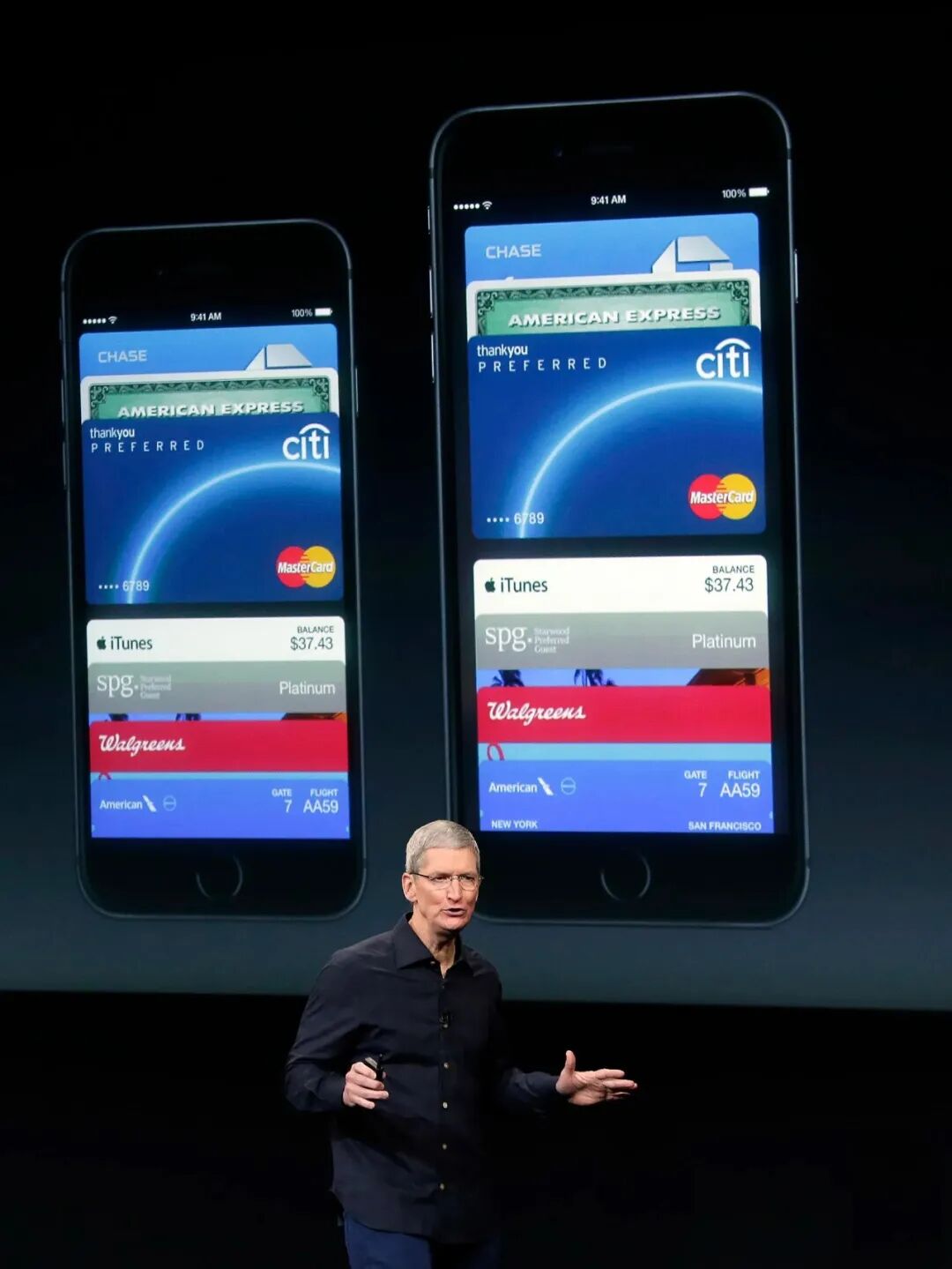
实测国行 iPhone 绑 VISA 卡,首批支持这 8 家银行,还有更多在路上
3 6 Ke· 2026-01-15 02:30
Core Viewpoint - Apple Pay has faced limited acceptance in China since its launch in 2016, primarily due to its reliance on UnionPay and the dominance of QR code payments [2][4]. Group 1: Apple Pay's Current Status in China - Apple Pay has been available in China for nearly ten years but has not gained significant traction compared to Alipay and WeChat Pay [2]. - The service is mainly used for transportation cards, with few scenarios for actual purchases [2][4]. - Users often overlook the ability to use Apple Pay at most locations with POS machines due to the prevalence of QR code payments [4]. Group 2: Changes in Payment Options - Starting January 15, 2026, Apple Pay will support Visa credit cards issued by domestic banks, marking a significant change in its functionality [6]. - The initial list of banks includes eight major institutions, with plans for broader coverage of Visa cards from other banks [6][7]. - Mastercard will also be supported in the coming months, enhancing the usability of Apple Pay for international transactions [6]. Group 3: Implications of New Payment Options - The introduction of Visa and Mastercard support will expand the usability of Apple Pay for international travel and online purchases [13]. - Users will have an additional convenient payment method alongside QR code payments, addressing long-standing issues faced by individual users [13][15]. - The ability to bind Visa cards will streamline online purchases, such as buying products from Hong Kong websites, which previously required manual credit card entry [19].