酒业

Search documents
百润的RIO没以前好卖了,威士忌还没起势
2 1 Shi Ji Jing Ji Bao Dao· 2025-08-26 13:06
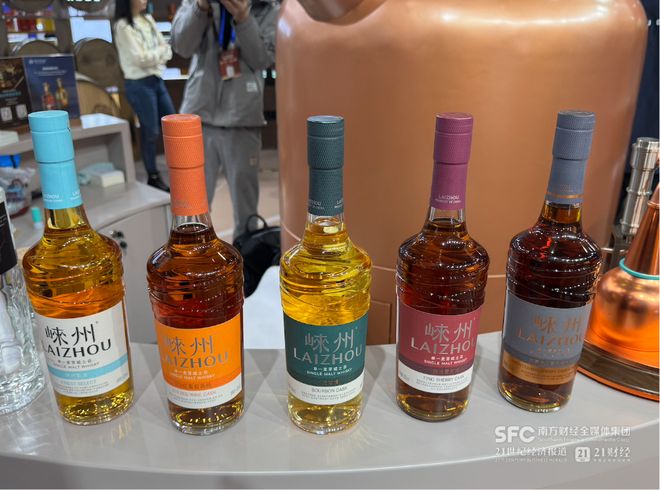
Core Viewpoint - Bairun Co., Ltd. reported a decline in revenue and net profit for the first half of 2025, primarily due to a downturn in its alcoholic beverage segment, particularly the RIO pre-mixed cocktails, which have seen significant drops in sales and production [1][2][3]. Financial Performance - In the first half of 2025, Bairun achieved revenue of 1.489 billion yuan, a year-on-year decrease of 8.56% [1]. - The net profit attributable to shareholders was 389 million yuan, down 3.32% year-on-year, with the non-recurring net profit declining by 9% [1]. - In Q2, revenue was 752 million yuan, a 9% year-on-year decline, with net profit dropping over 10% [1]. Alcoholic Beverage Segment - The revenue from alcoholic products in the first half was 1.297 billion yuan, a decline of 9.35%, accounting for nearly 90% of Bairun's total revenue [2]. - Sales volume of RIO products fell by 12.68% year-on-year, with production also experiencing a double-digit decline [3]. Product Development and Marketing - RIO's focus remains on strengthening the "358" brand positioning and launching new products, including a limited edition Qingmei Longjing flavor and a new jelly wine that sold out quickly [3][5]. - Despite these efforts, the overall downward trend in sales persists, attributed to weak offline channels, which saw a 9% drop in revenue [4]. Cost Management - Bairun has managed to keep its gross margin stable due to a 24% reduction in sales expenses and a decrease in operating costs that outpaced revenue decline [5][6]. Whiskey Business - Bairun's whiskey segment, launched from the Laizhou Distillery, has introduced several products but has not yet significantly impacted overall revenue [8][10]. - As of June 2025, the Laizhou Distillery had accumulated 500,000 barrels, showing significant growth from the previous year [10].

百润的RIO没以前好卖了,威士忌还没起势|酒业财报观察
2 1 Shi Ji Jing Ji Bao Dao· 2025-08-26 12:57
Core Viewpoint - Baijiu Co. reported a decline in revenue and net profit for the first half of 2025, primarily due to a downturn in its alcoholic beverage segment, particularly the RIO pre-mixed cocktails, which have seen significant drops in sales and production [1][2][3]. Financial Performance - For the first half of 2025, Baijiu Co. achieved revenue of 1.489 billion yuan, a year-on-year decrease of 8.56%, and a net profit attributable to shareholders of 389 million yuan, down 3.32% [1]. - In Q2 2025, revenue was 752 million yuan, reflecting a 9% year-on-year decline, with net profit dropping over 10% to 208 million yuan [1][2]. Product Performance - The decline in revenue is largely attributed to the RIO pre-mixed cocktails, with sales volume down 12.68% and production also experiencing a double-digit decline [2][3]. - Alcoholic products accounted for nearly 90% of Baijiu Co.'s total revenue, with alcoholic product revenue at 1.297 billion yuan, down 9.35% year-on-year [1]. Market Trends - The overall alcoholic beverage consumption environment has worsened, impacting the pre-mixed cocktail segment [1][2]. - Offline channel revenues decreased by 9%, with only the South China market showing growth, while North, West, and East China markets experienced declines [3]. Strategic Initiatives - In response to the downturn, Baijiu Co. is focusing on online direct sales, managing to maintain e-commerce revenue at last year's levels [4]. - The company has reduced advertising expenses by half, leading to a 24% decrease in sales costs, which helped stabilize gross margins [4][5]. Future Growth Potential - Baijiu Co. is optimistic about its "second growth curve" in the spirits segment, particularly with the launch of various whiskey products from its Laizhou Distillery [6][7]. - The Laizhou Distillery has introduced multiple whiskey SKUs and has seen significant growth in barrel storage, reaching 500,000 barrels by mid-2025, up from 400,000 at the end of the previous year [10].

红太阳2025年"希望工程圆梦行动"温暖启航!
Qi Lu Wan Bao· 2025-08-26 10:38
Group 1 - The core message of the news is the commitment of Hongtaiyang Wine Group to support underprivileged students through the "Hongtaiyang Lights Up University Dreams" initiative, which is part of the Hope Project in Jining City [1][5][12] - The company has been actively involved in social responsibility, emphasizing the importance of education as a foundation for national rejuvenation and social progress [5][14] - The initiative has provided over 1 million yuan in funding to assist more than 500 underprivileged students since its inception in 2013, demonstrating the company's long-term dedication to educational support [12][14] Group 2 - The distribution ceremonies for the scholarships were attended by various local leaders and representatives from the company, highlighting community engagement and support [3][11] - Students expressed gratitude for the financial assistance, viewing it as both material support and a significant motivational boost for their academic pursuits [7][11] - Local leaders praised the company's charitable actions, recognizing them as a vital contribution to the educational and public welfare sectors in the region [11][12] Group 3 - The company aims to integrate social responsibility into its development strategy, reinforcing its brand image as a socially responsible enterprise [12][14] - The ongoing commitment to educational initiatives is seen as a way to promote traditional culture and corporate spirit, fostering a supportive environment for students [14][16] - Future plans include continuing to enhance the impact of their charitable activities, ensuring that each initiative is effective and resonates with the community [16]


酒精度项目不符合标准要求 没收违法所得,丹阳江苏东新酒业有限公司被罚5000元
Yang Zi Wan Bao Wang· 2025-08-26 09:15
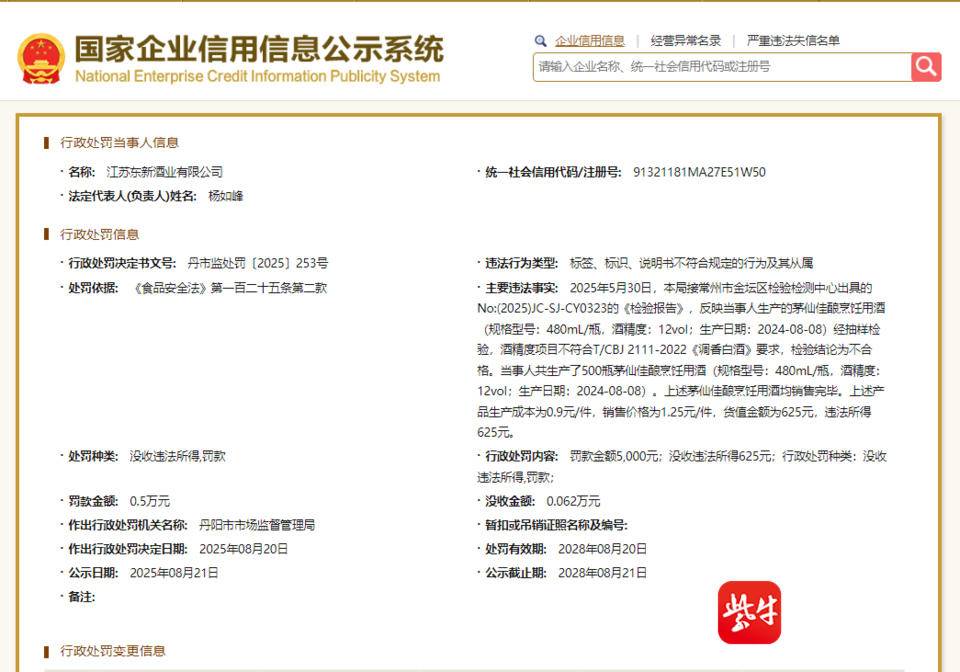
Core Points - Jiangsu Dongxin Wine Industry Co., Ltd. was fined for producing "Mao Xian Jiu Cooking Wine" with non-compliant labeling and standards, resulting in a confiscation of illegal gains of 625 yuan and a fine of 5,000 yuan [1][2][3] Company Information - Jiangsu Dongxin Wine Industry Co., Ltd. was registered on November 15, 2021, with a registered capital of 10 million yuan and is located in Danyang City, Jiangsu Province [2] - The company produces and sells alcoholic beverages and is involved in various food-related businesses, including the sale of pre-packaged food and fresh fruits [2] Regulatory Action - The Danyang Market Supervision Administration imposed the administrative penalty based on the Food Safety Law after receiving a report indicating that the alcohol content of the product did not meet the required standards [2][3] - The company produced a total of 500 bottles of the non-compliant product, all of which have been sold, with a production cost of 0.9 yuan per bottle and a selling price of 1.25 yuan per bottle [2]
豫园股份: 上海豫园旅游商城(集团)股份有限公司关于公司2025年半年度经营情况的公告
Zheng Quan Zhi Xing· 2025-08-25 16:23
Core Viewpoint - The company reported a significant decline in revenue for the first half of 2025, with total operating income decreasing by 30.68% compared to the same period in the previous year, primarily due to structural adjustments in the consumer industry and fluctuations in international gold prices [1][2][3]. Summary by Category Business Performance - The total operating income for the first half of 2025 was approximately 19.11 billion yuan, down from 27.57 billion yuan in the same period last year [2][3]. - The gross profit margin decreased by 32.11% year-on-year, indicating a challenging operating environment [2][3]. - The jewelry segment saw a slight increase in gross profit margin by 0.43%, while the restaurant management and services segment experienced a decrease of 0.74% [1][2]. Revenue Breakdown by Industry - The main business segments included: - Jewelry: Revenue of approximately 14.54 billion yuan, with a gross profit margin decrease of 35.87% [1]. - Food and Beverage: Revenue of approximately 510.89 million yuan, with a gross profit margin decrease of 16.69% [1]. - Other segments, such as pharmaceuticals and cosmetics, also reported varying changes in revenue and gross profit margins [1][2]. Revenue Breakdown by Region - Revenue by region showed significant variances: - Shanghai: Revenue decreased by 40.70% to approximately 14.08 billion yuan [3]. - Sichuan: Revenue increased by 121.59% to approximately 535.18 million yuan [3]. - Notable declines were observed in regions like Japan, where revenue fell by 61.75% [3]. - The overall regional performance reflects a mixed impact of market conditions and operational adjustments [3]. Store Network - As of June 2025, the company operated a total of 4,249 retail outlets under the "Lao Miao" and "Ya Yi" brands, down from 4,615 at the end of 2024 [4]. - The company continues to adjust its store network based on regional market conditions, indicating a strategic response to changing consumer behaviors [4].

豫园股份(600655) - 上海豫园旅游商城(集团)股份有限公司关于公司2025年半年度经营情况的公告
2025-08-25 08:45
| 证券代码:600655 | 证券简称:豫园股份 | 公告编号:临2025-076 | | --- | --- | --- | | 债券代码:242519 | 债券简称:25豫园01 | | | 债券代码:242813 | 债券简称:25豫园02 | | | 债券代码:242814 | 债券简称:25豫园03 | | 上海豫园旅游商城(集团)股份有限公司 关于公司 2025 年半年度经营情况的公告 本公司董事会及全体董事保证本公告内容不存在任何虚假记载、误导性陈述 或者重大遗漏,并对其内容的真实性、准确性和完整性承担法律责任。 根据《上市公司自律监管指引第3号》、《关于做好主板上市公司2025年半年度报告 披露工作的重要提醒》要求,上海豫园旅游商城(集团)股份有限公司(以下简称"公 司")现将2025年上半年度公司分行业、分地区营业收入,主要营业网点情况披露如下: 一、 本报告期内,公司主营业务分行业情况 单位:元 币种:人民币 | | | 主营业务分行业情况 | | | | | | --- | --- | --- | --- | --- | --- | --- | | | | | 毛利率 | 营业收 入比 ...
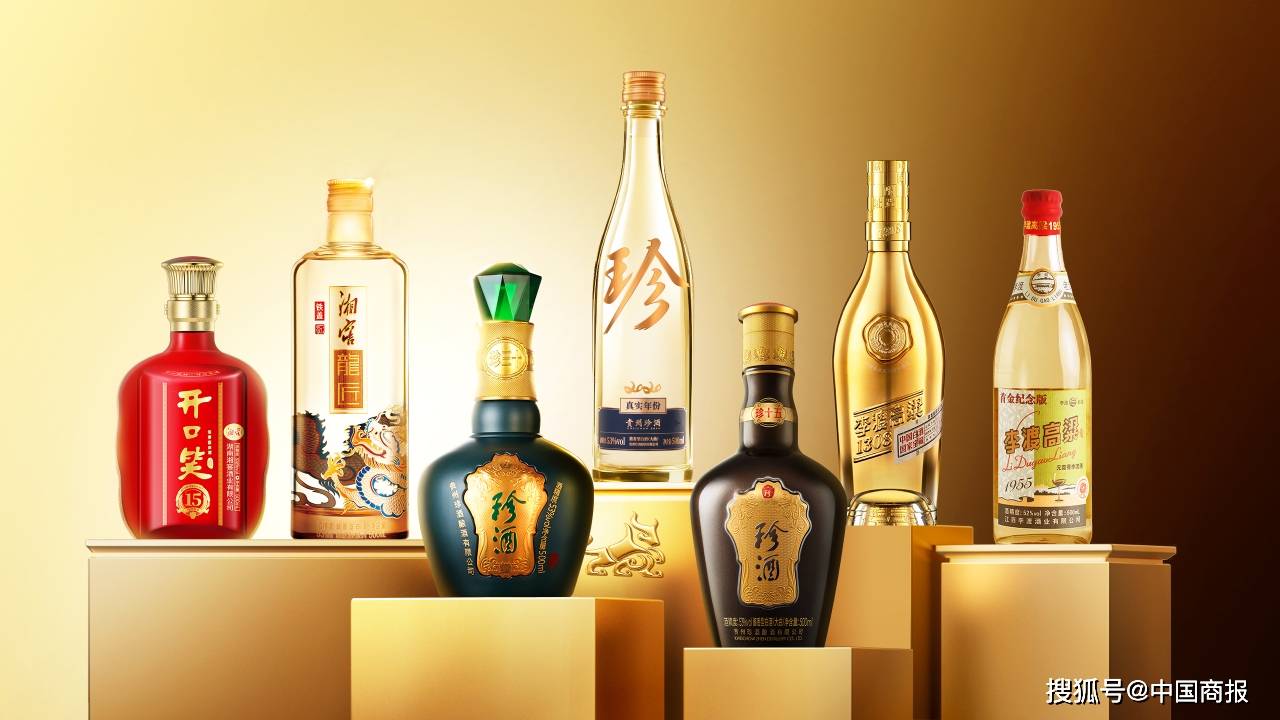
珍酒李渡(6979.HK)因时而变:新产品、新模式
Ge Long Hui· 2025-08-25 03:36
Core Viewpoint - The company's performance in H1 2025 met expectations, with a decline in cash collection and overall stable profitability. New products, models, and marketing strategies are expected to drive growth improvement in the second half of the year [1]. Financial Performance - In H1 2025, the company achieved revenue of 2.5 billion yuan, a year-on-year decline of 40%, and an adjusted net profit of 610 million yuan, also down 40%. The overall gross margin was 59.0%, up 0.2 percentage points year-on-year, while the adjusted net profit margin was 24.6%, down 0.1 percentage points [2]. - The pre-collection of customer payments decreased sequentially, with amounts at the end of H1 2024, H2 2024, and H1 2025 being 1.79 billion yuan, 1.75 billion yuan, and 1.43 billion yuan respectively, indicating current operational pressures in the industry [2]. Brand Performance - Revenue by brand in H1 2025 showed a significant decline: Zhenjiu at 1.49 billion yuan (-45%), Lidu at 610 million yuan (-9%), Xiangjiao at 280 million yuan (-39%), and Kaikouxiao at 80 million yuan (-64%). Lidu's performance was driven by the growth of mid-range products [3]. - Revenue by price segment indicated declines for high-end white liquor (-47%), next-high-end (-42%), and mid-range and below (-31%), with high-end and next-high-end segments experiencing a year-on-year decrease in market share due to weak demand and ongoing drinking policies [3]. Strategic Response - Since H2 2024, the company has faced significant downward pressure in the liquor industry, maintaining a cautious shipping pace to alleviate channel inventory pressure. The company is launching new products and adopting innovative business models, such as the "Wanshang Alliance" model, to enhance marketing and customer engagement [4]. - The introduction of new products and a lower comparative base are expected to lead to improved performance growth in the second half of the year [4].
宁夏多元业态融合点燃消费新引擎
Zhong Guo Xin Wen Wang· 2025-08-24 02:37
Group 1 - The event "Purchasing in China · Love Ningxia" aims to promote the deep integration of commerce, culture, tourism, agriculture, sports, and wine to create multi-dimensional consumption scenarios [1][2] - The event features an exhibition area for new energy vehicles, providing immediate experience and purchase services, along with a car parade to further expand consumption scenarios [1] - The integration of local agricultural products and wine showcases the entire consumption chain from production to table, highlighting the innovative combination of rural characteristics and modern consumption [1] Group 2 - Policy empowerment is a significant highlight, with the Ningxia Cultural Tourism Department launching autumn tourism routes and the Ningxia Sports Bureau promoting upcoming international and national events to drive growth across multiple sectors [1] - The city of Yinchuan has released an action plan for the high-quality development of multi-industry integration, outlining six development paths and introducing a consumption linkage mechanism to stimulate cross-domain consumption potential [1] - The event also incorporates cultural and artistic elements, including a wine-themed musical and promotional videos that reflect the vitality of Ningxia's consumer market, aiming to transform consumption scenarios into cultural experiences and lifestyle intersections [2]
欧美贸易协议细节公布,欧盟或又接“硬茬”
21世纪经济报道· 2025-08-24 00:39
Group 1 - The core viewpoint of the article is that the recent trade agreement between the EU and the US has significant implications for various industries, particularly in terms of tariffs and market access, but it also raises concerns about the long-term economic impact on the EU [1][5][14] - The joint statement outlines that the US will impose a 15% tariff on most EU goods, while the EU will eliminate tariffs on all US industrial products and provide preferential market access for US seafood and agricultural products [1][7] - The agreement has sparked controversy within the EU, with some officials arguing that it favors the US, despite the EU's significant concessions [5][8] Group 2 - Key industries affected by the agreement include automobiles, pharmaceuticals, and semiconductors, which are major export sectors for the EU [7][14] - The agreement specifies that from September 1, 2025, the US will apply Most Favored Nation (MFN) tariffs only to certain products, easing concerns for the EU's pharmaceutical and semiconductor sectors [7][8] - The EU is expected to increase its investment in the US by $600 billion by 2028, primarily targeting strategic industries, although the feasibility of this investment remains uncertain [12][13] Group 3 - The article highlights that the EU's economic growth has shown resilience in the short term, with a GDP growth of 1.4% year-on-year in Q2, but warns of potential long-term impacts from the new tariffs [14][15] - The EU's trade surplus with the US has already begun to shrink, with a reported 10.3% decrease in exports to the US in June compared to the previous year [15][16] - The article suggests that the EU may need to implement protective measures, such as subsidies and tax reductions, to mitigate the impact of the tariffs on its industries [16]

珍酒李渡发布2025半年报:营收24.97亿元,净利6.13亿元
Sou Hu Cai Jing· 2025-08-23 12:15
Core Viewpoint - The company, Zhenjiu Lidu, reported a solid performance in the first half of 2025, achieving a revenue of 2.497 billion yuan and an adjusted net profit of 613 million yuan, which aligns with market expectations and reflects a stable market foundation [1][4]. Group 1: Financial Performance - The company’s gross margin increased by 0.2 percentage points year-on-year to 59%, marking three consecutive years of growth [4]. - The adjusted net profit margin remained stable at 24.6%, indicating sustained operational quality [4]. - The average price per ton of liquor was 273,700 yuan, a decrease of 6.6% year-on-year, demonstrating the effectiveness of the company's price stabilization strategy [4]. Group 2: Sales and Market Position - Sales volume of the core brand, Lidu, reached 1,752 tons, a year-on-year increase of 27.79%, reflecting enhanced market recognition [4]. - The company is ranked fourth in the industry in terms of liquor pricing, with a ton price of 270,000 yuan in 2023 [4]. Group 3: Strategic Initiatives - The launch of the "Dazhen Zhenjiu" product aimed at diversifying the product lineup, priced at 600 yuan, competes with products priced at 3,000 yuan, catering to consumer demand for high quality at a reasonable price [7]. - The "Wanshang Alliance" model was introduced to restructure the manufacturer-distributor ecosystem, with over 2,000 contracts signed and more than 6,100 potential clients engaged within 100 days of the initiative [9]. - The introduction of the high-end craft beer "Niushi News" at 88 yuan per bottle represents a cross-industry innovation, creating a dual business model of liquor and beer [11]. Group 4: Market Recognition and Future Outlook - The company's transformations, including the successful launch of "Dazhen," the establishment of the "Wanshang Alliance," and the introduction of "Niushi," have garnered recognition from capital markets, with several brokerage firms issuing "buy" ratings [12]. - Investment institutions have shown confidence in the company, as evidenced by a significant stock price increase of over 50% from 6.46 HKD to 10.07 HKD per share between August 1 and August 21, with a trading volume of 3.904 billion yuan [14].