即时零售

Search documents
三大平台把外卖卷成红海,消费者躺赢背后藏着更大战局
Sou Hu Cai Jing· 2025-07-11 10:13
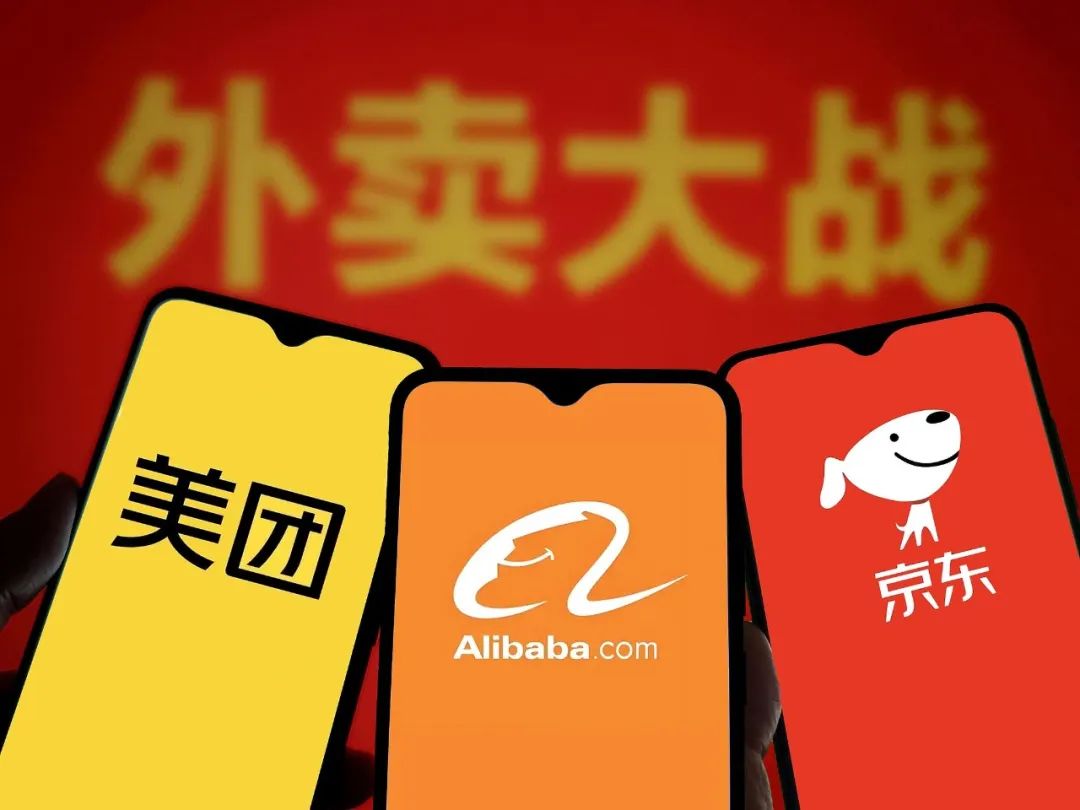
Group 1 - The core strategy for food delivery platforms remains low-price competition, with Meituan recently launching "0 Yuan Purchase" coupons, leading to a record daily order volume of over 120 million [1] - Meituan's CEO Wang Xing emphasized the commitment to winning the competition, indicating that the company is willing to invest heavily, with estimates suggesting a monthly burn rate of nearly 20 billion yuan [1] - JD.com has also made strides in the food delivery sector, achieving over 25 million daily orders within four months of launching its delivery service, supported by a "Double Hundred Plan" that allocates over 10 billion yuan to boost brand sales [6][7] Group 2 - JD.com aims to integrate its food delivery service within its overall ecosystem, enhancing synergies with existing retail operations and expanding instant delivery services for various product categories [7] - Alibaba's "Taobao Flash Purchase" initiative is designed to drive traffic to its broader instant retail business, with significant subsidies leading to substantial growth in sales for participating brands [12][13] - The competition among food delivery platforms has led to increased consumer expectations regarding price, quality, and service, resulting in lower brand loyalty as consumers switch between platforms for better deals [17]


外卖大战中,花8.95元买一瓶葡萄酒!价格被压榨,市场何去何从?
Sou Hu Cai Jing· 2025-07-11 09:24
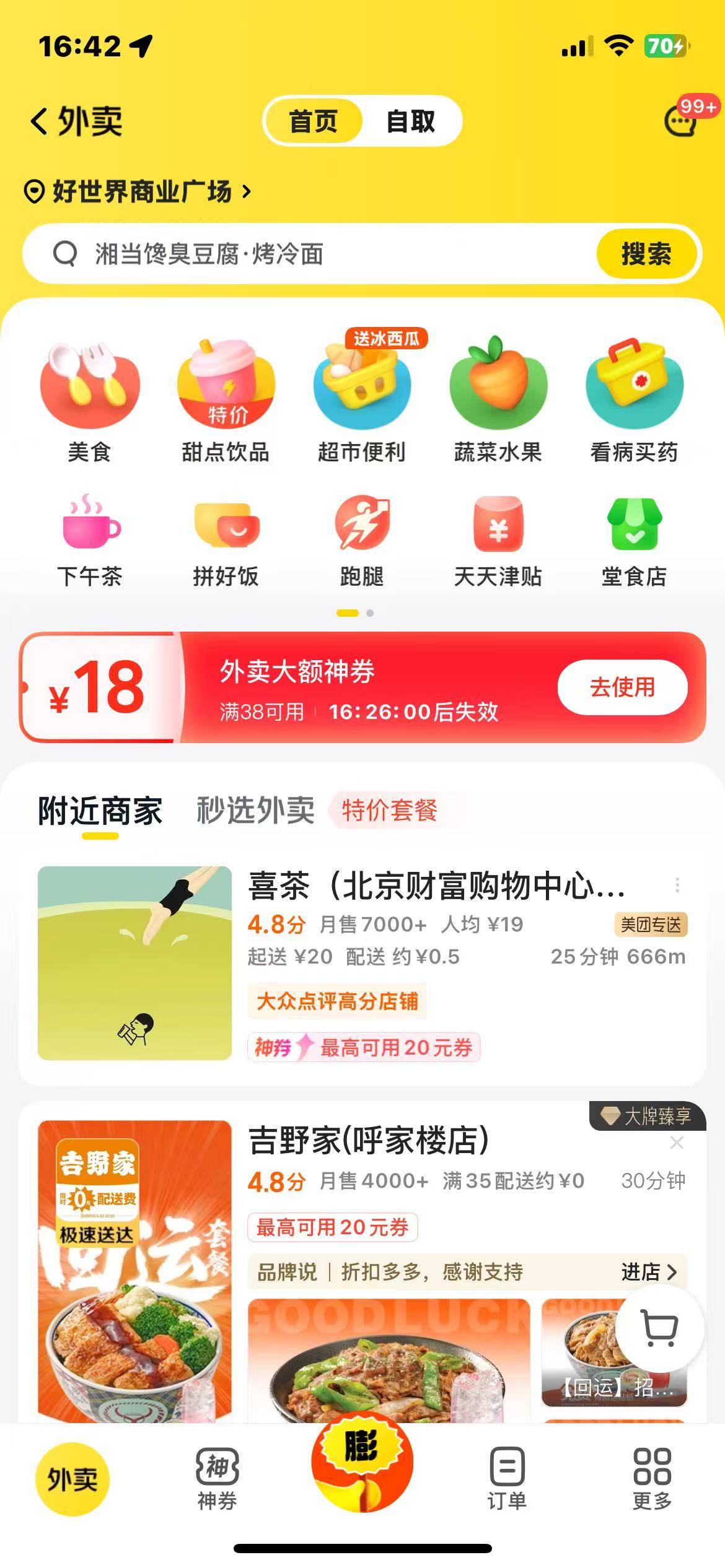
Core Insights - The fierce competition between Taobao Flash and Meituan has led to significant discounts and promotions in the food delivery sector, with both platforms investing heavily in attracting users [2][4] - Taobao Flash achieved over 200 million daily active users, while Meituan processed 120 million orders in a single day, indicating a surge in consumer engagement [4] - The price of certain products, such as wine, has drastically decreased, with some being sold for as low as 8.95 yuan, raising questions about sustainability and quality in the market [5][9] Group 1: Market Dynamics - The competition has intensified in the instant retail sector, particularly for food and beverage items, with a focus on ready-to-eat meals and packaged products like wine [9] - The trend of lower prices and increased accessibility may encourage more consumers to try wine, despite concerns about quality and supply chain integrity [9][10] - The shift in consumer behavior towards immediate gratification is reshaping the retail landscape, with a growing preference for on-demand purchases rather than stockpiling [10][12] Group 2: Economic Context - The current economic climate has led to a cautious consumer mindset, where low prices serve as effective marketing tools to stimulate demand [12][13] - The historical context of the wine market in China reflects a transition from high-profit margins during economic booms to a focus on efficiency and competitive pricing during downturns [13][15] - The future of the wine market may hinge on achieving a balance between reasonable profits and consumer choice, as the industry navigates through economic cycles [15]
京东健康,究竟是刘强东手里一张什么牌?
Sou Hu Cai Jing· 2025-07-11 04:11
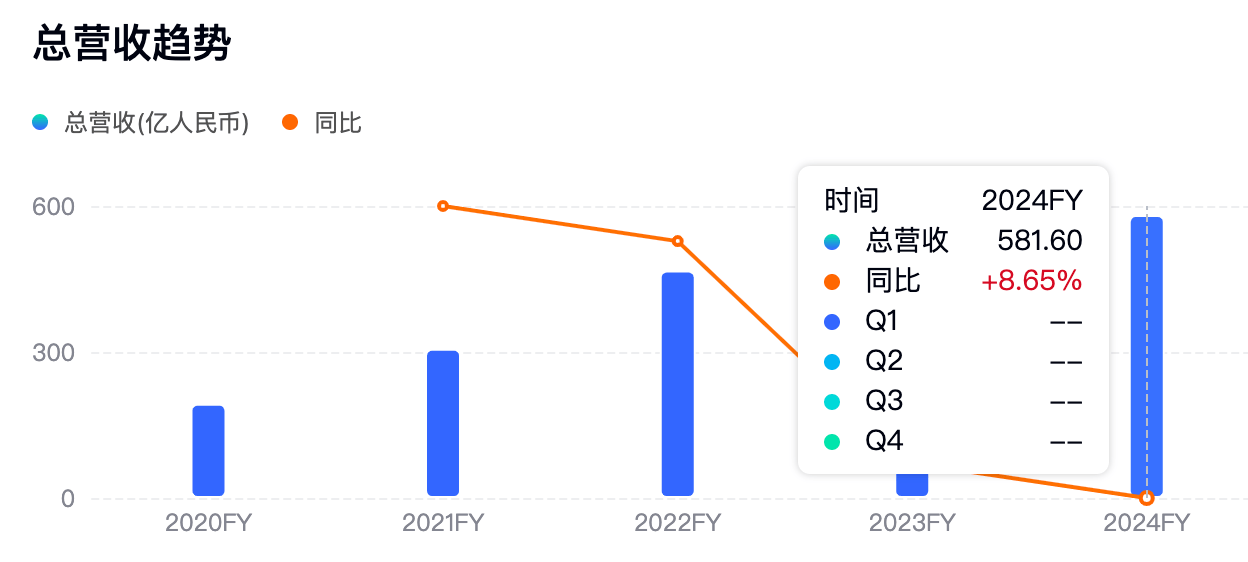
Core Insights - JD Health is gaining significant attention from Liu Qiangdong and Xu Ran, especially following the recent 618 shopping festival, where it showcased its marketing strategies prominently [1][5] - The company reported a total revenue of 58.16 billion in 2024, with a profit of 4.157 billion, marking a 94% increase compared to 2023 [1][5] - JD Health is positioned as the leader in the B2C pharmaceutical market, outperforming Alibaba Health, which is projected to generate 30.598 billion in revenue for the 2025 fiscal year [5][8] Group 1: Market Position and Growth - JD Health's market capitalization is over 100 billion HKD, approximately one-third of JD Group's total market value [5] - The company achieved a growth rate of 25.5% in the first quarter of 2023, driven by the online medical insurance payment initiative [8] - The B2C pharmaceutical e-commerce market reached sales of 66.3 billion in 2023, with a growth rate of 15.3% [12] Group 2: Competitive Landscape - The online pharmaceutical market is highly competitive, with JD Health, Meituan, and Ele.me vying for market share [11][12] - Meituan currently holds a 70% market share in the national O2O pharmaceutical sector, posing a challenge for JD Health [17] - JD Health's "Buy Medicine Fast" initiative aims to capture the online medical insurance market, with a focus on rapid delivery and quality service [15][11] Group 3: Future Opportunities - The integration of AI and health consumption trends presents new opportunities for JD Health, particularly in personalized health products and services [4][18] - The company is exploring the potential of AI models to enhance its service offerings, including AI nutritionists and medical assistants [18][20] - The demand for weight management products has surged, with JD Health reporting a threefold increase in sales for weight loss medications [26][28] Group 4: Strategic Focus - JD Health is focusing on expanding its product offerings beyond pharmaceuticals to include health and wellness products, aligning with the growing trend of preventive healthcare [23][24] - The company aims to leverage its expertise in e-commerce to support local pharmaceutical companies and enhance its market presence [26][28] - The market is optimistic about JD Health's future, with a projected price-to-earnings ratio of nearly 30 times based on its 2024 net profit [29]
阿里、京东、美团杀入新战场
Sou Hu Cai Jing· 2025-07-11 01:37
Core Viewpoint - The takeaway from the article is that the food delivery battle has entered a new phase, characterized by significant competition and strategic shifts among major players like Meituan, Alibaba, and JD.com in the instant retail sector. Group 1: Market Dynamics - Meituan announced that its daily order volume for instant retail has surpassed 120 million, with over 100 million in food delivery orders [1] - Taobao Shanguo reported a daily order volume exceeding 80 million, with non-food orders surpassing 13 million, and over 200 million active users on the platform [1] - JD.com launched the "Double Hundred Plan" to support quality food merchants through a comprehensive service system aimed at sustaining online business growth [1] Group 2: Subsidy Strategies - Taobao Shanguo initiated a large-scale subsidy plan of 50 billion yuan to strengthen its competitive position in instant retail [3] - Meituan is also increasing its delivery subsidies, offering a long-term coupon package valued at 600 yuan for just 9.9 yuan [3] Group 3: Offline Expansion - The article emphasizes that offline supermarket and front warehouse construction are crucial for enhancing delivery efficiency, with major players accelerating their offline strategies [3] - Hema, as a leader in new retail, has opened over 430 stores and plans to open nearly 100 more by 2025 [3][12] - JD.com’s 7Fresh has rapidly expanded, with plans to achieve full coverage in Beijing by the end of the year [4][12] Group 4: Business Models and Strategies - Hema's CEO has implemented a dual-driven strategy focusing on Hema Fresh and Hema NB to maximize market share and profitability [7][8] - JD.com’s 7Fresh employs a unique "1+N" business model, combining large central stores with smaller satellite stores to enhance delivery efficiency and reduce operational costs [15] - Meituan is restarting its offline supermarket business to enhance market competitiveness and user loyalty [6][18] Group 5: Future Outlook - The competition in instant retail will hinge on the integration of online and offline resources, supply chain efficiency, and the ability to offer a diverse range of high-quality products and services [18]


朴朴超市冲刺港股IPO:区域盈利模型能否支撑全国化野心?
Sou Hu Cai Jing· 2025-07-11 00:19
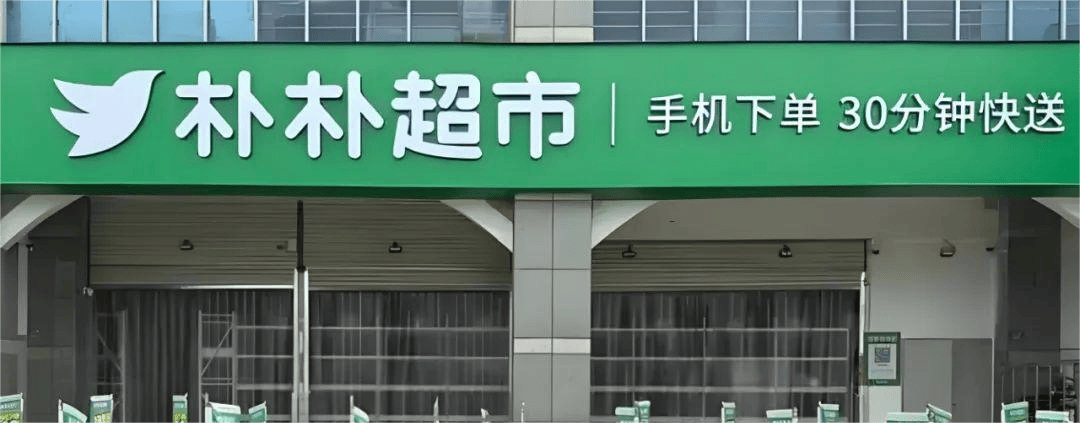
Core Insights - Instant retail is experiencing a reversal, with Meituan's recent transformation announcement leading to increased market interest [1] - The front warehouse model, previously criticized, has shown resilience from 2022 to 2025, as major players adjust their strategies, creating a more complex industry landscape [1] Group 1: Company Strategy - Pupu Supermarket has established a differentiated hardware layout, with over 400 large front warehouses in 9 cities, each covering an area of 800-1000 square meters and maintaining 6000-8000 SKUs, providing a competitive edge over peers like Dingdong Maicai [3] - The product structure of Pupu is shifting from a focus on fresh produce, which has decreased from 60% to 50%, with plans to further reduce it to 45% in the next three years, aiming to enhance profitability through higher-margin products [4] - Pupu has launched its private label "Yuci," with over 750 SKUs by October 2024, targeting a 15% sales contribution by year-end, although it still lags behind competitors like Hema in terms of product value [7] Group 2: Market Position and Competition - Pupu's conservative expansion strategy is evident, having only entered 9 cities primarily within the familiar "Fuzhou-Xiamen economic circle," while competitors are rapidly expanding their market presence [8] - The competitive landscape is intensifying, with giants like Meituan, Taobao (Ele.me), and JD.com setting new standards for delivery times, making "30-minute delivery" the industry norm [10] - Pupu faces increasing pressure as competitors leverage capital, traffic, and technology to expand aggressively, threatening its localized service advantages [10] Group 3: Future Outlook - Pupu is reportedly preparing for an IPO in Hong Kong, indicating a critical juncture in its development, with a vision to transform every location into a convenient and affordable city [11] - The company is at a strategic crossroads, needing to balance cautious expansion with the need to keep pace with industry trends, as it navigates the challenges of maintaining its unique offerings while responding to competitive pressures [13]
阿里终于想通了
远川研究所· 2025-07-10 12:04
Core Viewpoint - The article discusses the intense competition in the food delivery market in China, highlighting the financial losses expected for major players like Alibaba and JD, while also detailing the strategic shifts and market dynamics that have shaped the industry landscape [1][4][60]. Group 1: Market Dynamics - Goldman Sachs estimates that Alibaba's food delivery service will incur losses of 41 billion RMB and JD will lose 26 billion RMB in the coming year, while Meituan's EBIT will decrease by 25 billion RMB [1]. - The fierce competition has led to aggressive promotional strategies, such as "18 RMB off for orders over 18 RMB" and "three meals a day for no more than 10 RMB" [3]. - The market has seen a significant shift with Alibaba's Taobao Flash Sale and Meituan Instant Retail achieving daily orders of 80 million and 120 million respectively [4]. Group 2: Historical Context - The food delivery market has long been dominated by Meituan and Ele.me, which together held over 90% market share before JD's entry [6]. - The merger of Meituan and Dianping is considered a pivotal moment that altered the competitive landscape, allowing Meituan to gain a significant market share and profitability [16][18]. - Ele.me's acquisition by Alibaba was a strategic move to counter Meituan's dominance, but it has struggled to regain market share despite substantial investments [27][28]. Group 3: Strategic Shifts - Alibaba's recent restructuring has seen Taobao Flash Sale take a more prominent role, indicating a shift in strategy to better compete with Meituan [62]. - The integration of Ele.me, Koubei, and Fliggy into Alibaba's local services division reflects an attempt to streamline operations and enhance competitiveness [43][39]. - The article emphasizes the need for a unified command structure within Alibaba's local services to effectively compete in the fragmented market [70][73]. Group 4: Future Outlook - The rise of instant retail, characterized by rapid delivery services, poses a new challenge to traditional food delivery models, blurring the lines between e-commerce and local services [49][61]. - JD's innovative approach to integrating food delivery with its e-commerce platform has shown promising results, suggesting a potential shift in strategy for competitors [58][60]. - The ongoing evolution of the market indicates that companies must adapt quickly to changing consumer behaviors and competitive pressures to survive [64][65].


外卖大战,打的根本不是外卖
大胡子说房· 2025-07-10 12:01
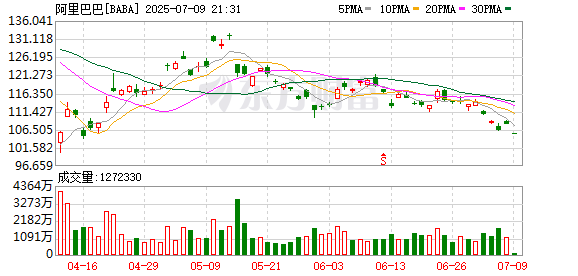
Core Viewpoint - The recent decline in the Hong Kong stock market, particularly the Hang Seng Tech Index, is attributed to the fierce competition in the food delivery sector among Meituan, Alibaba, and JD.com, leading to significant stock price drops for these companies [1][2][7]. Group 1: Market Dynamics - The ongoing food delivery war among Meituan, Alibaba, and JD.com is causing short-term profit losses, which negatively impacts investor sentiment and stock prices [3][5][6]. - The stock prices of Alibaba, JD.com, and Meituan have fallen significantly, with Alibaba nearing its April 7 low and JD.com and Meituan dropping below that level [6][7]. - The competition is not just about food delivery but is fundamentally aimed at capturing market share in the instant retail sector, also known as flash purchase [12][13]. Group 2: Instant Retail Market - Instant retail, or flash purchase, involves consumers ordering daily necessities online for delivery within 30 minutes, a market that has been growing despite challenges in supply chain and delivery capabilities [14][17]. - The instant retail market is currently valued at approximately 500 billion, with Meituan holding a 60% market share, and is projected to grow to 2 trillion by 2030 [29][30]. - Both Alibaba and JD.com are facing growth bottlenecks in their core e-commerce businesses, prompting them to pivot towards instant retail to capture this emerging market [18][19][25]. Group 3: Strategic Implications - The competition in food delivery is seen as a necessary step for Alibaba and JD.com to build a user base and reduce delivery costs, which are essential for successfully launching instant retail services [35][41]. - The significant subsidies being offered by Alibaba (500 billion) and JD.com (100 billion) for food delivery are part of their strategy to gain a foothold in the instant retail market [42]. - The outcome of this competition may not be as critical for consumers, who benefit from lower prices, but it poses risks for investors in the short term due to the intense competition and market volatility [45][46].

外卖大战的尽头,是骑手和商家的眼泪
3 6 Ke· 2025-07-10 09:26
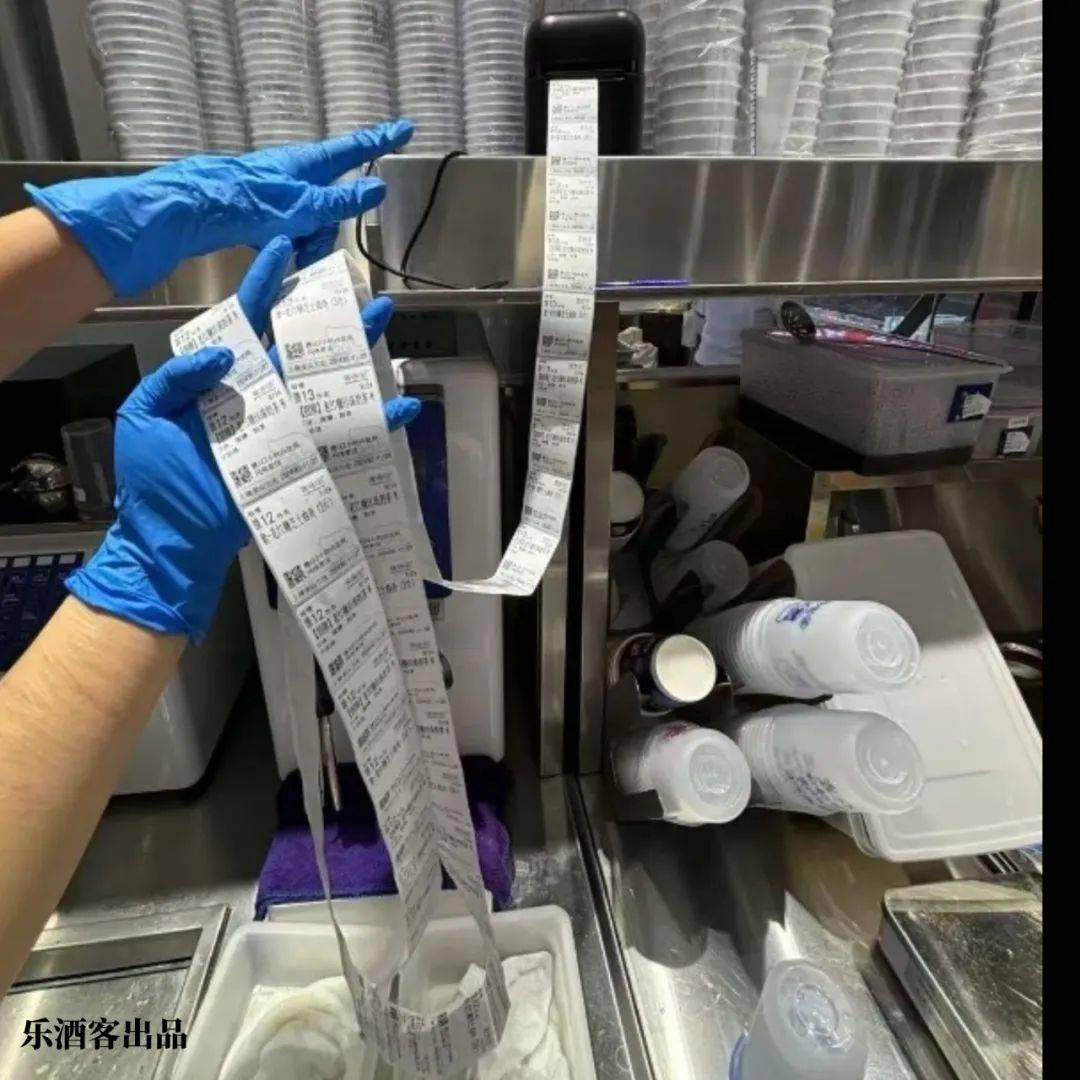
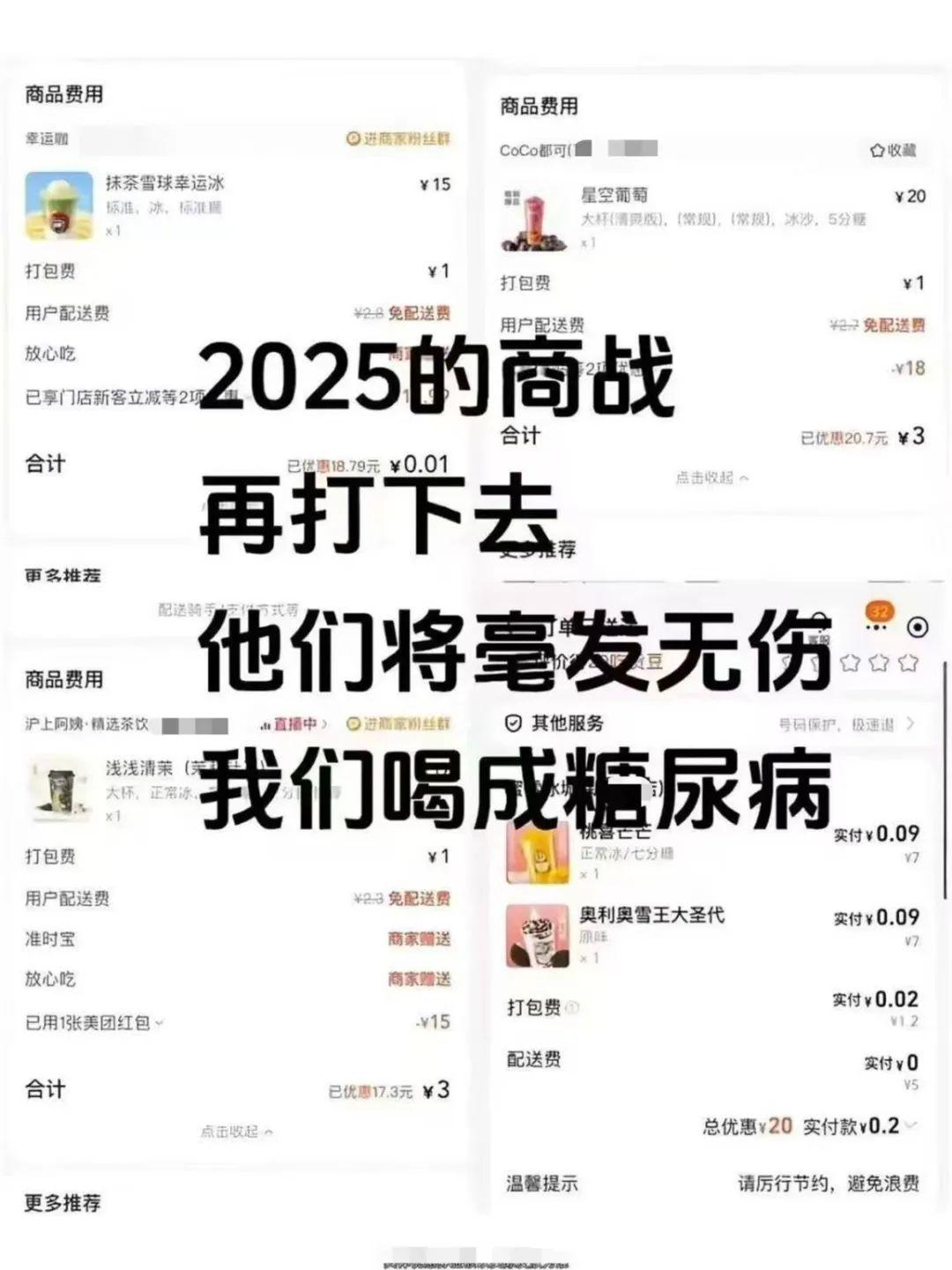
Core Viewpoint - The recent competition among food delivery platforms has led to increased consumer reliance on delivery services, but it has also resulted in delays and operational inefficiencies, particularly in the delivery of non-beverage items [1][20][32]. Group 1: Market Dynamics - The food delivery market is experiencing a new wave of competition, with platforms like Taobao and Meituan engaging in aggressive subsidy wars, reminiscent of past battles in the industry [4][16]. - Taobao has announced a substantial subsidy of 50 billion yuan over a year, significantly impacting order volumes, particularly for beverages like coffee and milk tea, which saw a surge of over 200% in order volume [4][5][17]. - The competition has led to a situation where the majority of orders are concentrated in the beverage category, causing operational strain on delivery services and restaurants [6][14][24]. Group 2: Consumer Behavior - Consumers are increasingly drawn to low-cost beverage options due to substantial subsidies, leading to a spike in orders that outstrip the capacity of many beverage outlets [14][23]. - The low price point of beverages makes them highly elastic in demand, allowing consumers to order more frequently, which exacerbates delivery delays for other food categories [14][22][26]. - The phenomenon of consumers hoarding beverages during promotional periods has been noted, indicating a shift in purchasing behavior driven by discounts [9][11]. Group 3: Operational Challenges - The influx of orders, particularly for beverages, has overwhelmed many restaurants and delivery personnel, leading to significant delays in service and a decline in on-time delivery rates [20][24][30]. - The operational inefficiencies have resulted in delivery personnel being stuck in long queues at beverage outlets, which detracts from their ability to fulfill other food orders in a timely manner [24][25]. - The competition has led to some restaurants temporarily halting their delivery services due to the inability to manage the surge in orders effectively [25][26]. Group 4: Strategic Implications - The current focus on beverage orders undermines the platforms' broader strategic goals of diversifying their offerings beyond food delivery to include instant retail [15][17]. - The heavy reliance on beverage orders may hinder the platforms' ability to establish a reputation for reliable delivery of a wider range of products, potentially limiting future growth [15][20]. - The ongoing subsidy wars may create a temporary boost in consumer engagement but could lead to long-term operational challenges and resource misallocation [19][36].
即时零售战局分化 淘宝闪购非餐饮订单占比超16%
Zhong Guo Jing Ying Bao· 2025-07-09 13:30
刚刚过去的周末,淘宝闪购、美团突然发动"周末战役"来冲单。在双方晒出新成绩单的同时,战局也无 可避免发生微妙变化。 7月5日当天,美团宣布即时零售当日订单突破了1.2亿单,其中餐饮订单超过1亿单;淘宝闪购则表示, 7月5日当天,单日订单数首次突破8000万单,日活跃用户数(DAU)达到2亿。 值得注意的是,淘宝闪购最新公布细分数据显示,超8000万日订单中,非餐饮订单超1300万,占比超过 16%。其中3724个非餐饮品牌的订单数对平台上线之初实现翻倍增长,涉及食品、母婴、个护、家电、 酒类、3C数码等多个品类。 淘宝闪购公布数据显示,500亿元补贴上线第一周,4124个餐饮品牌生意突破历史峰值,2318个非餐饮 品类订单量翻倍。 具体到餐饮细分市场,4124个品牌破峰次数达9818次。淘宝闪购发现,在这些破峰的连锁品牌中,95% 为城市区域连锁品牌,小吃、地方菜、快餐等中小连锁品牌商家占比超过五成。 其中咖啡、饮品、甜品、小吃、西式快餐等多品类品牌餐饮订单量环比增长超过150%。反映到消费者 端就是喝奶茶喝到爆,为了及时用掉大额券,冰箱快速塞满。 另外,淘宝闪购方面表示,加大补贴力度是以巨大流量反哺线下商业 ...
美团守擂、阿里猛攻、京东拓疆:三巨头即时零售争霸战 | 深网
Jin Shi Shu Ju· 2025-07-09 11:30
Core Insights - Alibaba Group has launched a new subsidy initiative called "Super Saturday" as part of its 100-day flash purchase growth plan, offering consumers extremely low prices or even free products [2][3] - The competition in the food delivery market has intensified, with Meituan responding to Alibaba's flash purchase strategy by significantly increasing its own subsidies, resulting in record daily retail orders [3][4] - The three major platforms—Alibaba, Meituan, and JD.com—are collectively investing nearly 100 billion yuan in subsidies to capture market share in the highly competitive food delivery sector [3][4] Alibaba - Alibaba's Taobao Flash Sale has reported over 80 million daily orders, with more than 2 billion active users, indicating strong consumer engagement [2] - The company plans to invest 50 billion yuan in subsidies over the next 12 months, fully funded by the platform [3] - The integration of Ele.me and Fliggy into Alibaba's e-commerce division aims to enhance its competitive edge in the instant retail market [8][9] Meituan - Meituan has recorded a historic daily retail order of 120 million, with over 100 million being food delivery orders, showcasing its strong market position [3][4] - The company is focusing on expanding its instant retail capabilities and has made strategic adjustments to its business model, including the suspension of certain loss-making services [7][8] - Meituan's CEO has emphasized a commitment to winning the food delivery competition at all costs, indicating a willingness to invest heavily in subsidies [4] JD.com - JD.com has announced plans to invest over 10 billion yuan in its food delivery subsidy program, aiming to enhance its market presence [3] - The company is leveraging its supply chain advantages to compete in the instant retail market, although it has faced challenges in establishing a strong foothold [5][6] - JD.com is also exploring cross-selling opportunities in the travel sector, using its food delivery platform to drive traffic to its hotel and travel services [10][14] Market Dynamics - The food delivery market is characterized by intense competition, with Alibaba, Meituan, and JD.com vying for a share of a market that is already heavily dominated by Meituan and Ele.me [4][5] - The shift towards instant retail is seen as a strategic move to capture high-frequency consumer demand, with all three companies adapting their business models accordingly [5][9] - The ongoing subsidy war reflects a broader trend of ecosystem competition, where companies are not only competing for orders but also for user retention and merchant resources [8][11]