新材料

Search documents
GDP连续37年居全国首位 “十五五”开局广东再拼经济
2 1 Shi Ji Jing Ji Bao Dao· 2026-01-26 23:25
"2026年广东主要预期目标是,地区生产总值增长4.5%—5%,在实际工作中全力争取更好结果。" 1月26日,广东省十四届人大五次会议在广州开幕,省长孟凡利作政府工作报告,为2026年广东拼经济明确了具体方向。 2025年"十四五"收官之年,广东GDP达到14.58万亿,增长3.9%,总量连续37年居全国首位,在全球可排在12位,跻身全球第一梯队,并在财 政、人口、工业、外贸、科创等诸多细分经济指标上保持全国第一。可以看到,广东经济正在转型中加快蝶变,稳、优、新、活成为关键词。 2026年,面对复杂多变的发展环境、新一轮科技革命和产业变革加速突破带来的机遇和挑战,广东如何为"十五五"开好局、起好步?广东省人 大代表、中国(深圳)综合开发研究院副院长兼前海分院院长曲建认为,2026年广东拼经济,首先要做大增量,其中核心是做大能让经济动能 和结构发生改变的增量。 从广东省政府工作报告中不难窥见其着力点,在持续推动新兴产业发展壮大、培育未来产业,培育更多经济新支柱,打造具有全球影响力的产 业科技创新中心,加快培育和发展新的生产力的基础上,今年广东将重点扩大有潜能的消费、有需求的生产、有效益的投资。 "下一阶段,撬动 ...


氧化石墨烯薄膜实现编程控制形变
Jin Rong Jie· 2026-01-26 23:09
加拿大麦吉尔大学科学家成功研制出一种超薄氧化 石墨烯薄膜,并能通过编程控制其折叠形状,如 同"会动的折纸",能自主移动、折叠、扭转,甚至感知自身动作。两篇相关论文分别发表于新一期《材 料视野》和《先进科学》杂志。 ...
稳中有进 向新向好 “一区一城”新房山建设迈出坚实步伐
Bei Jing Ri Bao Ke Hu Duan· 2026-01-26 22:43
2025年,房山区坚持以习近平新时代中国特色社会主义思想为指导,深入学习贯彻党的二十大和二十届 历次全会精神,在市委市政府的坚强领导下,完整准确全面贯彻新发展理念,统筹灾后重建和经济社会 高质量发展,全区经济社会发展稳中有进、向新向好,"一区一城"新房山建设迈出坚实步伐。 锚定首都功能定位 服务保障发展大局 市委市政府赋予房山区"科教融合文化名区、新质智造产业新城"新定位,为房山区承载更多首都功能拓 展了新空间。2025年,房山区会同北京市发展和改革委员会编制《房山区促进绿色经济发展行动计划 (2025—2027年)》,明确了绿色发展具体任务。国土空间规划体系持续完善,11个乡镇国土空间规 划、34个街区控规获批。城南行动计划21项重点任务、47个重点项目顺利完成,实现投资157亿元。 灾后重建扎实推进。"三年全面提升"项目37个顺利完成、4个全面收尾。小清河蓄滞洪区主动防洪工程 主体完工,"五河十沟"整治提升工程完成190公里。跨村异址新建、地质灾害隐患治理等如期完工。108 新线高速实现首桥合龙、首隧贯通,国道108三期全面实施。 区域协同走深走实。2025年,房涿涞区域对接机制全面推进,累计签订合作协议 ...
单项冠军炼成记
Xin Lang Cai Jing· 2026-01-26 22:08
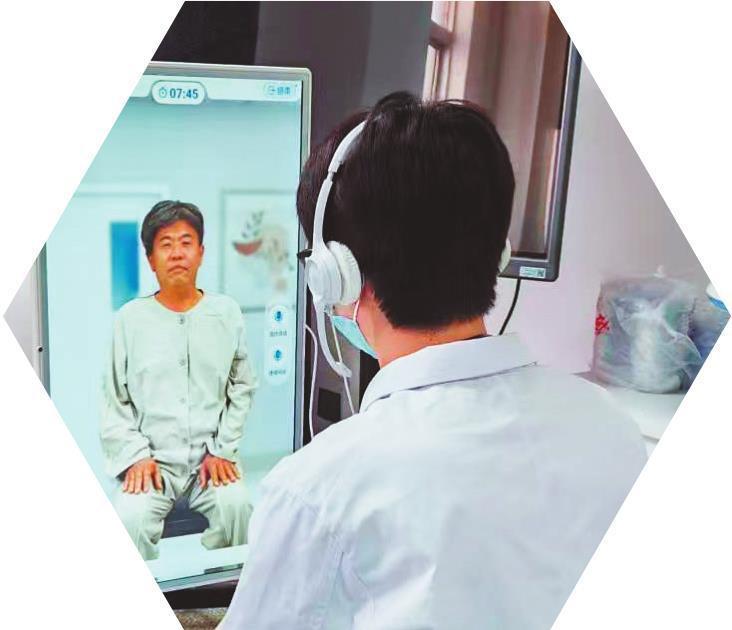
(来源:辽宁日报) 转自:辽宁日报 日前,2025年辽宁省制造业单项冠军企业名单公布,营口新增4户,分别是营口巨成教学科技开发有限 公司、营口风光新材料股份有限公司、营口昌成新材料科技有限公司和辽宁希泰科技有限公司。营口省 级制造业单项冠军企业累计16户,总数居全省第三。 辽宁省制造业单项冠军企业是指长期专注于制造业特定细分领域,生产技术或工艺水平达到国际先进或 国内领先水平,单项产品(生产性服务)市场占有率位居全球或国内前列的企业,是制造业领域的一项 冠军认证。 营口市工信局局长韩德帅介绍,为了培育更多的单项冠军,营口构建"储备——培育——提升"梯度培育 机制,建立"创新型中小企业——专精特新企业——'小巨人'企业——单项冠军企业"的全链条培育库, 在技术创新、品牌建设、市场开拓、融资服务等方面精准施策,补短板、锻长板,全力助推企业做精做 强。 要在强手如林的制造业领域脱颖而出并非易事。以营口巨成教学科技开发有限公司为例,24年间始终专 注于高端医疗教育装备研发制造。从最初简单的教学模型,到如今集人工智能、生物仿真、大数据于一 体的智能教学系统,走出一条从"跟跑"到"并跑"再到"领跑"的蝶变之路。 记者在生 ...
科技型中小企业增长783.4%的背后
Xin Lang Cai Jing· 2026-01-26 22:08
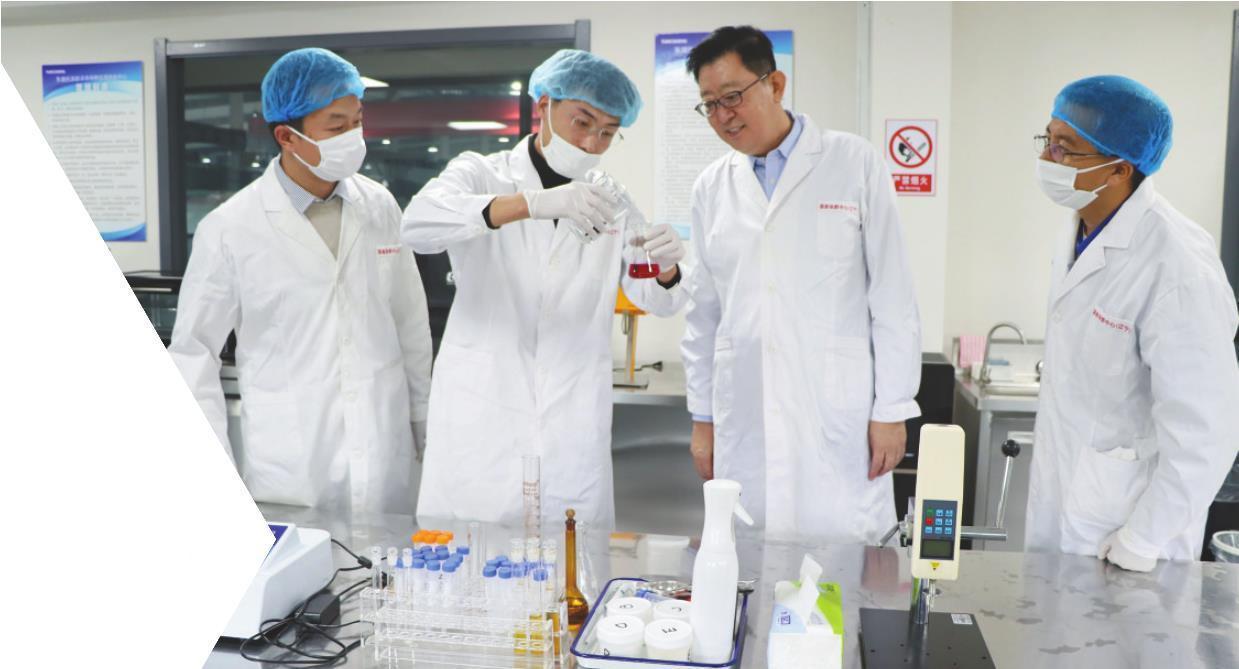
(来源:辽宁日报) 转自:辽宁日报 本报记者 佟利德 刚刚迈入新年,辽宁东盛新材料研发中心有限公司就传出一则好消息:新一代低成本草酸基海洋降解材料制备关键技术和工艺在此诞生。该公司研发中心主 任英杰说:"我们多年磨一剑,终于成功了!这一技术突破了传统降解材料成本高、性能差的行业困局,实现从源头到降解的全链条环保闭环。" 辽宁东盛科技集团有限公司作为高新技术企业,辽宁东盛新材料研发中心有限公司等子公司获得科技型中小企业和瞪羚、雏鹰企业等资质,在生物降解、农 产品保鲜等领域斩获多项创新成果,成为行业领军企业。 营口市科技局局长史建军介绍,营口聚焦"4+4+N"产业体系建设,以企业梯次培育体系为抓手,通过产学研合作、科技特派行动等举措,大力扶持一批敢闯 敢试的企业开展创新实践,科技成果加速转化,新质生产力不断壮大。 创新型企业离不开平台孵化。营口理工学院建设新质生产力技术支撑与验证中心平台,为市场主体提供工艺优化、数据验证、二次研发等一站式服务。营口 扶摇创业孵化服务有限公司被认定为省级科技企业孵化器,聚焦电子商务、软件开发等产业,为初创企业和创业团队提供全生命周期的孵化服务。构建"企 业出题、高校解题、市场阅卷" ...
把营商沃土转化为信心与活力
Xin Lang Cai Jing· 2026-01-26 22:08
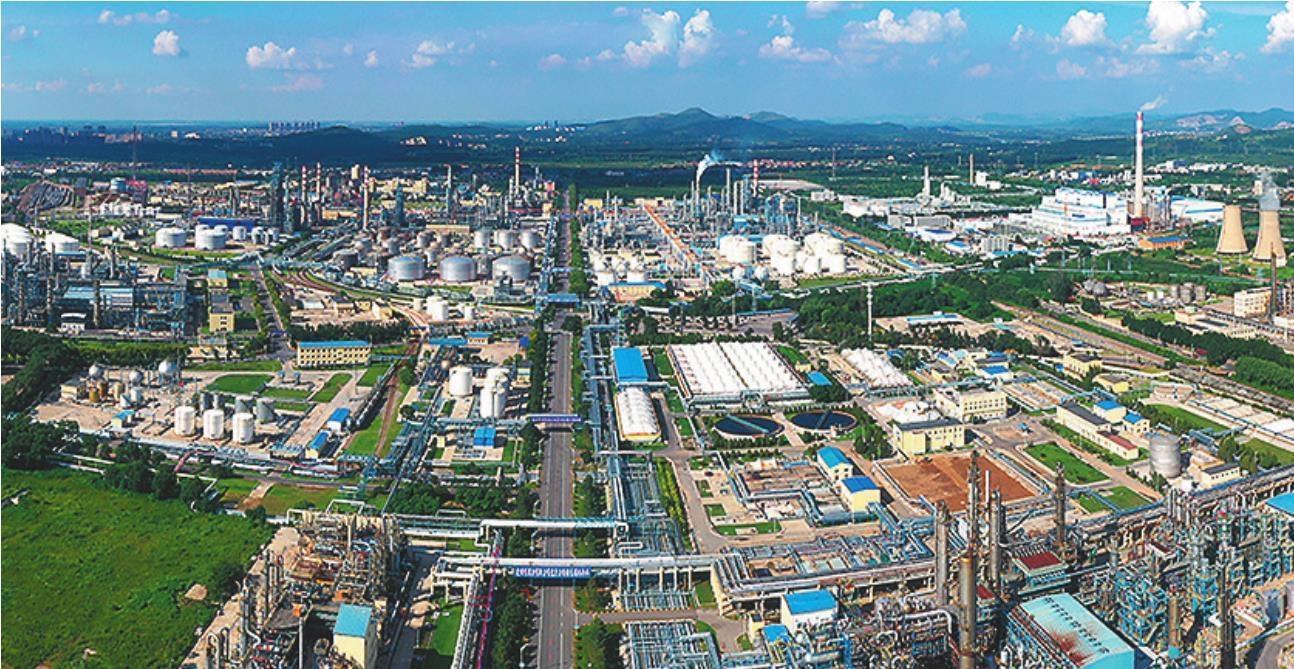
(来源:辽宁日报) 转自:辽宁日报 辽阳康达塑胶树脂有限公司工作人员正在进行成品入库操作。 核心提示 好的营商环境就是生产力、就是竞争力,是振兴发展的关键。辽阳市宏伟区把营商环境作为振兴发展的"生命线",以帮助企业和群众解决问题为着力点,全 力改进工作、优化服务,推动政务服务从"坐等审批"向"主动上门"转变,深入推进"项目管家"全链条服务机制,着力提升金融服务质效,全力让"办事更方 便、赚钱更容易"从政府的主观努力变成企业的精算结果。 一张证照的快速送达、一个项目的全程护航、一张"信用画像"的精准描绘……这些"快"与"实",正汇聚成宏伟区持续优化的营商沃土,转化为经营主体扎根 成长、创新创业的信心与活力。2025年,辽阳市宏伟区实有经营主体同比增长9.71%。 一张证照的送达 传递政务温度 "没想到,证直接送到店里了!"1月10日上午,辽阳市宏伟区如意饭店(辽化店)内,店主刘素静一脸惊喜地从市场监管所工作人员手中接过崭新的《食品 经营许可证》。 宏伟区兰家市场监督管理所所长支刚强一边递上证件,一边叮嘱:"您的店是咱们这儿的'老字号',后厨管理规范,这次延续换证很顺利。后续有任何经营 方面的问题,随时可以在微信 ...
打好产业强省建设攻坚战
Xin Lang Cai Jing· 2026-01-26 22:08
Core Viewpoint - Yunnan Province is prioritizing the construction of a modern industrial system through the "14th Five-Year Plan," focusing on key industries and investment to establish itself as a strong industrial province [1][2]. Group 1: Key Industry Development Directions - The industrial blueprint emphasizes three categories: "4+5+6," where "4" includes strengthening resource-based industries such as green aluminum, silicon photovoltaic, phosphorus chemical, and non-ferrous and rare metals [1]. - "5" focuses on consolidating and enhancing five characteristic advantageous industries: plateau characteristic agriculture, cultural tourism, green energy, tobacco, and modern logistics [1]. - "6" targets six key breakthrough areas: biomedicine, new materials, advanced equipment manufacturing, digital economy, low-altitude economy, and biomanufacturing, aiming to develop strategic emerging industries and future industries [1]. Group 2: Implementation and Strategic Focus - The plan requires local governments and departments to understand and implement the strategy effectively, as these selected industries contribute over 90% of the province's industrial added value [2]. - The focus on resource-based industries like aluminum and silicon is based on solid foundations, with an emphasis on extending and strengthening supply chains and improving quality [2]. - The strategy aims to convert resource advantages into industrial strengths, with a focus on major projects that drive significant industrial breakthroughs, particularly in the non-ferrous and rare metals sectors [3].
我省确定1682项产学研合作项目
Xin Hua Ri Bao· 2026-01-26 22:03
Group 1 - The Jiangsu Provincial Science and Technology Department announced the approval of 1,682 industry-university-research cooperation projects for 2025, representing a 48% increase from the previous year [1] - The projects involve 129 universities and research institutions from both within and outside the province, as well as 1,682 Jiangsu enterprises, with a total investment of 575 million yuan from related companies [1] - The initiative, established in 2018, aims to encourage collaboration between national universities and Jiangsu enterprises for technology research and the commercialization of scientific achievements [1] Group 2 - The new batch of projects includes 82 "Double High Coordination" projects, 951 technology vice president projects, 496 industry-university-research conference projects, and 153 technology transaction projects [1] - The majority of projects are concentrated in three industrial fields: electronic information (554 projects), advanced manufacturing (498 projects), and new materials and their applications (200 projects) [1] - There is also a significant distribution of projects in the fields of biomedicine and medical devices, urban construction and social development, and agriculture [1] Group 3 - New technologies, particularly artificial intelligence, are accelerating their application in Jiangsu enterprises for technological innovation and industrial development [2] - Collaborations include the development of an AI-based drug preparation platform by Nanjing University of Science and Technology and Jiangsu Chunshentang Pharmaceutical Co., aimed at automating high-throughput drug preparation [2] - Suzhou University is partnering with Kunshan Saiyang Electronic Materials Co. to develop an AI visual inspection system for detecting surface defects in photovoltaic screen printing materials, enhancing detection accuracy and automation [2] Group 4 - The "Provincial Industry-University-Research Cooperation Project" has grown from a few hundred projects to over 7,675 projects by 2022, indicating a steady annual increase [2]
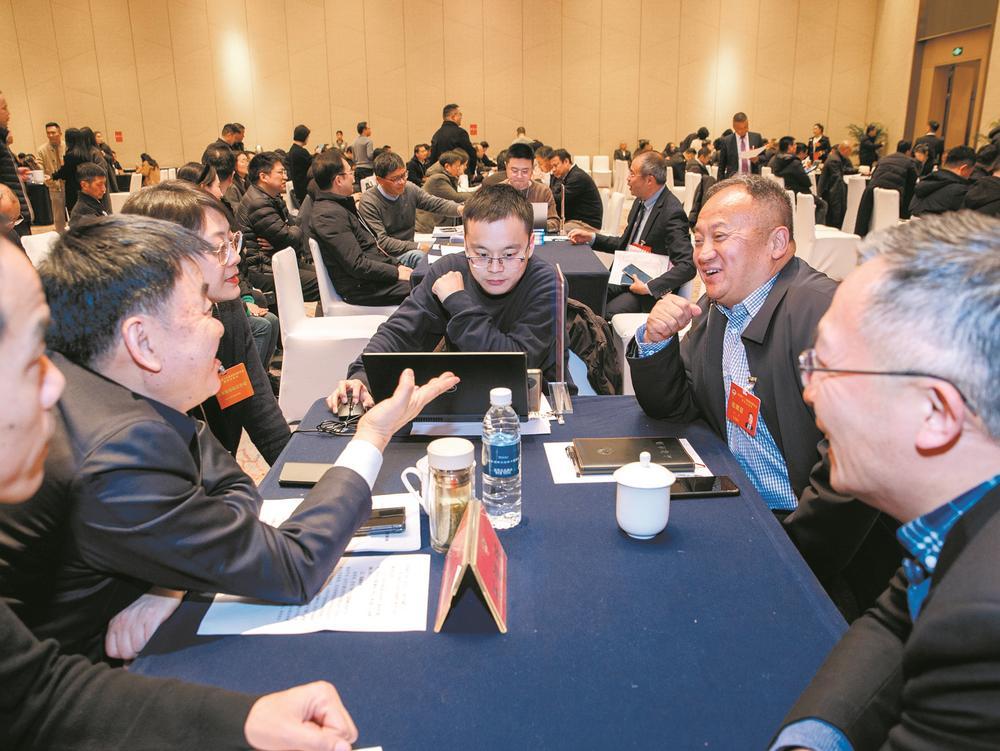
发展诉求 当场表态专项对接 民生关切 深度畅谈积极应对
Xin Lang Cai Jing· 2026-01-26 21:05
Economic Development - The "Committee-Director Face-to-Face" event has become a key platform for addressing economic development issues, allowing direct interaction between committee members and department heads [3][4] - The Chengdu Economic and Information Bureau and the New Economy Committee are focusing on precise policy implementation to address development bottlenecks [3] - A committee member highlighted the need for better integration of resources in the biopharmaceutical industry, prompting a commitment from the Economic and Information Bureau to facilitate industry alliances [4] Small and Medium Enterprises - A committee member raised concerns about compliance information access for small and medium enterprises in the new materials sector, suggesting the establishment of a free query platform [5] - The Chengdu Science and Technology Bureau responded positively, indicating plans to create a service platform to assist SMEs with compliance and patent searches [5] Social Welfare and Education - The event also addressed pressing social issues, such as mental health education in schools, with the Education Bureau confirming full coverage of psychological health teachers in all primary and secondary schools [6] - The Chengdu Civil Affairs Bureau is exploring a points-based service system for elderly care, adapting strategies from other cities to meet local aging trends [6] Engagement and Feedback - A total of 265 committee members participated in the event, raising 376 questions, with 372 answered on-site, demonstrating a high level of engagement and responsiveness from government departments [7] - The collaborative atmosphere fostered by the event has been recognized as beneficial for both committee members and government officials, enhancing the quality of policy discussions and implementation strategies [6][7]
1300+份新材料报告下载:做新材料领域的「攻坚者」
材料汇· 2026-01-26 15:08
Core Viewpoint - The article discusses the rapid growth and investment opportunities in the advanced packaging materials sector, highlighting the potential for domestic companies to replace foreign imports in critical areas [7][8]. Market Overview - The global market for advanced packaging materials is projected to reach $2.032 billion by 2028, with the Chinese market expected to grow to 9.67 billion yuan by 2025 [8]. - Specific materials such as PSPI, epoxy resin, and conductive adhesives are identified as key growth areas, with significant market size and growth forecasts [8]. Investment Opportunities - The article emphasizes the importance of domestic companies in the advanced packaging materials sector, listing several key players such as 鼎龙股份, 国风新材, and 三月科 [8]. - It outlines various investment stages in the new materials industry, from seed rounds to pre-IPO, detailing the associated risks and investment strategies at each stage [10]. Key Material Categories - The article categorizes advanced packaging materials into several types, including: - PSPI: Expected to grow from $528 million in 2023 to $2.032 billion by 2028 [8]. - Conductive adhesives: Projected to reach $3 billion by 2026 [8]. - Chip bonding materials: Estimated to grow from approximately $485 million in 2023 to $684 million by 2029 [8]. Domestic vs. Foreign Competition - The article highlights the competitive landscape, noting that foreign companies like Fujifilm, Toray, and Dow currently dominate the market, but domestic firms are rapidly advancing [8]. - It stresses the urgency for domestic companies to innovate and capture market share in light of increasing demand for advanced materials [7][8].