生物医药产业

Search documents
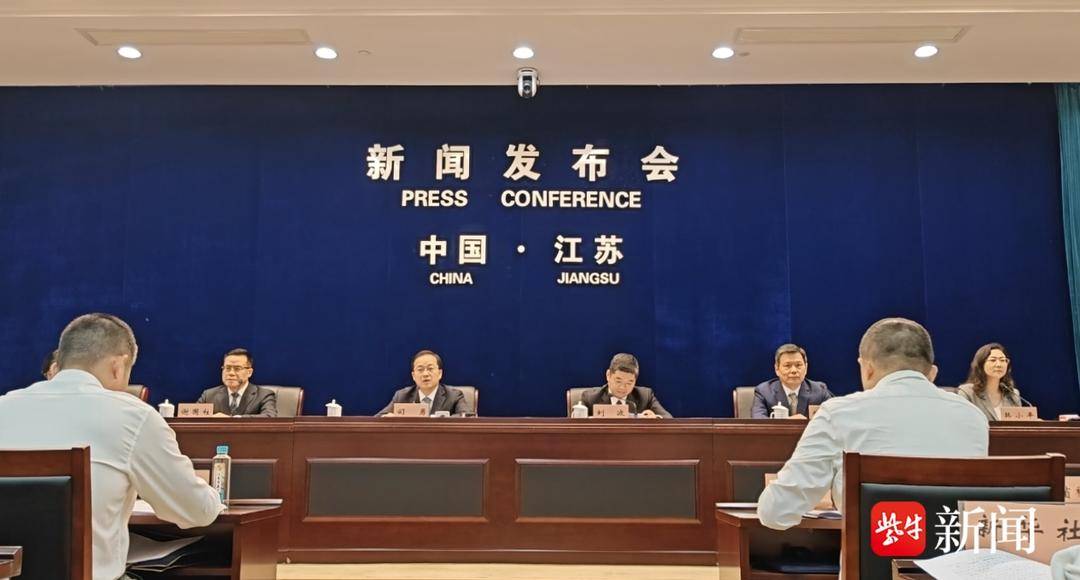
让好药研得快、减成本、通关快、用得快,在江苏自贸试验区,就有机会挂到外籍专家号
Yang Zi Wan Bao Wang· 2025-09-16 11:34
Core Viewpoint - The Jiangsu Free Trade Zone has launched a comprehensive reform plan for the biopharmaceutical industry, aiming to enhance innovation, reduce costs, and streamline processes, thereby positioning Jiangsu as a leader in the biopharmaceutical sector in China [3][4]. Group 1: Reform Characteristics - The reform plan is characterized by its originality and integrative nature, being the first in the nation to propose an open innovation development for the entire biopharmaceutical industry chain [3]. - Jiangsu is the first province approved for a pilot program in the biopharmaceutical sector and the first to receive a national special plan since the establishment of the Jiangsu Free Trade Zone [3]. Group 2: Policy Implementation - The implementation plan includes 18 measures across six areas: enhancing R&D capabilities, improving product approval services, building a production and distribution system, refining procurement policies, increasing support for resources, and ensuring safety in development [3]. - The focus is on the entire chain from R&D to manufacturing, distribution, and usage, aiming for breakthroughs across all paths [4]. Group 3: Industry Strengths - Jiangsu accounts for one-eighth of the national biopharmaceutical industry, ranking first in terms of scale [4]. - The province leads in the number of innovative drugs approved for market, with approximately one-third of the national total [4]. - The Free Trade Zone's three areas contribute significantly to the industry, showcasing strong upstream and downstream capabilities [4]. Group 4: Process Improvements - The reform aims to expedite the research and approval processes for generic drugs, with plans for a pilot program to simplify the registration process [4]. - New policies will allow segmented production, potentially reducing fixed asset investments by about 30% for biopharmaceutical companies [4]. Group 5: International Collaboration - The plan facilitates the recognition of international professional qualifications for foreign experts, allowing them to work in Jiangsu without needing to pass domestic qualification exams [5]. - It encourages foreign physicians to provide short-term medical services within the Free Trade Zone, enhancing local access to international expertise [5].

打通产业链卡点堵点,东莞人大建立专题台账“问诊”制造业
2 1 Shi Ji Jing Ji Bao Dao· 2025-09-16 05:18
Core Viewpoint - Dongguan is accelerating the construction of a modern industrial system, focusing on the integration of artificial intelligence and traditional industries, while addressing existing challenges through systematic analysis and targeted recommendations [1][2][3]. Group 1: Industrial Development Strategy - Dongguan has developed a structured "8+8+4" modern industrial system, transitioning from a "world factory" to a "strong city in scientific and technological manufacturing" [2][3]. - The city is promoting the deep integration of technological and industrial innovation, enhancing traditional industries' transformation and fostering the development of strategic emerging industries [2][3]. Group 2: Economic Performance and Challenges - Since the beginning of the 14th Five-Year Plan, Dongguan's industrial scale has significantly increased, with projected industrial output value and added value exceeding 2.5 trillion and 500 billion respectively by 2024 [3]. - Despite progress, challenges remain, including an incomplete industrial system, unbalanced industrial structure, and difficulties in transitioning from old to new growth drivers [3][4]. Group 3: Focus Areas for Improvement - The Dongguan Municipal People's Congress has identified six key areas for development: artificial intelligence and robotics, traditional industry integration, emerging industry growth, service industry enhancement, deep integration of technology and industry, and optimizing the business environment [4][5]. - Recommendations include promoting intelligent transformation, strengthening key industries, and enhancing the integration of AI with manufacturing processes [4][5].
2025湖北省百强镇名单发布在京发布
Sou Hu Cai Jing· 2025-09-12 02:27
Core Insights - The report highlights the strong economic performance and competitiveness of towns in Hubei Province, with a focus on the top 100 towns by comprehensive competitiveness for 2025, led by Dongshi Town in Zhijiang City [1] Economic Performance - Hubei's town economies are showing steady growth, with significant increases in key economic indicators. The average general public budget revenue for the top 100 towns is 347 million yuan, up 22.9% year-on-year, and the average industrial output value is 10.853 billion yuan, up 19.2% [1] - The number of market entities is increasing, with an average of 1,653 registered enterprises, an increase of 61 from the previous year, and 45 large-scale industrial enterprises, an increase of 6 [1] - Retail sales are also on the rise, with an average social retail sales total of 2.243 billion yuan, up 21.5%, and an increase in the number of comprehensive stores or supermarkets [1] New Production Capacity - The development of new quality production capacity is driving economic upgrades in Hubei's top towns, with traditional industries undergoing technological upgrades and new industries being cultivated [2] - Traditional manufacturing is evolving towards high-end, intelligent, and green development, while resource-based industries are extending into high-value sectors [2] - The number of specialized and innovative small and medium-sized enterprises is steadily increasing, reflecting a shift towards high-tech and high-quality characteristics [2] Industrial Development - The leading industries in Hubei's top towns are becoming more robust, with a focus on 1-2 competitive industries that are being strengthened [2] - The report indicates a 58.2% increase in total fixed asset investment for the top towns, showcasing the initial effects of industrial clustering [2] Regional Integration - Many towns are deeply integrating into regional development, supporting urban agglomeration construction and providing components for key industries such as automotive and electronics [3] - Nearly 60% of Hubei's top towns are located in key urban agglomeration areas, enhancing industrial collaboration [3] Development Environment - The development environment is continuously improving, with significant enhancements in infrastructure and governance capabilities [3] - Initiatives like "Four Good Rural Roads" and digital rural construction are strengthening the foundational support for industrial growth and talent attraction [3] Strategic Importance - Hubei Province plays a crucial role in the strategic development of central China, with county economies being fundamental to this strategy, and towns serving as essential components for high-quality development [4] - The report evaluates the comprehensive competitiveness of 922 towns based on economic scale, vitality, and per capita levels, using data from 2024 [4]
畅联股份:拟与生物医药公司合资设立畅联百福 注册资本5000万元
Xin Lang Cai Jing· 2025-08-28 08:16
Group 1 - The company plans to establish a joint venture named Shanghai Changlian Baifu Pharmaceutical Co., Ltd. with Shanghai Waigaoqiao Biopharmaceutical Industry Development Co., Ltd. [1] - The registered capital of the new company is set at 50 million yuan, with the company contributing 30 million yuan for a 60% stake, while the biopharmaceutical company will invest 20 million yuan for a 40% stake [1] - This investment is not expected to have a significant impact on the company's revenue, profit, or cash flow in the short term [1] Group 2 - The transaction is classified as a related party transaction but does not constitute a major asset reorganization [1] - The transaction has been approved by the company's independent directors, audit committee, and the board of directors, and does not require submission to the shareholders' meeting for approval [1]

省政府“坚决扛好经济大省挑大梁责任”系列新闻发布会聚焦“勇争先”改革破障激活力,开放拓界显担当
Xin Hua Ri Bao· 2025-08-26 23:21
Economic Performance - Jiangsu's GDP reached 6.7 trillion yuan in the first half of the year, with a year-on-year growth of 5.7%, maintaining the highest economic increment in the country [1] - The province's foreign trade import and export totaled 2.81 trillion yuan, growing by 5.2% year-on-year, with actual foreign investment at 11.54 billion USD, both ranking first in the nation [1] Reform and Support for Private Economy - Jiangsu has established a dedicated bureau for private economic development, implementing 20 policies to support private enterprises, contributing over 64% to economic growth [2] - The province's industrial output value from private enterprises increased by 8.7% year-on-year in the first half of the year [2] Investment and Financing - From January to July, private capital in the water, electricity, gas, and heat sectors increased by 36.8% on top of an 84.9% rise last year [3] - The provincial financing coordination mechanism has provided over 2 trillion yuan in loans to support nearly 10 million small and micro enterprises [3] Innovation and Financial Mechanisms - Suzhou has introduced a "four-loan linkage" mechanism, issuing loans totaling 890.61 billion yuan from October last year to August this year [4] - The digital RMB transaction volume in Suzhou exceeded 9 trillion yuan, accounting for 70% of the national total [4] Open Economy and International Cooperation - Jiangsu is enhancing its high-level openness, combining "bringing in" and "going out" strategies to create a dual open hub [5] - The province has launched over 450 institutional innovation achievements through its free trade zone, with recent approval for a comprehensive development plan for the biopharmaceutical industry [5][6] Urban-Rural Integration and Infrastructure Development - Jiangsu is advancing urban-rural integration, with 460,100 agricultural transfer populations receiving housing support through public rental and guaranteed rental housing [8] - The province is implementing a comprehensive management system for urban infrastructure, enhancing safety and intelligence in urban management [9]
凯因科技(688687.SH):上半年净利润4738.32万元 同比增长11.75%
Ge Long Hui A P P· 2025-08-14 08:22
Core Insights - The company, Kaiyin Technology, reported a revenue of 566.46 million yuan for the first half of 2025, reflecting a year-on-year decrease of 5.05% [1] - The net profit attributable to shareholders reached 47.38 million yuan, showing a year-on-year increase of 11.75% [1] - Research and development (R&D) investments amounted to 71.41 million yuan, which is a 1.22% increase compared to the previous year, accounting for 12.61% of total revenue [1] Industry Context - The biopharmaceutical industry is facing numerous changes and challenges in the first half of 2025 [1] - Despite the challenging environment, the company maintains strategic focus and is committed to enhancing its core competitiveness [1]

新证券法实施两周年 A股生态渐变
Xin Hua Wang· 2025-08-12 06:30
Core Viewpoint - The implementation of the new Securities Law has significantly strengthened the capital market's ability to serve the real economy, particularly in supporting innovation, while enhancing investor protection and improving information disclosure quality [1][2]. Group 1: Progress of Registration System Reform - The new Securities Law, effective from March 1, 2020, has systematically regulated the securities issuance registration system, optimizing conditions and procedures for securities issuance [2]. - Over the past two years, the registration system reform has progressed steadily, with the expansion of the Sci-Tech Innovation Board and the establishment of the Beijing Stock Exchange, indicating a shift towards enhancing market inclusivity and supporting technological innovation [2][3]. - As of now, the number of companies listed on the Sci-Tech Innovation Board has reached 391, with a total market capitalization exceeding 50 trillion yuan, showcasing a significant shift in the industry structure towards new economy and hard technology [3]. Group 2: Increase in Penalties for Market Violations - The new Securities Law has substantially increased penalties for securities violations, enhancing civil liability for securities misconduct and strengthening investor protection mechanisms [4]. - A notable case is the ruling in the Kangmei Pharmaceutical lawsuit, where 52,037 investors were awarded approximately 2.459 billion yuan in damages, marking a significant milestone in investor protection [5]. - The establishment of a coordinated mechanism for combating securities violations has been initiated, with the China Securities Regulatory Commission leading efforts to enhance the enforcement of laws against major violations [4][6]. Group 3: Enhancements in Investor Protection - The implementation of the Securities and Futures Administrative Law Enforcement Party Commitment System aims to improve enforcement efficiency and expedite compensation for investors [5]. - The Supreme People's Court has issued regulations clarifying the civil liability for false statements in the securities market, further solidifying the legal framework for investor protection [6]. - The overall legal environment has evolved to promote financing for enterprises while ensuring investor rights are comprehensively protected, with ongoing efforts to balance effective market regulation and investor interests [6].
河北证监局联合多部门开展上市公司大走访 以高质量服务助推企业发展
Zheng Quan Ri Bao Wang· 2025-08-05 03:59
Group 1 - The core viewpoint emphasizes the importance of high-quality development for listed companies in Hebei, driven by a collaborative approach involving multiple stakeholders [1] - The Hebei Securities Regulatory Bureau has initiated a "three-level linkage" mechanism to enhance the efficiency of company visits, resulting in a coverage rate of 85% among listed companies [2] - A total of 70 listed companies have been visited, with 33 issues resolved, showcasing the effectiveness of the initiative [2] Group 2 - The collaborative model integrates regulatory, service, financial, and media resources to support companies, with a focus on policy alignment and financial service customization [3] - The initiative encourages companies to focus on core business areas, enhance market value management, and improve investor communication [3][4] - Specific industries such as electronics and biomedicine are prioritized for visits, with tailored guidance provided to address unique challenges faced by companies [4] Group 3 - Future plans include expanding the coverage of company visits to achieve full coverage within the year and establishing a tracking system for issue resolution [5] - The goal is to leverage capital market policies to support economic growth in Hebei, contributing to the province's development [5]



5.7%里看韧性
Sou Hu Cai Jing· 2025-07-21 23:10
Economic Performance - Jiangsu's GDP grew by 5.7% year-on-year, surpassing the national average by 0.4 percentage points, indicating the province's economic resilience and vitality amid external pressures [1] - The province's total import and export value increased by 5.2% compared to the same period last year, outperforming the national growth rate by 2.3 percentage points, with significant contributions from the Belt and Road Initiative [2] Structural Adjustments and Innovations - High-tech industries accounted for 51.8% of the total industrial output value, reflecting a 0.4 percentage point increase from the first quarter, showcasing the shift towards high-quality development [3] - High-tech manufacturing grew by 11.8% year-on-year, contributing 2.7 percentage points to the overall industrial growth, demonstrating the effectiveness of Jiangsu's strategic focus on innovation and transformation [3] Socioeconomic Impact - The "Su Chao" sports events have positively influenced the economy, culture, and society, leading to a 14.4% increase in visitors from other regions and a 14.7% rise in tourism consumption, highlighting the broader impact of sports on urban image and community engagement [2] - Continuous technological and industrial innovation is driving economic resilience, with examples such as a digital workshop in Nanjing improving sample delivery efficiency by over 50% and the establishment of innovation platforms in Changzhou [3] Future Outlook - The 5.7% growth rate serves as a barometer for Jiangsu's economic resilience and a reflection of China's high-quality development trajectory, emphasizing the importance of proactive competitiveness in facing external uncertainties [4]
长三角将逼近世界第一
投资界· 2025-06-25 07:02
Core Viewpoint - The article emphasizes the rapid economic growth and potential of the Yangtze River Delta (YRD) region, highlighting its proximity to developed economy standards and its position as a major urban economic cluster globally [5][7]. Economic Overview - In 2024, the YRD's GDP is projected to reach $4.65 trillion, making it the second-largest urban agglomeration in the world, following the Boston-Washington corridor [5][7]. - The YRD's per capita GDP is expected to hit $19,500, just shy of the $20,000 threshold that typically defines developed economies [5][7]. Regional Comparison - The YRD includes Shanghai, Jiangsu, Zhejiang, and Anhui, while the Guangdong-Hong Kong-Macau Greater Bay Area (GBA) comprises nine cities including Hong Kong and Macau [9][11]. - The YRD has a population of 238 million and an area of 358,000 square kilometers, compared to the GBA's 86.88 million population and 56,000 square kilometers [11]. Historical Context - The YRD's economic development has evolved from the Suzhou model of county-level economies to a more integrated urban cluster, particularly after the establishment of the Shanghai Pudong Development Zone and Suzhou Industrial Park in the 1990s [10]. Economic Density and Trade - Both the YRD and Pearl River Delta (PRD) regions exhibit high economic density, driven by extensive trade facilitated by their numerous ports [13]. - The Yangtze River serves as a critical transportation artery, with its cargo volume surpassing that of the entire Chinese railway system, enhancing the YRD's economic connectivity [15]. Factors Contributing to Success - The geographical advantages of the YRD, including its flat terrain and proximity to major ports like Shanghai and Ningbo-Zhoushan, significantly contribute to its economic growth [15][16]. - The region boasts a rich educational background, producing a high number of academicians and housing top-tier universities, which supports innovation and talent development [16]. Future Growth Drivers - Future growth in the YRD is anticipated to stem from three key areas: Hangzhou's digital economy, Anhui's industrial integration, and the revitalization of Shanghai [19][20]. - Hangzhou is recognized as a vibrant city for innovation, while Anhui's integration into the YRD is bolstered by the rise of local enterprises like iFlytek and NIO [20][21]. - Shanghai's ongoing urban development initiatives aim to enhance its population influx and economic vitality, addressing challenges in industrial transformation [21].